1. ArchDaily
  2. Community Architecture

Community Architecture: The Latest Architecture and News

From Passages to Shared Spaces: The Social Life of Circulation

Subscriber Access | 

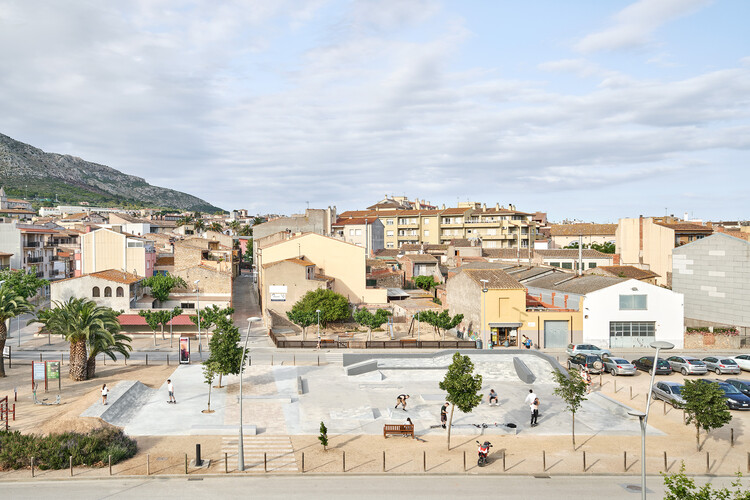
Most people rarely remember a passage. They remember the classroom, the apartment, the gallery, or the plaza at the end of it. Passages are usually designed to disappear into the background, guiding movement from one destination to the next. Yet some of architecture's most memorable experiences happen while moving through a place rather than arriving at it.

Circulation is often treated as one of architecture's most practical elements. Corridors connect rooms, galleries provide access, and walkways organize movement through a building. Their purpose seems straightforward: to help people get from one point to another. Because of this, circulation spaces have long been considered secondary to the programs they serve. Attention tends to focus on destinations, while the spaces in between remain largely unnoticed.

From Passages to Shared Spaces: The Social Life of Circulation - Image 1 of 4From Passages to Shared Spaces: The Social Life of Circulation - Image 2 of 4From Passages to Shared Spaces: The Social Life of Circulation - Image 3 of 4From Passages to Shared Spaces: The Social Life of Circulation - Image 4 of 4From Passages to Shared Spaces: The Social Life of Circulation - More Images+ 13

Inhabited Landscapes: 22 Cultural and Community Centers in Rural Areas

Subscriber Access | 

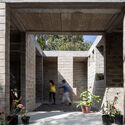
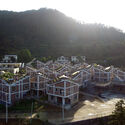
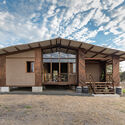
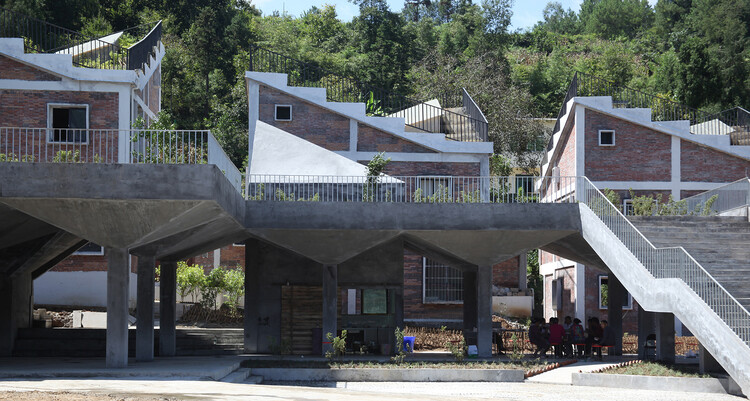
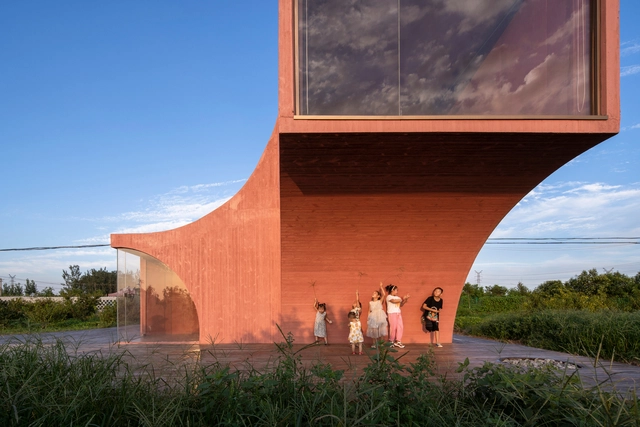
The architecture of cultural and community centers in rural areas around the world has become a rich field for experimentation, where tradition and innovation intersect. Rather than replicating standardized urban models, these projects embrace contemporary approaches tailored to local realities, blending bold design, sustainable technologies, and collaborative processes. Often developed in close partnership with local communities, they draw on regional materials and cultural symbols to create spaces that do more than host activities: they express a collective identity and a profound sense of belonging. By reimagining vernacular knowledge through a modern lens, these buildings support and inspire new ways of living in the countryside.

Inhabited Landscapes: 22 Cultural and Community Centers in Rural Areas - Image 1 of 4Inhabited Landscapes: 22 Cultural and Community Centers in Rural Areas - Image 2 of 4Inhabited Landscapes: 22 Cultural and Community Centers in Rural Areas - Image 3 of 4Inhabited Landscapes: 22 Cultural and Community Centers in Rural Areas - Image 4 of 4Inhabited Landscapes: 22 Cultural and Community Centers in Rural Areas - More Images+ 26

A Project in Motion: The Story Behind Realengo Park Market Square in Rio de Janeiro

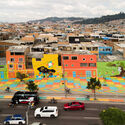
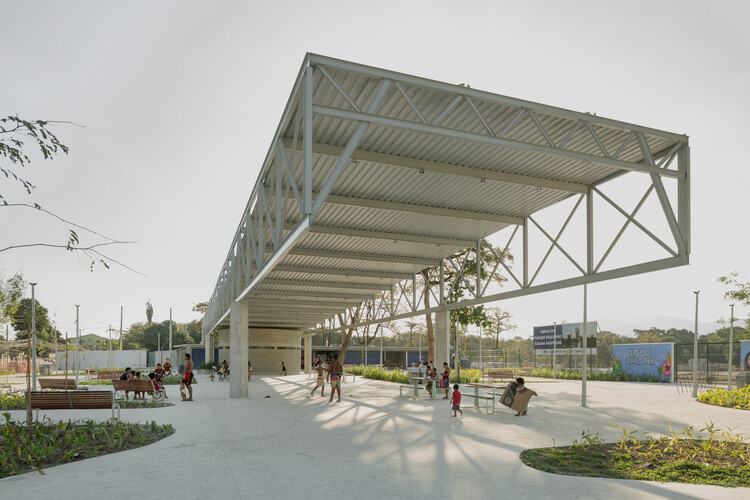
Even before any drawing or formal decision, the place now occupied by Praça do Mercado in Parque Realengo, Rio de Janeiro, already pulsed with movement. Improvised stalls, informal gatherings, music, children running, and adults gathered beneath temporary shelters composed a vibrant landscape, sketching an ephemeral architecture.

It is within this context that the work developed by Juliana Ayako—one of the winners of the ArchDaily 2025 Next Practices Awards—together with Carlos Zebulun, Helena Meirelles, Larissa Monteiro, Rodrigo Messina, Francisco Rivas, emerged. The project management, urban planning, and landscape design were carried out by Ecomimesis Soluções Ecológicas, winner of the public competition organized by the Municipality of Rio de Janeiro in 2023.

A Project in Motion: The Story Behind Realengo Park Market Square in Rio de Janeiro - Image 1 of 4A Project in Motion: The Story Behind Realengo Park Market Square in Rio de Janeiro - Image 2 of 4A Project in Motion: The Story Behind Realengo Park Market Square in Rio de Janeiro - Image 3 of 4A Project in Motion: The Story Behind Realengo Park Market Square in Rio de Janeiro - Image 4 of 4A Project in Motion: The Story Behind Realengo Park Market Square in Rio de Janeiro - More Images+ 18

Architecture that Empowers Communities: The Stories Behind Francis Kéré’s Projects

Subscriber Access | 

"My only concern is that my work must have a positive impact on the communities in which it is embedded," states Francis Kéré in his book Francis Kéré: Building Stories. His own life story, the context in which he was raised, and the experiences he has lived through all shape his approach to architecture. It is a commitment that extends to people and the places they call home—one that values materiality, collective learning, and the exchange of knowledge. Discovering the stories behind projects such as Primary School in Gando and Naaba Belem Goumma Secondary School inspires reflection on how to design spaces that truly serve humanity.

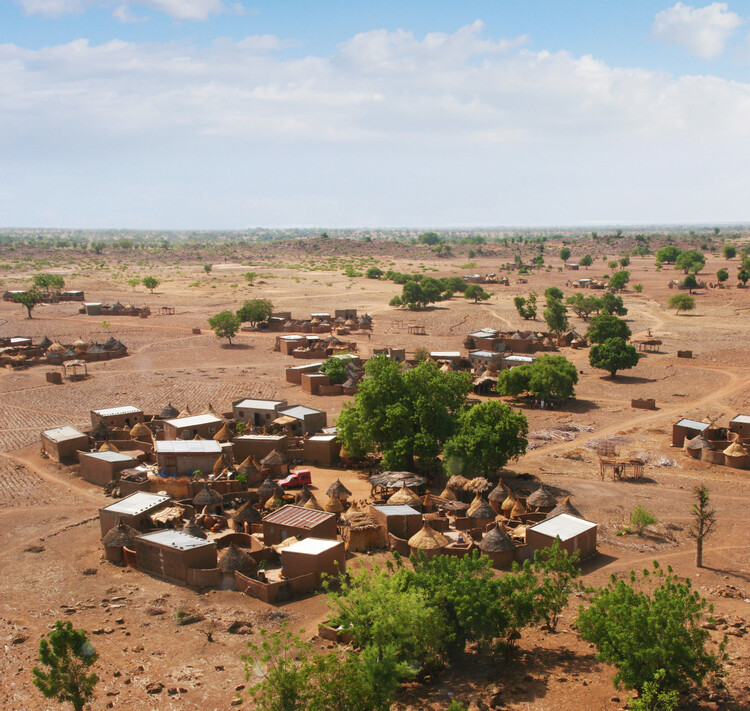
Francis Kéré's story begins in a village in sub-Saharan Africa and extends across many places. Gando was the setting of his first education, where he absorbed the essence and principles that later shaped the core values of his career alongside influences from other cultures. The structure of Gando is formed by different families who organize themselves, according to established customs, within courtyards scattered across the savanna. Growing up in this remote village in the Burkina Faso savanna fosters a strong sense of community, made tangible by the understanding that each resident of every courtyard is part of the life of the whole.

Architecture that Empowers Communities: The Stories Behind Francis Kéré’s Projects - Image 1 of 4Architecture that Empowers Communities: The Stories Behind Francis Kéré’s Projects - Image 2 of 4Architecture that Empowers Communities: The Stories Behind Francis Kéré’s Projects - Image 3 of 4Architecture that Empowers Communities: The Stories Behind Francis Kéré’s Projects - Image 4 of 4Architecture that Empowers Communities: The Stories Behind Francis Kéré’s Projects - More Images+ 25

Architecture of Belonging: Vision Pakistan in Islamabad by DB Studios

Subscriber Access | 

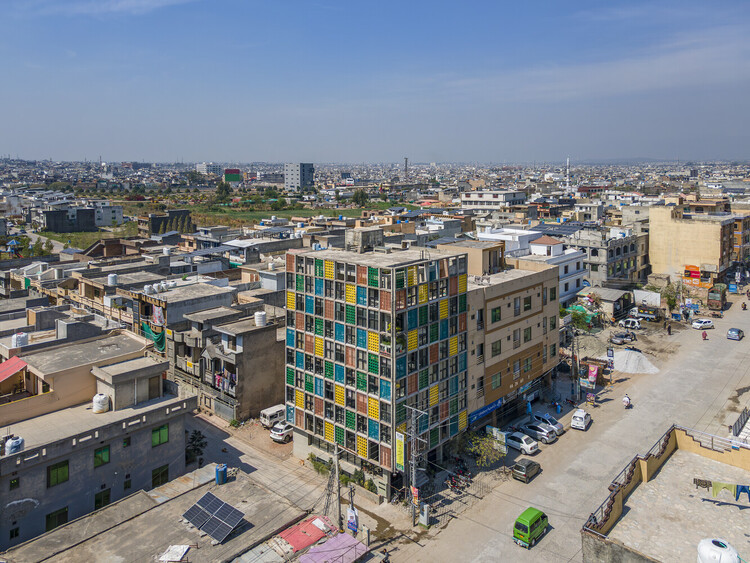
For DB Studios, architecture is not only about building, but about belonging. It is about creating a situated practice, one that responds to its context, its people, and its local identity, expressed through materials, color, and spatial decisions. In this sense, design becomes a way of articulating a language rooted in its context and shaped by the people it serves.

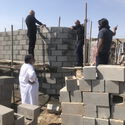
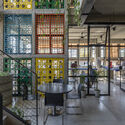
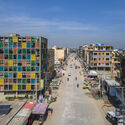
This position becomes especially evident in Vision Pakistan, a project by DB Studios recently recognized with the 2025 Aga Khan Award for Architecture. Beyond recognizing the project's architectural qualities, the award highlights a broader commitment: creating a supportive environment for underprivileged youth in which education, vocational training, and spatial design work together to foster independence and social mobility. Through its form, façade, and interior organization, the building responds closely to its context, reinforcing a sense of ownership among its users while fostering pride in the surrounding community and among emerging local practitioners.

Architecture of Belonging: Vision Pakistan in Islamabad by DB Studios - Image 1 of 4Architecture of Belonging: Vision Pakistan in Islamabad by DB Studios - Image 2 of 4Architecture of Belonging: Vision Pakistan in Islamabad by DB Studios - Image 3 of 4Architecture of Belonging: Vision Pakistan in Islamabad by DB Studios - Image 4 of 4Architecture of Belonging: Vision Pakistan in Islamabad by DB Studios - More Images+ 14

Kéré Architecture Designs Healthcare Center in Burundi Using Regional Materials and Community-Based Construction

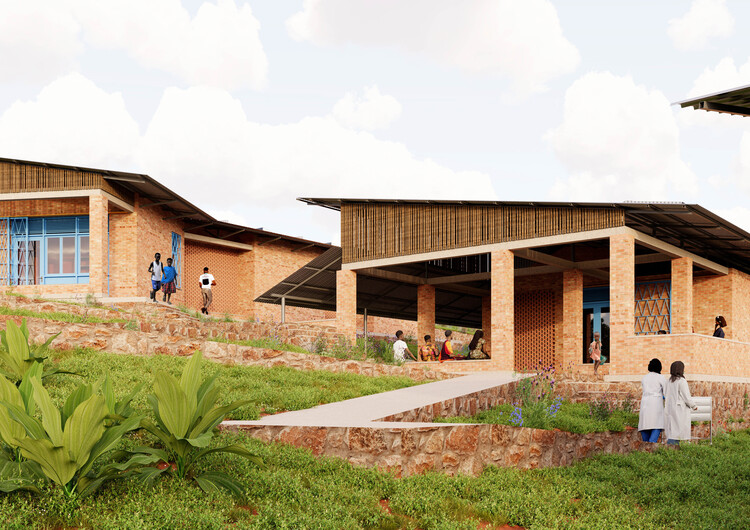
Kéré Architecture has designed a new healthcare center in the Bubanza region of Burundi, about 40 kilometers north of the country's former capital, Bujumbura. Commissioned by the NGO Ineza Clinic, the project aims to improve access to healthcare for the region's rural population, complementing the services of the existing general hospital, with a focus on maternity and specialized surgical care. Francis Kéré's plan distributes the program across ten pavilions connected by a road that zigzags up the hillside toward a visitor center, forming a 3,000 m² complex. The project combines materials sourced from the surrounding region, traditional craftsmanship, and knowledge transfer, minimizing its carbon footprint, supporting the local economy, and strengthening local teams. Construction has already started, with the first phase scheduled for completion this year.

Kéré Architecture Designs Healthcare Center in Burundi Using Regional Materials and Community-Based Construction - Image 1 of 4Kéré Architecture Designs Healthcare Center in Burundi Using Regional Materials and Community-Based Construction - Image 2 of 4Kéré Architecture Designs Healthcare Center in Burundi Using Regional Materials and Community-Based Construction - Image 3 of 4Kéré Architecture Designs Healthcare Center in Burundi Using Regional Materials and Community-Based Construction - Image 4 of 4Kéré Architecture Designs Healthcare Center in Burundi Using Regional Materials and Community-Based Construction - More Images+ 15

Rural Transportation Hubs: Infrastructure Design, Access, and Regional Mobility

Subscriber Access | 

The future of transportation hubs in the United States will not be defined by iconic metropolitan airport terminals and expansive central train stations. Rural communities contain the majority of the nation's road miles, carry nearly half of all truck vehicle miles traveled, and originate two-thirds of rail freight. These realities position rural transportation hubs as vital regional access points and distribution centers that shape national mobility outside models of urban extensions.

Rural transportation hubs in the United States are essential civic and logistical anchors whose success cannot be measured against urban metrics. Instead of replicating transport hubs of dense urban typologies, designers are developing architectural models that reflect rural realities: dispersed populations, freight-dominant infrastructure, modest multimodality, safety challenges, and social access needs. In many rural regions, a modest airport terminal sustains economic viability, a rail transfer facility connects resource-based industries to national markets, and a regional bus depot provides access to employment, education, and essential services.

Rural Transportation Hubs: Infrastructure Design, Access, and Regional Mobility - Image 1 of 4Rural Transportation Hubs: Infrastructure Design, Access, and Regional Mobility - Image 2 of 4Rural Transportation Hubs: Infrastructure Design, Access, and Regional Mobility - Image 3 of 4Rural Transportation Hubs: Infrastructure Design, Access, and Regional Mobility - Image 4 of 4Rural Transportation Hubs: Infrastructure Design, Access, and Regional Mobility - More Images+ 44

Intestines of a Building: Aziza Chaouni on Architecture’s Systems and Resources

In an age so obsessed with skincare and appearances, few architects are truly interested in the intestines of our buildings. With a practice rooted in contextual awareness and technical pragmatism, sensitive to the needs of the people it serves and to resource limitations, Moroccan architect Aziza Chaouni focuses on the hidden systems that allow architecture to be. Over the past two decades, she has been working on projects across different geographies, particularly in the Saharan region, actively engaging with its communities and heritage.
Currently leading the South–North (SoNo) Lab for Sustainable Construction and Conservation at EPFL in Lausanne, Switzerland, Chaouni brings to the academic realm her architectural expertise in operating under pressing constraints, advocating for reciprocal collaboration between the Global South and the Global North. ArchDaily had the opportunity to speak with Aziza about her experience in Africa and how it can foster more sustainable ways of designing buildings for the future of our cities.

Intestines of a Building: Aziza Chaouni on Architecture’s Systems and Resources - Image 1 of 4Intestines of a Building: Aziza Chaouni on Architecture’s Systems and Resources - Image 2 of 4Intestines of a Building: Aziza Chaouni on Architecture’s Systems and Resources - Image 3 of 4Intestines of a Building: Aziza Chaouni on Architecture’s Systems and Resources - Image 4 of 4Intestines of a Building: Aziza Chaouni on Architecture’s Systems and Resources - More Images+ 25

Designing With, Not For: CatalyticAction’s Participatory Practice

Architecture is often evaluated through finished forms, yet some practices operate in a different register, one where design unfolds through relationships, time, and use rather than through a single outcome. For CatalyticAction, participation is not a parallel social activity, but the means through which spaces are conceived, constructed, and sustained over time.

Based between Beirut and London, the practice has worked across the Middle East and Europe, developing public spaces, schools, playgrounds, and everyday urban infrastructures through long-term collaboration with local communities. Grounded in participatory research and collective decision-making, this approach was recognized through ArchDaily's 2025 Next Practices Awards, highlighting a mode of practice where architecture is understood as a shared, evolving process rather than a fixed object. In this context, architectural value is measured through continuity, use, and collective ownership, rather than through form alone.

Designing With, Not For: CatalyticAction’s Participatory Practice - Image 1 of 4Designing With, Not For: CatalyticAction’s Participatory Practice - Image 2 of 4Designing With, Not For: CatalyticAction’s Participatory Practice - Image 3 of 4Designing With, Not For: CatalyticAction’s Participatory Practice - Image 4 of 4Designing With, Not For: CatalyticAction’s Participatory Practice - More Images+ 21

Framing Life Through Voids and Verandahs: The Architecture of pk_iNCEPTiON

Founded as a practice working across architecture and community-focused projects, pk_iNCEPTiON is based in Maharashtra, India. The studio, one of the winners of the ArchDaily 2025 Next Practices Awards, works on rural schools, houses, libraries, and public buildings, with a focus on spatial organization and adaptability. Operating across varied social and climatic contexts, pk_iNCEPTiON approaches design through careful attention to movement, scale, and the relationship between built form and open space.

Framing Life Through Voids and Verandahs: The Architecture of pk_iNCEPTiON - Image 1 of 4Framing Life Through Voids and Verandahs: The Architecture of pk_iNCEPTiON - Image 2 of 4Framing Life Through Voids and Verandahs: The Architecture of pk_iNCEPTiON - Image 3 of 4Framing Life Through Voids and Verandahs: The Architecture of pk_iNCEPTiON - Image 4 of 4Framing Life Through Voids and Verandahs: The Architecture of pk_iNCEPTiON - More Images+ 17

From the Courtyard to the Neighborhood: Latin American Lessons on Collective Placemaking

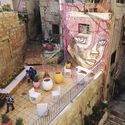
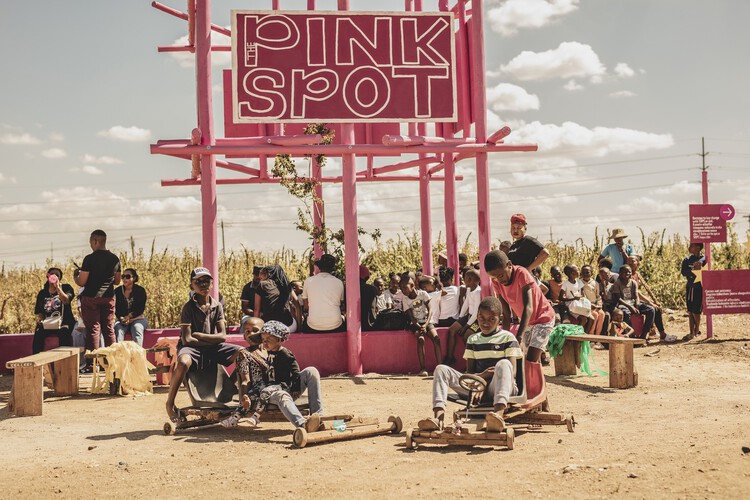
In Latin America, encounters do not necessarily arise from grand architectural gestures or monumental urban plans. They emerge from the in-between, from intermediate spaces: the courtyard, the veranda, the sidewalk, the shared corridor. These areas, often considered residual or informal by the traditional architectural discipline, are precisely where everyday life builds bonds.

From this Latin American culture comes a spatial logic in which daily life is organized in a relational and expansive way. Practices such as sitting at the front door, occupying the sidewalk, and playing in the street produce a lived city that extends beyond the formal limits of design.

From the Courtyard to the Neighborhood: Latin American Lessons on Collective Placemaking - Image 1 of 4From the Courtyard to the Neighborhood: Latin American Lessons on Collective Placemaking - Image 2 of 4From the Courtyard to the Neighborhood: Latin American Lessons on Collective Placemaking - Image 3 of 4From the Courtyard to the Neighborhood: Latin American Lessons on Collective Placemaking - Image 4 of 4From the Courtyard to the Neighborhood: Latin American Lessons on Collective Placemaking - More Images+ 5

Architecture as Infrastructure: How India Builds for a Billion

Subscriber Access | 

India's built environment has, in recent years, gained visibility through a growing number of transformative architectural and infrastructure projects. Cities and towns scale faster each year, despite looming concerns around climate and economic volatility. The nation has shown resilience in balancing rapid urbanization with resource constraints; this is no small feat. India's architectural practices rarely rely on novelty alone; they are built on systems that have existed for centuries. Through ArchDaily's Building for Billions, recurring stories have highlighted the social intelligence and adaptive capacity embedded in these practices, revealing an architecture that operates less as isolated form and more as infrastructure.

Architecture as Infrastructure: How India Builds for a Billion - Image 1 of 4Architecture as Infrastructure: How India Builds for a Billion - Image 2 of 4Architecture as Infrastructure: How India Builds for a Billion - Image 3 of 4Architecture as Infrastructure: How India Builds for a Billion - Image 4 of 4Architecture as Infrastructure: How India Builds for a Billion - More Images+ 2

Best Articles of 2025: Plural Practices, Environmental Responses, and an Architecture of Care

Across recent years, architectural discourse has been shaped by the emergence of new voices, rediscovered territories, and a growing commitment to shared forms of knowledge. These concerns remain fully present in 2025 as ongoing debates that continue to gain density and nuance. Questions of who produces architecture, from which contexts, and under what conditions remain central, increasingly informed by practices that operate collectively, across disciplines, and beyond singular authorship.

This continuity is reflected in how architecture is understood less as a finished object and more as an ongoing process embedded in social, cultural, and environmental systems. Discussions around agency, participation, and knowledge production persist, alongside sustained attention to rural, peripheral, and historically marginalized contexts. Rather than privileging a single scale or geography, architecture is approached as a practice that moves between territories, acknowledging the unequal conditions that shape how spaces are designed, built, maintained, and inhabited.

Best Articles of 2025: Plural Practices, Environmental Responses, and an Architecture of Care - Image 1 of 4Best Articles of 2025: Plural Practices, Environmental Responses, and an Architecture of Care - Image 2 of 4Best Articles of 2025: Plural Practices, Environmental Responses, and an Architecture of Care - Image 3 of 4Best Articles of 2025: Plural Practices, Environmental Responses, and an Architecture of Care - Image 4 of 4Best Articles of 2025: Plural Practices, Environmental Responses, and an Architecture of Care - More Images+ 31

Architecture in Ecuador: 16 Projects Rooted in Territory, Craft, and Collective Practice

Subscriber Access | 

Between the Andes, the coast, and the Amazon, Ecuador's architecture has evolved as a reflection of its layered geography, a place where climate, topography, and culture unite. Throughout the territory, architecture has been an act of adaptation: from vernacular traditions rooted in collective labor and local materials to the colonial and modernist influences that reshaped its cities. This diversity has produced distinct constructive systems, from bamboo and cane structures along the coast to earth and stone constructions in the Andes, forming an archive of adaptive design that continues to influence contemporary practice.

Yet in the past decade, Ecuadorian architecture has undergone a quiet but deep transformation. New academic programs and international references have encouraged a growing awareness of climate and social justice. Emerging architects are redefining practice through workshops, collective studios, and on-site experimentation that blurs the line between design and activism. No longer focused on architecture as an object, a new generation of architects is approaching design as a process. One focused on collaboration, sustainability, and cultural identity. Their questions have shifted the design language from what to build to with whom.

Architecture in Ecuador: 16 Projects Rooted in Territory, Craft, and Collective Practice  - Image 1 of 4Architecture in Ecuador: 16 Projects Rooted in Territory, Craft, and Collective Practice  - Image 2 of 4Architecture in Ecuador: 16 Projects Rooted in Territory, Craft, and Collective Practice  - Image 3 of 4Architecture in Ecuador: 16 Projects Rooted in Territory, Craft, and Collective Practice  - Image 4 of 4Architecture in Ecuador: 16 Projects Rooted in Territory, Craft, and Collective Practice  - More Images+ 12

ArchDaily Curator’s Picks 2025: A Look Back at 12 Key Project Reviews

For the past couple of years, the project curators at ArchDaily have been revisiting architectural works they believe deserve a deeper look. Through an Instagram post called "Project Review", the curators describe what they consider to be the work's main attribute(s). Delving into the project's stories and the elements that make them truly inspiring, they underline what might otherwise be overlooked initiatives and study them closely, with attention to locality and context. The result is an array of diverse works, often from rural or suburban areas that have a public function or historic significance.

While a couple of houses are listed, the majority of the reviews veer towards cultural centers, libraries, workspaces, or commercial settings. Another thing to note is the fact that many of these works ended up coming in from Asia, with a few key projects from rural China. The picks are quite diverse in materiality and design language; however, they all suggest innovative architectural solutions and captivating narratives.
ArchDaily Curator’s Picks 2025: A Look Back at 12 Key Project Reviews - Image 1 of 4ArchDaily Curator’s Picks 2025: A Look Back at 12 Key Project Reviews - Image 2 of 4ArchDaily Curator’s Picks 2025: A Look Back at 12 Key Project Reviews - Image 3 of 4ArchDaily Curator’s Picks 2025: A Look Back at 12 Key Project Reviews - Image 4 of 4ArchDaily Curator’s Picks 2025: A Look Back at 12 Key Project Reviews - More Images+ 12

Community-Centered Architecture: Redefining the Role of Architects in South America

Subscriber Access | 

Across South America, architecture is increasingly being understood as a collective act. Rather than imposing external views, many studios and designers are building with and for communities, learning from their local practices, materials, and ways of inhabiting. These projects are repositioning the architect's role from an author to a facilitator, transforming design into a participatory process that centers collaboration, care, and mutual respect.
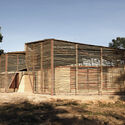
What unites these efforts is not style or scale, but a shared belief: architecture emerges from collective dialogue, not imposition. From rural Ecuador to the urban peripheries of Brazil, Colombia, and Paraguay, these projects reveal how social engagement and local making produce spaces that are sustainable not only environmentally but also socially. They respond to inequality not through top-down solutions, but through co-authorship, offering spaces that reflect the needs, knowledge, and agency of the people who use them.

Community-Centered Architecture: Redefining the Role of Architects in South America - Image 1 of 4Community-Centered Architecture: Redefining the Role of Architects in South America - Image 2 of 4Community-Centered Architecture: Redefining the Role of Architects in South America - Image 3 of 4Community-Centered Architecture: Redefining the Role of Architects in South America - Image 4 of 4Community-Centered Architecture: Redefining the Role of Architects in South America - More Images+ 15

2025 Pritzker Architecture Prize Ceremony Video Released Honoring Liu Jiakun

The Pritzker Architecture Prize has released a special video honoring Liu Jiakun, the 54th Laureate of the award. Filmed at the Louvre Abu Dhabi, the ceremony celebrates Liu's architectural vision, characterized by a deep engagement with civic life, cultural continuity, and the human condition. The film captures moments from the event and offers insight into Liu's broader practice, emphasizing architecture's capacity to reconcile tradition and modernity while addressing social and environmental challenges. The release of the ceremony video marks the culmination of the 47th edition of the Pritzker Architecture Prize. The 2026 Laureate will be announced in March, continuing the award's legacy of recognizing architects whose work advances the discipline and its role in shaping human experience.
2025 Pritzker Architecture Prize Ceremony Video Released Honoring Liu Jiakun - Image 1 of 42025 Pritzker Architecture Prize Ceremony Video Released Honoring Liu Jiakun - Image 2 of 42025 Pritzker Architecture Prize Ceremony Video Released Honoring Liu Jiakun - Image 3 of 42025 Pritzker Architecture Prize Ceremony Video Released Honoring Liu Jiakun - Image 4 of 42025 Pritzker Architecture Prize Ceremony Video Released Honoring Liu Jiakun - More Images+ 3

Khudi Bari: Architecture for Climate Displacement

Subscriber Access | 

In the low-lying deltas of Bangladesh, water defines both life and loss. Every year, millions are forced to rebuild after floods wash away their homes, crops, and livelihoods. In these precarious territories, the act of building has become an act of resilience. It is here that Khudi Bari emerges as a modest yet radical proposal. Designed by Marina Tabassum Architects, the project provides a lightweight, modular, and affordable dwelling for communities displaced by climate change. Recognized as one of the winners of the 2025 Aga Khan Award for Architecture, it represents a form of architecture that empowers rather than imposes.

Khudi Bari: Architecture for Climate Displacement - Image 1 of 4Khudi Bari: Architecture for Climate Displacement - Image 2 of 4Khudi Bari: Architecture for Climate Displacement - Image 3 of 4Khudi Bari: Architecture for Climate Displacement - Image 4 of 4Khudi Bari: Architecture for Climate Displacement - More Images+ 27