
Clement Guillaume
BROWSE ALL FROM THIS PHOTOGRAPHER HERE
↓
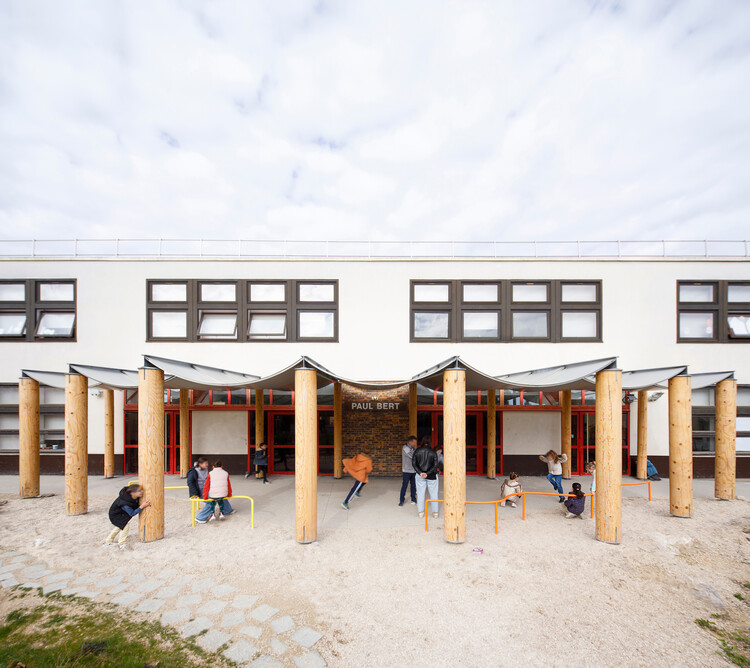
Simple Structures, Multiple Uses: Rethinking the Schoolyard and Its Canopy / 127af


https://www.archdaily.com/1187414/simple-structures-multiple-uses-rethinking-the-schoolyard-and-its-canopy-127afNina Vuga
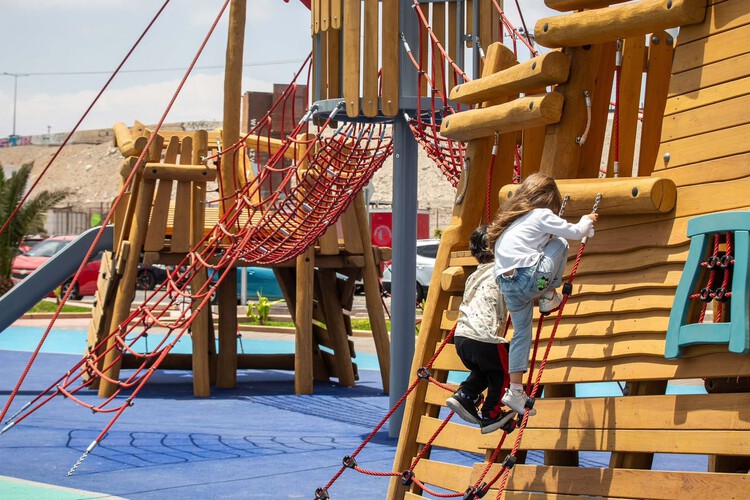
What is the life cycle of urban play structures?
| Sponsored Content

p>Understanding play as a social catalyst and an influential factor in defining public space, urban life is shaped by diverse individuals of different ages, cultures, ideologies, interests, classes, and social groups. Thinking about how play inhabits cities means thinking about all generations, and about the need to build public spaces with urban equipment designed to last and be maintained over time.
The performance of play structures invites us to review the different stages of their life cycle alongside their impact on shaping the urban environment. Analyzing the life cycle of urban play equipment involves understanding everything from materials, durability, and maintenance to the role of certifications and technologies applied in their production process, within environments that are increasingly conscious of their environmental impact.




https://www.archdaily.com/1054666/what-is-the-life-cycle-of-urban-playgroundsAgustina Iñiguez
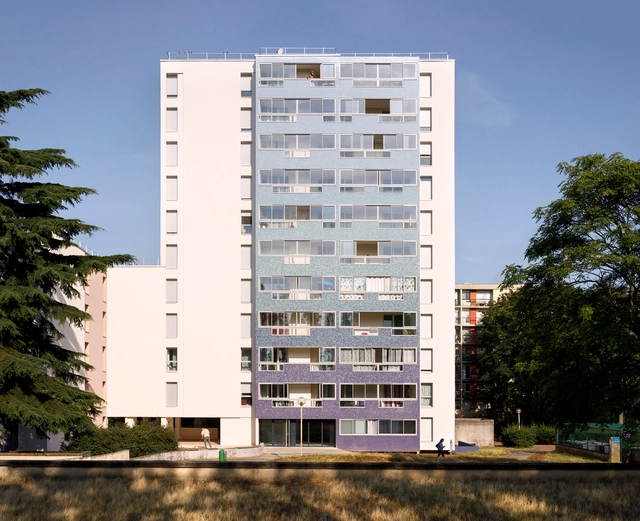
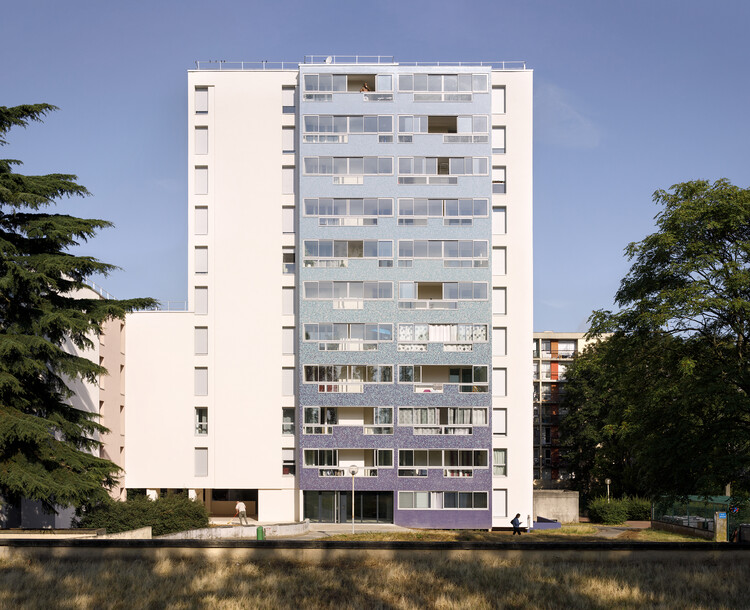
Pré de l’Enclos 2 Housing Rehabilitation / SOL Architecture & Urbanisme


-
Architects: SOL Architecture & Urbanisme
- Area: 7500 m²
- Year: 2024
-
Manufacturers: Ezarri
https://www.archdaily.com/1036254/pre-de-lenclos-2-housing-rehabilitation-sol-architecture-and-urbanismeHadir Al Koshta
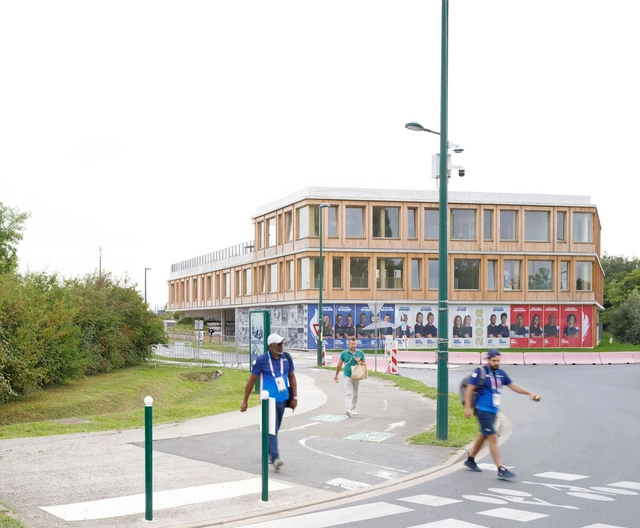
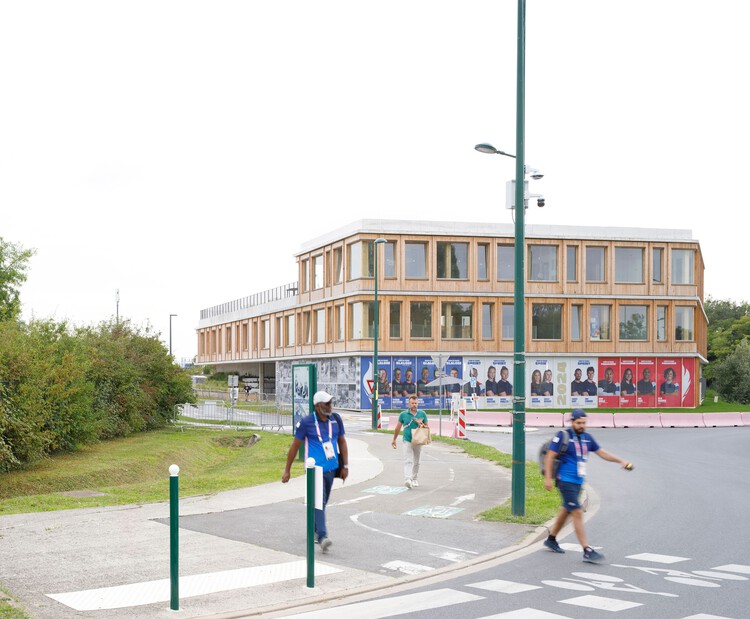
Head Office of French Federation of Canoe-Kayak and Paddle Sports / Le Studio Sanna Baldé


-
Architects: Le Studio Sanna Baldé
- Area: 1950 m²
- Year: 2024
https://www.archdaily.com/1028904/maison-de-la-federation-francaise-de-canoe-kayak-et-sports-de-pagaie-le-studio-sanna-baldeAndreas Luco
Architectural Grafting: A Strategy for Sustainable Design
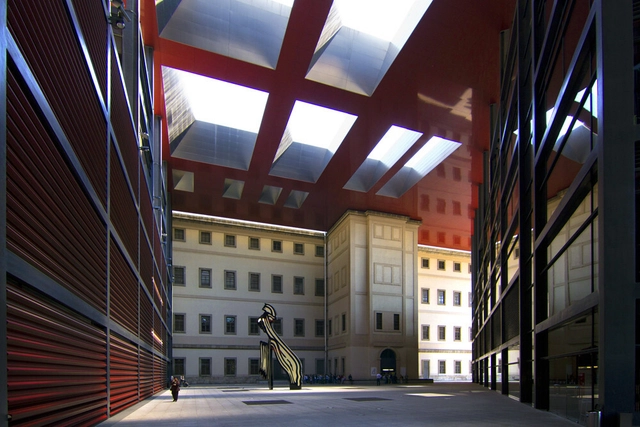
Architectural grafting, a concept recently popularized by Jeanne Gang in The Art of Architectural Grafting, presents a transformative approach to urban regeneration and sustainability. Drawing inspiration from botanical and horticultural practices — where new growth is added to existing plants for enhanced resilience — this architectural method integrates new structures with existing ones, allowing them to coexist and adapt. Rather than pursuing demolition, grafting prioritizes adaptation, extending the life of buildings while safeguarding their cultural and historical significance.
While Studio Gang has played a pivotal role in advancing this method, architectural grafting embodies a broader principle that architects have long used to enhance sustainability, conserve resources, and honor heritage. Across scales — from individual buildings to urban landscapes —grafting reshapes the relationship between past and present, adapting existing structures for contemporary needs while addressing environmental demands. By reimagining historic buildings for modern use, this approach fosters a sustainable evolution of cityscapes.


https://www.archdaily.com/1022754/architectural-grafting-a-strategy-for-sustainable-designDiogo Borges Ferreira
Sustainable Policy: How Deconstruction Plans Are Revolutionizing Construction Waste Management in the United States
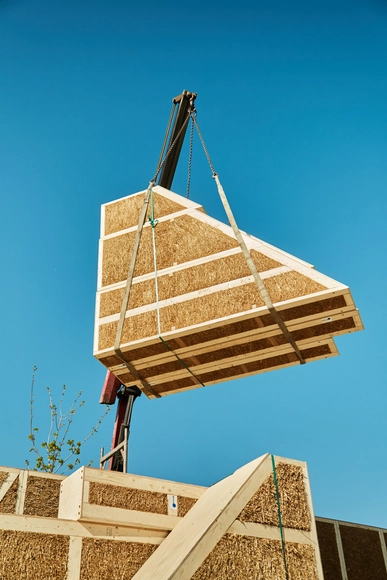
For a long time, the construction industry has followed a linear process - extract raw materials, build structures, demolish them, and then dispose of the garbage in landfills. This approach has serious negative effects on the environment and society and is inherently unsustainable. Reconsidering traditional methods and workflows requires support from all stakeholders and a sense of urgency proclaimed by authorities. In the United States, city organizations have begun to implement new policies to keep construction waste out of landfills and support circular practices. Several cities like Seattle and Pittsburgh, have started implementing deconstruction ordinances that require older buildings to be carefully deconstructed rather than demolished. How might their key provisions influence circular practices in the country?


https://www.archdaily.com/1014642/sustainable-policy-how-deconstruction-policies-are-revolutionizing-construction-waste-management-in-the-united-statesAnkitha Gattupalli
4 Solutions for Roofs without Eaves (and their Construction Details)
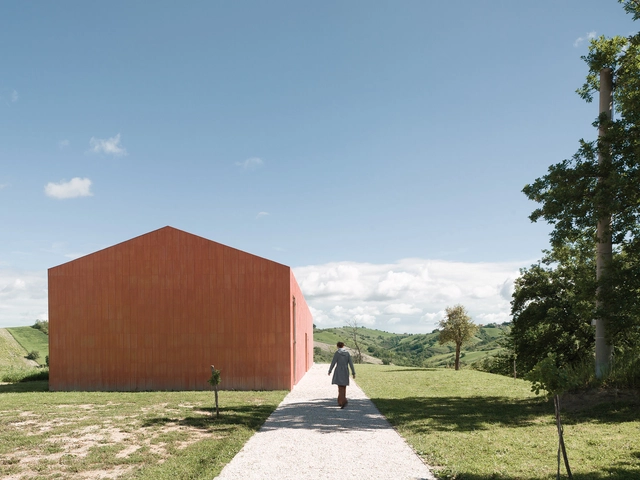
In his Robie House, Frank Lloyd Wright created an ingenious arrangement of public and private spaces that slowly moving away from the street through a series of horizontal planes. Pronounced eaves made the interior space expand toward the outside. Considered the first phase of the American architect's career, the so-called Prairie Houses had marked horizontality, mainly due to the enormous plans created by slightly inclined eaves. Eaves are ubiquitous in most traditional architecture, and in addition to their aesthetic role, they serve several important functions, the primary one being to keep rainwater away from the building's walls and structure. But for some time now, we have seen plenty of projects with sloping roofs without eaves, forming pure and unornamented volumes. This brings us to the question: in these projects, how are practical issues such as draining rainwater?
https://www.archdaily.com/952573/4-solutions-for-roofs-without-eaves-and-their-construction-detailsEduardo Souza
Jean Macé School / SOL Architecture & Urbanisme
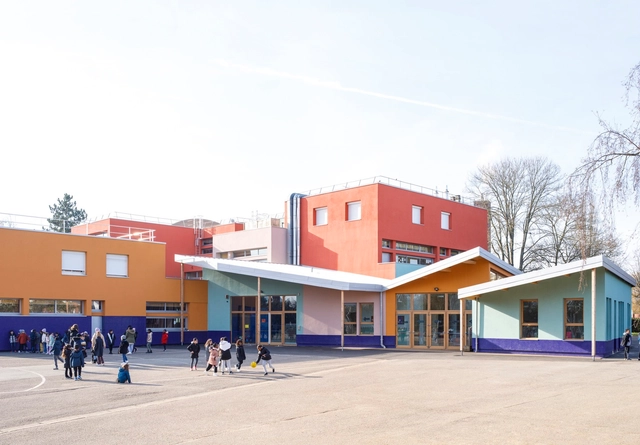


-
Architects: SOL Architecture & Urbanisme
- Year: 2022
-
Manufacturers: Ezzari
https://www.archdaily.com/1007904/jean-mace-school-sol-architecture-and-urbanismPaula Pintos
Simone Veil Group of Schools in Villejuif / Dominique Coulon & associés
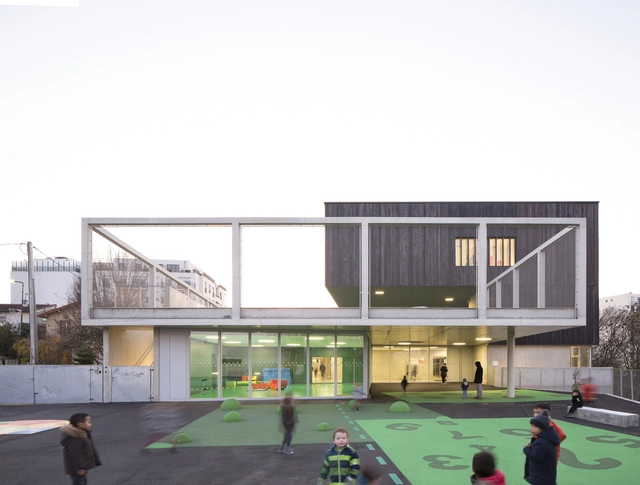


-
Architects: Dominique Coulon & associés
- Area: 8913 m²
- Year: 2021
-
Manufacturers: Camille Ascenseur, Decor Acoustic, Flipo, Hunsinger, Normen, +1
-
Professionals: Batiserf Ingénierie, BET G. Jost, Solares Baue, E3 Économie, Euro Sound Project
https://www.archdaily.com/995588/simone-veil-group-of-schools-in-villejuif-dominique-coulon-and-associesPaula Pintos
Dead End: Street Transformations That Changed the Landscape of Cities

For a long time, cars were the primary protagonists of major cities. This prioritization resulted in territories occupied mostly by highways, leaving them uninviting to people. In recent years, however, many cities have undergone spatial transformations, seeking to reshape their relationship with automobiles and prioritize pedestrians and the human scale.


https://www.archdaily.com/1132534/dead-end-street-transformations-that-changed-the-landscape-of-citiesGiovana Martino
Crous University Refectory / graal architecture


-
Architects: graal architecture
- Area: 2300 m²
- Year: 2021
-
Professionals: I+A, Choulet, ECO + Construire, 2iDF, SLAM
https://www.archdaily.com/976115/crous-university-refectory-graal-architecturePaula Pintos
Festival Hall / graal architecture
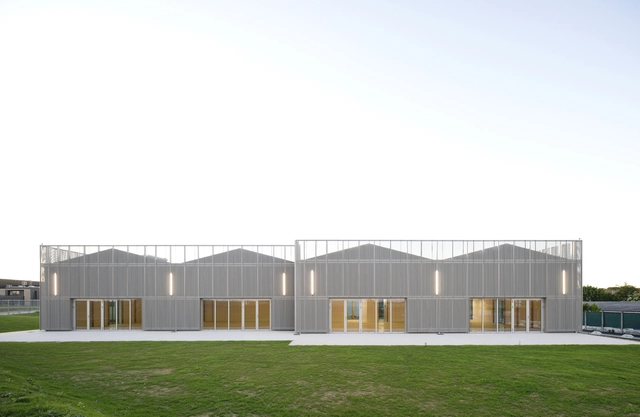


https://www.archdaily.com/975874/festival-hall-graal-architecturePilar Caballero
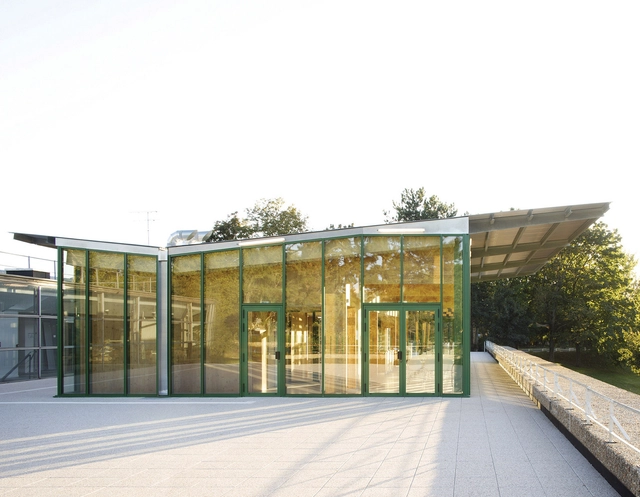
University Refectory / graal architecture


-
Architects: graal architecture
- Area: 2310 m²
- Year: 2021
-
Professionals: I+A Laboratoire des structures, Choulet, Eco+Construire, SLAM
https://www.archdaily.com/975365/university-refectory-graal-architectureAndreas Luco
World Architecture Day: Designing for the Future of the Human Habitat

World Architecture Day, celebrated on the first Monday of every October, was set up by the Union International des Architects (UIA) back in 2005 to “remind the world of its collective responsibility for the future of the human habitat”, coinciding with UN-Habitat's World Habitat Day.
https://www.archdaily.com/277569/happy-world-architecture-dayArchDaily Team
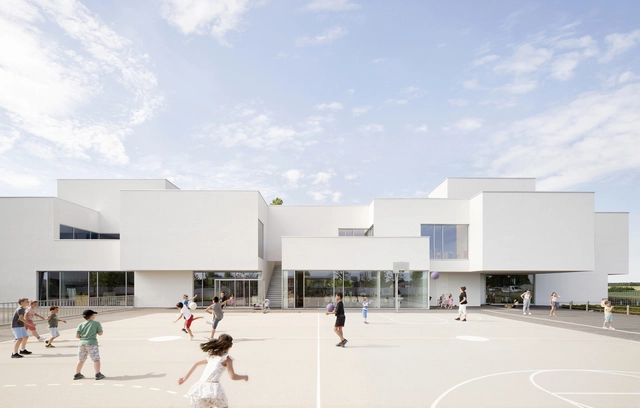
"Olympe de Gouges" Group of Schools / Dominique Coulon & associés


-
Architects: Dominique Coulon & associés
- Area: 3364 m²
- Year: 2019
-
Manufacturers: Barco, Gauthier, Groupe Benard, Neyrat, VINET, +1
-
Professionals: BET G.Jost, E3 Economie, Batiserf, Solares Bauen, Ingemansson France
https://www.archdaily.com/946238/olympe-de-gouges-group-of-schools-dominique-coulon-and-associesPaula Pintos
Recycling Tiles: 15 Examples of Repurposed Tiles in Walls, Facades, Flooring, and Furniture


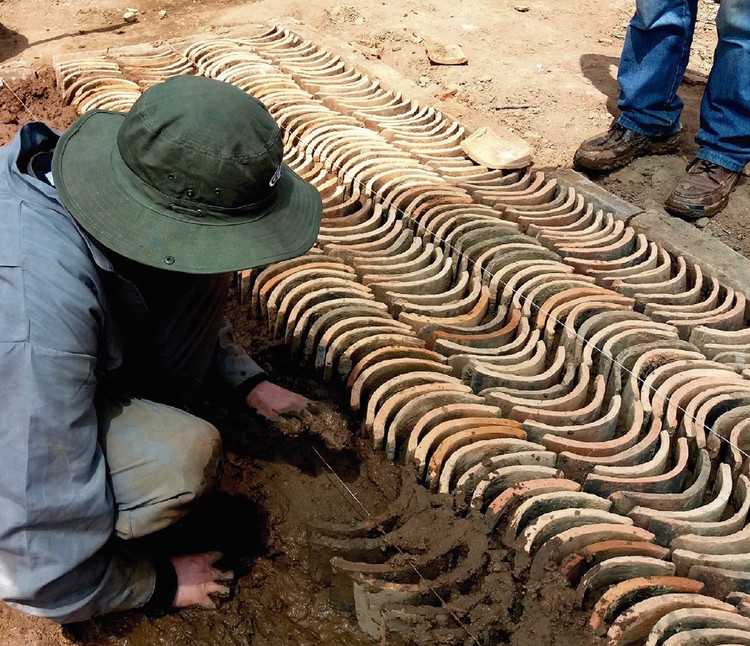
Whether you're looking for an upgrade or to replace broken pieces for floors or walls, tiles are always an effective and readily available option for any project that you have in mind. With their relatively low production cost, tiles are rarely reused or recycled and, if they are, it's usually for their original function.
https://www.archdaily.com/943890/recycling-tiles-15-examples-of-repurposed-tiles-in-walls-facades-flooring-and-furnitureBelén Maiztegui
A Guide to Design for Disassembly
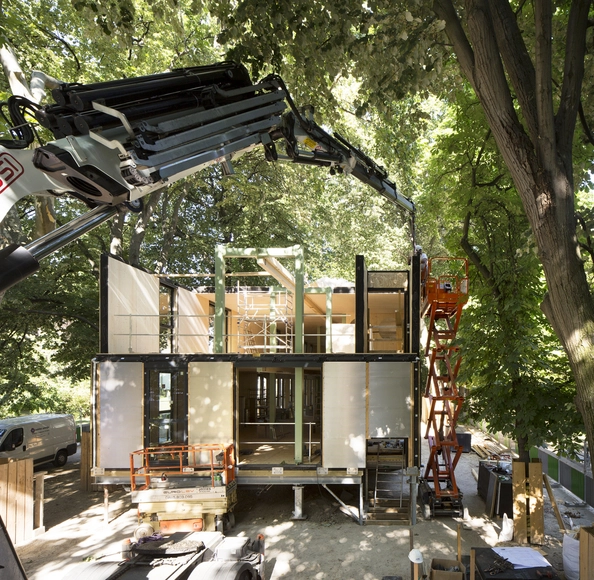
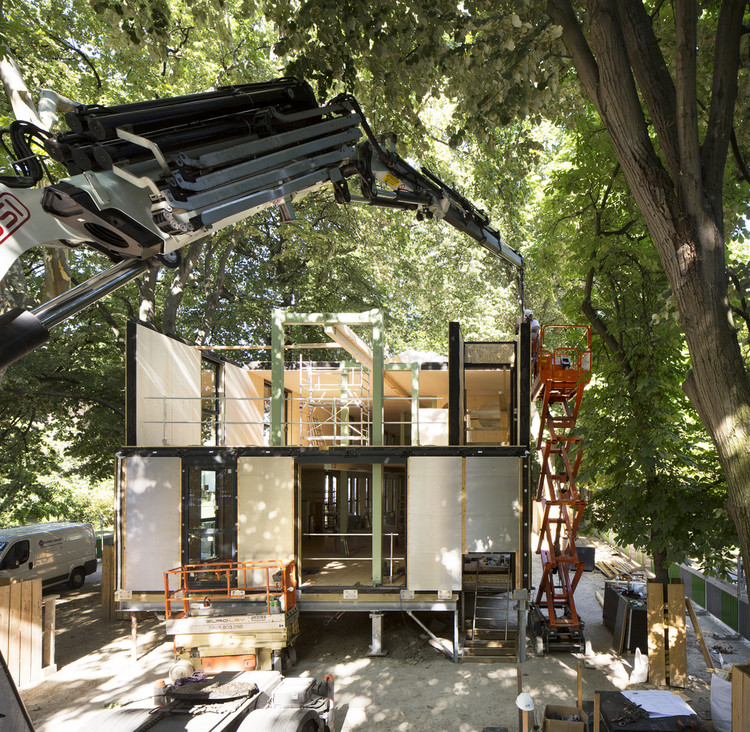
The concept of Design for Disassembly (DfD for short) gained increasing traction in recent years, as it addresses the growing concern around the high consumption of resources and low recycling rate within the construction industry. The following article details on the method and features guidelines for a design process that facilitates the dismantlement of future buildings, with the scope of providing a better understanding of this principle within the broader framework of the current practice and circular economy.


https://www.archdaily.com/943366/a-guide-to-design-for-disassemblyAndreea Cutieru
Amateur Architecture Studio’s Works on Contemporary Chinese Architecture with Recycled Materials
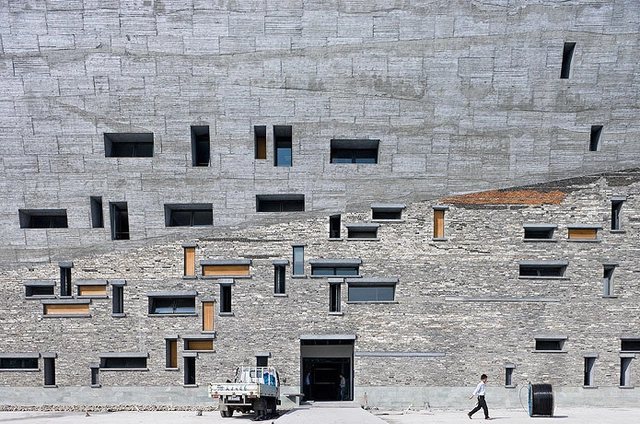
Over the past two centuries, cities in China have multiplied and expanded on a large scale, under accelerated urbanization. Mass demolition of the old city fabric, occurring everywhere, is leaving industrial debris and fragmented cultural artifacts buried forever, under shiny new skyscrapers. As old Chinese cities are collapsing and new urban centers are outspreading, a part of the city was lost, the old demolished landscape. Wang Shu and Lu Wenyu, the first Chinese citizens to win the Pritzker Architecture Prize, responded to this past-present relation by working with recycled materials and traditional know-how. In the following, we explore some of this couple's renowned works such as Ningbo History Museum, Ningbo (2008), Xiangshan Campus of China Academy of Art, Hangzhou (2004), and Ningbo Contemporary Art Museum (2005), to examine his humanistic approach to the city.
https://www.archdaily.com/942622/wang-shus-works-on-contemporary-chinese-architecture-with-recycled-materialsScarlett Miao