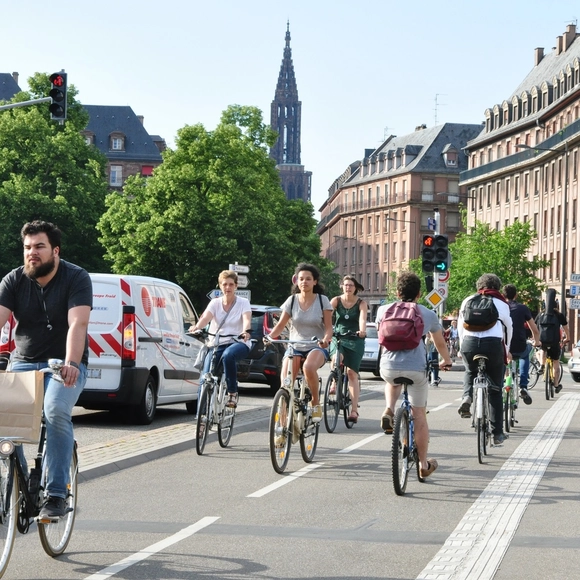
It should come as no surprise that one of the most respected surveys about bicycle use comes from a Danish organization. This ranking by Copenhagenize Design Company uses a point system to compile a list of the cities looking to re-establish the bicycle as an accepted and practical mode of transportation.
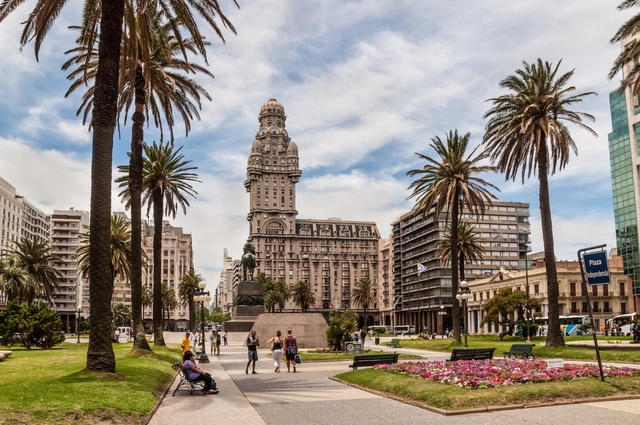
Vienna, Austria has been ranked as the city with the best quality of life in the world for ten consecutive years. The ranking made by multinational consultancy Mercer is dominated by Western European cities in the highest positions, while Vancouver, Canada reached third place, becoming the highest-ranking city in North America for the last 10 years.
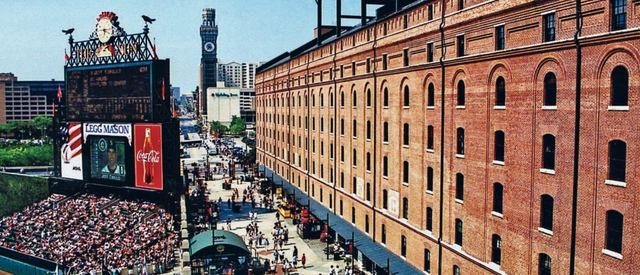
Paul Goldberger has a new book out, released just this week, entitled Ballpark: Baseball in the American City. Taking a page from the Ken Burns playbook, the book looks at a particularly American building type as a lens for looking at the broader culture of cities. Goldberger’s premise is a good one: Ballparks do parallel, to a remarkable degree, trends in American urbanism. They start as an escape from the city, then the city builds up around them. Post–World War II, they escape to the suburbs, then decades later return to the city. Today, privatization of the public realm and real estate development are driving the agenda. Recently I talked with Goldberger about the new book and a whole slew of magical ballparks, both living and long gone.
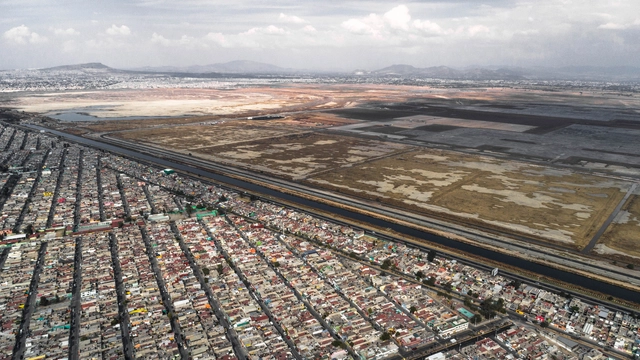
"Soy de Azteca" (Or "I'm from Azteca") is a photographic project by Zaickz Moz that seeks to re-think the expressions of community and identity of the periphery of Mexico City—which is becoming more diffuse and overflows beyond its geographical limits. The objective of this project is to re-think the interpretations of community and identity of the residents of Ciudad Azteca (State of Mexico) manifested in private, public and urban spaces, through photographic series that addresses issues such as appropriation and modification of space habitable, urban development and the sense of community in the neighborhood of Ciudad Azteca.
The particular characteristics of a community give the inhabitants a sense of identity and belonging. Does this happen in any inhabited place? When observing that the history of Ciudad Azteca always exists in relation to Mexico City, it is worth asking if identifying traits have emerged among the inhabitants of Ciudad Azteca. As in other areas of the capital's periphery, it is possible to observe in this group of neighborhoods located in the municipality of Ecatepec the capacity of the locals to build and transform a space into a variety of forms of urban habitat.
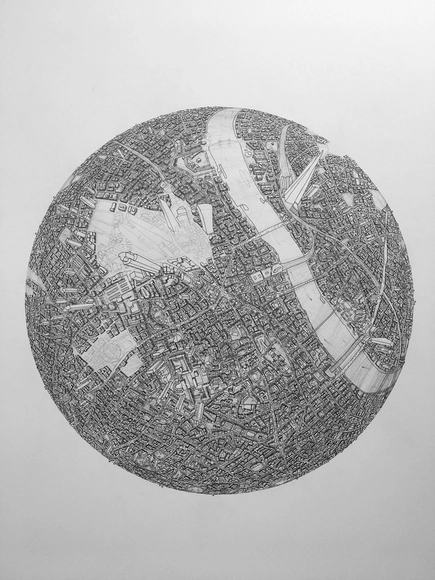
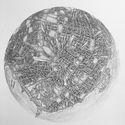
Amer Ismail, architect-turned-artist based in London, has developed a spectacular set of intricate “Globe Drawings” of cities around the world. Beginning in 2016, Ismail developed these 5-point-perspective drawings with heavy inspiration from artist Stephen Wiltshire. Having spent many years drawings architecture, including time at Foster+Partners, Ismail tasked himself with developing a series that encompassed his “interest for architecture, city planning, travel, drawings, and Star Wars.”
Last week, we asked our social media followers, "What does public architecture mean to you?" These thoughts are intrinsic to the architectural debate and come into play in various types of projects, especially in those related tothe planning of common-use spaces in cities.
For ten consecutive years, Vienna ranks first in the Mercer survey on cities with the best quality of life in the world. In this edition to the global ranking, eight Western European cities join the top ten, even when "trade tensions and populist undercurrents continue to dominate the global economic climate", as Mercer points out in its report.
Within the framework of Espacios Oscuros research project, focused on observing and analyzing the experience of sexual diversity in public spaces of Santiago de Chile, architects María González and José Tomás Franco spoke with Nikos Salingaros, a mathematician and thinker known for his alternative theoretical approach to architecture and urbanism. Salingaros promotes design focused on human needs and aspirations, combining rigorous scientific analysis with a deep intuitive experience.
Our cities are, for the most part, hostile to the sensibilities of their citizens. (...) Almost everything has been aligned, standardized, emptied. So, how to meet different people, and how to expect a mix between strangers?
When we think of energy from renewable sources, the first that probably come to mind are solar and wind. And decentralizing power generation is something that has inspired engineers and inventors from all over the world.
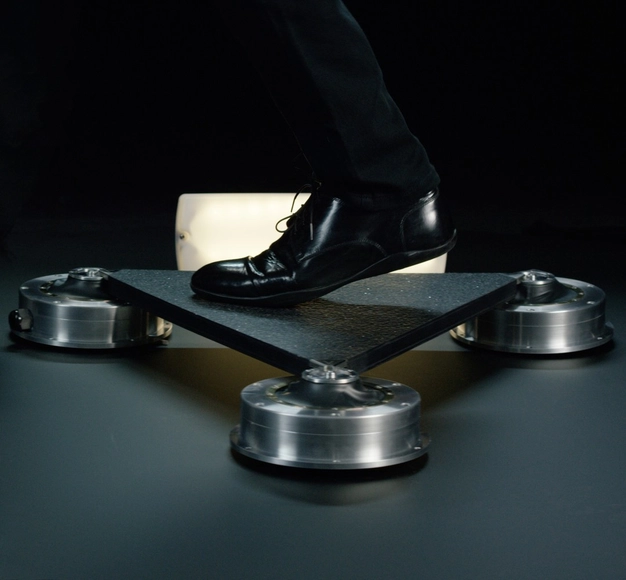
So what about turning the mechanical energy generated when people walk into electrical energy? It can be done thanks to technology developed by Laurence Kemball-Cook,founder of Pavegen. Using platforms inserted within sidewalks Pavegen converts steps into electric power (while also generating data and even rewards). But before you go out there feeling like Michael Jackson in Billie Jean, you should understand how this system works.
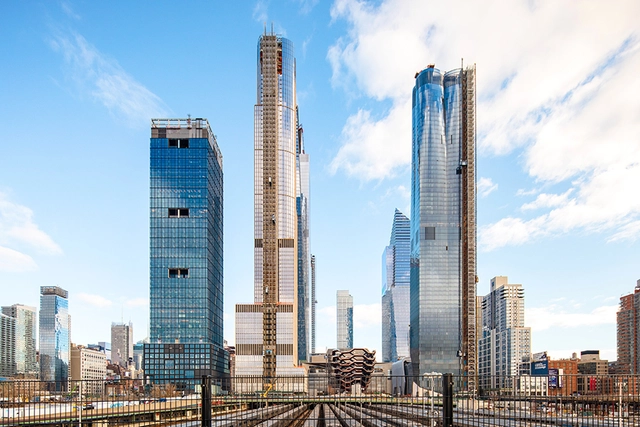
There’s something striking about the command center of America’s largest private real estate development, Hudson Yards, in that it’s actually pretty boring. The room—technically known as the Energy Control Center, or ECC for short—contains two long desks crammed with desktop computers, a few TV monitors plastered to the wall, and a corkboard lined with employee badges. The ceiling is paneled; the lighting, fluorescent. However, New York’s Hudson Yards was once billed as the country’s first “quantified community”: A network of sensors would collect data on air quality, noise levels, temperature, and pedestrian traffic. This would create a feedback loop for the developers, helping them monitor and improve quality of life. So where is the NASA-like mission control? Data collection and advanced infrastructure will still drive parts of Hudson Yards’ operations, but not (yet) as first advertised.
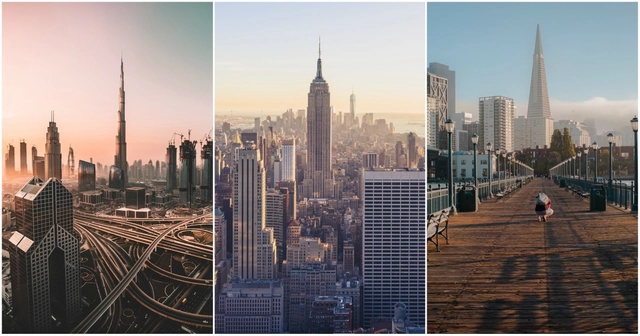
Ranking cities is a risky endeavor. How can one be objective and fair when this great earth and its 7.6 billion inhabitants would never come to anything close to a consensus? And yet global consulting firm Resonance Consultancy has taken on the challenge based on the opinions of the people they claim matter most: "a city's visitors and its residents."
Surveying the inhabitants and tourists about 23 different factors (that are then grouped into six key categories—Place, Product, Programming, People, Prosperity and Promotion), the methodology aims to be comprehensive in the ranking of quality of place and reputation. In the people category, for example, the surveyors looked at things like the immigration rate and diversity of a city, including number of Foreign-born Residents. Also taken into consideration was the amount of "stories" or "mentions" a city generates on web platforms like Facebook, Google and even TripAdvisor. And, most relevant to us architects, cities were scored on their quality of neighborhoods, landmarks and parks.
https://www.archdaily.com/886150/the-worlds-best-cities-2018AD Editorial Team
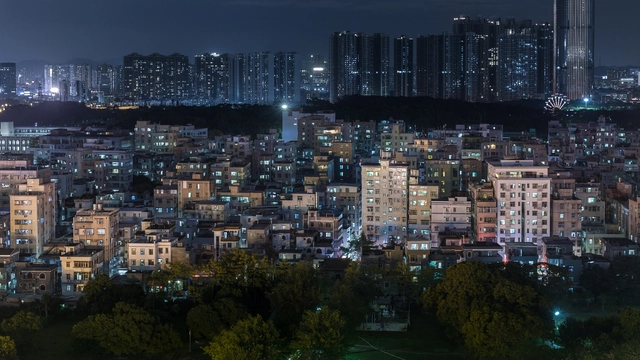
Text from the organizers Bi-City Biennale of Urbanism\Architecture (UABB). The Bi-City Biennale of Urbanism\Architecture (UABB), the only exhibition in the world to explore issues of urbanization and architectural development, will be opening for its 7th edition on December 15th, 2017. UABB will be held at Nantou Old Town in Nanshan district, an urban village that was once the administrative center of the Bao'An County. Hou Hanru, Liu Xiaodu, and Meng Yan (in alphabetic order) make up the curatorial team, all known for notable accomplishments in their respective fields. UABB is thrilled to host more than 200 award-winning exhibitors from 25 countries to share their perspectives on diversity and urban villages at this year’s biennale.
Ideasforward wants to give young creative people from around the world the opportunity to express their views on the future of societies through their innovative and visionary proposals. We are an experimental platform seeking progressive ideas that reflect on emerging themes.
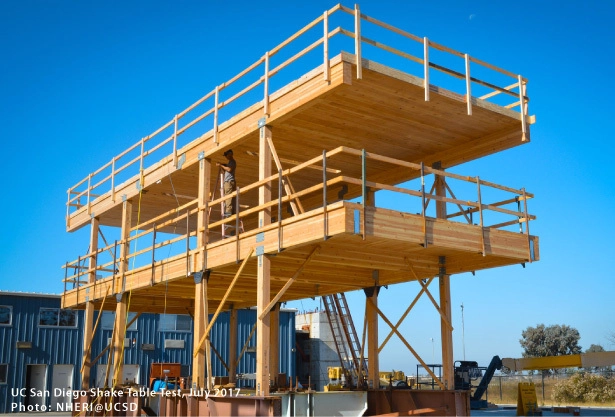
At a time when engineers, designers, and builders must find solutions for a resource-constrained environment, new wood technology, materials, and science are accelerating efforts to enhance safety and structural performance.
International Building Code requires all building systems, regardless of materials used, to perform to the same level of health and safety standards. These codes have long recognized wood’s performance capabilities and allow its use in a wide range of low- to mid-rise residential and non-residential building types. Moreover, wood often surpasses steel and concrete in terms of strength, durability, fire safety, seismic performance, and sustainability – among other qualities.
Cities are universes in themselves; furiously spawning, spewing, hissing through time and space. They are cudgeled, raked, plastered, worshipped, fought over, set on fire; they are slippery wombs that cradle wars, victories, blood and brilliant storms. The built environment has always been indicative of its inhabitants’ fears, desires, and ideals. As such, it is one of the earliest, most powerful forms of human expression. For World Cities Day 2017, the new BBC Designed section of the BBC Culture website commissioned motion graphics designer Al Boardman to create The Perfect City, an animated video covering a brief history of humankind’s quest for the "ideal" and the "perfect" in urban design. With a voiceover and script by renowned architecture critic and writer Jonathan Glancey, the video is a remarkable 2-minute overview of some prominent examples in city planning, both old and new, successful and unsuccessful.
https://www.archdaily.com/882688/playful-animation-tells-the-story-of-humankinds-quest-for-a-perfect-cityZoya Gul Hasan
In the past, cities were often constructed in the likeness the public--the built environment reflected citizens and local culture. It is questionable whether this can be said of the modern world. Much construction today is a product of capitalism, generating buildings and areas in which local people have no attachment or sense of agency over. Artist Rafael Lozano-Hemmer believes this to be a fundamental crisis within our cities, and he is committed to reestablishing the relationship and representation of people within urban space. His work is examined in a new short film by PLANE-SITE, titled Public Interruptions.
A building today does not represent a citizen, a building today represents capital.
Cities around the world are growing at an unprecedented rate, and for the first time in recent history represent the preferred place for people to live. Urbanization has historically aided millions in escaping hardship through increased employment opportunities, better education and healthcare, large-scale public investments, and access to improved infrastructure and services. The city has been the ideal for heightened livability for people worldwide.
LA DISTANCIA FÍSICA REPERCUTE EN EL CONTACTO SOCIAL. Si muchos integrantes de nuestra familia viven cerca, se les ve mucho más seguido que si lo hicieran a 20 o 30 kilómetros. Entonces, por supuesto, si las circunstancias permiten que la familia o varios miembros de ella puedan vivir cerca, se tendrá una red más densa que si se encuentran diseminados.. Image Cortesía de Revista City Manager
Jah Gehl is recognized as a follower of Jane Jacobs, the “grandmother” of urbanism and humanist planning. He has been a professor at the Danish Real Academy of Fine Arts in Copenhagen and visiting professor in Canada, the United States, New Zealand, Mexico, Australia, Belgium, Germany, Poland, and Norway. In 2000, he created his own consultancy along with Helle Søholt, Gehl Architects, in Denmark, where he completed diverse urban projects from around the world using data and strategic analysis.
The below text comes from an interview with the Danish architect, theorist and world leader in urban development, and promoter, following Jane Jacobs, of the human scale in the design of public spaces.
https://www.archdaily.com/877602/jan-gehl-in-the-last-50-years-architects-have-forgotten-what-a-good-human-scale-isRodrigo Alonso








_Vienna_Tourist_Board_Christian_Stemper.jpg?1554392750&format=webp&width=640&height=580)

.jpg?1550747759 "Cortesia de Pavegen")