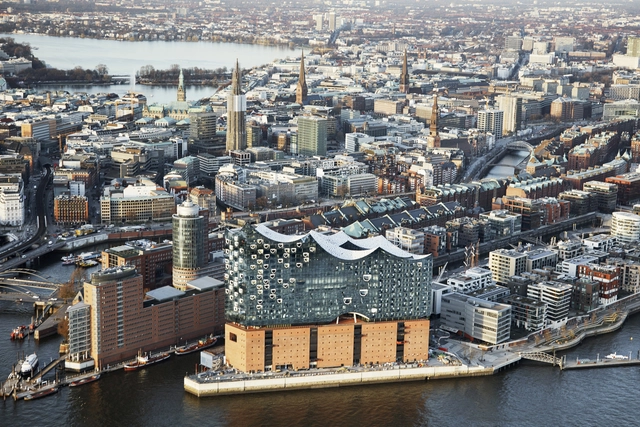
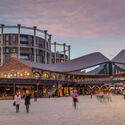
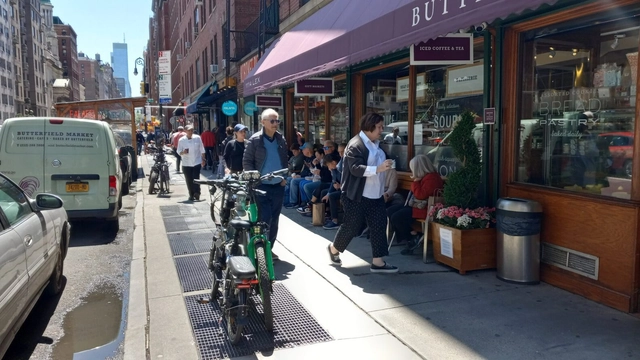
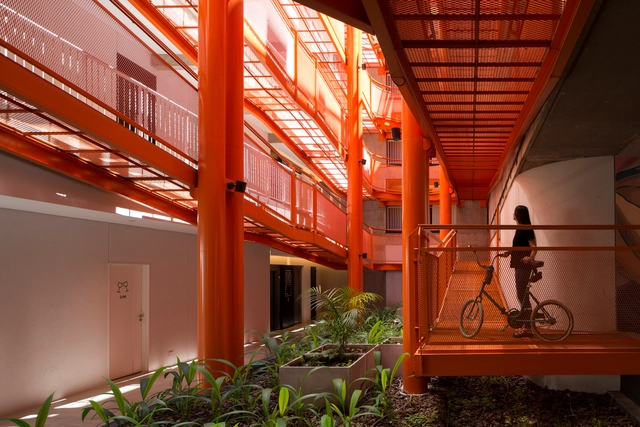
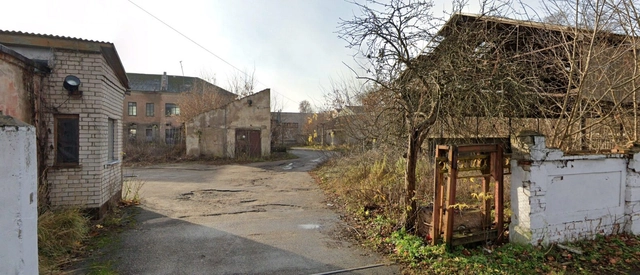
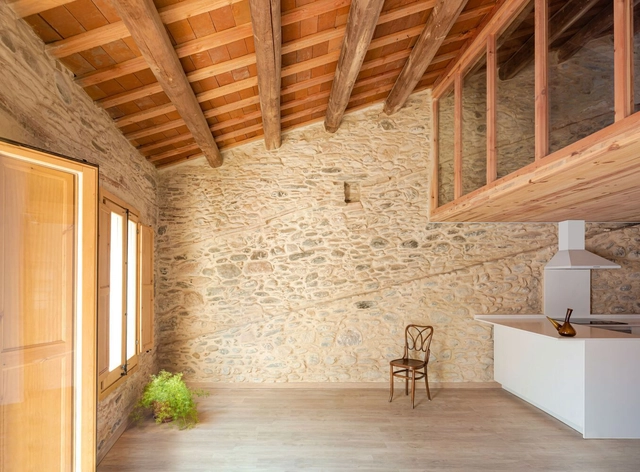
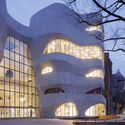
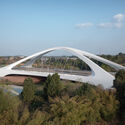
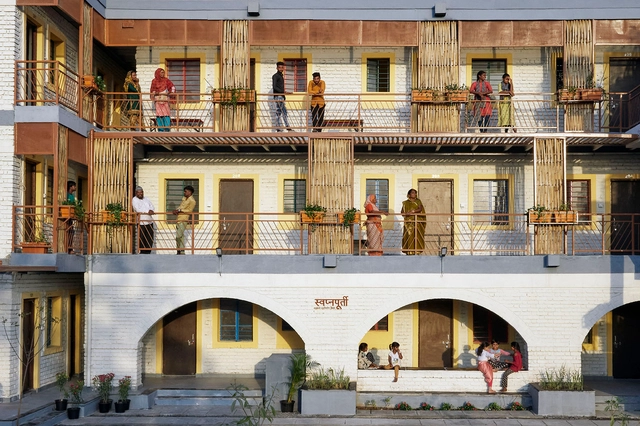
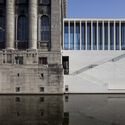
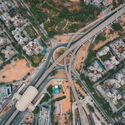
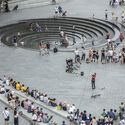
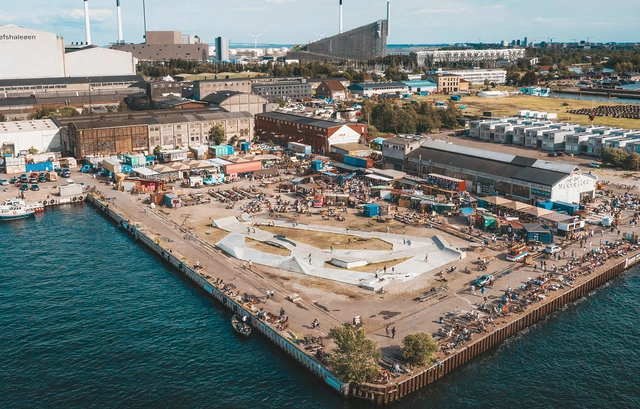
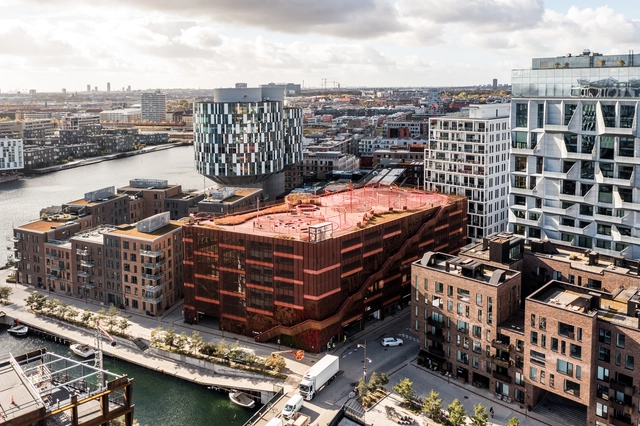
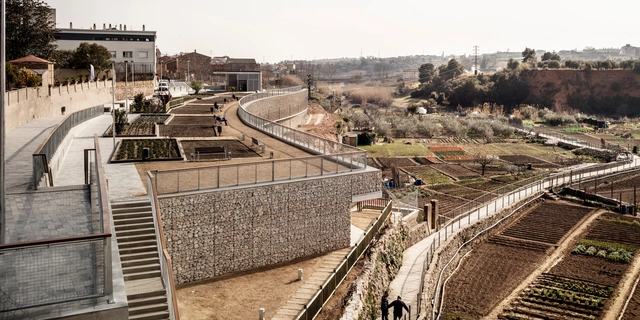
“New ideas must use old buildings,” said Jane Jacobs in her seminal book The Death and Life of Great American Cities, championing the reuse of existing building stock as a means to catalyze positive change and foster diverse urban environments. Inserting new activities within an existing framework is increasingly becoming a defining aspect of contemporary architecture, as the need for sustainable alternatives to building anew turns more urgent. From an urban perspective, adaptive reuse is a valuable strategy for revitalizing post-industrial cities, creating density and mitigating urban sprawl, or helping shrinking cities redefine their urban fabric.
It has been a bull market for downbeat urban reporting since the pandemic arrived in town. And it isn’t hard to see why. In 2020, central U.S. cities went from “comeback” success stories to ghost towns; transit lost nearly all ridership; tens of thousands of stores and restaurants shuttered; and many of the affluent decamped to the suburbs and distant Zoom towns.
Violent cities result from social and economic inequality, which also affects the urban landscape and the way we live. In honor of International Cities Day, we have selected a series of projects to reflect on non-violent ways of using public space.
Cities are the bedrock of civilization. For millennia, they have attracted people with the promise of superior standards of living — from better economic and educational opportunities to easier access to quality public infrastructure such as housing, healthcare, and public transport. Today, however, many cities around the world are finding it challenging to live up to this promise. With urban migration accelerating at a dizzying rate – the United Nations projects that over two-thirds of the world's population will live in cities or urban centers by 2050 – existing resources and services in cities are coming under increasing pressure, rendering them dysfunctional and leading to glaring inequities.
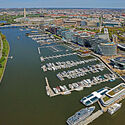
There is no singular way to define or assess liveability; every city has a unique set of characteristics, from its history, culture, geography, and demographics, to how it is governed and what urban issues plague it. Therefore, improving liveability requires concerted efforts from multiple stakeholders including people, governments, and experts, to identify critical problem areas and opportunities, and devise contextual solutions. The TV show Tale of Two Cities, where Indian architect and urbanist Dikshu C. Kukreja sits down with global leaders, brings out great insights into what some major cities in the world are doing to create more liveable environments for their inhabitants. Here we present five examples: from Bogotá, Kolkata, Hannover, Tirana, and Washington, D.C.
What role will bicycles play in the cities of tomorrow? Their implementation as a more sustainable form of transportation for commuting to work or school, as well as for various household and recreational activities, has become an opportunity for thousands of architects and urban planners.
The phrase “Demography is destiny” is repeated more than once in Smaller Cities in a Shrinking World (Island Press). This new book by noted urban researcher Alan Mallach tackles, in meticulous and fascinating detail, the “wicked problem” of shrinking cities in the U.S. and across the globe. But it’s not only our cities that are shrinking—the countries that contain them are, too. I spoke with Mallach about the imperative of planning for this new demographic reality.
Oana Stănescu is a Romanian architect, designer, writer, and educator, based in New York and Berlin, with a diverse portfolio of interventions around the world. Selected as part of 2023 New Practices by ArchDaily, the young architect recognizes the value of architecture as a discipline, but nevertheless acknowledges that architecture cannot single-handedly resolve the complex challenges of our world. “Architecture is most powerful when recognized as part of a larger system, rather than being solely self-serving”, she adds in her conversation with ArchDaily’s Managing Editor, Christele Harrouk. In this way, Oana views architecture as a key player in a broader context, working to address significant societal issues.
With several ongoing projects, from the rehabilitation of an existing industrial infrastructure in Romania, to an integrated house within its natural environment in Canada, Oana’s creative process is centered on a commitment to serve people. Watch the full interview and discover below key insights from the conversation.
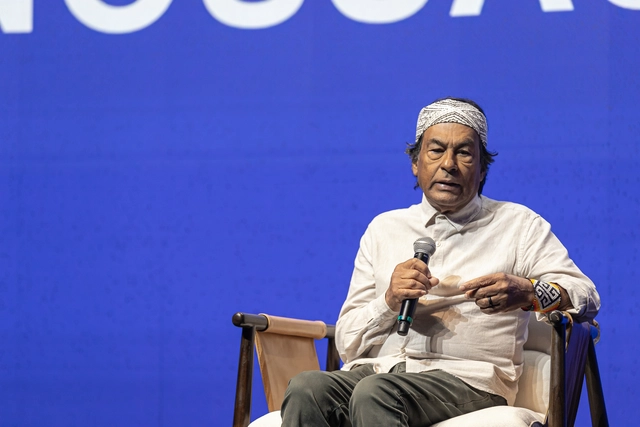
Krenak has a unique talent for transforming his life experiences into profound concepts, which he conveys through oral and poetic language. His worldview blurs the boundaries between landscapes, human beings, animals, rivers, and mountains. He strongly advocates for a reassessment of our lifestyle, emphasizing the importance of 'breaking up the ground to allow the channeled waters to resurface.' On September 5th, he participated in a discussion in São Paulo during the Archtrends Summit 2023, organized by Portobello. During this event, he shared his insights on topics such as cities, forests, and the future of our planet.
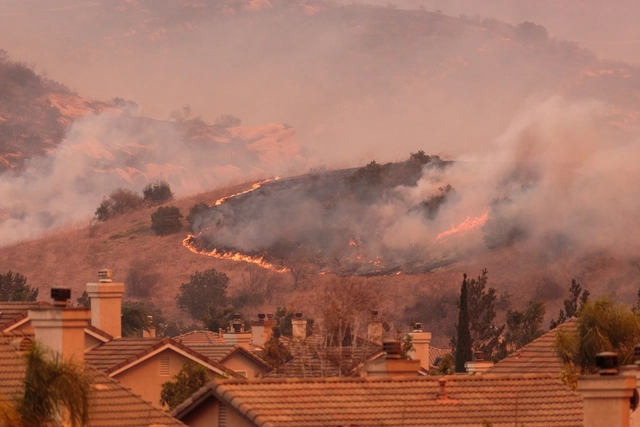
As the world grapples with the effects of climate change, natural disasters like flooding, and the spread of incontrollable wildfires are increasingly threatening cities and inhabitants. While architecture and urban planning cannot prevent these occurrences, they still possess strategies to minimize the damage associated with these events and help protect the citizens. Unfortunate events over the course of last year, like the earthquake that hit central Turkey and north-west Syria this February or the more recent earthquake in western Afghanistan, the flooding and dam failures in Libya, and the wildfires that devastated the city of Lahaina, Hawaii, demonstrate the urgency of implementing preventative and mitigation measures in addition to creating procedures for emergency intervention. This article explores the strategies and resources available to architects and urban planners to address these challenges in three types of natural disasters: flooding, wildfires, and earthquakes.
Exploring materiality, contextuality, and approach, our editors developed thought-provoking articles seeking to question and describe some of the aspects that make any Architecture, a good one.
Discover in this piece a selection of editorial writings that aim to answer this interrogation, grouped under the themes of cities, materials, history, context, and Interior Spaces. Moreover, find at the end an excerpt from the ArchDaily book.
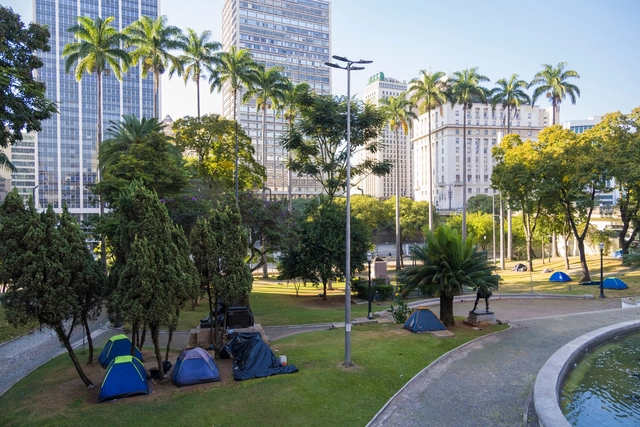
Architecture Without Borders Quebec (AWBQ) has made public the catalog of practices “Architecture + Homelessness: Inclusive Practices for a Supportive City.” The publication, publicly available in both English and French, is created to encourage architecture and design practices that have the potential to contribute to the well-being of people experiencing homelessness. The catalog is part of an ongoing research project initiated by AWBQ and supported by the Government of Quebec and the City of Montreal.
As we reflect on the unfolding of 2023, it has been a remarkable chapter in the world of architecture and design. This year saw the fruition of numerous groundbreaking projects that have left a mark on our collective built environment. This narrative takes place around a year of significance, with a renewed commitment to combat climate change, with dialogue initiated around world-renowned events such as the UIA World Congress of Architecture in Copenhagen or the 18th International Architecture Exhibition in Venice – La Biennale di Venezia.
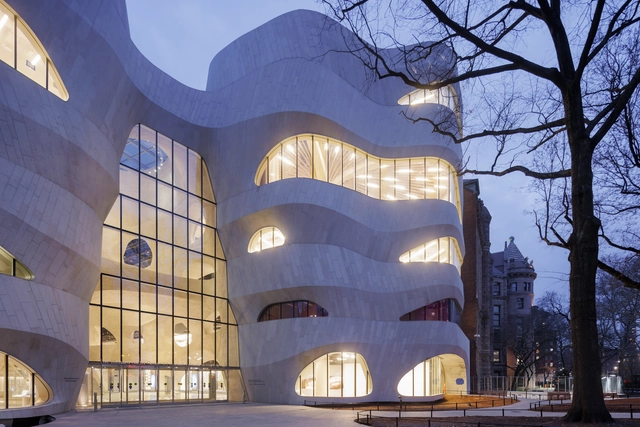
This curated list includes projects that opened to the public in 2023. Each of them was designed and long-awaited to be completed. The featured architects include MVRDV, Zaha Hadid Architects,Snøhetta, Studio Gang, and OMA in collaboration with Shohei Shigematsu. Each of these firms is a unique design studio with its specific architectural style; while all these listed built projects are public and commercial.
As has become customary in recent years, on the first Monday of October, we celebrate both World Architecture Day and World Habitat Day, serving as a reminder to the global community of its collective responsibility for the well-being of the built environment. This edition, like its predecessors, sheds light on the realm of architecture and the challenges faced by our cities, introducing new themes, contemplating the state of our urban areas, and proposing constructive strategies.
Since urban economies have encountered significant difficulties this year, the UN's World Habitat Day focuses on "Resilient Urban Economies: cities as drivers of growth and recovery." Launching Urban October, this event seeks to bring together diverse urban stakeholders to deliberate on policies to help cities recover after the dual economic impacts caused by the COVID-19 pandemic and conflicts worldwide. Aligned with this concept, World Architecture Day, created by the UIA in 1985, has chosen to concentrate on "Architecture for Resilient Communities," emphasizing the role and duty of architecture in fostering thriving community existence while initiating a global dialogue regarding the interconnectedness of urban and rural regions within every nation.
What will cities of the future look like? Or rather, what should cities of the future look like? The classic sci-fi, Star Trek-inspired movies many of us grew up watching painted a picture of flying cars, grotesque steel skyscrapers and urban fabrics far too vast and dense for the human scale. It’s safe to say, however, that the ideal for today’s and tomorrow’s cities has taken a 180-degree turn. New, modern urbanism promotes diverse, mixed-use cities with walkable blocks, sustainable transport and accessible public spaces. Copenhagen, with its pedestrian- and bicycle-friendly streets, idyllic water canals, iconic buildings and overall happy residents, ticks many of those boxes. No wonder the Danish capital has been designated as UNESCO’s World Capital of Architecture for 2023; another testament to the city’s position as a laboratory for innovative contemporary architecture and human-centered urban planning.
Copenhagen was founded in the 12th century and has undergone numerous transformations to establish itself as an urban benchmark of the 21st century. Its dynamic urban environment stands as an exemplar of architecture's importance and crucial role in shaping a sustainable future for cities. Confronting global challenges like mobility, urban development, and eco-friendly construction, the city is an inspiring model. This is why in 2023, the Danish city was named the World Architecture Capital by UNESCO-IUA, positioning Copenhagen as a platform for discussions on climate, sustainable solutions, and livability.
In this context, Danish architects such as Anders Lendager have been asked about their perception and interaction with their favorite places in the city, providing valuable insight into what makes Copenhagen unique. Lendager, the CEO and founder of Lendager Group, has been the designer behind eco-village projects, the Danish Pavilion in Milan, and a skyscraper built from recycled materials. Collectively, these projects showcase the capacity to translate the core principles of sustainable cities into tangible components, prioritizing human well-being and fostering circular economy models.
https://www.archdaily.com/1006184/an-architects-guide-to-copenhagen-anders-lendager-and-the-essence-of-the-sustainable-cityEnrique Tovar
While most cities around the world seek to implement more sustainable and environmentally friendly modes of transportation, encouraging new urban mobility habits in their residents, the use of automobiles still persists, occupying significant parking spaces in urban centers. Finding a way to integrate these uses, provide new spaces for their citizens, and leverage their facilities for ecological, productive, and other purposes is the challenge faced by many professionals in architecture and urban planning.
Image created using AI under the prompt: A sober and captivating visual representation of an urban environment that flawlessly captures the essence of anime and architecture. Image via DALL·E 2
World War II left a profound influence on the evolution of society, introducing significant changes in the fields of urban planning and architecture. During the 1930s, the Congrès Internationaux d'Architecture Moderne (CIAM) promoted modernism on an international scale. After the war, this architectural movement became firmly established as the dominant one, driven by the imperative of reconstruction and technological advancements. Influential figures like Le Corbusier and Alvar Aalto spearheaded this movement.
In 1959, the same year as the final CIAM meeting, Japanese architects like Kenzō Tange, Kishō Kurokawa —the designer of the Nakagin Capsule Tower—, and Kiyonori Kikutake began to explore new approaches to urban design and architecture, known as the Metabolist movement. This exploration was particularly significant in the context of Tokyo's rapid repopulation after the war and the scarcity of resources for reconstruction. Innovative concepts such as Marine City, The City in the Air, and the 1960 plan for Tokyo emerged, which proposed the city as a constantly evolving organism and emphasized the relationship between humans and their built environment. These ideas shaped the concept of "megacities" and reflected Japan's creative response to its challenging postwar situation.
https://www.archdaily.com/1007021/textures-skyscrapers-and-urban-landscapes-when-anime-meets-architectureEnrique Tovar
The window for solving climate change is narrowing; any solution must include embodied carbon. TheSixth Assessment Report published by the IPCC (Intergovernmental Panel on Climate Change) concludes that the world can emit just500 gigatonnes more of carbon dioxide, starting in January 2020, if we want a 50 percent chance of staying below 1.5 degrees. In 2021 alone, the world emitted about36.3 gigatonnes of carbon, the highest amount ever recorded. We’re on track to blow through our carbon budget in the next several years. To quote the IPCC directly: “The choices and actions implemented in this decade will have impacts now and for thousands of years (high confidence).”