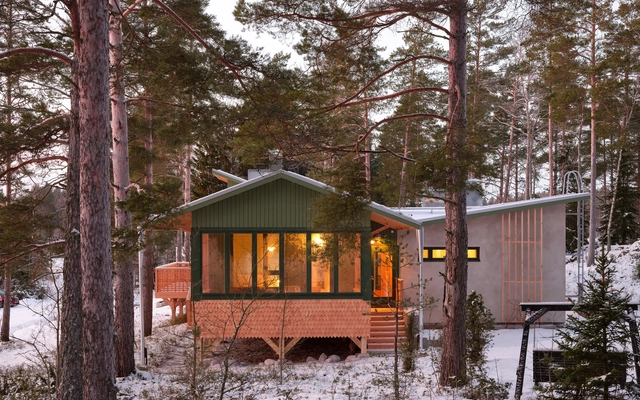
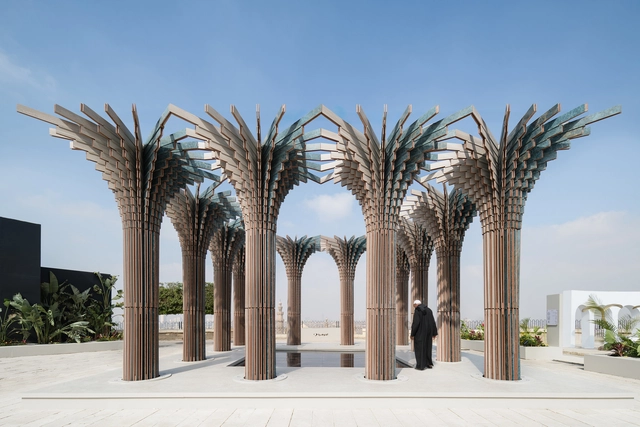
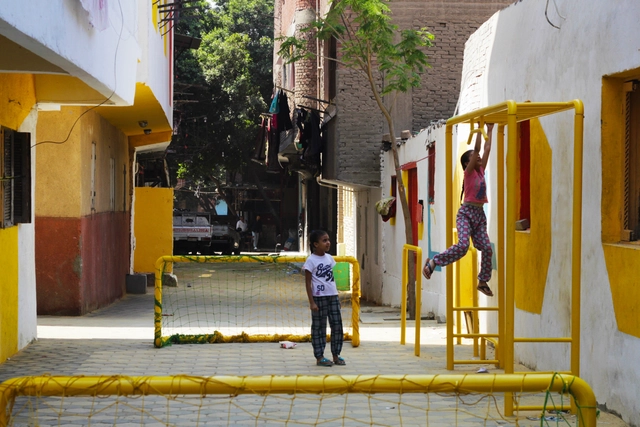
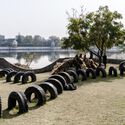
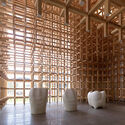
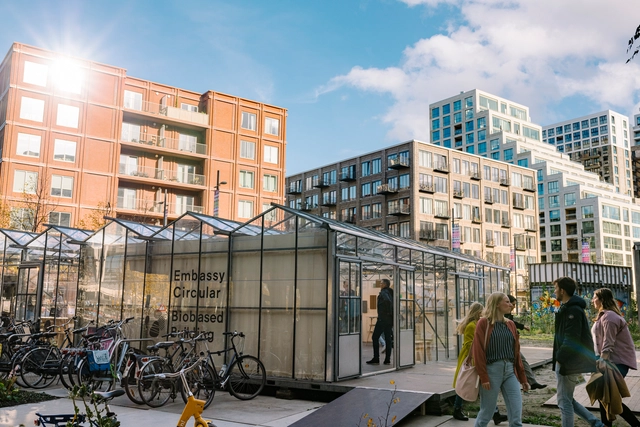
Huvila by Jenni Reuter Architects, Finland. Image Courtesy of UIA 2030 Awards
The UIA, in collaboration with UN-Habitat, has revealed the finalists for the first stage of the second edition of the UIA 2030 Award. Celebrating architecture that contributes to the 2030 Agenda for Sustainable Development and the New Urban Agenda, this biennial award honors built projects that demonstrate design quality and alignment with the UN Sustainable Development Goals (SDGs).
The regional finalists will now proceed to Stage 2, where they will submit a three-minute video demonstrating their projects in action and explaining in detail how they align with the relevant SDGs and meet the eligibility criteria. During stage 1, the finalists were evaluated regionally, representing the five UIA regions: Western Europe, Central and Eastern Europe and the Middle East, the Americas, Asia and Oceania, and Africa. Winners in each of the six will be awarded a medal. The awards ceremony will be taking place in Cairo, Egypt, at the twelfth session of the World Urban Forum from November 4-8, 2024.
The idea of a community or public playground is about creating an accessible recreational space for all. However, in many cases, initiating a playground project might fail due to insufficient funds or regulations/restrictions. The first challenge is largely to set the project in motion and, most importantly, get the community’s positive reception and, if possible, its involvement, thus ensuring the project's success and sustainability.
The Sony World Photography Awards 2024 has announced its category winners and shortlist, showcasing the best single images from around the world captured during the last year. With over 395,000 submissions from 220 countries and territories, the competition aims to highlight established and emerging photographers from around the world. The Open Competition is divided into 10 category sections, covering a diverse range of themes, from Architecture and Landscape to Portraiture, Lifestyle, and Wildlife photography.
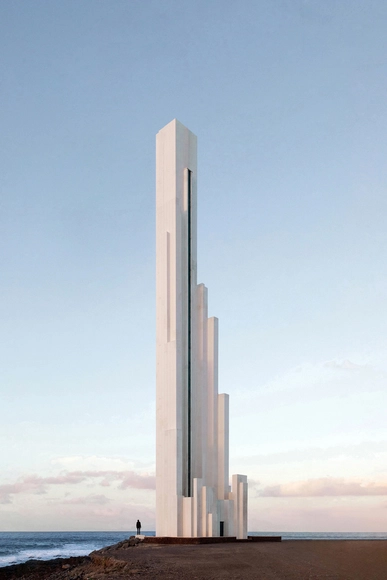
For the Architecture category, ArchDaily collaborator Ana Skobe has been declared the winner with a photograph titled “Falling Out of Time.” Bathed in the soft hues of evening light, a sleek geometric structure rises from the coastal landscape, its clean lines contrasting with the natural elements surrounding it. Positioned at the base of the lighthouse, a solitary figure gives a sense of scale to the composition, as it contemplates the vastness of the ocean.
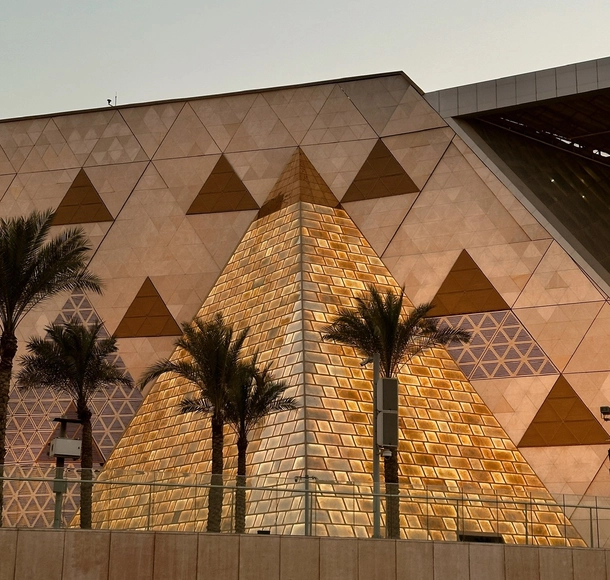
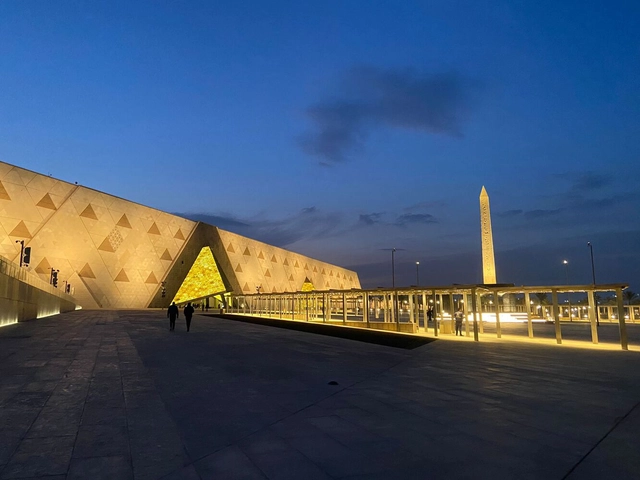
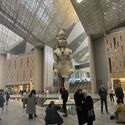
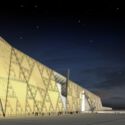
Showcasing millennia of Egyptian history and culture, the Grand Egyptian Museum is a monumental project in Cairo, Egypt, designed by the Irish firm Heneghan Peng Architects. Home to over 100,000 artifacts spanning Egypt’s storied past, the museum is on the brink of opening its doors to the public after multiple setbacks. Recent updates offer glimpses of the structure’s progress, with photographs captured by Egyptian photographer Farida Bustani providing sneak peeks of the architectural landmark.
The relocation of a capital city is a complex urban decision with various dimensions and consequences for both the old and new capital. It can be driven by political, economic, societal, and other factors, and has urban and architectural implications for residents. These include factors such as location, planning, building design, the purpose of the old capital, climatic conditions, and separating the political/administrative hubs from cultural and economic cities.
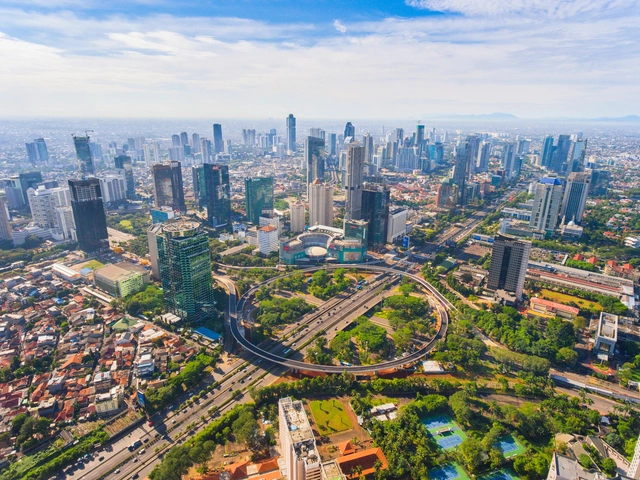
In light of the ongoing urban discourse, countries like Egypt are constructing a new capital city to alleviate population and urban stress on Cairo. Similarly, Indonesia is planning a new capital in response to challenges faced by Jakarta, such as pollution, traffic congestion, and rising sea levels. It is valuable to examine other countries in the global south that have relocated their capital cities, noting the architectural and urban lessons learned from their experiences.
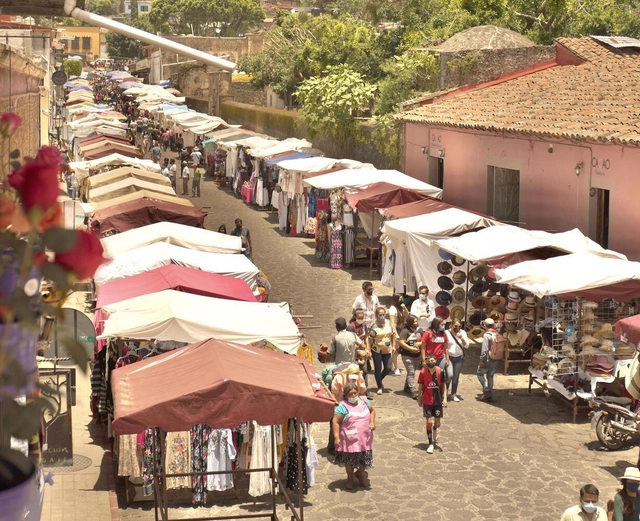
via Unsplash | Street fair in Tepoztlán, Mexico. Photo by Karo Kujanpaa
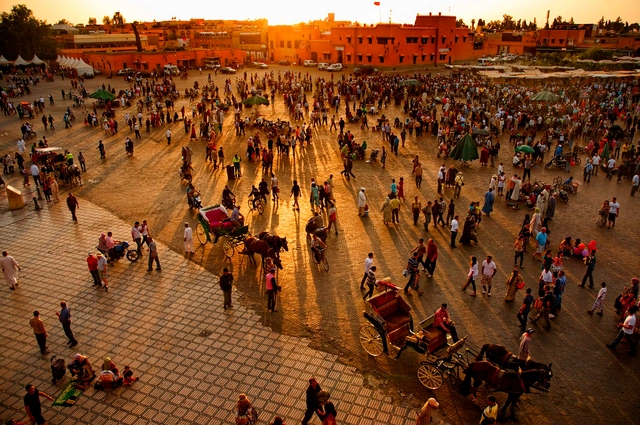
Usually defined by their open-air settings, diverse offerings, local and independent sellers, temporary nature, and acting as social hubs, street markets have been around for thousands of years. From the days of the Roman Forum to the Silk Road and the markets of ancient Greece, they are undoubtedly essential parts of urban life, or “the center of all that is unofficial.” Mostly categorized under the informal economy due to lack of regulations and authorization, street markets in the global south have often been seen as a threat to urban development. However, these erratic and adaptive urban spaces serve core functions in any developing city, acting as pillars of community in many different facets of society.
Policymakers and city officials have long struggled with informality, considering it the “antithesis of modernity.” Conventionally, the informal economy consists of activities with market value but are not formally registered, often unregulated, undocumented, and operating outside the incentive system offered by the state. Street vendors, specifically in the global south, constitute a substantial portion of the informal economy. Moreover, as cities grow and approach development, public spaces become more contested and privatized, leading to an overall mission to remove street markets or push them into formalization.
Cities are vibrant systems that hold meaning and move with the rhythm of the human life that powers it. In the fabric of urban landscapes, architects and urban designers collaborate to create spatial harmonies that extend beyond aesthetics and towards social justice and poetic expression. Citizens engage, becoming active participants in the ongoing narrative of the city - the metropolitan melody.
In 2023, ArchDaily wrote about the poetics of urbanism, exploring a future where cities meet its people’s social and emotional needs:
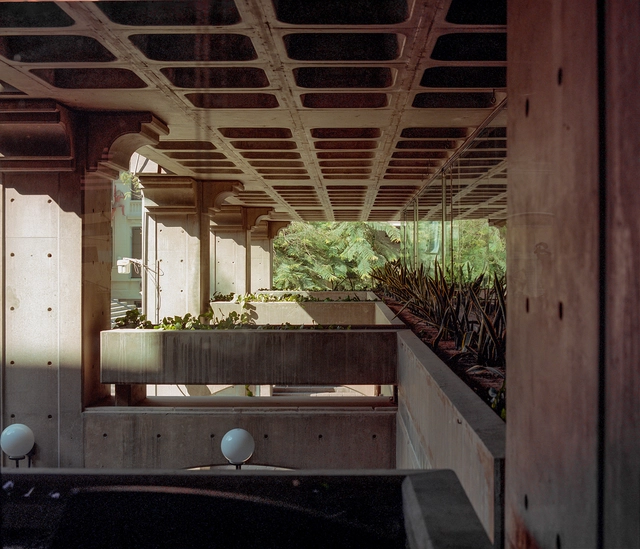
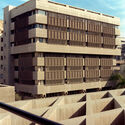
In Downtown Cairo, the Jameel Center pays homage to modernism and Mamluk architectural heritage. The Abdul Latif Jameel Center for Middle East Management Studies illustrates effective and adaptable architecture. The old business education building, a monument in Cairo's multi-layered architectural and academic heritage with staple elements such as concrete façades, has Mamluk-inspired arches, and wooden mashrabiyyas. Photographer Ebrahim Bahaa Eldin captures this unique architecture and its surrounding environment.
Local communities are more than just a collection of buildings and infrastructure. They possess a distinctive architectural character that mirrors their history, culture, and values. As part of our year in review, we take a deep dive into the top narratives that examine the architectural identity of different local communities.
These stories explore a wide range of topics, including unique geographic territories, cultural tribes, iconic landmarks, communal collaboration, and socio-ecological urban planning. Through these narratives, we uncover the captivating tales behind the buildings and public spaces that shape certain cities and towns.
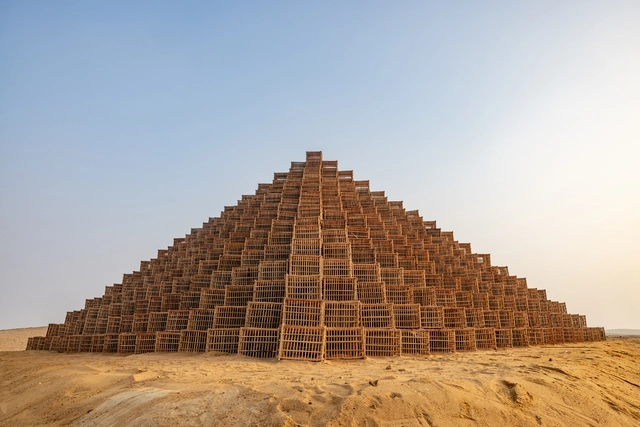
Last week in Cairo, CulturVator – Art D’Egypte launched its third edition of the annual international exhibition “Forever is Now.” Set by the backdrop of the Great Pyramids of Giza, the display features the work of 14 international artists. In essence, the exhibition “underscores the significance of cultural exchange among artists at the core of history and ancient Egyptian civilization.”
The third installment "Forever Is Now," running from October 26th to November 18th, presents a diverse ensemble of artists hailing from various corners of the globe. Among them are Egyptian artist Mohamed Banawy and Saudi Arabian talent Rashed Al Shashai, as well as American visual artist Carol A. Feuerman and Belgian creative Arne Quinze. Collectively, these artists have come together to creatively interact with one of the world's most iconic historical sites, crafting immersive visual narratives that seamlessly fuse contemporary elements with the past, weaving tales of the land and its inhabitants.
Protest has always been a powerful tool for creating change, and public spaces provide a platform for social engagement in societies. As part of the International Day of Democracy, we examine Africa, its series of emerging protests in the past year, and how citizens in various countries question political justice, demand better living standards from their government, and interrogate their nation’s sovereignty. With demonstrations ranging from organized large-scale marches to smaller spontaneous outbursts, residents of these countries have explored public spaces in symbolic and significant ways to amplify their voices. These spaces include public squares with cultural and historical meaning, sites of political buildings, or makeshift protest areas such as roads and open areas. Through this, African cities show how people make these spaces their own and how the power of their conglomeration cannot be ignored in unwrapping the democratic essence of public spaces.
Most biennales and architecture events, especially the recent ones, have influenced and shaped the dialogue of the ones that followed. In fact, during a conversation earlier this year with Lesley Lokko, the curator of the 2023 Venice Architecture Biennale, she explained and affirmed that “all exhibitions […] take sustenance from those that came before”, further noting that “if I look back at the dozen or so Architecture Exhibitions over the past twenty years, each one has contributed in some way to the discourse of the next.”
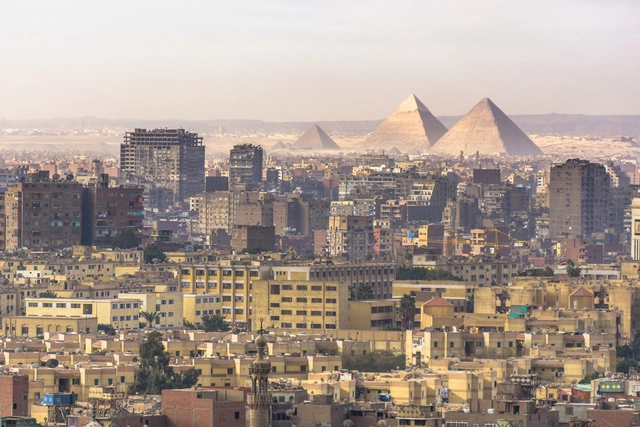
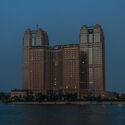
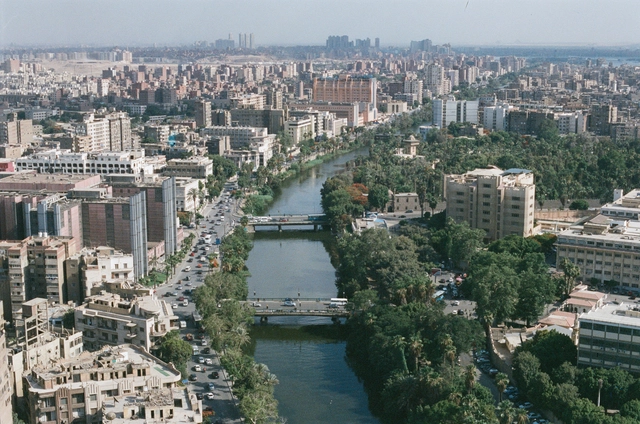
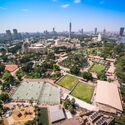
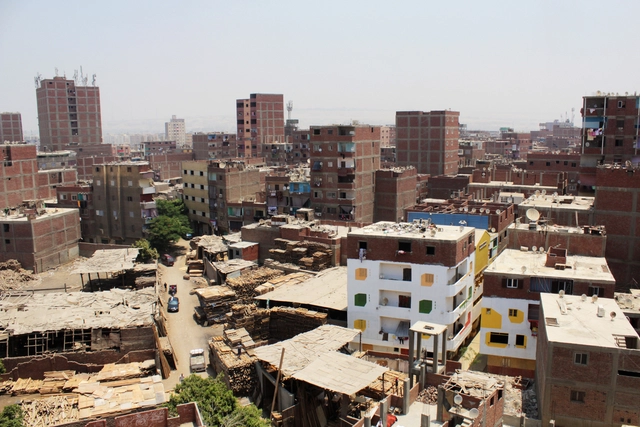
Cairo,Egypt's vibrant capital, is a unique synthesis of both historical and contemporary architecture. One of the most populated cities in Africa, this busy urban agglomeration has a long, rich history and is home to nearly 20 million people. Apart from the infamous Great Pyramids of Giza and the Sphinx, which have attracted tourists for ages, the city has been a melting pot of cultures, histories, and built environments alike.
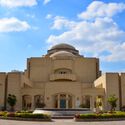
The city of Cairo has witnessed many different eras, each characterized by unique architectural styles. After the Ancient Egyptians, the Islamic Period saw the birth of iconic buildings like the Mosque of Ibn Tulun and the Mosque of Sultan Hassan. These were followed by the Mamluk Period, during which structures such as the Al Rifai Mosque and the Mosque Madrassa of Sultan Barquq were constructed, boasting exquisite stone carvings, towering minarets, and intricate decorative motifs. The Ottoman era brought its own landmarks, including the Mosque of Muhammad Ali and the Citadel of AlQalaa. In the late 19th and 20th centuries, Cairo experienced an influx of European architectural styles due to colonial influences. This resulted in the construction of notable structures such as the Cairo Opera House and the Cairo Tower.
In the center of Cairo, The Nile River, one of the world's most iconic waterways, has shaped the course of civilization for thousands of years. Serving as a vibrant lifeline, connecting neighborhoods, and providing a bustling hub for transportation, the Nile River is an essential natural resource for arid Cairo. Throughout the country’s history, it has often been regarded as the source of life in fertility in its annual flooding, bringing richness to the surrounding lands. Interestingly, this year's edition of La Biennale di Venezia, the Pavilion of Egypt "NiLab" focused on exploring this layered water source and unfolding its effects on the built environment.
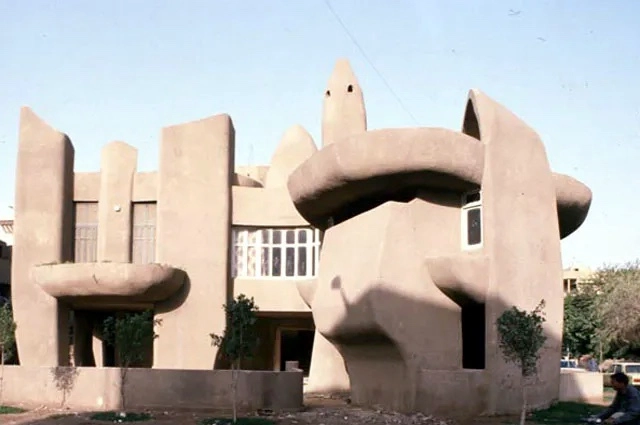
Villa Badran. Image Courtesy of Rare Books and Special Collections Library American University in Cairo
While Egyptian architects were exercising their understanding of modernism in the urban fabric in the 1970s, a “chubby rebellion” in the form of Villa Badran defied the standardized curvilinear forms and rigid geometry. Gamal Bakry dived deep into his imagination to construct this unique piece of architecture that still stands as part of the city of Cairo today. With curving and free-flowing facades, Villa Badran drew inspiration from natural forms. In an attempt to create a living space that was more natural in its essence, the bubbly intervention puts in place a monolithic composition that hosts a two-story detached home for an Egyptian family.