1. ArchDaily
  2. Biennale Giardini

Biennale Giardini: The Latest Architecture and News

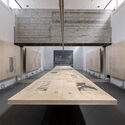
8 National Pavilion Highlights from the 2026 Venice Art Biennale

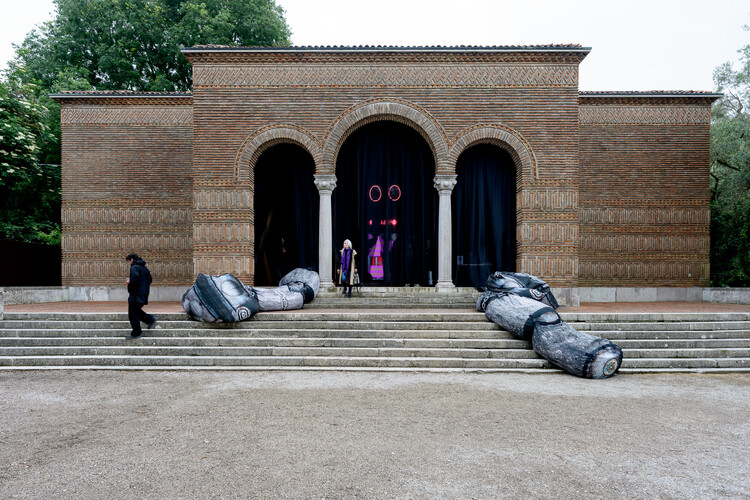
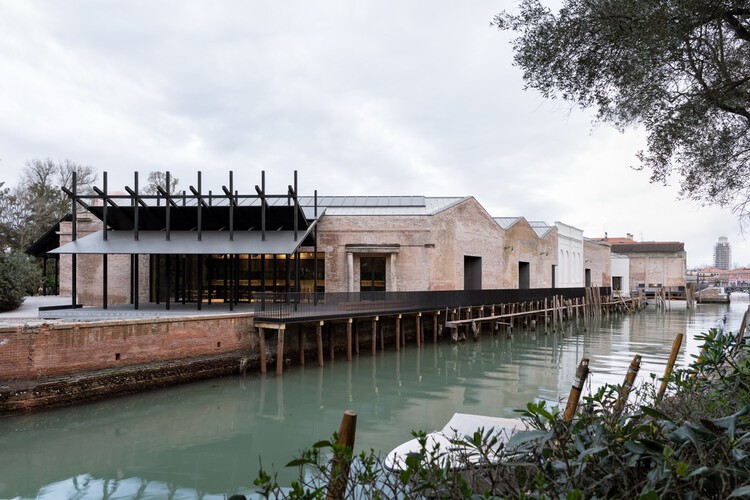
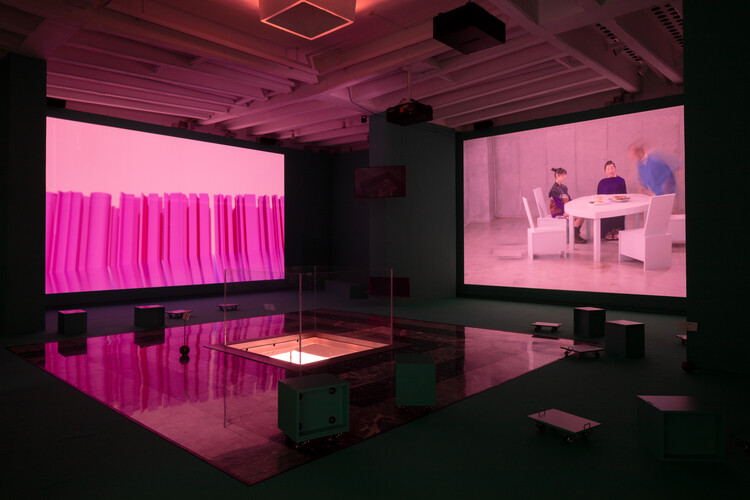
In December 2024, art curator Koyo Kouoh became the first African woman selected to curate the 61st International Art Exhibition of La Biennale di Venezia. She proposed an introspective and sensitive approach to the exhibition, shaped by themes of grief, memory, spirituality, and global exhaustion. Following her premature passing in May 2025, the Biennale decided to continue with the same curatorial project, titled In Minor Keys. Wolff Architects was appointed by Kouoh in early 2025 to realize the exhibition design and scenography, focused on "the transformative spatial power of the threshold as a portal to alternative comprehension and experiences." The event was inaugurated on Saturday, May 9, and will run until Sunday, November 22, 2026, across the Giardini della Biennale, the Arsenale di Venezia, and other locations throughout Venice.

8 National Pavilion Highlights from the 2026 Venice Art Biennale - Image 1 of 48 National Pavilion Highlights from the 2026 Venice Art Biennale - Image 2 of 48 National Pavilion Highlights from the 2026 Venice Art Biennale - Image 3 of 48 National Pavilion Highlights from the 2026 Venice Art Biennale - Image 4 of 48 National Pavilion Highlights from the 2026 Venice Art Biennale - More Images+ 80

Disciplinary Reflections for a Planet in Transition and a New Airport Terminal in Casablanca: This Week’s Review

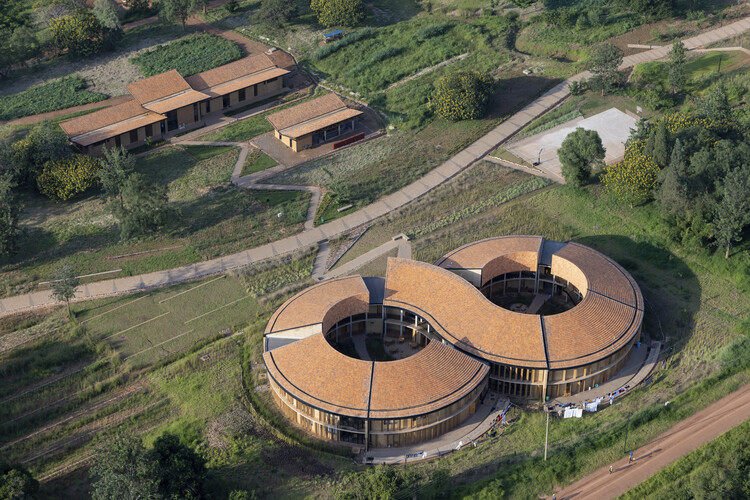
This week, architecture presents new visions of the future across a geographically diverse landscape, with landmark projects and renewal initiatives emerging in Saudi Arabia, Taiwan, Bahrain, Germany, Italy, Australia, Morocco, and Burundi. New platforms for discussing urban futures highlight decolonization and the climate crisis as central priorities for contemporary architectural practice. At the same time, contrasting perspectives on urban regeneration are reflected in both the demolition of recent landmark structures and the large-scale transformation of industrial sites. On another note, the Olympic Games continue to act as catalysts for architectural production, as seen in the proposal for a new sports center in Australia for Brisbane 2032. This momentum coincides with major international infrastructure developments in Africa, including a new airport terminal in Morocco, as well as projects that rethink spaces for research and public engagement, such as a new building for the German Language Forum.

Disciplinary Reflections for a Planet in Transition and a New Airport Terminal in Casablanca: This Week’s Review - Image 1 of 4Disciplinary Reflections for a Planet in Transition and a New Airport Terminal in Casablanca: This Week’s Review - Image 2 of 4Disciplinary Reflections for a Planet in Transition and a New Airport Terminal in Casablanca: This Week’s Review - Image 3 of 4Disciplinary Reflections for a Planet in Transition and a New Airport Terminal in Casablanca: This Week’s Review - Image 4 of 4Disciplinary Reflections for a Planet in Transition and a New Airport Terminal in Casablanca: This Week’s Review - More Images+ 14

La Biennale di Venezia Unveils Renovated Central Pavilion at the Giardini

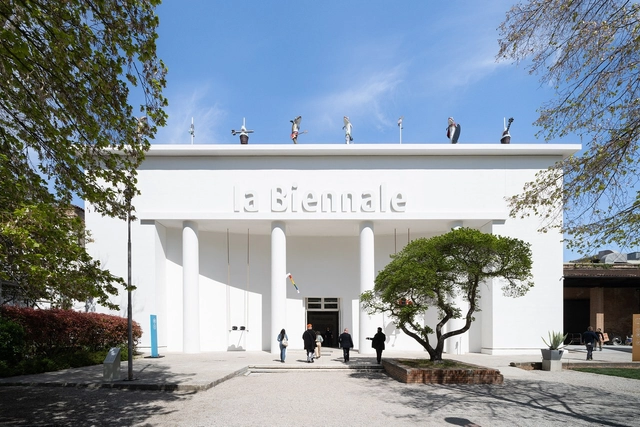
La Biennale di Venezia has unveiled the renovated Central Pavilion at the Giardini, completing a comprehensive intervention delivered between December 2024 and March 2026 as part of a broader national program to enhance cultural infrastructure. Funded by the Italian Ministry of Culture under the National Recovery and Resilience Plan (PNRR) and its complementary investment program (PNC), the project contributes to the development of a permanent hub for cultural production and exchange in Venice. The works form part of a wider initiative involving multiple sites associated with the Biennale, including the Giardini, the Arsenale, and other locations across the city, developed in coordination with local authorities and heritage institutions.

La Biennale di Venezia Unveils Renovated Central Pavilion at the Giardini - Image 1 of 4La Biennale di Venezia Unveils Renovated Central Pavilion at the Giardini - Image 2 of 4La Biennale di Venezia Unveils Renovated Central Pavilion at the Giardini - Image 3 of 4La Biennale di Venezia Unveils Renovated Central Pavilion at the Giardini - Image 4 of 4La Biennale di Venezia Unveils Renovated Central Pavilion at the Giardini - More Images+ 19

The Japanese Pavilion at the 2025 Venice Biennale Explores Artificial Intelligence in Architectural Processes

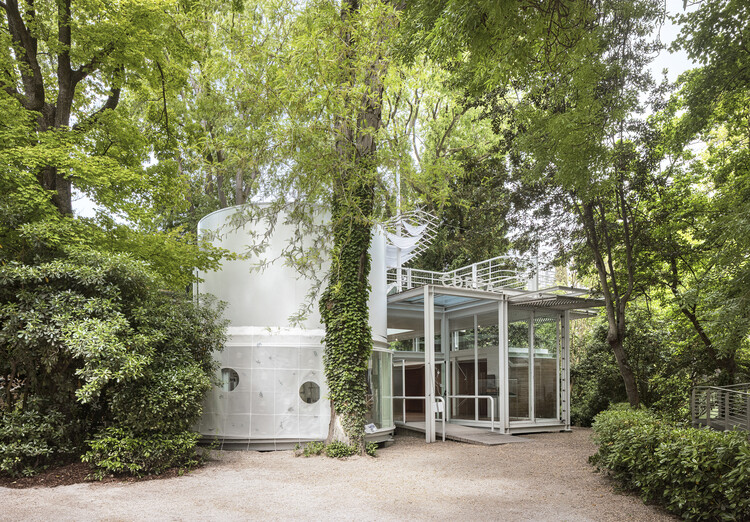
The Japan Pavilion at the 2025 Venice Biennale investigates the evolving role of artificial intelligence (AI) in architecture, focusing on the concept of the "in-between." Curated by Jun Aoki, the exhibition runs from May 10 to November 23, 2025, at the Giardini della Biennale in Venice. The exhibition explores the growing autonomy of AI in architectural design, raising questions about the shifting relationship between human agency and machine intelligence. The showcase aligns with the overarching theme "Intelligens. Natural. Artificial. Collective," curated by Carlo Ratti.


The Japanese Pavilion at the 2025 Venice Biennale Explores Artificial Intelligence in Architectural Processes - Image 1 of 4The Japanese Pavilion at the 2025 Venice Biennale Explores Artificial Intelligence in Architectural Processes - Image 2 of 4The Japanese Pavilion at the 2025 Venice Biennale Explores Artificial Intelligence in Architectural Processes - Image 3 of 4The Japanese Pavilion at the 2025 Venice Biennale Explores Artificial Intelligence in Architectural Processes - Image 4 of 4The Japanese Pavilion at the 2025 Venice Biennale Explores Artificial Intelligence in Architectural Processes - More Images+ 8

The Silent Pavilion: Carlo Scarpa and the Giardino delle Sculture at the Venice Biennale

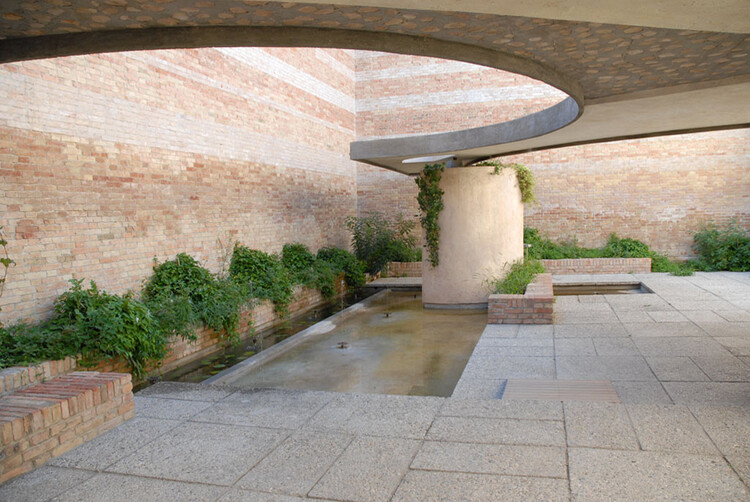
When we think of Venice, familiar images come to mind: Piazza San Marco, winding canals, and the reflection of Byzantine domes on still waters. Few, however, imagine that among those reflections lies a discreet chapter of Italian modernity — the architecture of Carlo Scarpa.

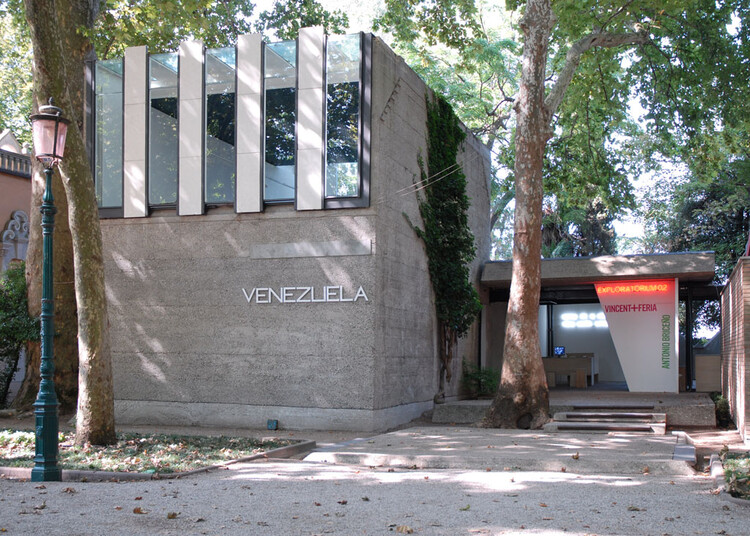
More than an architect, Scarpa was a craftsman of light and matter, a poet of detail who knew how to listen to the Venetian tradition and respond to it with gestures of surprising delicacy. The city where he was born and worked is now an open-air museum of his legacy, including projects such as the Fondazione Querini Stampalia, the Venezuelan Pavilion, the Olivetti Showroom, and, more quietly, the Giardino delle Sculture — a small courtyard hidden in the heart of the Giardini della Biennale.

The Silent Pavilion: Carlo Scarpa and the Giardino delle Sculture at the Venice Biennale - Featured ImageThe Silent Pavilion: Carlo Scarpa and the Giardino delle Sculture at the Venice Biennale - Image 1 of 4The Silent Pavilion: Carlo Scarpa and the Giardino delle Sculture at the Venice Biennale - Image 2 of 4The Silent Pavilion: Carlo Scarpa and the Giardino delle Sculture at the Venice Biennale - Image 3 of 4The Silent Pavilion: Carlo Scarpa and the Giardino delle Sculture at the Venice Biennale - More Images+ 4

The Korean Pavilion at the 2025 Venice Biennale Marks 30 Years with “Little Toad, Little Toad: Unbuilding Pavilion”

The Korean Pavilion at the 19th International Architecture Exhibition - La Biennale di Venezia marks its 30th anniversary with "Little Toad, Little Toad: Unbuilding Pavilion," an exhibition commissioned by Arts Council Korea (ARKO) and curated by Curating Architecture Collective (CAC), composed of Chung Dahyoung, Kim Heejung, and Jung Sungkyu. Bringing together architects and artists Kim Hyunjong, Heechan Park, Young Yena, and Lee Dammy, the exhibition critically revisits the pavilion as both a physical structure and a symbolic space, tracing its trajectory since its completion in 1995 while speculating on its possible futures.

The Korean Pavilion at the 2025 Venice Biennale Marks 30 Years with “Little Toad, Little Toad: Unbuilding Pavilion” - Image 1 of 4The Korean Pavilion at the 2025 Venice Biennale Marks 30 Years with “Little Toad, Little Toad: Unbuilding Pavilion” - Image 2 of 4The Korean Pavilion at the 2025 Venice Biennale Marks 30 Years with “Little Toad, Little Toad: Unbuilding Pavilion” - Image 3 of 4The Korean Pavilion at the 2025 Venice Biennale Marks 30 Years with “Little Toad, Little Toad: Unbuilding Pavilion” - Image 4 of 4The Korean Pavilion at the 2025 Venice Biennale Marks 30 Years with “Little Toad, Little Toad: Unbuilding Pavilion” - More Images+ 27

From Little Venice to Venice: The Narrative of Carlo Scarpa’s Venezuela Pavilion

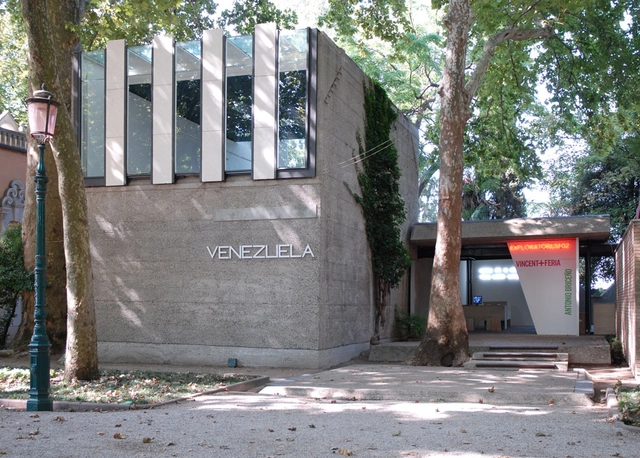
Nestled amongst the plethora of grandiose and carefully crafted national pavilions in the Giardini della Biennale in the Italian city of Venice is one pavilion by the city's perhaps most well-known modern architect. Sited between the pavilions of Russia and Switzerland is the Venezuela Pavilion, by architect Carlo Scarpa. In many ways, the structure typifies the design approach of its architect but has its idiosyncrasies. Built for Europe's most important biennial art exhibition, it is a member of a cohort of Modernist pavilions that came after the earlier, more classicist pavilions. This is its story.

From Little Venice to Venice: The Narrative of Carlo Scarpa’s Venezuela Pavilion - Image 1 of 4From Little Venice to Venice: The Narrative of Carlo Scarpa’s Venezuela Pavilion - Image 2 of 4From Little Venice to Venice: The Narrative of Carlo Scarpa’s Venezuela Pavilion - Image 3 of 4From Little Venice to Venice: The Narrative of Carlo Scarpa’s Venezuela Pavilion - Image 4 of 4From Little Venice to Venice: The Narrative of Carlo Scarpa’s Venezuela Pavilion - More Images+ 20

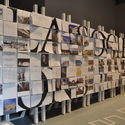
Nothing Is Lost, Everything Transforms: The Reusable Future of the Biennial’s Structures

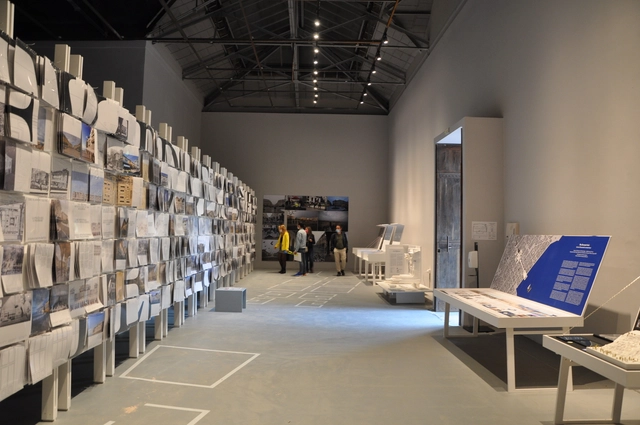
At the end of each edition of the Architecture Biennale, far from the public eye, tons of exhibition materials are transported across Venice in handcarts and boats. Only a small portion of these materials is reused. The main obstacles are the limited storage space in Venice and the high logistical costs—recurring challenges for circular architecture. As a result, most of the waste ends up in landfills or nearby recycling centers. But this scenario is beginning to change. In response to growing environmental concerns, architects are developing strategies to make reuse more viable. These efforts go beyond architectural and construction decisions—they also involve logistics and international trade.

Nothing Is Lost, Everything Transforms: The Reusable Future of the Biennial’s Structures - Image 1 of 4Nothing Is Lost, Everything Transforms: The Reusable Future of the Biennial’s Structures - Image 2 of 4Nothing Is Lost, Everything Transforms: The Reusable Future of the Biennial’s Structures - Image 3 of 4Nothing Is Lost, Everything Transforms: The Reusable Future of the Biennial’s Structures - Image 4 of 4Nothing Is Lost, Everything Transforms: The Reusable Future of the Biennial’s Structures - More Images+ 9

"Helping the Existing to Reconfigure Itself": In Conversation with Søren Pihlmann, Curator of the Danish Pavilion

Søren Pihlmann is the curator of the Danish Pavilion at the 2025 Venice Architecture Biennale. The exhibition, commissioned by the Danish Architecture Center, is titled Build of Site, and focuses on exploring sustainable architectural practices through the lens of reuse and resourcefulness. Pihlmann's proposal transforms the existing Danish Pavilion, located within a historic building complex in the Biennale's Giardini, into an active exhibition space for material experimentation. The installation highlights techniques that incorporate recycled and bio-based elements. The Pavilion offers visitors the opportunity to observe ongoing experimental processes, witnessing how building resources are creatively reimagined for new uses. In this on-site interview, ArchDaily editors spoke with the curator about the ideas behind the project and the challenges its execution represents.

"Helping the Existing to Reconfigure Itself":  In Conversation with Søren Pihlmann, Curator of the Danish Pavilion - Image 1 of 4"Helping the Existing to Reconfigure Itself":  In Conversation with Søren Pihlmann, Curator of the Danish Pavilion - Image 2 of 4"Helping the Existing to Reconfigure Itself":  In Conversation with Søren Pihlmann, Curator of the Danish Pavilion - Image 3 of 4"Helping the Existing to Reconfigure Itself":  In Conversation with Søren Pihlmann, Curator of the Danish Pavilion - Image 4 of 4Helping the Existing to Reconfigure Itself:  In Conversation with Søren Pihlmann, Curator of the Danish Pavilion - More Images+ 2

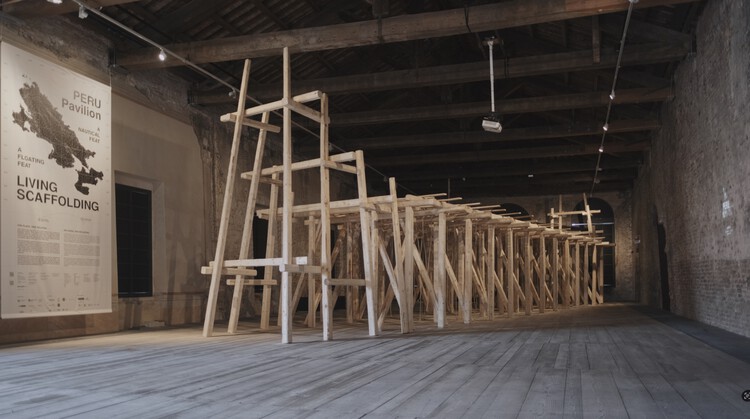
Latin America at the 2025 Venice Biennale: Exploring Territory, Memory, and Ancestral Knowledge to Build the Present

The 19th edition of the Venice Architecture Biennale officially opened to the public on May 10, becoming a significant international platform for exploring the current state of global architecture and sparking conversations about the challenges the discipline faces today—both shared and specific to each territory. This year’s theme, "Intelligens. Natural. Artificial. Collective," proposed by general curator and Italian architect Carlo Ratti, invites reflection on architecture’s interconnection with other fields—such as art, artificial intelligence, and technology—while also emphasizing the importance of territories, landscapes, and, above all, the people who collectively shape our built environment.

Latin America at the 2025 Venice Biennale: Exploring Territory, Memory, and Ancestral Knowledge to Build the Present - Image 1 of 4Latin America at the 2025 Venice Biennale: Exploring Territory, Memory, and Ancestral Knowledge to Build the Present - Image 2 of 4Latin America at the 2025 Venice Biennale: Exploring Territory, Memory, and Ancestral Knowledge to Build the Present - Image 3 of 4Latin America at the 2025 Venice Biennale: Exploring Territory, Memory, and Ancestral Knowledge to Build the Present - Image 4 of 4Latin America at the 2025 Venice Biennale: Exploring Territory, Memory, and Ancestral Knowledge to Build the Present - More Images+ 17

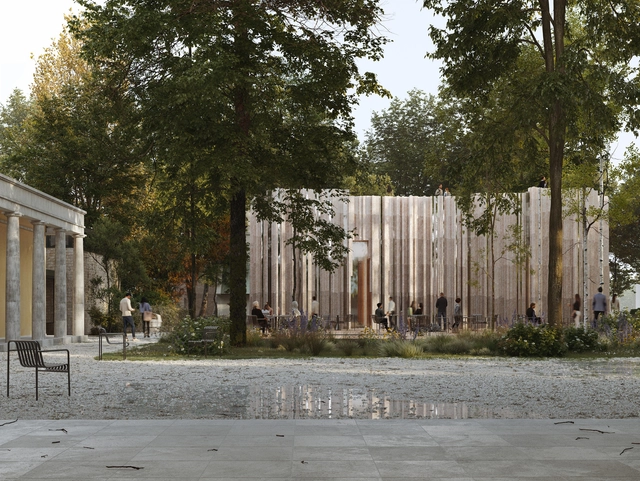
First Look at Lina Ghotmeh's Design for Qatar’s First Permanent National Pavilion at Venice Biennale’s Giardini

Qatar has announced that architect Lina Ghotmeh, founder and principal of the Paris-based studio Lina Ghotmeh — Architecture, has been selected to design its permanent national pavilion in the Giardini della Biennale, the historic venue of La Biennale di Venezia since 1895. The new building will be on a site adjacent to the Book Pavilion and commissioned by H.E. Sheikha Al Mayassa on behalf of the State of Qatar. With this addition, Qatar becomes one of only 31 countries with a permanent pavilion in the Giardini, joining a select group of nations with dedicated exhibition spaces. Only two new national pavilions have been inaugurated there in the past 50 years: Australia in 1988 and the Republic of Korea in 1996. Lina Ghotmeh's new Qatar Pavilion will serve as a lasting platform for showcasing the country's artistic and architectural contributions, with rotating exhibitions presented during each edition of the Biennale.

First Look at Lina Ghotmeh's Design for Qatar’s First Permanent National Pavilion at Venice Biennale’s Giardini - Image 1 of 4First Look at Lina Ghotmeh's Design for Qatar’s First Permanent National Pavilion at Venice Biennale’s Giardini - Image 2 of 4First Look at Lina Ghotmeh's Design for Qatar’s First Permanent National Pavilion at Venice Biennale’s Giardini - Image 7 of 4First Look at Lina Ghotmeh's Design for Qatar’s First Permanent National Pavilion at Venice Biennale’s Giardini - Image 5 of 4First Look at Lina Ghotmeh's Design for Qatar’s First Permanent National Pavilion at Venice Biennale’s Giardini - More Images+ 4

Venice Architecture City Guide: 15 Historical and Contemporary Attractions to Discover in Italy’s City of Canals

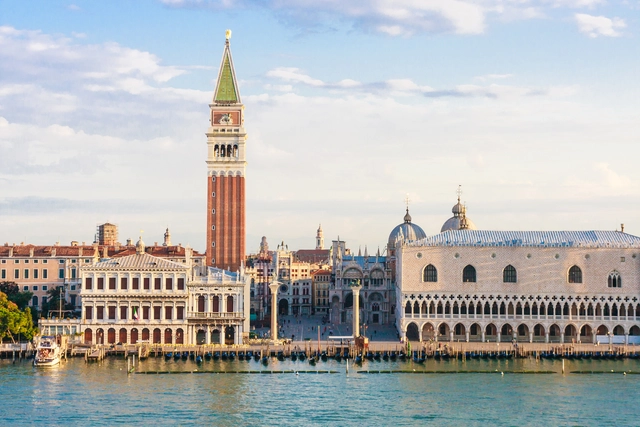
Built on a cluster of 118 small islands in the shallow Venetian Lagoon, the city of Venice, Italy, has captivated the imagination of architects and tourists alike. The area has been inhabited since ancient times, becoming a major financial and maritime power during the Middle Ages and Renaissance, as proven through the rich architecture that characterizes the city to this day. With influences from the Byzantine, Gothic, and Renaissance styles, the city represents a palimpsest of architectural narratives, overlapping and influencing each other. In recent years, Venice has become a major attraction for architects drawn to the La Biennale di Venezia, the most important Architectural Exhibition featuring national pavilions, exhibitions, and events to explore new concepts and architectural innovations.

Beyond the Biennale, Venice itself is an open-air museum for architecture lovers. While the city is best known for its historical buildings, Modernist and contemporary interventions add a new layer of interest, with many contemporary architects working with the historical fabric, like OMA's intervention and rehabilitation of Fondaco dei Tedeschi, or David Chipperfield's renovation of Procuratie Vecchie, one of the buildings that define Piazza San Marco. In addition to what the city has to offer, the site of the Venice Biennale is also marked by interventions by famous architects such as Carlo Scarpa, Sverre Fehn, and Alvar Aalto, made permanent due to their outstanding qualities.

Venice Architecture City Guide: 15 Historical and Contemporary Attractions to Discover in Italy’s City of Canals - Image 1 of 4Venice Architecture City Guide: 15 Historical and Contemporary Attractions to Discover in Italy’s City of Canals - Image 2 of 4Venice Architecture City Guide: 15 Historical and Contemporary Attractions to Discover in Italy’s City of Canals - Image 3 of 4Venice Architecture City Guide: 15 Historical and Contemporary Attractions to Discover in Italy’s City of Canals - Image 4 of 4Venice Architecture City Guide: 15 Historical and Contemporary Attractions to Discover in Italy’s City of Canals - More Images+ 11

The Unfolding Pavilion Investigates the Public Openness of the Giardini della Biennale in Venice

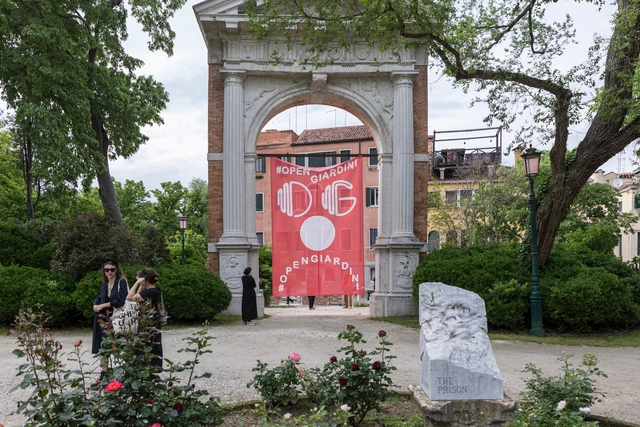
The Unfolding Pavilion is a recurring exhibition and editorial project by Daniel Tudor Munteanu and Davide Tommaso Ferrando that aims to highlight previously inaccessible but architecturally significant spaces. Now in its fourth edition, the exhibition is dedicated to the Giardini della Biennale, the Venetian garden that became the main location for one of the most important architecture exhibitions worldwide, the Venice Biennale. Through a series of site-specific interventions and photographs by Laurian Ghinițoiu, the Unfolding Pavilion #OPENGIARDINI set out to explore the paradoxical state of this public space that is not publicly accessible.

The Unfolding Pavilion Investigates the Public Openness of the Giardini della Biennale in Venice - Image 1 of 4The Unfolding Pavilion Investigates the Public Openness of the Giardini della Biennale in Venice - Image 2 of 4The Unfolding Pavilion Investigates the Public Openness of the Giardini della Biennale in Venice - Image 3 of 4The Unfolding Pavilion Investigates the Public Openness of the Giardini della Biennale in Venice - Image 4 of 4The Unfolding Pavilion Investigates the Public Openness of the Giardini della Biennale in Venice - More Images+ 8

Cyprus, Greece, Iraq, San Marino, and North Macedonia: 5 Unexplored National Pavilions at the 2021 Venice Biennale

Over the past couple of weeks, we have seen how countries have responded to “How will we live together” in 115 different ways. Some studied the environment and how to sustain it, while others explored how they can create a safe space for refugees and citizens to coexist. In this roundup, we are concluding the list of national pavilions displayed at the 17th International Architecture Exhibition – La Biennale di Venezia, and highlighting how they answered curator Hashim Sarkis' question.

Cyprus, Greece, Iraq, San Marino, and North Macedonia: 5 Unexplored National Pavilions at the 2021 Venice Biennale  - Image 1 of 4Cyprus, Greece, Iraq, San Marino, and North Macedonia: 5 Unexplored National Pavilions at the 2021 Venice Biennale  - Image 2 of 4Cyprus, Greece, Iraq, San Marino, and North Macedonia: 5 Unexplored National Pavilions at the 2021 Venice Biennale  - Image 3 of 4Cyprus, Greece, Iraq, San Marino, and North Macedonia: 5 Unexplored National Pavilions at the 2021 Venice Biennale  - Image 4 of 4Cyprus, Greece, Iraq, San Marino, and North Macedonia: 5 Unexplored National Pavilions at the 2021 Venice Biennale  - More Images+ 83

The Restroom Pavilion at the 2021 Venice Biennale Displays how Restrooms are Political Battlegrounds

"When we enter the restroom, we are never alone. Instead, we are entangled in a network of bodies, infrastructures, ecosystems, cultural norms, and regulations". Although restrooms are often overlooked facilities that cater to the needs of individuals, they are, however, spaces where gender, religion, race, hygiene, health, and the economy are defined and expressed. For the 17th International Architecture Exhibition at La Biennale di Venezia, Matilde Cassani, Ignacio G. Galán, Iván L. Munuera, and Joel Sanders designed two pavilions that exhibit how restrooms are political architectures, serving as battlegrounds for the world's disputes.

The Restroom Pavilion at the 2021 Venice Biennale Displays how Restrooms are Political Battlegrounds - Image 1 of 4The Restroom Pavilion at the 2021 Venice Biennale Displays how Restrooms are Political Battlegrounds - Image 2 of 4The Restroom Pavilion at the 2021 Venice Biennale Displays how Restrooms are Political Battlegrounds - Image 3 of 4The Restroom Pavilion at the 2021 Venice Biennale Displays how Restrooms are Political Battlegrounds - Image 4 of 4The Restroom Pavilion at the 2021 Venice Biennale Displays how Restrooms are Political Battlegrounds - More Images+ 10

The Hungarian Pavilion at the 2021 Venice Biennale Explores Ways of Managing the Socialist Architectural Heritage

The Hungarian Pavilion at the 17th Venice Biennale explores the often challenging socialist architecture and looks at how this heritage could be reconsidered and given a new future. Titled Othernity – Reconditioning our Modern Heritage, the exhibition curated by Dániel Kovács presents twelve iconic modern buildings of Budapest and the visions of twelve architecture practices from Central and Eastern Europe for their reconditioning. The Hungarian Pavilion's project looks into how architecture can build on its past to foster resilience, sustainability and strong cultural identities.

The Hungarian Pavilion at the 2021 Venice Biennale Explores Ways of Managing the Socialist Architectural Heritage - Image 1 of 4The Hungarian Pavilion at the 2021 Venice Biennale Explores Ways of Managing the Socialist Architectural Heritage - Image 2 of 4The Hungarian Pavilion at the 2021 Venice Biennale Explores Ways of Managing the Socialist Architectural Heritage - Image 3 of 4The Hungarian Pavilion at the 2021 Venice Biennale Explores Ways of Managing the Socialist Architectural Heritage - Image 4 of 4The Hungarian Pavilion at the 2021 Venice Biennale Explores Ways of Managing the Socialist Architectural Heritage - More Images+ 20

AD Classics: Palazzo dei Congressi / Louis Kahn

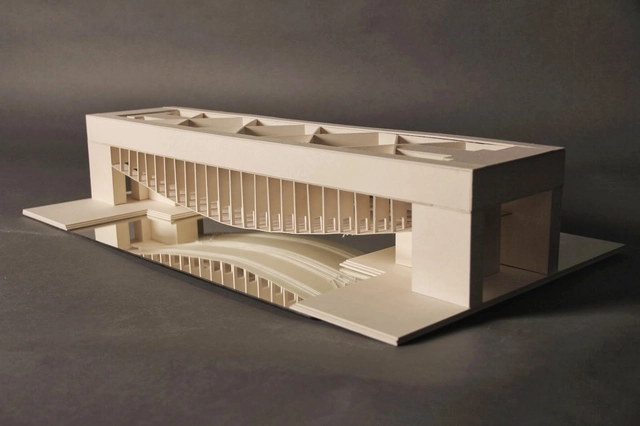
The city of Venice has been caught in a tug of war between progress and traditionalism for many years, and particularly since the construction of a railroad viaduct in 1846 linked the island city to the Italian mainland for the first time in its history.[1] Over a century later, the Venetian government commissioned Louis Kahn to design a new Palazzo dei Congressi for the city; his proposal, while paying respect to the histories of both the Republic of Venice and a unified Italy, could not escape similar controversy.