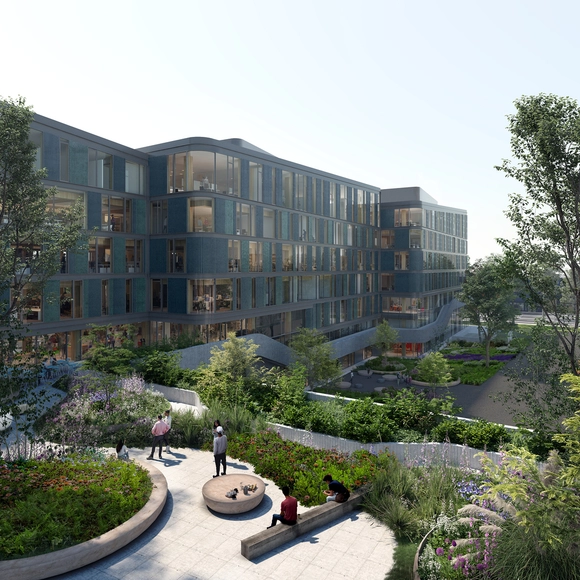
Creating new standards for a more connected and livable city, Henning Larsen has designed a New Masterplan for Wolfsburg, Germany. The new prototype for urbanism across the European continent diffuses new energy in the city center. Selected to design the project in a competition in 2019 that included competitors UNStudio and Bjarke Ingels Group, Henning Larsen’s proposal for phase 1 is expected to reach completion by 2023.
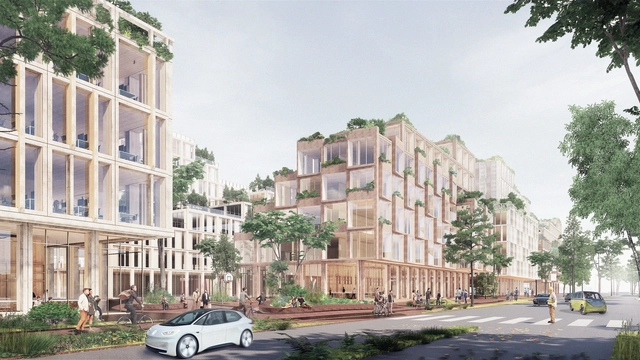
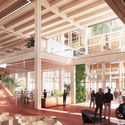
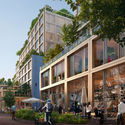
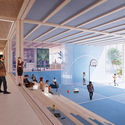
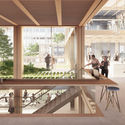
Team V Architectuur, an architecture office based in Amsterdam, is designing the new Dutch timber hybrid head office for DPG Media at the Amstel Business Park in the Netherlands. In collaboration with DELVA Landscape Architecture/ Urbanism for the landscape and outdoor space, the project will generate a 46.000 square meter of healthy and sustainable working environment.
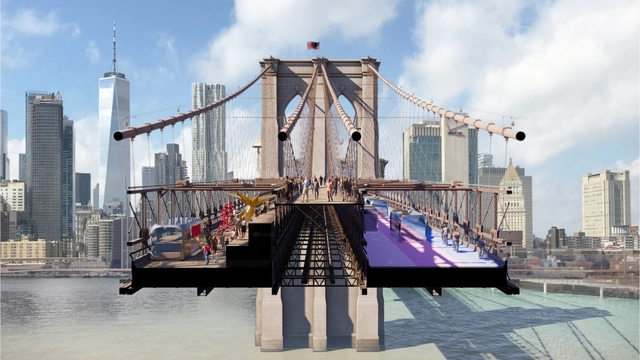
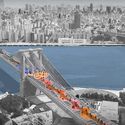
Back to the Future; BIG + ARUP, New York. Image Courtesy of Van Alen Institute
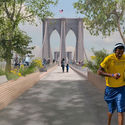
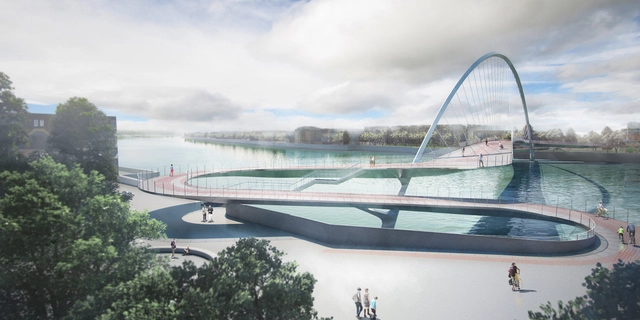
Van Alen and the New York City Council have announced the 6 finalists for the “Reimagining Brooklyn Bridge” international competition, in both the professionals and young adults categories. Inspiring participants to rethink the iconic Brooklyn Bridge walkway, the contest gathered short-term interventions and longer-term proposals for a complete reconfiguration of the bridge. The 3 final teams in the Professional category include BIG + ARUP; ScenesLab + Minzi Long + Andrew Nash; and Pilot Projects Design Collective, Cities4Forests, Wildlife Conservation Society, Grimshaw, and Silman.
Despite all the news of re-openings, lifted restrictions, al fresco options dining, and a return to something more closely resembling “normal,” COVID-19 is still very much with us. And despite the defeatist/downplayed/nothing to see here stance embraced by the current presidential administration, the United States is still in the midst of an unprecedented public health crisis. In some states, both new reported cases and hospitalizations have now reached record highs.
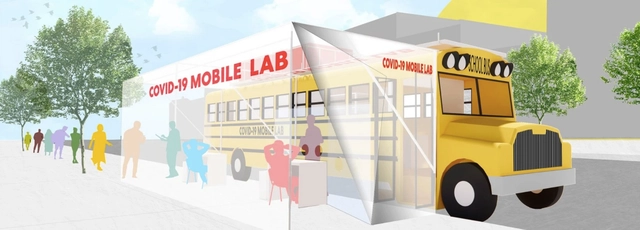
This being said, the need for accessible, easy to fabricate, and quick-to-deploy testing facility solutions are still in great need, particularly in dense urban areas, at large institutions and workplaces, and in underserved communities where coronavirus testing might come as a luxury, not a basic necessity. In terms of testing availability, all bases need to and must be covered.
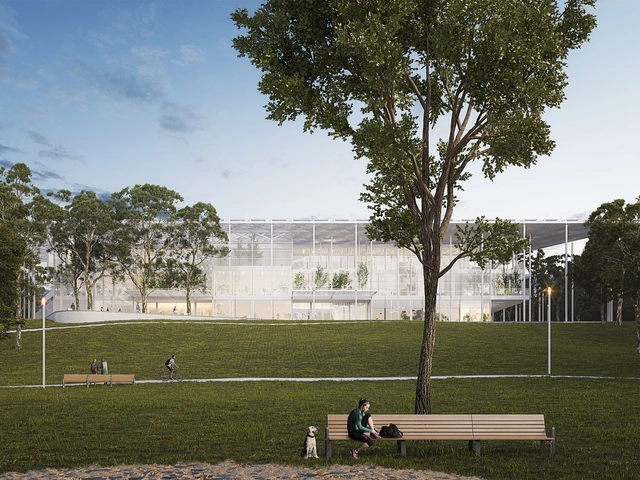
The Houston Endowment and the organizers of the Malcolm Reading Consultants (MRC) contest announced that the team led by Kevin Daly Architects (KDA) and PRODUCTORA, in collaboration with TLS Landscape Architecture, won the international competition to design the new headquarters for the foundation. The winning proposal stood out as a dynamic response to the architectural and landscape tradition of Houston.
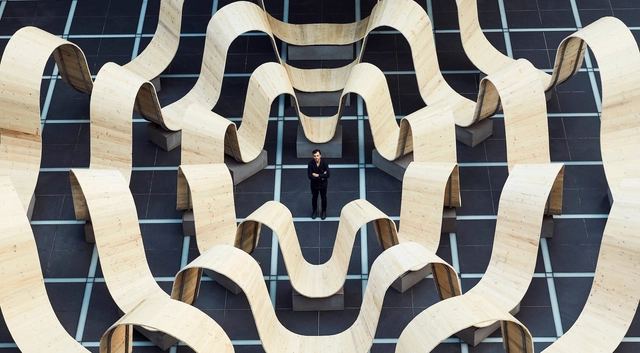
The 2019 London Design Festival opened this month and features a large-scale instillation called Please Be Seated by Paul Cocksedge. Returning for its 17th year, the festival celebrates design across London and aims to promote the city as a major design capital. Please Be Seated joins a series of art, design and performance-based projects by internationally-renowned designers across the city.
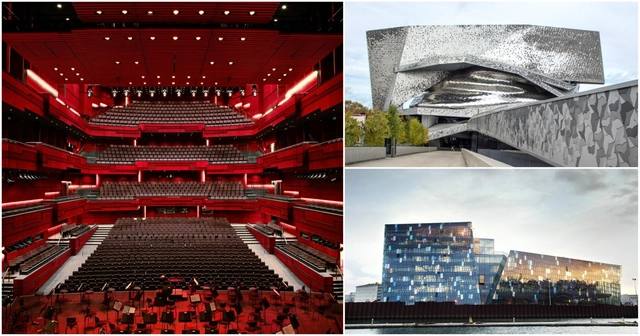
In their video series for the November 2017 World Architecture Festival, PLANE—SITE delves into contemporary concert hall design. The five films highlight major themes in today’s musical architecture through an interactive, multimedia panel. Using Harpa Concert Hall in Reykjavik, Wroclaw’s National Forum of Music, and the Philharmonie de Paris as examples, the videos show how contemporary concert halls are more technological and multi-functional than ever before, demonstrating how architecture redefines the modern-day musical performance experience.
The series acted as a starting point for a conversation between the WAF audience and panelists, moderated by PLANE—SITE’s Andres Ramirez. Panelists included Michel Cova of dUCKS scéno, Tateo Nakajima of Arup, and Jacob Kurek of Henning Larsen.
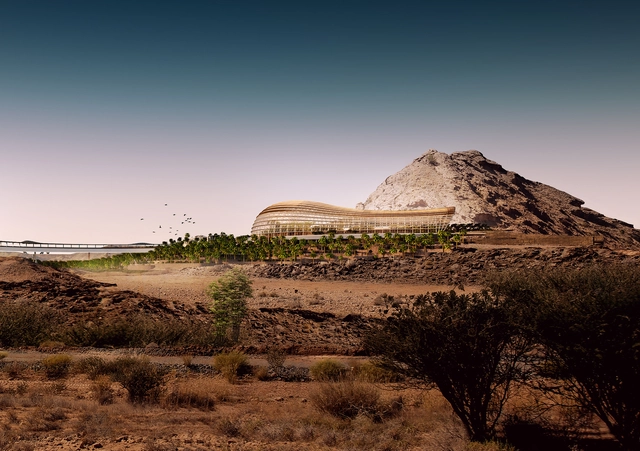
Bold, innovative and set to become the largest botanic garden in the world, images of Oman’s future light-filled oasis in the desert have been revealed. A collaboration between Arup, Grimshaw, and Haley Sharpe Design delivers the architecture, engineering, landscaping, and interpretive design in a scheme of over 420 hectares for the Oman Botanic Garden.
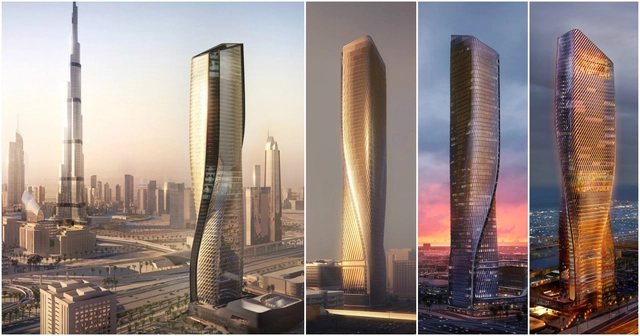
UNStudio, working in collaboration with Werner Sobek, have unveiled their designs for the Wasl Tower, a 300-meter tall skyscraper in Dubai. Centrally located along the main thoroughfare that connects the Emirates north to south, the Wasl Tower sits directly opposite the Burj Khalifa and, once completed, will feature one of the world’s tallest ceramic facades. Inspired by the movement of the city, the 300-meter supertall building takes on a "contrapposto" form, responding to the Sheikh Zayed Road along which it is sited.
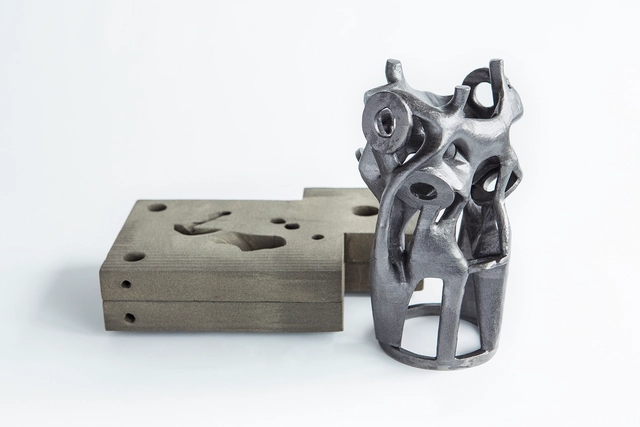
Arup's’ research into alternative production techniques and materials has focused on the potential of 3D printing metal in the construction sector. Complex and individually designed steel structural elements can be efficiently produced “resulting in endless possibilities in mass customisation, weight reduction, product integration and more.”
Working with the Anglo-Dutch company 3Dealise, their 3D-printed sand molds are used in the traditional casting process to create sophisticated, unique structural steel nodes as a certified material. Sand printing offers a quick technique that can reuse the materials and allows costs to be kept low.
Working out of a UNESCO world heritage site in Cartagena, Colombia, Smart Everyday Nighttime Design is a research project that aims to use light as a means to build better communities. The project, spearheaded by Arup’sLighting team with urban-lighting leader Leni Schwendinger, seeks to address nighttime activation of Getsemaní’s streets and public spaces in a bid to improve safety, stimulate the night time economy and engage with the local communities and events.
This documentary, produced by PLANE—SITE, presents the project’s findings and explains the research process and the resulting prototype. The team had two main ambitions:
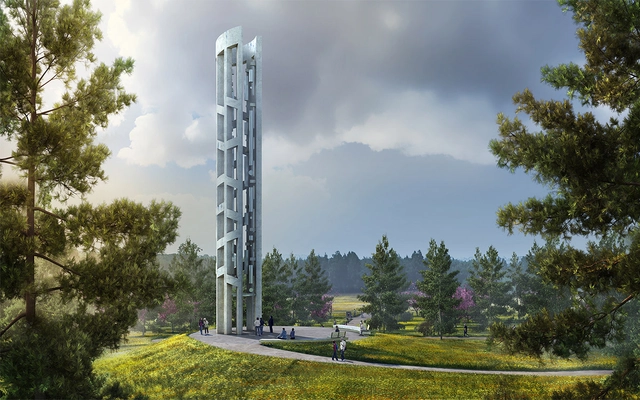
Sixteen years after the tragic events of 9/11, the final major element of the Flight 93 National Memorial has been revealed.
Located in rural in Shanksville, Pennsylvania, the memorial commemorates the 40 passengers who sacrificed their own lives to wrest control away from the hijackers of United Flight 93, preventing the plane from hitting its intended target of the United States Capitol Building.
In 2009, Paul Murdoch Architects, in collaboration with Nelson Byrd Woltz Landscape Architects and Arup Engineering, was selected to design the national memorial at the crash site. Employing a reverent masterplan that traced the airplane’s final movements, the architects designed a series of reflective elements as a solemn reminder of the day’s events. All of these elements have since been completed, with the exception of the plan’s most sensory landmark, the 93-foot-tall “Tower of Voices.”
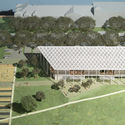
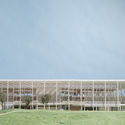
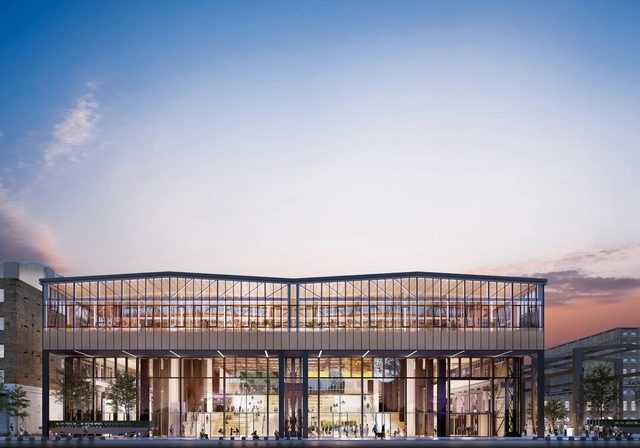
Construction has begun on the LocHal, a new mixed-use complex in Tillburg, The Netherlands. Designed by CIVIC Architects (a submember of The Cloud Collective) in collobaration with Braaksma & Roos architecten, Arup and Inside Outside, the project will be located in a former Dutch Railways hangar and maintenance facility, serving as a catalyst for the redevelopment of the city’s 75 hectare railway district. Opening up the area to the public, LocHal will offer visitors a large public hall and plaza, work spaces, conference areas, galleries, a library, a music hall and restaurant.
https://www.archdaily.com/871894/construction-begins-on-project-to-transform-railway-hangar-into-a-mixed-use-library-in-the-netherlandsAD Editorial Team
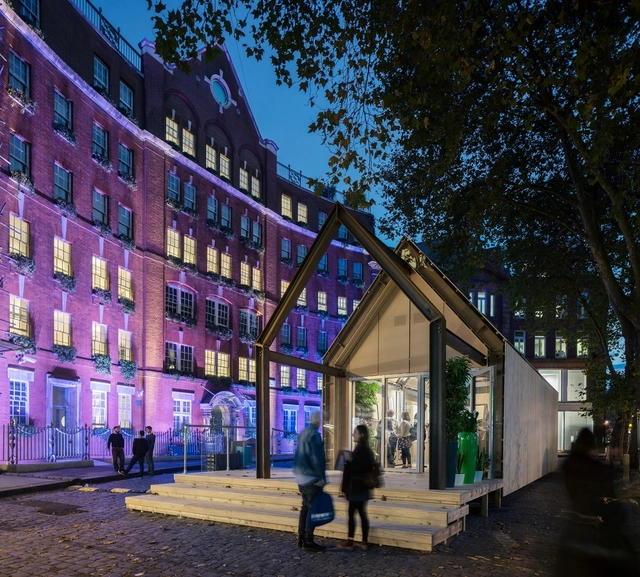
In a prototype developed for the 2016 London Design Festival, Arup Associates designed The Circular Building, one of the first buildings in the UK built to satisfy Circular Economy principles, in which “all components need to be implemented and utilized to their full potential and to the duration of their life cycle, while creating a comfortable and aesthetic environment for the user.”
In order to achieve these goals, designers and engineers worked together to refine the application of prefabricated construction techniques, producing details that utilize finely tuned engineering rather than mechanical fixings. Through this methodology, the team was able to create a low-waste, self-supporting, and demountable structurally integrated panel (SIPs) wall system (which used cladding provided by Accoya) with reusable clamp connections between the wall and recycled steel frame elements, as well as sustainably sourced, heat treated timber for the cladding and decking.
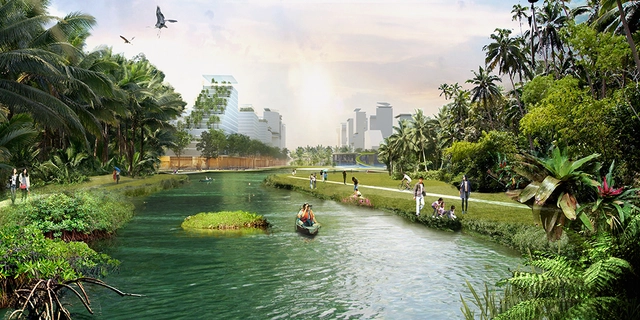
Submitting a dense, commercial mixed-use concept masterplan centered around a new high-speed rail (HSR) terminal in Singapore, the team’s intention was to facilitate the Jurong Lake District’s progress as a ‘district of the future’, as well as creating the country’s second Central Business District. Waterways and a variety of landscaped green spaces were also key components of the proposal, giving the area a striking identity.
https://www.archdaily.com/805000/winning-proposal-to-define-jurong-lake-district-as-singapores-newest-business-hubOsman Bari
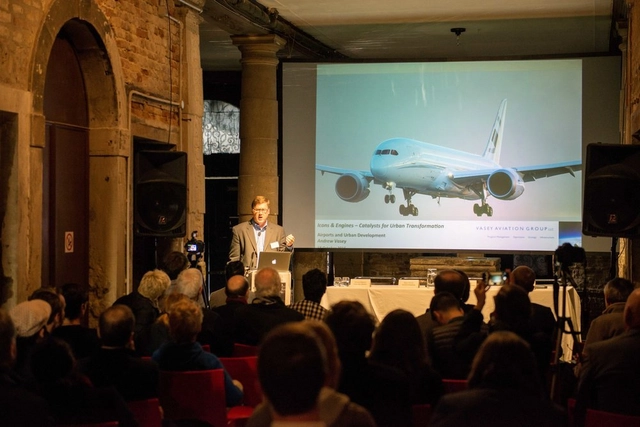
Aerial Futures, Grounded Visions: Shaping the Airport Terminal of Tomorrow was a two-day symposium held in October 2016 as part of the European Cultural Center's collateral event at the 2016 Venice Biennale. It encouraged discussion about the future of air travel from the perspectives of architecture, design, technology, culture and user experience. The event featured presentations and discussions by the likes of airport architect Curtis Fentress, Nelly Ben Yahoun, Donald Albrecht, Director of the Museum of the City of New York; Anna Gasco, post-doctoral researcher at the ETH-Future Cities Laboratory in Singapore; Jonathan Ledgard, co-founder of the Droneport Project; and Ashok Raiji, Principal at Arup New York.
https://www.archdaily.com/803677/aerial-futures-grounded-visions-the-airport-terminal-of-tomorrowAD Editorial Team
Arup and GXN Innovation have been awarded with the JEC Innovation Award 2015 in the construction category for their development of the world's first self-supporting biocomposite facade panel. Developed as part of the €7.7 million EU-funded BioBuild program, the design reduces the embodied energy of facade systems by 50% compared to traditional systems with no extra cost in construction.
The 4-by-2.3 meter panel is made from flax fabric and bio-derived resin. Intended primarily for commercial offices, the glazing unit features a parametrically-derived faceted design, and comes prefabricated ready for installation. The panel is also designed to be easy to disassemble, making it simple to recycle at the end of its life.












.jpg?1506417220)







_lichtzeit.com2.jpg?1425480334&format=webp&width=640&height=580)
