In the midst of programmatic diversity and experimentation, the Rio de Janeiro office gru.a is an encouragement to those who wish to venture into the expanded field of architecture. Formed by partners Caio Calafate and Pedro Varella in 2013, gru.a demonstrates the potential of the profession when it dialogues with other disciplines.
On August 19th, the world photography day is celebrated, a fundamental tool for the imagery record of our society. If, on the one hand, photography is the protagonist in dialogues that involve architecture and the city, portraying historical moments and enhancing buildings, on the other hand, it guides us through the context and backstage of the moment, eternalizing the process.
Few other materials can convey architectural atmosphere as well as the glass. A to-go choice for the modernists, due to its transparent nature, glass still holds a solid place within the material palette for architects around the globe. Such unique element is the subject of Archiving Flux / Stasis, a photographic exhibition by Erieta Attali hosted by the Greek Ministry of Culture in Casa Romana, Kos Island, Greece, set to open its doors in July 21st.
Historic art movements and their visual characteristics have considerably paved the way for modern day architecture. For years, architects have been borrowing techniques and stylistic approaches to create their own architectural compositions, merging both disciplines together. Cubism, one of the most influential styles of the twentieth century, and heavily criticized for its experimentation with its non-representational art approach, is perhaps the most significant architecture inspiration. Just as the radical art movement rejected the then-rooted concept that art should mimic nature, architects found themselves following suit and designing structures that borrow Cubism’s avant-gardist features, creating buildings that, to this day, stand as iconic landmarks of the practice.
For varied reasons, architects have been driven away from professional practice. Sometimes, however, they continue to design buildings in other media and support. Vinicius Libardoni is an Italian-Brazilian architect and artist who migrated from Autocad to metal engraving, passing through woodcut, and has been building imaginary architectures ever since.
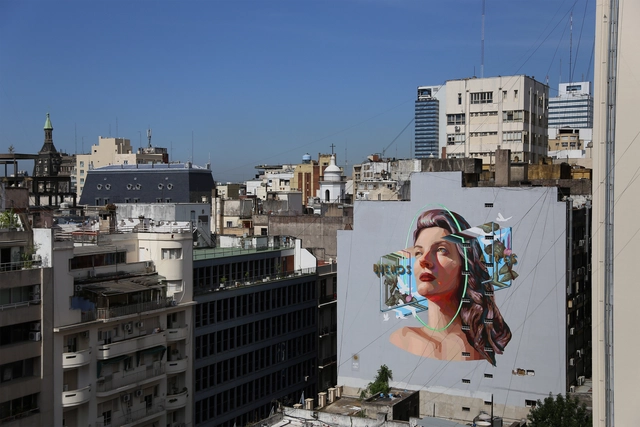
Addressing themes involving memory, oblivion and gender, the Argentinean visual artist and muralist, Mariela Ajras, displays her art on the walls of numerous cities around the world such as Barcelona, Valencia, Salamanca, Mexico City, Bogota, Montevideo, Buenos Aires, among many others. With a background in psychology, she has participated in different urban art festivals, exhibitions, fairs and public art projects, one of the largest murals in the city of Buenos Aires being the one she developed for the project "Corredor de la Memoria", commemorating the 25th anniversary of the AMIA bombing.
Architecture in its broadest sense concerns itself with the uprooting of structures that are permanent, cementing themselves within the greater cultural context and history of its humanity, however, where do we place the creation of structures that are designed with the intention to be disassembled. How much meaning and value can these structures hold, knowing they were never designed to last, but to simply take up space for a moment?
The Glyptothek Museum will showcase the first exhibition dedicated to Santiago Calatrava's array of sculptures and paintings inspired by Greek Antiquity. Running from June 21st to October 23rd, "Beyond Hellas: Santiago Calatrava in the Glyptothek" traces the architect's career as a sculptor, highlighting the influence of histories and cultures on Calatrava's design process.
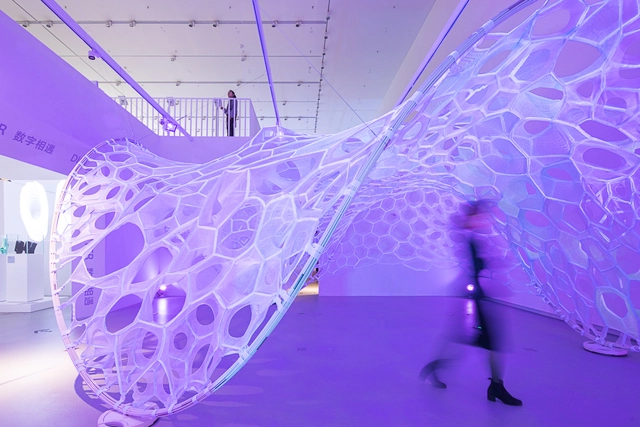
The Turba Tol Hol-Hol TolPavilion is a collective project led by curator Camila Marambio that proposes an experimental path towards the conservation and visibility of peatlands, a type of wetland considered to be the most efficient natural ecosystem for accumulating carbon in the atmosphere and yet one of the least researched.
Presented by the Ministry of Cultures, Arts and Heritage and the Ministry of Foreign Affairs of the Government of Chile at the 59th International Art Exhibition - La Biennale di Venezia, which will have its official opening on the 23rd of April, was a collaborative work between art, science and traditional knowledge, promoting research and ecological transition from the environmental humanities. In this sense, a diverse multidisciplinary team was brought together: sound artist, Ariel Bustamante; art historian, Carla Macchiavello; filmmaker, Dominga Sotomayor; and architect, Alfredo Thiermann.
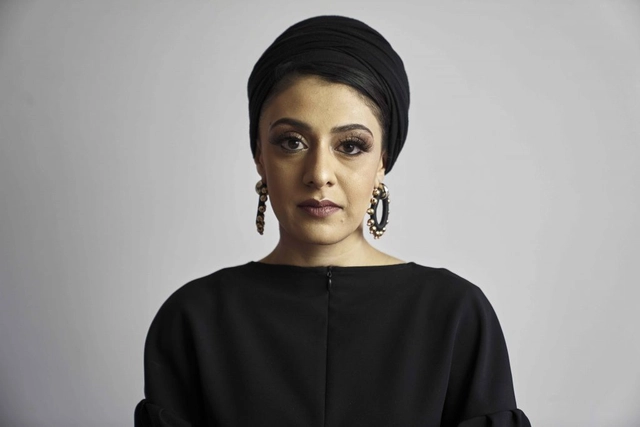
Diriyah Biennale Foundation recently revealed the curatorial team of Saudi Arabia's inaugural Islamic Arts Biennale, highlighting the past and present art of the Islamic culture. Among the curators is Sumayya Vally, co-founder of Johannesburg-based practice Counterspace, responsible for designing the 2021 Serpentine Pavilion. Taking place in Jeddah in early 2023, the Islamic Arts Biennale will foster artistic exchanges and further establish Saudi Arabia's status within the art scene.
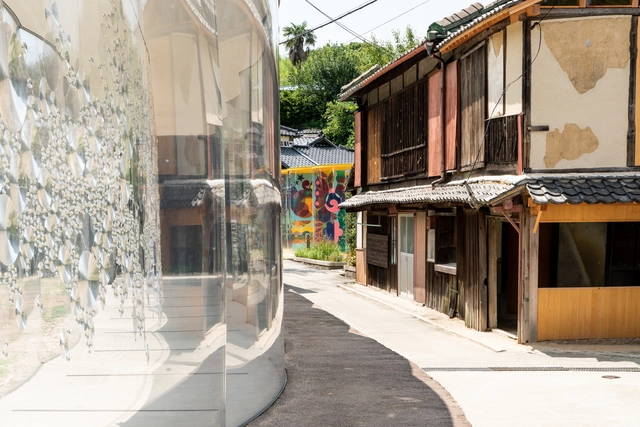
A new exhibition at the Japan House in London explores the large-scale art and architecture project driving the transformation of the Japanese island of Inujima for the past 13 years. Titled Symbiosis: Living Island, the show co-curated by the project's artistic director Yūko Hasegawa and architect Kazuyo Sejima showcases how the innovative scheme of accessible art, pavilions and creative projects brought together artists and locals in the effort to revitalize and secure a future for this island in the Seto Inland Sea confronted with diminishing population. Running from 21 May to 4 September 2022, the exhibition takes visitors on a journey around the island that illustrates the transformative impact of the Inujima' Art House Project' through architectural models, photography, videos and testimonies of the residents.
The Second Studio (formerly The Midnight Charette) is an explicit podcast about design, architecture, and the everyday. Hosted by Architects David Lee and Marina Bourderonnet, it features different creative professionals in unscripted conversations that allow for thoughtful takes and personal discussions.
A variety of subjects are covered with honesty and humor: some episodes are interviews, while others are tips for fellow designers, reviews of buildings and other projects, or casual explorations of everyday life and design. The Second Studio is also available on iTunes, Spotify, and YouTube.
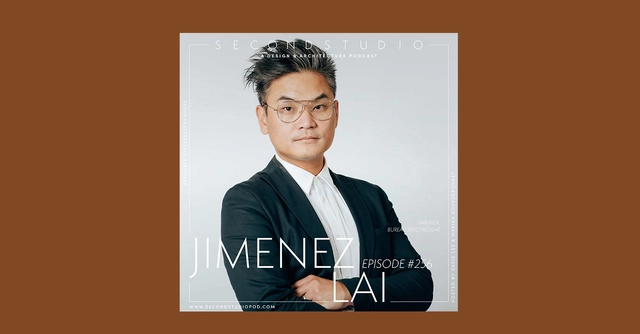
This week David and Marina are joined by Jimenez Lai, Founder of Bureau Spectacular to discuss civic and infrastructural spaces in cities; collage architecture; what makes a living room, a living room?; his current project, “Citizens With No Places”; his book “Citizen of No Place”; living and studying at Taliesin West; and suburban developments.
Emerged in a period marked by the development of the industry and the experimentation of new materials, the Art Nouveau artistic movement was opposed to historicism, favoring originality and a return to handicrafts. In this context, it is portrayed as an attempt at dialogue between art and industry, revaluing beauty and making it available to everyone through series production.
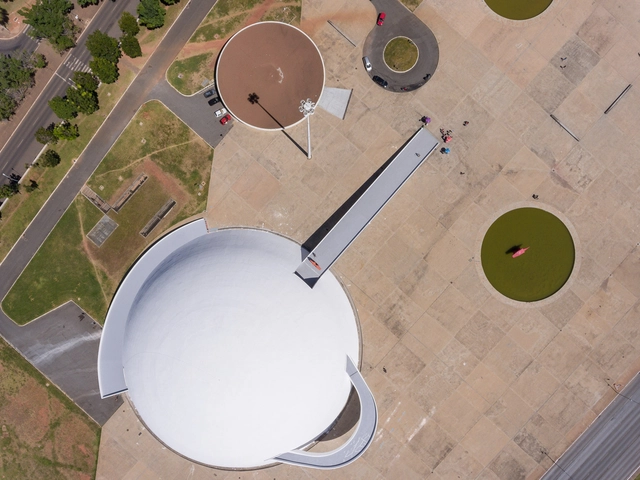
After launching virtual exhibitions about Parma (Italy), Pittsburgh and Milwaukee (United States), and Lagos (Nigeria), the online platform Google Arts & Culturehas opened the virtual exhibition Brasília: um Sonho Construído (Brasilia: a Built Dream), which presents an immersive tour of the Brazilian federal capital designed by Lúcio Costa.
Curated by the National Museum of the Republic, the exhibition had the collaboration of the Public Archives of the Federal District, the Institute of Architects of Brazil, the Chamber of Deputies Museum, the Federal Supreme Court, and other organizations based in Brasília. Through images from Google Street View, visitors travel through the corridors of six museums in the capital in 360° virtual tours, including the Museu de Valores (Museum of Currencies), the Square of the Three Powers, and also the Supreme Federal Court building.
https://www.archdaily.com/972550/google-arts-and-culture-opens-free-virtual-exhibition-about-brasiliaEquipe ArchDaily Brasil
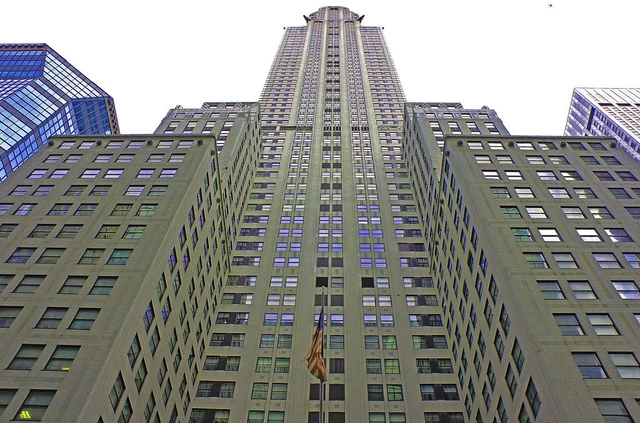
"Chrysler Building NYC NY" by dog97209 is licensed under CC BY-NC-ND 2.0
Art Deco architecture derives from a style of visual arts of the same name that emerged in Europe in the 1920s, which also influenced the movie industry, fashion, interior design, graphic design, sculpture, painting, and other forms of art, in addition to architecture. The milestone of this style was the International Exhibition of Modern Decorative and Industrial Arts held in Paris in 1925, from which it took its name.
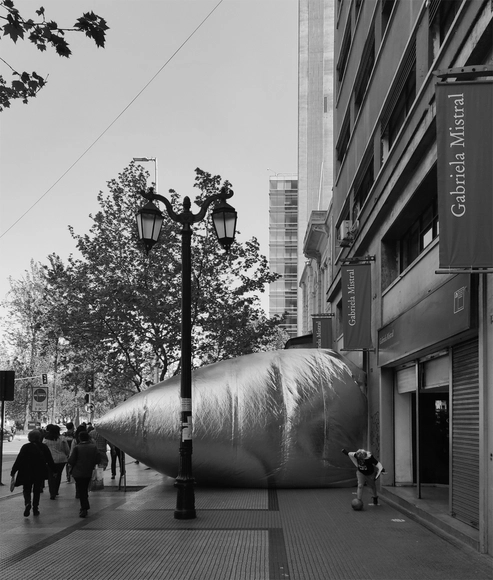
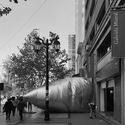
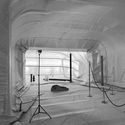
An inflatable and soft body—a silver balloon—scatters towards the sidewalk in the heart of Santiago, Chile. People walk by touching the strange artifact, curiously looking at the object moving over the public space. Behind the pillow, the Gabriela Mistral Gallery disappears.
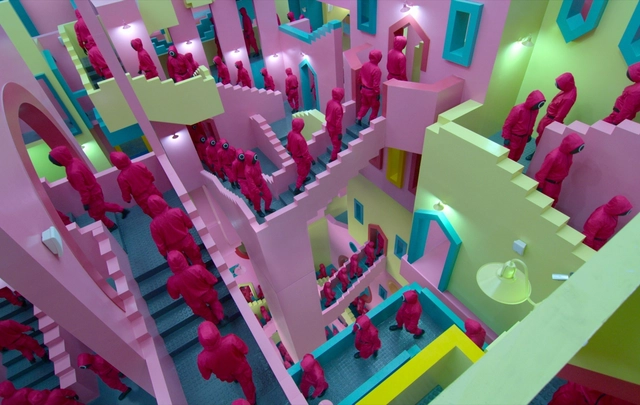
Maze-like hallway. Screenshot from the series. Courtesy of Netflix
People die in Squid Game. Lots of people. But while violence is one of the most appealing ingredients for the success (or failure) of a television show, that's not the only reason the series has become so popular worldwide. Pop culture, mesmerizing scenarios, and a plot full of social metaphors all contribute to this.
Available for streaming since September 2021, the Netflix series Squid Game “will definitely be our biggest non-English language show in the world, for sure,” and has “a very good chance it’s going to be our biggest show ever,” according to Ted Sarandos, the platform's co-CEO and Head of Content. The survivor thriller by director Hwang Dong-hyuk tells the story of a group of 456 people who are deeply in debt competing to win 45.6 billion won (around €33 million, $38 million) in prize money.
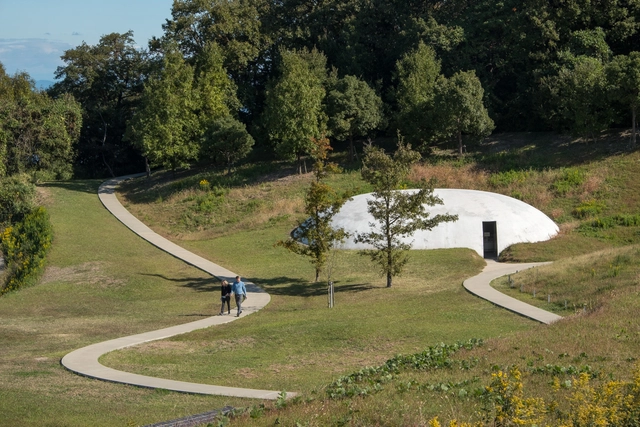
Naoshima, Teshima, and Inujima are the three main islands of an archipelago in Japan's Seto Inland Sea. What sets them apart from the many other Japanese islands is the large number of exceptional architectural works designed by some of the greatest architects and artists in the world. These projects are part of the Benesse Art Site Naoshima, an art complex idealized by billionaire businessman Soichiro Fukutake in the 1980s, composed of eighteen museums, galleries, and open-air installations.

















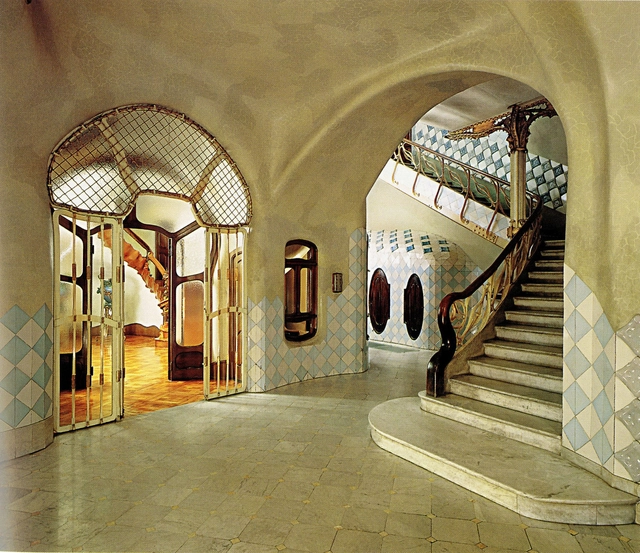


.jpg?1639596820 "Escadaria Victor Horta. Via Victor Horta The Architect of Art Nouveau by David Dernie and Alistair Carew-Cox")