-
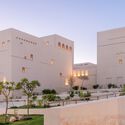
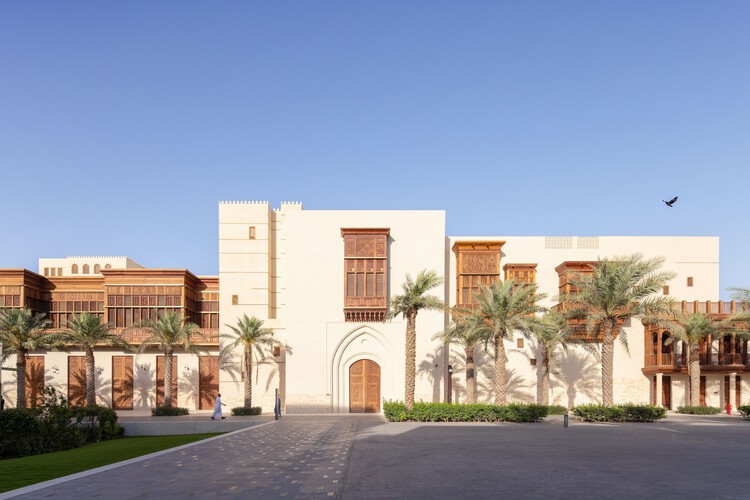
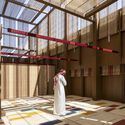
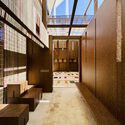
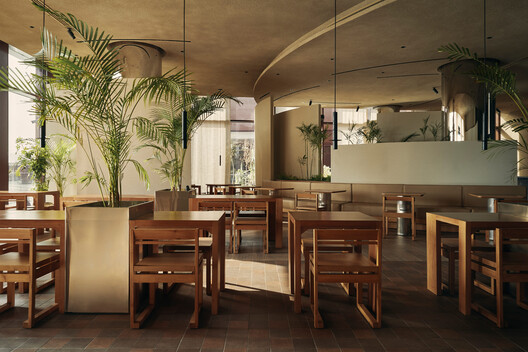
Architects: movs studio
- Area: 335 m²
- Year: 2026

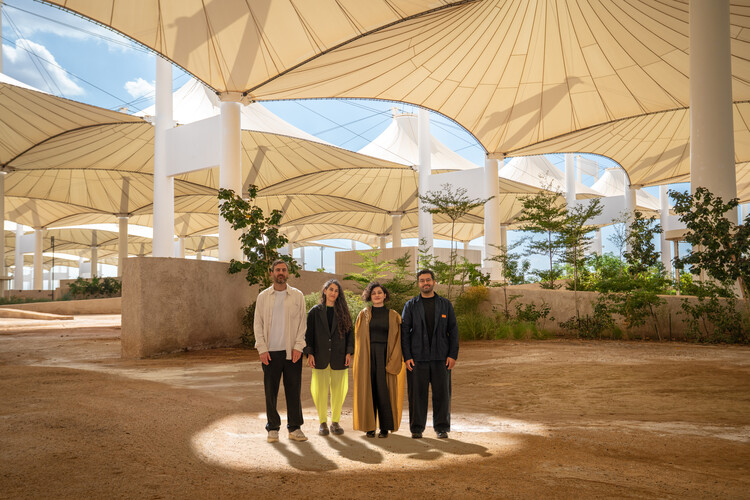
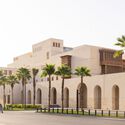
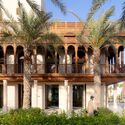
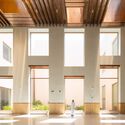
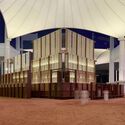
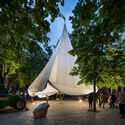
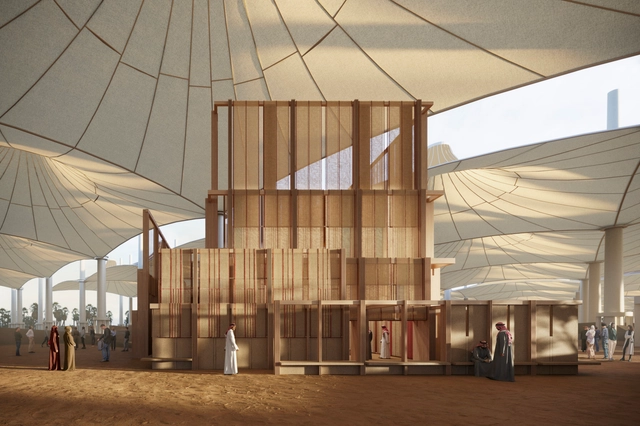
The Diriyah Biennale Foundation has revealed the four architecture studios shortlisted for the 2027 AlMusalla Prize, an international competition that commissions the design of a musalla, a space for prayer and contemplation, for the third edition of the Islamic Arts Biennale. Opening on November 1, 2027, at the Western Hajj Terminal in Jeddah, Saudi Arabia, the Biennale will feature a new prayer structure designed by one of the shortlisted teams: Al-Jawad Pike (United Kingdom), Civil Architecture (Bahrain/Kuwait), MILLIØNS (United States), or NEW SOUTH (France). The winning proposal will be announced in March 2027 and realized as part of the exhibition before being permanently relocated to JAX District in Diriyah.

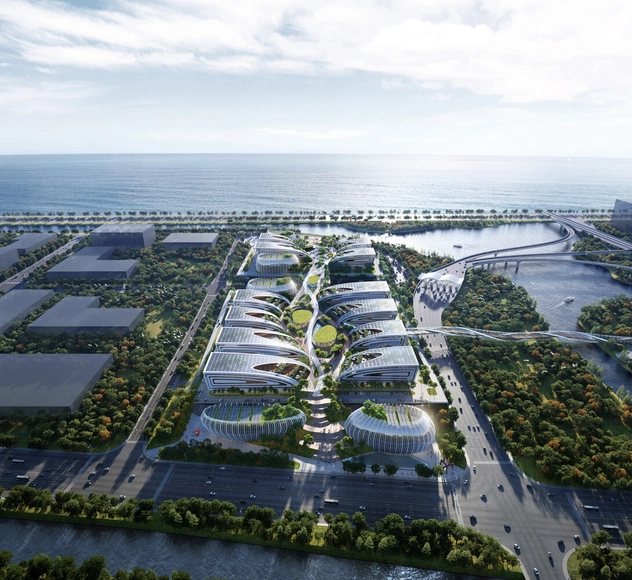
Infrastructure has long defined the backbone of cities by linking people, landscapes, and economies through systems that often go unnoticed until they fail. Today, as global challenges demand more adaptive and human-centered responses, architects are rethinking what infrastructure can be: not just a framework for movement and utility, but a catalyst for ecological restoration, cultural continuity, and civic imagination. The following unbuilt projects, submitted by the ArchDaily community, explore this expanded role of infrastructure, where airports, bridges, industrial parks, and pedestrian networks become architectural expressions of connection and care.
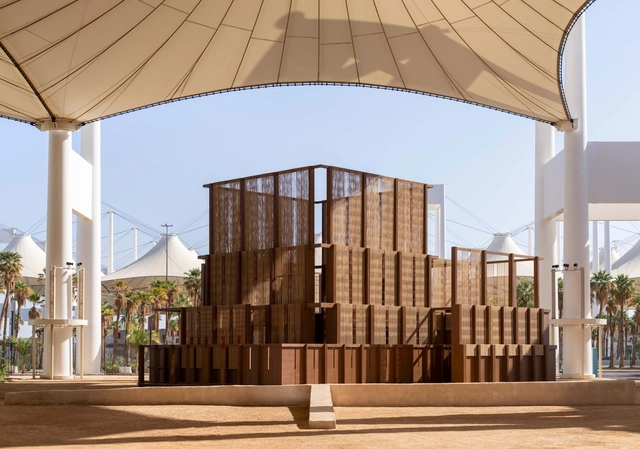
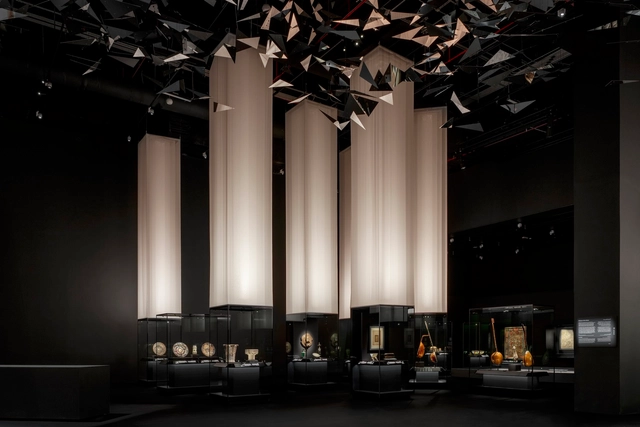
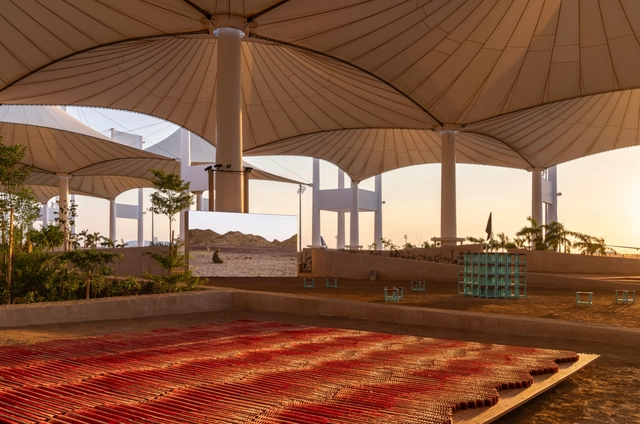
The second edition of the Islamic Arts Biennale, titled And All That Is In Between, has officially opened in Jeddah. Organized by the Diriyah Biennale Foundation, the Biennale takes place at the Western Hajj Terminal of King Abdulaziz International Airport, a site that holds profound significance for millions of Muslim pilgrims traveling for Hajj and Umrah. The exhibition scenography is designed by the international architecture firm OMA, enhancing the experience with a thoughtful spatial narrative. The exhibition, which runs until May 25, 2025, explores how faith is experienced, expressed, and celebrated through feeling, thinking, and making.
2025 promises to be a landmark in architecture, heralding a vibrant renaissance of creativity and exploration. As societies confront challenges such as climate change, rapid urbanization, and technological evolution, architecture is both a mirror to these dynamics and a compass pointing toward a sustainable and inclusive future. This year's architectural calendar offers abundant opportunities to celebrate the discipline's transformative power — from boundary-pushing festivals to thought-provoking exhibitions that explore pressing cultural and environmental narratives.
From well-established biennials to inaugural gatherings, including the World Architecture Festival 2025, Desert X Al Ula, and the COP Climate Conference, the 2025 calendar highlights themes such as sustainability, heritage, and community. These events underscore architecture's unique ability to shape a better future, addressing global challenges while honoring cultural diversity and design ingenuity.
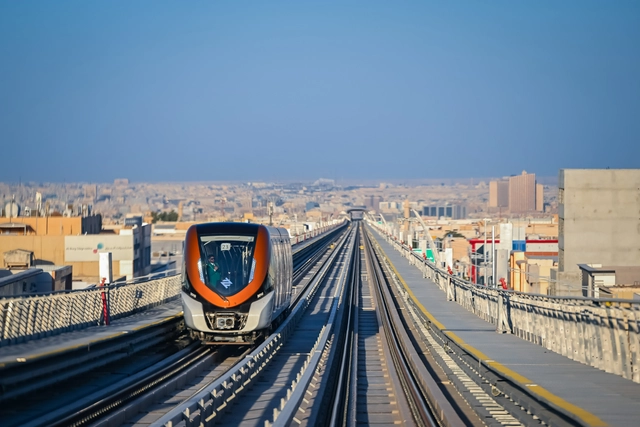
The Royal Commission for Riyadh City (RCRC) has confirmed that the Orange Line of the Riyadh Metro, also known as the Al Madinah Al Munawwarah Axis, began operations on Sunday, January 5, 2025. Spanning 41 kilometers, the Orange Line runs east to west, connecting Jeddah Road in the west to the Second Eastern Ring Road near Khashm Al Aan in the east in Saudi Arabia. This newly operational line is a key component of the city's metro system, designed to enhance urban mobility and connectivity.


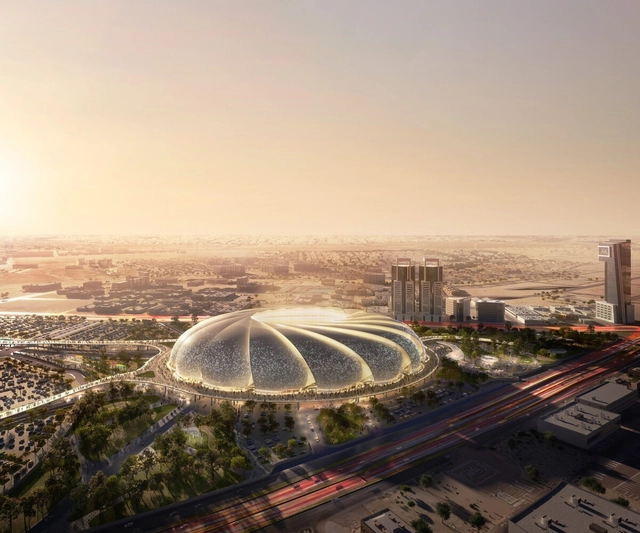
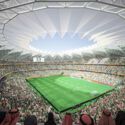
Saudi Arabia was officially announced as the 2034 FIFA World Cup host. The country plans to build 11 new stadiums and refurbish four of its existing venues. The proposed host cities include Riyadh, Jeddah, Al Khobar, Abha, and the yet-unbuilt Neom, a 170-kilometer-long linear city proposed to be built on the Red Sea coast. Additionally, the plan involves 134 training sites across the country, with 73 newly built facilities.
Released on December 11, 2024, the announcement came as no surprise, given that only one bid was submitted for each of the 2030 and 2034 World Cup tournaments. Spain, Portugal, and Morocco have been confirmed as joint hosts for the 2030 event, while Saudi Arabia has been chosen to host the 2034 edition.
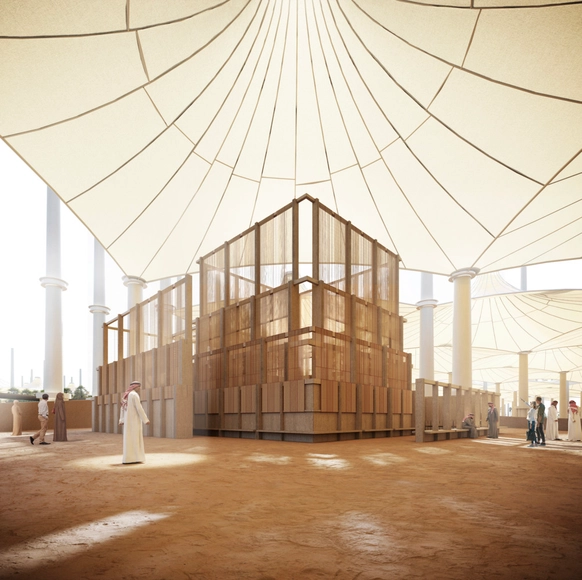
The Diriyah Biennale Foundation has announced Lebanon-based EAST Architecture Studio, in collaboration with artist Rayyane Tabet and engineering firm AKT II, as the winners of the inaugural AlMusalla Prize, a significant new architectural competition launched as part of the Islamic Arts Biennale. Their winning design, a modular structure inspired by regional weaving traditions, uses sustainable materials derived from local date palm waste, including palm fronds and fibers. After the four-month Biennale, the Musalla will be dismantled and reassembled at a new location.
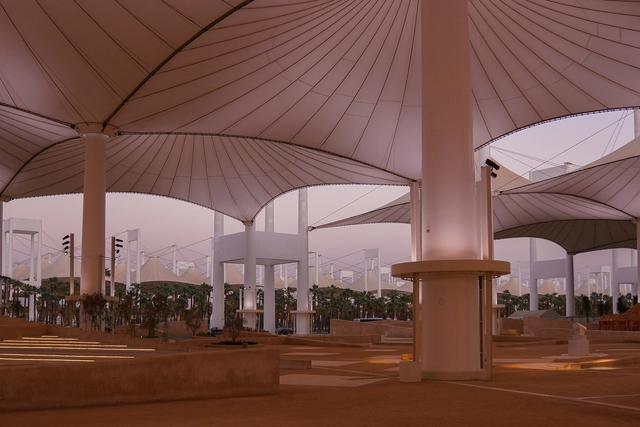
The Diriyah Biennale Foundation has revealed the theme and title for the 2025 Islamic Arts Biennale: And all that is in between. Scheduled from January 25 to May 25, 2025, at the Western Hajj Terminal of King Abdulaziz International Airport in Jeddah, this second edition will explore how faith is experienced, expressed, and celebrated through the acts of feeling, thinking, and making.
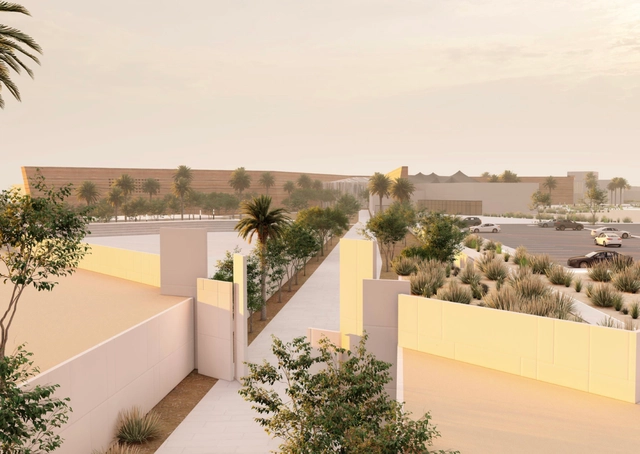
The King Salman Charter for Architecture and Urbanism Award has just announced the winners for 2024. Recognizing outstanding achievements in architecture and urbanism in Saudi Arabia, The King Salman Charter for Architecture and Urbanism Award is an initiative designed to celebrate projects that are aligned with the values of the King Salman Charter in Saudi Arabia. This year, since projects were honored with the award from three categories: built projects, unbuilt projects, and student projects.
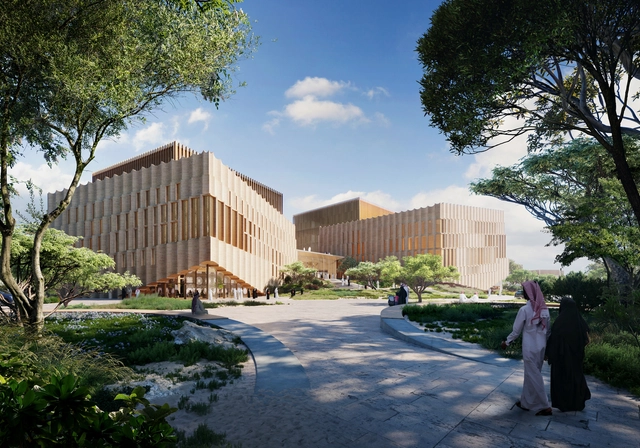
Henning Larsen Architect has just revealed the designs for The Jeddah Opera House, a new local landmark in Saudi Arabia. Drawing inspiration from the historical Al-Balad neighborhood, the Opera House celebrates culture and regional geography. Situated along the Red Sea waterfront, the opera house aims to connect residents and visitors to the sea through a culture spine under a natural canopy. Extending from the city, through the opera house, to the water, this “spine” forms an integral part of the Jeddah Central masterplan for the new Opera Quarter.
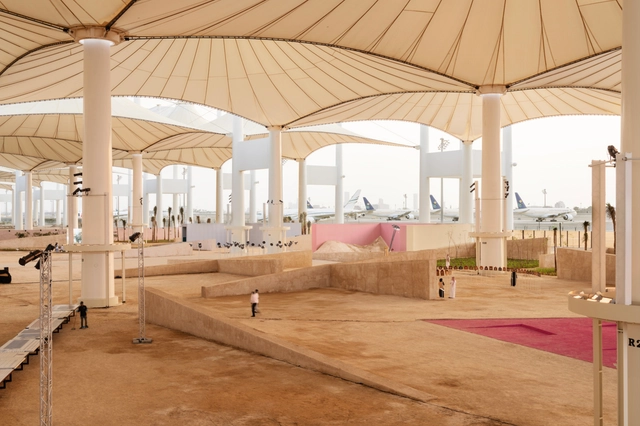
The Diriyah Biennale Foundation has just unveiled the competition details for the AlMusalla Prize, along with the shortlisted architecture studios and the jury. An addition to the Islamic Arts Biennale, this international architecture competition focuses on designing a musalla, a flexible space for prayer and reflection accessible to people of all faiths. Situated in the Western Hajj Terminal of King Abdulaziz International Airport in Jeddah, Saudi Arabia, the musalla will be an integral part of the Biennale’s upcoming edition. The winner of the competition will be announced later this year, and the opening of the musalla will be held on January 25th, 2025.
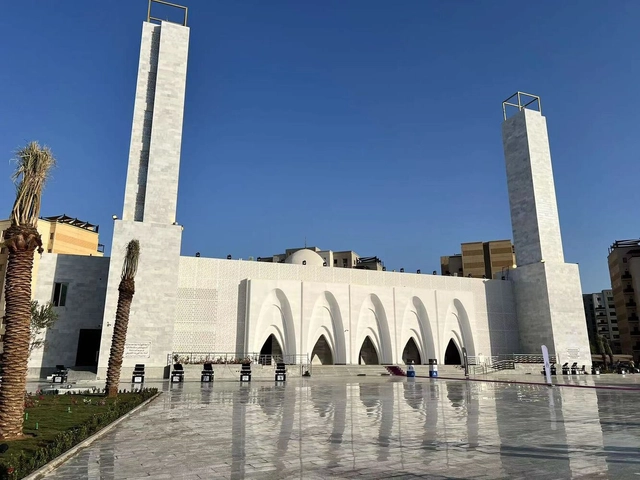
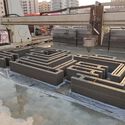
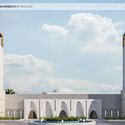
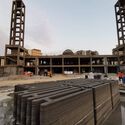
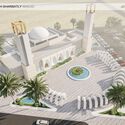
The Kingdom of Saudi Arabia is now home to the world’s first 3D-printed mosque, spanning an area of 5,600 sqm. Located within the Al-Jawhara suburb of Jeddah, the mosque stands as a tribute to the late equestrian Abdulaziz Abdullah Sharbatly. The project by Forsan Real Estate utilizes cutting-edge 3D printing technology from Guanli.
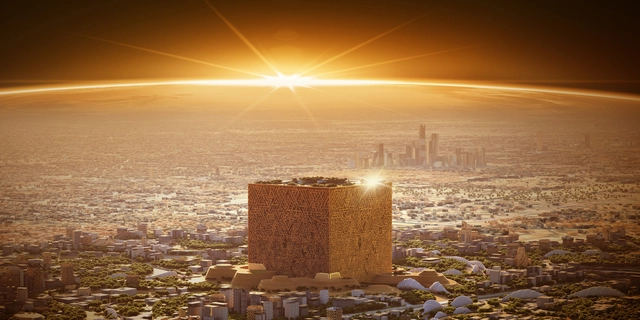
Saudi Arabia, a country going through a tremendous transition, is not only changing its skyline but also redefining its identity on a global level. As part of their 2030 Vision serving as the compass, the kingdom is moving toward new developments, aiming to revive culture and diversify the economy. In fact, the capital, Riyadh, is leading the transformation by hosting the 2030 World Expo. Representing the country’s dedication to advancement, several mega projects are taking place and transforming the kingdom's fabric.
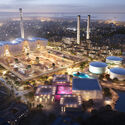
Amidst the various projects, many world-renowned firms are working on these mega projects at many different scales. For example, the cultural renaissance is shown through Snøhetta’s Opera House in Diriyah, while the Jeddah Tower is on a trajectory that will overtake the Burj Khalifa. In the meantime, Heatherwick Studio’s conversion of a Jeddah desalination plant into a thriving cultural center showcases their repurposing of industrial spaces. From coastal projects by Foster + Partners to city center skyscrapers that are redefining the skyline, the country is undergoing significant transformations in its built environment.
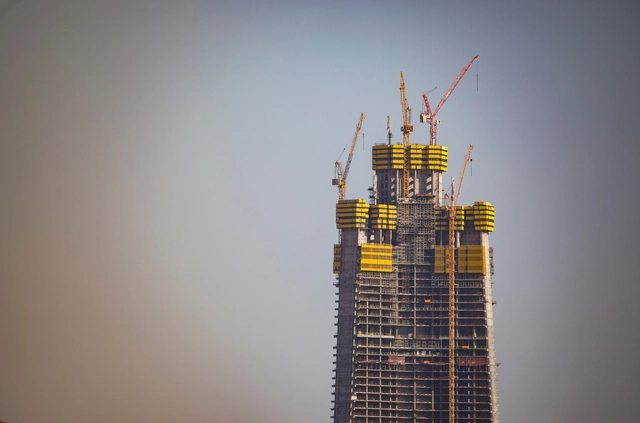
After a five-year pause, construction on the Jeddah Tower has resumed. Set to become the world’s tallest skyscraper and beat the UAE’s Burj Khalifa, the tower was designed by Adrian Smith + Gordon Gill Architecture and initially began construction in 2013. Interestingly, the Burj Khalifa was also designed by Adrian Smith while at Skidmore, Owings & Merrill. The scheme faced many delays, including a pause in 2018 and further setbacks due to the COVID-19 pandemic. Furthermore, the initial contractor was replaced during the 2017-2019 Saudi Arabian purge.