1. ArchDaily
  2. Art Exhibition

Art Exhibition: The Latest Architecture and News

8 National Pavilion Highlights from the 2026 Venice Art Biennale

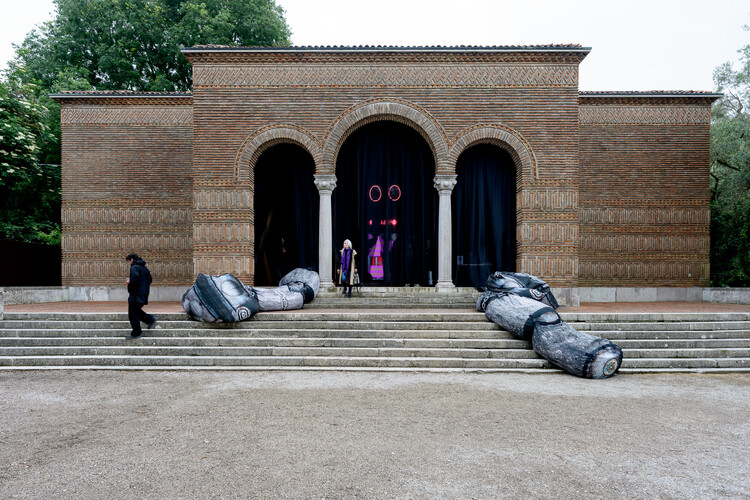
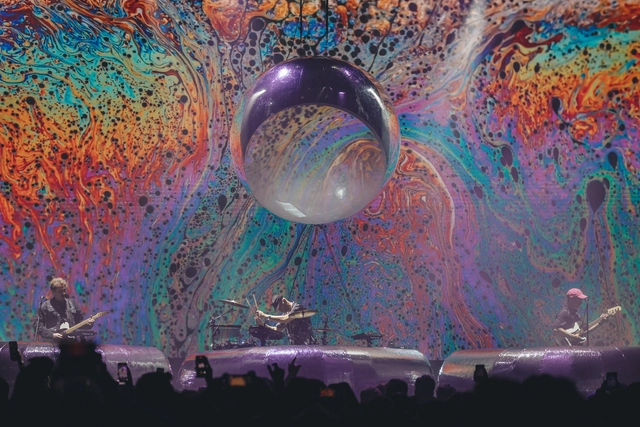
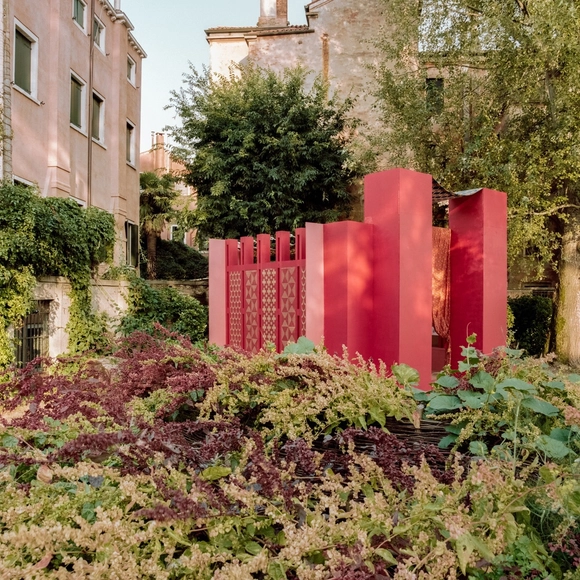
In December 2024, art curator Koyo Kouoh became the first African woman selected to curate the 61st International Art Exhibition of La Biennale di Venezia. She proposed an introspective and sensitive approach to the exhibition, shaped by themes of grief, memory, spirituality, and global exhaustion. Following her premature passing in May 2025, the Biennale decided to continue with the same curatorial project, titled In Minor Keys. Wolff Architects was appointed by Kouoh in early 2025 to realize the exhibition design and scenography, focused on "the transformative spatial power of the threshold as a portal to alternative comprehension and experiences." The event was inaugurated on Saturday, May 9, and will run until Sunday, November 22, 2026, across the Giardini della Biennale, the Arsenale di Venezia, and other locations throughout Venice.

8 National Pavilion Highlights from the 2026 Venice Art Biennale - Image 1 of 48 National Pavilion Highlights from the 2026 Venice Art Biennale - Image 2 of 48 National Pavilion Highlights from the 2026 Venice Art Biennale - Image 3 of 48 National Pavilion Highlights from the 2026 Venice Art Biennale - Image 4 of 48 National Pavilion Highlights from the 2026 Venice Art Biennale - More Images+ 80

Art Paris 2026 Returns to the Grand Palais, Framing Language and Reparation Within an Architectural Landmark

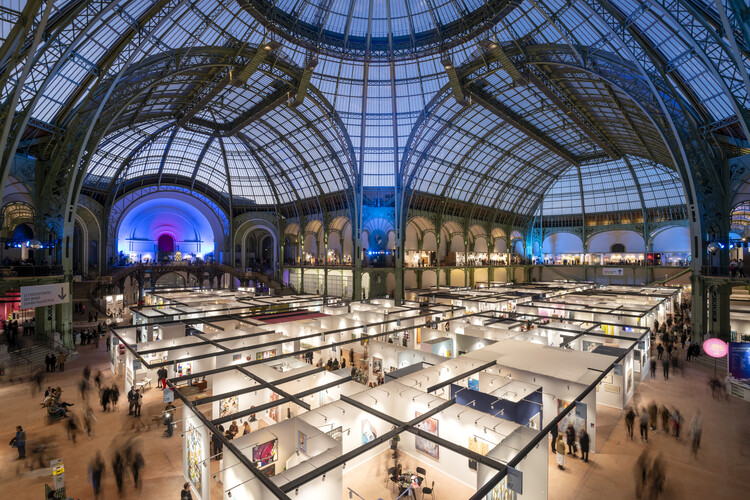
Art Paris will return to the Grand Palais from 9-12 April 2026, marking the 28th edition of the fair at the recently renovated landmark. Reopened following its most extensive restoration in over a century, the 77,000-square-meter building, transformed under the direction of Chatillon Architectes, now accommodates large-scale cultural events across its nave and balcony spaces. Bringing together approximately 165 galleries from around twenty countries, the fair is structured around two curatorial themes, language and reparation, presented within an updated spatial framework defined by improved circulation and expanded exhibition areas.

Art Paris 2026 Returns to the Grand Palais, Framing Language and Reparation Within an Architectural Landmark - Image 1 of 4Art Paris 2026 Returns to the Grand Palais, Framing Language and Reparation Within an Architectural Landmark - Image 2 of 4Art Paris 2026 Returns to the Grand Palais, Framing Language and Reparation Within an Architectural Landmark - Image 3 of 4Art Paris 2026 Returns to the Grand Palais, Framing Language and Reparation Within an Architectural Landmark - Image 4 of 4Art Paris 2026 Returns to the Grand Palais, Framing Language and Reparation Within an Architectural Landmark - More Images+ 2

Full Circle: Richard Fleischner with David Smith, Christo, Claes Oldenburg, Barnett Newman, & other Monumenta Artists

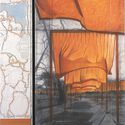
In 1974, Monumenta’s 54 works by 40 artists made headlines as one of the world’s first large-scale outdoor sculpture exhibitions. Fifty-one years later, FULL CIRCLE returns to this canonical exhibition through the lens of works by Richard Fleischner, one of Monumenta’s last surviving artists, and his contemporaries. 

Staging Culture: The Architect as Curator

Architecture has never been confined to the act of building. It constantly negotiates between material practice and intellectual reflection, yet throughout the twentieth and twenty-first centuries, many architects felt that the built project alone was insufficient to address the full range of questions facing the discipline. Economic pressures, political contexts, and programmatic demands often narrowed the scope of practice.
Exhibitions and curatorial platforms, by contrast, created spaces of experimentation and critique, opening arenas where architecture could interrogate itself, where its past could be reinterpreted, its present challenged, and its future projected. In this tension, the figure of the architect-curator emerged, treating curating itself as a form of design — not of walls or facades, but of discourse, narratives, and frameworks of meaning.

Staging Culture: The Architect as Curator - Image 1 of 4Staging Culture: The Architect as Curator - Image 2 of 4Staging Culture: The Architect as Curator - Image 3 of 4Staging Culture: The Architect as Curator - Image 4 of 4Staging Culture: The Architect as Curator - More Images+ 32

Fondation Cartier Reopens in Jean-Nouvel-Designed Paris Building With Exhibition by Formafantasma

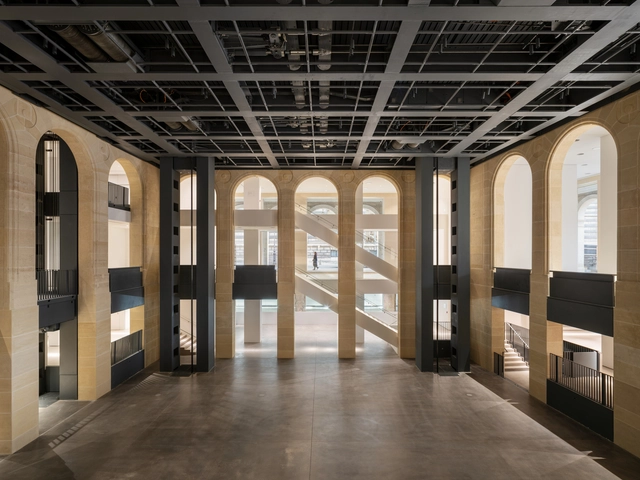
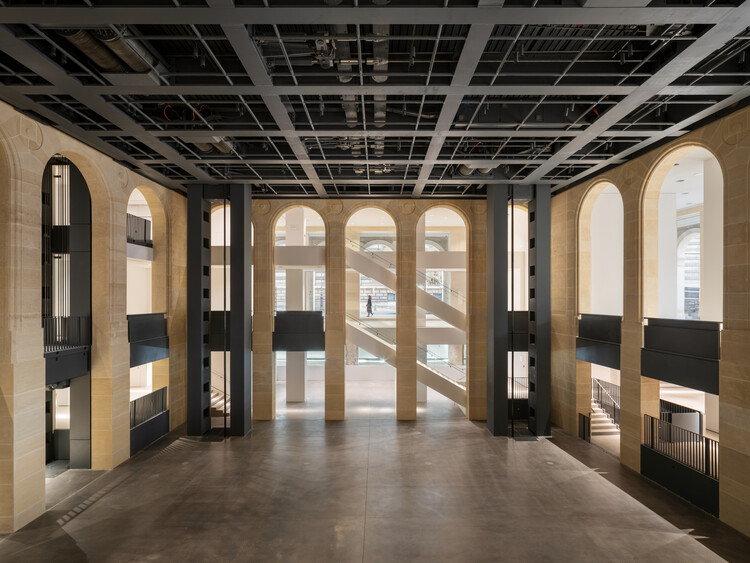
On October 25, 2025, the Fondation Cartier Pour l'Art Contemporain will open its new premises to the public with an inaugural exhibition drawn from its own Collection, entitled Exposition Générale. Located in the heart of Paris, the new space occupies a Haussmannian building that once housed the Grands Magasins du Louvre, recently reimagined by Jean Nouvel. Conceived as a dynamic architecture with five mobile platforms, the building was designed to expand the possibilities of a traditional exhibition venue. These mechanisms aim to accommodate all forms of visual expression, including photography, cinema, the performing arts, science, and craft, within a space that resonates with the urban life of Paris and engages with questions of urban planning and ecology. Within these parameters, the inaugural exhibition brings together more than 600 works by over 100 artists in a contemporary scenography designed by Formafantasma.

Fondation Cartier Reopens in Jean-Nouvel-Designed Paris Building With Exhibition by Formafantasma  - Image 1 of 4Fondation Cartier Reopens in Jean-Nouvel-Designed Paris Building With Exhibition by Formafantasma  - Featured ImageFondation Cartier Reopens in Jean-Nouvel-Designed Paris Building With Exhibition by Formafantasma  - Image 2 of 4Fondation Cartier Reopens in Jean-Nouvel-Designed Paris Building With Exhibition by Formafantasma  - Image 3 of 4Fondation Cartier Reopens in Jean-Nouvel-Designed Paris Building With Exhibition by Formafantasma  - More Images+ 36

Behind the Scenes, On Display: Self-Curated Journeys through the Museum Archive

The museum and gallery visit has long been a highly curated experience. Visitors are guided through a carefully orchestrated sequence of rooms, with hand-picked works arranged to tell a specific narrative, supported by signage, graphics, scenography, and calibrated lighting. Even the rarely changed exhibitions - the permanent collections, also typically rely on a strong curatorial voice— led by noted artists or curators—to set institutional stance and shape interpretation.
At the same time, storage areas for museums and galleries are typically kept separately—often within the same building but under tightly controlled access, and not infrequently off-site in dedicated facilities, such as the Louvre Conservation Centre. These zones have long been understood as highly controlled spaces not only in terms of access, but also in relation to climate, humidity, archival order, handling protocols, maintenance, and repair. For fear of thefts and that the spatial, environmental, and sequencing requirements of the archive could be disturbed, storage has traditionally been somewhat secretive and primarily serves academic researchers and art practitioners by request. Rarely does the general public gain a comprehensive picture of the works safeguarded by any given institution.

Behind the Scenes, On Display: Self-Curated Journeys through the Museum Archive - Image 1 of 4Behind the Scenes, On Display: Self-Curated Journeys through the Museum Archive - Image 2 of 4Behind the Scenes, On Display: Self-Curated Journeys through the Museum Archive - Image 3 of 4Behind the Scenes, On Display: Self-Curated Journeys through the Museum Archive - Image 4 of 4Behind the Scenes, On Display: Self-Curated Journeys through the Museum Archive - More Images+ 27

Ernesto Neto’s Textile Art Installation at Paris’ Grand Palais Captured by Paul Clemence

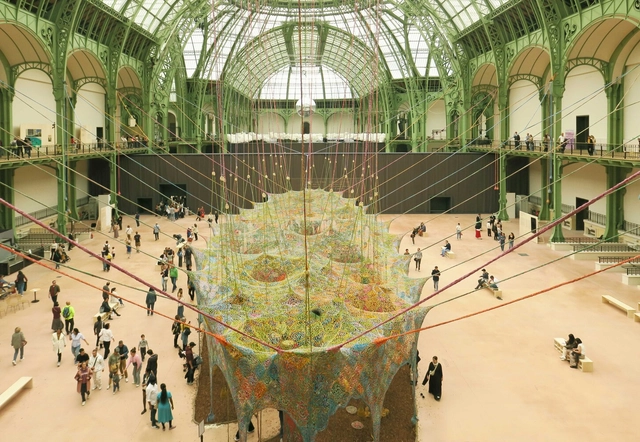
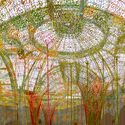
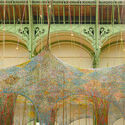
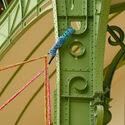
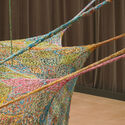
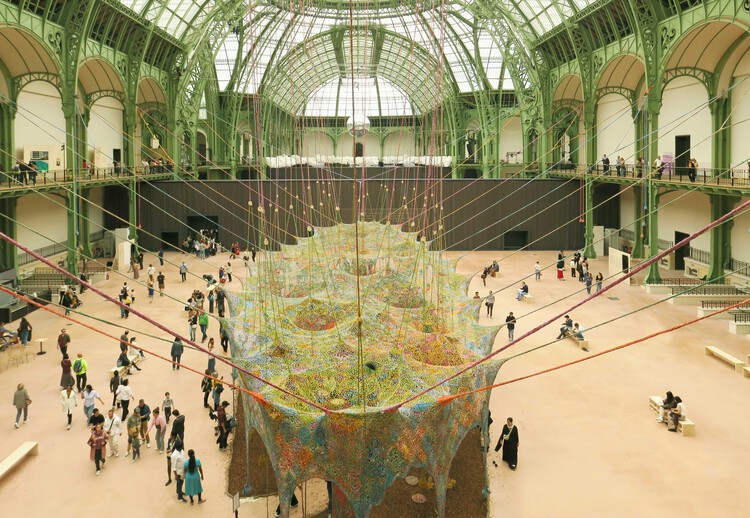
The exhibition "Nosso Barco Tambor Terra" by Brazilian artist Ernesto Neto, held at the recently renovated Grand Palais in Paris from June 6 to July 25, 2025, is a large-scale, immersive installation that invites visitors to reconnect with nature and community through sensory experience. Drawing inspiration from Brazilian and Indigenous cultures, Neto uses textiles, scents, and organic materials to create a space for reflection and interaction. The textile installation was recently captured by photographer Paul Clemence, who sought to portray its architectural qualities.

Ernesto Neto’s Textile Art Installation at Paris’ Grand Palais Captured by Paul Clemence - Image 1 of 4Ernesto Neto’s Textile Art Installation at Paris’ Grand Palais Captured by Paul Clemence - Image 2 of 4Ernesto Neto’s Textile Art Installation at Paris’ Grand Palais Captured by Paul Clemence - Image 3 of 4Ernesto Neto’s Textile Art Installation at Paris’ Grand Palais Captured by Paul Clemence - Image 4 of 4Ernesto Neto’s Textile Art Installation at Paris’ Grand Palais Captured by Paul Clemence - More Images+ 61

Art Galleries Integrated into the Urban Fabric: 12 Projects Bringing Art and Culture to Neighborhoods

Subscriber Access | 

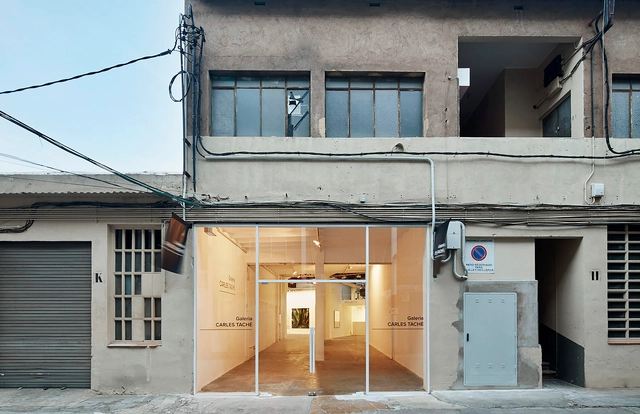
The relationship between art and humanity dates back to the origins of civilization. Museums have become spaces where vast collections of art and artifacts narrate the history of time, humankind, cities, and countless stories about cultures and societies. Over the years, the museum's role has evolved, taking on different forms and scales, including the modern-day art gallery. The importance of art and culture in contemporary cities and neighborhoods is undeniable. However, galleries serve multiple roles in integrating art and culture into daily life. Why are these spaces valuable to communities? How do they support emerging artists? How can galleries revitalize neighborhoods?

Art Galleries Integrated into the Urban Fabric: 12 Projects Bringing Art and Culture to Neighborhoods - Image 1 of 4Art Galleries Integrated into the Urban Fabric: 12 Projects Bringing Art and Culture to Neighborhoods - Image 2 of 4Art Galleries Integrated into the Urban Fabric: 12 Projects Bringing Art and Culture to Neighborhoods - Image 3 of 4Art Galleries Integrated into the Urban Fabric: 12 Projects Bringing Art and Culture to Neighborhoods - Image 4 of 4Art Galleries Integrated into the Urban Fabric: 12 Projects Bringing Art and Culture to Neighborhoods - More Images+ 38

A Tale of Two Cities: The Role of Art in Kochi and Kassel's Cultural Revival

Subscriber Access | 

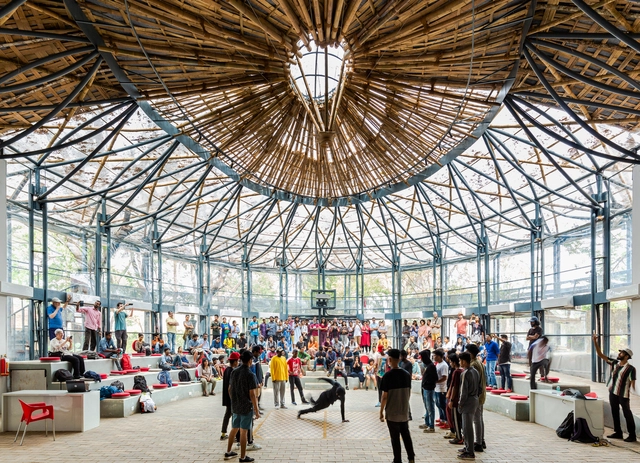
Along India's southwest coast dotted with a mix of colonial architecture and ancient heritage, the city of Kochi stands as a relic of foreign influence. A previously colonized town by the Portuguese, Dutch, and British now breathes new life into its built landscape. Across the world, in the German city of Kassel, the scars of World War II are etched into the environment, deep under its revived cultural soul. Both Kochi and Kassel, though worlds apart in geography and history, shared a commonality: the power of art and festivals to heal. In the aftermath of historical trauma, these cities found renewal in the creative expression of artists from around the globe.

A Tale of Two Cities: The Role of Art in Kochi and Kassel's Cultural Revival - Image 1 of 4A Tale of Two Cities: The Role of Art in Kochi and Kassel's Cultural Revival - Image 2 of 4A Tale of Two Cities: The Role of Art in Kochi and Kassel's Cultural Revival - Image 3 of 4A Tale of Two Cities: The Role of Art in Kochi and Kassel's Cultural Revival - Image 4 of 4A Tale of Two Cities: The Role of Art in Kochi and Kassel's Cultural Revival - More Images+ 3

Musée du Louvre Selects WHY Architecture and BGC for Byzantine and Eastern Christian Art Expansion

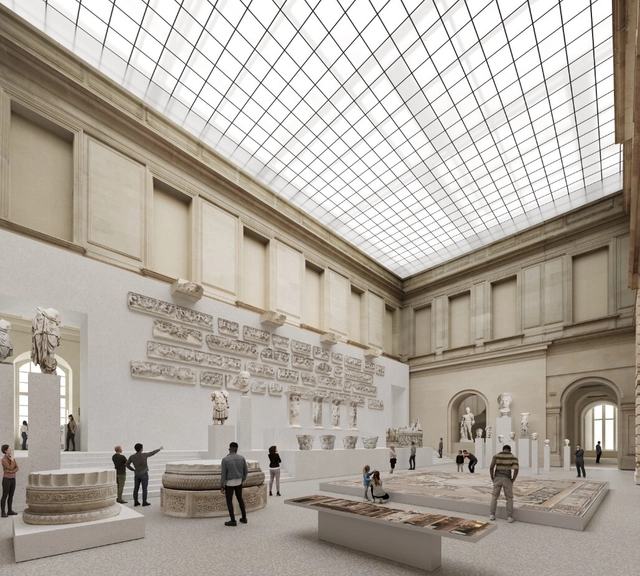
The Louvre Museum in Paris has announced the American-French consortium WHY Architecture -BGC as the winner of an international competition for the exhibition design of the museum's ninth department, dedicated to Byzantine and Eastern Christian Art. The 5,500-square-meter project aims to offer a more balanced and connected narrative of the Roman, Byzantine, and Islamic civilizations, fostering a greater understanding of the influences and relationships between artistic expressions of these historical regions. The spaces are expected to open to the public in 2027.

Sou Fujimoto's Imaginative Structures: A 3D Drawing Exhibition at the Utzon Center, Denmark

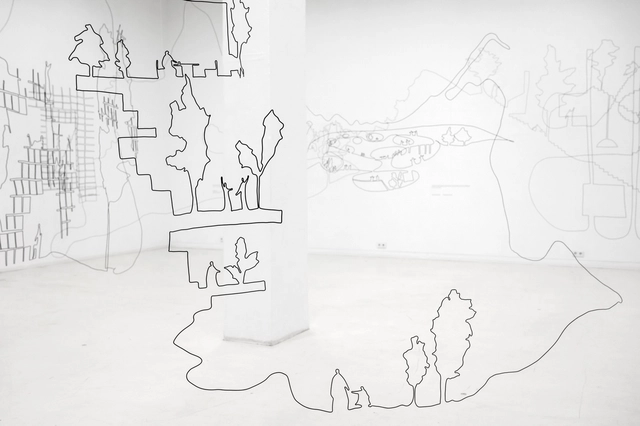
The Utzon Center in Denmark has announced the opening of “Primitive Future: Everything Is Circulating,” a solo exhibition dedicated to exploring the work of renowned Japanese architect Sou Fujimoto. Marking the first time his work is presented in Denmark, this exhibition offers a glimpse into Fujimoto’s vision, waving together the themes of nature and architecture. The exhibition's centerpiece is an expansive 500-meter-long steel wire installation that serves as a three-dimensional sketch, framing 12 of Fujimoto’s architectural projects.

Sou Fujimoto's Imaginative Structures: A 3D Drawing Exhibition at the Utzon Center, Denmark - Image 1 of 4Sou Fujimoto's Imaginative Structures: A 3D Drawing Exhibition at the Utzon Center, Denmark - Image 2 of 4Sou Fujimoto's Imaginative Structures: A 3D Drawing Exhibition at the Utzon Center, Denmark - Image 3 of 4Sou Fujimoto's Imaginative Structures: A 3D Drawing Exhibition at the Utzon Center, Denmark - Image 4 of 4Sou Fujimoto's Imaginative Structures: A 3D Drawing Exhibition at the Utzon Center, Denmark - More Images+ 10

Lindau Art Museum Celebrates Christo and Jeanne-Claude with Exhibition in Germany

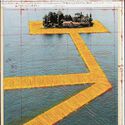
The Lindau Art Museum is hosting an exhibition titled “Christo and Jeanne-Claude - A Lifelong Journey.” Running from April 13th to October 13th, 2024, this display marks the first comprehensive museum exhibition on Christo and Jeanne-Claude in southern Germany, created in collaboration with the Christo and Janne-Claude Foundation. Featuring artistic drawings, detailed collages, early objects, and photographs, the exhibition documents the lifelong journey that led the artists to their famous large-scale temporary projects.

Lindau Art Museum Celebrates Christo and Jeanne-Claude with Exhibition in Germany - Image 1 of 4Lindau Art Museum Celebrates Christo and Jeanne-Claude with Exhibition in Germany - Image 2 of 4Lindau Art Museum Celebrates Christo and Jeanne-Claude with Exhibition in Germany - Image 3 of 4Lindau Art Museum Celebrates Christo and Jeanne-Claude with Exhibition in Germany - Image 4 of 4Lindau Art Museum Celebrates Christo and Jeanne-Claude with Exhibition in Germany - More Images+ 16

Immersive Spaces: Shaping Profound Experiences Through Architecture and Art

Subscriber Access | 

Immersive spaces are heavily sensorial environments meant to create impactful experiences crafted through intentionally curated architecture, light, imagery, sound, and sometimes even smell. To "immerse" oneself is to be wholly enveloped in a world shaped solely by immediate sensory input. Using digital tools to craft these environments to showcase art, create compelling exhibitions, and feature performance events has become increasingly popular. Evocative experiences like these can offer a respite from the inundation of personalized digital content and foster shared, grounding encounters. The design of these can exist at the intersection of architecture, graphic design, visual art, lighting design, music, and performance. They underscore the power of interdisciplinary collaboration to craft memorable moments. So, what role does architecture play in shaping these?

Immersive Spaces: Shaping Profound Experiences Through Architecture and Art - Image 1 of 4Immersive Spaces: Shaping Profound Experiences Through Architecture and Art - Image 2 of 4Immersive Spaces: Shaping Profound Experiences Through Architecture and Art - Image 4 of 4Immersive Spaces: Shaping Profound Experiences Through Architecture and Art - Image 3 of 4Immersive Spaces: Shaping Profound Experiences Through Architecture and Art - More Images+ 1

Christo and Jeanne-Claude’s L’Arc de Triomphe Wrapped to Be Recycled by Parley for the Oceans

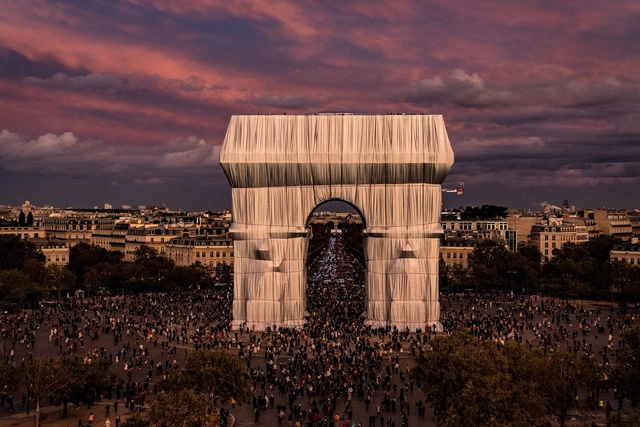
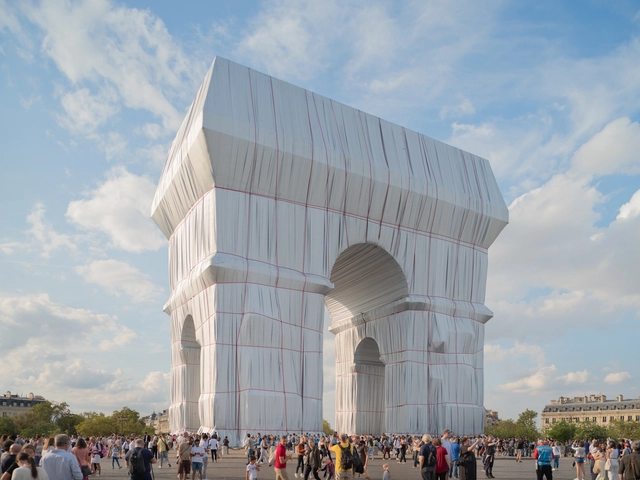
Two years ago, on September 18, 2021, Christo and Jeanne-Claude's L'Arc de Triomphe, Wrapped, 1961–2021, was inaugurated. The monumental public artwork wrapped the Parisian monument in over 25,000 square meters of silvery fabric tied in place with 7,000 meters of red rope. The materials, all made out of woven polypropylene, a type of thermoplastic, are now being reused, upcycled, and recycled, following the artists’ vision. Most of the materials will be transformed to serve practical uses for future public events in Paris. The Christo and Jeanne-Claude Foundation is also collaborating with Gagosian to bring Christo’s early works to London’s East End for an exhibition open from October 6-22, 2023.

Christo and Jeanne-Claude’s L’Arc de Triomphe Wrapped to Be Recycled by Parley for the Oceans - Image 1 of 4Christo and Jeanne-Claude’s L’Arc de Triomphe Wrapped to Be Recycled by Parley for the Oceans - Image 2 of 4Christo and Jeanne-Claude’s L’Arc de Triomphe Wrapped to Be Recycled by Parley for the Oceans - Image 3 of 4Christo and Jeanne-Claude’s L’Arc de Triomphe Wrapped to Be Recycled by Parley for the Oceans - Image 4 of 4Christo and Jeanne-Claude’s L’Arc de Triomphe Wrapped to Be Recycled by Parley for the Oceans - More Images+ 5

Tideland Studio Applies Architectural Technologies to Create a Sensorial Understanding of Environmental Changes

While it is undeniable that the surrounding environment is changing due to human activity, the effects can be difficult to perceive directly, as they are often illustrated with unrelatable pictures of far-away places or overused graphics and statistics. Danish office Tideland Studio aims to change this. Through their work, they aim to bring forth a new type of sensible understanding of the changes happening around us. They work across disciplines, melding research, art, and architecture while employing the newest survey and fabrication technologies to give presence to the abstract phenomena that shape our planet. Because of their practical approach to research and the new perspectives that they open toward extreme environments affected by climate change, ArchDaily has selected Tideland Studio as one of the 2023 New Practices. The annual survey highlights emerging offices that use innovation and forward-looking processes to rethink the ways in which we practice architecture.

Tideland Studio Applies Architectural Technologies to Create a Sensorial Understanding of Environmental Changes - Image 1 of 4Tideland Studio Applies Architectural Technologies to Create a Sensorial Understanding of Environmental Changes - Image 2 of 4Tideland Studio Applies Architectural Technologies to Create a Sensorial Understanding of Environmental Changes - Image 3 of 4Tideland Studio Applies Architectural Technologies to Create a Sensorial Understanding of Environmental Changes - Image 4 of 4Tideland Studio Applies Architectural Technologies to Create a Sensorial Understanding of Environmental Changes - More Images+ 8

Sumayya Vally on the First Islamic Arts Biennale: "Claim, Reclaim, Configure, and Reconfigure"

Subscriber Access | 

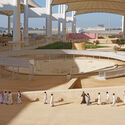
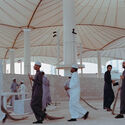
The First Islamic Arts Biennale, artistically directed by Sumayya Vally, opened on January 2023 and is still ongoing until May 23, 2023, in Jeddah, Saudi Arabia. The inaugural event was commissioned and produced by the Diriyah Biennale Foundation and was curated by Vally alongside Dr. Julian Raby, Dr. Omniya Abdel Barr, and Dr. Saad Al-Rashid. The biennale re-imagines the Western Hajj Terminal at King Abdulaziz Airport, designed by Skidmore, Owings & Merrill and winner of the 1983 Aga Khan Award, as a cultural space to redefine Islamic Arts from "within, in a way, that connects some of these art forms and forms of artistic expression to the experience and rituals" of those that live it.

Sumayya Vally is a South African architect, founder, and director of the Johannesburg-based collaborative architectural studio Counterspace. Designer of the Serpentine Pavilion in 2020/2021, she was the youngest architect to get this commission. Part of Time’s 100 emerging leaders who are shaping the future, in 2021, the only architect to make the list at that time, Sumayya started her career as a curator and teacher, and recently she was appointed as artistic director of the first Islamic Arts Biennale in Jeddah. ArchDaily had the chance to talk with Vally about her contribution to this biennale, her vision of the exhibition, the venue, the scenography, and the participating architects. Sumayya also shared some exclusive info about her entry for the 2023 Venice Architecture Biennale, starting on May 20th, in Venice, Italy.

Sumayya Vally on the First Islamic Arts Biennale: "Claim, Reclaim, Configure, and Reconfigure" - Image 1 of 4Sumayya Vally on the First Islamic Arts Biennale: "Claim, Reclaim, Configure, and Reconfigure" - Image 2 of 4Sumayya Vally on the First Islamic Arts Biennale: "Claim, Reclaim, Configure, and Reconfigure" - Image 3 of 4Sumayya Vally on the First Islamic Arts Biennale: "Claim, Reclaim, Configure, and Reconfigure" - Image 4 of 4Sumayya Vally on the First Islamic Arts Biennale: Claim, Reclaim, Configure, and Reconfigure - More Images+ 41

Anish Kapoor Unveils His First Permanent Public Artwork in New York City

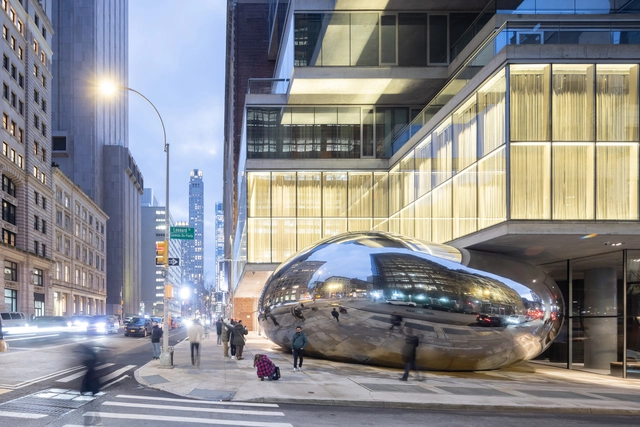
On January 31st, construction scaffolding and barriers were disassembled from the site at 56 Leonard Street, revealing Anish Kapoor’s first permanent artwork in New York City. The 48-foot-long, 19-foot-tall, 40-ton sculpture is nestled partially beneath the Herzog & de Meuron-designed residential building in the Tribeca neighborhood in Lower Manhattan. The mirrored sculpture is reminiscent of Kapoor;’s work called Cloud Gate, also known as “The Bean,” in Chicago, US.

Anish Kapoor Unveils His First Permanent Public Artwork in New York City - Image 1 of 4Anish Kapoor Unveils His First Permanent Public Artwork in New York City - Image 2 of 4Anish Kapoor Unveils His First Permanent Public Artwork in New York City - Image 3 of 4Anish Kapoor Unveils His First Permanent Public Artwork in New York City - Image 4 of 4Anish Kapoor Unveils His First Permanent Public Artwork in New York City - More Images+ 11

Africa at Architecture Biennials: Questioning Difficult Histories of Representation

Subscriber Access | 

From the Tbilisi Architecture Biennial to the Sharjah Architecture Triennial, architecture exhibitions are ever-increasing fixtures on cultural calendars around the contemporary world. New editions of architecture exhibitions rest on a foundation propagated by exhibitions of the past – and these historical expositions, to a great degree, have shaped the architectural discourse we have today. But as these exhibitions were born out of a western framework, African historical representations on the biennial and triennial architectural stage have often been reductive, with an assortment of cultures flattened into one, and distinct architectural styles meshed in an incoherent manner.

Africa at Architecture Biennials: Questioning Difficult Histories of Representation - Image 1 of 4Africa at Architecture Biennials: Questioning Difficult Histories of Representation - Image 2 of 4Africa at Architecture Biennials: Questioning Difficult Histories of Representation - Image 3 of 4Africa at Architecture Biennials: Questioning Difficult Histories of Representation - Image 4 of 4Africa at Architecture Biennials: Questioning Difficult Histories of Representation - More Images+ 5