1. ArchDaily
  2. Christo and Jeanne-Claude

Christo and Jeanne-Claude: The Latest Architecture and News

How the Christo and Jeanne-Claude Center is Breathing New Life into Gabrovo’s Cultural Identity

 | In Collaboration

Large factories are being transformed into museums, former administrative buildings are becoming co-working spaces, and even churches are being converted into homes. In this century, the rise of adaptive reuse in cities reflects a growing interest in preserving the memory and identity of historic structures. At the same time, it introduces a contemporary perspective that responds to the urgent needs of today's urban landscape.

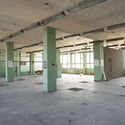
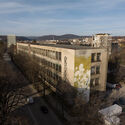
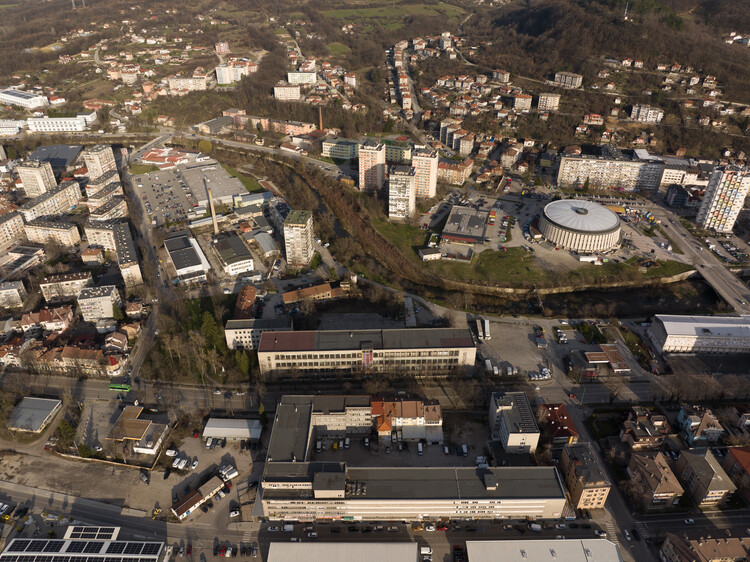
In Gabrovo, Bulgaria, the Municipality invites architects to design the Christo and Jeanne-Claude Center for Contemporary Art by transforming, adapting, and upgrading the former Textile Technical School and its adjacent site. EU co-financing, a disclosed budget, a designated jury, and a two-phase structure frame this competition, reflecting the spirit of Christo and Jeanne-Claude's artistic practice: bold, accessible artistic creation. More than a commission for a cultural building, it calls for a design response that understands the specific character of their work, adding a curatorial dimension to what might otherwise be a straightforward adaptive reuse project.
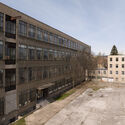
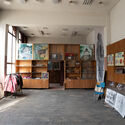
How the Christo and Jeanne-Claude Center is Breathing New Life into Gabrovo’s Cultural Identity - Image 1 of 4How the Christo and Jeanne-Claude Center is Breathing New Life into Gabrovo’s Cultural Identity - Image 2 of 4How the Christo and Jeanne-Claude Center is Breathing New Life into Gabrovo’s Cultural Identity - Image 3 of 4How the Christo and Jeanne-Claude Center is Breathing New Life into Gabrovo’s Cultural Identity - Image 4 of 4How the Christo and Jeanne-Claude Center is Breathing New Life into Gabrovo’s Cultural Identity - More Images+ 6

Street Artist JR Installs an Inflatable Cave on Paris' Pont Neuf in Tribute to Christo and Jeanne-Claude

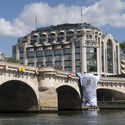
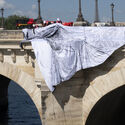
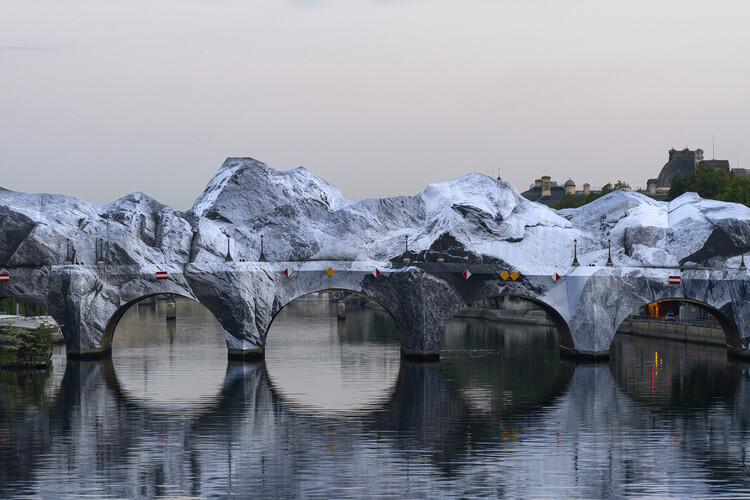
On May 21st, a realistic cave took shape on Paris' Pont Neuf, the oldest standing bridge across the Seine. The inflatable artwork was designed and built by French photographer and street artist JR, along with an extensive multidisciplinary team. La Caverne du Pont Neuf was conceived in honor of Christo and Jeanne-Claude's 1985 work The Pont Neuf Wrapped, an environmental artwork in which the artists wrapped the historic bridge in sandstone-colored fabric for two weeks. The structure creates a trompe-l'œil effect that mimics a textured rock formation through photographic printing in tones of white, black, and gray. The shape of the exterior already gives the public the optical illusion of the artwork, while paving the way for the final stage of the interior design.

Street Artist JR Installs an Inflatable Cave on Paris' Pont Neuf in Tribute to Christo and Jeanne-Claude - Image 1 of 4Street Artist JR Installs an Inflatable Cave on Paris' Pont Neuf in Tribute to Christo and Jeanne-Claude - Image 2 of 4Street Artist JR Installs an Inflatable Cave on Paris' Pont Neuf in Tribute to Christo and Jeanne-Claude - Image 3 of 4Street Artist JR Installs an Inflatable Cave on Paris' Pont Neuf in Tribute to Christo and Jeanne-Claude - Image 4 of 4Street Artist JR Installs an Inflatable Cave on Paris' Pont Neuf in Tribute to Christo and Jeanne-Claude - More Images+ 17

From Design Movements to Materials: Reflecting on Architectural Exhibitions in 2024

Reflecting on 2024, numerous architectural exhibitions have opened worldwide, addressing various themes, exhibition formats, and featured architects. Architectural design and architecture practice influence our daily lives in subtle and often unnoticed ways, where the end-users embrace built environments as they are. This reaction may arise from a combination of factors, such as a sense of powerlessness to enact significant change after a building is constructed or the experience of growing up in environments over which individuals had little or no agency in shaping. For these reasons, architectural exhibitions serve an essential purpose, offering society a chance to pause, reflect, and critically examine the myriad issues that surface during designing and building. These issues are often overlooked or need to be acknowledged, as practitioners may prioritize delivering projects within strict timelines over exploring more profound reflections.

In 2024, museums, galleries, and curators responded to the evolving challenges within the built environment with various approaches. Some exhibitions questioned the ethics of building materials and the practices behind supply chains, drawing attention to the broader implications of material choices. Others focused on documenting architectural movements worldwide, emphasizing their cultural and historical significance and the urgent need to preserve and adapt rather than replace them with entirely new builds. These efforts highlight the role of exhibitions in raising awareness about pressing issues while fostering a more critical dialogue about the architectural discipline.

From Design Movements to Materials: Reflecting on Architectural Exhibitions in 2024 - Image 1 of 4From Design Movements to Materials: Reflecting on Architectural Exhibitions in 2024 - Image 2 of 4From Design Movements to Materials: Reflecting on Architectural Exhibitions in 2024 - Image 3 of 4From Design Movements to Materials: Reflecting on Architectural Exhibitions in 2024 - Image 4 of 4From Design Movements to Materials: Reflecting on Architectural Exhibitions in 2024 - More Images+ 20

Lindau Art Museum Celebrates Christo and Jeanne-Claude with Exhibition in Germany

The Lindau Art Museum is hosting an exhibition titled “Christo and Jeanne-Claude - A Lifelong Journey.” Running from April 13th to October 13th, 2024, this display marks the first comprehensive museum exhibition on Christo and Jeanne-Claude in southern Germany, created in collaboration with the Christo and Janne-Claude Foundation. Featuring artistic drawings, detailed collages, early objects, and photographs, the exhibition documents the lifelong journey that led the artists to their famous large-scale temporary projects.

Lindau Art Museum Celebrates Christo and Jeanne-Claude with Exhibition in Germany - Image 1 of 4Lindau Art Museum Celebrates Christo and Jeanne-Claude with Exhibition in Germany - Image 2 of 4Lindau Art Museum Celebrates Christo and Jeanne-Claude with Exhibition in Germany - Image 3 of 4Lindau Art Museum Celebrates Christo and Jeanne-Claude with Exhibition in Germany - Image 4 of 4Lindau Art Museum Celebrates Christo and Jeanne-Claude with Exhibition in Germany - More Images+ 16

Christo and Jeanne-Claude’s L’Arc de Triomphe Wrapped to Be Recycled by Parley for the Oceans

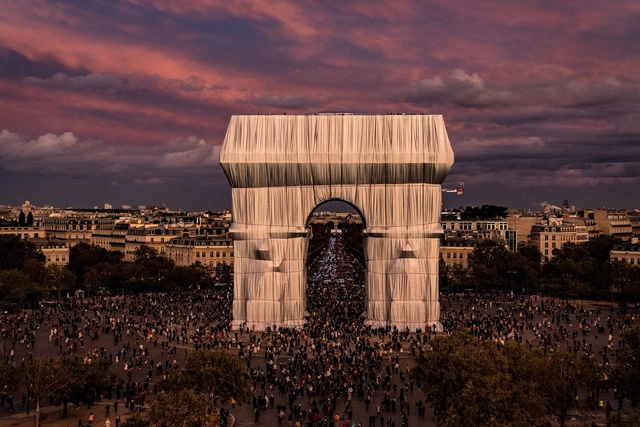
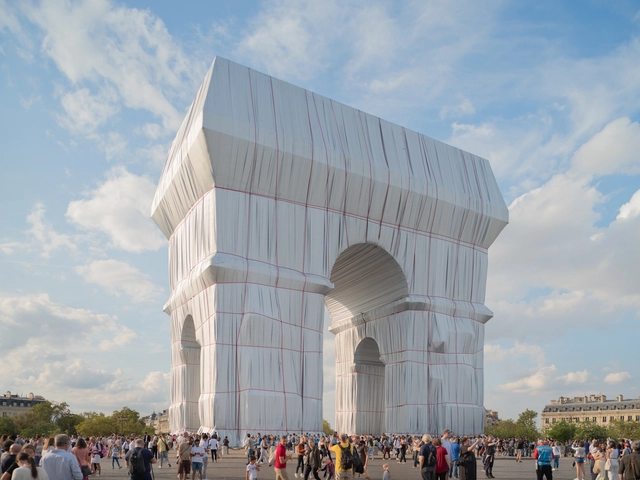
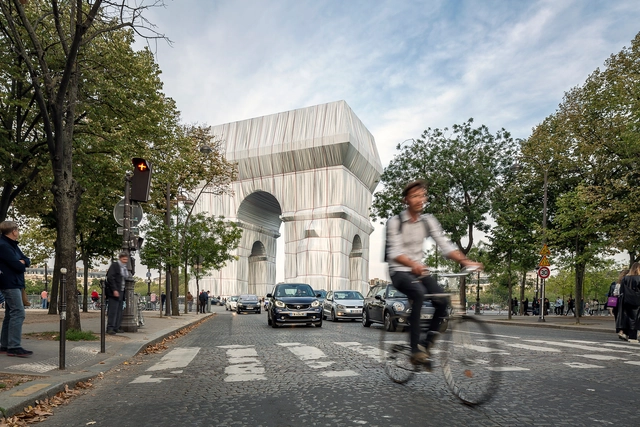
Two years ago, on September 18, 2021, Christo and Jeanne-Claude's L'Arc de Triomphe, Wrapped, 1961–2021, was inaugurated. The monumental public artwork wrapped the Parisian monument in over 25,000 square meters of silvery fabric tied in place with 7,000 meters of red rope. The materials, all made out of woven polypropylene, a type of thermoplastic, are now being reused, upcycled, and recycled, following the artists’ vision. Most of the materials will be transformed to serve practical uses for future public events in Paris. The Christo and Jeanne-Claude Foundation is also collaborating with Gagosian to bring Christo’s early works to London’s East End for an exhibition open from October 6-22, 2023.

Christo and Jeanne-Claude’s L’Arc de Triomphe Wrapped to Be Recycled by Parley for the Oceans - Image 1 of 4Christo and Jeanne-Claude’s L’Arc de Triomphe Wrapped to Be Recycled by Parley for the Oceans - Image 2 of 4Christo and Jeanne-Claude’s L’Arc de Triomphe Wrapped to Be Recycled by Parley for the Oceans - Image 3 of 4Christo and Jeanne-Claude’s L’Arc de Triomphe Wrapped to Be Recycled by Parley for the Oceans - Image 4 of 4Christo and Jeanne-Claude’s L’Arc de Triomphe Wrapped to Be Recycled by Parley for the Oceans - More Images+ 5

Sculpting the Earth: Engaging With the “Land” in Land Art

Subscriber Access | 

Artists are frequently inspired by land — be it painter Robert S. Duncanson’s renditions of American landscapes, or William Kentridge’s subversions of colonial-era British paintings depicting African vistas. Some artists, though, have preferred to work directly with the land, creating structures that sit on landscapes, or carving into the land itself. This art style — formally termed as Land Art — gained prominence in 1960s and 70s United States, in the context of the rise of the environmental movement amidst civil rights and antiwar protests, and as artists looked to separate themselves from the art market.

Sculpting the Earth: Engaging With the “Land” in Land Art - Image 1 of 4Sculpting the Earth: Engaging With the “Land” in Land Art - Image 2 of 4Sculpting the Earth: Engaging With the “Land” in Land Art - Image 3 of 4Sculpting the Earth: Engaging With the “Land” in Land Art - Image 4 of 4Sculpting the Earth: Engaging With the “Land” in Land Art - More Images+ 5

Never-Seen-Before Work of Christo and Jeanne-Claude on Display at the Hexton Gallery in Colorado

Hexton Gallery has announced the opening of “Christo and Jeanne-Claude: Ephemeral Nature,” a curated exhibition that showcases never-seen-before works from Christo and Jeanne-Claude's private collection. The exhibition will feature an extensive selection of original drawings, collages, and wrapped objects from the couple's private collection, many of which have never been shown to the public until now. The gallery, in collaboration with the Aspen Institute and the Christo and Jeanne-Claude Foundation have also launched a year-long program focused on the artists’ pioneering impact on environmental art, celebrating the 50th anniversary of their 1972 Valley Curtain project in Rifle, Colorado.

Never-Seen-Before Work of Christo and Jeanne-Claude on Display at the Hexton Gallery in Colorado - Image 1 of 4Never-Seen-Before Work of Christo and Jeanne-Claude on Display at the Hexton Gallery in Colorado - Image 2 of 4Never-Seen-Before Work of Christo and Jeanne-Claude on Display at the Hexton Gallery in Colorado - Image 3 of 4Never-Seen-Before Work of Christo and Jeanne-Claude on Display at the Hexton Gallery in Colorado - Image 4 of 4Never-Seen-Before Work of Christo and Jeanne-Claude on Display at the Hexton Gallery in Colorado - More Images+ 12

Christo’s Early Works to Be Exhibited at the Gagosian Gallery in Paris

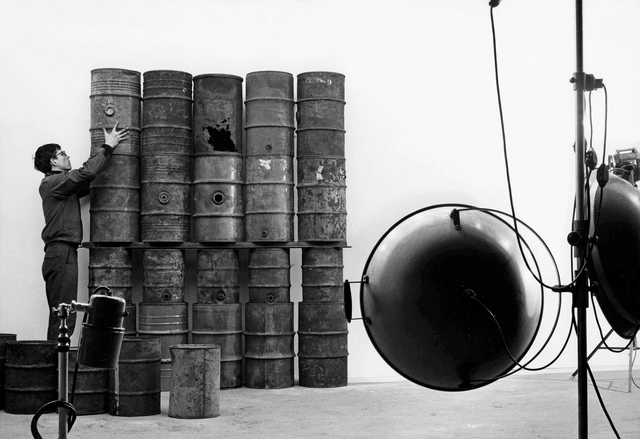
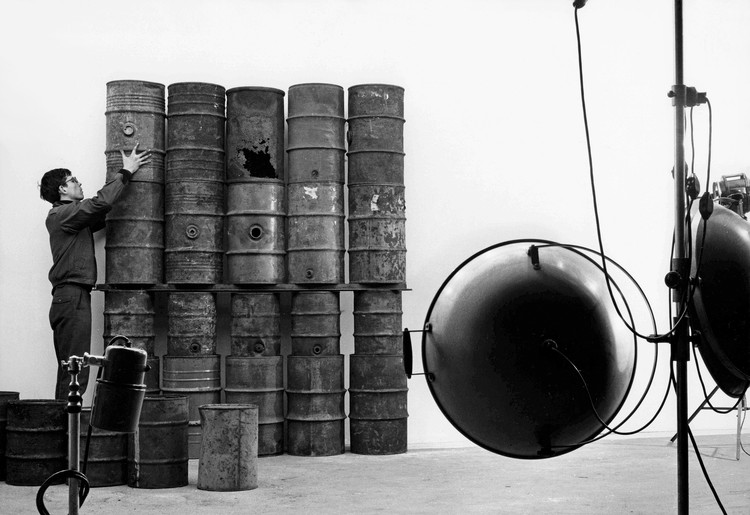
Gagosian Gallery Paris has announced an exhibition dedicated to Christo, presented in collaboration with the artist’s estate. Featuring sculptures made in Paris between 1958 and 1963, the exhibition features the earliest examples of Christo’s wrapped objects and barrel structures, many of which are exhibited for the first time, along with key works from his rarely shown Surfaces d’Empaquetage and Cratères series. The exhibition is open to the public on June 10, displayed across two floors of Gagosian’s rue de Ponthieu gallery, near Christo’s first Paris studio.

Christo’s Early Works to Be Exhibited at the Gagosian Gallery in Paris - Image 1 of 4Christo’s Early Works to Be Exhibited at the Gagosian Gallery in Paris - Image 2 of 4Christo’s Early Works to Be Exhibited at the Gagosian Gallery in Paris - Image 3 of 4Christo’s Early Works to Be Exhibited at the Gagosian Gallery in Paris - Image 4 of 4Christo’s Early Works to Be Exhibited at the Gagosian Gallery in Paris - More Images+ 7

Christo's Biggest and Only Permanent Artwork Is Designed for Abu Dhabi's Desert

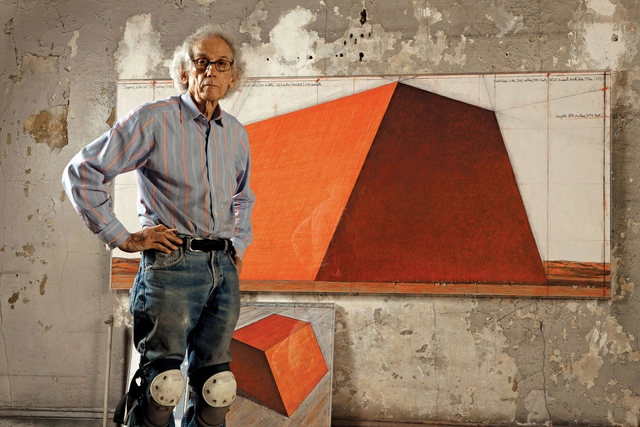
Conceived in 1977, and currently, in progress, The Mastaba, Christo and Jeanne-Claude’s largest permanent artwork in the world, is designed for Abu Dhabi, to be built in a proposed location approximately 160 kilometers south of the city in the desert of Liwa, in the United Arab Emirates. Made from 410,000 multi-colored barrels, the installation will create “a colorful mosaic, echoing Islamic architecture”. 150 meters high, 300 meters long at the vertical walls and 225 meters wide at the 60 degrees slanted walls, the duo’s final project will take at least three years to be built, once it receives governmental approval.

 Christo's Biggest and Only Permanent Artwork Is Designed for Abu Dhabi's Desert - Image 1 of 4 Christo's Biggest and Only Permanent Artwork Is Designed for Abu Dhabi's Desert - Image 2 of 4 Christo's Biggest and Only Permanent Artwork Is Designed for Abu Dhabi's Desert - Image 3 of 4 Christo's Biggest and Only Permanent Artwork Is Designed for Abu Dhabi's Desert - Image 4 of 4 Christo's Biggest and Only Permanent Artwork Is Designed for Abu Dhabi's Desert - More Images+ 7

Andreas Ruby, Director of Swiss Architecture Museum Shares his Thoughts on Christo's Wrapped Arc de Triomphe

Andreas Ruby, Director of the Swiss Architecture Museum shares his thoughts on the wrapped Arc de Triomphe installation by Christo and Jeanne-Claude, in a 3 part essay, converting a monument glorifying war into a monument of decolonization. The temporary installation opened to the public on September 18, 2021, and will be dismantled starting October 3, 2021.

Andreas Ruby, Director of Swiss Architecture Museum Shares his Thoughts on Christo's Wrapped Arc de Triomphe - Image 1 of 4Andreas Ruby, Director of Swiss Architecture Museum Shares his Thoughts on Christo's Wrapped Arc de Triomphe - Image 2 of 4Andreas Ruby, Director of Swiss Architecture Museum Shares his Thoughts on Christo's Wrapped Arc de Triomphe - Image 3 of 4Andreas Ruby, Director of Swiss Architecture Museum Shares his Thoughts on Christo's Wrapped Arc de Triomphe - Image 4 of 4Andreas Ruby, Director of Swiss Architecture Museum Shares his Thoughts on Christo's Wrapped Arc de Triomphe - More Images+ 2

L'Arc de Triomphe's Wrapped Intervention Through the Lens of Jared Chulski

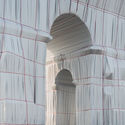
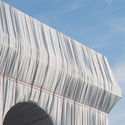
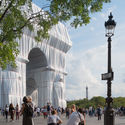
After almost 60 years of its initial ideation, Artists Christo and Jeanne-Claude’s temporary installation, the complete wrapping of L’Arc de Triomphe in Paris has opened to the public on September 18th, attracting thousands of tourists and locals. In this new photoseries, photographer Jared Chulski captures the wrapped monument, focusing on the details of the temporary intervention and how it compliments the city's urban fabric.

L'Arc de Triomphe's Wrapped Intervention Through the Lens of Jared Chulski - Image 1 of 4L'Arc de Triomphe's Wrapped Intervention Through the Lens of Jared Chulski - Image 2 of 4L'Arc de Triomphe's Wrapped Intervention Through the Lens of Jared Chulski - Image 3 of 4L'Arc de Triomphe's Wrapped Intervention Through the Lens of Jared Chulski - Image 4 of 4L'Arc de Triomphe's Wrapped Intervention Through the Lens of Jared Chulski - More Images+ 47

Christo's Wrapped Arc de Triomphe Opens to the Public

Christo's Wrapped Arc de Triomphe Opens to the Public - Featured Image
© Jad Sylla Photography

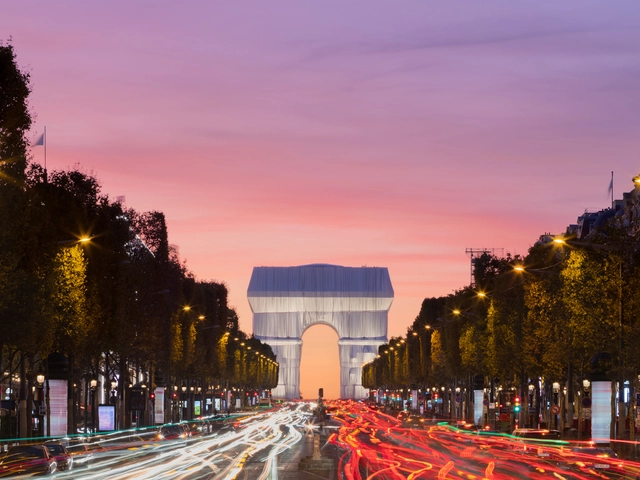
Artists Christo and Jeanne-Claude’s temporary installation, the L’Arc de Triomphe, Wrapped, opened to the public on September 18th. Twenty-five thousand square meters of recyclable silvery-blue fabric held together by 3,000 meters of red rope currently cloak the Parisian landmark transforming the urban setting, and photographer Jad Sylla captured the completed installation.

Christo's Wrapped Arc de Triomphe Opens to the Public - Image 1 of 4Christo's Wrapped Arc de Triomphe Opens to the Public - Image 2 of 4Christo's Wrapped Arc de Triomphe Opens to the Public - Image 3 of 4Christo's Wrapped Arc de Triomphe Opens to the Public - Image 4 of 4Christo's Wrapped Arc de Triomphe Opens to the Public - More Images+ 12

First Images Reveal Christo's Wrapped Arc de Triomphe in Paris

Work has just begun on the late Christo's unfulfilled intervention for the Arc de Triomphe in Paris. The first images by architectural photographer Jad Sylla highlight the wrapping up of the famous monument with 25,000 square meters of recyclable polypropylene fabric in silvery blue, and with 3,000 meters of red rope. Scheduled for September 18 until October 3, 2021, the temporary artwork l’Arc de Triomphe, Wrappedwill only remain on display for 16 days.

First Images Reveal Christo's Wrapped Arc de Triomphe in Paris - Image 1 of 4First Images Reveal Christo's Wrapped Arc de Triomphe in Paris - Image 2 of 4First Images Reveal Christo's Wrapped Arc de Triomphe in Paris - Image 3 of 4First Images Reveal Christo's Wrapped Arc de Triomphe in Paris - Image 4 of 4First Images Reveal Christo's Wrapped Arc de Triomphe in Paris - More Images+ 12

Architecture at Sea: Floating Pavilions and the Beauty of Temporary Art

Subscriber Access | 

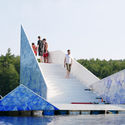
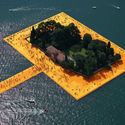
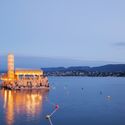
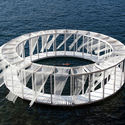
Architecture is defined by its permanence. While the discipline's most celebrated works are often those that were built to last, there's inherent beauty and value in an architecture of impermanence. Moving beyond conventional buildings and considering environmental and social impacts, temporary structures hold the potential to push the boundaries of architecture and the categorization of art.

Architecture at Sea: Floating Pavilions and the Beauty of Temporary Art - Image 1 of 4Architecture at Sea: Floating Pavilions and the Beauty of Temporary Art - Image 2 of 4Architecture at Sea: Floating Pavilions and the Beauty of Temporary Art - Image 3 of 4Architecture at Sea: Floating Pavilions and the Beauty of Temporary Art - Image 4 of 4Architecture at Sea: Floating Pavilions and the Beauty of Temporary Art - More Images+ 5

Christo, the Bulgarian Artist, Famous for Wrapped and Monumental Outdoor Projects, Dies At 84

Christo Vladimirov Javacheff, best known as Christo, has passed away at 84 years old of natural causes, in his house, in New York City. The Bulgarian artist, best known for wrapping The Pont Neuf in Paris and the Reichstag in Berlin, has created along the years, with his late wife Jeanne-Claude, large-scale architectural interventions in urban and rural environments.

Christo will Wrap the Arc de Triomphe in Blue Fabric for his Next Work

The Bulgarian artist Christo will wrap the famous Arc de Triomphe in Paris with recyclable blue fabric in his next work. The work, which will open on April 9 and last for two weeks, coincides with the artist's large exhibition at the Center Pompidou, which brings together works done in partnership with his late wife, Jeanne-Claude, during the period in which they lived in Paris.