1. ArchDaily
  2. Anthropology

Anthropology: The Latest Architecture and News

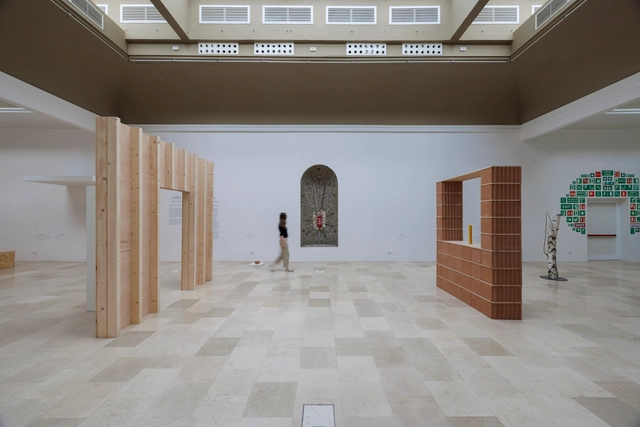
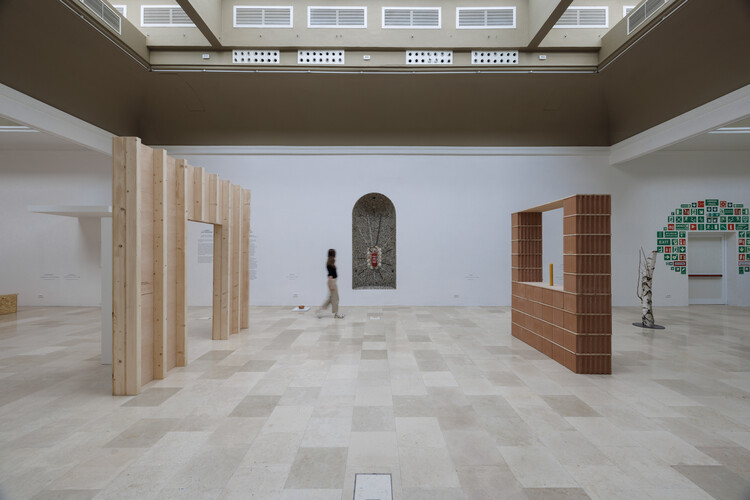
Polish Pavilion at the 2025 Venice Architecture Biennale Investigates Architecture’s Role in Providing Security

The Polish Pavilion at the 2025 Venice Architecture Biennale presents Lares and Penates: On Building a Sense of Security in Architecture, an exhibition that explores how architecture continues to function as a form of protection in an age marked by uncertainty. Framed as an anthropological investigation, the project examines the emotional and rational dimensions of building practices. The exhibition is developed by a multidisciplinary team including curator and art historian Aleksandra Kędziorek, architect Maciej Siuda, and artists Krzysztof Maniak and Katarzyna Przezwańska. Rather than focusing on architecture from the designer's perspective, the team investigates how individuals inhabit space and construct a sense of safety, responding to deep-seated fears, desires, and needs.

Polish Pavilion at the 2025 Venice Architecture Biennale Investigates Architecture’s Role in Providing Security - Image 1 of 4Polish Pavilion at the 2025 Venice Architecture Biennale Investigates Architecture’s Role in Providing Security - Image 2 of 4Polish Pavilion at the 2025 Venice Architecture Biennale Investigates Architecture’s Role in Providing Security - Image 3 of 4Polish Pavilion at the 2025 Venice Architecture Biennale Investigates Architecture’s Role in Providing Security - Image 4 of 4Polish Pavilion at the 2025 Venice Architecture Biennale Investigates Architecture’s Role in Providing Security - More Images+ 21

Neuroscience and Architecture: Designing for the Human Experience

Subscriber Access | 

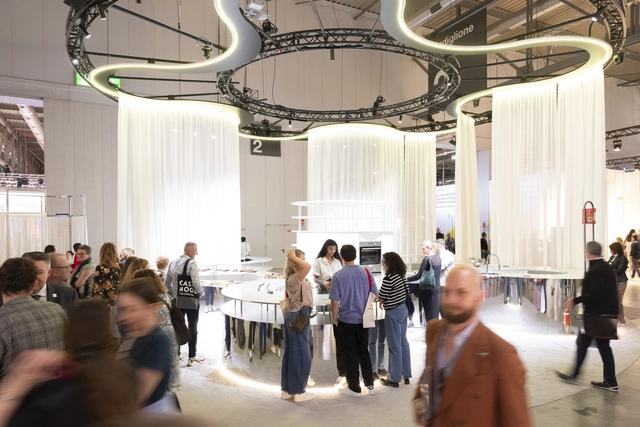
Designing for the human experience has been at the forefront of architect's intentions and motivations behind their work. While traditional processes prove beneficial, the industry is peering over boundaries to find opportunities for collaboration with other design and non-design fields. New approaches have emerged with collaborations between architects and service designers, or even psychologists, to create more human-centric spaces. A new intersection captures the attention of practitioners, especially with a recent installation at Salone de Mobile neuroarchitecture. ArchDaily breaks down the scope and potential for this new field with Federica Sanchez, architect and neuroscience researcher at Italian firm Lombardini22, responsible for revamping the Salone.

Neuroscience and Architecture: Designing for the Human Experience - Image 1 of 4Neuroscience and Architecture: Designing for the Human Experience - Image 2 of 4Neuroscience and Architecture: Designing for the Human Experience - Image 3 of 4Neuroscience and Architecture: Designing for the Human Experience - Image 4 of 4Neuroscience and Architecture: Designing for the Human Experience - More Images+ 1

How Can Architecture be Designed to Reflect Human Behavior?

Subscriber Access | 

Architecture is the design of spaces for human occupation. Despite architects’ skill in designing spaces to influence human behavior there often is a shortfall in anticipating and reacting to occupants’ behavior. To create environments that boost well-being, productivity, and social engagement, a symbiotic relationship between buildings and human behavior must be fostered. The intersection of architectural and anthropological studies forms an insightful framework for the design of physical spaces informed by human behavior and cultural context.

The Architecture of Liminal Spaces

Subscriber Access | 

Liminal spaces are everywhere, both literally, and as a popular topic of intrigue on Reddit and other image-sharing platforms. Posting photographs of empty dilapidated spaces followed by collective reminiscing of childhood experiences is proving to be a popular activity these days. At one time or another, the spaces depicted in these eerie photos seemed like a good idea, a useful solution to the problem of providing shelter for crowds in the act of movement or commerce. Architecture had specific terms for these spaces too and defined them through theories that explained their role in our culture. In this video, architectural professor Stewart Hicks presents how architects think about liminal spaces, what goes into them, why they exist, and why some architects and artists still work to produce their effect.

Why is Alfonso Cuaron's 'Roma' an Important Part in the Collective Memory of Mexico City?

Subscriber Access | 

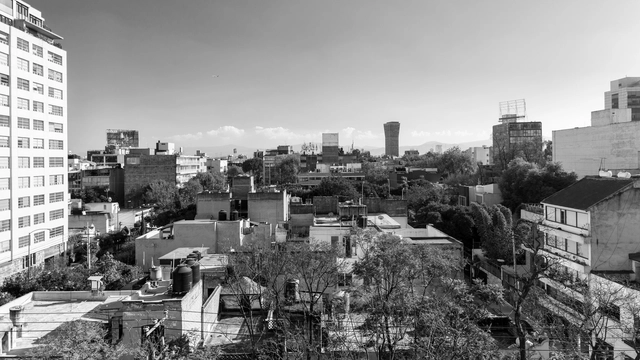
Colonia Roma, a neighborhood in Mexico City, is well known among locals for its art galleries, restaurants, bookstores and museums - it is a hotspot of contemporary art and culture. However, this cultural tradition actually dates back to the Porfirian Era in the early twentieth century. The area was a way to present Mexico City as a modern city by creating the first colony, along with Colonia Condesa, with all basic services available to the residents. Drawn with Parisian boulevards and tree-lined streets, Roma is an exemplar of art nouveau architecture, eclectic and French-ified – an attractive area that immediately led to the arrival of wealthy families.

Why is Alfonso Cuaron's 'Roma' an Important Part in the Collective Memory of Mexico City? - Image 1 of 4Why is Alfonso Cuaron's 'Roma' an Important Part in the Collective Memory of Mexico City? - Image 2 of 4Why is Alfonso Cuaron's 'Roma' an Important Part in the Collective Memory of Mexico City? - Image 3 of 4Why is Alfonso Cuaron's 'Roma' an Important Part in the Collective Memory of Mexico City? - Image 4 of 4Why is Alfonso Cuaron's 'Roma' an Important Part in the Collective Memory of Mexico City? - More Images+ 12

AMO / Rem Koolhaas and the Guggenheim to Conduct Research Project Exploring "Radical Changes in the Countryside"

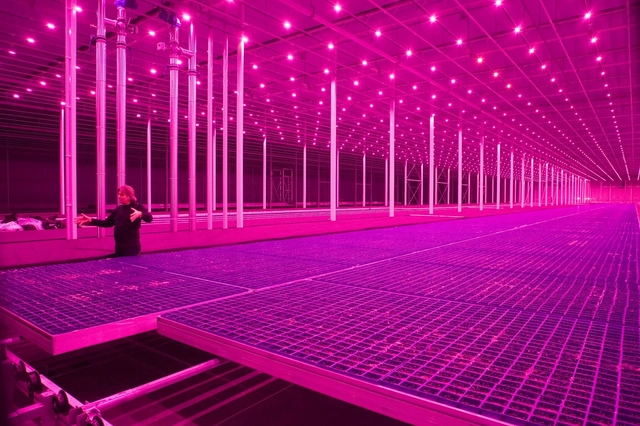
The Solomon R. Guggenheim Museum has announced a new research project exploring the “radical changes in the countryside, the vast nonurban areas of Earth” that will culminate in an exhibition at the museum’s Frank Lloyd Wright-designed New York home in Fall 2019.

Collaborating with Rem Koolhaas and his firm AMO, the think tank wing of OMA, the project will continue research already conducted by the Dutch architect and students from the Harvard Graduate School of Design.

AMO / Rem Koolhaas and the Guggenheim to Conduct Research Project Exploring "Radical Changes in the Countryside" - Image 1 of 4AMO / Rem Koolhaas and the Guggenheim to Conduct Research Project Exploring "Radical Changes in the Countryside" - Image 2 of 4AMO / Rem Koolhaas and the Guggenheim to Conduct Research Project Exploring "Radical Changes in the Countryside" - Image 3 of 4AMO / Rem Koolhaas and the Guggenheim to Conduct Research Project Exploring "Radical Changes in the Countryside" - Image 4 of 4AMO / Rem Koolhaas and the Guggenheim to Conduct Research Project Exploring Radical Changes in the Countryside - More Images