1. ArchDaily
  2. Adaptative

Adaptative: The Latest Architecture and News

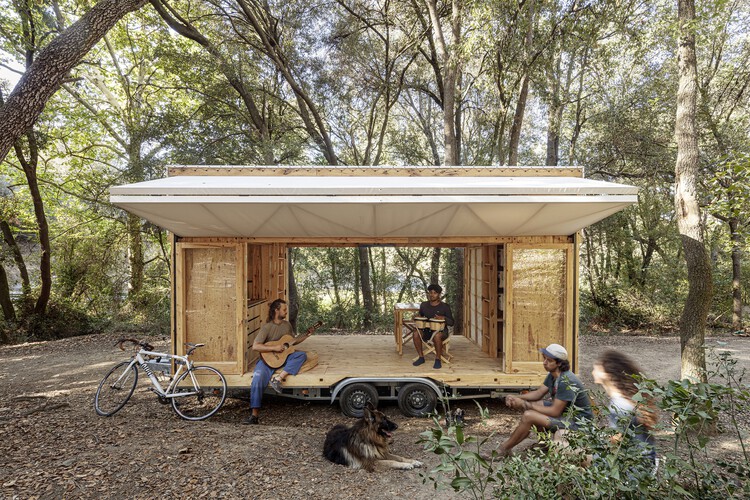
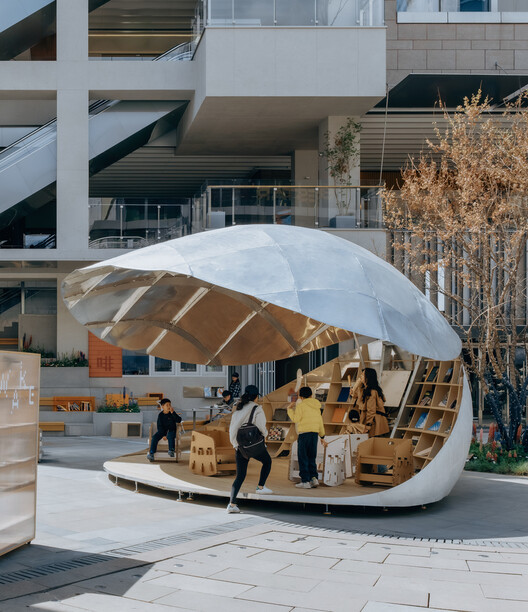
When Architecture Moves: Kinetic Design and the Rituals of Space

Subscriber Access | 

For centuries, architecture has been defined by unmoving permanence. A building is assumed to be fixed, its walls and foundation immobile in space. A growing number of architects are now challenging this assumption by incorporating movement into the very fabric and tectonic structures of buildings.

When roofs hinge, walls slide, and entire structures respond to their occupants, something remarkable happens: the architectural spaces become an active component of daily rituals. These moments of opening, closing, shifting, and translating spaces ground buildings in the present moment and demand active engagement from users. The architecture becomes less of an object or a monument and more of a choreography of participation.

When Architecture Moves: Kinetic Design and the Rituals of Space - Image 1 of 4When Architecture Moves: Kinetic Design and the Rituals of Space - Image 2 of 4When Architecture Moves: Kinetic Design and the Rituals of Space - Image 3 of 4When Architecture Moves: Kinetic Design and the Rituals of Space - Image 4 of 4When Architecture Moves: Kinetic Design and the Rituals of Space - More Images+ 36

Designing with Smoke: The Chimney as Architectural and Environmental Instrument

Subscriber Access | 

Chimneys are among the most quietly persistent elements in architectural history. Yet their presence persists in nearly every cultural and climatic context, serving as a technical feature and a spatial, atmospheric, and symbolic device. It populates dense city skylines and anchors rural horizons alike, its vertical silhouette as ordinary as a window or a doorframe. This apparent ordinariness is deceptive. The chimney is one of the few architectural components that links the intimate scale of interior life with the expansive forces of the environment. For architects and designers, the necessity of the chimney presents a choice: to let it recede quietly into the building's functional fabric or to amplify it as a central, expressive element that shapes a project's identity.

Designing with Smoke: The Chimney as Architectural and Environmental Instrument - Image 1 of 4Designing with Smoke: The Chimney as Architectural and Environmental Instrument - Image 2 of 4Designing with Smoke: The Chimney as Architectural and Environmental Instrument - Image 3 of 4Designing with Smoke: The Chimney as Architectural and Environmental Instrument - Image 4 of 4Designing with Smoke: The Chimney as Architectural and Environmental Instrument - More Images+ 47

From Salt Factory to Art Museum: The Story Behind the Schaudepot in Essen, Germany

Subscriber Access | 

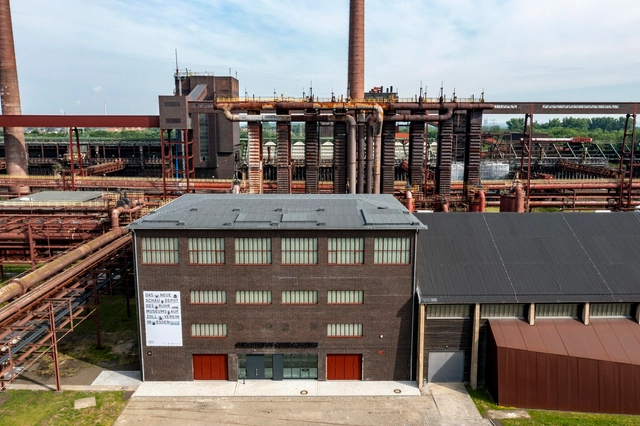
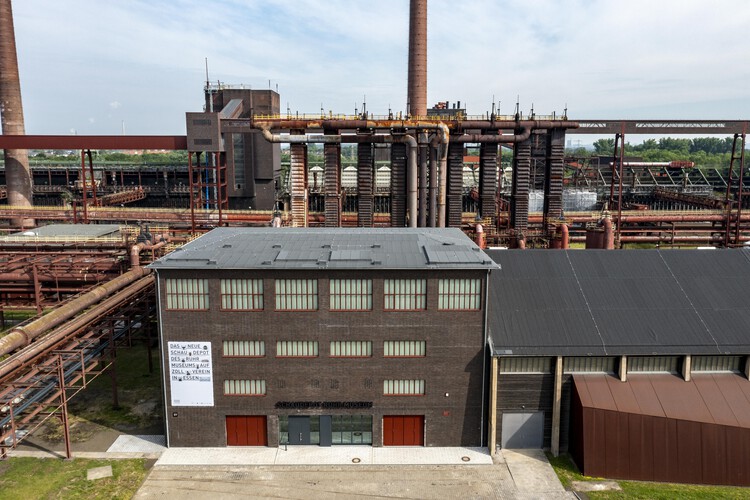
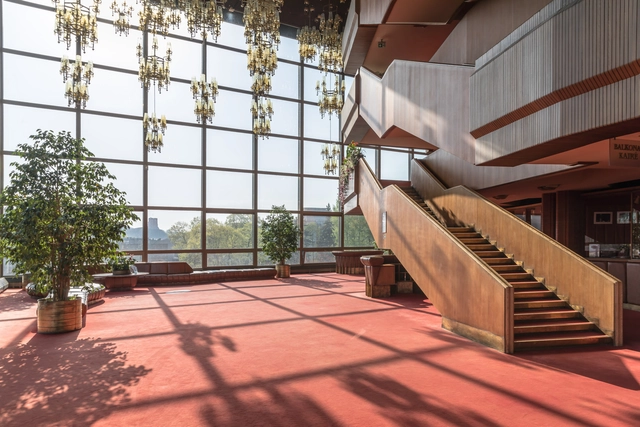
Once the largest coal mine in Europe, the Zollverein complex in Essen, Germany, has undergone a remarkable transformation over the past twenty-five years. What was once a landscape of abandoned industrial facilities is now a laboratory of contemporary architecture, featuring works by Rem Koolhaas, Norman Foster, and SANAA. Their interventions bridge the site’s industrial past with its imagined future. Spanning 100 hectares, the UNESCO World Heritage site has become a global model of adaptive reuse, redefining what it means to preserve industrial heritage. Within this context stands the Ruhr Museum and its enigmatic art repository, the Schaudepot. Located in the complex’s former salt factory, the museum impresses not only with its collection but also with its architecture, which transforms a 1960s industrial building into a vibrant cultural venue.

Because of its historical and architectural relevance, the project is featured in the 2025 edition of Open House Essen, under the theme “Future Heritage.” The initiative explores which spaces might shape our future architectural legacy and asks pressing questions: What should we preserve? What should we adapt? And how can we design a future that is both livable and fair?

From Salt Factory to Art Museum: The Story Behind the Schaudepot in Essen, Germany - Image 1 of 4From Salt Factory to Art Museum: The Story Behind the Schaudepot in Essen, Germany - Image 2 of 4From Salt Factory to Art Museum: The Story Behind the Schaudepot in Essen, Germany - Image 3 of 4From Salt Factory to Art Museum: The Story Behind the Schaudepot in Essen, Germany - Image 4 of 4From Salt Factory to Art Museum: The Story Behind the Schaudepot in Essen, Germany - More Images+ 14

Architecture and Agency: Rethinking Authorship Through Participatory Design

Subscriber Access | 

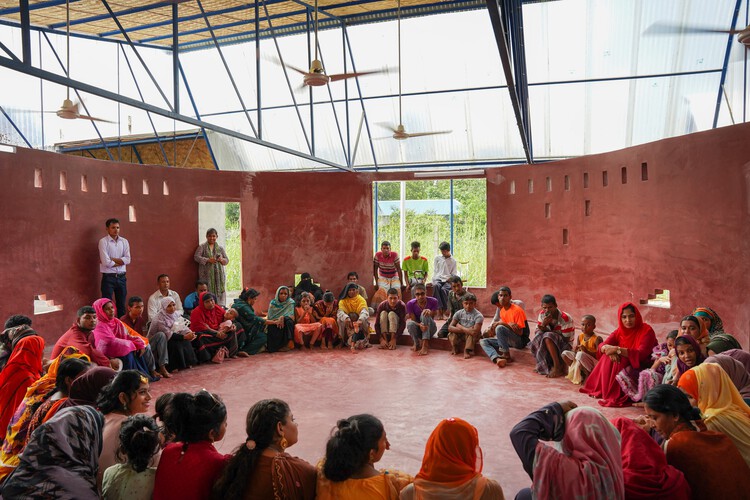
Architecture has historically produced many iconic buildings shaped by singular visions—often designed unilaterally for users, communities, and cities. While this top-down approach has enabled strong formal coherence and conceptual clarity, it has also prioritized authorship over engagement. The result: projects that may be celebrated as visionary, yet often feel disconnected from the everyday realities of those who inhabit them.
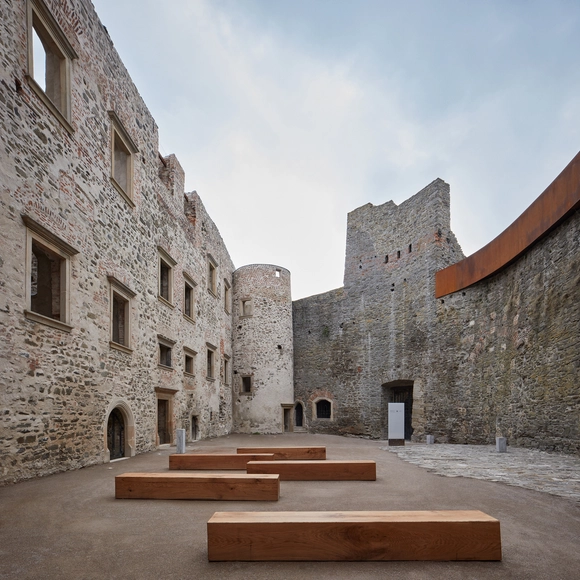
Designing for others is inherently complex. As architects, we are frequently tasked with creating environments for communities with whom we may have no personal or cultural familiarity. This distance, however, can offer valuable objectivity. It allows us to engage diverse perspectives with fresh eyes, critically analyzing the needs and constraints of multiple stakeholders. Through this process, the discipline of architecture has advanced—pushing boundaries in spatial thinking, material innovation, and structural experimentation.

Architecture and Agency: Rethinking Authorship Through Participatory Design - Image 1 of 4Architecture and Agency: Rethinking Authorship Through Participatory Design - Image 2 of 4Architecture and Agency: Rethinking Authorship Through Participatory Design - Image 3 of 4Architecture and Agency: Rethinking Authorship Through Participatory Design - Image 4 of 4Architecture and Agency: Rethinking Authorship Through Participatory Design - More Images+ 29

A Material That Records Time: 10 Contemporary Projects Featuring Corten Steel

Subscriber Access | 

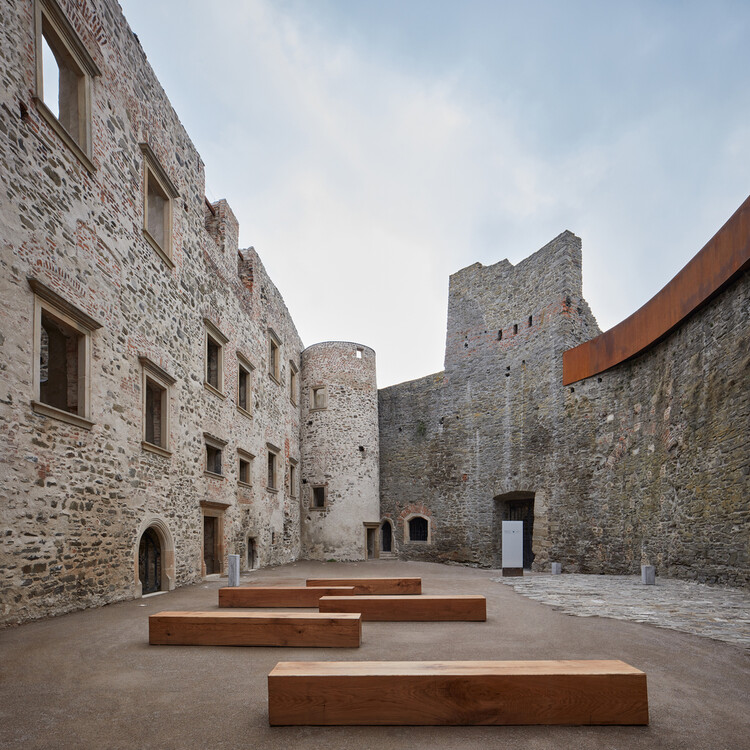
To recover, revitalize, convert—these actions have become increasingly present in contemporary cities, where architecture takes on the role of stitching together the overlapping layers of time that make up the urban fabric. Faced with this task, architects have explored a range of design strategies. Among them, one material in particular has stood out for how frequently—and effectively—it appears in interventions on historic buildings and contexts: corten steel. With its rusted surface, rich in texture and tone, it seems to offer a compelling answer to the challenging question of how to insert the new into the old. But what makes this material so recurrent in these situations? Is it simply its durability and versatility, or is there something deeper in its visual and symbolic presence?

A Material That Records Time: 10 Contemporary Projects Featuring Corten Steel - Image 1 of 4A Material That Records Time: 10 Contemporary Projects Featuring Corten Steel - Image 2 of 4A Material That Records Time: 10 Contemporary Projects Featuring Corten Steel - Image 3 of 4A Material That Records Time: 10 Contemporary Projects Featuring Corten Steel - Image 4 of 4A Material That Records Time: 10 Contemporary Projects Featuring Corten Steel - More Images+ 25

2025 Venice Architecture Biennale: Over 750 Participants Researching How Architecture Adapts to the Future

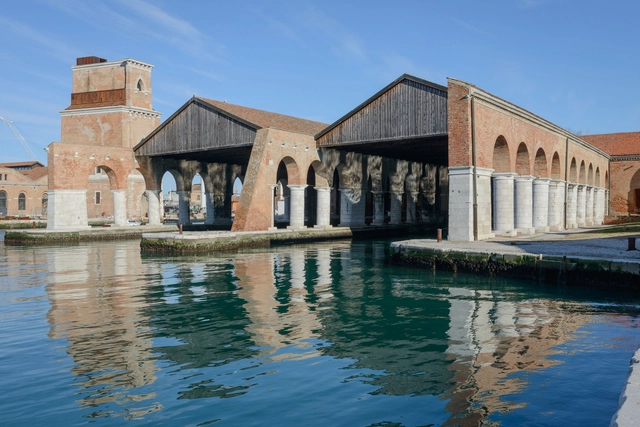
During a live presentation for the 19th International Architecture Exhibition, curator Carlo Ratti offered a glimpse into the programming of this year's edition. The 2025 Venice Architecture Biennale will include 66 National Pavilions, with 4 countries represented for the first time: the Republic of Azerbaijan, Sultanate of Oman, Qatar, and Togo. The exhibition, divided between the Giardini (26), at the Arsenale (22) and in the city center of Venice (15), explores the theme of "Intelligens. Natural. Artificial. Collective", gathering over 750 participants, including individuals and organizations forming interdisciplinary and multigenerational teams. According to the numbers released, this year's edition is shaping up to become the largest Architecture Biennale held in Venice.

2025 Venice Architecture Biennale: Over 750 Participants Researching How Architecture Adapts to the Future - Image 1 of 42025 Venice Architecture Biennale: Over 750 Participants Researching How Architecture Adapts to the Future - Image 3 of 42025 Venice Architecture Biennale: Over 750 Participants Researching How Architecture Adapts to the Future - Image 5 of 42025 Venice Architecture Biennale: Over 750 Participants Researching How Architecture Adapts to the Future - Image 6 of 42025 Venice Architecture Biennale: Over 750 Participants Researching How Architecture Adapts to the Future - More Images+ 10

Mid-Century Modernism and East Coast Ruralism: A Study of Adaptive Design

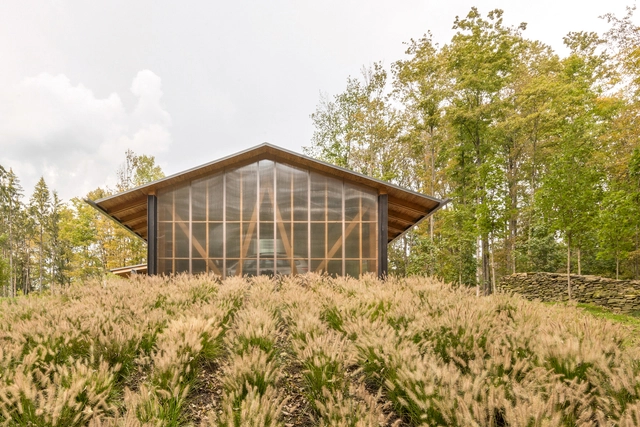
Mid-century modernism, celebrated for its simplicity, functionality, and direct connection with nature, is often associated with urban and suburban environments. However, its principles found fertile ground in the rural landscapes of the United States East Coast. The post-war architectural movement, characterized by innovative materials, clean lines, and harmony with natural surroundings, reveals its adaptability in the hands of architects and craftsmen working in rural regions of the East Coast. Although associated with metropolitan areas, its adoption in rural settings reveals a compelling story of cultural and environmental adaptation.

Mid-Century Modernism and East Coast Ruralism: A Study of Adaptive Design - Image 1 of 4Mid-Century Modernism and East Coast Ruralism: A Study of Adaptive Design - Image 2 of 4Mid-Century Modernism and East Coast Ruralism: A Study of Adaptive Design - Image 3 of 4Mid-Century Modernism and East Coast Ruralism: A Study of Adaptive Design - Image 4 of 4Mid-Century Modernism and East Coast Ruralism: A Study of Adaptive Design - More Images+ 11

A New Lens on Architecture: Discovering Open House Narratives Across Europe

Throughout 2024, ArchDaily, in collaboration with the Open House Europe architecture event, brought inspiring projects and stories to light. These true architectural gems were unveiled through visits, and their widely shared narratives enriched the architectural discourse. It is an invitation to explore the stories behind buildings that, although part of citizens' daily lives, often go unnoticed amidst the routine automation of everyday life.

These narratives explored projects of different scales, uses, and contexts, revealing everything from religious buildings, to remarkable examples of adaptive reuse of old industrial structures, now taking on new roles within their communities. Each story uncovered the many layers that make up a building – from its initial design to the new meanings it has acquired over time.

  A New Lens on Architecture: Discovering Open House Narratives Across Europe - Image 1 of 4  A New Lens on Architecture: Discovering Open House Narratives Across Europe - Image 2 of 4  A New Lens on Architecture: Discovering Open House Narratives Across Europe - Image 3 of 4  A New Lens on Architecture: Discovering Open House Narratives Across Europe - Image 4 of 4  A New Lens on Architecture: Discovering Open House Narratives Across Europe - More Images+ 2

Architectural Grafting: A Strategy for Sustainable Design

Subscriber Access | 

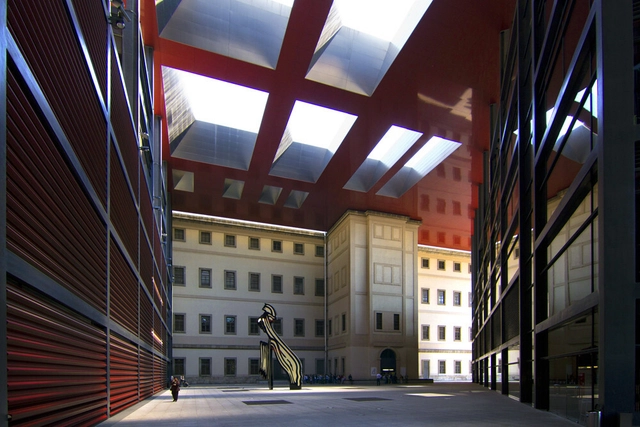
Architectural grafting, a concept recently popularized by Jeanne Gang in The Art of Architectural Grafting, presents a transformative approach to urban regeneration and sustainability. Drawing inspiration from botanical and horticultural practices — where new growth is added to existing plants for enhanced resilience — this architectural method integrates new structures with existing ones, allowing them to coexist and adapt. Rather than pursuing demolition, grafting prioritizes adaptation, extending the life of buildings while safeguarding their cultural and historical significance.

While Studio Gang has played a pivotal role in advancing this method, architectural grafting embodies a broader principle that architects have long used to enhance sustainability, conserve resources, and honor heritage. Across scales — from individual buildings to urban landscapesgrafting reshapes the relationship between past and present, adapting existing structures for contemporary needs while addressing environmental demands. By reimagining historic buildings for modern use, this approach fosters a sustainable evolution of cityscapes.

Architectural Grafting: A Strategy for Sustainable Design - Image 1 of 4Architectural Grafting: A Strategy for Sustainable Design - Image 2 of 4Architectural Grafting: A Strategy for Sustainable Design - Image 3 of 4Architectural Grafting: A Strategy for Sustainable Design - Image 4 of 4Architectural Grafting: A Strategy for Sustainable Design - More Images+ 59

Retrofitting Brazilian Buildings: Sustainability and Innovation in Downtown São Paulo

Subscriber Access | 

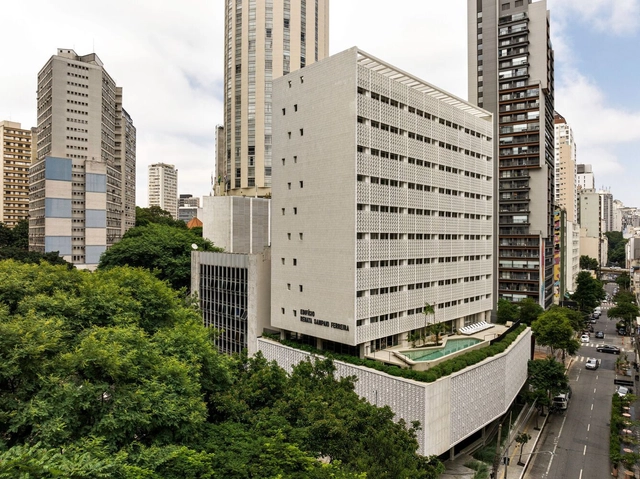
The term "retrofit," unlike rehabilitation or restoration, has been adopted by the market to address technological upgrades in existing buildings. These projects focus on aligning constructions with local technical standards and adapting spaces to be more functional and sustainable, meeting current demands.

Retrofit has become a key practice in contemporary architecture, standing out for its ability to revitalize existing buildings without the need for demolition while offering significant economic and social benefits. This approach is gaining ground in the architectural field, driven by iconic projects and public and private initiatives.

Retrofitting Brazilian Buildings: Sustainability and Innovation in Downtown São Paulo - Image 1 of 4Retrofitting Brazilian Buildings: Sustainability and Innovation in Downtown São Paulo - Image 2 of 4Retrofitting Brazilian Buildings: Sustainability and Innovation in Downtown São Paulo - Image 3 of 4Retrofitting Brazilian Buildings: Sustainability and Innovation in Downtown São Paulo - Image 4 of 4Retrofitting Brazilian Buildings: Sustainability and Innovation in Downtown São Paulo - More Images+ 10

Designing the School of the Future: Multifunctional Spaces for Dynamic Learning

The 21st century has dramatically transformed school architecture, driven by new educational philosophies, technological progress, and social values emphasizing sustainability and inclusion. This change goes beyond mere aesthetics, deeply reshaping how physical spaces contribute to education. Traditional narrow hallways and rows of desks have been replaced by dynamic, flexible spaces that are well-integrated with their surroundings and the community. These modern designs prioritize versatility and multifunctionality.

Designing the School of the Future: Multifunctional Spaces for Dynamic Learning - Image 1 of 4Designing the School of the Future: Multifunctional Spaces for Dynamic Learning - Image 2 of 4Designing the School of the Future: Multifunctional Spaces for Dynamic Learning - Image 3 of 4Designing the School of the Future: Multifunctional Spaces for Dynamic Learning - Image 4 of 4Designing the School of the Future: Multifunctional Spaces for Dynamic Learning - More Images+ 8