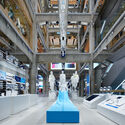
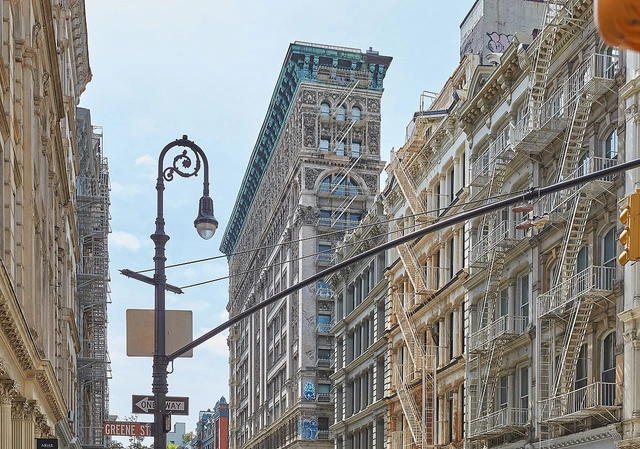
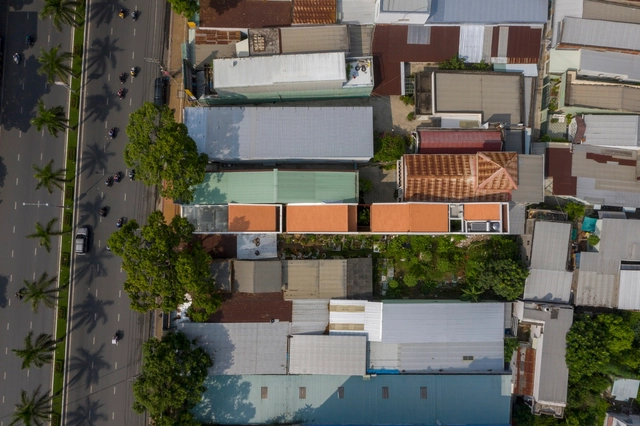
Behind facades lie vibrant lives, where the exterior melds with the interior, transforming neglected urban spaces into captivating residences. In cities around the world, architects, engineers and designers face the challenge of integrating new buildings into existing urban landscapes with limited space. Many architects are now embracing this concept, expanding their designs beyond conventional boundaries and transforming small city lots into layered and interconnected living spaces.
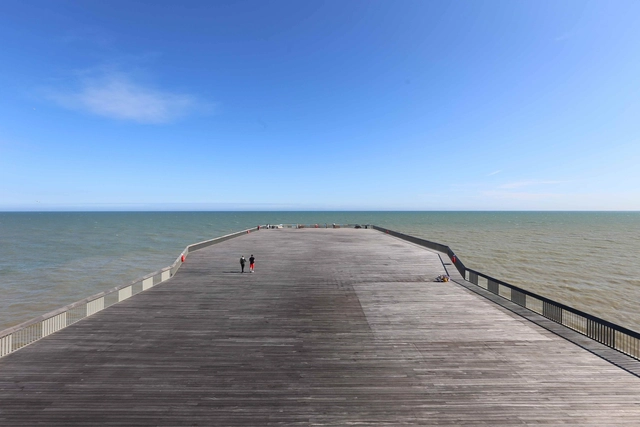
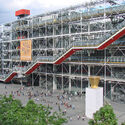
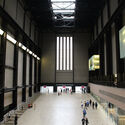
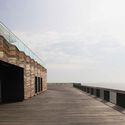
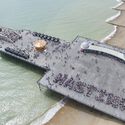
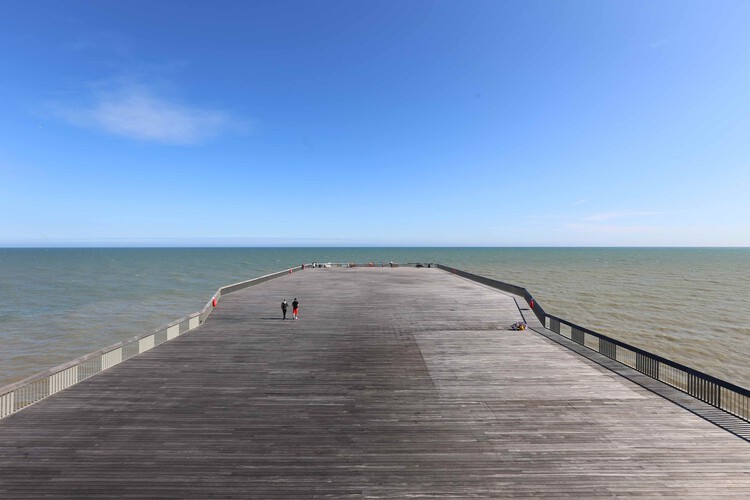
Whether for design competitions or architectural awards, buildings are often judged for what they offer–the programmed functions, the form, or the visual delight. In a minority of cases, it is the absence or the reduction of intervention that made a project successful. In 1971, a high-profile architectural competition in Paris was won by a proposal that only utilized half the available site, giving the rest as an urban space to the city. In London, a proposal to convert a disused power station with minimal additions, leaving large spaces untouched, won a design competition in 1994. The Stirling Prize, the UK's most prestigious architectural award, in 2017 was won by a proposal that was little more than an empty platform. These examples of cultural buildings from Northwestern Europe illustrate how the absence of intervention can provide more.
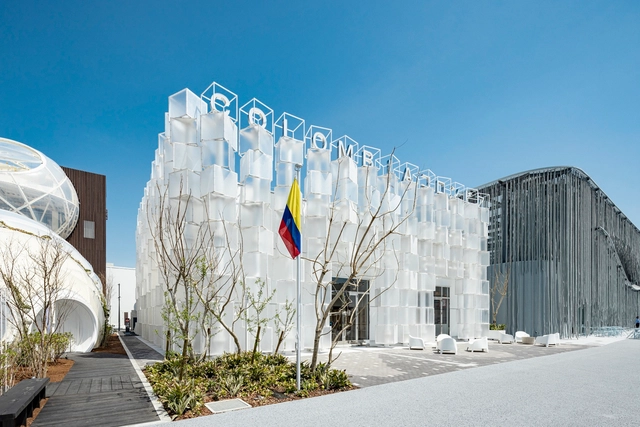
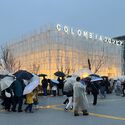
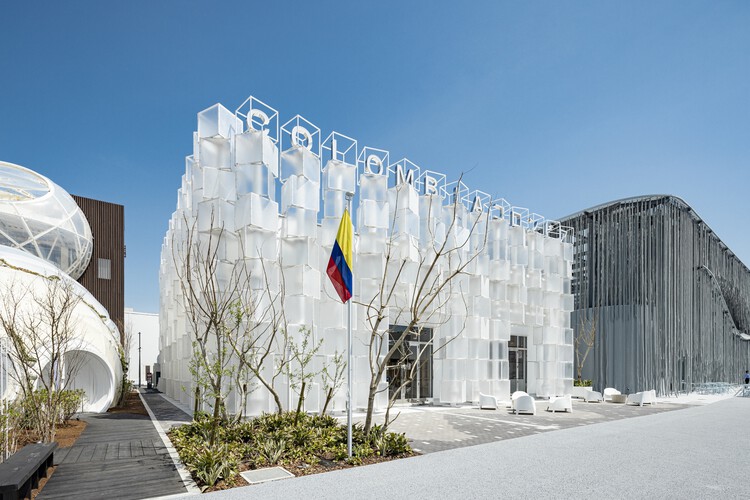
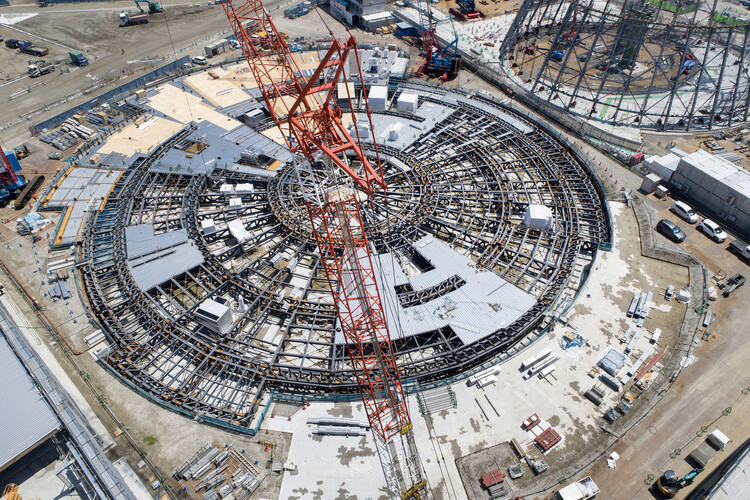
The Colombia Pavilion at the Expo Osaka 2025 adopts the theme "ICE CUBE," inspired by the scene in Gabriel García Márquez's One Hundred Years of Solitude where a young boy encounters ice for the first time. Translating this literary reference into built form, the pavilion presents a facade of translucent cubes set at varying angles, creating a sense of movement and articulation. Designed by MORF Inc., with Karim Chahal as Project Director and Ko Oono as Principal Architect, the exterior is composed of semi-transparent polycarbonate panels integrated with color-controlled lighting, allowing the facade to transform in appearance throughout the day and night.
Osaka Expo 2025 Japan Pavilion / Nikken Sekkei. Image Courtesy of Ministry of Economy, Trade and Industry
In certain parts of the world, construction is still dominated by wet systems—concrete, masonry, and cementitious materials that are poured, cured, and fixed in place. While this has long been considered the norm in some south-east Asia countries, such as Singapore, Thailand, Malaysia, and China, in most of these regions, they typically share a common trend where labor is relatively inexpensive. This serves as one of the reasons to make concrete more easily available, as one of the typical downside of concrete is its intensive labour cost - this further differentiates concrete as a cheaper and more efficient material system to be building out of.
However, not enough considerations in the region are given to the sustainability aspect when using these wet construction materials,often overlooking the significant drawbacks of its material lifecycle and the difficulty to recycle it without downcycling - making it one of the more unsustainable materials available to be built out of.
The Pavilion of China at the 19th International Architecture Exhibition - La Biennale di Venezia presents the exhibition CO-EXIST, curated by Ma Yansong, founder of MAD Architects, and organized by the Ministry of Culture and Tourism of the People's Republic of China at the Arsenale. Through ten works by twelve interdisciplinary groups, the pavilion examines how traditional Chinese philosophical thought can inform architectural responses in the age of advanced technology and artificial intelligence.
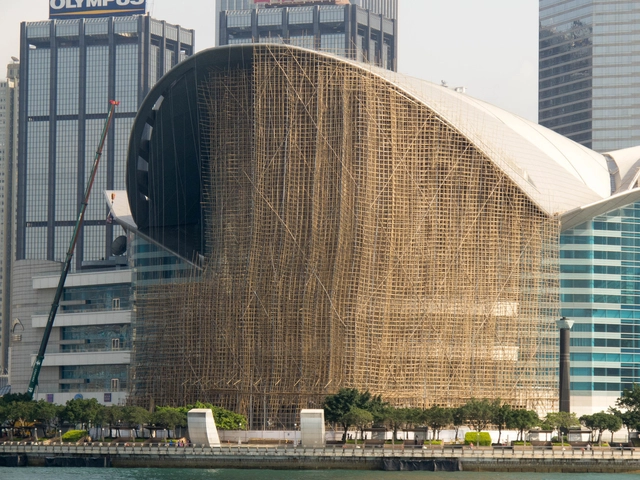
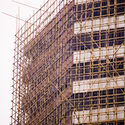
The bamboo scaffolding building typology—temporary, agile, and deeply rooted in tradition—particularly, the bamboo shed theatre building technique, is recognized as an item of Intangible Cultural Heritage in Hong Kong. As one walks through the city, especially in busy urban districts, it's nearly impossible not to encounter a bamboo scaffold within a five-minute radius. Bamboo scaffolding is arguably the most iconic construction material in Hong Kong, valued for its abundance, sustainability, flexibility, adaptability, and—most importantly—scalability. These qualities have contributed to its widespread use in temporary construction, from building maintenance and renovations to festival stages and sporting events.
However, this once-ubiquitous feature of the urban landscape may be slowly fading from view. A dwindling pool of skilled, younger workers—combined with evolving construction regulations—has contributed to its decline. On March 17, the Development Bureau announced plans to "drive a wider adoption of metal scaffolds in public building works." In practice, this means the Architectural Services Department (ArchSD) will soon require at least 50% of its capital works projects to utilize metal scaffolding. While not a formal ban, the policy signals what many see as the beginning of a gradual phase-out of bamboo scaffolding in public-sector construction.
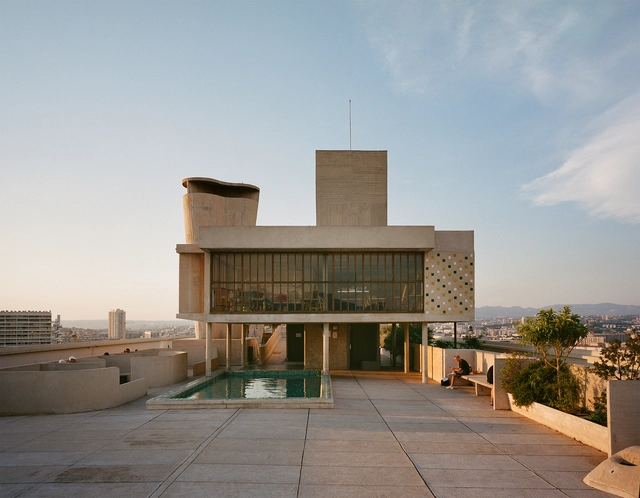
Modernism emerged in the early 20th century as a revolutionary movement that rejected historical styles, prioritizing functionality, innovation, and rationality. Grounded in the promise of industrial progress, architects like Walter Gropius, Le Corbusier, and Ludwig Mies van der Rohe championed using new materials and construction methods, striving for a universal architectural language. Their work introduced radical ideas: open floor plans, expansive glazing for natural light, and pilotis that elevated structures, symbolizing a new architectural era. However, alongside its groundbreaking ideas, modernism's relationship with sustainability has sparked ongoing debates.
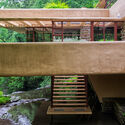
While modernist architects sought to address social and economic challenges through affordable housing and efficient design, their reliance on energy-intensive materials like concrete and steel created unintended environmental consequences. The large-scale industrialization celebrated by modernists often disregarded local climates and ecological systems, leading to inefficiencies. Yet, the principles of functionality and adaptability embedded in modernist architecture laid the groundwork for what we now recognize as sustainable practices. From Le Corbusier's rooftop gardens to Frank Lloyd Wright's integration of nature, the seeds of environmentally conscious design were undeniably present, albeit limited in their execution.
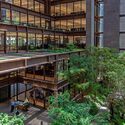
The concept of low-tech architecture recognizes the impact of carbon-intensive technologies and building practices and proposes an alternative: a rediscovery of practical, rational, locally adapted solutions that count on smart design strategies instead of energy-intensive devices to ensure a safe, comfortable living environment. Far from being a regressive approach, the term remains open to innovations but seeks to rebalance the industry's reliance on mechanization. It thus favors an architecture of fewer components, minimized dependence on high-tech solutions, and a preference for low-embodied carbon materials.
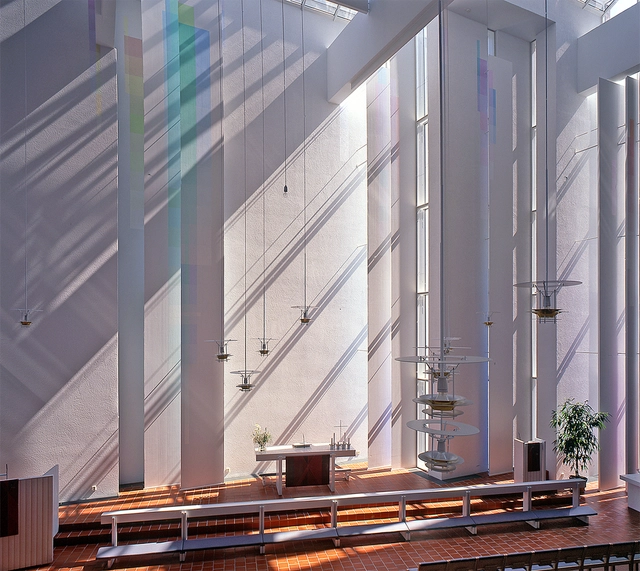
As communities grow more multicultural and increasingly diverse, these spaces serve as physical manifestations of religious inclusion, encouraging the acceptance of religious and ethnic minorities within multicultural landscapes. Their proliferation reflects a growing need for inclusive environments that cater to diverse spiritual needs while promoting interfaith understanding. However, designing and implementing these spaces presents complex challenges, often sparking debates about representation, neutrality, and the very nature of sacred space. These discussions underscore the delicate balance architects must strike in creating spaces that are both universally welcoming and spiritually meaningful.
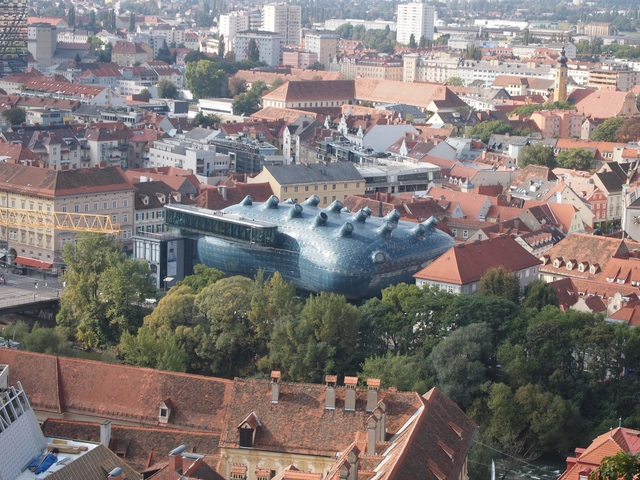
Situated along the River Mur in the Lend district, the Kunsthaus challenges traditional architectural norms with its organic, free-flowing design. Rejecting orthogonal geometry, the museum seamlessly merges art, architecture, and public interaction, redefining the concept of a cultural institution. Its impact extends beyond aesthetics, sparking urban revitalization in a once-overlooked neighborhood, and bringing cultural vibrancy and economic activity.
The world certainly looks different through the eyes of a young child; enormous, intriguing, and somewhat overwhelming, and it has long been believed that what we encounter as children shapes our perspective of the world. When asked about his childhood memories in Switzerland, Peter Zumthor shared that the memories of his youth contain the deepest architectural experience, which has become reservoirs of the architectural atmospheres and images that he explores in his work as an architect today.
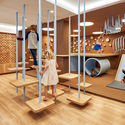
Having a complete understanding of how children change and grow physically and psychologically throughout their childhood requires an in-depth observation of different factors, such as their hereditary traits and genetics, the interactions they have with other children and adults, as well as the environment they are living, playing, and learning in. In celebration of World Children's Day on November 20th, we look at how architects and designers stimulated children's autonomy and promoted their mental and physical well-being through architecture and interior design. This initiative aligns with the theme of World Architecture Day 2024: "Mobilizing the Next Generation for Urban Transformation," emphasizing the crucial role that thoughtful design plays in shaping a sustainable and inclusive future for our cities and the communities within them.
Architecture has long been understood as a powerful tool for shaping the physical environment and social dynamics within it. However, its potential to foster social equity is often overlooked. Empathy-driven design invites architects to approach their work not only as creators of space but as facilitators of human connection and community well-being. This approach centers on understanding people's lived experiences, struggles, and aspirations — particularly marginalized communities — and responding to their needs through thoughtful, inclusive architecture. It goes beyond aesthetics and functionality, instead focusing on creating spaces fostering dignity, accessibility, and social equity. By prioritizing empathy, architects can design environments that uplift communities, address disparities, and create inclusive spaces that promote positive societal change in a tangible, human-centered way.
Contemporary challenges and technological developments inevitably trigger changes in how we design and build our cities. The traditional construction industry suffers from inefficiencies that render methods slow, expensive, or harmful to the environment. Excessive material waste and lengthy build times pose significant challenges to built environment professionals, calling attention to the complexity and rigidity of conventional construction processes. The optimization of time and physical resources in construction calls for innovative methods that enhance efficiency.
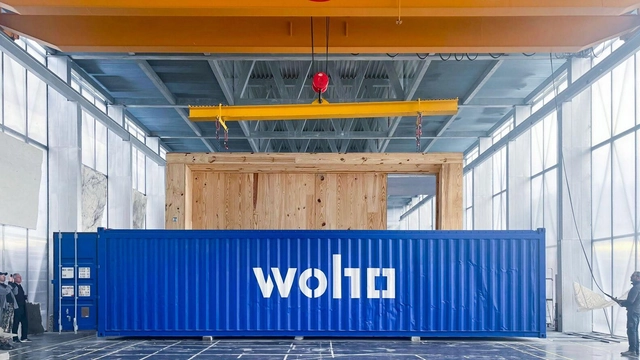
In an industry where innovation often moves with the eagerness of setting mortar, WoHo Systems, one of ArchDaily's 2024 Best New Practices, has emerged as a disruptor aiming to address global sustainability and housing affordability issues. Born from the experimental roots of Ensamble Studio, this architectural startup wields prefabrication and sustainability as core pillars to redefine construction norms and deliver adaptable building solutions. Their solutions aim to speed up and simplify the construction process, as well as reduce costs and minimize environmental impact.
Over-providing traditionally implies offering more than is necessary, often carrying a negative connotation due to the potential for excess and waste. However, could there be scenarios within the built environment where over-providing proves advantageous? The question critically examines how overprovisioning might enhance a building's flexibility and adaptability to diverse and evolving conditions.
The underlying assumption of accurately providing what is needed for a building is that stakeholders—including owners, architects, and designers—can accurately predict and cater to a structure's current and future needs. This assumption, however, is challenging to realize, as societal, economic, and cultural shifts frequently occur in unpredictable ways. In this context, over-providing emerges as a counterintuitive yet potentially beneficial strategy. As buildings and structures inevitably transform, those designed with inherent adaptability reduce the need for costly renovations or complete rebuilds.
The Roman Colosseum is arguably the most iconic versatile venue in the world. Although this structure was not intended for sporting activities, it hosted various events, from the well-known gladiatorial combats to theatrical performances and the dramatic naumachia (naval battles). This demonstrates that flexible use of space has been relevant since ancient times. Centuries later, in the context of the ever-changing built environment and urban development, sports venues have similarly evolved, becoming outstanding examples of multi-purpose spaces.
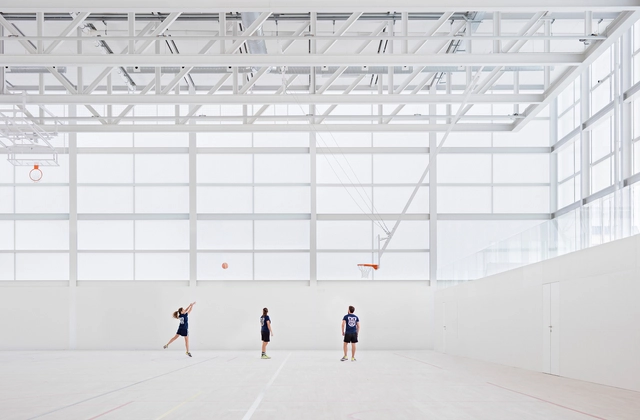
These athletic complexes have transformed from highly specialized venues into dynamic, multifunctional structures. Whether hosting major international events such as the Olympic and Paralympic Games or serving as gathering spots for local communities, these spaces strike a delicate balance between addressing the needs of specific sports and maintaining the flexibility to accommodate a range of activities. How do these diverse functions coexist and interconnect? This analysis will explore how sports facilities are configured as flexible hubs for other disciplines and everyday activities.
https://www.archdaily.com/1020243/from-wooden-shells-to-polycarbonate-panels-the-materials-shaping-flexible-sports-spacesEnrique Tovar
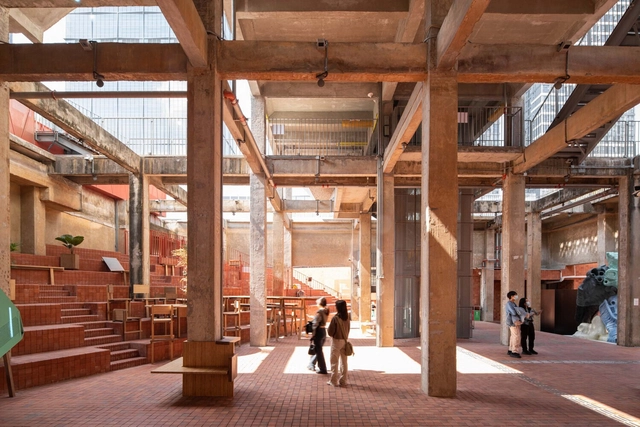
How have architecture and building design adapted to unforeseen future uses? As cities evolve, their needs for buildings inevitably change. Buildings may transition between cultural, commercial, industrial, and office functions depending on a city's identity and economic activity. In a world that is becoming increasingly dynamic and fast-paced, it's essential to consider the challenges static structures face when required to meet new demands. Cities have repurposed these static structures in ways not anticipated during their original design, with many successes in repurposing industrial buildings. Unlike structures designed with flexibility in mind, most manufacturing facilities were not initially intended for multiple uses. Yet, how have cities, communities, and occupants used these spaces, and what are the challenges of transforming a building’s existing uses?




















.jpg?1637144526&format=webp&width=640&height=580)


.jpg?1637144526)