

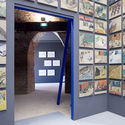
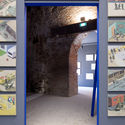
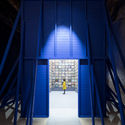
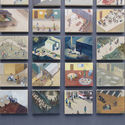
Among the many topics explored at the 17th Venice Architecture Biennale, the idea of community has been at the forefront, with several national pavilions exploring its many manifestations, evolution, and its relationship with the future of built environments. ArchDaily met with the curators of Testimonial Spaces, Emilio Marín and Rodrigo Sepúlveda, the Chilean Pavilion at the Biennale, and discussed how the project tackled the question of the future of living together and how they bridged the stories from Santiago to Venice. The interview was conducted in Spanish but is provided with English subtitles.
AD Interviews: The Latest Architecture and News
"There is a Relationship Between Narrative and Architecture": In Conversation with Emilio Marín and Rodrigo Sepúlveda, Cuartors of the Chilean Pavilion

https://www.archdaily.com/964082/there-is-a-relationship-between-narrative-and-architecture-in-conversation-with-emilio-marin-and-rodrigo-sepulveda-cuartors-of-the-chilean-pavilionDima Stouhi
Madame Architect's Julia Gamolina: "The More Architects Can Accumulate Skills to Run a Business and Tell a Compelling Story, the Better Their Work Will Be"
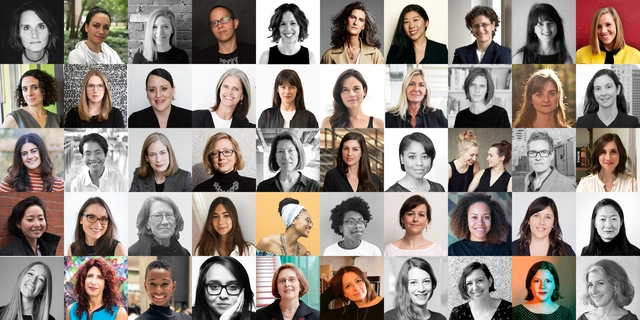
Madame Architect, the platform dedicated to the built environment and to the empowerment, advancement, and visibility of the women who work in it, has just reached a milestone, publishing over 250 interviews with the females who shape our world. “Designed to break the architect’s mold”, the website was founded 3 years ago by Julia Gamolina, an architect that shaped her own path in the field, becoming Director of Strategy at Trahan Architects, focusing on the business, its development, growth, and evolution.
Archdaily's Christele Harrouk had the chance to speak to Julia Gamolina, Founder, Editor-in-Chief of Madame Architect, and one of Professional Women in Construction's "20 Under 40", to discuss her career choices, the online magazine, the business of architecture and communication.
https://www.archdaily.com/963914/madame-architects-julia-gamolina-the-more-architects-can-accumulate-skills-to-run-a-business-and-tell-a-compelling-story-the-better-their-work-will-beChristele Harrouk
ODA Imagines the Future of the Streets of New York, Introducing Public/Private Spaces and a New Pedestrian Experience
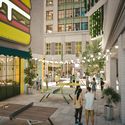
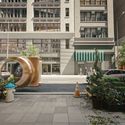
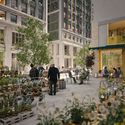
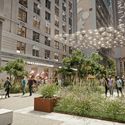
ODA has just launched its latest project, an urban vision for the future of the streets of New York. The project titled Beyond the street- Reimagining the flower district proposes to transform a city block from the outside in, altering the pedestrian experience and introducing new zoning changes that would give landowners air rights or tax credits in exchange for handing over their inner courtyards to be transformed into public/private spaces.
ArchDaily had the chance to talk with Eran Chen, founding principal and executive director of ODA, about the firm’s very special proposal that seeks to improve our urban environment. Check the interview and watch ODA’s explanatory movie.

https://www.archdaily.com/963470/oda-reimagines-the-streets-of-new-york-introducing-public-private-spacesChristele Harrouk
"The Profession is in Dire Straits": GLUCK+ on the Future of Architecture and Design-Build
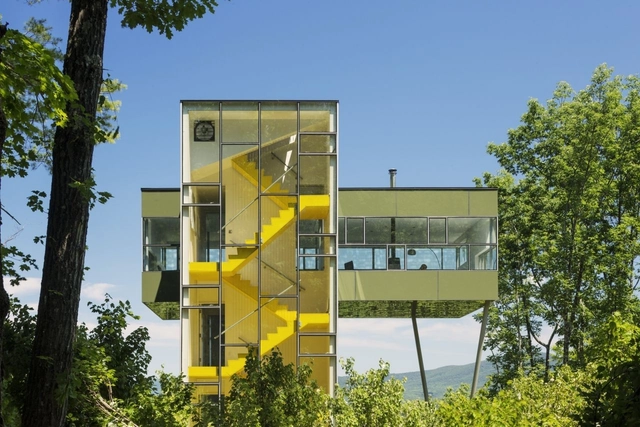
Architecture is inherently tied to building and construction. When these processes are aligned, great structures take shape. For architecture, construction and development firm GLUCK+, design and building go hand-in-hand. From designer and builder to owner and developer, the practice has taken on diverse roles to bring innovative projects to life. Looking to the future, Principal Thomas Gluck explores how the firm is creating work in New York City and across the United States.




https://www.archdaily.com/963000/the-profession-is-in-dire-straits-gluck-plus-on-the-future-of-architecture-and-design-buildEric Baldwin
Hashim Sarkis on “How will we live together?”: Exploring the Question of the 2021 Venice Architecture Biennale
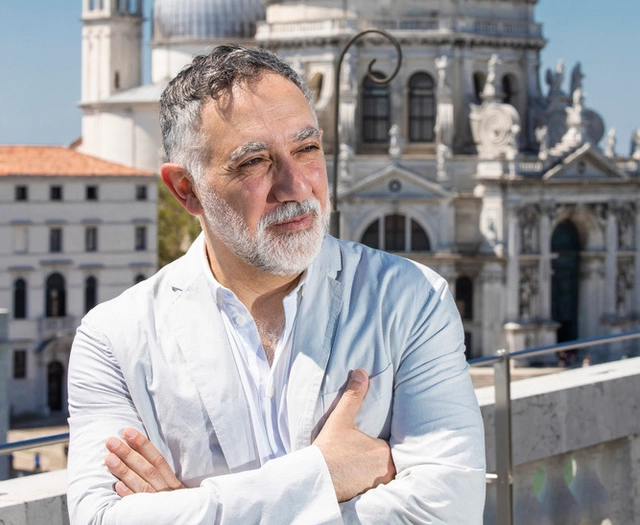
Scheduled originally from August to November 2020, the 17th Venice Architecture Biennale was postponed, like every other event this year, and will be held from May 22nd to November 21st, 2021, due to the pandemic. Questioning “How will we live together?” the original statement of curator Hashim Sarkis, called upon architects “to imagine spaces in which we can generously live together”. Relevant today more than ever, with the current worldwide circumstances, the theme of the Biennale is in fact the focus of interest of the global scene.
After having discussed “How will we live together?” in 2019 with Hashim Sarkis in Venice, ArchDaily had the chance to open the debate once more and re-examine the question of the Architecture Biennale. In a two-part interview, the architect tackles the theme, the Biennale, the present situation, and the future.
https://www.archdaily.com/949137/hashim-sarkis-on-how-will-we-live-together-exploring-the-question-of-the-2021-venice-architecture-biennaleChristele Harrouk
"The House is the Most Flexible Space Ever": Interview with Pippo Ciorra and André Tavares
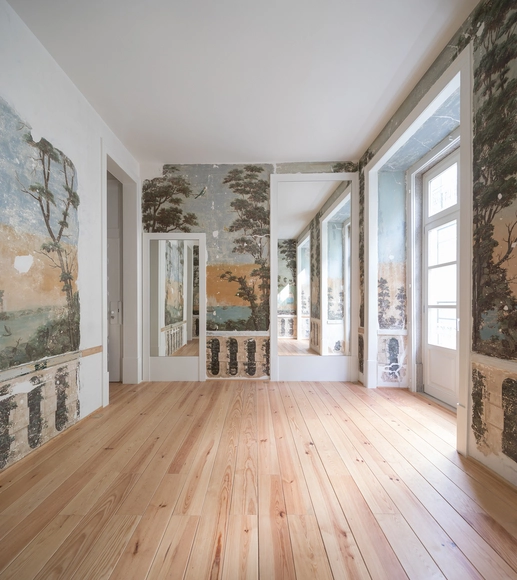
"The house is among the first concepts shared by society and architecture", states André Tavares and Pippo Ciorra, curators of the exhibition called At Home: Projects for Contemporary Housing, on display at Garagem Sul / Centro Cultural Belém, in Lisbon. The show, which is the unfolding of another one previously held at the MAXXI Museum in Rome, gathers pieces from the huge collection of the Italian institution and seeks intersections with contemporary Portuguese architectural production. Its main topic – the house, the home – has never been more discussed than right now.
Bringing together houses of different scales, built in diverse locations by various methods and techniques, and designed by Italian, Portuguese and international architects, the exhibition gathers, in groups of three, projects from which it is possible to weave relationships that go beyond geographies and materialities and foster reflections about the future of housing and what the home of tomorrow will look like.
We had the opportunity to talk with Tavares and Ciorra about the exhibition, its motivations and expectations with its opening in the physical venue of Garagem Sul. Read below.


https://www.archdaily.com/959230/the-house-is-the-most-flexible-space-ever-interview-with-pippo-ciorra-and-andre-tavaresRomullo Baratto
What is Architecture? According to our Readers
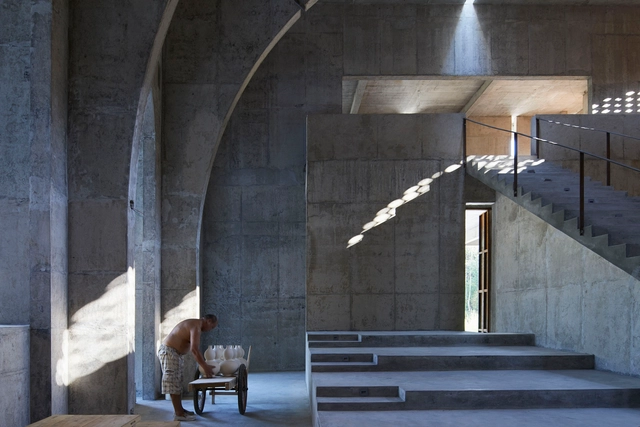
Continuing our quest to redefine how architecture is perceived nowadays and exposing the different notions out there, ArchDaily gave space for its users to answer four fundamental questions: "What is architecture? What can architecture do? What is your architectural position? What is your design method?" With around 200 entries per interrogation, gathered from all over the world, the ideas shared are mostly complementary and non-conflicting, underlining a general understanding of the role and essence of this field.
After having shared insights, in collaboration with WIA, from 16 different notable figures in the architectural scenes, such as Odile Decq, Kjetil Thorsen from Snøhetta, Peter Cook, Anna Heringer, Yona Friedman, Ma Yansong from MAD Architects, Liam Young, and Wolf D. Prix from Coop Himmelb(l)au, to name a few, this article highlights the best responses of our readers to the timeless interrogation "What is architecture?"


https://www.archdaily.com/960128/what-is-architecture-according-to-our-readersChristele Harrouk
"As Long as There Are Human Beings and their Challenges, There Will Be Architecture": In Conversation with Ole Bouman
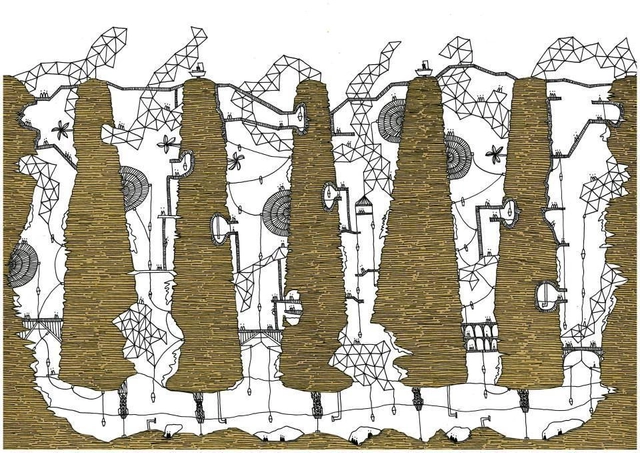
Believing firmly that "architecture is [...] too important to leave solely to architects", Ole Bouman embarked on diverse activities throughout his three decades of work, reflecting on “architecture, not so much as the art or technique of making buildings, but architecture as the intelligent way to organize our lives on earth, and infuse it with purpose”.
After having shared Bouman's essay Finding Measure, ArchDaily had the chance to discuss with Design Society’s founding director his thoughts on the role of architecture, the current challenges of the world, the digital revolution, and many other thought-provoking topics.



https://www.archdaily.com/959771/as-long-as-there-are-human-beings-and-their-challenges-there-will-be-architecture-in-conversation-with-ole-boumanChristele Harrouk
HerCity: Digital Toolbox for Sustainable, Equal and Inclusive Cities
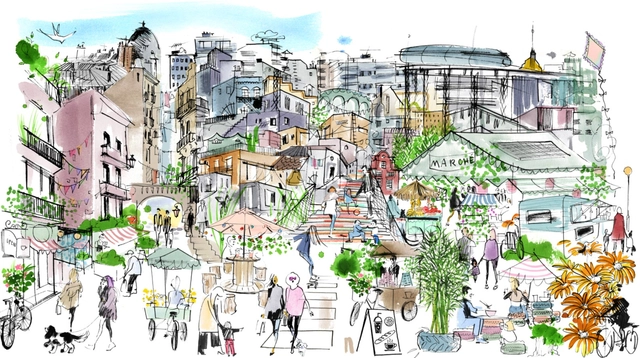
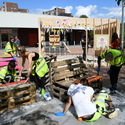
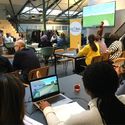
HerCity is a platform that involves women in urban development, in order to make better cities for everyone. Turning the tables and putting girls in the expert position, the digital toolbox aims to create more inclusive, equal, and sustainable cities and communities. The initiative makes methods and tools available to urban actors globally, in order to support cities in integrating girls’ participation in their long-term strategies.
Launched on Women’s day 2021, the guide for urban planning and design is a collaborative effort between UN-Habitat and Global Utmaning, the Swedish independent think tank. ArchDaily had the chance to talk with the team behind this digital toolbox, discussing the narratives, the process, and inclusive planning on a worldwide level.


https://www.archdaily.com/958277/hercity-digital-toolbox-for-sustainable-equal-and-inclusive-citiesChristele Harrouk
Form Follows Feeling: Trauma-Informed Design and the Future of Interior Spaces
.jpg?1615322008&format=webp&width=640&height=580)
Many architects and designers have highlighted the importance of taking into account all five senses during the design process, in order to create a successful user experience. Fortunately, many strategies have been implemented to facilitate the experience of those who are physically impaired, however, little is being done to aid those who feel helpless and restricted due to mental illnesses and traumatic experiences.
Healing from these experiences is a journey that requires a lot of effort from both the individual and everything and everyone around him/her. Oftentimes, victims of trauma are advised to spend more time in the outdoors, embracing the restorative qualities of nature. But what about interiors? Since people are now spending almost 90% of their time indoors, it is only natural that these spaces contribute to the healing process as well. And while these spaces can look beautiful with an abundance of natural light and neutral color palettes, are they truly beneficial to their mental health?
https://www.archdaily.com/958099/form-follows-feeling-trauma-informed-design-and-the-future-of-interior-spacesDima Stouhi
Building Community: The Women of Sasaki Designing More Sustainable and Inclusive Futures
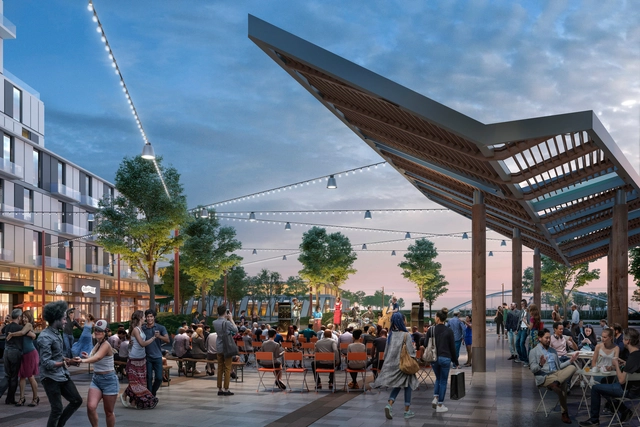
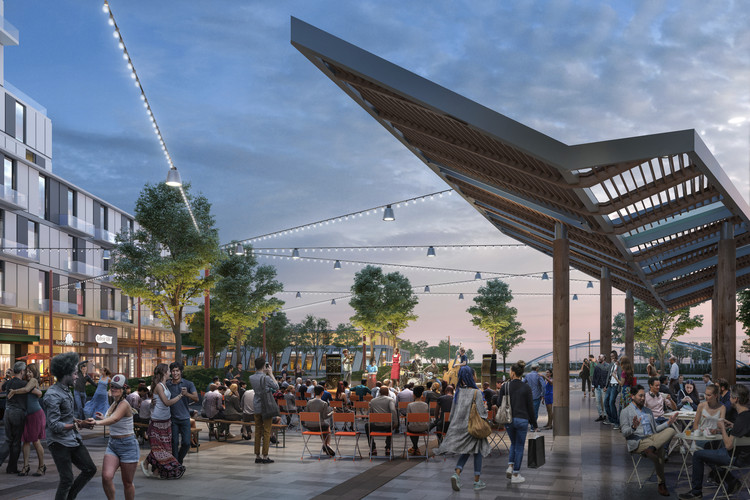
Celebrating community, three interdisciplinary leaders of design firm Sasaki are building space for change. Defining the future through collective, contextual, and values-driven projects, they are showing how working together produces greater impact. Following the belief that better design comes through open exchange and deep engagement, each of these women are creating more sustainable and inclusive futures.


https://www.archdaily.com/955626/building-community-the-women-of-sasaki-designing-more-sustainable-and-inclusive-futuresEric Baldwin
The Contemporary Approach to Rebuilding Cities Post-Disaster: The Case of Beirut
.jpg?1611093603&format=webp&width=640&height=580)
Almost 6 months ago, on August 4th, 2020, the city of Beirut was shaken by one of the biggest non-nuclear blasts in history. Leaving the northern side of the capital in ruins, the explosion damaged around 40,000 buildings. New contemporary structures completed recently by local international architects are now facing reconstruction dilemmas, raising existential questions such as: How should reconstruction efforts of “new” damaged buildings look like? Should architects rebuild them as they were before the blast, erasing what has happened or should they leave scars and portray new realities?
In order to explore ideas and highlight different perspectives, ArchDaily had the chance to sit with three architects whose buildings were impacted by the blast. Bernard Khoury, Paul Kaloustian, and Lina Ghotmeh talked about their projects and their vision of the reconstruction of Beirut with ArchDaily's Managing Editor, Christele Harrouk, alongside Architectural Photographer Laurian Ghinitoiu, who documented in a featured photo series the extent of the destruction.
.jpg?1611093772 "© Laurian Ghinitoiu")
.jpg?1611093604 "© Laurian Ghinitoiu")
.jpg?1611093961 "© Laurian Ghinitoiu")
.jpg?1611093888 "© Laurian Ghinitoiu")
.jpg?1611093603)
https://www.archdaily.com/955374/the-contemporary-approach-to-rebuilding-cities-post-disaster-the-case-of-beirutChristele Harrouk
The Women of HKS: Architects and Researchers Designing Resilient Cities
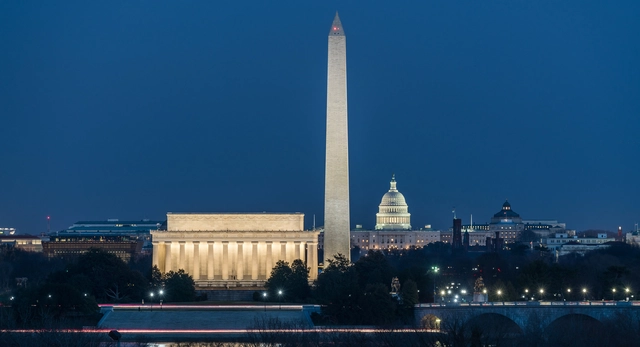
Designing resilient cities combines practical solutions with innovative ideas. Interdisciplinary global firm HKS is working to bring these ambitions to life with researchers, urban designers, nurses, anthropologists, graphic designers and more. Viewing design as a process of discovery, three directors at HKS are leading how cities explore research, equity and integration to create more resilient futures.
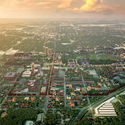




https://www.archdaily.com/955307/the-women-of-hks-architects-and-researchers-designing-resilient-citiesEric Baldwin
“Expanding the Biennial in Time and Space”: In Conversation With Mariana Pestana, Curator of the 5th Istanbul Design Biennial
.jpg?1609931383&format=webp&width=640&height=580)
With an on-going digital and physical evolution, the 5th Istanbul Design Biennial took a new approach. “Rather than focusing on the presentation of final results in a compressed period of time and space”, the global circumstances created the opportunity to present new projects on a longer period of time and in expanded spaces, offering not an exhibition but “a digital and research program with a series of permanent interventions in the city.”
Launched on October 15, 2020, the event brought together, with its new structure, different formats under the theme of Empathy Revisited. As the first part of the physical display has ended, ArchDaily had the chance to discuss with Mariana Pestana, architect and curator of the 5th Istanbul Design Biennial, the event and choice behind this year’s theme, the programs and the participants as well as the evolution of her approach due to the global circumstances.
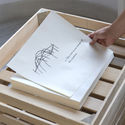
.jpg?1609924103 "theOtherForest. Image © Kayhan Kaygusuz")
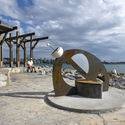
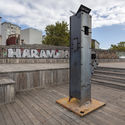
.jpg?1609931383)
https://www.archdaily.com/954540/expanding-the-biennial-in-time-and-space-in-conversation-with-mariana-pestana-curator-of-the-5th-istanbul-design-biennialChristele Harrouk
"The Section Is Where the Exterior and the Interior Comes Together": An Interview With Neri&Hu
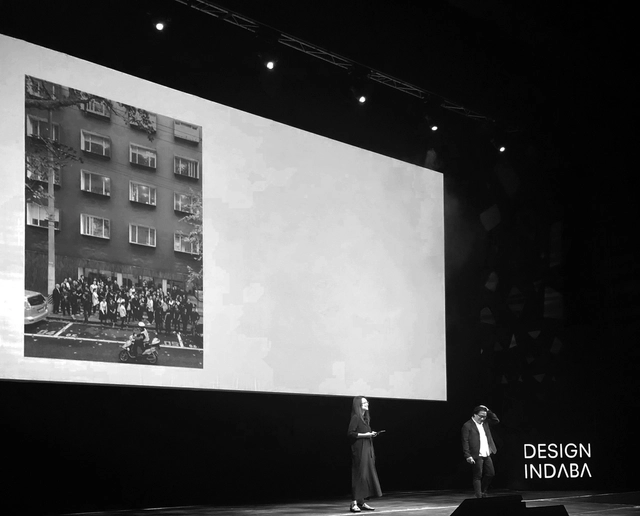
During the latest Design Indaba Festival, we have the chance to interview Lyndon Neri and Rossana Hu, from Neri&Hu Design and Research Office, a Shanghai-based inter-disciplinary architectural design practice, about their work and way of thinking about architecture.
https://www.archdaily.com/949737/the-section-is-where-the-exterior-and-the-interior-comes-together-an-interview-with-neri-and-huDanae Santibañez
10 ArchDaily Interviews Reflecting on the Future of Architecture
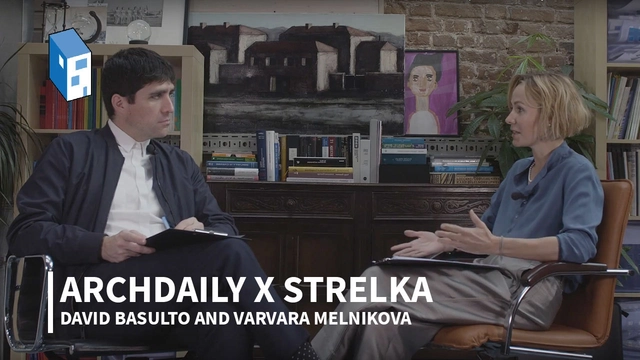
In order to inspire our audience, generate critical debates, and develop ideas, ArchDaily has been continuously questioning architects about the future of architecture. To define emerging trends that will shape the upcoming cities, examining “What will be the future of architecture?” became an essential inquiry. More relevant during these ever-changing moments, discover 10 interviews from ArchDaily’s archived YouTube playlists that will highlight diverse visions from 10 different pioneers of the architecture field.
https://www.archdaily.com/949607/10-archdaily-interviews-reflecting-on-the-future-of-architectureChristele Harrouk
Hashim Sarkis: “I Do Not Think We Have Ever Witnessed a Moment Where We Have Relied as Much on Architecture”
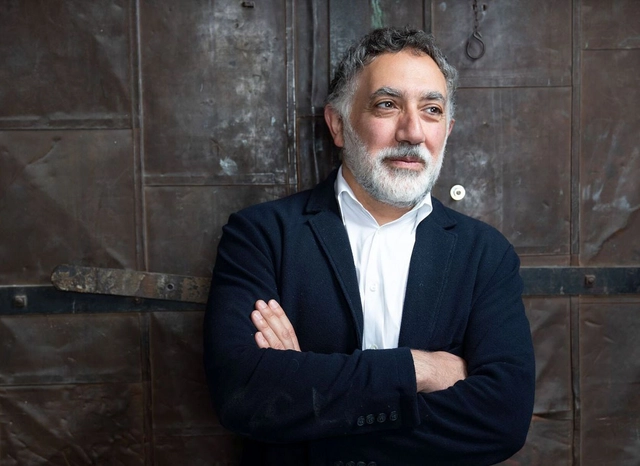
In the second part of his interview with Archdaily, Hashim Sarkis reflects on the future of architecture as he tackles the timeless question of the 2021 Venice Biennale. The curator of the Biennale, which proposes the question of “How Will We Live Together?”, discusses the role of the profession in the midst of all these new paradigms, stating that “Architects do change the world […] by creating […] wish images for what the world could be”.
In this feature, the curator of the anticipated biennale and dean of MIT School of Architecture and Planning presents his views on the evolution of Architecture, and the new directions the academic world should take, to reflect “the complexity of the urban problems of today”. Sarkis also brings up Beirut, discussing reconstruction approaches, civil society, and the exasperating notion of resilience.
https://www.archdaily.com/949523/hashim-sarkis-i-do-not-think-we-have-ever-witnessed-a-moment-where-we-have-relied-as-much-on-architectureChristele Harrouk
"We Need to Reimagine Public Space": Leonardo Fernandes Dias Explores Human Scale and Urban Life
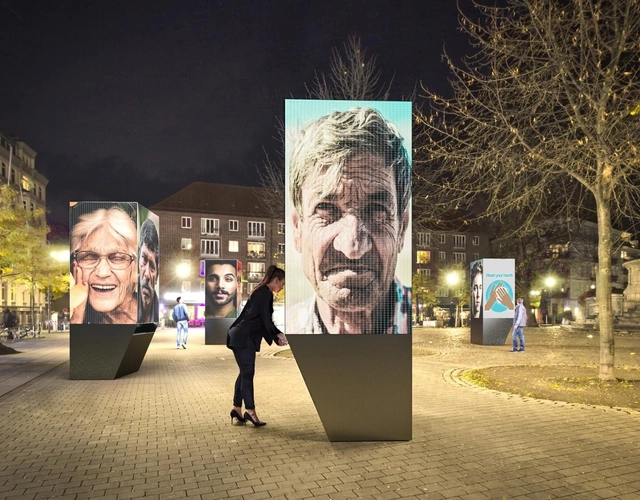
Designing for human scale begins with contemporary culture and everyday life. As the COVID-19 pandemic transformed how we work and live around the world, it's also changed how we think about human scale in the city. For Brazilian architect Leonardo Fernandes Dias of LADO Arquitetura, the global transformation in urban life is directly tied to health, public space and architecture.
.jpg?1601935004 "© Gabriel Kiss")

.jpg?1601934546 "Courtesy of Leonardo Fernandes Dias")
.jpg?1601934475 "Courtesy of Leonardo Fernandes Dias")

https://www.archdaily.com/949026/we-need-to-reimagine-public-space-leonardo-fernandes-dias-explores-human-scale-and-urban-lifeEric Baldwin