-
Architects: Mork-Ulnes Architects
- Area: 476 m²
- Year: 2024
-
Manufacturers: Sherwin-Williams, Artemide Dioscuri, Bartok Design, Benjamin Moore, Brizo, +9



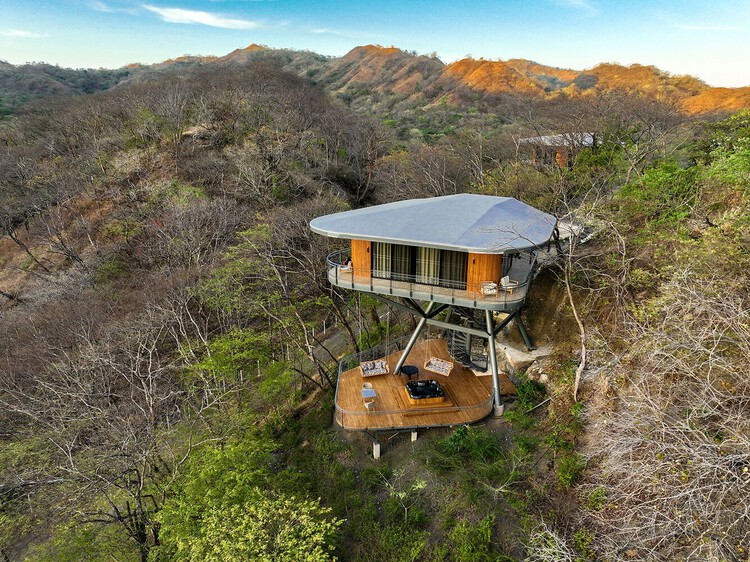
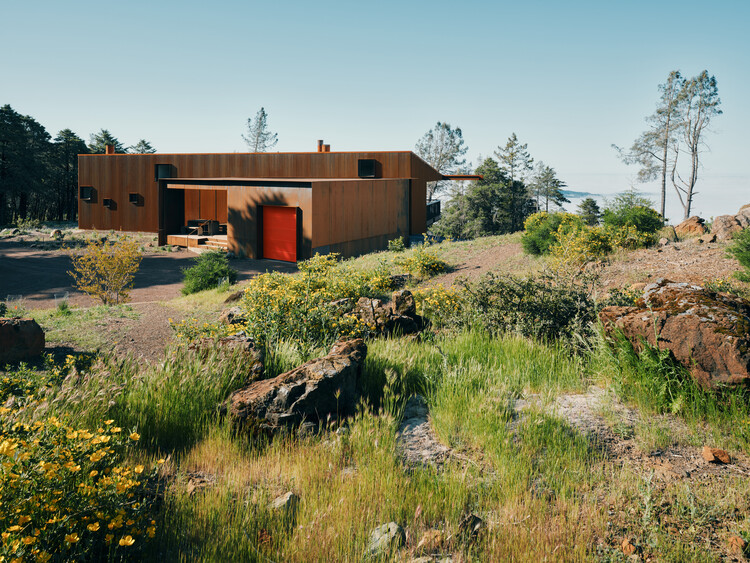
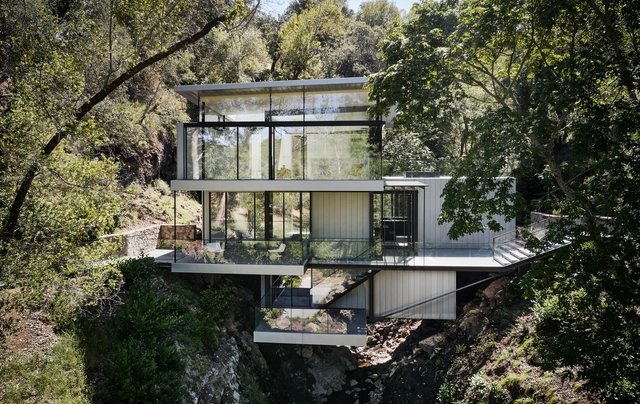
The relationship between constraint and design excellence is well established in architectural theory, yet often remains underexplored in discussions of site-specific practices. When architects encounter extreme topography, they face a fundamental choice: transform the landscape to accommodate the building, or modify the building to fit the landscape. The first approach is straightforward and requires the builder to cut, fill, terrace, and build on level ground. This choice, however, carries cascading consequences as any amount of earth moved may destabilize slopes, disrupt drainage, and fracture ecosystems. A growing body of innovative architectural work demonstrates an alternative to earth-moving and retaining walls.


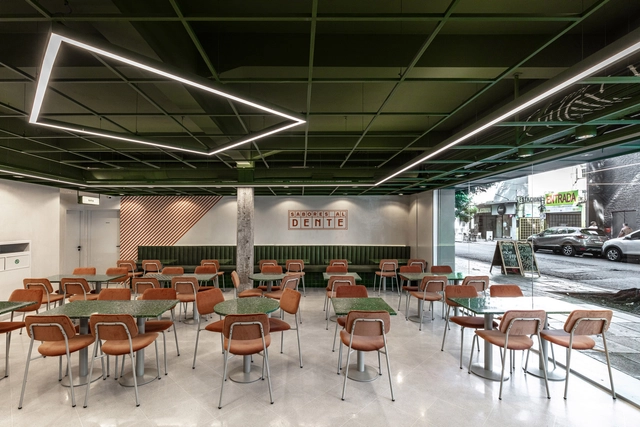
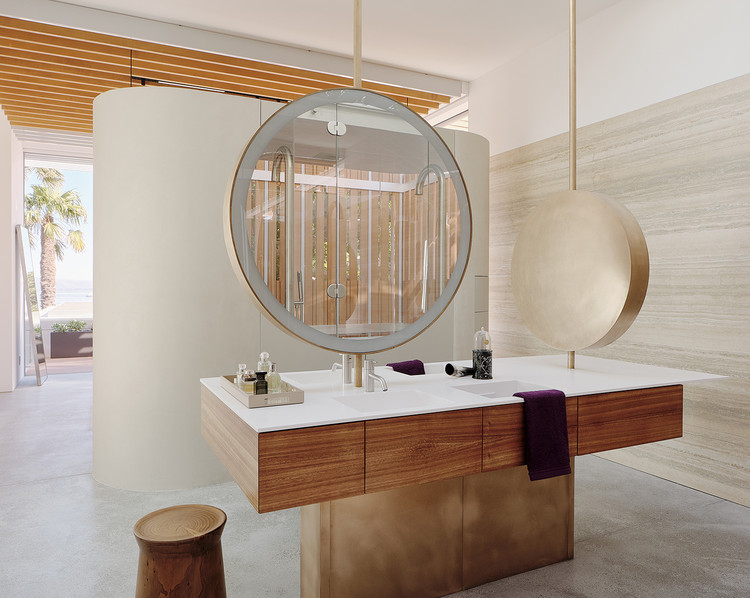
In contemporary interior architecture, service provisions—mechanical, electrical, HVAC, plumbing—are almost always treated as elements to be concealed. Thickened wall cavities, extensive dropped ceilings, and, in regions where solid construction such as brick or concrete prevails, furred-out walls are routinely employed to hide these systems. This approach has become so normalized that it often forms the starting assumption for spatial planning, inherently constraining imagination and reducing the range of spatial possibilities. The priority shifts towards covering-up, rather than exploring how these systems might coexist visibly within a design language.
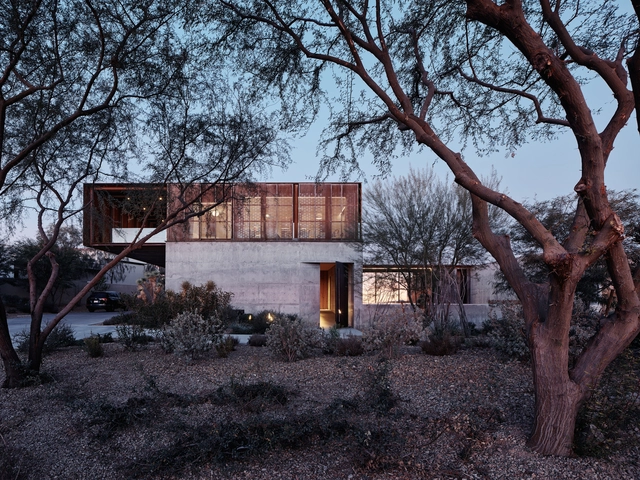
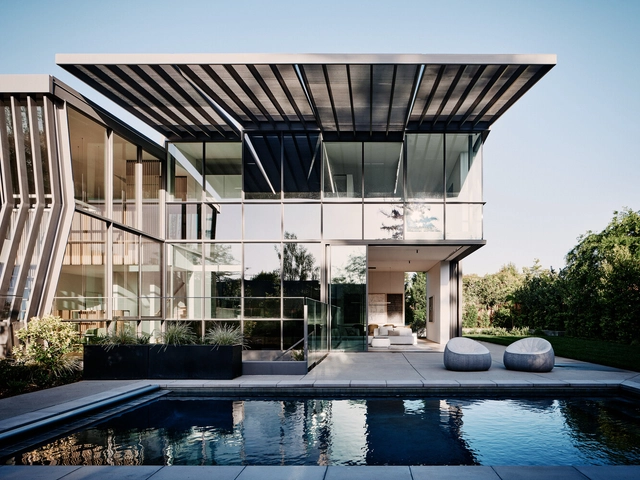
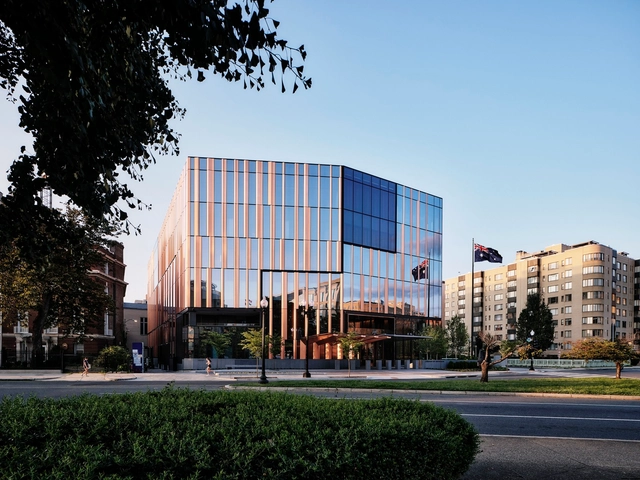
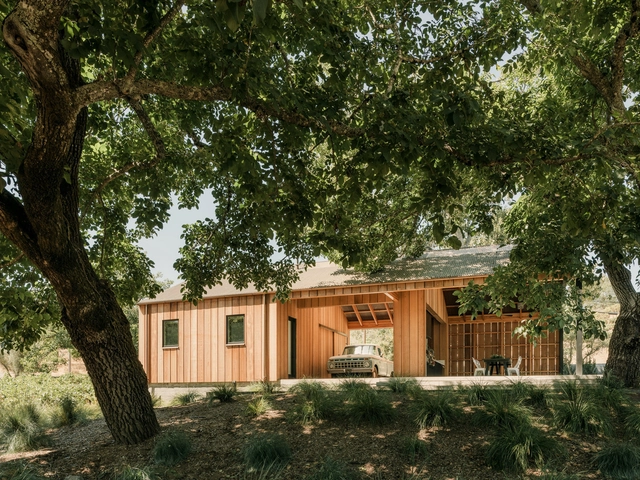
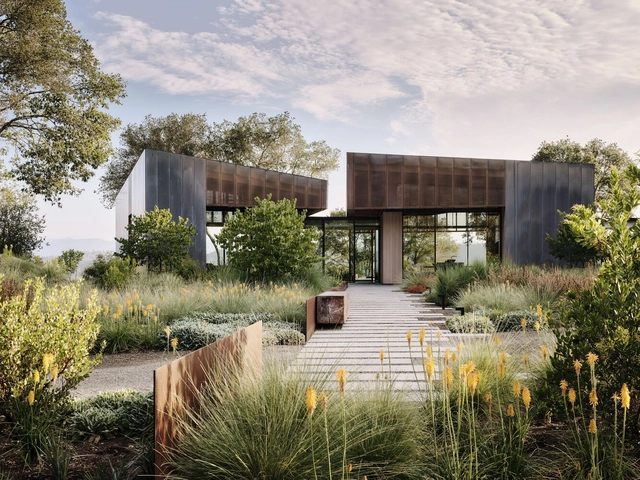
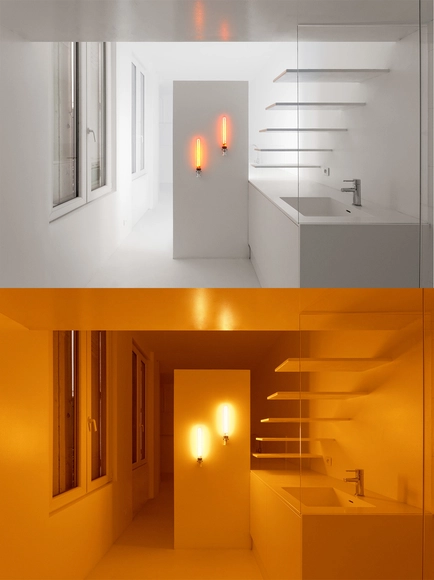
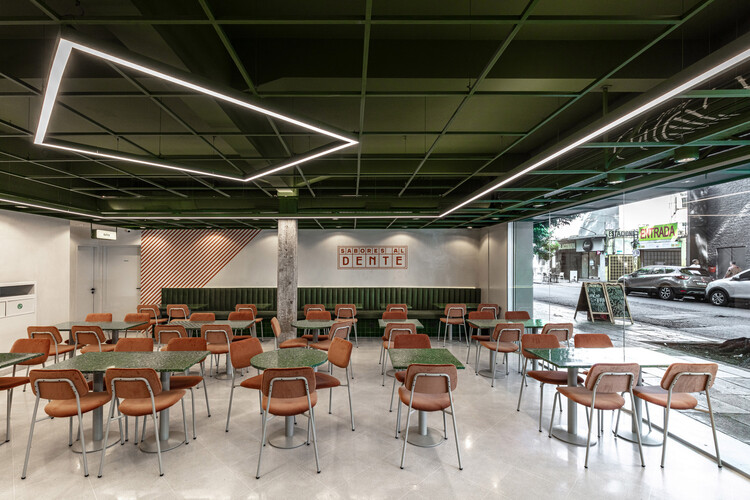
Light is a key feature in architecture. Centuries ago, the sun and fire were the only sources of illumination, but in today's technology-driven world, artificial lighting and cutting-edge optical technologies have found ways to mimic the qualities of natural light, making it possible to have a naturally-lit-looking space within four walls. LED technologies have even made it possible to embed lighting in furniture, interior surfaces, and facades, altering their intensities and hues to make light a main feature in the architecture's storytelling.
If used effectively, lighting can become a lot more than just an illuminator; it becomes a mood setter, a symbol of a specific emotion the architect is trying to convey. For instance, indirect lighting becomes a floater, levitating the walls from the ground and making the space seem lighter in weight, whereas orange light manipulates the space's temperature, creating the illusion that the users are walking into an intense, overheated room.
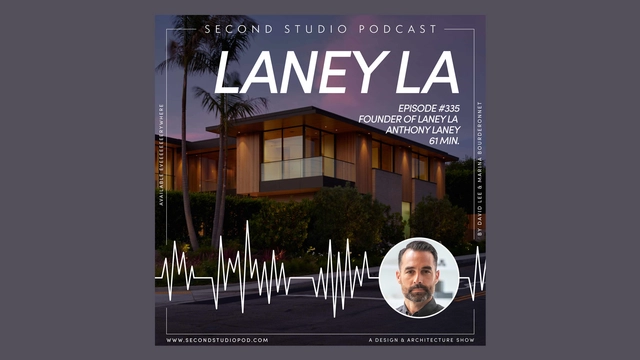
The Second Studio (formerly The Midnight Charette) is an explicit podcast about design, architecture, and the everyday. Hosted by Architects David Lee and Marina Bourderonnet, it features different creative professionals in unscripted conversations that allow for thoughtful takes and personal discussions.
A variety of subjects are covered with honesty and humor: some episodes are interviews, while others are tips for fellow designers, reviews of buildings and other projects, or casual explorations of everyday life and design. The Second Studio is also available on iTunes, Spotify, and YouTube.
This week Anthony Laney, Founder of Laney LA joins David and Marina of FAME Architecture & Design to discuss the iterative design process, leadership and teamwork, how Laney LA has evolved, designing different kinds of buildings, refining their design sensibilities, and more!


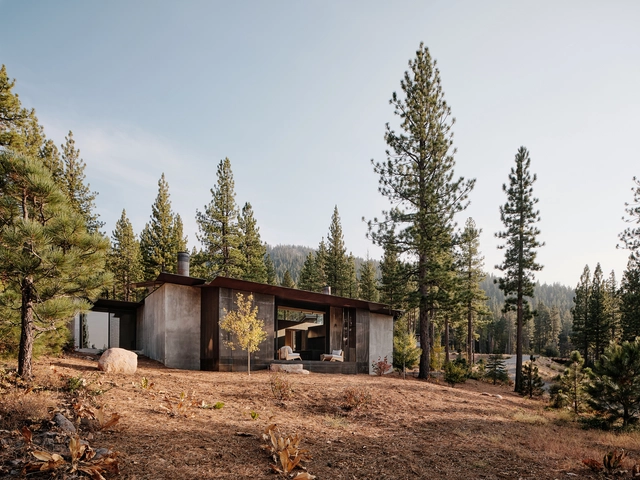

Once popular in Victorian architecture, pocket doors fell out of fashion in the mid-1920s and hinged doors soon became the norm. In recent years, however, a renewed interest in space-saving and design-forward solutions has brought pocket doors back into the limelight. What used to be an overlooked architectural feature is now becoming increasingly common in modern interiors, along with its creative flair and countless functions. These sleek, sliding doors can efficiently divide rooms, create seamless transitions, save space and contribute to a unique, sophisticated and stylish look. All of this while adding a slight touch of poetry to the home; sliding silently into the wall, pocket doors invite users to step through and explore what lies beyond, creating a strong sense of mystery and intrigue.