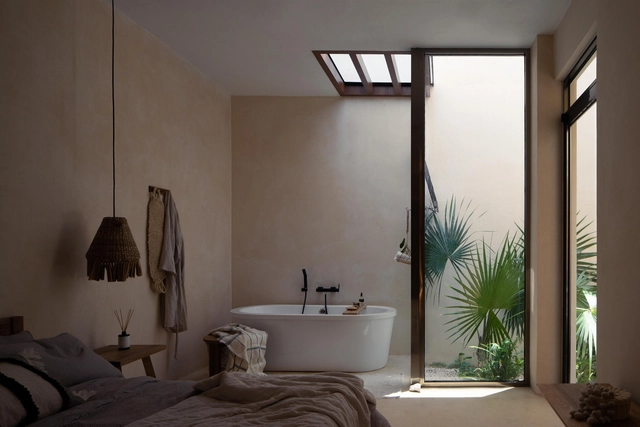
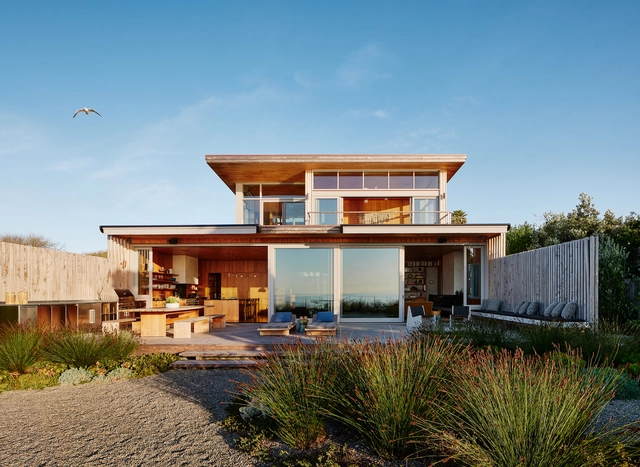
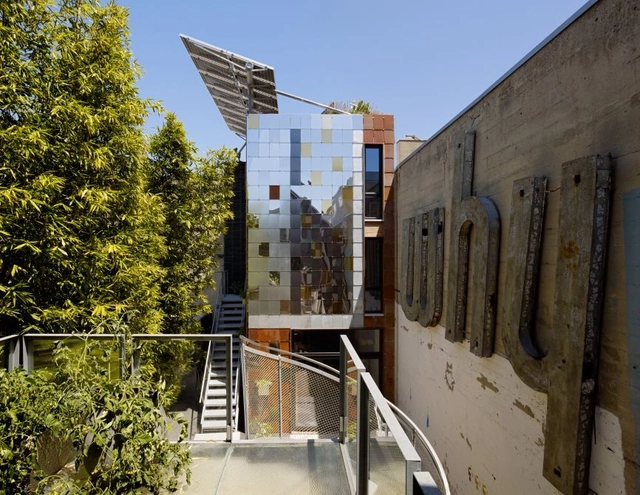
Climate is one of the key factors to take into consideration when designing a space. Of course, this can present a challenge, especially when dealing with extreme climates and the need for insulating materials that are able to adapt to a wide range of conditions. Luckily, for architects operating in Mexico, the country's privileged climate facilitates the creation of microclimates and spaces that blur the line between interior and exterior.
The Second Studio (formerly The Midnight Charette) is an explicit podcast about design, architecture, and the everyday. Hosted by Architects David Lee and Marina Bourderonnet, it features different creative professionals in unscripted conversations that allow for thoughtful takes and personal discussions.
A variety of subjects are covered with honesty and humor: some episodes are interviews, while others are tips for fellow designers, reviews of buildings and other projects, or casual explorations of everyday life and design. The Second Studio is also available on iTunes, Spotify, and YouTube.
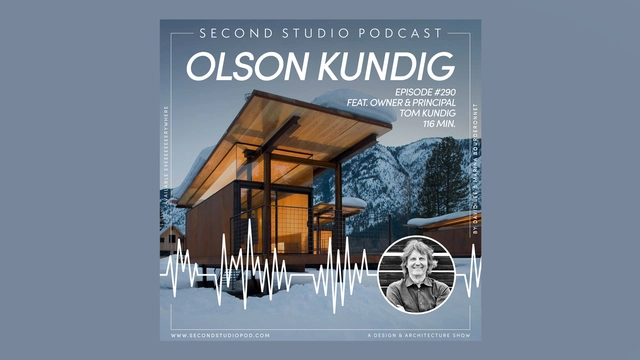
This week David and Marina are joined by architect Tom Kundig, owner and design principal of Olson Kundig to discuss his childhood amongst artists and architects; mountain climbing, skiing, and a near-death experience; his philosophy and positive outlook on life; the practice and his partnership with Jim Olson; architectural processes, tools and his experience with materiality; opening a New York Office; and more.
Over the years, interior design has evolved according to the needs that arise, but above all according to the experiences it seeks to evoke in the user. In the last two years we have witnessed a radical change and a special interest in this subject because the pandemic forced us to pay specific attention to the configuration of the places we inhabit. This brought about much more holistic designs that seek to address the wellbeing of the user, combining colours, sensory experiences, technology and natural elements that promote health.
Food pyramids are familiar to all of us. They are visual guides that show us the proportions of foods that we should supposedly eat on a daily basis, in order to stay healthy. Composed of a series of layers with different food types–such as grains, flour, fats, vegetables, and others–, at the base are the foods that should be consumed in larger quantities. Towards the top, each layer becomes successively smaller, indicating the foods that are meant to be ingested rarely. The pyramid can vary according to countries and cultures, but its main purpose is always to provide a guide for a balanced life. There are no prohibitions, but it does indicate some foods that should be consumed with caution because of their impacts on our health.
If we are what we eat, is it possible to also replicate this in the construction industry and our buildings? Using this same easy to understand visual language, the Royal Danish Academy Center for Industrialized Architecture (Cinark) developed the Construction Material Pyramid. The idea was to highlight the environmental impact of the most used construction materials, focusing on the analysis of the first three life phases: extraction of raw materials, transportation and manufacturing.
The Second Studio (formerly The Midnight Charette) is an explicit podcast about design, architecture, and the everyday. Hosted by Architects David Lee and Marina Bourderonnet, it features different creative professionals in unscripted conversations that allow for thoughtful takes and personal discussions.
A variety of subjects are covered with honesty and humor: some episodes are interviews, while others are tips for fellow designers, reviews of buildings and other projects, or casual explorations of everyday life and design. The Second Studio is also available on iTunes, Spotify, and YouTube.
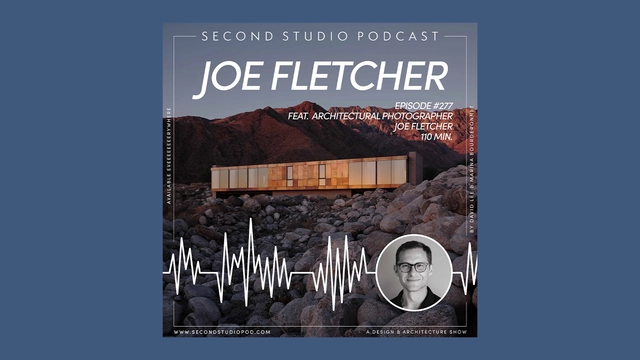
This week David and Marina are joined by Joe Fletcher, Architectural Photographer to discuss his transition from painting to photography; his experience with a formalized education in photography; how an architectural photographer can influence architects and architecture; his process; the distillation of architecture through photography; why photogenic buildings are not always comfortable to be in; and more.
As the climate crisis continues to present itself as a significant threat to the future of the ecosystem and built environment, this year's IPCC report, titled Climate Change 2022: Impacts, Adaptation, and Vulnerability, found that while adaptation efforts are being observed across all sectors, the progress being implemented so far is greatly uneven, as there are gaps between the actions taken and what is needed. On this year's Earth Day, we explore the progress being made by governments and architects to achieve net-zero operations within the next decades.
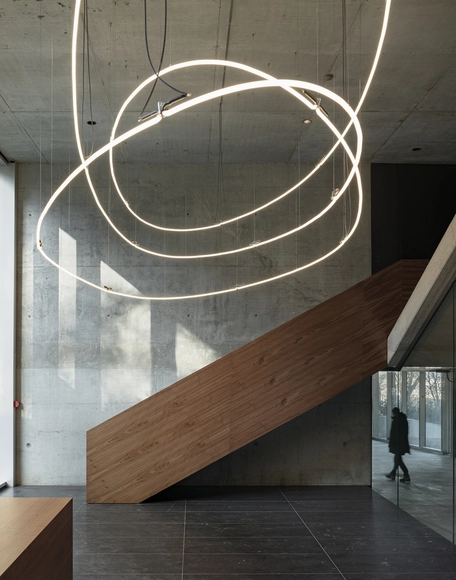
Light serves an essential purpose in architecture: to help us see. Whether it be through natural or artificial methods, rooms must be illuminated accordingly so occupants can safely inhabit them and fulfill their daily functions. When the right system is selected, light can also contribute to energy efficiency and sustainability within the building as a whole. However, apart from its evident functional and environmental value, lighting design can vastly impact the visual comfort and aesthetic tone of interiors by drawing attention to textures, enhancing colors and defining volumes. Therefore, of the many pieces involved in interior design, lighting is certainly one that can enhance or destroy a space and even affect users’ well-being, which is why it should be considered a crucial design element by itself.
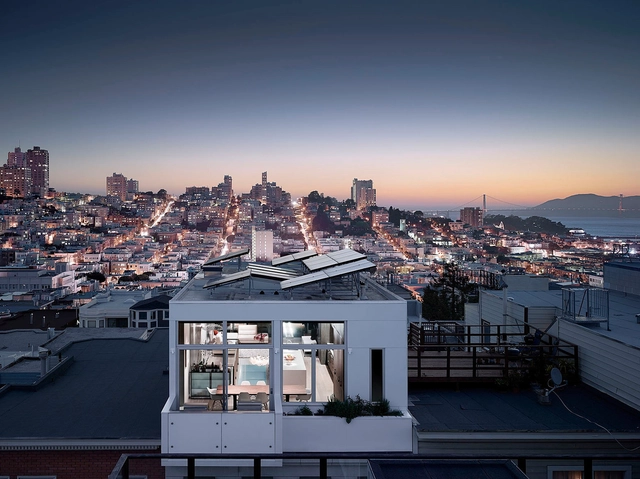
San Francisco is a city defined by its relationship to housing. Since the 90s it has faced an affordable housing shortage, and now, has some of the highest rents of any major US city. As planners and policy makers work to move beyond the city's past and find new paths forward, architects and designers are testing out diverse housing models. From dense residential towers to multi-unit developments, modern housing aims to strike a balance between economy and urbanity.
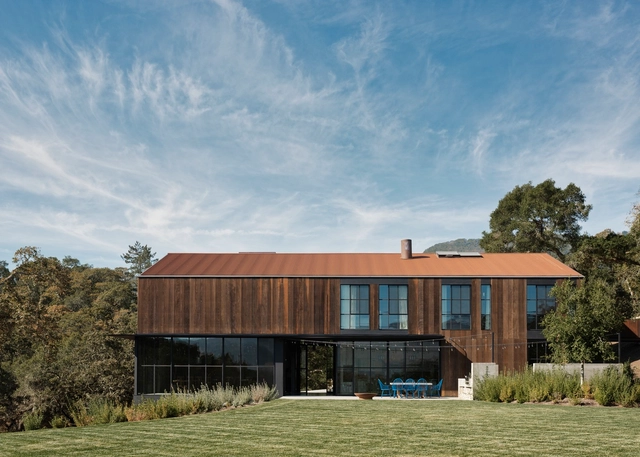
Few places have embraced sustainable design practices like California. Experiencing dramatic droughts, wildfires and environmental issues, the state has started to create new policies and initiatives to promote environmentally-conscious design solutions. From eco-districts and water management strategies to net-zero building projects, the Golden State is making strides to reshape its future. Forming long-term visions and procedures through the lens of physical resource consumption, California is working to better integrate its economic development plans with sustainable building methods.


.jpg?1587612590&format=webp&width=640&height=580)

.jpg?1587612634&format=webp&width=230&height=230&crop=true)


.jpg?1587612590)