

-
Architects: Bjarke Ingels Group, Heatherwick Studio
- Year: 2022
-
Manufacturers: SunStyle
-
Professionals: STUDIOS, Thornton Tomasetti, Integral Group, Olin, Arup, +6


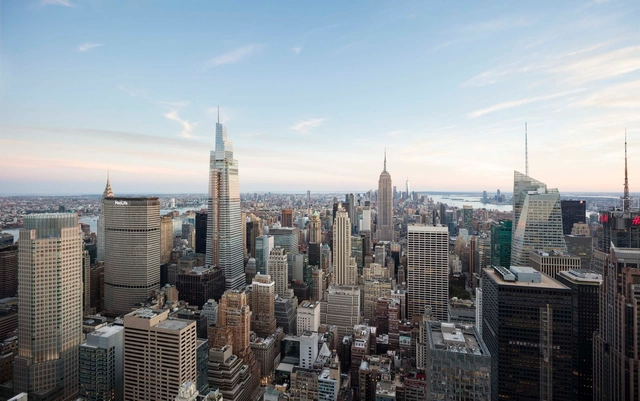
As the largest city in the United States, New York City is one of the most diverse and vibrant cities in the world, recognized by many as the center for global media, culture, fashion art, and finance. The city was founded in 1624 by settlers from the Dutch Republic and has since grown into “the city that never sleeps”.
While almost every style of architecture exists in New York City, the metropolis is most well known for its skyscrapers, both in historical styles such as Neoclassical and Art Deco and in their varied contemporary expressions. The first building to bring the world's tallest title to New York was the New York World Building, in 1890. Later, New York City was home to the world's tallest building for 75 continuous years, starting with the Park Row Building in 1899.
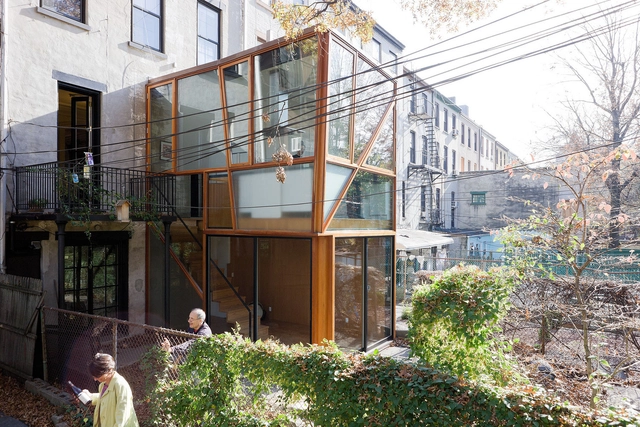
New York City is defined by its architecture, and in turn, diverse ways of living. As the nation's "metropolis," it has also faced some of the most challenging housing problems of any American city. From single-family homes to high-rise residential towers, housing has evolved at different paces and scales throughout the boroughs. In turn, each district and county is home to a wide range of residential styles and housing solutions.
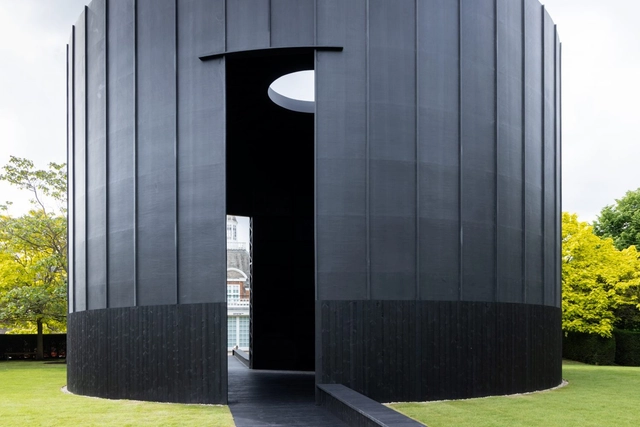
A few weeks ago, this year’s edition of the Serpentine Pavilion opened to the public. Designed by Chicago-based artist Theaster Gates, it’s an evocative project, its cylindrical form referencing American beehive kilns, English bottle kilns, and Musgum adobe homes found in Cameroon.
What the pavilion is named tells the viewer a lot more about its intentions as a spatial experience. Titled Black Chapel, it houses a spacious room with wraparound benches, and an oculus above that allows daylight to filter into the space. It’s a fairly minimal interior – designed as a site for contemplation and reflection. This minimal quality of Gates’ Serpentine Pavilion raises particularly interesting questions. How artists and architects opt for a “less is more” approach when designing meditative spaces, but also how these introspective spaces have been equally enhanced by ornamentation.
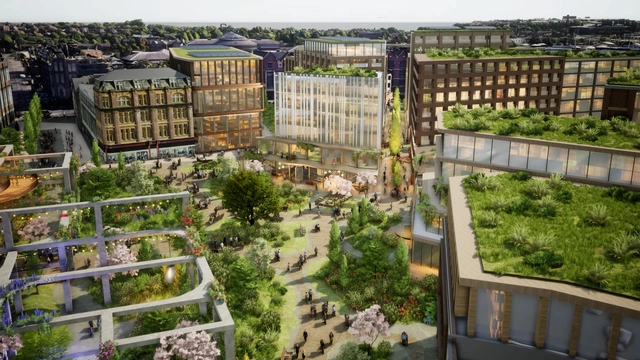
Heatherwick Studio is taking part of this year’s Royal Academy Summer Exhibition with two retrofit projects in the United Kingdom: Broad Marsh in Nottingham and Parnham Park in Dorset. Titled "Ruins Reimagined", the exhibition presents two different approaches to reusing existing architecture, from a Grade I-listed 16th century house to a partially demolished 1970’s shopping center, each offering a unique response in scale and heritage to the Summer Exhibition’s theme of ‘climate’. The models are on display in the Architecture Room until 21st August. This year, the Architecture Room is curated by Niall McLaughlin RA and Rana Begum RA, and will sit across two spaces, mixing art and architecture together.
.jpg?1654104044&format=webp&width=640&height=580)
The Mies Crown Hall Americas Prize (MCHAP) announced the 48 outstanding projects selected by the MCHAP 2022 jury. From the body of nominated projects, the jury elected 38 entries in MCHAP as outstanding among other submissions. The fourth prize cycle considers built works completed in the Americas between January 2018 to December 2021, nominated by an anonymous network of international experts and professionals.
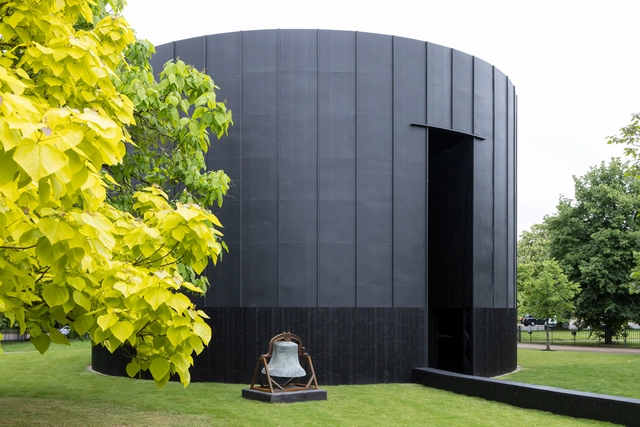
The 21st Serpentine Pavilion, Black Chapel, designed by Chicago-based artist Theaster Gates opens today, on June 10, 2022. On display until the 16th of October 2022, the project is realized with the architectural support of Adjaye Associates with Goldman Sachs’ patronage. In 2021, the Pavilion events program was planned to reflect Gates’ concept of interlinking architecture and music, particularly emphasizing artistic explorations of monastic sounds and hymns. The pavilion will act as a platform for Serpentine’s live program throughout the summer, offering the public space of reflection, connection, and joy.
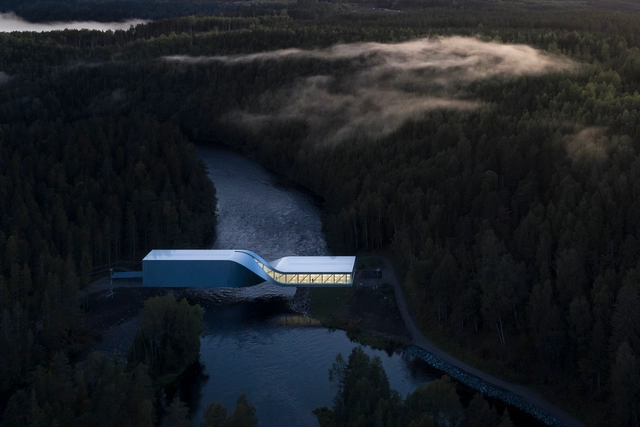
Architecture, with all its practitioners, academics, and theorists, have long been exploring utopic ideas with hopes of turning them into something concrete for the sake of a better world. But as the world heads towards an even greater polarization than it currently has, the architecture practice found itself having to adapt to the current systems of the planet, constrained by its ever-growing conditions. Slowly, practitioners realized that utopia can not truly be seen as the ideal solution, and needed to be readapted or morphed with other concepts for it to actually work. DETAIL's latest monograph BIG. Architecture and Construction Details / BIG. Architektur und Baudetails, a rapport between BIG’s imaginative, unbuilt utopias and functional, built architecture, explores 20 projects from the firm's workshop.
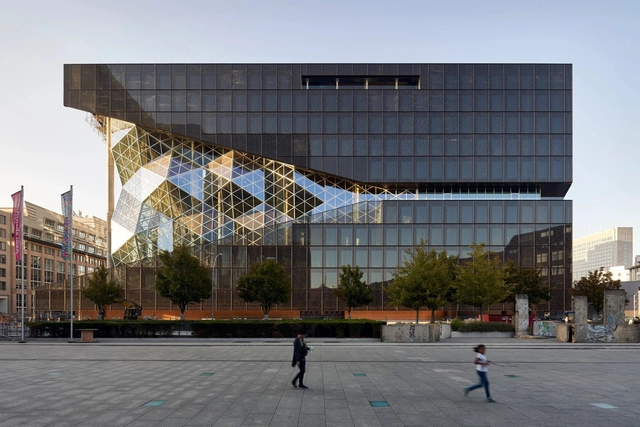
Berlin is a city defined by an eclectic mix of style and a rich history. It's built environment has been dramatically shaped by a series of municipal construction programs, and in turn, a past of extensive demolition, planned residential areas, and diverse new cultural projects. Combined with influences across Europe, Berlin's contemporary architecture showcases new ideas on building concepts, forms and facades.
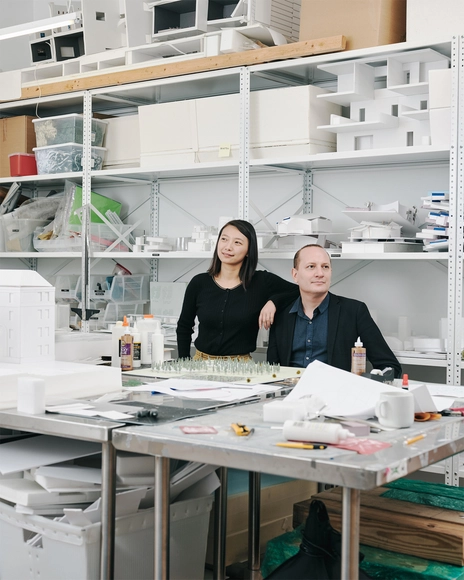
SO-IL Architects has been chosen to develop the conceptual design for a new building for the Williams College Museum of Art (WCMA) in Williamstown, Massachusetts. The project is set to provide the first stand-alone facility for WCMA, and will feature teaching spaces, collections, exhibitions and programs that will transform the museum’s engagement with the campus, as well as the Williamstown community and the Berkshires cultural region. The architecture firm was commended for its "inventive and enthusiastic approach to the museum’s teaching mission", putting art at the center of academia, student life, the campus, and community.


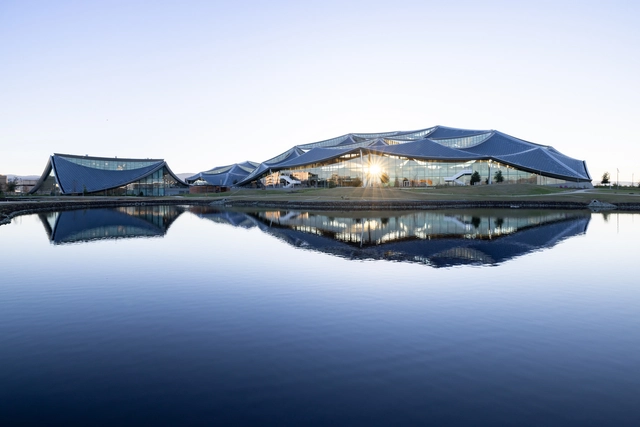
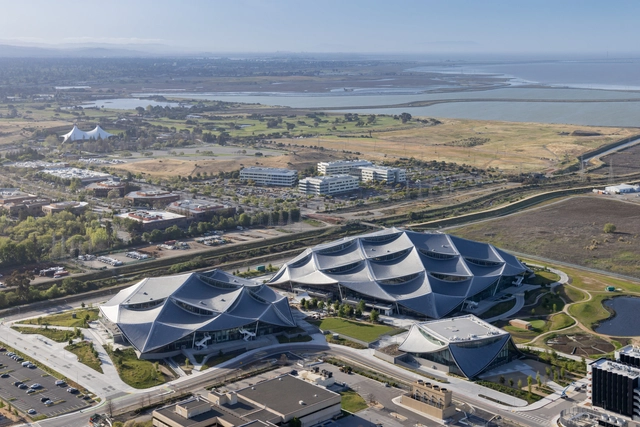
Google’s first ground-up campus, designed by BIG - Bjarke Ingels Group and Heatherwick Studios in collaboration with Google’s design and engineering teams, opened in Silicon Valley. The campus’ mission is to create a human-centric design for the future of Google’s workplace and set new global sustainability standards for construction and office design. The site aims to operate entirely on carbon-free energy by 2030; it integrates the most extensive geothermal pile system in North America and is net-water positive. The campus also includes 17 acres of high-value natural areas, including wet meadows, woodlands, and marsh.
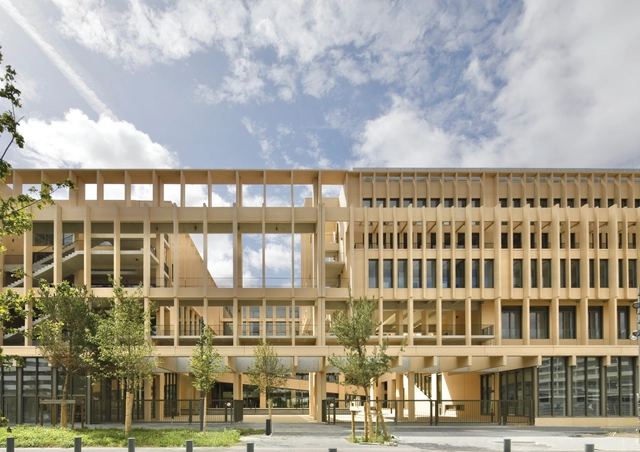
On the occasion of UNESCO’s International Day of Light, The Daylight Award has announced the 2022 Laureates; Yvonne Farrell and Shelley McNamara of Grafton Architects for their architecture, and Anna Wirz-Justice for her research. The winners were commended for their continuous exploration and prominent humanistic spirit regarding the celebration of daylight in their respective practices, allowing it to celebrate and enhance the quality of life.
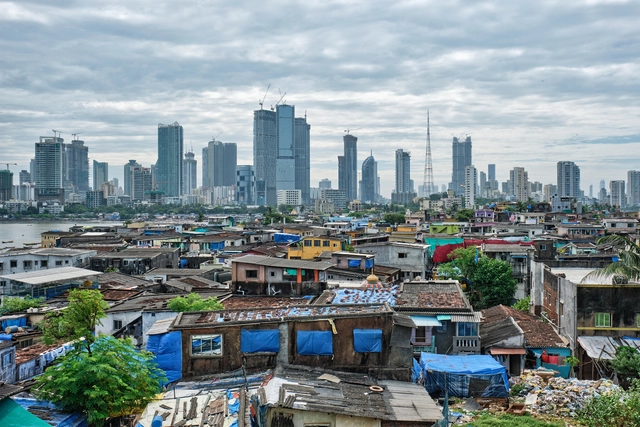
Almost seven kilometers from the green of Uhuru Park in central Nairobi, lies the informal settlement of Kibera. It is an area whose urban character consists of corrugated iron roofs, mud walls, and a complicated network of utility poles. Kibera, at this point in time, is a well-known place. Much has been written and researched on this “city within a city,” from its infrastructural issues to its navigation of the COVID-19 pandemic.
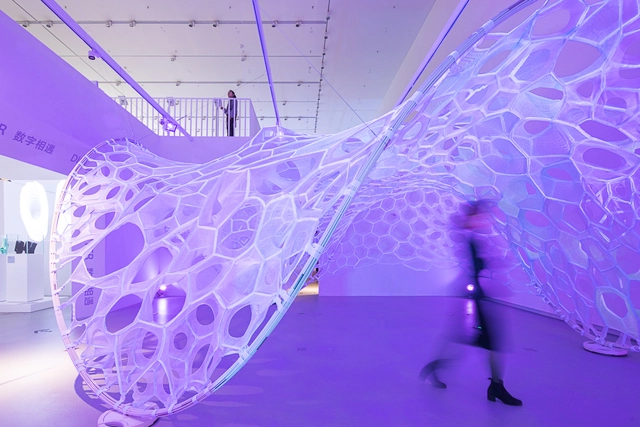
Architecture in its broadest sense concerns itself with the uprooting of structures that are permanent, cementing themselves within the greater cultural context and history of its humanity, however, where do we place the creation of structures that are designed with the intention to be disassembled. How much meaning and value can these structures hold, knowing they were never designed to last, but to simply take up space for a moment?


.jpg?1654104708&format=webp&width=230&height=230&crop=true)
.jpg?1654104468&format=webp&width=230&height=230&crop=true)
.jpg?1654104406&format=webp&width=230&height=230&crop=true)
.jpg?1654104044)


.jpg?1651830269&format=webp&width=230&height=230&crop=true)


