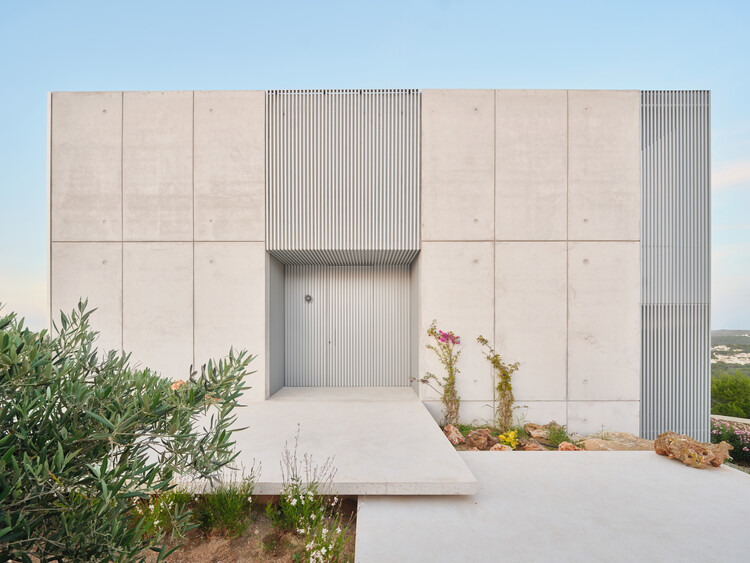
Adrià Goula

BROWSE ALL FROM THIS PHOTOGRAPHER HERE

Ideology of Performance: Sustainability and the Limits of Efficiency

This article is part of our new Opinion section, a format for argument-driven essays on critical questions shaping our field.

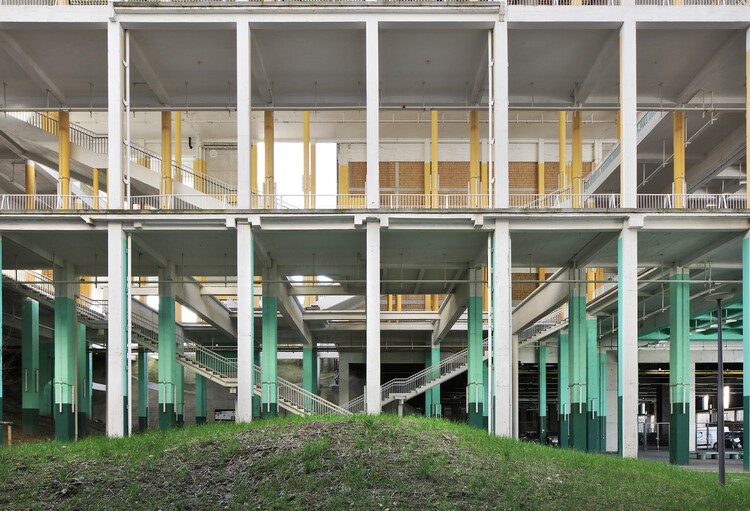
The modern sustainability project is built on the promise that evolving technologies can reconcile urban and economic growth with ecological responsibility. By the metrics developed by the built environment professions and the policies adopted by governments, progress is tangible and accelerating: buildings consume less energy per square foot than they did a generation ago, vehicles emit fewer pollutants per mile, and urban infrastructure is more integrated and measurably cleaner in many cities. And yet total resource consumption continues to rise. Sustainability, as currently practiced across the built environment professions, has become a strategy for optimizing consumption rather than reducing it. Until the profession is willing to question the scale and structure of demand rather than the efficiency with which that demand is met, its most celebrated achievements will continue to fall short of the problem they claim to address.

Ideology of Performance: Sustainability and the Limits of Efficiency - More Images+ 23

Facing the Age of Robots? Material Innovation in Architectural Structures

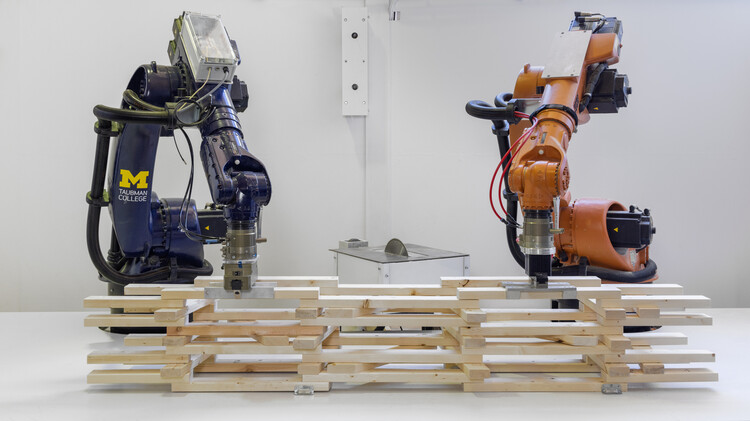
By exploring the art of robotics in construction, advances in architectural technologies are increasingly shaping multiple aspects of human life. From robotic arms and drones to robots that move across large surfaces and even 3D printing robots, their use in construction is accelerating research and the development of new working methods, as well as structural and material experimentation. In collaboration with multiple disciplines and spanning various facets of architecture, the role of robots in the contemporary landscape demonstrates a potential that extends beyond merely automating processes or reducing construction times and costs. This raises the question: Are we building architecture to serve technology, or technology to serve architecture?

Facing the Age of Robots? Material Innovation in Architectural Structures - More Images+ 17

Heritage Transformations, New Capital Cities, and Residential Innovations: This Week’s Review

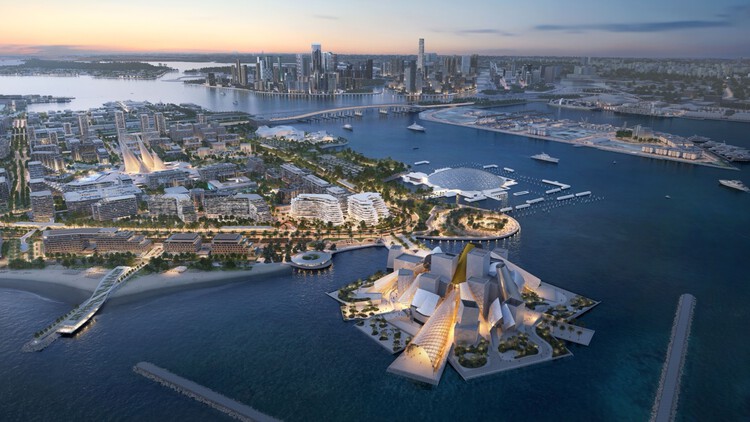
This week's news landscape brought together diverse approaches to built and cultural heritage, ranging from the design of a Museum of Jesus' Baptism at a UNESCO World Heritage Site in Jordan to major transformations of modern industrial sites and the development of major cultural districts. The World Monuments Fund's support for 21 locally led heritage projects foregrounds conservation strategies that reinforce the role of architecture in safeguarding both material and intangible heritage. Across this week's highlighted projects, adaptive reuse, landscape integration, and the reconfiguration of civic space emerge as recurrent strategies for extending the life and relevance of existing built environments. The projects also reflect broader contemporary concerns, including material research in timber construction, zero-waste urban installations, large-scale residential efficiency, and infrastructure upgrades linked to global events like the Olympic Games. Framing these developments within a wider territorial perspective, discussions on relocating capital cities worldwide offer an example of how geopolitical discourses continue to shape architecture, revealing the evolving relationship between the built environment and structures of power over time.

Heritage Transformations, New Capital Cities, and Residential Innovations: This Week’s Review - More Images+ 40

Introducing the 75 Finalists of the 2026 ArchDaily Building of the Year Awards

Two weeks and over 85,000 nominations later, the finalists of this year's Building of the Year Awards are in. The selection is much like the ArchDaily audience that chose it: diverse in geography, generous in ideas, and precise in intent. With projects from 46 countries, in a variety of typologies and scales, they present a beautiful snapshot of the current architectural moment.

We invite you to sit back, browse, and vote for your ultimate favorites. Below, you will find all of the 75 finalists in their respective categories. Voting is open until February 18th at 18:00 EST. Thank you—your participation is key to making this the world's largest community-driven architecture award.

Seven Finalists Announced for the 2026 EU Mies Awards for Contemporary European Architecture

The European Commission and the Fundació Mies van der Rohe have announced the seven finalist projects for the 2026 European Union Prize for Contemporary Architecture - Mies van der Rohe Awards, supported by the European Union's Creative Europe programme. The selection follows the announcement of 410 nominated works in November and a shortlist of 40 projects revealed in early January. Of the seven finalists, five have been selected in the Architecture category and two in the Emerging category. According to the jury chaired by Smiljan Radić, the finalist projects are exemplary contributions to the future of European architecture, demonstrating how the discipline can respond simultaneously to specific local conditions and broader social, cultural, and environmental challenges. The selected works range from interventions in former industrial sites, small villages, and peripheral urban areas to carefully calibrated projects within larger cities. Across these varied contexts, the projects show how architecture can transform overlooked or ordinary settings into inclusive, high-quality spaces for living, learning, and social exchange.

Seven Finalists Announced for the 2026 EU Mies Awards for Contemporary European Architecture - More Images+ 113

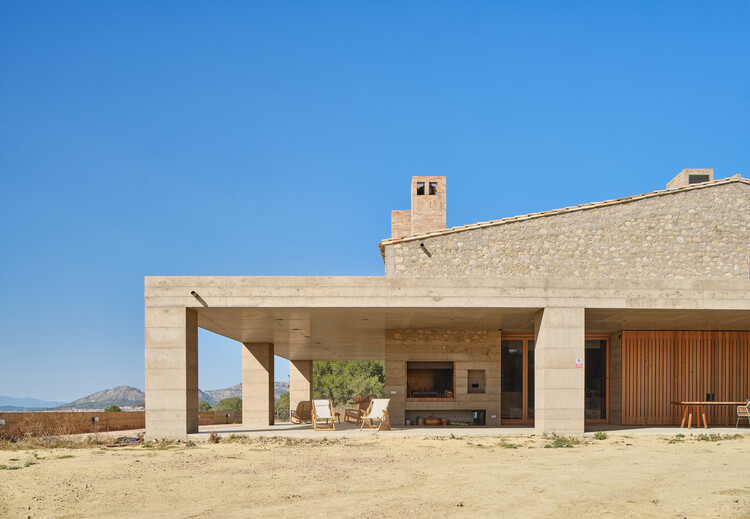
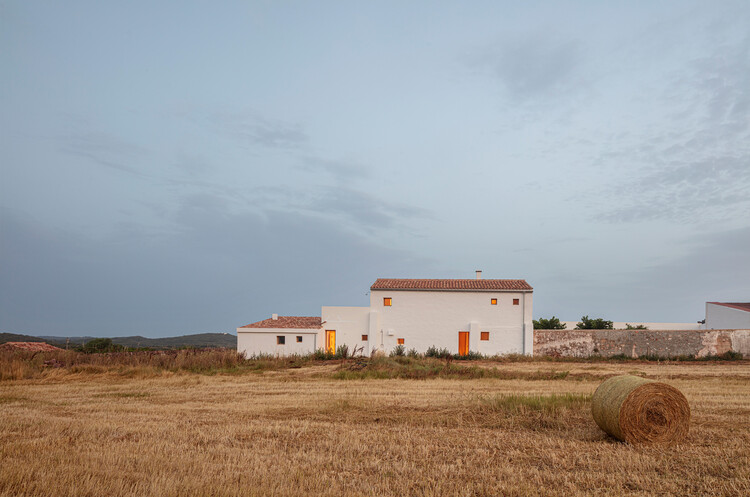
House 1627 / HARQUITECTES

House 1627 / HARQUITECTES - More Images+ 28

Pals, Spain
  • Architects: HARQUITECTES
  • Area Area of this architecture project Area:  866
  • Year Completion year of this architecture project Year:  2023

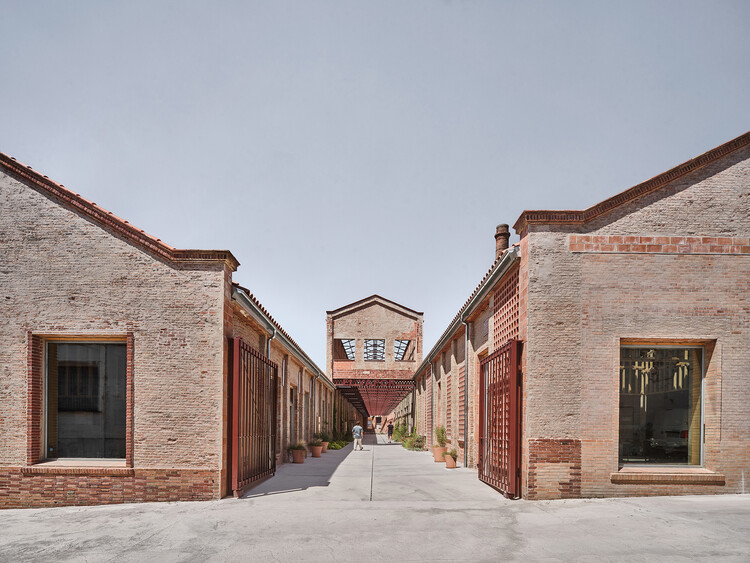
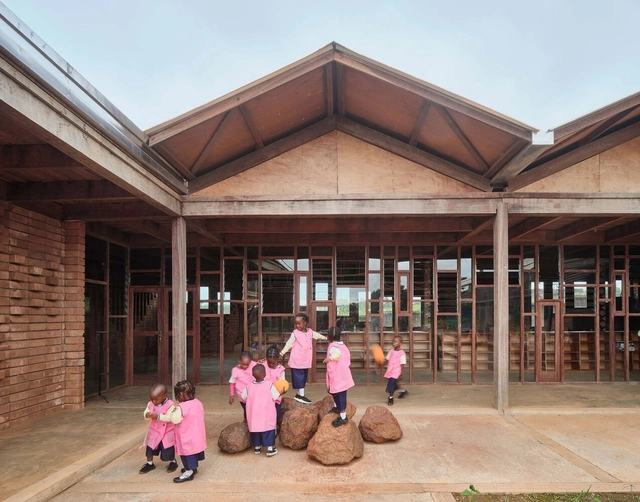
Rehabilitation of the Vapor Cortès. Prodis 1933 / HARQUITECTES

Rehabilitation of the Vapor Cortès. Prodis 1933 / HARQUITECTES - More Images+ 23

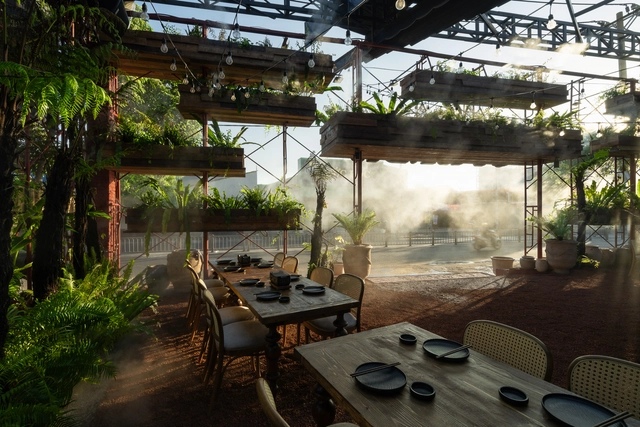
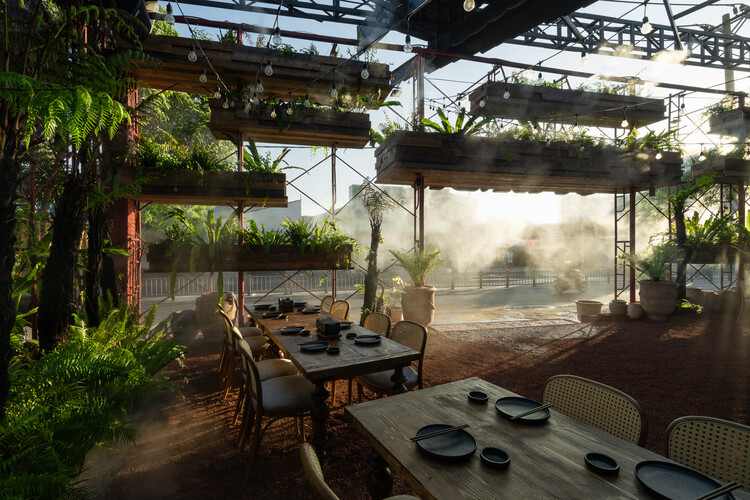
How Environments Shape Outdoor Dining Spaces: 24 Architectural Approaches

Subscriber Access | 

Outdoor terraces occupy a familiar threshold in cities around the world, operating as social rooms that sit between interior space and open air to host rituals of daily life. People meet to share a drink, watch the street's movement, or pause before returning to their routines. These places serve as cultural settings as much as commercial ones, revealing how hospitality and public life intersect to shape the city's character.

Climate influences these spaces more directly than almost any other design force, shaping how terraces function and how people inhabit them. Sun, wind, rain, and humidity guide decisions about orientation, shading, openness, and material selection. Each terrace becomes a negotiated space between human comfort and environmental pressure, and this negotiation can be read in every enclosure, surface, and spatial boundary.

How Environments Shape Outdoor Dining Spaces: 24 Architectural Approaches - More Images+ 35

ArchDaily Curator’s Picks 2025: A Look Back at 12 Key Project Reviews

For the past couple of years, the project curators at ArchDaily have been revisiting architectural works they believe deserve a deeper look. Through an Instagram post called "Project Review", the curators describe what they consider to be the work's main attribute(s). Delving into the project's stories and the elements that make them truly inspiring, they underline what might otherwise be overlooked initiatives and study them closely, with attention to locality and context. The result is an array of diverse works, often from rural or suburban areas that have a public function or historic significance.

While a couple of houses are listed, the majority of the reviews veer towards cultural centers, libraries, workspaces, or commercial settings. Another thing to note is the fact that many of these works ended up coming in from Asia, with a few key projects from rural China. The picks are quite diverse in materiality and design language; however, they all suggest innovative architectural solutions and captivating narratives.

ArchDaily Curator’s Picks 2025: A Look Back at 12 Key Project Reviews - More Images+ 12

House T / Gabriel Montañés Arquitecto

House T / Gabriel Montañés Arquitecto - More Images+ 18

"Architecture Is Cooperation": Collective Projects that Build with Communities and Professionals

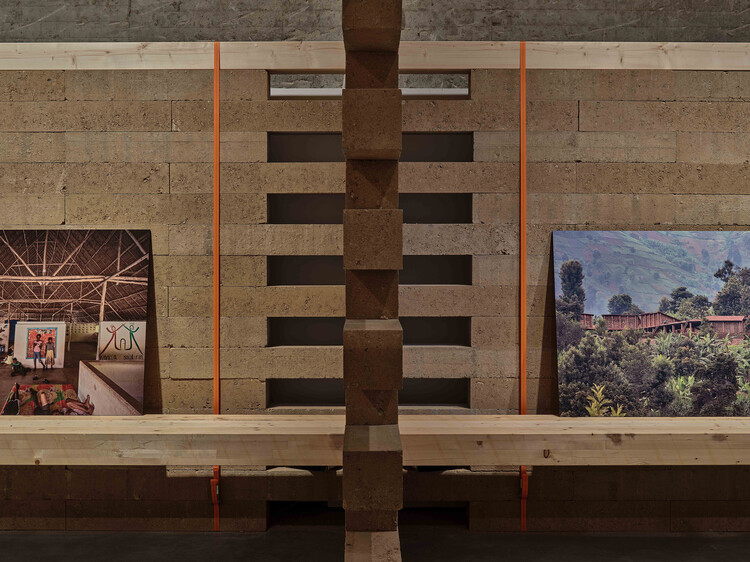
Working with the site instead of against it, the exhibition "Architecture is Cooperation," curated by Josep Ferrando, emphasizes the value of cooperation at the essence of architecture. Showcasing the work of professionals, organizations, and communities in cooperation projects driven from Spain, the installation takes shape through an exhibition design in earth and wood. The choice of these materials is understood not only from their aesthetic or symbolic qualities but also from their functionality and commitment to the principles of the circular economy. Until September 30, 2025, the exhibition will be on view at the Casa de la Arquitectura in Madrid, highlighting the necessary attention of architecture to the demands of the most vulnerable societies and communities by aligning the constructive language with the content of the exhibition.

Architecture Is Cooperation: Collective Projects that Build with Communities and Professionals - More Images+ 27

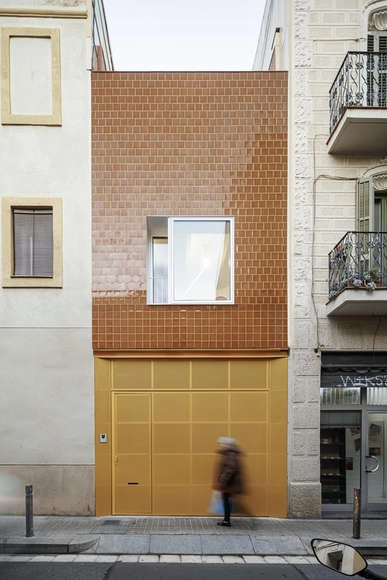
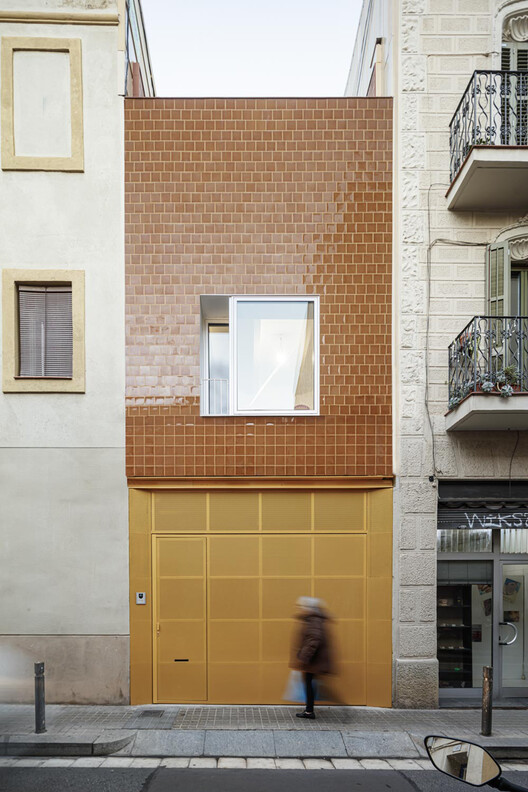
Mireia and Toni's House / Vora Arquitectura

Mireia and Toni's House / Vora Arquitectura - More Images+ 8

Badalona, Spain
  • Architects: Vora Arquitectura
  • Area Area of this architecture project Area:  165
  • Year Completion year of this architecture project Year:  2023

Environments of Curiosity: Translating Pedagogy into Architectural Form in Montessori, Waldorf, and Beyond

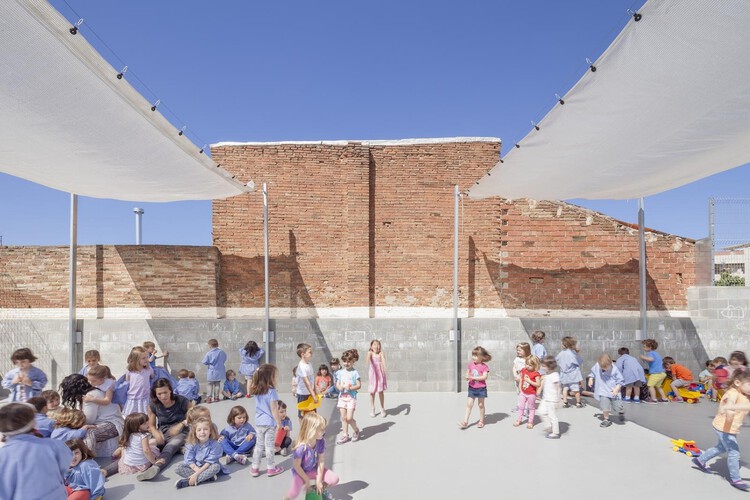
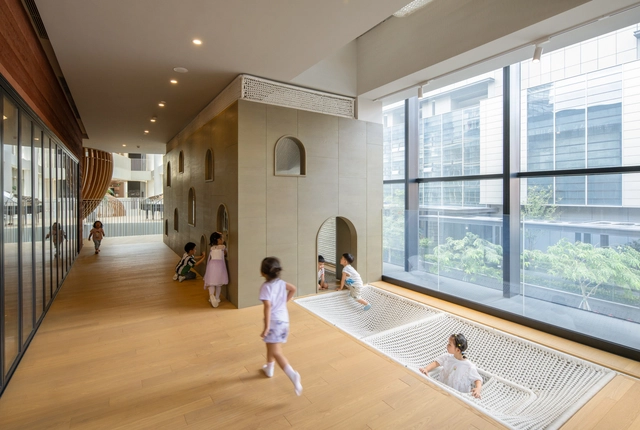
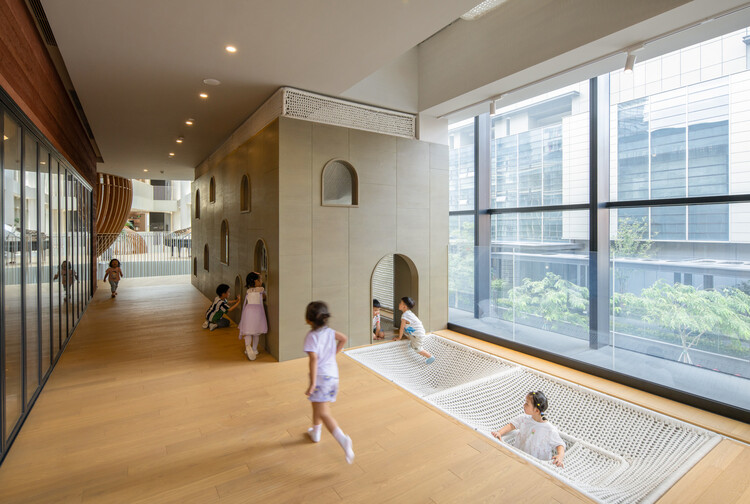
Children encounter space differently from adults. For them, the world is not yet rationalized into function and circulation but is experienced through emotion and curiosity. Where adults may navigate rooms through habit, children inhabit them through immediacy. A patch of sunlight becomes an event. The curve of a hallway invites wandering. The sound of footsteps on wood or the softness of fabric beneath fingertips is not background but information. What adults may dismiss as peripheral moments quietly mediates their sense of safety, autonomy, belonging, and possibility. Architecture is an opportunity for pedagogy to become physical.

Environments of Curiosity: Translating Pedagogy into Architectural Form in Montessori, Waldorf, and Beyond - More Images+ 45

A Natural Childhood: How Architecture Connects Landscape, Culture, and Play

How do nature and landscape dialogue within spaces designed for children? How are architecture and urban design capable of shaping natural atmospheres that integrate practices of play, participation, and exploration? From participatory projects that involve children in the design process to built environments that incorporate furniture adapted to their needs, the conception of spaces for childhood entails the creation of places for encounter, learning, and coexistence. At times, these spaces are able to strengthen the relationships between interiors and exteriors, connecting their users with nature and the surrounding environment. Depending on their cultures, customs, and histories of attachment to place, several contemporary projects deploy tools and strategies that integrate architecture, nature, and pedagogy to form broad experiences of learning, play, and discovery.

A Natural Childhood: How Architecture Connects Landscape, Culture, and Play - More Images+ 21

Of a Feather: The Hidden Architecture of Bird Watching

Around the world, a passionate community of bird watchers, from novice observers to seasoned ornithologists, is drawn to the subtle movements, distinct calls, and remarkable migrations of birds. This global fascination has led to the creation of thoughtfully designed spaces by architects and designers, enhancing the bird-watching experience while respecting the ecological landscapes in which they are placed.

Of a Feather: The Hidden Architecture of Bird Watching - More Images+ 25

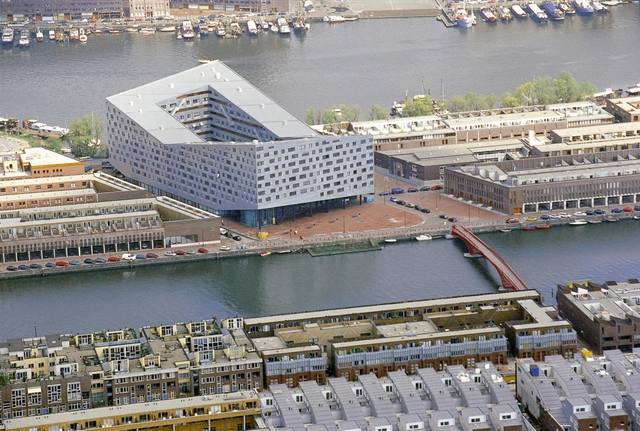
How Amsterdam Uses the Doughnut Economics Model to Create a Balanced Strategy for Both the People and the Environment

In 2020, in the midst of the first wave of lockdowns due to the pandemic, the municipality of Amsterdam announced its strategy for recovering from this crisis by embracing the concept of the “Doughnut Economy.” The model is developed by British economist Kate Raworth and popularized through her book, “Doughnut Economics: Seven Ways to Think Like a 21st-Century Economist”, released in 2017. Here, she argues that the true purpose of economics does not have to equal growth. Instead, the aim is to find a sweet spot, a way to balance the need to provide everyone with what they need to live a good life, a “social foundation” while limiting our impact on the environment, “the environmental ceiling.” With the help of Raworth, Amsterdam has downscaled this approach to the size of a city. The model is now used to inform city-wide strategies and developments in support of this overarching idea: providing a good quality of life for all without putting additional pressure on the planet. Other cities are following this example.

How Amsterdam Uses the Doughnut Economics Model to Create a Balanced Strategy for Both the People and the Environment - More Images+ 5

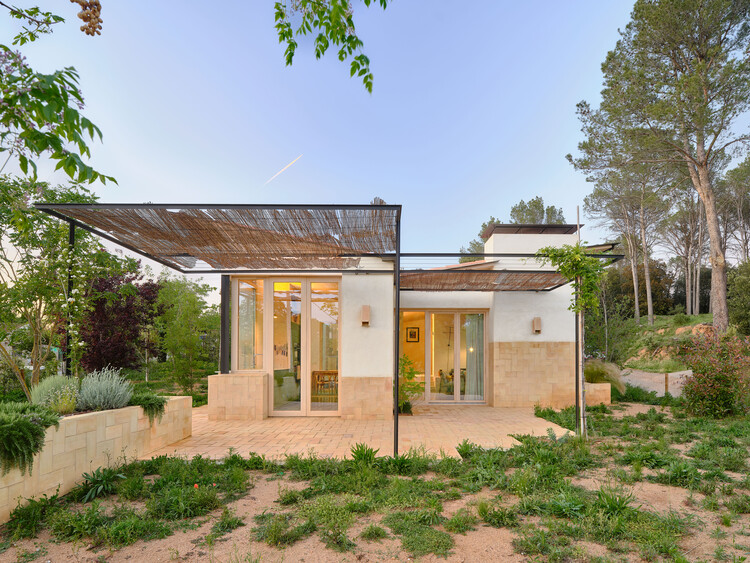
Butterfly House / Tallerdarquitectura

Butterfly House / Tallerdarquitectura - More Images+ 15

Gaüses, Spain
  • Area Area of this architecture project Area:  146
  • Year Completion year of this architecture project Year:  2025

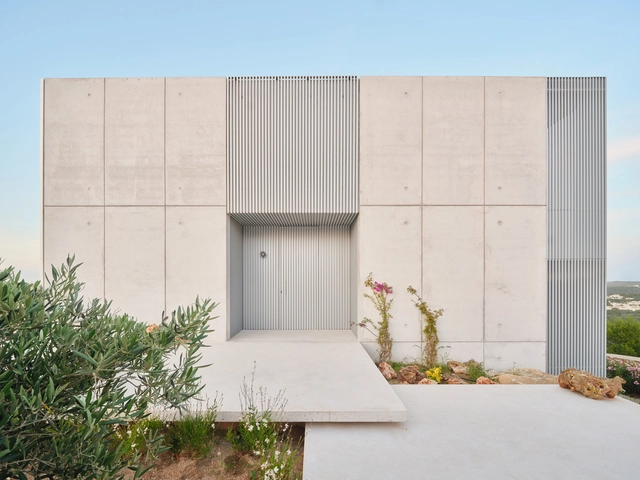
Steel House / NOMO STUDIO

Steel House / NOMO STUDIO - More Images+ 22

Menorca, Spain
  • Architects: NOMO STUDIO
  • Area Area of this architecture project Area:  250
  • Year Completion year of this architecture project Year:  2024