

This guide explains how to structure multi-image prompts in the RunDifussion platform. Explore RunDifussion's product catalog.
News
How to Prompt and Annotate Multiple Images with AI
| Sponsored Content
https://www.archdaily.comhttps://www.archdaily.com/catalog/us/products/38860/how-to-prompt-and-annotate-multiple-images-with-ai-rundiffusion
More Architecture for Less: SSdH and the Latent Potential of Existing Buildings

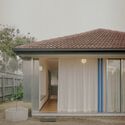
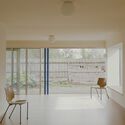
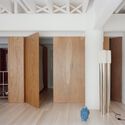
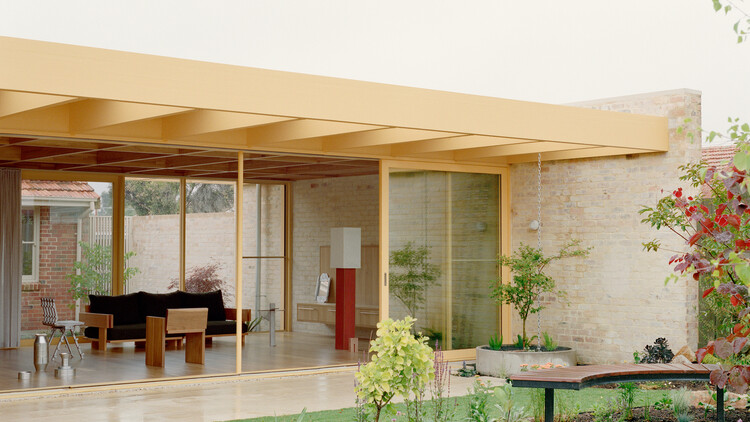
Amid growing recognition of architecture's responsibility toward environmental and planetary ecologies, contemporary practice is increasingly oriented toward working with what already exists—its material, spatial, and historical conditions. Within this shift, architecture and design aesthetics are increasingly about reshaping inherited environments. This approach underpins the work of SSdH, a Melbourne-based architecture practice founded in 2020 by Todd de Hoog, Harrison Smart, and Jean-Marie Spencer. Working across scales of renovation, extension, and adaptive insertion, the studio consistently engages existing buildings as active agents. Winner of the ArchDaily 2025 Next Practices Awards, the Australian firm foregrounds environmental responsibility, material economy, and collaborative processes grounded in site-specific conditions.

https://www.archdaily.com/1041710/more-architecture-for-less-ssdh-and-the-latent-potential-of-existing-buildingsMiwa Negoro
Why Smart Lockers Are Architecture’s New Micro-Infrastructure
| In Collaboration

How can the most structured elements in architecture give rise to unplanned forms of everyday life? "Spontaneous order" describes how structured systems can generate unplanned but coherent patterns of behavior. In urban discourse, it is often used to describe cities: frameworks of streets, plots, and buildings that are designed, while everyday life is not. Movement, encounters, routines, and informal uses emerge from simple spatial rules rather than explicit programming. In cities, this is visible in how sidewalks, stations, and thresholds operate. The structure is fixed, but the social order is fluid, setting conditions for behavior rather than defining it.
A similar logic can be observed in architectural micro-infrastructures such as locker systems. Like cities, lockers rely on structured frameworks that do not prescribe how life unfolds within them. A locker system is highly controlled in architectural terms: repetitive modules, strict grids, standardized dimensions, controlled access. Yet once in use, it produces spontaneous behaviors. People pause in corridors, return at irregular times, linger near locker zones, or briefly interact with others doing the same. What appears to be a strictly infrastructural storage system begins to generate informal social and spatial behavior.
https://www.archdaily.com/1041781/why-smart-lockers-are-architectures-new-micro-infrastructureKiana Buchberger
Is the "Correct" Way to Sit All Wrong? Why Movement is the New Flow State
| In Collaboration

Workplace ergonomics have long been defined by stability: fixed postures, lumbar support, carefully calculated angles, and the relentless pursuit of the "correct" way to sit. Comfort was largely associated with maintaining a supported posture in chairs designed to reduce movement, align the spine, and sustain the body during long periods of sitting. Today, as contemporary workspaces become increasingly flexible and hybrid, questions are emerging around whether comfort is truly linked to static permanence, or rather to the possibility of movement itself.
Although ergonomic chairs have evolved significantly, many still operate within a "corrective" logic, managing discomfort through mechanisms and adjustments without fundamentally reconsidering the relationship between the body and motion. Recent research on sedentary behavior and active ergonomics has challenged the idea of stillness as the ideal condition for comfort. Instead, subtle posture transitions and continuous micro-movements are now understood as important contributors to circulation, musculoskeletal health, and overall wellbeing. In this context, contemporary ergonomics gradually begins shifting away from models based on containment toward approaches centered on adaptability, balance, and fluid movement.
https://www.archdaily.com/1041588/is-the-correct-way-to-sit-all-wrong-why-movement-is-the-new-flow-stateEduardo Souza
Qbiss Notch: A Red Dot Design Award–Winning Modular Façade System
| Sponsored Content

Qbiss Notch, a new design edition developed by Pininfarina for Trimo's Qbiss façade system, has received the Red Dot Design Award. Based on Trimo's Qbiss façade technology, the project introduces vertically installed modular Qbiss panels, an alphabet of engraved Glyphs, and Notches with integrated lighting. Together, these elements allow designers to create distinctive façade compositions. Despite its visual flexibility, the system is designed around the efficiency and precision of prefabricated construction.
https://www.archdaily.com/1041609/qbiss-notch-a-red-dot-design-award-winning-modular-facade-systemRene Submissions
UNStudio Reveals River-Oriented Master Plan for Former Industrial Site in Cluj-Napoca, Romania

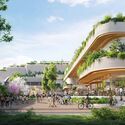
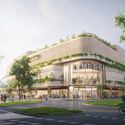
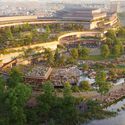
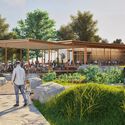
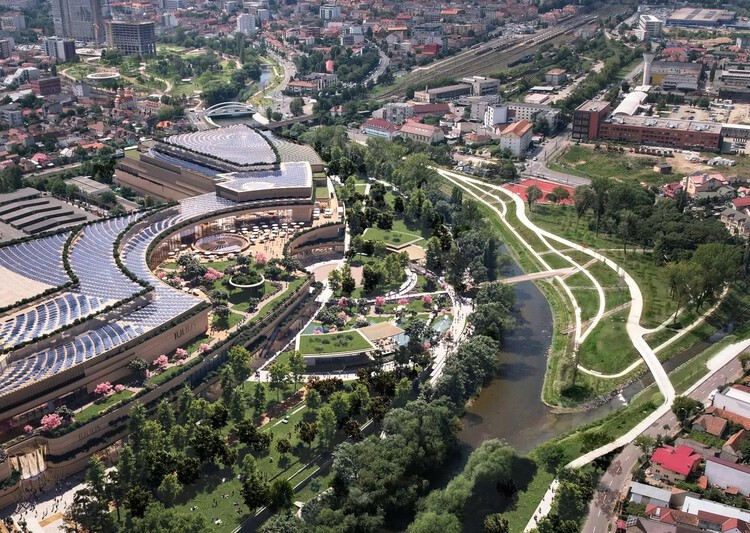
A former industrial site along the Someș River in Cluj-Napoca, Romania, is being transformed into a large-scale mixed-use district that reconnects the city with its waterfront. Designed by UNStudio in collaboration with Felixx Landscape Architects and Planners for developers IULIUS and Atterbury Europe, the RIVUS project combines urban regeneration, adaptive reuse, landscape design, and new public infrastructure within a single framework. Developed through a public participation process involving local residents, the proposal will transform the former Carbochim industrial platform into a river-oriented district organized around public space, mobility, and everyday urban activity.
https://www.archdaily.com/1041996/unstudio-reveals-river-oriented-master-plan-for-former-industrial-site-in-cluj-napoca-romaniaReyyan Dogan
Concéntrico Festival 2026 Unveils 24 Urban Installations Across Logroño, Spain

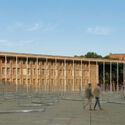
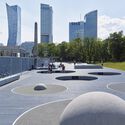
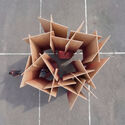
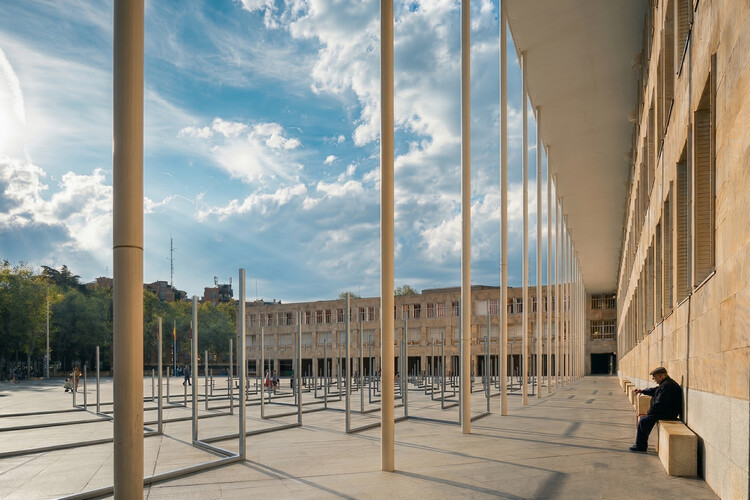
Concéntrico Festival 2026 will take place in Logroño, Spain, from June 18 to 23, transforming the city into a large-scale laboratory for architecture, design, and urban experimentation. Over six days, more than twenty interventions will be distributed across squares, vacant plots, streets, bridges, and emblematic spaces throughout the city, bringing together leading studios, researchers, and creators from the international scene, including Chilean architect Smiljan Radić, the raumlabor collective, Matilde Cassani, AAU Anastas, and Sahra Hersi, among others. This edition introduces a shift towards more collective, festive, and performative practices in public space, with a strong emphasis on sonic experiences and projects linked to accessibility, inclusion, and urban transformation. The programme is structured around three thematic axes: Identity and Fiction, Urban Ecologies, and Ephemeral Agents, ranging from architectures that understand public space as ritual or celebration to experimental approaches exploring materials, sound, and processes of reuse.
https://www.archdaily.com/1041979/concentrico-festival-2026-unveils-24-urban-installations-across-logrono-spainAntonia Piñeiro
The Spirit of Space: 10 Distillery Projects Where Production Shapes Architecture

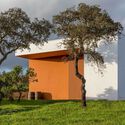
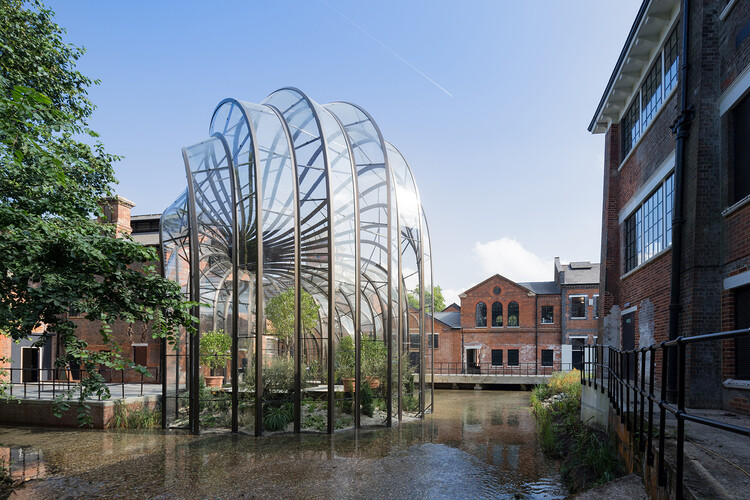
Unlike many industrial programs traditionally concealed behind neutral façades and hermetic spaces, contemporary distilleries often expose their production processes as an essential part of the architectural experience. The heat of the stills, the vapors of distillation, and the paths traced by raw materials cease to function merely as technical operations and instead assume spatial prominence.
Although they produce different spirits, the projects selected below share similar architectural challenges. All must organize industrial flows, control specific conditions of temperature, ventilation, and storage, and reconcile technical areas with public visitation routes. At the same time, each distillery develops particular responses to its territory, revealing different ways of relating production to landscape.

https://www.archdaily.com/1041623/the-spirit-of-space-10-distillery-projects-where-production-shapes-architectureCamilla Ghisleni
Ceramics Forged in Light: A Spatial Translation of Circular Material Processes
| In Collaboration

Can one of architecture's oldest materials still inform how sustainability and manufacturing are approached today? What shifts when ceramic is viewed beyond its surface, as a process shaped by light, water, and clay? At Milan Design Week 2026, VitrA, a brand producing bathroom and ceramic surfaces and working across sanitaryware and tiles, and international design practice Snøhetta explore these questions through Ceramics Forged in Light, an immersive installation created for the INTERNI MATERIAE exhibition. Positioned within a broader discourse on material experimentation and circular production, the project treats ceramic as an architectural material defined by continuous transformation, shaped through light, water, heat, reflection, and reuse.
Fired clay has been used in construction for over 9,000 years, evolving from vernacular craft into one of the most widely applied materials in the built environment. Its durability, water resistance, thermal performance, and adaptability have made it a staple for facades, sanitaryware, flooring, architectural surfaces, and structural systems. Today, new manufacturing technologies are extending these possibilities as architects and manufacturers confront the environmental implications of material extraction and production.
https://www.archdaily.com/1041534/ceramics-forged-in-light-a-spatial-translation-of-circular-material-processesKiana Buchberger
Pan-African Biennale Unveils Participants for Its Inaugural Edition in Nairobi

The Pan-African Biennale (PAB) has announced the official selection of participants for its inaugural 2026 edition, set to take place from September 7 to 11, 2026, at the Kenyatta International Convention Centre in Nairobi. Conceived as the first continental architecture biennale dedicated to spatial practices from and within Africa, the event will bring together architects, studios, research collectives, and material practitioners from across the continent. Additional participants, keynote speakers, and contributors are expected to be announced in the coming weeks.
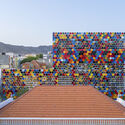
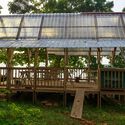
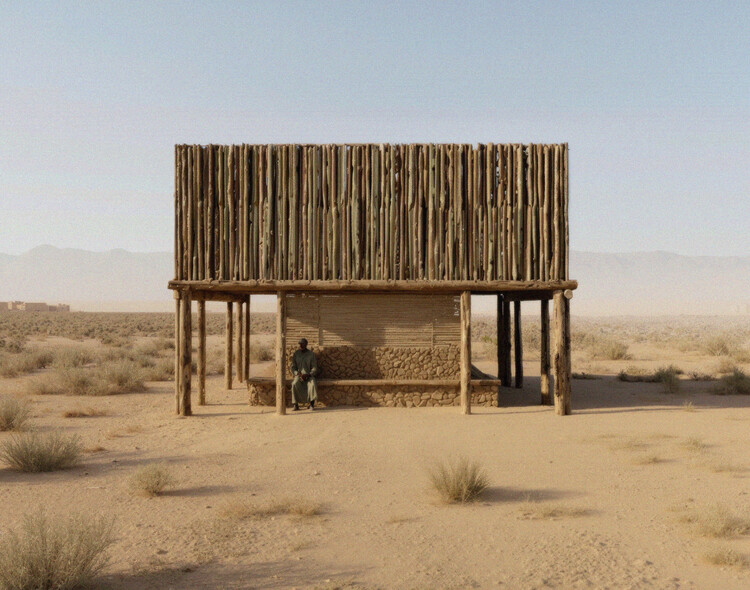
https://www.archdaily.com/1041933/pan-african-biennale-unveils-participants-for-its-inaugural-edition-in-nairobiReyyan Dogan
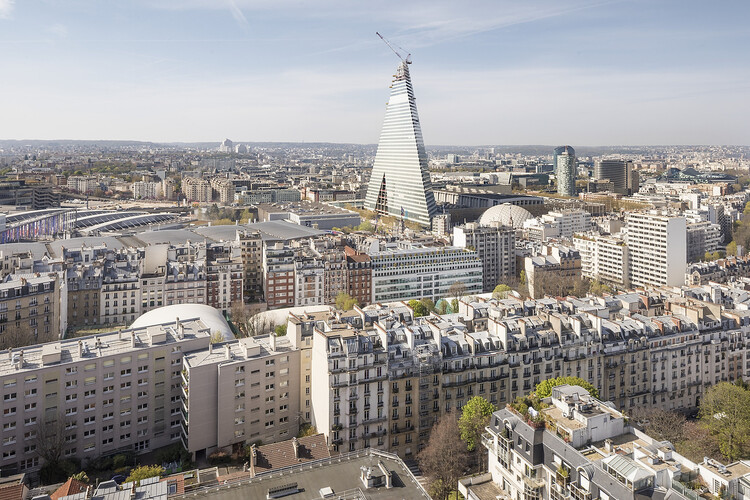
Herzog & de Meuron's Nearly Completed Triangle Tower and OMA's Urban Vision for Rome: This Week's Review

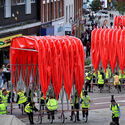
This week, we revisited the ideas currently shaping the design of 21st-century cities, with a view toward a longer timeframe than that which characterised modern design. These examples of today's urban design point toward the cities of tomorrow, seeking to reflect collective memory and social identity while addressing the climate challenges we face today. From a new museum in Panama drawing on Latin American architectural tradition to an inflatable installation on Paris's oldest bridge over the Seine, built and not-yet-built projects rescue architecture as a repository of collective memory, while others explore its transformative potential through the lens of contemporary well-being. In this weekly news compilation, we present ongoing projects from Panama, numerous African countries, France, Canada, Italy, Australia, and the United States.


https://www.archdaily.com/1041936/herzog-and-de-meurons-nearly-completed-triangle-tower-and-omas-urban-vision-for-rome-this-weeks-reviewAntonia Piñeiro
Curatorial Work as City-Making: Design Trust’s Marisa Yiu on Exhibitions and Spatial Agency

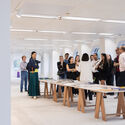
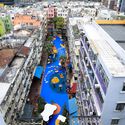
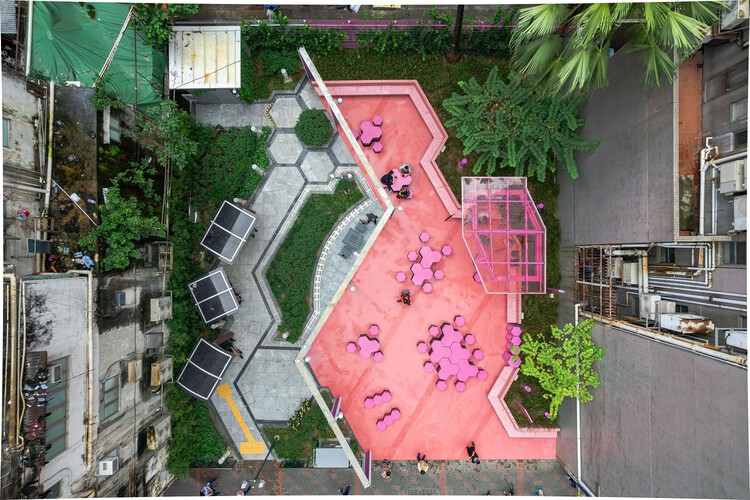
In Hong Kong, where architecture is often driven by real estate logic, infrastructure, and accelerated development, the space for bodily-scaled civic experimentation can be surprisingly narrow. This is where Design Trust has become distinctive. As a grant-making and project-enabling platform, it supports spatial interventions that sit between architecture, research, and public programming—work that is often too modest, collective, or uncertain to fit conventional client–architect pipelines.
At the center of this work is Marisa Yiu, whose leadership positions Design Trust as both an enabler and a cultural actor. Through initiatives such as Micro-Parks Hong Kong, alongside exhibitions and public programs, the organization treats discourse and prototyping as forms of spatial agency, linking designers, communities, institutions, and policy conversations while foregrounding questions of stewardship, maintenance, and the "afterlife" of public space.
https://www.archdaily.com/1041822/curatorial-work-as-city-making-design-trusts-marisa-yiu-on-exhibitions-and-spatial-agencyJonathan Yeung
"The Frustration Became a Design Brief": Why an Architect Left 20 Years of Practice to Map the World
| Sponsored Content

Karl van Es spent twenty years as a practicing architect before walking away to solve a problem every architect faces: the resources to travel like a professional simply do not exist. Mainstream guidebooks and travel apps rarely highlight the buildings that truly matter to the architectural community. Åvontuura was born from that frustration — an independent publisher of illustrated architecture guides created by an architect, for architects. Its latest release, Madrid, maps 70 of the city's most significant buildings, representing a mission to bridge the gap between architectural interest and travel logistics.
https://www.archdaily.com/1041463/the-frustration-became-a-design-brief-why-an-architect-left-20-years-of-practice-to-map-the-worldRene Submissions
"A Place Remembers What Has Happened:" Tsuyoshi Tane on Memory as a Design Driver in Louisiana Channel Interview
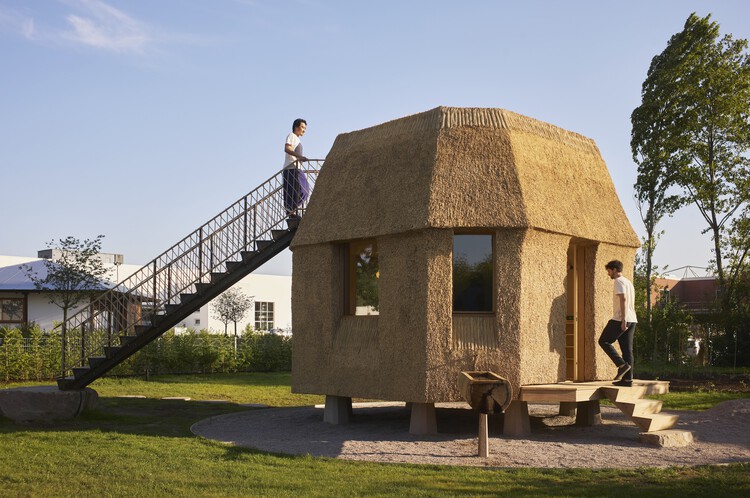
Tsuyoshi Tane is a Japanese architect born in 1979 in Tokyo and based in Paris, where he founded ATTA – Atelier Tsuyoshi Tane Architects in 2006. Working across cultural, institutional, and landscape-related projects, Tane has developed an architectural approach that positions memory as a fundamental design driver. In his interview with Louisiana Channel, filmed in his Paris studio, Tane reflects on architecture as a discipline of observation and thought, arguing that meaningful design emerges from carefully reading the traces embedded within a site. For him, architecture is not produced on a blank slate but begins with an inquiry into what already exists, physically, culturally, and emotionally, beneath the surface of a place.

https://www.archdaily.com/1038454/a-place-remembers-what-has-happened-tsuyoshi-tane-on-memory-as-a-design-driver-in-louisiana-channel-interviewReyyan Dogan
SLA Designs Public Spaces and Streetscapes for Toronto's New Island Community in the Port Lands

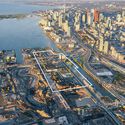
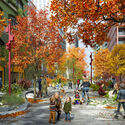
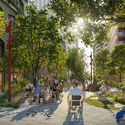
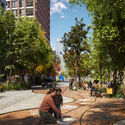
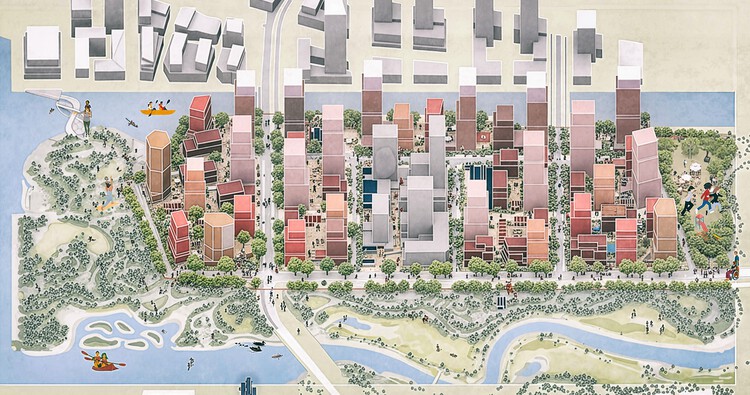
Landscape and urban design studio SLA has unveiled the design for the public realm and streetscapes of Toronto's new 39.8-hectare waterfront community. The urban landscape project "Ookwemin Minising" is located in the Port Lands, an industrial and recreational district southeast of downtown Toronto, currently undergoing urban revitalization to transform the area from a former industrial zone into a naturalized river valley, mixed-use neighbourhoods, and public parkland. The overall transformation is being led by Waterfront Toronto, a publicly funded, not-for-profit corporation established in 2001 to oversee the regeneration of the area, as part of a broader government initiative to renaturalize urban areas and increase housing density. The redevelopment of Ookwemin Minising is expected to be completed in phases between 2031 and 2040.
https://www.archdaily.com/1041869/sla-designs-public-spaces-and-streetscapes-for-torontos-new-island-community-in-the-port-landsAntonia Piñeiro
When Architecture Moves: Kinetic Design and the Rituals of Space

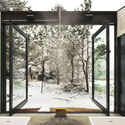
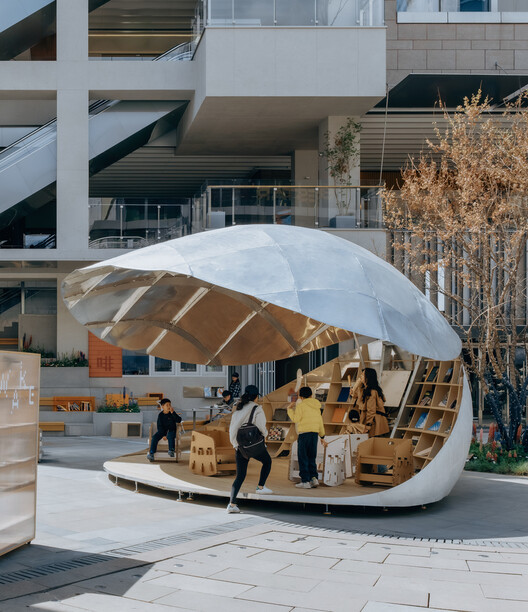
For centuries, architecture has been defined by unmoving permanence. A building is assumed to be fixed, its walls and foundation immobile in space. A growing number of architects are now challenging this assumption by incorporating movement into the very fabric and tectonic structures of buildings.
When roofs hinge, walls slide, and entire structures respond to their occupants, something remarkable happens: the architectural spaces become an active component of daily rituals. These moments of opening, closing, shifting, and translating spaces ground buildings in the present moment and demand active engagement from users. The architecture becomes less of an object or a monument and more of a choreography of participation.


https://www.archdaily.com/1041693/when-architecture-moves-kinetic-design-and-the-rituals-of-spaceOlivia Poston
Material Culture and Heritage in Contemporary Cinema Architecture

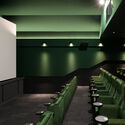
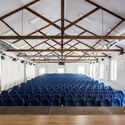
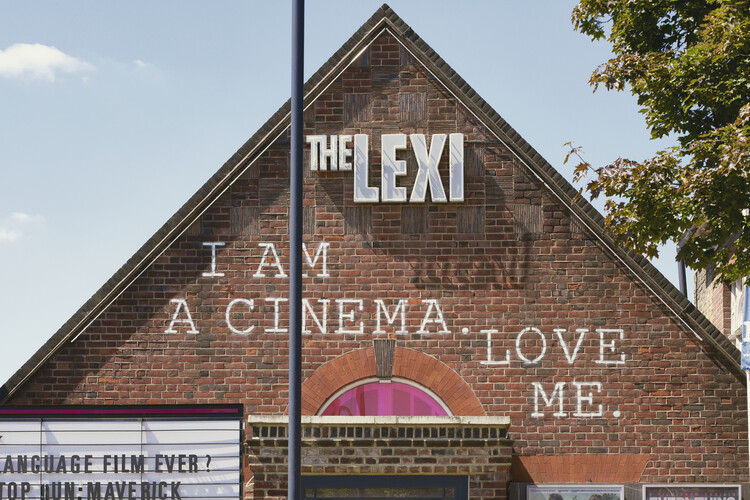
Over the years, cinema architecture has continually reinvented itself. From cinematic experiences that engage multiple senses to material technologies that reinterpret the aesthetics of past eras, the concept of the movie theater has enabled the recovery, revitalization, and renewal of numerous obsolete, ruined, or even historically protected spaces. Just as the Majestic Cinema reflects an important community function in Zanzibar, Tanzania, many twentieth-century buildings have found in adaptive reuse an opportunity to restore and preserve cultures, memories, and traditions that remain meaningful to their communities.


https://www.archdaily.com/1041712/material-culture-and-heritage-in-contemporary-cinema-architectureAgustina Iñiguez
Stefano Boeri Architetti Converts Former Rome Transit Depot Into Multifunctional Civic Space

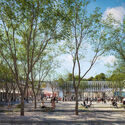
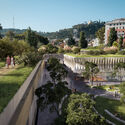
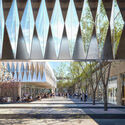
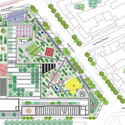
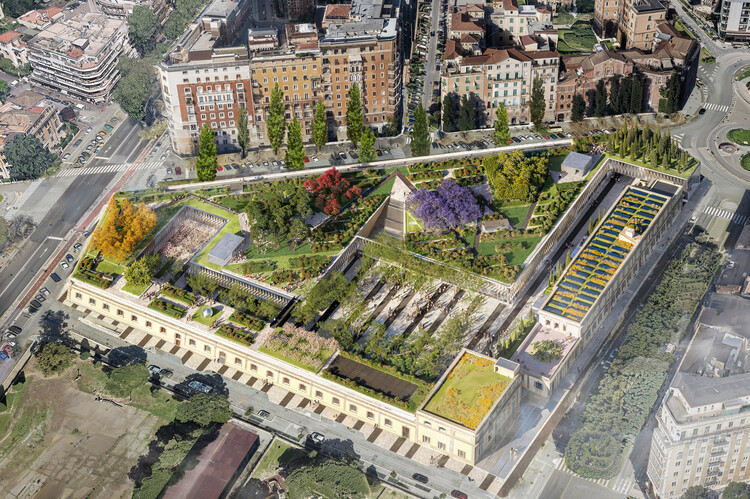
The Rome City Council has approved a Memorandum for the urban regeneration of the Depositi delle Vittorie in Piazza Bainsizza, a former ATAC depot in Rome dating back to the early 1900s. Abandoned for nearly two decades and now privately owned, the site is set to be transformed into a multifunctional complex designed by Stefano Boeri Architetti. The project envisions the adaptive reuse of the former transportation infrastructure through the introduction of cultural, educational, commercial, co-working, and leisure functions, alongside new public spaces and extensive landscaped areas.
https://www.archdaily.com/1041854/stefano-boeri-architetti-converts-former-rome-transit-depot-into-multifunctional-civic-spaceReyyan Dogan
MAC Panamá Selects Palma + Taller TO to Design Its New Museum Building

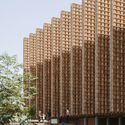
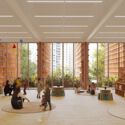
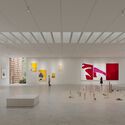
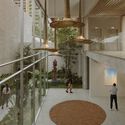
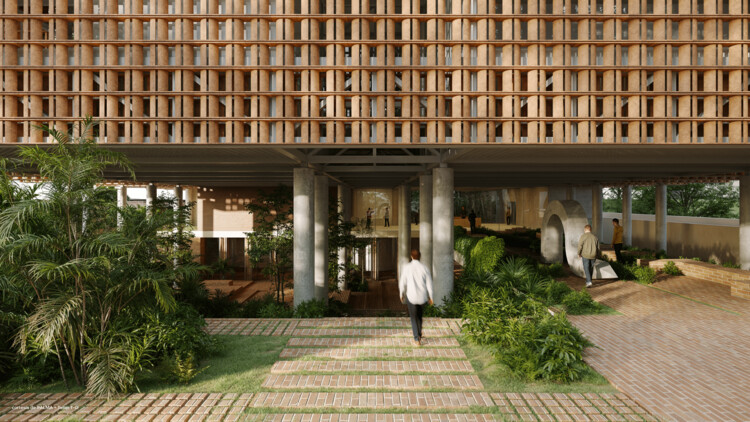
Following an international design competition launched in January 2026, the Museum of Contemporary Art of Panama (MAC Panamá) announced the selection of Mexican architects Palma + Taller TO to design its new building. The museum is described as "a new cultural infrastructure open to the city, conceived from the identity, climate, and landscape of Panama." The future museum headquarters will be located in the corregimiento of San Francisco, to consolidate the area as a hub of cultural activity. The selection criteria involved the relationship between the museum and the city, prioritizing proposals with integrated elements for community engagement and framing the building as a cultural infrastructure, enriching the contemporary urban environment of Panama City.
https://www.archdaily.com/1041838/mac-panama-selects-palma-plus-taller-to-to-design-its-new-museum-buildingAntonia Piñeiro
Climate, Culture, and Modernism: The Postcolonial Campus as Architectural Laboratory

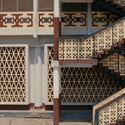
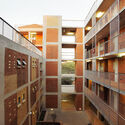
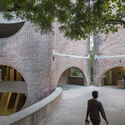
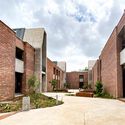
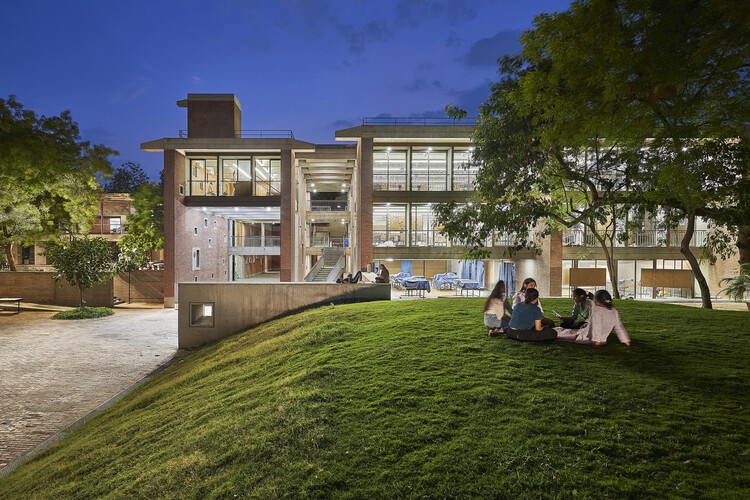
In the decades following independence, some of the most ambitious architectural experiments in the world did not emerge through museums, monuments, or government palaces. They emerged through universities. Across South Asia and Africa, newly formed nations turned campuses into testing grounds for entirely new ways of imagining collective life. These campuses functioned as more than educational institutions. They became territories where states tested how modernity might be organized, for citizens to gather, institutions to function, climate to shape architecture, and imported ideas to transform local realities.
https://www.archdaily.com/1041645/climate-culture-and-modernism-the-postcolonial-campus-as-architectural-laboratoryAnanya Nayak
On Africa Day 2026: Revisiting Architecture’s Role in Identity and Collective Memory

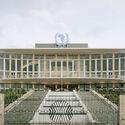
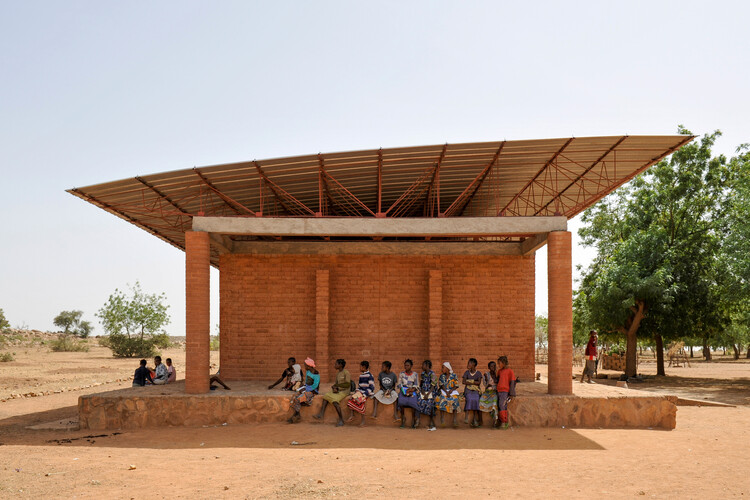
Observed annually on May 25, Africa Day commemorates the founding of the Organization of African Unity in 1963, now the African Union. Established during a period marked by independence movements across the continent, the day recognizes not only political solidarity but also the cultural, social, and intellectual histories that continue to shape African societies today. Within architecture and urbanism, these histories are reflected in evolving conversations around nation-building, heritage preservation, climate-responsive design, material innovation, and community-centered practice.
https://www.archdaily.com/1041817/on-africa-day-2026-revisiting-architectures-role-in-identity-and-collective-memoryReyyan Dogan
Herzog & de Meuron's Triangle Tower in Paris Nears Completion, Captured by Stefano Candito

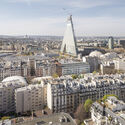
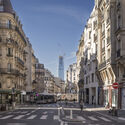
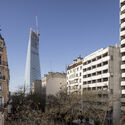
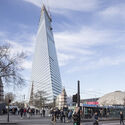
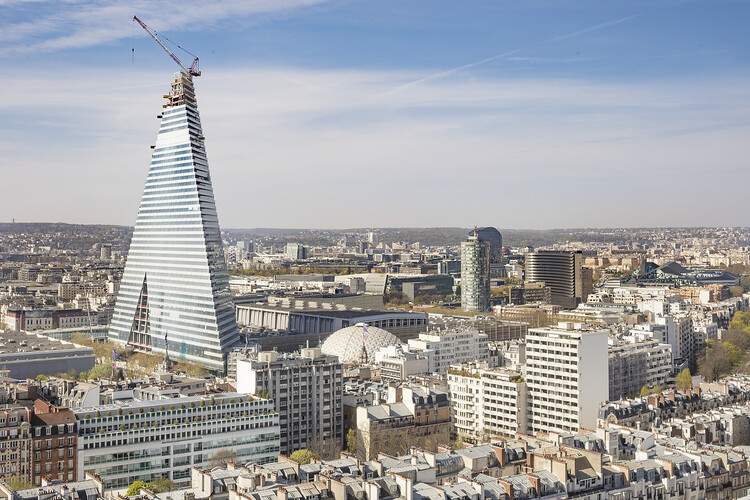
Twenty years after its ideation, Herzog & de Meuron's controversial Tour Triangle in Paris is reaching completion. The triangular, all-glass tower located in the city's 15th arrondissement topped out at 42 stories on April 24, 2026. The project's progress was marked by opposition, financial roadblocks, and legal disputes before construction began in 2022. The 180-meter tower is now the third-tallest building within Paris city limits, behind the 330-meter-tall Eiffel Tower, the 231-meter-tall The Link in La Défense, and the 210-meter-tall Tour Montparnasse. The building will retain this title indefinitely due to a skyscraper ban reinstated in 2023 by Mayor Anne Hidalgo, following persistent opposition to tall buildings in the city. The recent progress was documented by photographer Stefano Candito, ranging from an urban view of the building to a close-up look at its nearly completed structure.
https://www.archdaily.com/1041808/herzog-and-de-meurons-triangle-tower-in-paris-nears-completion-captured-by-stefano-canditoAntonia Piñeiro
Tirana Architecture City Guide: Negotiating Identity Between Socialism and Urban Reinvention

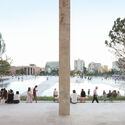
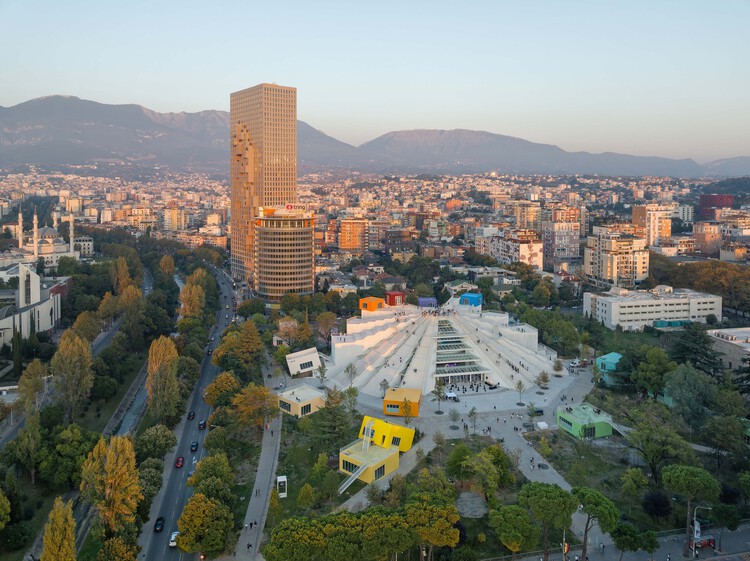
Located at the intersection of Adriatic landscapes and Balkan geopolitics, Tirana has undergone one of the most accelerated urban transformations in Europe over the last three decades. Once defined by rigid socialist planning and political isolation, the city has progressively reoriented itself through a combination of informal growth, international investment, and strategic urban interventions that seek to redefine its public image and spatial structure.
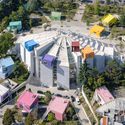
Since the early 2000s, a series of urban policies, most notably those initiated during the mayoral tenure of Edi Rama (now Albania prime minister), have promoted the use of color, public space, and architectural experimentation as tools for civic reactivation. Rather than relying solely on masterplans, Tirana's development has operated through interventions, where individual buildings and public spaces act as catalysts within a fragmented urban fabric.
https://www.archdaily.com/1040584/tirana-architecture-city-guide-negotiating-identity-between-socialism-and-urban-reinventionDiogo Borges Ferreira
Coffee or Tea: Third Places, Kiosks, and the Retail Architecture of Duration

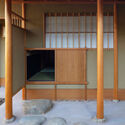
"Coffee or tea?" is one of those phrases that follows you across contexts: asked on airplanes, after a meal, in hotel lounges, and in meeting rooms. It sounds like a small question—mere preference, a quick fork in the service script. Yet it also carries a quiet cultural inheritance. Tea arrives with the long history of ritual and domestic pacing, tied to older geographies of trade and everyday etiquette. Coffee arrives with a different lineage of circulation, later industrialized into the modern café and its public-facing rituals. In both cases, the drink is never only a drink; it is a practiced relationship to time and space.
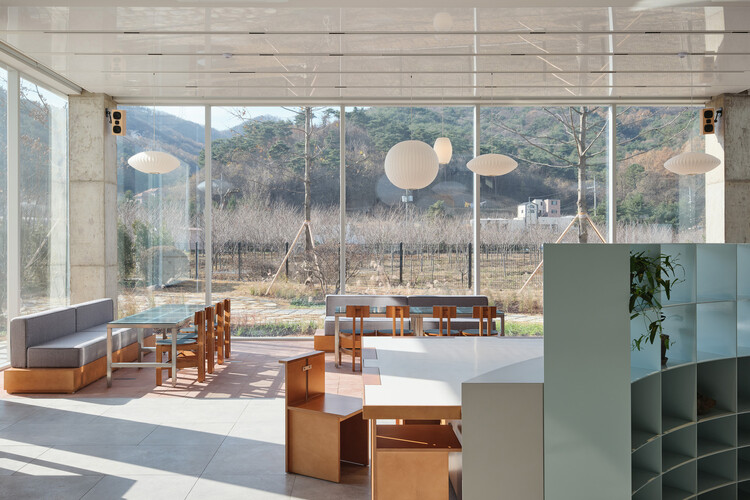
In contemporary East Asia, however, "coffee or tea" increasingly reads as something else: imperceptibly or subconsciously, it is becoming more of a choice about where you want to be. Each beverage now carries a spatial expectation. Coffee implies a room you can occupy—often a place to pause, work, meet, or cool down. Tea, despite being culturally pervasive, appears more diffusely across the city—sometimes as a dedicated destination, sometimes as a high-frequency kiosk, and very often as an embedded default within dining typologies. The result is that a question posed as taste has begun to operate as a subtle indicator of spatial preference: whether you are seeking duration or velocity, enclosure or flow, a third place or a quick node on the street.


https://www.archdaily.com/1041608/coffee-or-tea-third-places-kiosks-and-the-retail-architecture-of-durationJonathan Yeung
Case Study Houses and the Myth of a Universal Domestic Ideal

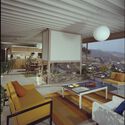
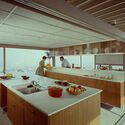
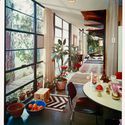
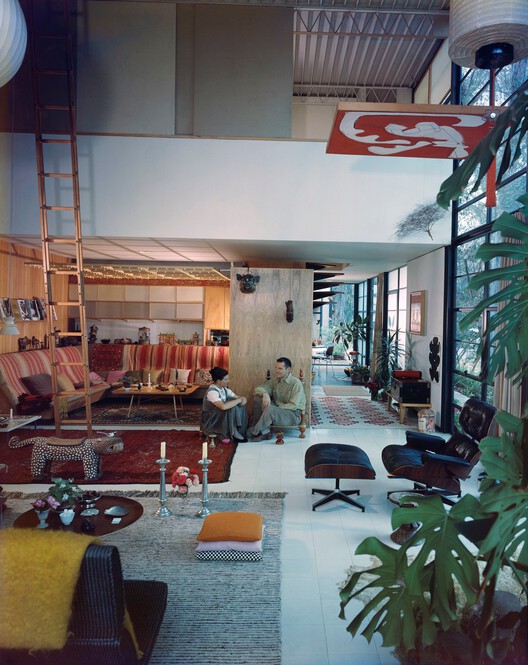
Sitting on low benches, casually talking, dressed in comfortable clothes, and surrounded by books, design objects, and works of art, Charles and Ray Eames appear in one of the most emblematic images of postwar modern domesticity in the United States. The house does not appear as an explicit architectural manifesto, but rather as an inhabited, appropriated, everyday space. Still, nearly everything in that scene functions as the condensation of a carefully constructed ideal: modern informality, the integration between architecture and daily life with the coexistence of industrial production. The photograph projects a way of living more than it represents a residence. And perhaps that was, from the very beginning, the central ambition behind the Case Study Houses.

https://www.archdaily.com/1041599/case-study-houses-and-the-myth-of-a-universal-domestic-idealEduardo Souza