

This guide explains how to structure multi-image prompts in the RunDifussion platform. Explore RunDifussion's product catalog.
News
How to Prompt and Annotate Multiple Images with AI
| Sponsored Content
https://www.archdaily.comhttps://www.archdaily.com/catalog/us/products/38860/how-to-prompt-and-annotate-multiple-images-with-ai-rundiffusion
The Future of Universities, Offices and Cities: Highlights From Digital Futures 2020
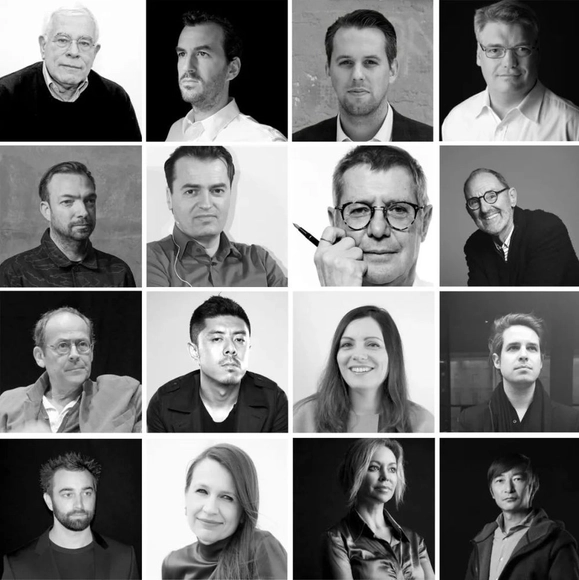
Like most functions in recent months, this year’s Digital FUTURES, which is held annually since 2011 at Tongji University in Shanghai, had to move online due to the pandemic. The organizers took this as an opportunity to give the event a global dimension, turning the festival into what they rightfully call the most significant worldwide event for architectural education ever staged, with a 24/7 display of workshops, lectures and panel discussions involving some of the most prominent architects and educators. Here is an overview of the festival, together with a selection of lectures from Digital FUTURES World.
https://www.archdaily.com/944781/the-future-of-universities-offices-and-cities-highlights-from-digital-futures-2020Andreea Cutieru
Domino Park Turns 2: A Look Back on New York City’s Game-Changing Development Site

When Jane Jacobs famously said, “Cities have the capability of providing something for everybody, only because, and only when, they are created by everybody,” she might as well have been foreshadowing the successful partnership formed between SHoP Architects, James Corner Field Operations, and Two Trees Management. The team, who collaborated on the 11-acre Domino Park master plan in Williamsburg, Brooklyn, has been hailed for creating a benchmark standard in perfecting the process for designing and understanding what it means to maintain a park that actively participates in a two-way dialogue with the community.
https://www.archdaily.com/944413/domino-park-turns-2-a-look-back-on-new-york-citys-game-changing-development-siteKaley Overstreet
FCBStudios' Net Zero Carbon Timber Workspace in London, Receives Planning Commission
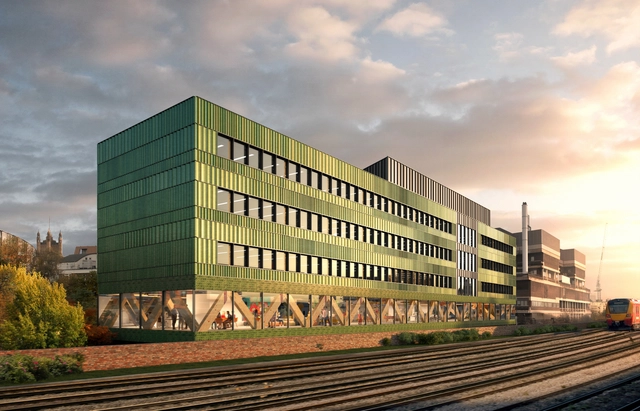
A new six-story net-zero carbon office development in Vauxhall, London, UK has been granted planning commission by the city council to move further. Designed by FCBStudios, the timber workspace named Paradise, will transform an abandoned site on old Paradise street, and replace the existing disused roastery.
.jpg?1596100203 "Courtesy of FCBStudios")
.jpg?1596100176 "Courtesy of FCBStudios")

.jpg?1596100270 "Courtesy of FCBStudios")

https://www.archdaily.com/944787/fcbstudios-net-zero-carbon-timber-workspace-in-london-receives-planning-commissionChristele Harrouk
Designing Smart Cities: A Human-Centered Approach
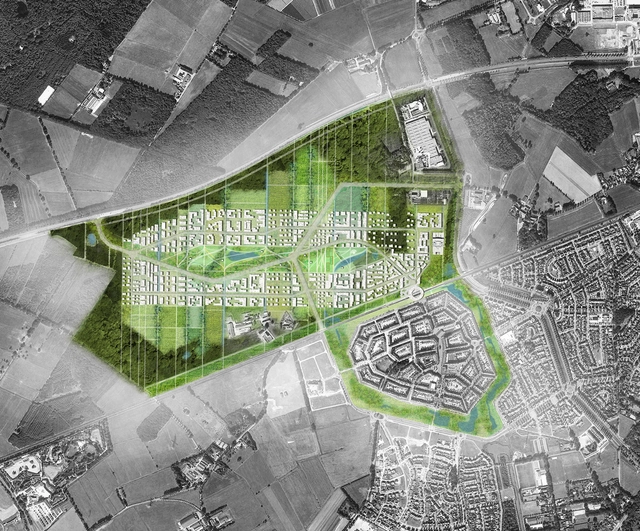
By 2025, Frost and Sullivan, a market research company, has predicted that there will be at least 26 fully-fledged major smart cities around the world. While some still think that as our cities get more intelligent, they will resemble sci-fi futuristic movies, the reality is that the quality of life in these cities will drastically improve. Cities are set to become more efficient with better services. Nevertheless, before reaching these ideals, let us go back on the process itself, and evaluate the challenges that we might face.
Because the concept of smart cities is still very new, with rare finalized and implemented projects, the topic is still unclear. Although big titles and strategies are well defined, the on-ground application is still uncertain, giving us the opportunity to question its planning process. In fact, how can we go wrong when designing smart cities? What key element are we failing to address in the planning phase?
https://www.archdaily.com/934186/designing-smart-cities-a-human-centered-approachChristele Harrouk
Graham Foundation Announces 2020 Individual Grants

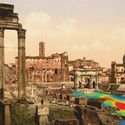
The Graham Foundation for Advanced Studies in the Fine Arts has announced 2020 Grants to Individuals. A total of 52 new grants will support critical projects that tackle contemporary issues, broaden historical perspectives, and explore the future of architecture and the designed environment. They are awarded for research, exhibitions, publications, films, and digital initiatives, among other formats.


https://www.archdaily.com/944835/graham-foundation-announces-2020-individual-grantsEric Baldwin
Reflection, Experiment, Innovation: Morris + Company Reflecting on Model Making
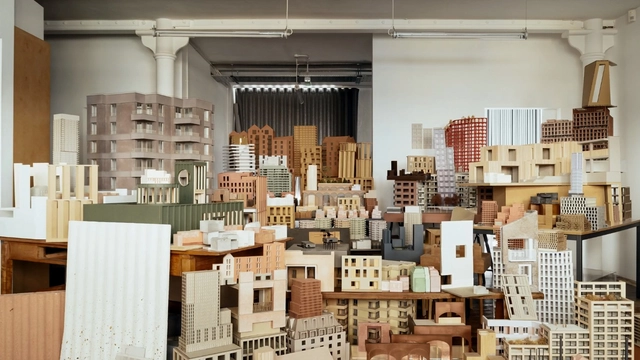
As lockdown provided architects with the opportunity to reflect on their design processes, it prompted Morris + Company founder, Joe Morris, to create On reflection, a series of short films discussing the fundamentals of the practice, centring the conversation around model making as a critical element of design thinking and a wide-ranging architectural tool.
https://www.archdaily.com/943781/reflection-experiment-innovation-morris-plus-company-reflecting-on-model-makingAndreea Cutieru
Edward Mazria With Some Good News About Combating Climate Change
This article was originally published on Common Edge.
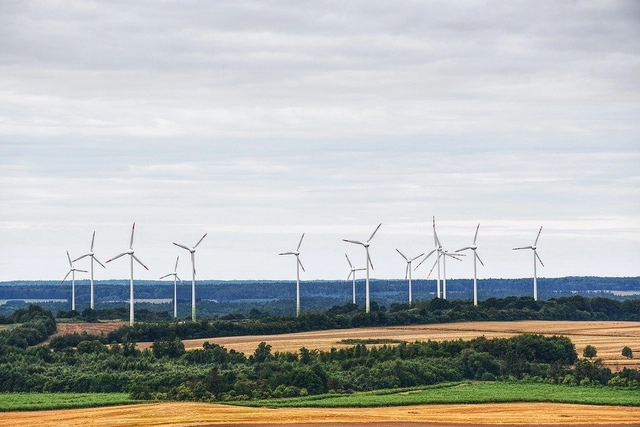
The news about real action on climate change tends to track toward the gloomy. It is easy to despair, given the severity of the problem and the time left to properly address it. But there is progress being made in the built environment—just not nearly fast enough to offset emissions elsewhere. In recent years the sector has added billions of square feet of new buildings, but seen energy consumption for the entire sector actually decline. A good chunk of the credit for that accomplishment can go to architect Edward Mazria and his dogged advocacy organization, Architecture2030. Mazria and his team, along with collaborators all over the world, keep doing the unglamorous work of revising building codes, working with mayors, governors, elected officials in Washington (and officials in China), forging new alliances, all while deftly working around the climate obstructionists currently occupying the White House. Recently I talked to Mazria, who spoke from his home in New Mexico, about his take on where we stand. Some of the news, alas, is pretty good.

https://www.archdaily.com/944810/edward-mazria-with-some-good-news-about-combating-climate-changeMartin Pedersen
How to Make a Facade with Recycled Materials: 21 Notable Examples
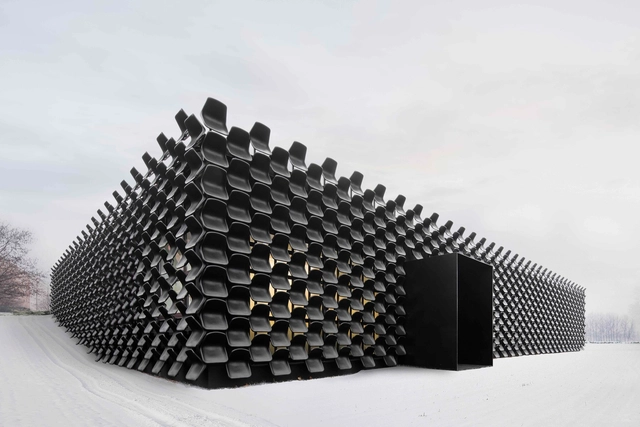



With the aim of supporting architects to become active agents of sustainable design, this week we present a selection of facades that incorporate different recycled materials. Beyond the typical uses of plastic and glass, in this article, you will find innovative materials such as mattress springs, ice cream containers, plastic chairs, and recycled waste from agricultural and industrial products. A look at 21 remarkable projects using recycled materials to create an attractive facade.
https://www.archdaily.com/896930/how-to-make-a-facade-with-recycled-materials-16-notable-examplesMaría Francisca González
The Catalan Vault in Spanish Architecture: 15 Projects that Are Breathing New Life into An Old Technique
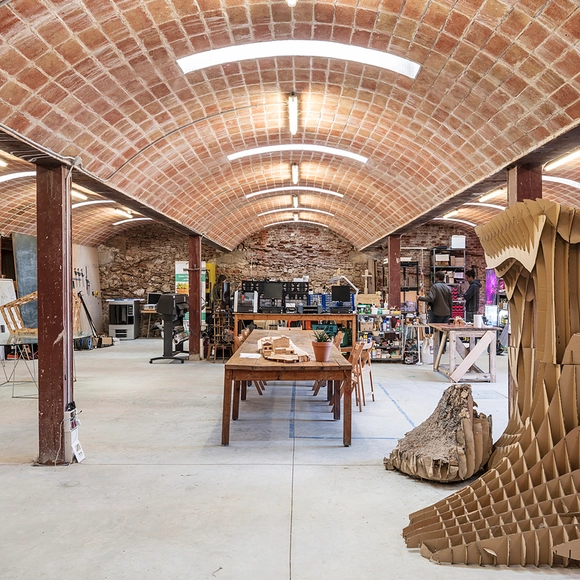
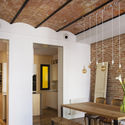
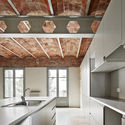

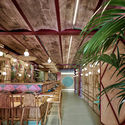
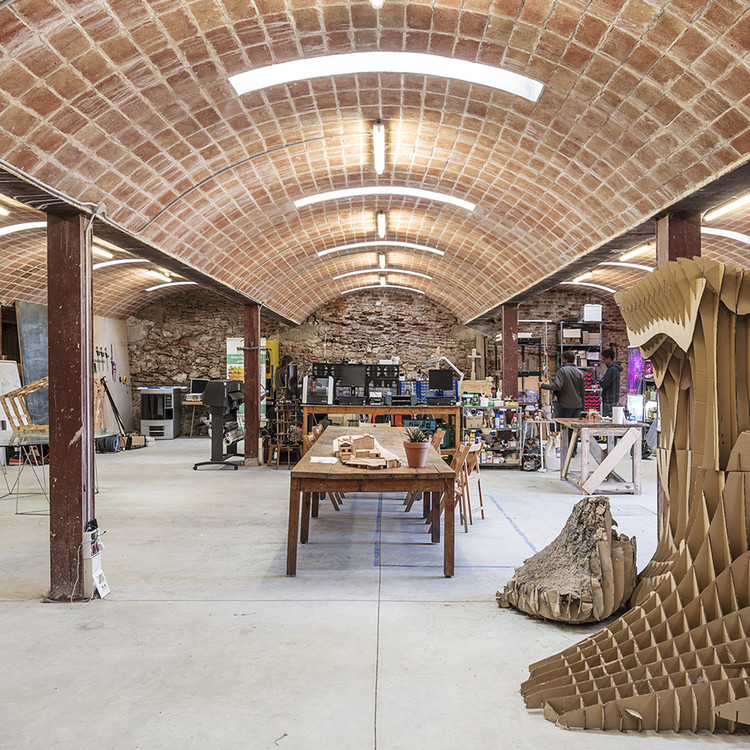
In some cases, a roof can become the shining centerpiece in a work of architecture. Catalan vault, also known as Valencian timbrel vault, became a fixture in Spanish architecture in the 19th century, popularized thanks to its low cost and ease of sourcing and assembly. With the ability to span over 30m per module, this technique is currently making a comeback, establishing itself as a go-to construction method in industrial architecture and can be seen in everything including workshops, factories, and warehouses.
https://www.archdaily.com/944658/the-catalan-vault-in-spanish-architecture-15-projects-that-are-breathing-new-life-into-an-old-techniqueBelén Maiztegui
Fluid Dynamics: Iconic Swimming Pools Around the World
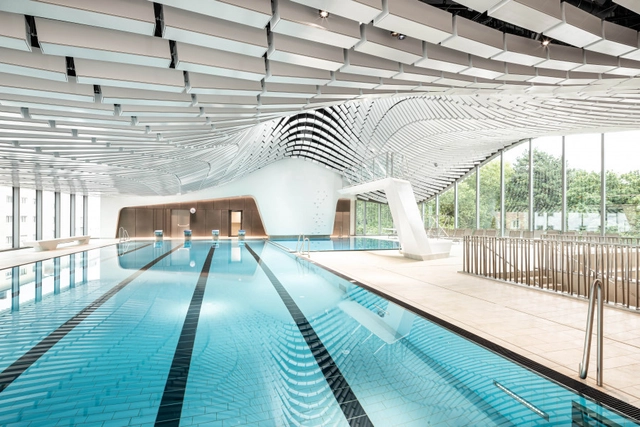
Aquatic centers are defined by activity. Making space for focused exercise and leisure alike, they are designed to support different scales of movement. At their core, they center on swimming pools. These structures explore ideas of light and space spanning millennia, from Pakistan's "Great Bath" at the site of Mohenjo-Daro and Ancient Greek palaestras to contemporary swimming complexes.


https://www.archdaily.com/944746/fluid-dynamics-iconic-swimming-pools-around-the-worldEric Baldwin
New Building Game Townscaper Allows Users to Build their Own City

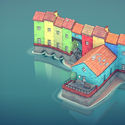
Townscaper is a new building game that allows users to create their own town, in a very simple way, with elements rising from a digital sea as they click. With no goal apart from the design aspect, this video game, launched very recently, has already gained a lot of positive reviews.


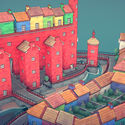

https://www.archdaily.com/944541/new-building-game-townscaper-allows-users-to-build-their-own-cityChristele Harrouk
SOM Designs Tallest Structure in Nanjing, China, Surpassing the Zifeng Tower
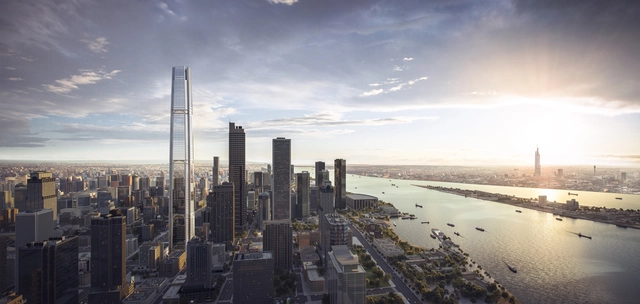
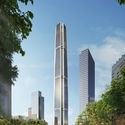
SOM has unveiled its design for a record-breaking supertall structure in Jiangsu Province, in China. Under construction since 2017, the Greenland Int’l Finance Center will become the tallest tower at almost 500 meters, once completed, surpassing Nanjing’s Zifeng Tower, also designed by SOM.


https://www.archdaily.com/944785/som-designs-tallest-structure-in-nanjing-china-surpassing-the-zifeng-towerChristele Harrouk
Anagram and Gruppa Design "Mountain of Knowledge" for Prague
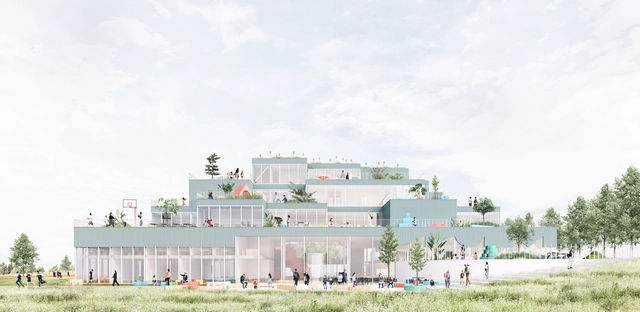
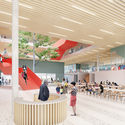
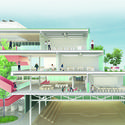
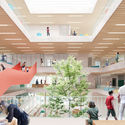
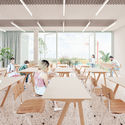
Barcelona and the Netherlands based Anagram A-U and Gruppa have designed a "Mountain of Knowledge" for the School of Dolní Měcholupy in Prague. Made for the national competition to create a new kindergarten and primary school, the proposal embraces connection and interaction to drive learning. The design is made of contour lines that delineate the mountain, while the building's core features a series of indoor-outdoor classroom spaces.

https://www.archdaily.com/944624/anagram-and-gruppa-design-mountain-of-knowledge-for-pragueEric Baldwin
Hemp Concrete: From Roman Bridges to a Possible Material of the Future
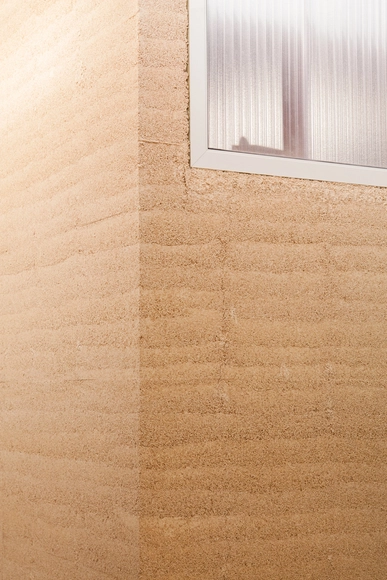
A lot of prejudice and contradictions surround the history of Cannabis sativa around the world. It is estimated that hemp was one of the first plants to be cultivated by mankind. Archaeologists have found remnants of hemp fabrics from ancient Mesopotamia (now Iran and Iraq) that date back to 8,000 BC [1]. There are similar records in China documenting the consumption of hemp seeds and oils, dating between 6 and 4 thousand BC. Upon its arrival in Europe, its main use was for the manufacture of ship ropes and fabrics: even the sails and ropes of Christopher Columbus' ships were made of this material. Likewise, the first books after Gutenberg's invention of the printing press [2] and many paintings by Rembrandt and Van Gogh were made of hemp.
The use of hemp for civil construction is not new either. Mortar made of hemp was discovered on the pillars of bridges built by the Merovingians in the 6th century, in what is now France. It is also well known that the Romans used hemp fiber to reinforce the mortar in their buildings. Nowadays, although there are legal barriers in many countries, the use of hemp as a construction material has had encouraging results, with research demonstrating its strong thermoacoustic and sustainable qualities. Hemp can be shaped into fibrous panels, coverings, sheets, and even bricks.
https://www.archdaily.com/944429/hemp-concrete-from-roman-bridges-to-a-possible-material-of-the-futureEduardo Souza
Karen Braitmayer, Founder of Studio Pacifica, Weighs in on Accessible Design
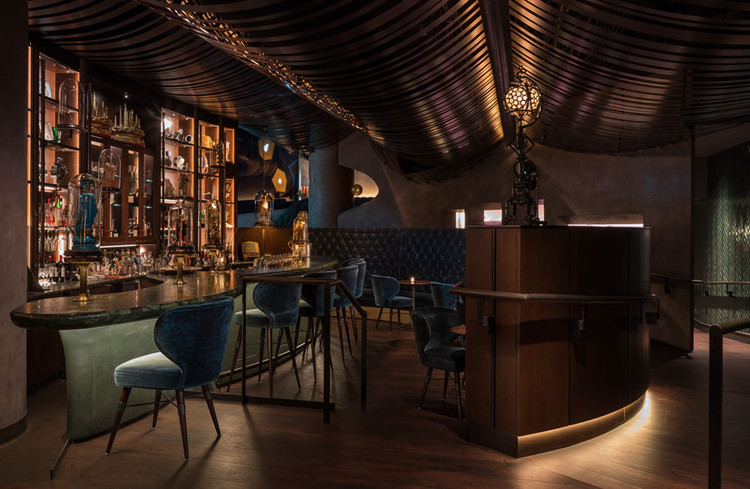
Karen Braitmayer, a disabled architect, consultant, and volunteer, brings her unique life experiences to Studio Pacifica, the Seattle‐based practice she founded in 1993. With deep expertise in code compliance and regulations, Braitmayer and her team work with architectural firms like Olson Kundig and Perkins and Will to help create barrier‐free civic, residential, and commercial buildings. Studio Pacifica has served as consultants on notable projects ranging from the Space Needle renovation to the Bill & Melinda Gates Foundation Discovery Center and student housing at Smith College. Braitmayer was appointed by President Barack Obama to the United States Access Board, a position she still holds today.

As we mark the 30th anniversary of the passage of the Americans with Disabilities Act (ADA) this month, we spoke to her about how far we’ve come, and how we can continue to advance accessible design in the built environment.


https://www.archdaily.com/944706/karen-braitmayer-founder-of-studio-pacifica-weighs-in-on-accessible-designAnna Zappia
100architects Regenerates Pedestrian Bridge in Shanghai, China, with Colorful Spaces
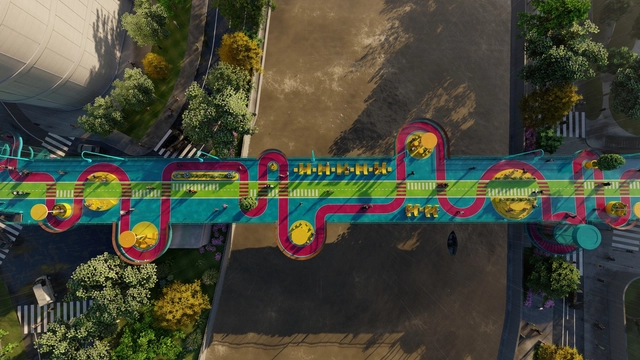
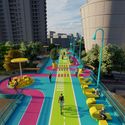
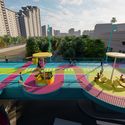
100architects has designed a proposal that regenerates the Puji Road pedestrian bridge in Shanghai, China. Entitled High Loop, the proposal reimagines the 1-kilometer elevated platform, adding playfulness and color to the city, without transforming the structure.

https://www.archdaily.com/944704/100architects-regenerates-pedestrian-bridge-in-shanghai-china-with-colorful-spacesChristele Harrouk
Are All Plastics Recyclable? Spotlight on a New Technology that Reclaims Rejects of Plastics and Glass
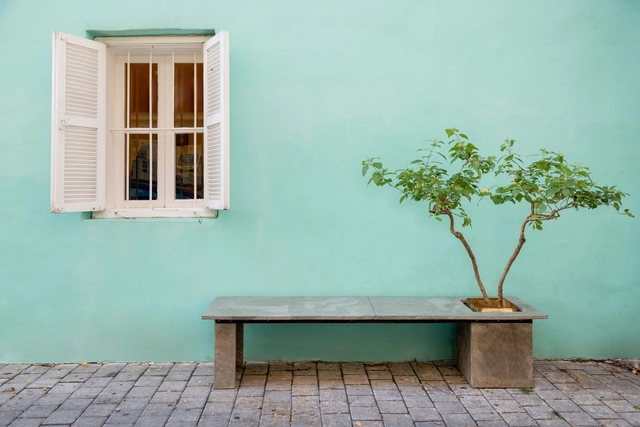
While not all plastics are being recycled, even the ones that display the recycling sign, the global plastic waste problem is nowhere close to being resolved. Recycling, generally determined by factors like demand, legislations, and economy, takes on arguably around 20% of the annual production of plastics, leaving a large quantity unattended, doomed to last forever in our environment. In addition, competing with newly-produced materials, recycled plastics need to meet standards of quality and price, and undergo a sustainable, efficient, and economically viable transformation.
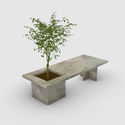
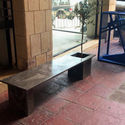
ROGP or Rejects of Glass & Plastics Technology is an innovative approach that repurposes plastics, once labeled as non-recyclable materials due to technical complexity or economy-related issues.
.jpg?1596025638 "© Charbel Tannous, courtesy of Development Inc.")

https://www.archdaily.com/944705/are-all-plastics-recyclable-spotlight-on-a-new-technology-that-reclaims-rejects-of-plastics-and-glassChristele Harrouk
Zaha Hadid Architects Creates Residential Project for the Island of Roatán, Honduras in the Caribbean
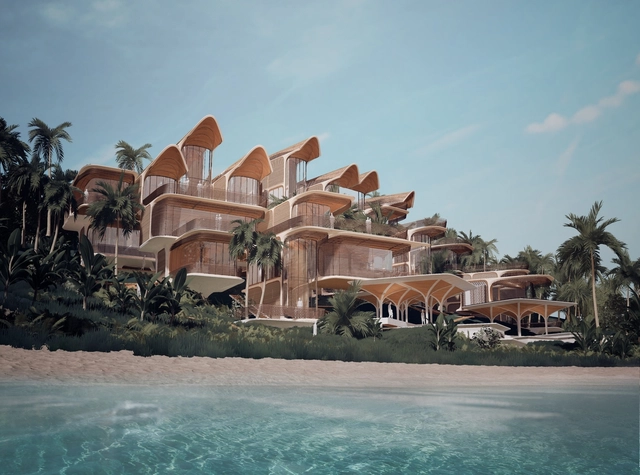
Zaha Hadid Architects has just unveiled Roatán Próspera Residences, its latest project with AKT II and Hilson Moran. Located on the island of Roatán in the Caribbean, the largest of the Bay Islands of Honduras, the project takes on specific ecological and social criteria, to develop homes for the island.
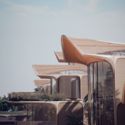

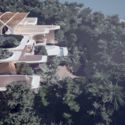

https://www.archdaily.com/944610/zaha-hadid-architects-creates-residential-project-for-honduras-in-the-caribbeanChristele Harrouk
Mecanoo Wins Competition to Design Amsterdam's New Vertical Neighborhood
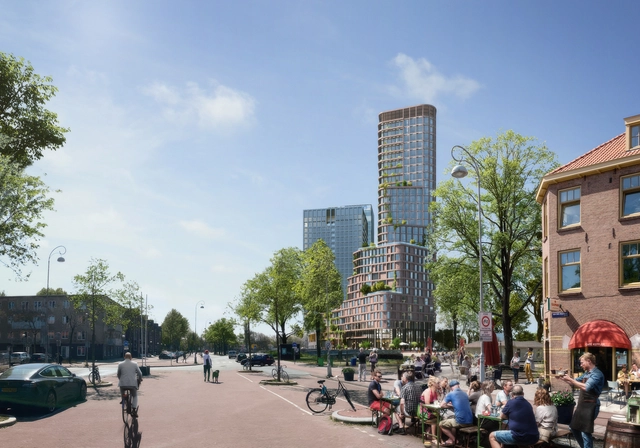
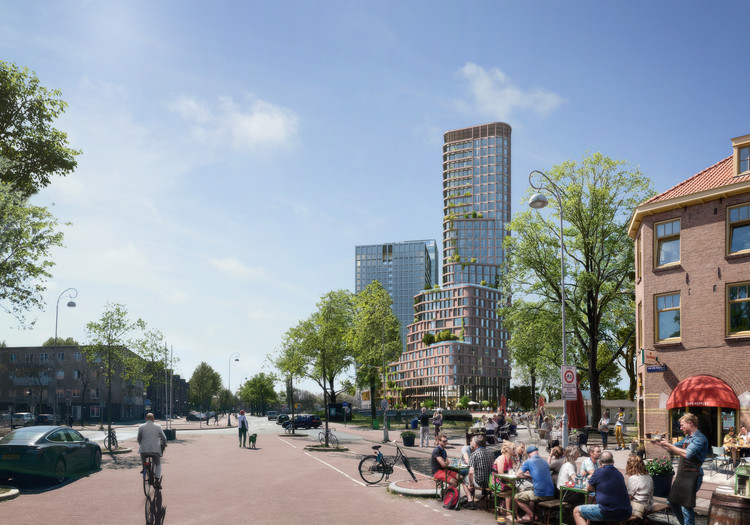
Dutch design practice Mecanoo has won the competition to design a new tower in Amsterdam. Dubbed Brink Tower, the project will rise 28 floors and accommodate nearly 400 new residents. The proposal is made to address a housing shortage for a range of tenants, including students and researchers. The new tower aims to become a green, sustainable and vibrant vertical neighborhood in the city.


https://www.archdaily.com/944627/mecanoo-wins-competition-to-design-amsterdams-new-vertical-neighborhoodEric Baldwin
The Colors of Brick
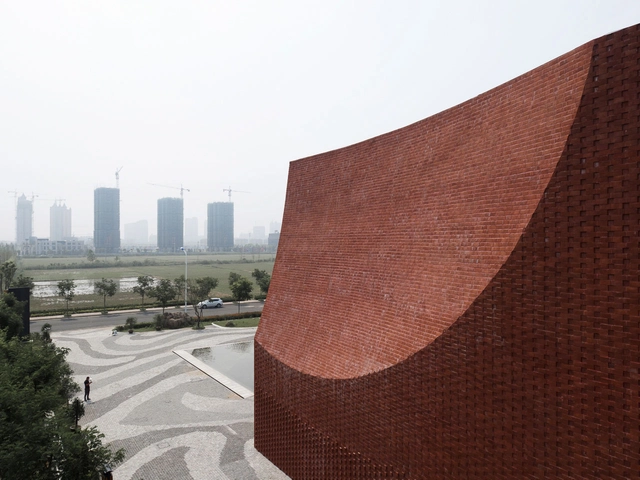



Brick is one of the most popular materials for architects designing with a vintage or rustic aesthetic: exposed brick walls are often touted as highly desirable for apartments, restaurants, and stores, and exterior brick facades can make a building or home feel warmer and more inviting. However, the color and cut of the brick can greatly influence the atmosphere it emanates, with white brick lending itself to more minimalist design and tan brick tending to feel more rustic and earthy. In this article, we will explore some of the most popular brick colors, ways to artificially color brick, and recent projects that use brick facades or interior brick elements effectively.
https://www.archdaily.com/944493/the-colors-of-brickLilly Cao
Economy of Means Discussed by Sharon Johnston, Kersten Geers, and Robin Collyer at the Lisbon Triennale
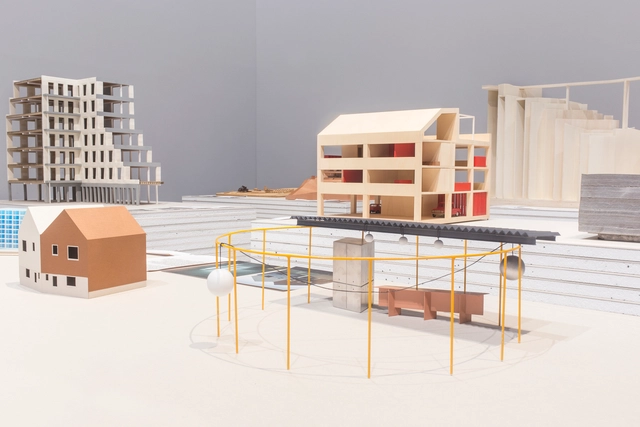
The Lisbon Architecture Triennale published on Vimeo the series of debates Talk, Talk, Talk held during its 5th edition, which was curated by Éric Lapierre. Divided into five major exhibitions, the Triennale addressed in one of them the issue of economy of means, discussed in the debates below.
https://www.archdaily.com/944638/economy-of-means-discussed-by-sharon-johnston-kersten-geers-and-robin-collyer-at-the-lisbon-triennaleEquipe ArchDaily Brasil
Eastern Bloc Architecture: Monumental Museums & Memorials
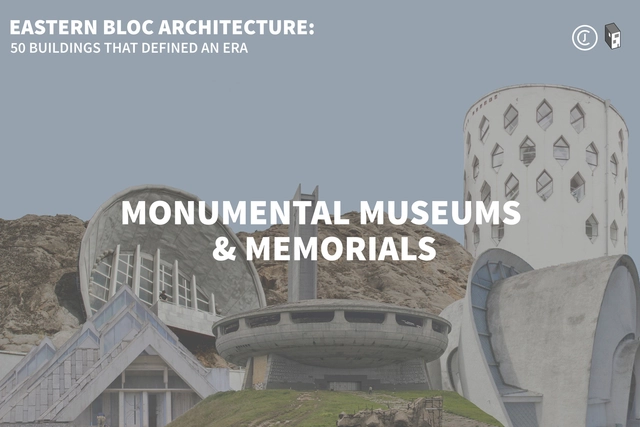
This article is part of "Eastern Bloc Architecture: 50 Buildings that Defined an Era", a collaborative series by The Calvert Journal and ArchDaily highlighting iconic architecture that had shaped the Eastern world. Every week both publications will be releasing a listing rounding up five Eastern Bloc projects of certain typology. Read on for your weekly dose: Monumental Museums and Memorials.

https://www.archdaily.com/944605/eastern-bloc-architecture-monumental-museums-and-memorialsDima Stouhi
Fabien Cousteau and Yves Béhar Create Proteus, the World's Largest and Most Advanced Underwater Station

Bringing together technical experts in different fields to address issues of global importance, Fabien Cousteau, first grandson of Jacques-Yves Cousteau, and the Fabien Cousteau Ocean Learning Center (FCOLC) announced the inception of PROTEUS, “the world’s most advanced underwater scientific research station and habitat to address humanity’s most critical concerns”. Conceived as the underwater version of the International Space Station, the project is designed by Yves Behar and fuseproject.
https://www.archdaily.com/944432/fabien-cousteau-and-yves-behar-create-proteus-the-worlds-largest-and-most-advanced-underwater-stationChristele Harrouk
Villa in Ibiza / Reutov Design
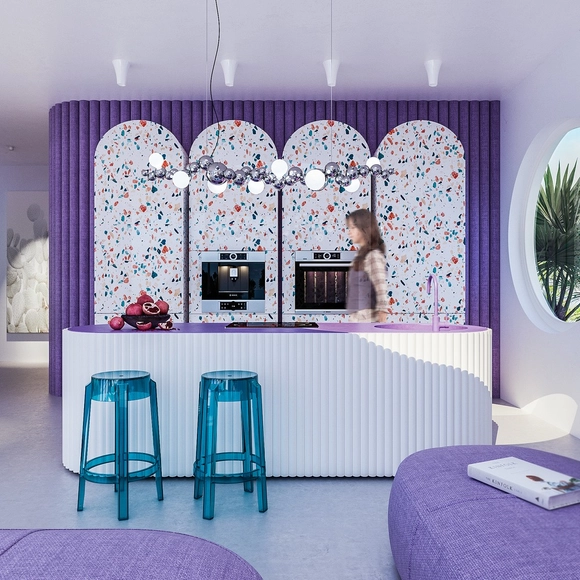
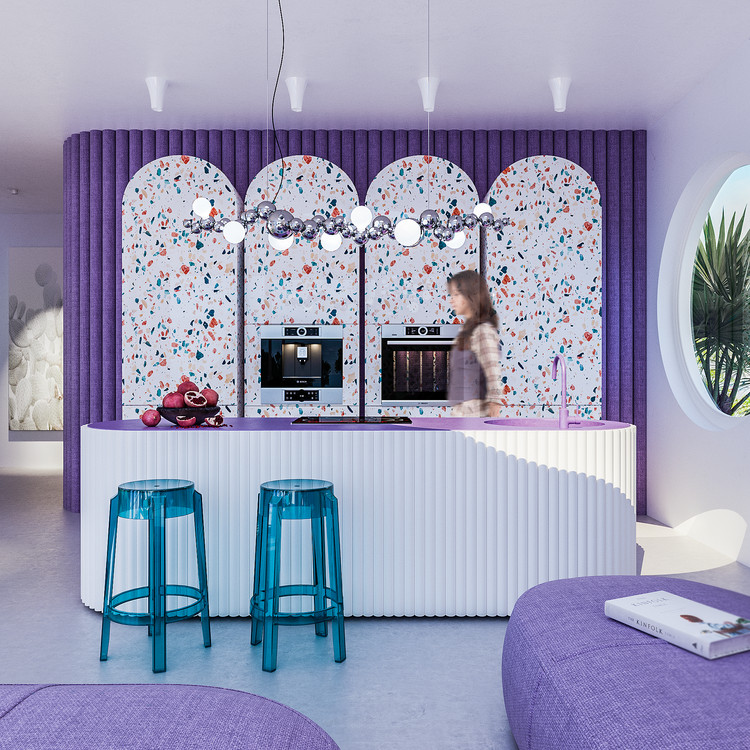
Text by Reutov Design. I was inspired to create this project by the nature of the island of Lanzarote in the Canary archipelago. Inspired by the extraterrestrial landscapes of this island combined with the bright colors of the nature of the island of Ibiza, we managed to create a light futuristic interior.



https://www.archdaily.com/944549/villa-in-ibiza-reutov-designPaula Pintos