1. ArchDaily
  2. vault

vault: The Latest Architecture and News

Designing with Vaults: 10 Residential Projects that Maximize Light and Volume

Subscriber Access | 

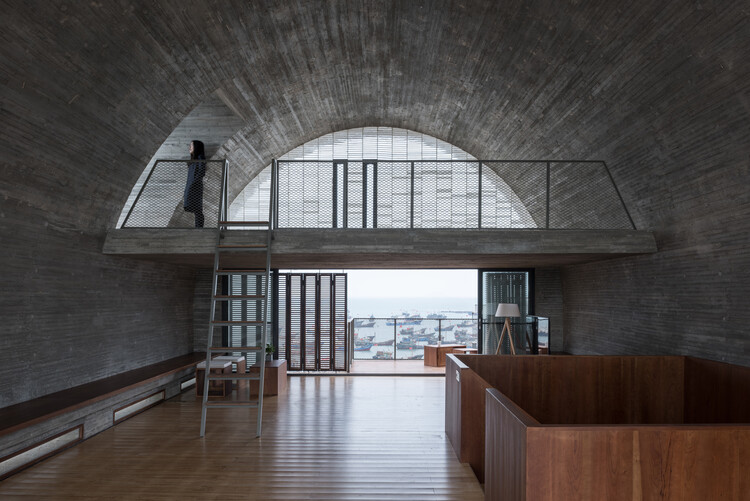
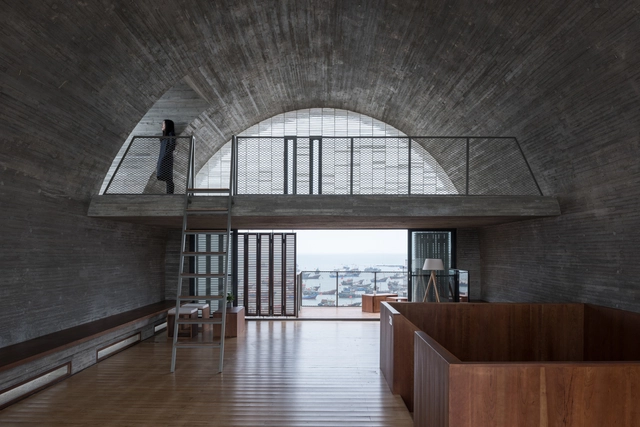
The term vault in architecture refers to a self-supporting arched structure that forms a ceiling or roof, which can effectively create a wide, column-free space. While traditional masonry vaults transfer loads to walls and buttresses, contemporary versions are more broadly defined as any ceiling that follows the roofline, creating a high, curved interior. These modern ceilings are typically framed using materials like concrete, timber, or steel, which provide the structural flexibility to create the dramatic effect of a vault without its historical constraints. The round arch vault, in particular, seems to have been a recently favored form for its simple, elegant geometry and its ability to adapt to a variety of modern residential styles.

Designing with Vaults: 10 Residential Projects that Maximize Light and Volume - Image 1 of 4Designing with Vaults: 10 Residential Projects that Maximize Light and Volume - Image 2 of 4Designing with Vaults: 10 Residential Projects that Maximize Light and Volume - Image 3 of 4Designing with Vaults: 10 Residential Projects that Maximize Light and Volume - Image 4 of 4Designing with Vaults: 10 Residential Projects that Maximize Light and Volume - More Images+ 7

The Nubian Vault: Reviving Ancient Techniques for Modern Solutions

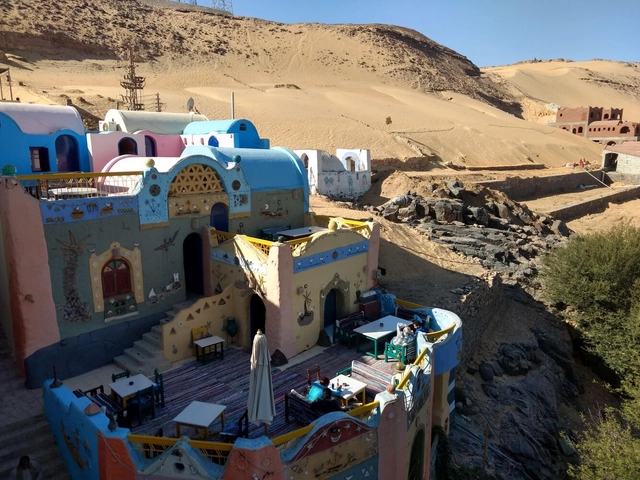
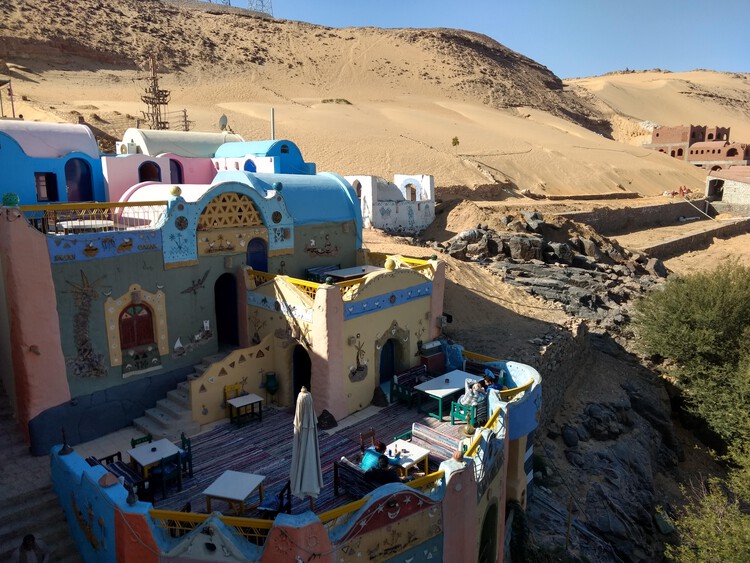
The colorful houses of Aswan in the south of modern-day Egypt attract tourists who venture that far up the River Nile. Accessed by small river boats, islands like Suheil West are the homes of Nubian communities, some of whom had had to relocate after the building of the Aswan High Dam in the 1960s. Behind the picturesque views of plastered walls covered in murals and motifs, perched on rocky hills overlooking the Nile, is a construction technique used locally for centuries. It uses locally sourced materials, conserves nature, and regulates internal temperatures against the heat in the day and the cold at night.

The Nubian Vault: Reviving Ancient Techniques for Modern Solutions - Image 1 of 4The Nubian Vault: Reviving Ancient Techniques for Modern Solutions - Image 2 of 4The Nubian Vault: Reviving Ancient Techniques for Modern Solutions - Image 3 of 4The Nubian Vault: Reviving Ancient Techniques for Modern Solutions - Image 4 of 4The Nubian Vault: Reviving Ancient Techniques for Modern Solutions - More Images+ 8

Vaulted and Arched Ceilings in Argentine Houses: Examples Using Brick, Wood, and Concrete

Subscriber Access | 
Vaulted and Arched Ceilings in Argentine Houses: Examples Using Brick, Wood, and Concrete - Featured Image
Monopoli House / Fabrizio Pugliese. Image

Vaulted and Arched Ceilings in Argentine Houses: Examples Using Brick, Wood, and Concrete - Image 1 of 4Vaulted and Arched Ceilings in Argentine Houses: Examples Using Brick, Wood, and Concrete - Image 2 of 4Vaulted and Arched Ceilings in Argentine Houses: Examples Using Brick, Wood, and Concrete - Image 3 of 4Vaulted and Arched Ceilings in Argentine Houses: Examples Using Brick, Wood, and Concrete - Image 4 of 4Vaulted and Arched Ceilings in Argentine Houses: Examples Using Brick, Wood, and Concrete - More Images+ 6

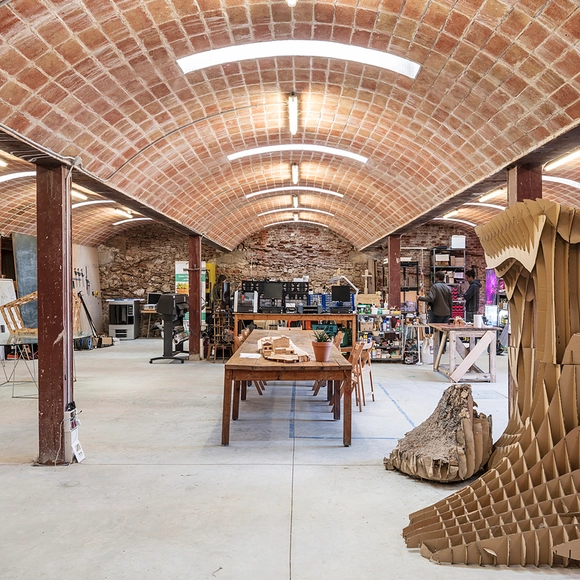
A vault is a constructive technique that is achieved by compressing the materials forming it together. While this technique has existed since the time of the ancient Romans, certain types of vaulted ceilings, such as the Catalan or Valencian timbral vault, only reached popularity in some areas of the world at the start of the 19th century thanks to their lost cost and ready availability. With the ability to span over 30 meters and add substantial height to structures, vaulted ceilings became a go-to for the construction of industrial spaces such as workshops, factories, and warehouses.

The Umbrella Columns of Amancio Williams: Resistance, Autonomy, and Versatility as Seen in 10 Projects

Subscriber Access | 
The Umbrella Columns of Amancio Williams: Resistance, Autonomy, and Versatility as Seen in 10 Projects - Featured Image
Una Nueva Bóveda Cáscara (1952). Image Cortesía de Archivo Williams - Director Claudio Williams

The Umbrella Columns of Amancio Williams: Resistance, Autonomy, and Versatility as Seen in 10 Projects - Image 1 of 4The Umbrella Columns of Amancio Williams: Resistance, Autonomy, and Versatility as Seen in 10 Projects - Image 2 of 4The Umbrella Columns of Amancio Williams: Resistance, Autonomy, and Versatility as Seen in 10 Projects - Image 3 of 4The Umbrella Columns of Amancio Williams: Resistance, Autonomy, and Versatility as Seen in 10 Projects - Image 4 of 4The Umbrella Columns of Amancio Williams: Resistance, Autonomy, and Versatility as Seen in 10 Projects - More Images+ 16

The umbrella column or hollow vault (bóveda cáscara) is a reinforced concrete structure designed by Amancio Williams (Buenos Aires, 1913-1989) that, thanks to its form, has the capacity to support massive amounts of weight while independently maintaining its balance. In other words, it doesn't need any reinforcing structure, save for its singular column, to remain standing.

The studies surrounding bóveda cáscara in architecture were started by Williams in 1939, and resulted in numerous essays and small-scale models. The structures, specifically designed for high roofs and also known as 'umbrellas' or 'parasols,' are a prime example of the modern architectural movement in Argentina, distinguished by their experimentation in form and function.

The Catalan Vault in Spanish Architecture: 15 Projects that Are Breathing New Life into An Old Technique

Subscriber Access | 

The Catalan Vault in Spanish Architecture: 15 Projects that Are Breathing New Life into An Old Technique - Image 1 of 4The Catalan Vault in Spanish Architecture: 15 Projects that Are Breathing New Life into An Old Technique - Image 2 of 4The Catalan Vault in Spanish Architecture: 15 Projects that Are Breathing New Life into An Old Technique - Image 3 of 4The Catalan Vault in Spanish Architecture: 15 Projects that Are Breathing New Life into An Old Technique - Image 4 of 4The Catalan Vault in Spanish Architecture: 15 Projects that Are Breathing New Life into An Old Technique - More Images+ 11

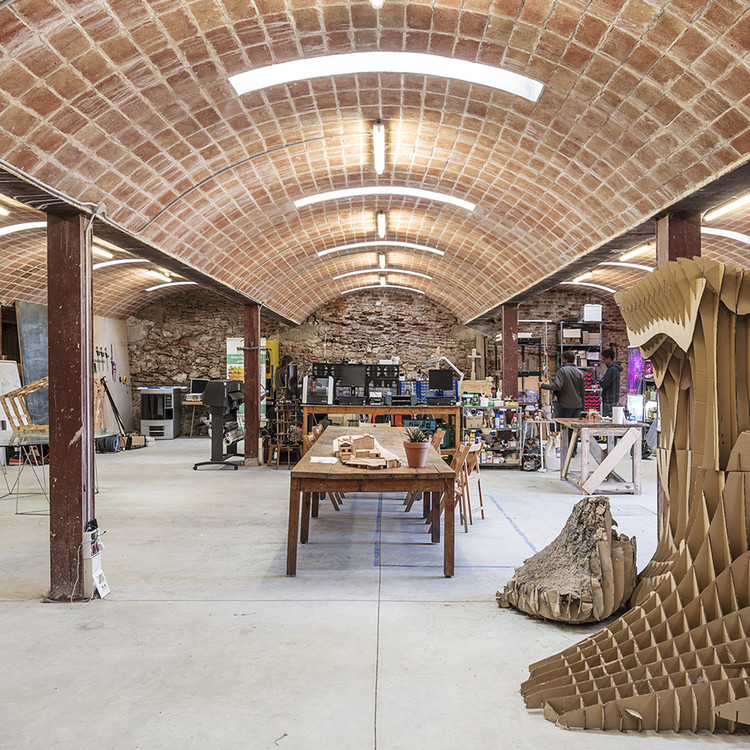
In some cases, a roof can become the shining centerpiece in a work of architecture. Catalan vault, also known as Valencian timbrel vault, became a fixture in Spanish architecture in the 19th century, popularized thanks to its low cost and ease of sourcing and assembly. With the ability to span over 30m per module, this technique is currently making a comeback, establishing itself as a go-to construction method in industrial architecture and can be seen in everything including workshops, factories, and warehouses.

Exhibition: Beyond the Structure

The exhibition, presented by SOM and Fundación Arquitectura COAM spotlights SOM’s structural engineering practice and its integration with SOM’s architectural design.

This Stone Vault Prototype Creates Almost No Material Waste

Subscriber Access | 

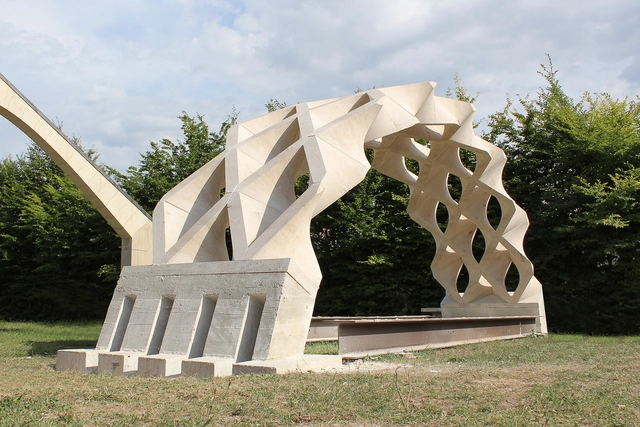
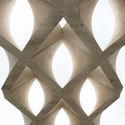
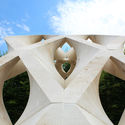
Italy-based New Fundamentals Research Group recently designed and built a full-scale prototype of an experimental barrel-vaulted stone structure for SNBR, a French company that specializes in cutting-edge stone construction. The structure is named Hypar Vault in a reference to the geometry of its constituent blocks; it uses two types of prefabricated stone modules—one type is the mirror image of the other—whose designs are based on the hypar (hyperbolic paraboloid), one of the only "doubly-ruled" surfaces in geometry. The use of these configurations allowed the vault to be constructed with almost zero wasted stone.

This Stone Vault Prototype Creates Almost No Material Waste - Image 2 of 4This Stone Vault Prototype Creates Almost No Material Waste - Image 5 of 4This Stone Vault Prototype Creates Almost No Material Waste - Image 6 of 4This Stone Vault Prototype Creates Almost No Material Waste - Image 8 of 4This Stone Vault Prototype Creates Almost No Material Waste - More Images+ 24