

This guide explains how to structure multi-image prompts in the RunDifussion platform. Explore RunDifussion's product catalog.
News
How to Prompt and Annotate Multiple Images with AI
| Sponsored Content
https://www.archdaily.comhttps://www.archdaily.com/catalog/us/products/38860/how-to-prompt-and-annotate-multiple-images-with-ai-rundiffusion
10 Types of Roofs and the Possibilities of Slate Tiles
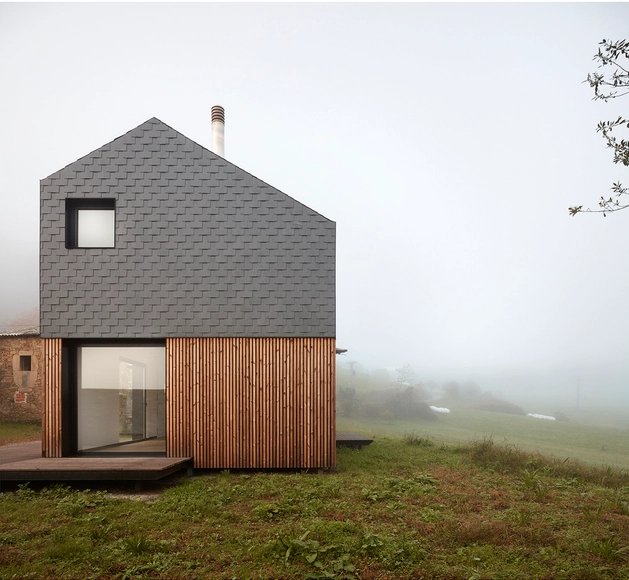
Every child has drawn a house. Perhaps a sunny day with some clouds, a leafy tree, a family with a dog, low wooden fences, or even a car. But in these drawings, they will almost certainly draw a simple rectangle with a gable or hip roof. This archetype of the house appears in virtually all cultures, and even today many architects use it for contemporary projects.
In addition to the primary function of draining rainwater and snow, and thus protecting the building from the weather, roofs can be an important aesthetic device for composing a project. In modern architecture, waterproof roof slabs emerged as a popular alternative, but sloping roofs have continued to captivate both clients and architects. In this article, we will cover the various types of roofs and, more specifically, the manufacturing process and characteristics of natural slate tiles.
https://www.archdaily.com/950937/10-types-of-roofs-and-the-possibilities-of-slate-tilesEduardo Souza
Softly Lit Lounges and Eccentricity: Furnishing London's Luxury Hotels
| Sponsored Content

CTO Lighting is a luxury lighting company. Counting the iconic Savoy and Dorchester hotels among its clients, the company's approach blends traditional values of quality and craftsmanship with a contemporary emphasis on sustainability and collaboration.
https://www.archdaily.com/951110/floor-table-wall-lamps-and-pendants-discover-cto-lightings-distinctive-lampsArchitonic
How Can One Public Space Transform an Entire Neighborhood? UN-Habitat's Model Street Initiative
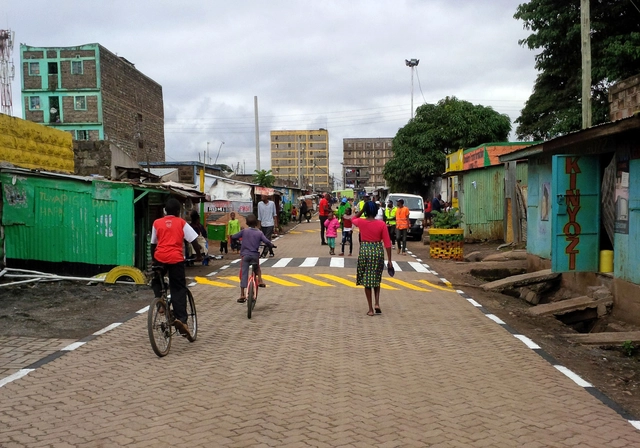
The Un-Habitat or the United Nations agency for human settlements and sustainable urban development, whose primary focus is to deal with the challenges of rapid urbanization, has been developing innovative approaches in the urban design field, centered on the active participation of the community. ArchDaily has teamed up with UN-Habitat to bring you weekly news, article, and interviews that highlight this work, with content straight from the source, developed by our editors.
Associated with crime, waste, and garbage, Dandora in Nairobi’s Eastlands is home to 140,000 or so residents. In an on-going collaboration, between local residents and youth groups, UN-Habitat, Making Cities Together Coalition, and the Dandora Transformation League, the Model Street project has been transforming the garbage-filled community spaces into waste-free, attractive, and engaging places. Focusing on improving the shared courtyard spaces of residential compounds, an annual competition led by the youth of the neighborhood, the Changing Faces Challenge, became an initiative mobilizing citizens across Nairobi.



https://www.archdaily.com/951250/how-can-one-public-space-transform-an-entire-neighborhood-un-habitats-model-street-initiativeChristele Harrouk
Australia is Building the World’s First Coral Conservation Facility
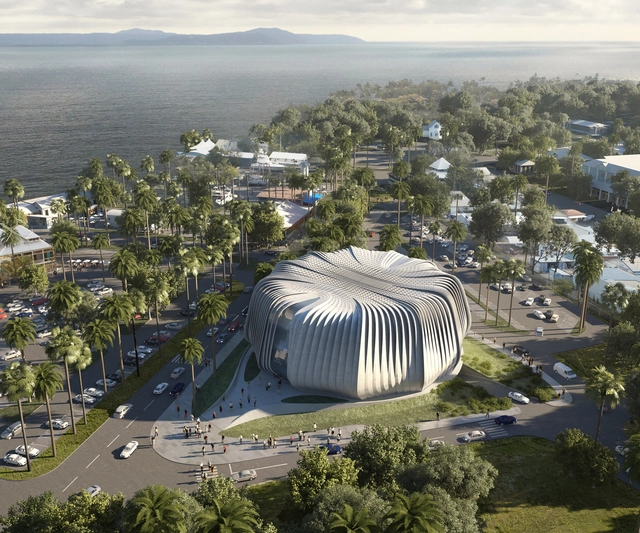
Contreras Earl Architecture has revealed its design for the world-first coral ark. Located at the gateway to the Great Barrier Reef in Port Douglas, North Queensland, Australia, the conservation facility “aims to secure the long-term future and biodiversity of corals worldwide which are under severe threat due to climate change”.
https://www.archdaily.com/950322/australia-is-building-the-worlds-first-coral-conservation-facilityChristele Harrouk
The Human Scale: India At Eye Level
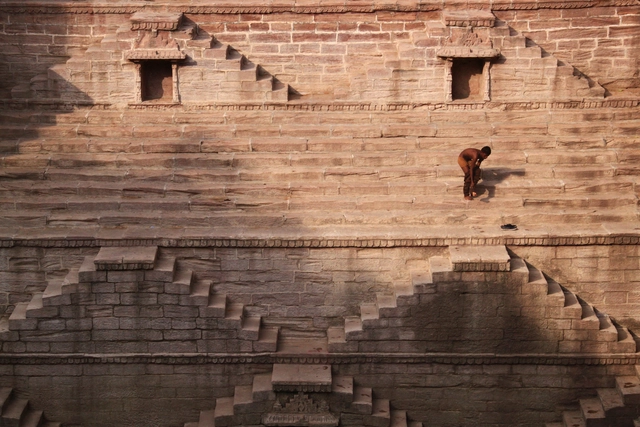
The human scale can best be described as the relationship between a body and its surroundings and a body is nothing if not the undeniable connection between our sensorial experience within the material world and how we perceive it within our own minds.
https://www.archdaily.com/951018/the-human-scale-india-at-eye-levelLucia Mariotto
After Coronavirus Delays, M+ Launches "Archigram Cities" Series in a Hybrid Format
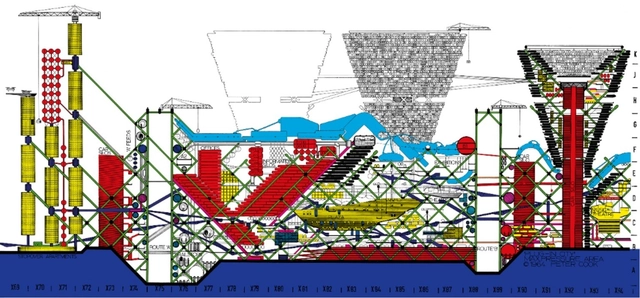
After its opening was curtailed this past winter by the coronavirus pandemic, the hotly anticipated Archigram Cities exhibition is now officially up-and-running throughout November 2020. Presented by the Hong Kong-based visual culture museum M+ and organized in collaboration with the Department of Architecture at the University of Hong Kong and Shanghai’s Power Station of Art, Archigram Cities has taken form as a hybrid virtual/in-person slate of happenings—talks, screenings, presentations, and more—that plumb and celebrate the vast legacy of British avant-garde architectural collective Archigram.

https://www.archdaily.com/951207/after-coronavirus-delays-m-plus-launches-archigram-cities-series-in-a-hybrid-formatMatt Hickman
Design Disruption Episode 6: Design and the Just City with Toni Griffin
The COVID-19 Pandemic is a disruptive moment for our world, and it’s poised to spur transformative shifts in design, from how we experience our homes and offices to the plans of our cities. The webcast series Design Disruption explores these shifts—and addresses issues like climate change, inequality, and the housing crisis— through chats with visionaries like architects, designers, planners, and thinkers; putting forward creative solutions and reimagining the future of the built environment.

https://www.archdaily.com/951210/design-disruption-episode-6-design-and-the-just-city-with-toni-griffinArchDaily Team
Tips for Choosing Tree Species in Urban Settings
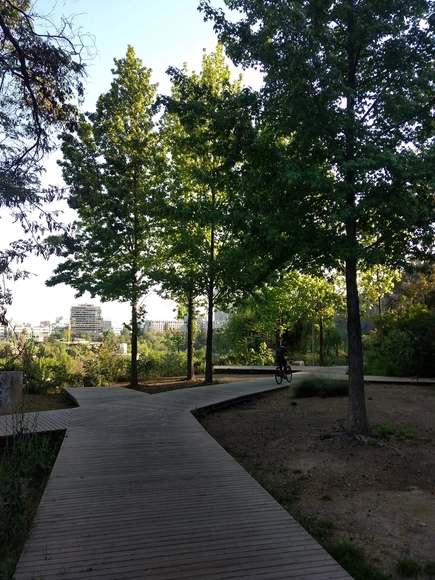
In the early modern period, Taoist monks cultivated Bonsai trees seeking to bring their beauty from the outside to the inside, considering them a link between the human and the divine. Likewise, in the 18th century, different tree-lined walks and avenues arose on the outskirts of some European cities, generating spaces for rest and socialization that were previously non-existent in cities at that time.
In cities today, trees are essential elements in the urbanization process and act as irreplaceable counterpoints to manmade constructions for spatial harmony. Choosing appropriate tree species and maintaining them correctly generates countless benefits, such as acoustic and visual insulation, temperature regulation, the generation of biological corridors, and control of wind speeds. The main mistake planners can make when choosing tree species is forgetting that they are living beings and have specific needs.
What should we consider to pick them correctly?
https://www.archdaily.com/950784/tips-for-choosing-tree-species-in-urban-settingsIgnacio Rodríguez
Pegasus, BIG and KILO's Hyperloop Travel System, Carries First Passengers

Making history, Virgin Hyperloop’s Pegasus pod carried its first passengers in the Nevada desert. Designed by BIG-Bjarke Ingels Group and Kilo Design, Pegasus or XP-2 is a new vehicle typology for an autonomous transportation system to achieve hyperloop travel at the speed of over 1,000km/hour, the fastest form of land-based travel.





https://www.archdaily.com/951171/big-and-kilos-pegasus-first-manned-and-fully-functional-system-for-hyperloop-travel-carries-first-passengersChristele Harrouk
CROX Designs Futuristic Vertical Park for San Jose

Design practice CROX has designed a conceptual vertical park for San Jose, California. Dubbed the San Jose Ring, the landmark project takes on a circular shape inspired by architect Lin Congran's idea of unity and historical continuity. As the team outlines, the project aims to reconnect people and nature through a huge loop, emphasizing connection through a combination of sculpture, architecture and park space.




https://www.archdaily.com/951104/crox-designs-futuristic-vertical-park-for-san-joseEric Baldwin
The Versatility of Wooden Staircases in Portuguese Houses
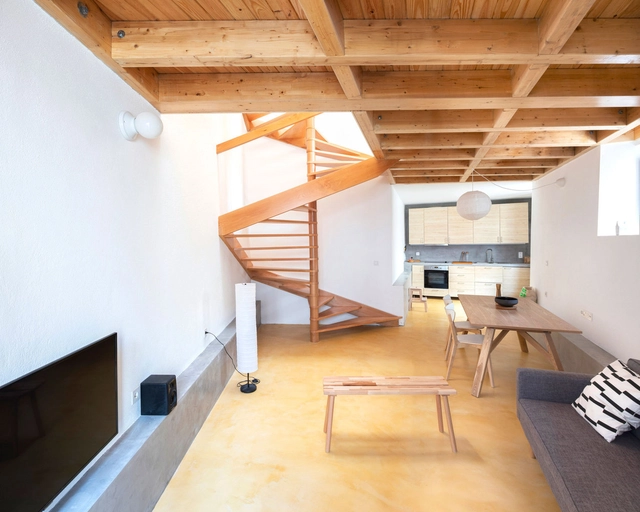
The presence of different ground levels requires solutions to connect them, either because of a need to adapt to the terrain or any other factor that leads to the verticalization of a building. Staircases serve the purpose of connecting the various floors and creating the building's dynamics through many different shapes, designs, and materials. When made of wood, they can also add a variety of colors and textures that contribute to the uniqueness of this element.
https://www.archdaily.com/950915/the-versatility-of-wooden-staircases-in-portuguese-housesSusanna Moreira
Architectural Wire Mesh Provides Versatile Shading Solutions
| Sponsored Content
.jpg?1603825674&format=webp&width=640&height=580)
Now that we’re all spending much more time inside due to the pandemic, we’ve had a chance to truly understand and appreciate the significant impact that windows can have on a space. Views, sun angles, and orientation of windows are all important considerations when designing a new building - and as pleasant as it is to have a connection to the outdoors, windows can also cause issues like glare and heat gain. Of course no one wants a building with windows only on one side or to have the blinds shut constantly to be able to see their computer screen, so one versatile architectural solution is to shade windows using architectural wire mesh.
https://www.archdaily.com/950297/architectural-wire-mesh-provides-versatile-shading-solutionsMegan Schires
Kazakhstan Rising: Modern Architecture Taking Shape
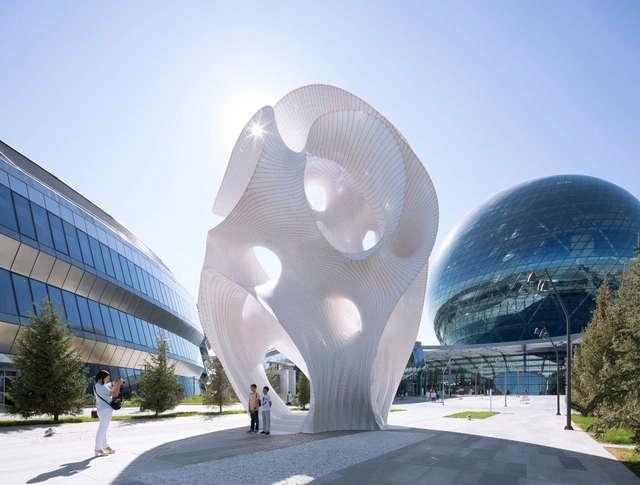
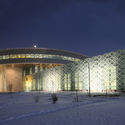
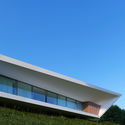
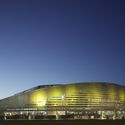
Kazakhstan's built environment is defined by a complex history. As a constitutional republic with a diverse cultural heritage, the country's architecture includes contrasting traditions, from integrating buildings with the landscape to standing out from it. Today, a mix of futuristic towers and monuments speak to a legacy of atypical design, and a series of modern projects showcase how architects are working to build a new narrative for the country.


https://www.archdaily.com/931976/kazakhstan-rising-modern-architecture-taking-shapeEric Baldwin
Public Spaces and Human Scale: The City at Eye Level While Moving at 5 KM/H

During the first days of the quarantine, we noticed a drastic change throughout the world's cities—streets, plazas, and parks deserted and devoid of life, putting into perspective the powerful effect that humans have on urban spaces. Here, we have compiled a list of projects and spaces that show just how humans bring life to the places they inhabit.
https://www.archdaily.com/950734/public-spaces-and-human-scale-the-city-at-eye-level-while-moving-at-5-km-hSantiago Baraya
International Photography Awards Announces Winners of its 2020 Competition in the Architecture Section
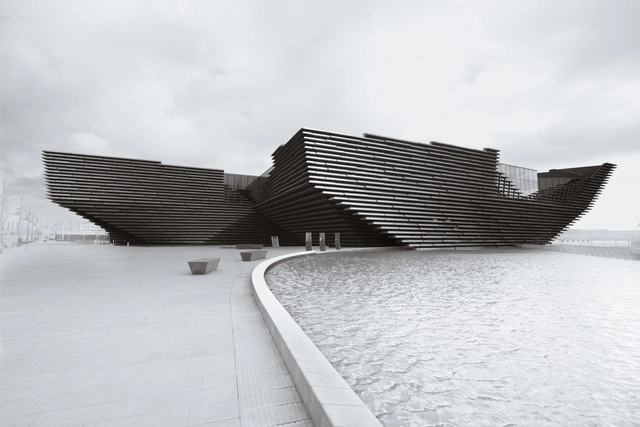
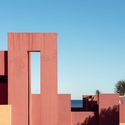
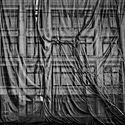
The International Photography Awards has announced the winners of its 2020 photography competition. Showcasing some of the most outstanding photographic work from around the globe, this year’s contest gathered a total of 13,000 entries from 120 countries. Discover the selection of winners and honorable mentions from the architecture sub-categories: fine art, cityscapes, bridges, buildings, interior, historic, industrial, abstract, and other.



https://www.archdaily.com/950632/international-photography-awards-announces-winners-of-its-2020-competition-in-the-architecture-sectionChristele Harrouk
AIA California Announces 2020 Residential Design Awards
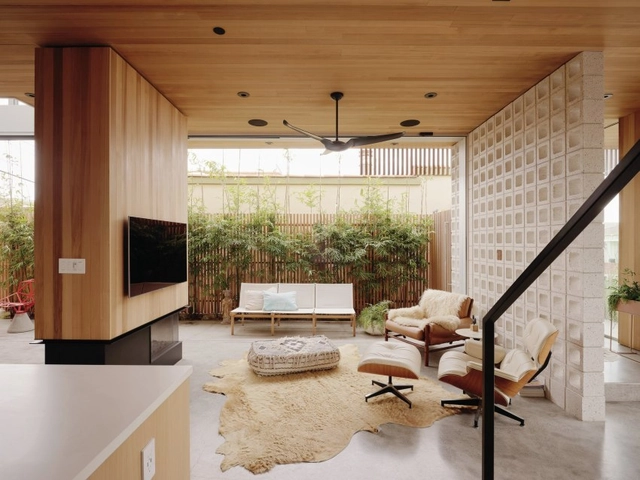
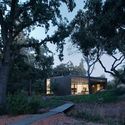
The American Institute of Architects California (AIA CA) has announced the recipients of the 2020 Residential Design Awards. With nearly 100 projects submitted, the jury recognized ten projects with honor, merit and leading edge awards. As AIA California states, the jury took many aspects into consideration, looking for "exceptional design" that represents all that California architecture has to offer.
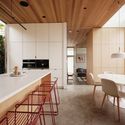
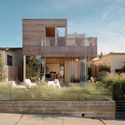


https://www.archdaily.com/951041/aia-california-announces-2020-residential-design-awardsEric Baldwin
How Do Insulated Panels Work? Technical Diagrams on Sustainable Building Envelopes
| Sponsored Content
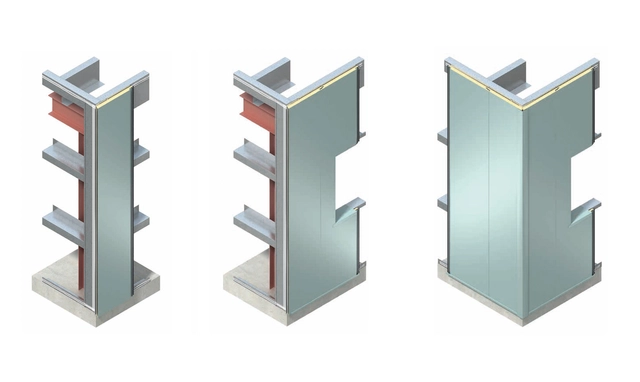
A building’s envelope is the first thing you notice - its defining feature, before even setting foot inside. While indisputably important, there’s much more going on than just aesthetics when designing one. There are unseen aspects and qualities that make the interior of the building safe and comfortable, which architects are constantly balancing with the visual appearance of the exterior.
Building envelopes keep out the weather, contribute to thermal and acoustic comfort, affect fire safety, and the choice of one system over another has economic, sustainability, constructability, and longevity implications to consider. In addition, there are multiple aesthetic factors a building envelope needs to address: context, color, texture, visual comfort, and overall design intent to name just a few.
https://www.archdaily.com/946741/how-do-insulated-panels-work-technical-diagrams-on-sustainable-building-envelopesMegan Schires
The Value of an Address: How Cities Around the World Utilize Street Names and Building Numbers

In cities across the United States, an address is more than just a street name or a building number- but a brand that translates directly into a symbol of wealth and prestige. Take the tallest residential tower in the country, 432 Park Avenue in New York City, which doesn't actually sit quite on park avenue. Instead, it’s neighboring lot to the east sits on Park Avenue, and this mega structure actually faces 56th avenue- a significantly less iconic street. However, this inflated valuation doesn’t happen everywhere. Cities in other countries don't place the same weight on an address and refer to buildings or locations as landmarks or by their appearances, which doesn't force a high monetary value based on an address or a marketing scheme alone. How do places in the world differ in how they brand buildings and streets in cities, and what does that tell us about their urban culture?
https://www.archdaily.com/950995/the-value-of-an-address-how-cities-around-the-world-utilize-street-names-and-building-numbersKaley Overstreet
“Good Looking Architecture is Not Enough”: In conversation with Anna Heringer
In a recent interview by Louisiana Channel, German architect Anna Heringer talks about the recently inaugurated Anandaloy centre in Bangladesh, a social space which became a catalyst for local development. The architect shares her commitment to sustainability and touches on the importance of the transfer of know-how to local communities through participatory building processes.
https://www.archdaily.com/950952/good-looking-architecture-is-not-enough-in-conversation-with-anna-heringerAndreea Cutieru
Free Webinars to Dive into Software, Materials & Architecture

If quarantine has brought something positive into the lives of many people around the world, it is the opportunity to change up our daily routines and dive into new activities that we did not have time or energy for beforehand. Learning and delving into topics that interest us or that are related to our work is one of them.
Many organizations and companies linked to the world of architecture and construction are enhancing their digital presence through webinars (or 'online seminars') that provide an in-depth look into their tools and products, allowing them to maintain their connection with the people who want and need them. We invite you to review a list of free seminars in which you could participate in the coming weeks. Hopefully, you will find one that suits your latest project!
https://www.archdaily.com/936791/free-webinars-to-dive-into-software-materials-and-architectureAD Editorial Team
The Brutalist Architecture that Shaped Poland's Urban Landscapes
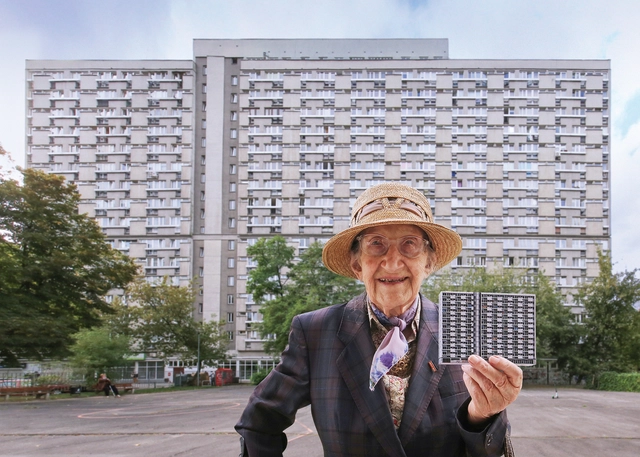
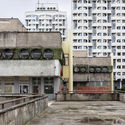
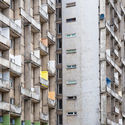
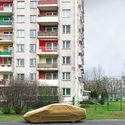
Recent years have prompted a rediscovery and a re-framing of some of the more controversial architectural phenomenons of the past century, with Brutalist architecture coagulating significant interest through its sheer scale, powerful expression and purist forms. Brutalist architecture across the former Eastern Bloc is inextricably associated with the totalitarian regimes that marked the history of this part of Europe during the last half of the 20th century. Following in line with the architecture of the Eastern Bloc, Poland’s urban landscape is dotted with large-scale prefab housing estates and stark brutalist public buildings constructed during the country’s Communist rule.


https://www.archdaily.com/950832/the-brutalist-architecture-that-shaped-polands-urban-landscapesAndreea Cutieru
BIG Selected to Design a Socially Engaging Hub for the Johns Hopkins University
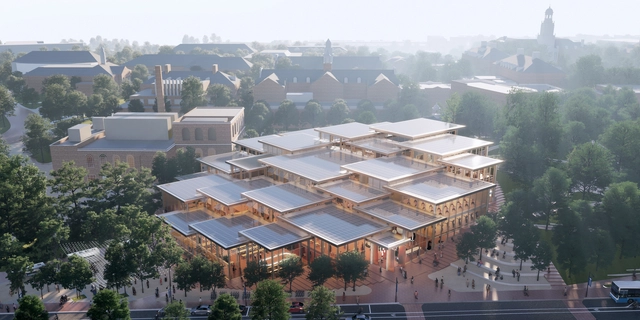
Johns Hopkins University has selected BIG to design its new Student Center, regenerating the heart of its campus and reviving the social experience, from a shortlisted list of 4 offices, after a months-long international competition. Entitled “The Village”, the proposal is an “open, modern, and welcoming facility envisioned as a social engagement hub for all members of the Hopkins community”.


https://www.archdaily.com/950923/big-selected-to-design-a-socially-engaging-hub-for-the-johns-hopkins-universityChristele Harrouk
AZPML and UKST Win Competition to Design Korean Museum of Urbanism and Architecture
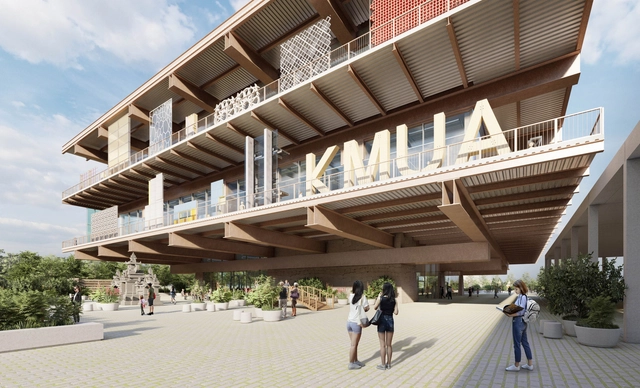
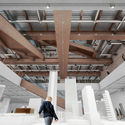
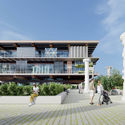
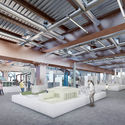
AZPML and Yukyung Kim of UKST have won the competition to design the Korean Museum of Urbanism and Architecture (KMUA) in Sejong, South Korea. The competition was organized by the National Agency for Administrative City Construction, and the team’s proposal aims to create an ecological and cultural experience centered on urbanization and architecture’s role in the climate crisis.
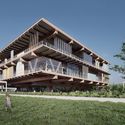

https://www.archdaily.com/950978/azpml-and-ukst-win-competition-to-design-korean-museum-of-urbanism-and-architectureEric Baldwin
Stone Houses in Uruguay: Interior and Exterior Designs
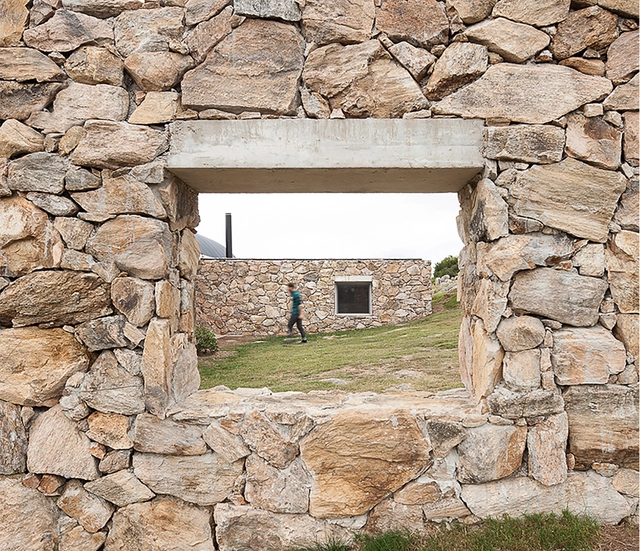
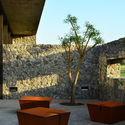
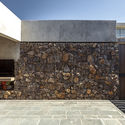
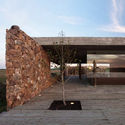
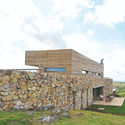
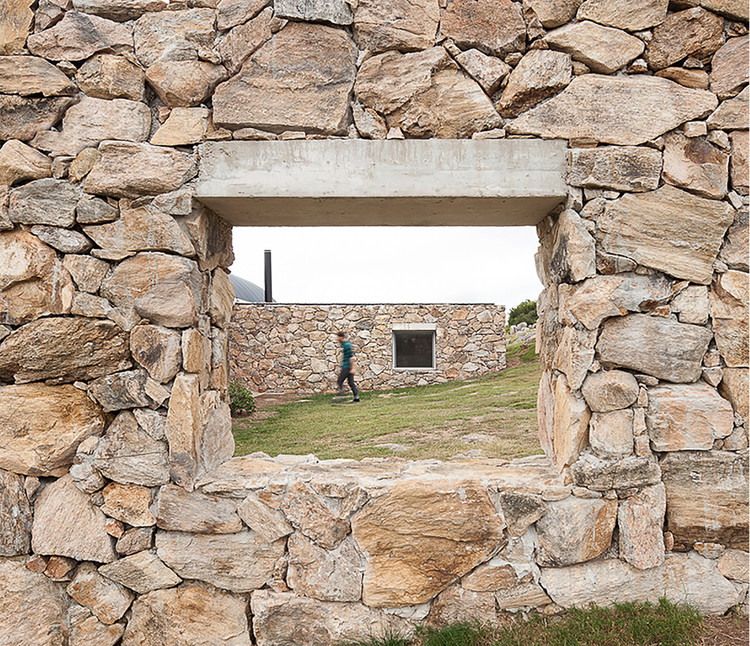
While stone has been used in construction since time immemorial, it's maintained its place in architecture thanks to its design capabilities, durability, and efficiency.
https://www.archdaily.com/950577/stone-houses-in-uruguay-interior-and-exterior-designsBelén Maiztegui