

This guide explains how to structure multi-image prompts in the RunDifussion platform. Explore RunDifussion's product catalog.
News
How to Prompt and Annotate Multiple Images with AI
| Sponsored Content
https://www.archdaily.comhttps://www.archdaily.com/catalog/us/products/38860/how-to-prompt-and-annotate-multiple-images-with-ai-rundiffusion
Greenhouses: Spaces for Coexistence between Nature and People
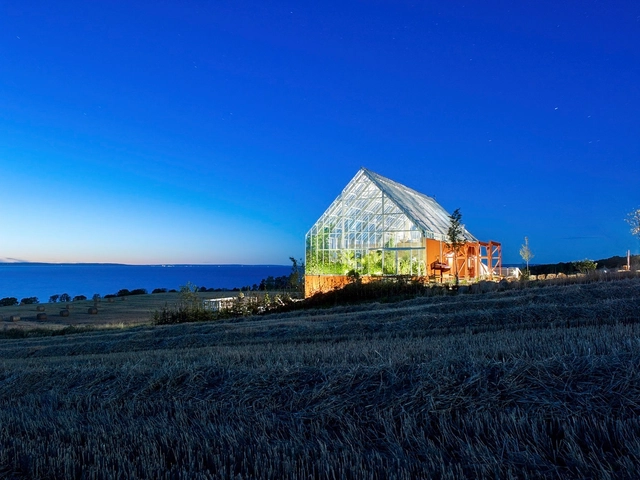
Researchers point out that "proto-greenhouses" arose to fulfill the desire of the Roman Emperor Tiberius (42 BC to 37 AD) to eat cucumbers every day of the year. Since it was impossible to grow the vegetable on the island of Capri in winter, his gardeners developed beds mounted on wheels that they would move into the sun when possible, while on winter days they would place them under translucent covers made of Selenite (a type of gypsum with a glassy appearance). But the production of large-scale greenhouses only became possible after the Industrial Revolution with the availability of mass-produced glass sheets. Since then, they have been used to grow food and flowers, forming a microclimate suitable for plant species even in places with severe climates. But in some cases, these artificial growing conditions can also form interesting living spaces. The recent Lacaton & Vassal awards rekindled this interest. How is it possible to create greenhouses that can be good for both humans and plants?
https://www.archdaily.com/959164/greenhouses-as-spaces-for-coexistence-between-nature-and-peopleEduardo Souza
Regionalism in Retail Design: Personalization through Localization
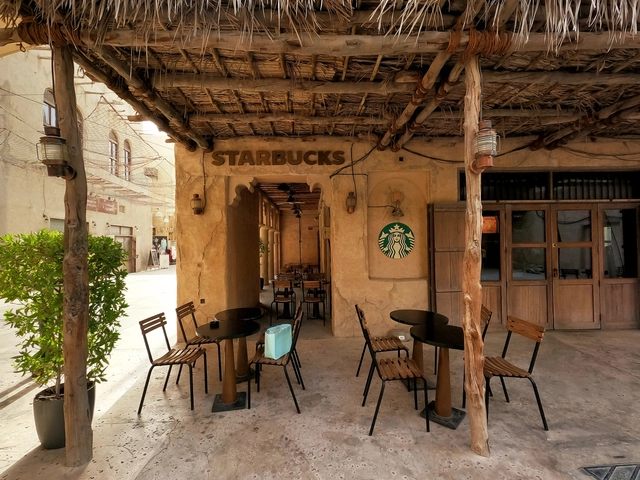
Two years ago, Starbucks' branch in Al Seef, Dubai captivated the internet with its contextual design. Located in the oldest part of Dubai, the renowned coffee outlet boasts a thatched roof, mud-like exterior finishes, traditional screens, and wooden furniture, all of which retain the picturesque charm of the landscape. The design not only garnered immense attention on social media but also attracted curious customers to the store. Effortlessly blending in with its regional context, the Al Seef branch has become an integral part of the locality. The store is one of Starbucks' many efforts at regionalizing its international outlets to create authentic connections with customers. In an era where consumers crave meaningful connections, regionalism in retail design emerges as a powerful design strategy.





https://www.archdaily.com/1002653/regionalism-in-retail-design-personalization-through-localizationAnkitha Gattupalli
Steven Holl Architects Reveals Design for New Student Performing Arts Center for the University of Pennsylvania, U.S.
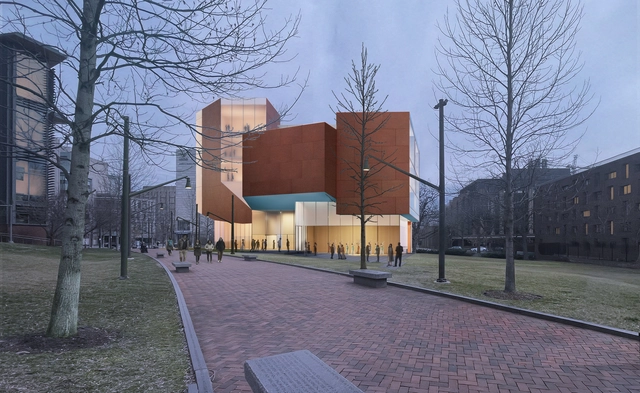
The University of Pennsylvania has unveiled Steven Holl Architects’ design for its new Student Performing Arts Center. The 37,300-square-foot building is set to offer dedicated and flexible spaces for over 70 student performing arts groups on campus, including dance, theater arts, a cappella groups, and musical ensembles. The proposal was informed by a study completed in 2019 by Penn’s University Life, which concluded that additional performance and rehearsal space was needed to meet current and future demand. The project is set to begin construction in 2024, with anticipated occupancy starting in winter 2027.
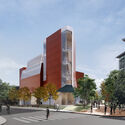
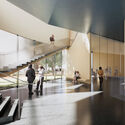
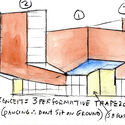

https://www.archdaily.com/1002646/steven-holl-architects-reveals-design-for-new-student-performing-arts-center-for-the-university-of-pennsylvania-usMaria-Cristina Florian
Henning Larsen Reveals Design for Smyril Line's New Headquarters and Ferry Terminal in Torshavn, Faroe Islands
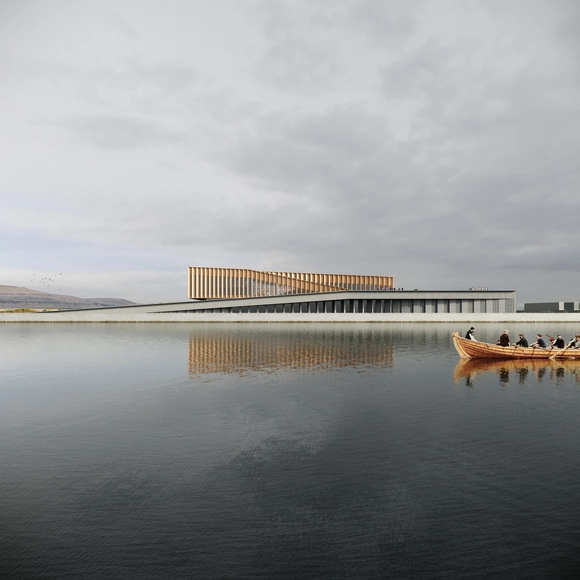
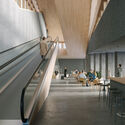
Henning Larsen has just revealed the design for Smyril Line's new headquarters and ferry terminal in Torshavn, the capital of the Faroe Islands. The building pays homage to traditional Faroese fishing boats and the historic Eastern harbor while embracing the picturesque backdrop of abundant landscapes and open seas. The new headquarters serves three functions: a ferry terminal, an office building, and a logistics center.




https://www.archdaily.com/1002624/giving-the-harbor-back-to-the-people-faroese-traditions-inspire-henning-larsens-new-ferry-terminal-and-hq-in-torshavnNour Fakharany
Is It Possible to Use Cryptocurrencies to Buy a House?
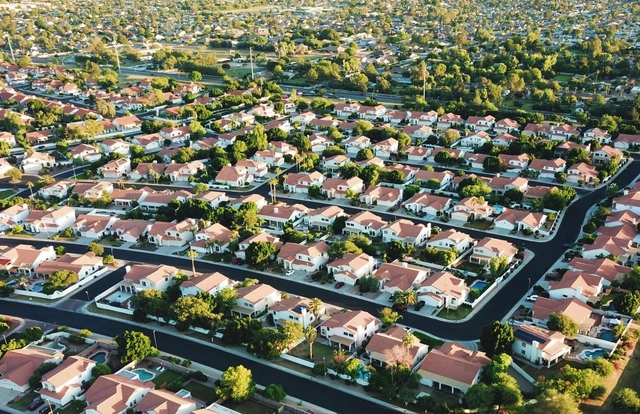
Acquiring real estate through cryptocurrencies, such as Bitcoin (BTC), Ethereum (ETH), and Binance Coin (BNB), is already a reality in many countries, including the United States, England, and Brazil. With the rise of this market and the increasing acceptance of these assets as a legitimate form of payment, investors and buyers are exploring new possibilities for transactions with cryptocurrencies, including the real estate sector.
https://www.archdaily.com/1002412/is-it-possible-to-use-cryptocurrencies-to-buy-a-houseAdele Belitardo
Tides are Changing: Protecting the Ocean through Architecture
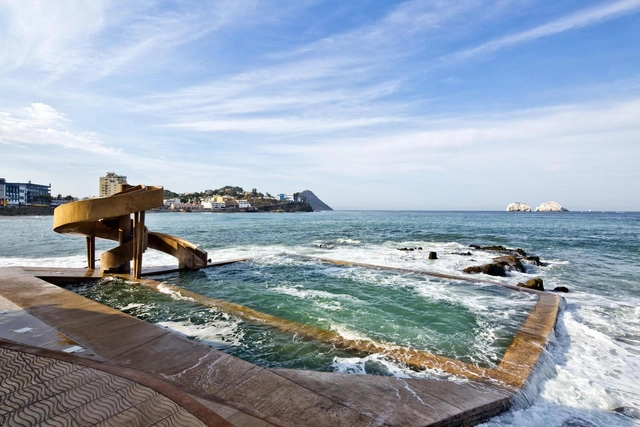
June 8th was World Oceans Day 2023, which brought the theme 'Ocean Planet: Tides are Changing'. The purpose of the United Nations was to generate a "new wave of enthusiasm for caring and protecting the ocean and the entirety of our blue planet."
A new opportunity to reflect on the importance of preserving these vast aquatic ecosystems that cover more than 70% of the Earth's surface - and an opportunity to reflect on how architecture can contribute to their protection and conservation through the design of resilient coastal infrastructure, the development of marine energy technologies, sustainable design of coastal buildings, and regeneration of marine ecosystems.
https://www.archdaily.com/1002416/tides-are-changing-protecting-the-ocean-through-architectureFabian Dejtiar
Designing for Water Scarcity: How Architects are Adapting to Arid Environments
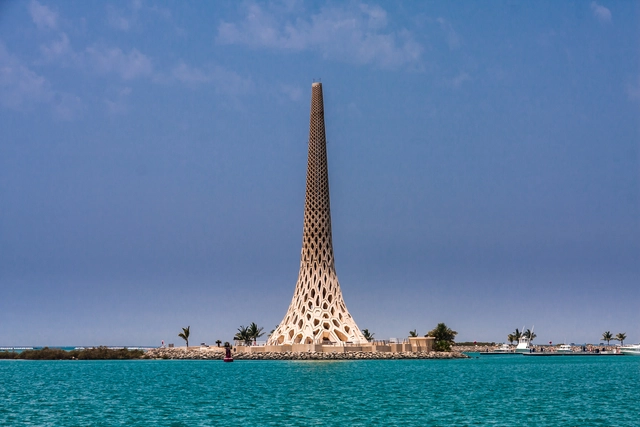
An arid environment refers to specific regions characterized by a severe lack of available water and extremely dry weather conditions. More specifically, arid regions by definition, receive less than 25 centimeters of rain per year. In the immense vastness of arid environments, where extreme climates present significant challenges, the role of water in architecture takes on a new dimension.
For centuries, architects and designers dealing with harsh desert landscapes and the vital necessity of water have invented techniques, technologies, and new structures. Moreover, many creative approaches have been created to harness, collect, and cool water in arid environments.


https://www.archdaily.com/1002473/designing-for-water-scarcity-how-architects-are-adapting-to-arid-environmentsNour Fakharany
Ten Years of Solid Metal Craft for Modern Interiors
| Sponsored Content

In 2013, home fashion label Buster + Punch emerged from a garage in East London, with a refreshing stance on everyday detailing and fittings that elevated them into desirable and trendy pieces.
The brand’s founder Massimo Buster Minale was renowned for his work as an architect by day and maker of custom motorcycles by night – the latter sold from the garage a few hundred yards from his London flat. His motorcycle clients began commissioning one-off interior pieces and detailing for their homes. Minale had always struggled to find premium hardware and fittings for his architecture projects for Richard Rogers and Foster & Partners and now saw a clear gap in the market.

https://www.archdaily.com/998296/ten-years-of-solid-metal-craft-for-modern-interiorsRene Submissions
UniverCities: The Integration of the Campus and its City
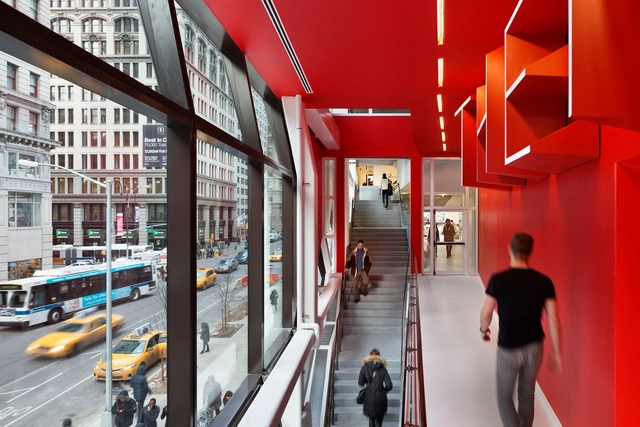
The university campus has a distinctive spatial typology. Established as a micro-city, these self-contained environments are subject to their own rules and systems. They are designed as a deviation from the cities that host it to allow for the growth and proliferation of knowledge outside the status-quo. Centered around the transfer of information, academic centers are becoming increasingly relevant to urbanism. Campuses and their host cities evolve to mimic each other's structure, forming opportunities for urban renewal.


https://www.archdaily.com/996393/univercities-the-integration-of-the-campus-and-its-cityAnkitha Gattupalli
The Second Studio Podcast: Interview with Anthony Laney
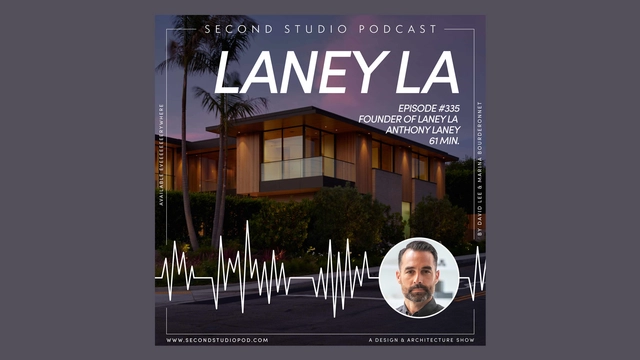
The Second Studio (formerly The Midnight Charette) is an explicit podcast about design, architecture, and the everyday. Hosted by Architects David Lee and Marina Bourderonnet, it features different creative professionals in unscripted conversations that allow for thoughtful takes and personal discussions.
A variety of subjects are covered with honesty and humor: some episodes are interviews, while others are tips for fellow designers, reviews of buildings and other projects, or casual explorations of everyday life and design. The Second Studio is also available on iTunes, Spotify, and YouTube.
This week Anthony Laney, Founder of Laney LA joins David and Marina of FAME Architecture & Design to discuss the iterative design process, leadership and teamwork, how Laney LA has evolved, designing different kinds of buildings, refining their design sensibilities, and more!




https://www.archdaily.com/1002625/the-second-studio-podcast-interview-with-anthony-laneyThe Second Studio Podcast
Engaging with Architecture as a Wider Cultural Practice: In Conversation with the Co-Curators of the British Pavilion in Venice
While exploring the 18th International Architecture Exhibition onsite in Venice, ArchDaily had the chance to speak with Jayden Ali and Joseph Henry, two of the co-curators of the British National Pavilion. The exhibition titled “Dancing Before the Moon” was created together with Meneesha Kellay and Sumitra Upham, and features creations from six designers and artists. As the curators explain, the aim of the installations is to expand the general understanding of what architecture is and to integrate it into a wider conversation with fashion, music, art, dance, and performance, rather than separating it as its own class of creativity. On June 20th, a few days after the conversation, the British National Pavilion was awarded a special mention at this year's award ceremony.


https://www.archdaily.com/1001524/engaging-with-architecture-as-a-wider-cultural-practice-in-conversation-with-the-co-curators-of-the-british-pavilion-in-veniceMaria-Cristina Florian
UMWELT, PRODUCTORA, and LANDMRX will Transform Abandoned Modernist Building into Chile's State Railway Headquarters
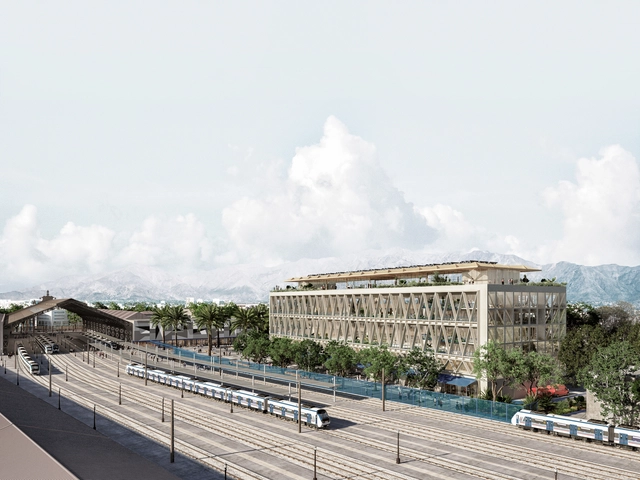
The Chilean architectural practice UMWELT, together with the landscape architecture office LANDMRX and the renowned Mexican firm PRODUCTORA, have won first place in the competition for the transformation of the former Correos de Chile (Chilean Postal Service) building located in Estación Central, Santiago. In 2021, EFE (Chile's State Railway Company) acquired the property to convert it into their new corporate headquarters, where the company's employees will work in interaction with the nearby railway operations.


https://www.archdaily.com/1002595/umwelt-productora-and-landmrx-will-transform-abandoned-modernist-building-into-chiles-state-railway-headquartersFabian Dejtiar
How Water Responds to Land Reclamation in Coastal Cities
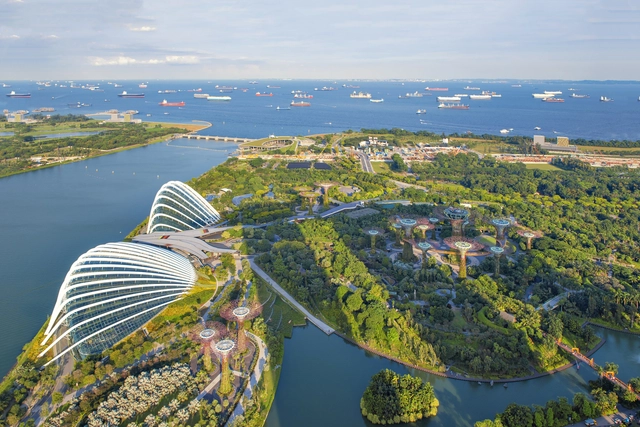
Land reclamation from the sea has become a popular phenomenon in coastal development. It is the most preferred solution to the need for land in coastal areas and has been implemented for various use cases, including flood control and agriculture. Nowadays, it has become a famous urban response to the rapid increase in coastal urbanization, economic activity, and global population. Countries like China and the Netherlands lead the chart on the amount of land area reclaimed. However, most reclamation projects today take place within urban centers in the global south. Cities in West Africa, East Asia, and the Middle East produce these new lands as economic forerunners for their commercial industry and as platforms to house luxury residences.
But the relationship between the design and production of reclaimed lands and the response of water in ocean environments is complex. It requires a symbiotic relationship with water bodies for stability but can provoke natural forces when negligently imposed on the sea. Ocean water behaviors, including tidal accumulation, sea level rise, connection to wetlands, and aquatic biodiversity, can question the success or failure of land reclamation projects in different contexts.


https://www.archdaily.com/1002420/how-water-responds-to-land-reclamation-in-coastal-citiesPaul Yakubu
Perkins&Will Wins Competition for the Design of Smithsonian’s Bezos Learning Center in Washington D.C.

The Smithsonian Institution selected Perkins&Will to design the Bezos Learning Center at the National Air and Space Museum in located on the prominent National Mall in Washington D.C. Perkins&Will was one of the five shortlisted finalists for the competition. According to the Smithsonian, the selection was based on the architects’ ample experience in designing cultural and educational spaces, the reliability of their management team and the team’s aesthetic approach.
https://www.archdaily.com/1002578/perkins-and-will-wins-competition-for-the-design-of-smithsonians-bezos-learning-center-in-washington-dcMaria-Cristina Florian
Mecanoo, in Partnership with Marvel, Reimagines the Doris Duke Theater Lost to a Fire in 2020
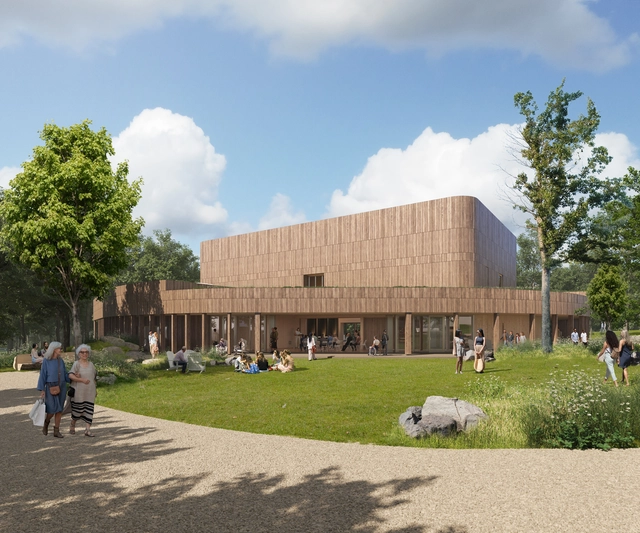
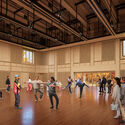
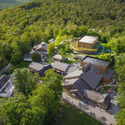
Jacob's Pillow has revealed its plans for the redesigned Doris Duke Theater, which will be built on the original site of the theater that was destroyed by a fire in November 2020. Mecanoo, based in the Netherlands and led by Creative Director and Founding Partner Francine Houben, has taken on the role of lead architect for the new building project, collaborating with Marvel, based in New York and led by Jonathan Marvel, who serves as the project's architect of record and landscape architects.


https://www.archdaily.com/1000585/mecanoo-in-partnership-with-marvel-reimagines-the-doris-duke-theater-lost-to-a-fire-in-2020Nour Fakharany
Between Public and Private: Getting to Know the Work of MMMB Arquitetos
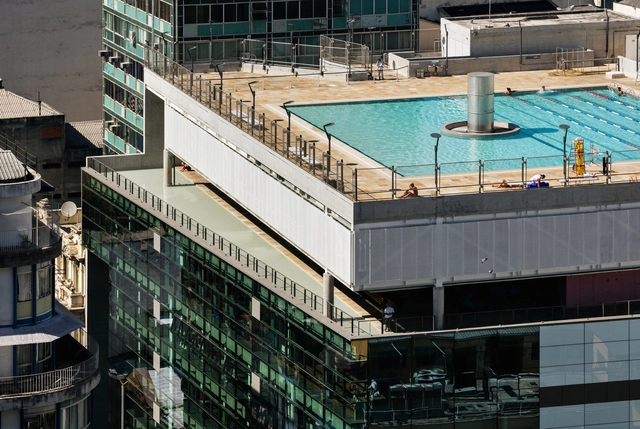
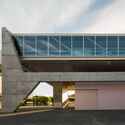
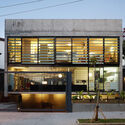
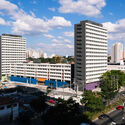
With a broad and diversified portfolio in terms of typologies, scales, and project locations, MMBB Arquitetos is a versatile office with multiple activities. Founded in 1991 in the city of São Paulo, the office is currently composed of Maria João Figueiredo, Marta Moreira, and Milton Braga, and over the more than three decades of its operation, it has had among its partners Angelo Bucci, Vinicius Gorgati, and Fernando de Mello Franco, in addition to having carried out several partnerships with Paulo Mendes da Rocha.


https://www.archdaily.com/1002201/between-public-and-private-getting-to-know-the-work-of-mmmb-arquitetosAdele Belitardo
Why Does America Provide More Space for Storing Cars Than Housing People?

This article was originally published on Common Edge.
How did we end up building an environment where the private car is often treated better than many of our fellow human beings? In the U.S., the center of car culture, parking is expected to be convenient, available, and free, writes Henry Grabar in his engaging and entertaining new book, Paved Paradise: How Parking Explains the World (Penguin Press). Parking consumes vast amounts of land; in Los Angeles County, for example, it totals about 200 square miles. In New York City alone, there are 3 million curb parking spaces (not counting parking garages), which account for 6% of the city’s area—the equivalent of 13 Central Parks! Grabar asks: What better use could we make of this space? A 2021 study revealed that if New York reclaimed just a quarter of the street space allotted to cars, the following could be created: 500 miles of bus lanes; 40 miles of busways; 38 million square feet of community space; 1,000 miles of open streets; 3 million square feet of new pedestrian space; and 5.4 million additional square feet for restaurants, businesses, and cultural institutions.

https://www.archdaily.com/1002504/why-does-america-provide-more-space-for-storing-cars-than-housing-peopleMichael J. Crosbie
Making Workspaces Inclusive Through Design
| Sponsored Content
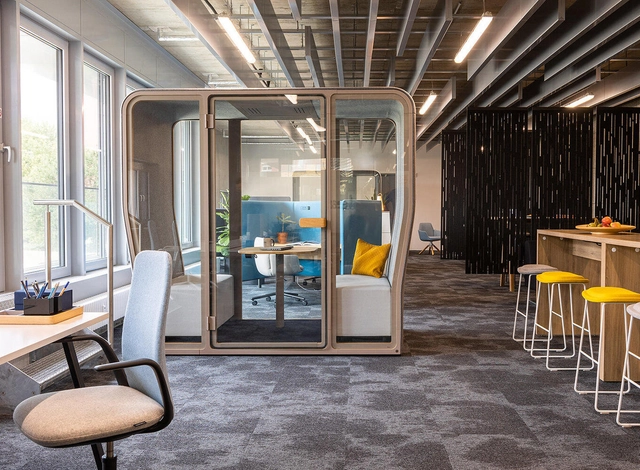
Global office furniture brand Haworth's concept of inclusion stretches well beyond simply accommodating disabilities, rather it involves a far-reaching philosophy that puts the well-being of all users in primary focus.
https://www.archdaily.com/1002463/making-workspaces-inclusive-through-designEmma Moore
The Electrification of Homes is Creating a Moment for Induction Cooktops
| Sponsored Content
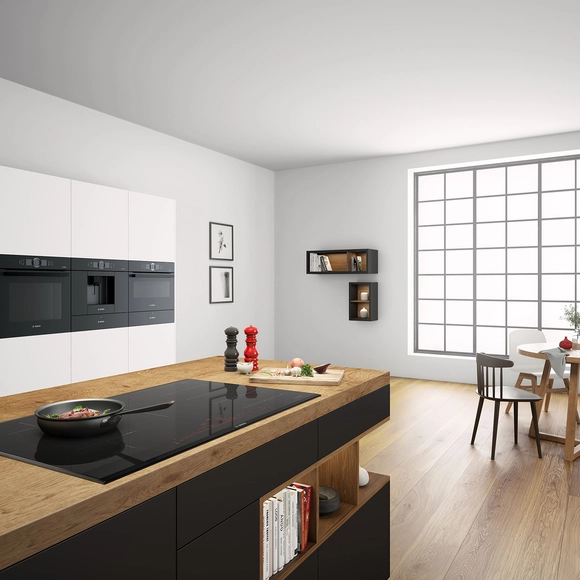
The world is increasingly electric, from our cars to our homes, making our lives more efficient and sustainable. Electricity overtook natural gas as the leading home heating source for the first time in 2020, and natural gas consumption hit a five-year low in January and a four-year low in February. This shift toward electrification is especially prevalent in the kitchen, a central hub of energy use. The U.S. Department of Energy estimates 15% of energy consumption in the average American home happens in the kitchen between cooking, refrigeration, hot water heating, and dishwashing.
Architects and homeowners looking to increase efficiency and sustainability are finding the benefits of induction. According to ENERGY STAR, gas cooktops are only 32% efficient at transferring heat, and traditional electric stovetops are 75-80% efficient — induction is even better at 85% efficiency.
https://www.archdaily.com/1002030/the-electrification-of-homes-is-creating-a-moment-for-induction-cooktopsKaren Elder
The Philippines Pavilion Employs Urban Acupuncture to Address the Flawed Ecology of Manila at the 2023 Venice Architecture Biennale
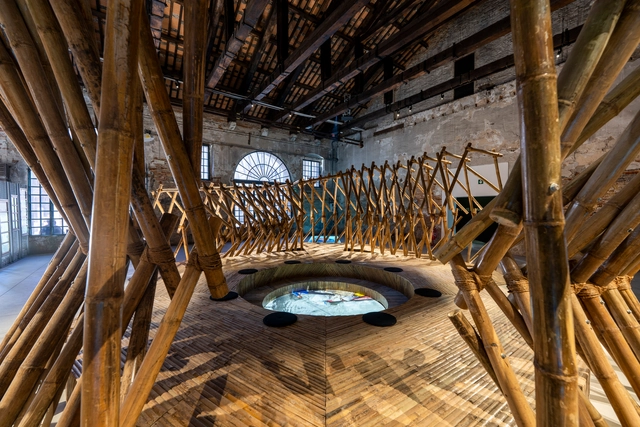
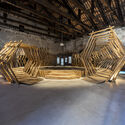
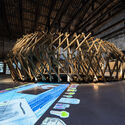
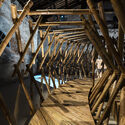
At the 18th International Architecture Exhibition of La Biennale di Venezia, The Philippines Pavilion presents an exhibition that investigates the ecology and social implication of the Tripa de Gallina estuary in Manila. The body of water, once a mechanism for flood mitigation, has now become congested and polluted, affecting the lives of the nearby communities. The Pavilion aims to present the initiative that set out to gather and investigate the guts of the estuary and to work with the residents to find adequate and sustainable architectural solutions. Titled “Tripa de Gallina: Guts of Estuary,” the exhibition in Venice is co-curated by Architect Choie Funk and Sam Domingo and presents the work of the Architecture Collective, represented by Bien Alvarez, Matthew Gan, Ar. Lyle La Madrid, Noel Narciso and Arnold Rañada.


https://www.archdaily.com/1002482/the-philippine-pavilion-employs-urban-acupuncture-to-address-the-flawed-ecology-of-manila-at-the-2023-venice-architecture-biennaleMaria-Cristina Florian
Diller Scofidio + Renfro Wins International Competition to Design the New Pina Bausch Center in Wuppertal, Germany
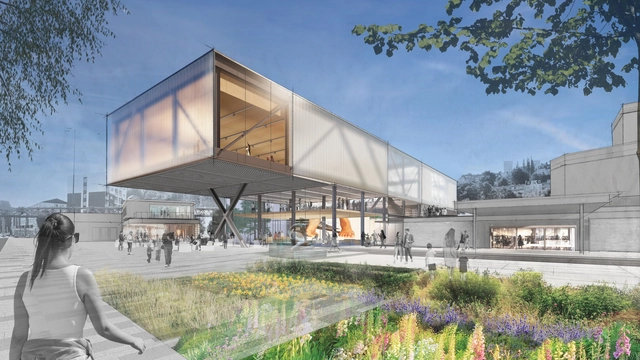
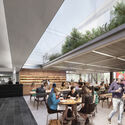
Diller Scofidio + Renfro has won an international competition to design the new Pina Bausch Zentrum in Wuppertal, Germany. Pina Bausch’s legacy as a dancer and choreographer will be celebrated in the design and revitalization of the Tanztheater Wuppertal, as well as in the creation of a new production center. The building will emerge out of the ethos of Pina Bausch, setting an example for a new generation of leadership in the world of choreography.
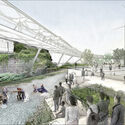
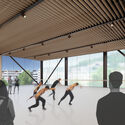
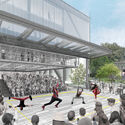
Apart from the production stage centers, the design includes an archive of Pina Bausch's enormous artistic legacy, comprising a library, study, and research areas, and a public platform to promote community involvement with many creative and academic disciplines. Various contrasting and flexible spaces that encourage and foster conversation across the project's numerous program components are found throughout the proposed design.

https://www.archdaily.com/1002445/diller-scofidio-plus-renfro-wins-international-competition-to-design-the-new-pina-bausch-center-in-wuppertal-germanyNour Fakharany
Carlo Scarpa, a Virtuous Architect of Water
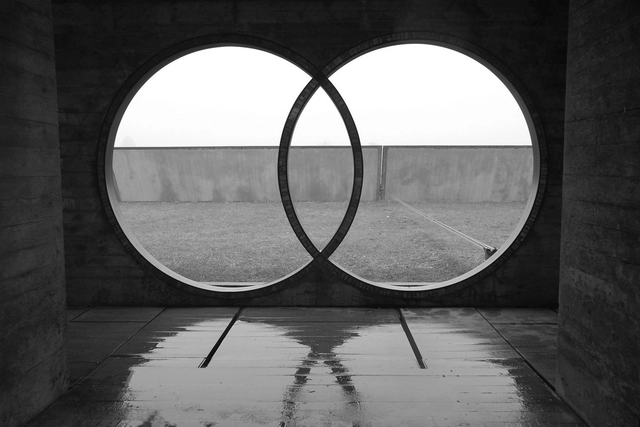
Even as a child, the Venetian architect Carlo Scarpa was very aware of the fundamental element that would describe and underpin his work many years later: water. When he played and ran around the maze of streets and canals, Scarpa listened to everything around him, especially the richness of stimuli that his hometown offered him. A sensitive reader of places, he found his great text in Venice. This culture, subtle and almost academic, except for that devotion to scenography and the esoteric, is built over time; art, space, history, all compiled in his readings, trips to knowledge, and in his contact with artists and writers.
Scarpa would base his evolution as an architect on his extraordinary visual culture and his respect for tradition and the way of doing things in past eras; taking up the baton of that time and converting his reality into architectural space where all the pieces are independent units, dialoguing with each other or, as he liked to say, singing. He positions himself before what exists, whether it be an artistic piece or architectural space, from knowledge and sensitivity. He will apprehend the history and place in which it occurs and accentuate the existing beauty in things, showing the prominence of the new as a precious element.
https://www.archdaily.com/1002226/carlo-scarpa-a-virtuous-architect-of-waterBorja Fernández
Navigating Complexity and Change in Architecture with Data-Driven Technologies
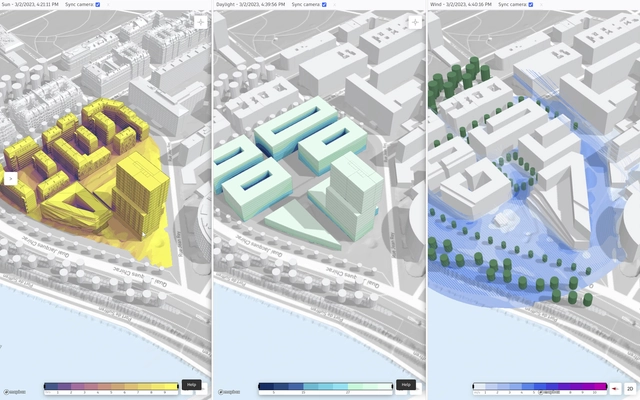
The architecture profession is increasingly facing the pressures of a rapidly changing era marked by urbanization, population growth, and climate change. To effectively navigate the complexities surrounding architectural and urban projects, there has been an acceleration in the adoption and integration of data-driven technologies such as Artificial Intelligence (AI) and machine learning. However, valid concerns have risen regarding the potential loss of the designer's creative control, with fears that their role may be reduced to a mere "parameter adjuster." Is this a genuine possibility or merely a reflection of resistance to change?
In a conversation with Carl Christensen, Autodesk's Vice President of Product, we delve into the impact of AI on the traditional role of the architect and explore the opportunities that arise with these technological advances. As paradigms shift, forward-thinking architects and designers could find themselves especially empowered to expand their influence and shape a new future for the discipline.
https://www.archdaily.com/1001585/navigating-complexity-and-change-in-architecture-with-data-driven-technologiesJosé Tomás Franco
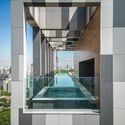
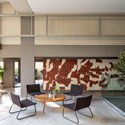
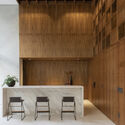
How to Design Common Areas in Residential Buildings? Examples from Brazilian Houses
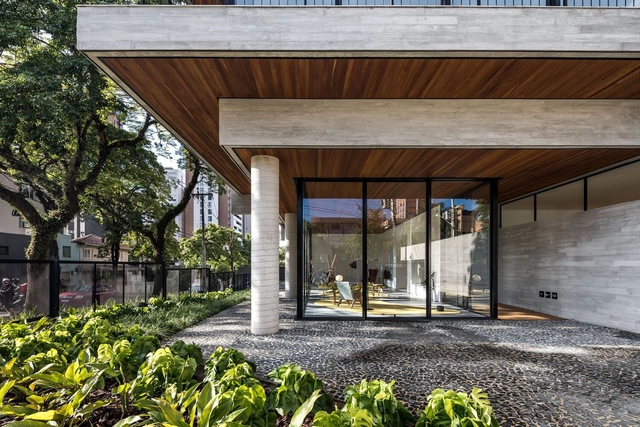
When designing buildings, attention often focuses on residential units, prioritizing apartment comfort and functionality. However, it is equally important to consider common areas, which play a fundamental role in residents' quality of life and in building a community that shares the same space. In addition to their social benefits, these communal spaces can also play a significant role in promoting sustainability and user well-being. After all, the integration of green areas and spaces dedicated to leisure and sports reduces stress and provides new activities for residents.


https://www.archdaily.com/1002154/how-to-design-common-areas-in-residential-buildings-examples-from-brazilian-housesArchDaily Team