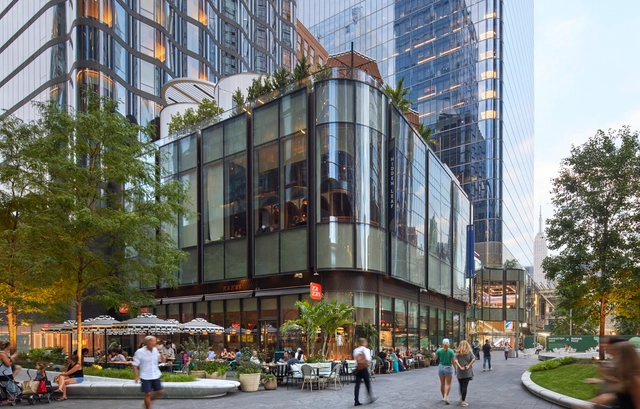
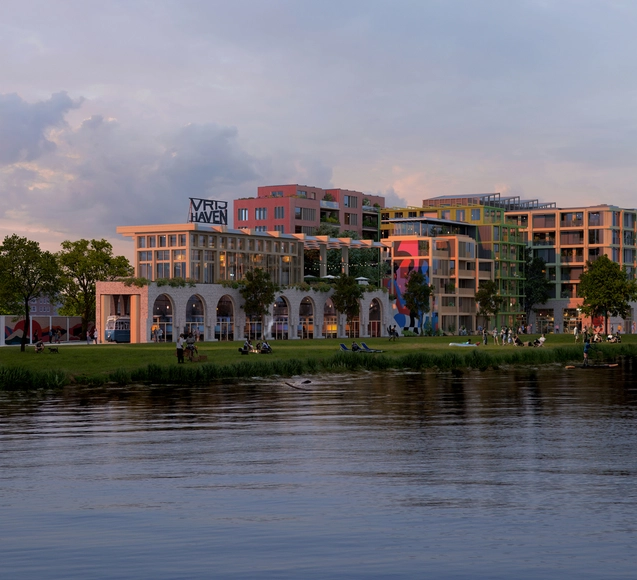
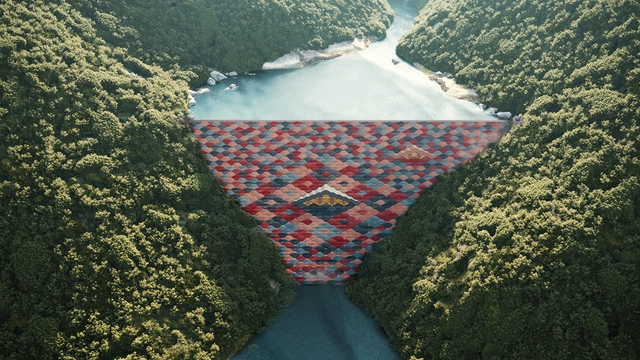
Airbnb has undoubtedly disrupted the hospitality industry, inspiring an ecosystem of companies leveraging the sharing economy such as co-living startups. While these companies have achieved impressive financial success, they have been purported to produce problematic effects at the scale of the city. Airbnb, in particular, is alleged to have driven an increase in rental prices in cities already grappling with housing affordability challenges. Much like the case of Uber's impact on urban mobility, Airbnb's rapid growth has caused significant challenges for local governments, demanding comprehensive regulation and a re-evaluation of its functioning at the city scale.
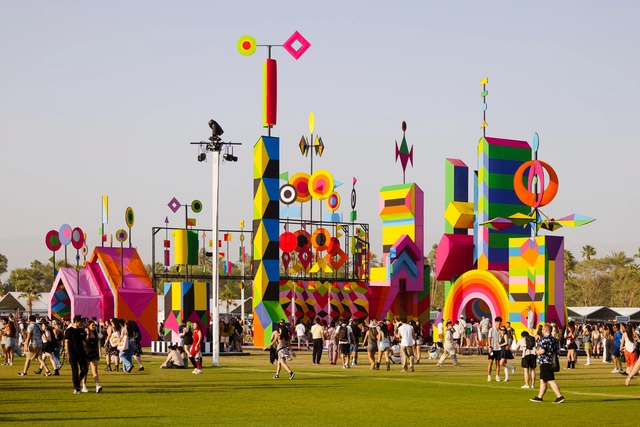
According to Raffi Lehrer, the founder of Public Art Company and Curatorial Advisor for Coachella's art program, the aim of these installations is not to simply adorn the festival but “to create environments that provoke thought, evoke emotion, and encourage a shared experience among all attendees.” By collaborating with artists from different fields, the music festival gains a new perspective, opening up its grounds for experimentation and play.
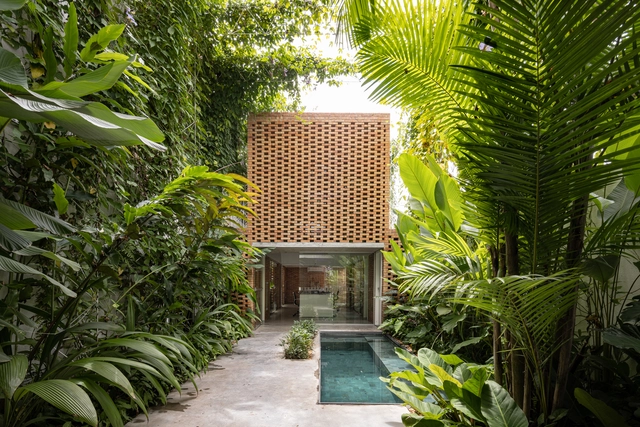
When we think of the word "tropic," the image that typically comes to mind is an exotic space, characterized by perpetual warmth and humidity, with frequent and heavy rainfall nurturing lush vegetation. Throughout history, this tropical climate has been romanticized as a paradise and criticized for potentially fostering weakness due to its perceived clemency.
Thankfully, those judgments and associations have been relegated to the past, paving the way for theoretical and practical projects that outline the advantages and disadvantages of living in a tropical climate. These projects acknowledge the various strategies to enhance human adaptability within these distinctive climatic conditions.
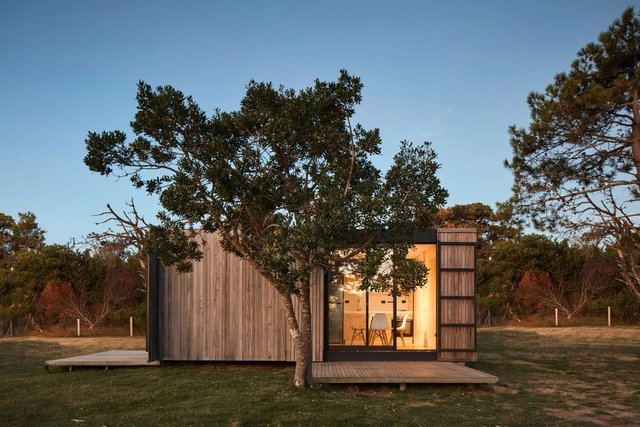
In a constant search to find new ways to reduce costs and construction times, modular architecture emerges as an opportunity to implement various methods, technologies, and techniques to design livable spaces using separate repetitive elements such as modules. As Tom Hardiman, executive director of the Modular Building Institute (MBI), maintains, "Modular" is not about a construction product but rather a construction process.
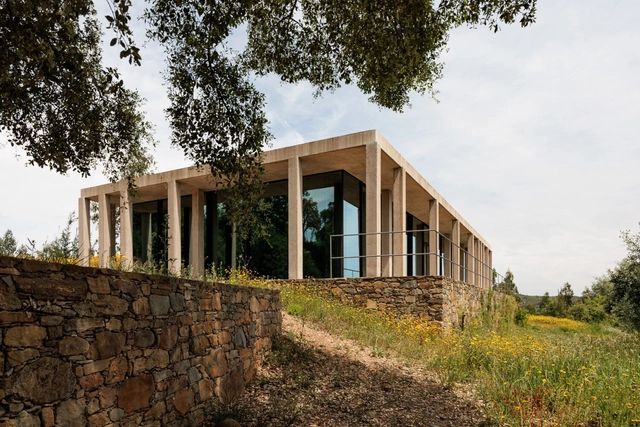
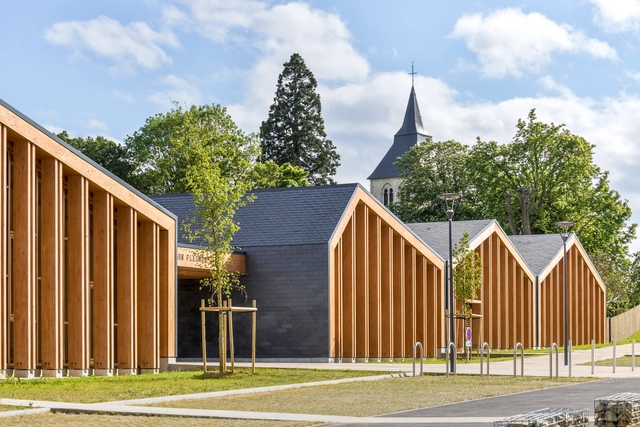
Many ancient Egyptian, Greek and Islamic religious buildings share a common feature known as hypostyle. Defined as rows of columns that support a roof, this solution has developed in different cultures in different periods of time, which can explain the variety of materials, shapes, sizes and distances between the columns that can be found around the world. Famous examples of the use of this concept are Great Hypostyle Hall (c. 1290–1224 BC), part of the Karnak Temple Complex and one of the most visited monuments of Ancient Egypt, and the Wooden Hypostyle Mosques of Medieval Anatolia (c. 13th and mid-14th centuries), World Heritage Site located in present-day Turkey.
In contemporary architecture, it is possible to see different kinds of examples of how this concept is revived. While some projects use the concept to refer to vernacular architectures that correspond to the same program and use as the proposed building, as is the case with some mosques, others rely on the abstraction of the term through an interpretation that highlights the pillars and their organization in the proposition of the space. In all of them, however, it is clear that the relationship between the hypostyle inspiration and modular architecture is very close, practically intrinsic.
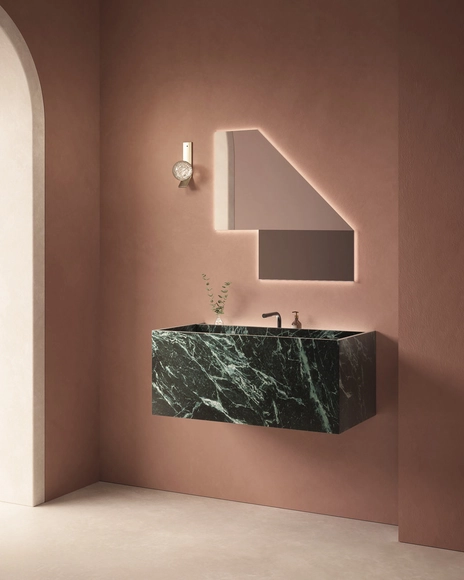
MyStreet washbasin in Verde Alpi marble _Design AL Studio. Image Cortesia de antoniolupi
Marble held profound significance in Greek and Roman architecture due to its abundance, luminous surfaces, and subtle veining. Its durability ensured structures' longevity, while its cultural symbolism of purity and divine favor made it ideal for temples, theaters, and amphitheaters. As a symbol of perfection, marble facilitated intricate craftsmanship for decorative elements, inspiring architectural marvels and exquisite art, leaving a legacy of sophistication and refinement.
Today, marble remains a symbol of excellence and refinement, prevalent in contemporary architecture and art. Its timeless beauty and durability continue to captivate clients and designers alike. In sculptures, furniture, and decorative pieces, marble's natural elegance elevates any environment. Companies like antoniolupi integrate marble into their designs, combining creativity and meticulous craftsmanship to redefine the possibilities of this natural stone in innovative projects. The Italian company—a leading designer and manufacturer of high-end products—has ventured beyond conventional boundariesin a quest for innovation, embarking on projects that redefine the possibilities of this naturalstone.
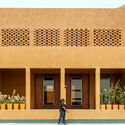
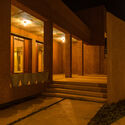
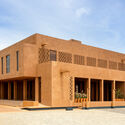
The recently released “Abijo Mosque Documentary” explores the journey of designing and building the Abijo Mosque in Lagos, Nigeria. The documentary provides a detailed narrative of the design process and the cultural context around the new structure. Designed by Patrickwaheed Design Consultancy (PWDC), the mosque is a testament to the integration of traditional materials and contemporary architecture. The Abijo Mosque design also helps “build the case for a Nigerian architectural language.”
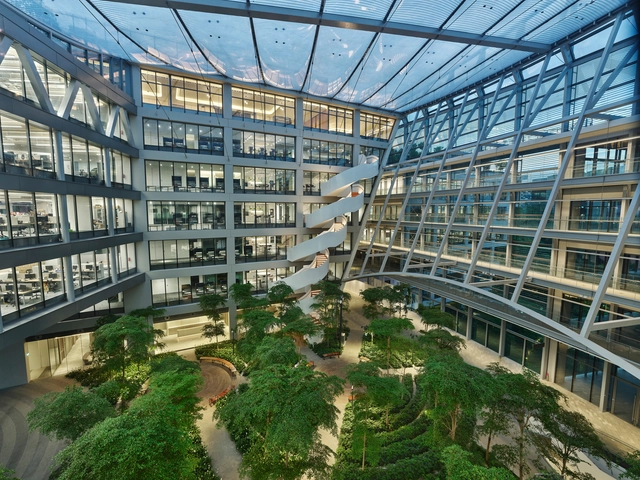
Safdie Architects has officially opened the new campus headquarters for Surbana Jurong, Singapore’s leading architecture, urban design, and infrastructure firm. The project expands Safdie Architects’ vision of 'for everyone a garden' into the workplace with a design that draws on the tranquility of the site’s previously undeveloped natural setting to foster shared moments of engagement and creativity. Achieving Green Mark (Super Low Energy) certification, the campus is the flagship development of the emerging Jurong Innovation District, envisioned as the first business park set in a tropical rainforest.
The development marks Safdie Architects' sixth project in Singapore and enhances the firm's prominent built portfolio in the city-state, which already includes Marina Bay Sands, Sky Habitat, and the Jewel at Changi Airport. On the occasion of the opening, ArchDaily spoke to Charu Kokate, Partner at Safdie Architects, who leads efforts in the Singapore region, about the firm's unique development footprint and building philosophy.
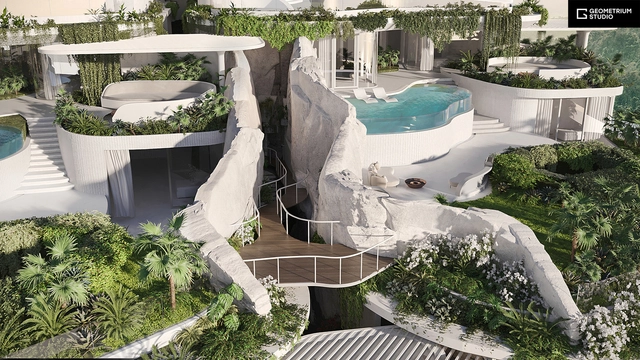
Courtesy of Geometrium Studio | Olympus Villa Complex
Long celebrated as havens of relaxation and luxury, resorts offer guests an escape from the mundanity of daily life. These sanctuaries seek to offer lavish accommodations, scenic locations, and comprehensive experiences. From sun-drenched beaches to mountain retreats, or secluded spots in the wilderness, resorts can take a variety of forms, each offering a unique experience. The history of architects designing resorts is intertwined with the development of the hospitality industry and the concept of leisure travel. In the realm of architecture, resorts allow designers to meld functionality with luxury living, creating spaces that offer experiences beyond just residences.
The Multifunctional complex “Next Collection” in Georgia by SPECTRUM Architecture illustrates this by adopting organic forms that blend into the seaside, while “Ethereal Mountains” by the Maden Group in Albania seeks to foster youth engagement in a breathtaking landscape. In Indonesia, the Villa complex “Olympus” by Geometrium Studio presents a unique structural concept where each villa’s roof acts as the terrace for the one above, echoing the rice fields of Bali. In this week’s curated selection of unbuilt resorts, submitted by the ArchDaily community, these themes are explored in different settings and design conditions.
Traditional architecture is perceived as being historical architecture, both by the general public and by design professionals. Put another way, “traditional” = “style.” There’s no awareness of the process of tradition that creates what’s later considered a style. Modernism takes this perception one step further and frames traditional architecture as “not of our time,” and therefore obsolete.
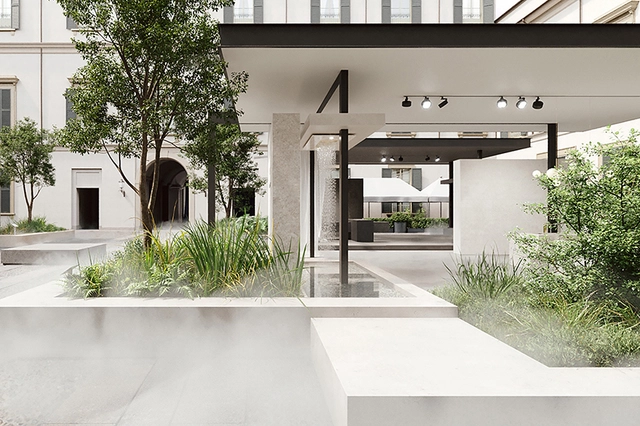
With over 30,000 visitors, the GROHE SPAinstallation at the Pinacoteca di Brera during Milan Design Week 2023 left a lasting impression, eventually receiving the Red Dot ‘Best of the Best’ award. Building on this success, GROHE is returning for Milan Design Week 2024 with an immersive experience in one of Milan’s most prestigious locations: the Palazzo Reale. The former royal palace near the Duomo serves as a cultural nexus and is home to international art exhibitions, making it the ideal scenery for its premium sub-brand GROHE SPA and the celebration of the revitalizing power of water.
From April 16-21, the courtyard of Milan’s historic Palazzo Reale will transform into an exhibition space. Conceived by the in-house LIXIL Global Design and Brand Identity team, the installation pays tribute to the history of the building by evoking its past and interweaving it with the contemporary GROHE SPA "Salus per aquam" (Latin for "Health through Water") concept.
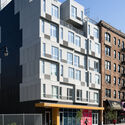
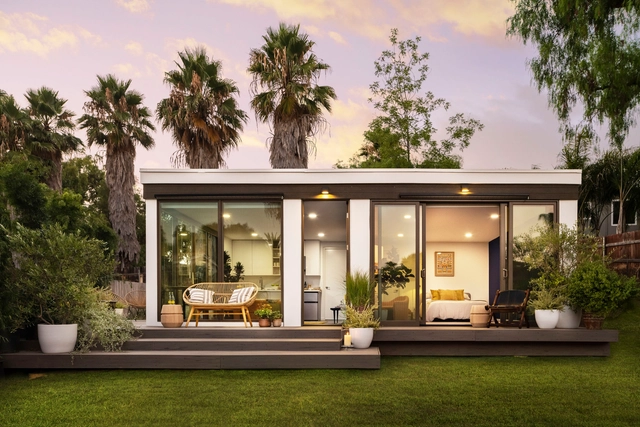
No longer relegated to the domain of temporary structures or utilitarian living, modular housing is increasingly gaining traction. Prefabricated homes are disrupting the architecture industry with their efficient construction, predictable costs, and reduced environmental impact. Modular housing is rooted in the idea of quick replication and standardization. In a world that prioritizes customization, how might modular housing meet the needs of diverse individuals?
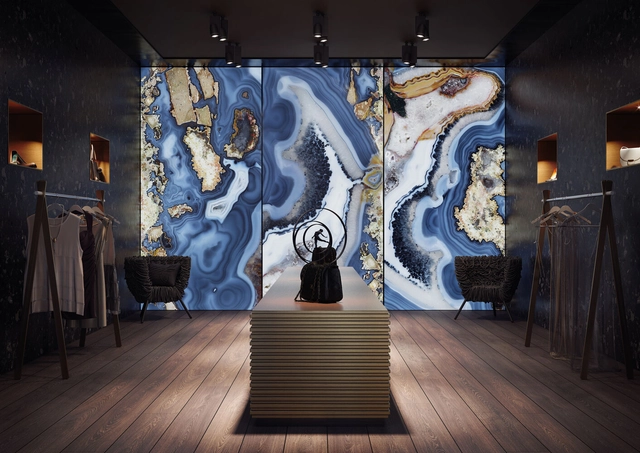
As humans, we’re under the comforting illusion that we’re masters of our own destiny, strong-willed and unaffected by influence. However, the crucial role played by interior design in the success of commercial spaces proves this not to be the case. Every aspect of these environments is carefully crafted to encourage customers to part with their cash—and be happy to do so—from the lighting and temperature to the acoustic and, perhaps most significantly, the visual landscape.
Whether by drawing consumers in with captivating individualism, relaxing them with luxury and hospitality, painting a stylish world where both consumer and product co-exist, or giving subtle prompts to diver deeper and discover more, the influence a commercial environment’s surfaces have on its success is huge.
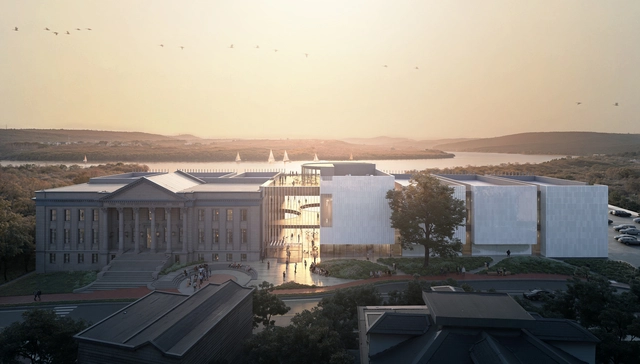
Diamond Schmitt Architects, together with Associate Architect EXP, has unveiled the design for the New Brunswick Museum (NBM). Envisioned as an extension of Canada’s oldest museum, the new wing will expand the museum’s spaces for research and exhibitions while maintaining a minimum carbon footprint. The intervention is located on the historic Saint John site, taking advantage of the unique location by opening up views towards both the urban center and the Harbor of Saint John.
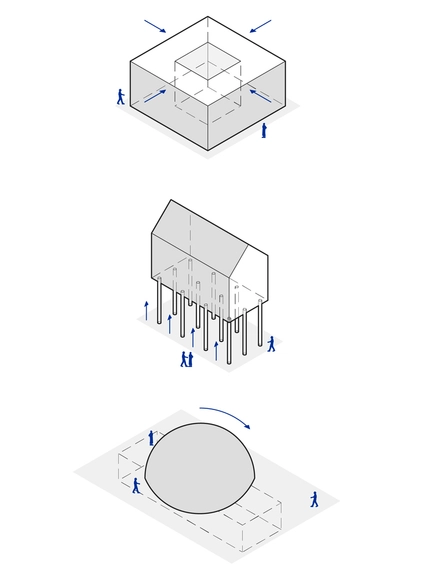
Introspection, Elevation, Covering-Up. Image Courtesy of Enrique Tovar
The flexibility of architecture allows it to continuously change and adjust its form in response to technological progress, social and artistic trends, and the collective experiences we undergo. Large-scale global events, such as the transatlantic migrations of the 19th century, the impact of tuberculosis on design, and most recently, the effects of the last major global health crisis (COVID-19), have all played significant roles in shaping the evolution of architecture.
In the context of the climate crisis, the role of architecture and urbanism has been extensively debated, as it represents one of the greatest challenges of this century. It is undeniable that while there are active efforts through policies and innovation to prevent reaching a point of no return, architecture is already adapting to the changes and extreme conditions caused by it. Rather than thinking of a distant or dystopian future scenario, the gradual changes in climatic conditions have been drivers for modifying, through architectural operations, how we conceive contemporary buildings.
https://www.archdaily.com/1015368/introspection-elevation-covering-up-radical-architectural-operations-for-adverse-climatesEnrique Tovar
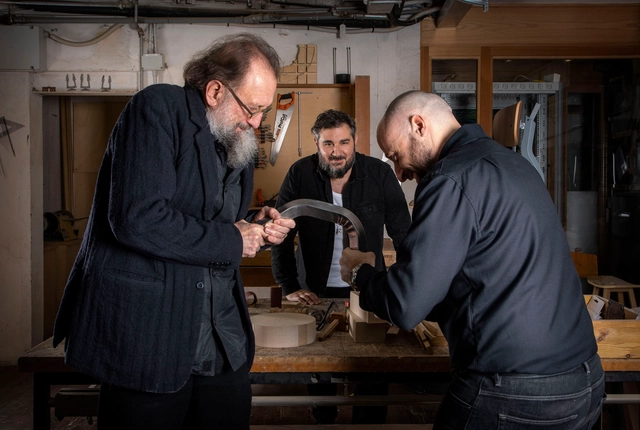
Driven by a forward-thinking spirit, AMDL CIRCLE, the team of Michele De Lucchi, has partnered with Mara to design a new chair, TYPO. Image Courtesy of Mara
Anyone who knows me knows that I love to ask questions. Probably too many. But when you meet with Italian architecture and design grandee Michele De Lucchi, you’re all ears, such is the caliber of his thought and the eloquence of his expression, built on the back of over half a century of experimental, and sometimes iconoclastic, creative practice. From his participation in such avant-garde design collectives as Studio Alchimia and Memphis to his authorship of the Compasso d’Oro-winning Tolomeo lamp and Pulcina coffee pot, he’s seen a lot and done a lot.
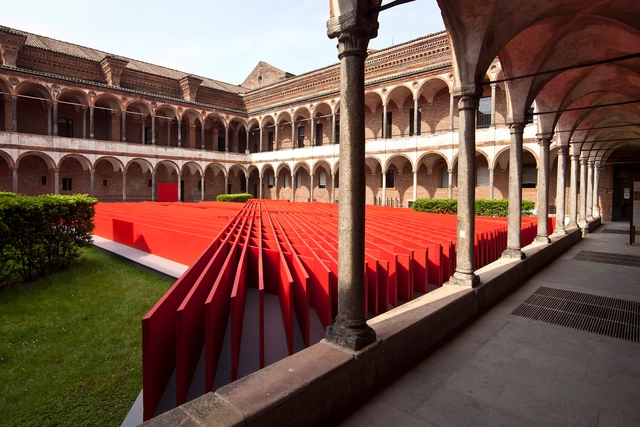
Milan Design Week stands as one of the most important events in the global design calendar, serving not only as a showcase of innovation but also as a catalyst for critical discourse and creative exchange. This year, the event unfolds with a multitude of exhibitions, installations, and talks happening throughout Milano during the week of April 15-21, 2024. By bringing together diverse voices, perspectives, and talents, Milan Design Week becomes relevant for architects and serves as a nexus for interdisciplinary dialogue. To help you better navigate the plethora of events, conferences, and installations, this article highlights the main venues hosting activities revenant for architects and designers, from the expansive trade fair Salone del Mobile in Rho Fiera to design districts across the city and unexpected locations hidden in Palazzo courtyards or reimagined industrial heritage sites.
The Vitra Design Museum presents 'Transform! Designing the Future of Energy', an exhibition running from March 23rd to September 1st, 2024. As energy stands as the cornerstone of modern society, the subject encompasses political, social, and environmental dimensions. The exhibition aims to highlight design’s role in the effort to transform the energy sector into a more efficient, reliable, and sustainable one, relying more on renewable sources, smart mobility systems, and moving towards self-sufficient cities.
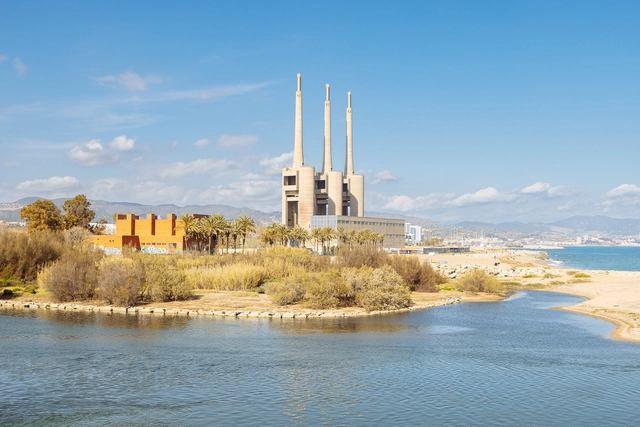
Courtesy of Manifesta 15 Barcelona Metropolitana | Photo by Helena Roig | The Three Chimneys
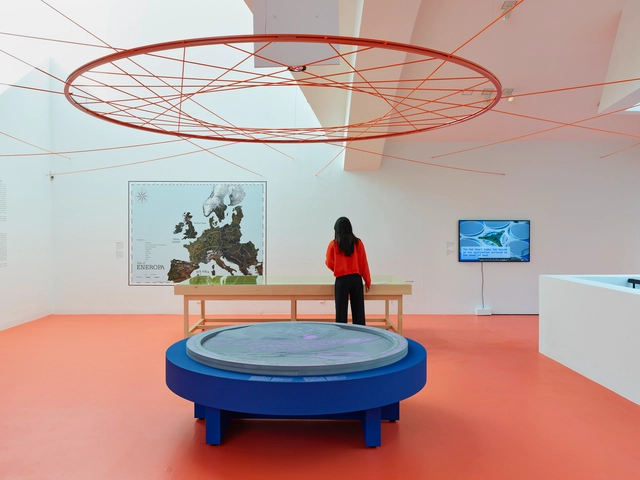
Manifesta 15 Barcelona Metropolitana has unveiled a decentralized biennial event spanning across the landscape of Barcelona. Taking place from September 8th to November 24th, this edition of Manifesta, the European Nomadic Biennial, introduces a regionalized strategy. Famous for its avant-garde exploration of global challenges through cultural lenses, the approach aims to empower citizens in catalyzing a socio-ecological transformation across Catalonia. The event aims to reimagine the role of culture in societal transformation through art, dialogue, and collective action.
As construction materials costs increase, builders and developers are seeking alternatives to traditional home construction methods to address housing shortages. In response, an expanding construction technology field is the 3D printing sector. This technology promises quicker, cheaper construction and the potential to extrude local and recycled materials. However, due to the slow-changing nature of the construction industry, a radical shift involving large-scale 3D-printing machines on-site and a complete overhaul of the construction process seems unlikely shortly.
Prefabricated 3D printing modular housing offers a compelling solution, providing the benefits of 3D printing advancements while leveraging standard construction machinery and labor. In off-site 3D-printed construction, there is no need to transport massive 3D-printing machines on-site. Instead, components are printed in a controlled environment and then assembled on-site. These types of 3D-printed residential modular kits of parts are already being manufactured and are attracting significant investment.
“The Mindfulness City will be a sustainable city. To be mindful is to be aware — to perform best,” said Giulia Frittoli, partner and head of landscape at BIG. The Kingdom of Bhutan is a landlocked Buddhist country in the eastern Himalayas, nestled between China and India. It covers 14,000 square miles and has a population of nearly 800,000.
The Royal Office of Bhutan asked BIG, Arup, and Cistri to develop a plan for a new Mindfulness City in Gelephu in southern Bhutan, near the border with India. The city will span 386 square miles and include a new international airport, railway connections, hydroelectric dam, university, spiritual center, and public spaces.
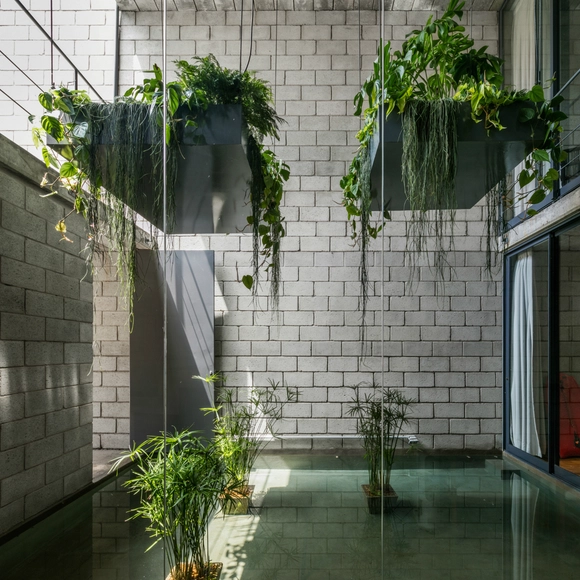
Concrete blocks are prefabricated materials primarily used for constructing walls. Similar to bricks, these blocks are stacked together and bonded with mortar, typically composed of cement, sand, and water. They are hollow inside to accommodate steel bars and mortar filling.
These blocks are available in a variety of dimensions and textures, ranging from traditional smooth surfaces to fluted or rough finishes. Additionally, there are special units designed for corners or beams with longitudinal reinforcements. The dimensions vary, from the classic 8x8x16 inches (approximately 19x19x39 cm) intended for structural use, to a size of 8x3.5x39 inches (approximately 19x9x39 cm) for partitioning walls. How can we creatively incorporate them into our designs?