-
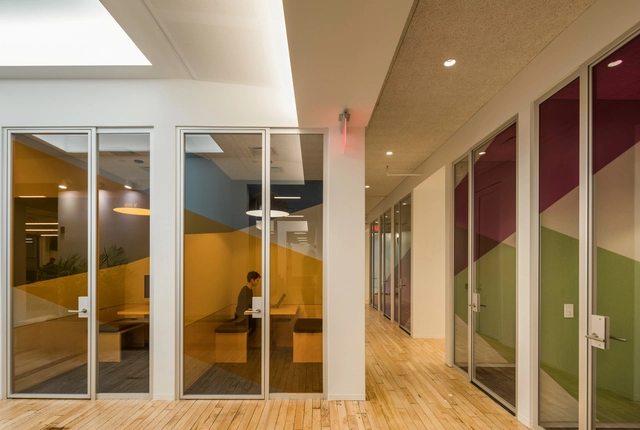
Architects: Kennedy & Violich Architecture
- Area: 5000 ft²
- Year: 2012
-
Manufacturers: EMSEAL, Sanyo, Sharp



Turncoats is a series of punchy debates that aims to turn the typical architectural discussion format on its head. Founded on the premise that mainstream architectural discourse is often so boringly well-mannered as to be “like watching dog owners compliment each other’s pooches,” Turncoats aims to ditch the platitudes and archi-jargon for a punchy, playful and provocative exchange of ideas that allows people to speak more freely and take more risks. Conceived in London and operating now in multiple cities, Turncoats New York launches with a bang on 13 June, addressing the topic Buildings Don’t Matter.


“I came to the conclusion that recovery from Great East Japan Earthquake should be compared to Japan’s recovery from the World War II.” —Yoshiharu Tsukamoto, Co-founder, Atelier Bow-Wow and member of ArchiAid
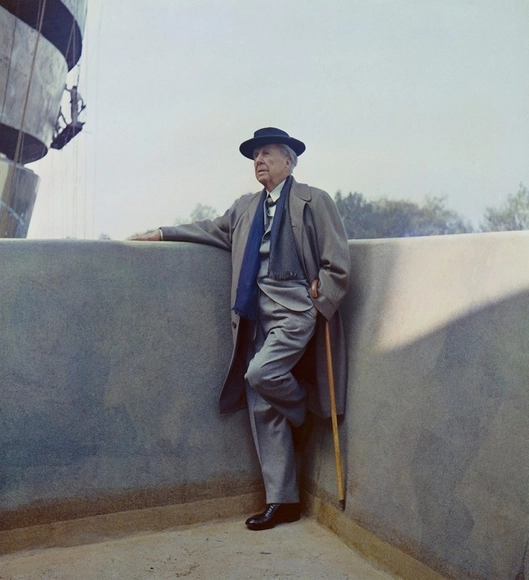
The Guggenheim celebrates Frank Lloyd Wright’s 150th birth year kicking off on Thursday, June 8, Wright’s 150th birthday, with a special reduced admission of $1.50. Visitors will be treated to free birthday cupcakes in the Guggenheim’s newly renovated Cafe 3, which will feature large-scale, rarely seen photographs of the museum during its construction. An actor-historian portraying Frank Lloyd Wright will be on-site engaging with visitors between 9 am and 1 pm.

Moderator: Louise Braverman, FAIA
Panel: Cynthia Davidson, James Biber, FAIA, Max Levy, FAIA
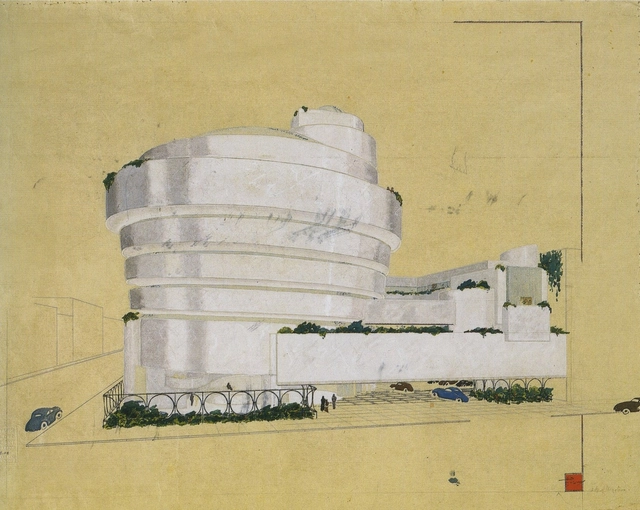
What is the place of the museum in the modern city? What role does architecture play? How can these buildings be effectively interpreted?
Frank Lloyd Wright’s design for the Guggenheim Museum in Manhattan broke with all existing conventions, setting a new standard for the postwar art museum and, together with the Museum of Modern Art, firmly establishing the city of New York as the cultural capital of the 20th century. A decade later, the significance of this new architectural genre was not lost on Georges Pompidou when he commissioned the cultural center that would eventually carry his name—and launch the successful careers of its architects, Renzo Piano and Richard Rogers—hoping that it would position Paris as New York’s cultural rival.
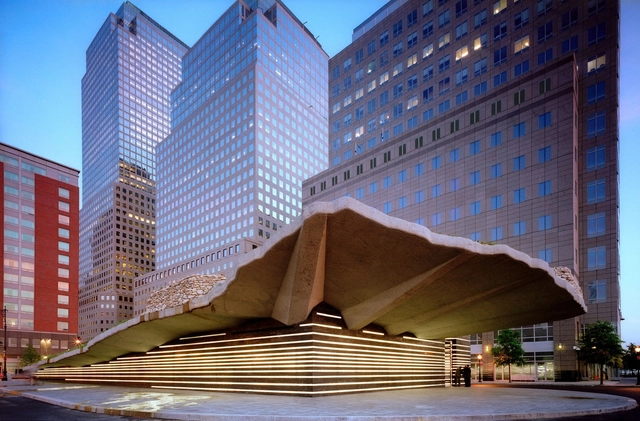

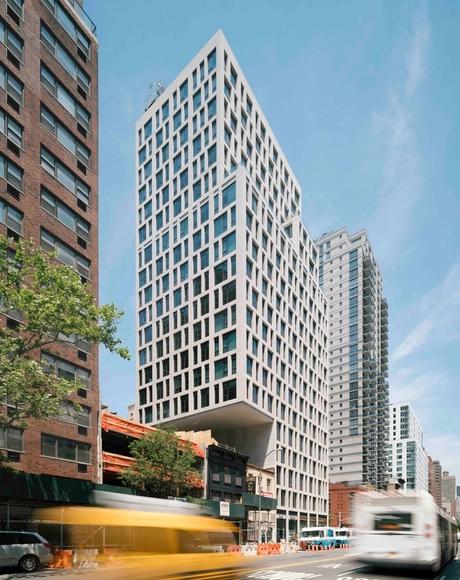
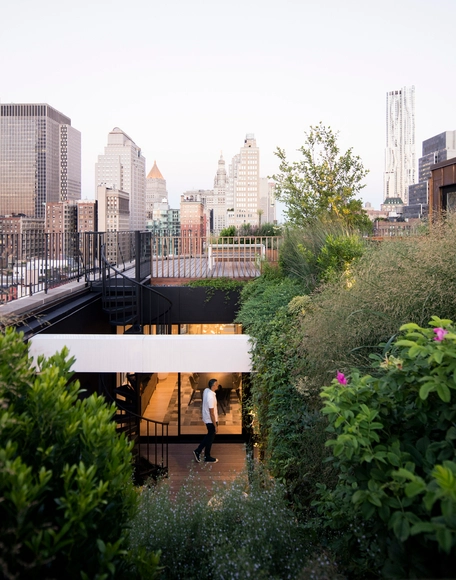

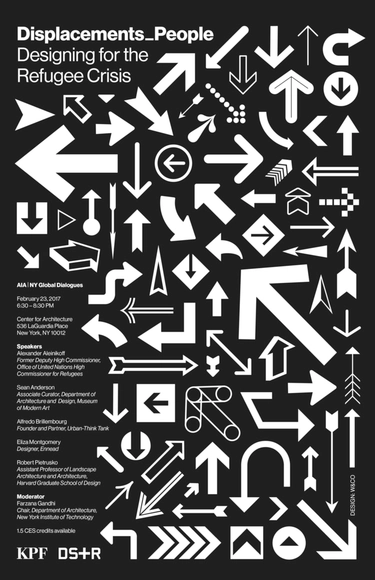
For the first event of our 2017 panel season "Displacements" the AIA-NY Global Dialogues Committee explores how designers are responding to the global refugee crisis through analysis, advocacy, documentation, and design.
.jpg?1486465833&format=webp&width=640&height=580)
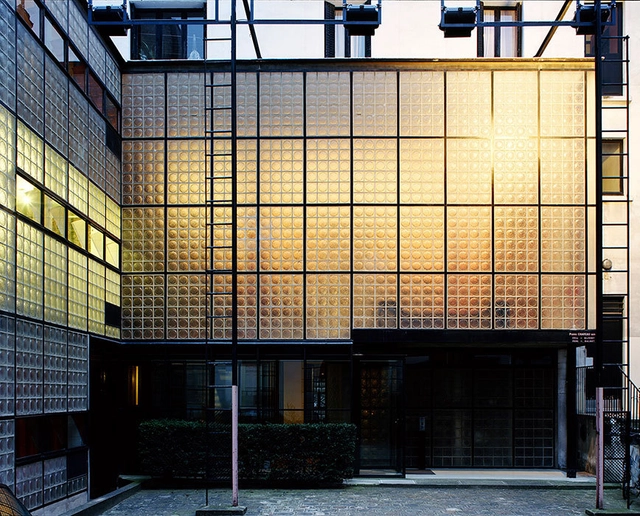
The Jewish Museum presents the first U.S. exhibition focused on French designer and architect Pierre Chareau (1883-1950). Showcasing rare furniture, light fixtures, and interiors, as well as designs for important projects in Europe and America, including the famous Maison de Verre in Paris and the Robert Motherwell House in East Hampton, Long Island, the exhibition will bring together rarely-seen works from major public and private collections around the world.

With the onset of the Great Depression in the 1930s, the great World’s Fairs that had been held around the globe since the Crystal Palace Exhibition of 1851 lost much of their momentum. With the specter of another global conflict looming like a stormcloud on the horizon in the latter half of the decade, prospects for the future only grew darker. It was in this air of uncertainty and fear that the gleaming white Trylon and Perisphere of the 1939 New York World’s Fair made their debuts, the centerpiece of an exhibition that presented a vision of hope for things to come.



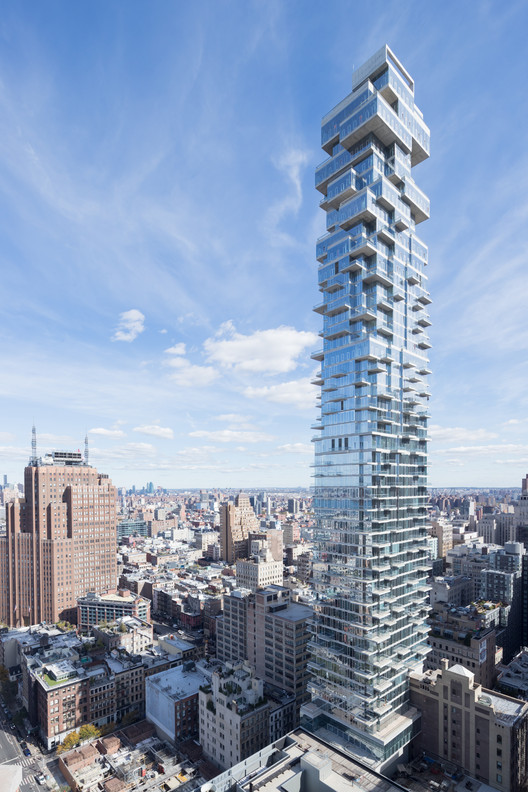

















.jpg?1486466233 "© Eric Laignel")
.jpg?1486466104 "© Eric Laignel")
.jpg?1486466199 "© Eric Laignel")
.jpg?1486466087 "© Eric Laignel")
.jpg?1486465833)