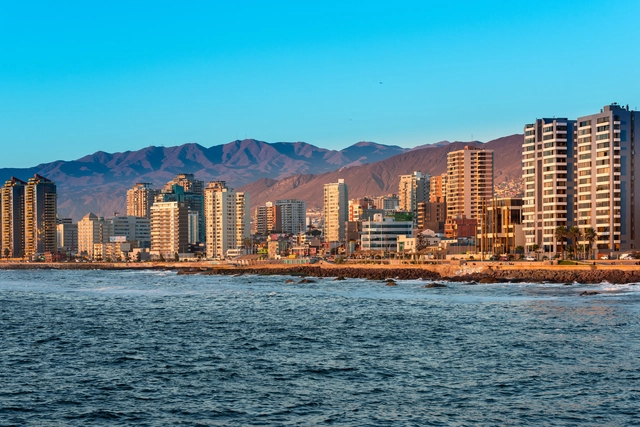
The Antofagasta Public Space Design Guides, developed by Allard&Partners for CREO Antofagasta, aim to improve the quality of life for the city's inhabitants, “by gradually complementing and consolidating a coherent identity for the city that strengthens the character of each area and its communities.” The four volumes, corresponding to their respective neighborhood typologies—Commercial (Downtown District), Under Transformation (Station District), Mixed Residential (Brasil District), and Coastal Edge—are available on the CREO Antofagasta website for direct download and free use.
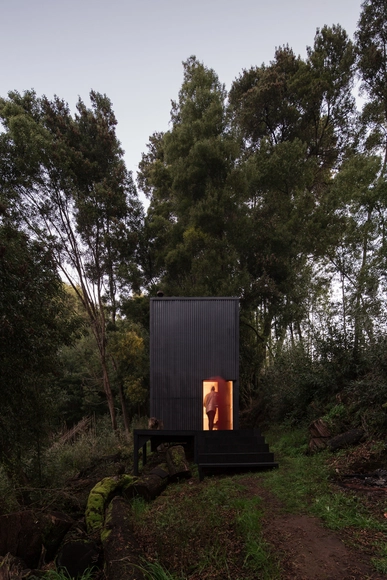
A project for the Commemorative Landmark Pehuenche Commission carried out by the recently graduated Chilean architect Antonia Ossa, is part of the series of small-scale interventions built in the Andean sector of the Maule Region, Chile, as part of the certification process of the School of Architecture of the University of Talca.
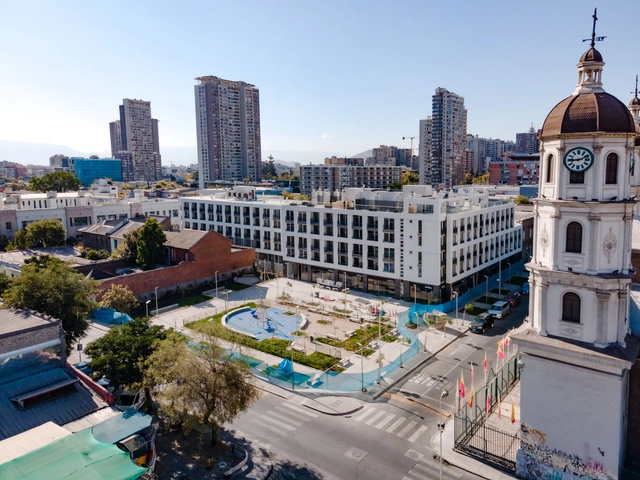
Creating a public space capable of reclaiming the neighborhood's heritage value while fostering participation and community appropriation among local residents was one of the primary goals driving the creation of the Zenteno Cultural Plaza. It is part of a balanced densification project that seeks to integrate local historical and cultural heritage while designing flexible, integrated spaces. Carried out by Activa Inmobiliaria, the project also enabled the preservation of the "Inmaculado Corazón de María" Basilica, a heritage building adjacent to the new plaza. Located in the historic center of Santiago, at the corner of Zenteno and Copiapó streets, the project freed up an area previously occupied by a warehouse building to expose and restore the brick facade of the basilica, which was declared a historic monument in 1987.
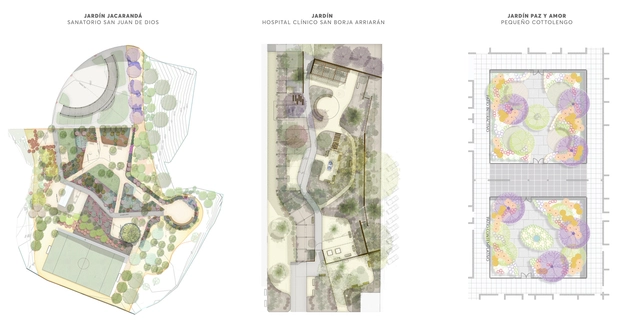
For the Cosmos Foundation, environmental conscience, ecological conservation, and community focus form the foundations of land planning and landscape design within public infrastructure projects. We sat down with the foundation's project director, Felipe Correa, as well as foundation architects Valentina Schmidt and Consuelo Roldán, as they went in depth on the benefits, objectives, and motivations behind the Healing Gardens initiative.
Paste Up, a festival that brings the selected works of six local visual artists to the streets of Santiago, Chile, launched an outdoor route in early December hosted on a series of iconic buildings in the municipality of Vitacura. Renowned urban artist and photographer Caiozzama, whose artistic interventions became icons of the 2019 social uprisings, curated and edited the pieces. The process of translating various sizes and techniques into large-format works also includes the subsequent recycling of the large-scale prints, which will be on display until the end of February. The artists who participated in this edition of the festival are Fab Ciraolo, Bruna Truffa, Juana Gómez, Cecilia Avendaño Bobilier, and Santiago Ascui. Learn more about the works and the urban art route below.
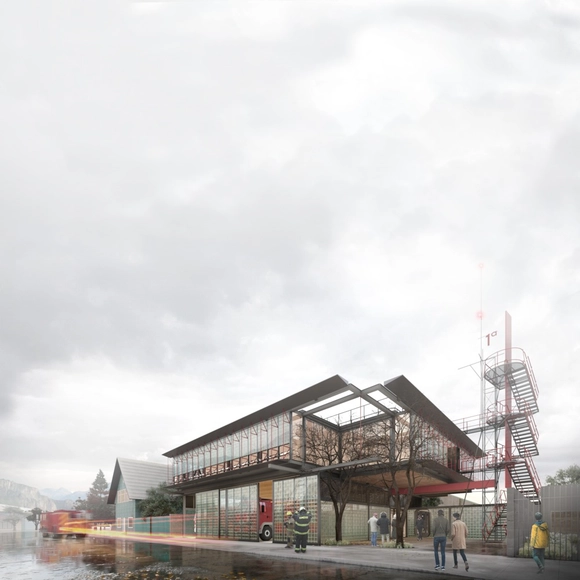
Vista calle. Image Cortesía de Cristóbal Tirado y Sebastián Hernández
The team led by Cristóbal Tirado and Sebastián Hernández won first place in the public competition for the design of the First Fire Company Station of Coyhaique, located in the Aysén Region, Chile. Launched by the Aysén Directorate of Architecture of the Ministry of Public Works (MOP) in conjunction with the Regional Government, the competition aimed to completely replace the town's First Fire Company Station. The design was required to incorporate high energy efficiency standards while enhancing the urban image of the city of Coyhaique.
Videos
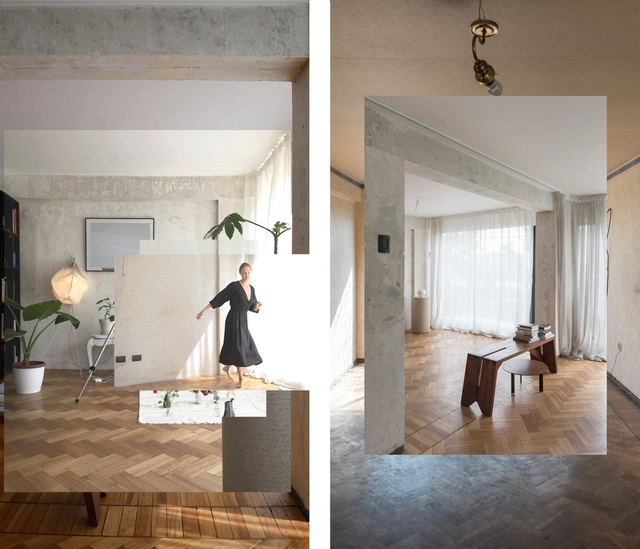
collage based on frames from the DA House audiovisual project. Image
Questioning both the methodologies involved in the production of architecture and its consumption in traditional representation allows us to engage in a series of interdisciplinary dialogues that, rather than limiting the possibilities of the discipline itself, can expand it in response to the complex contexts that define today's landscape. Rodrigo Valenzuela Jerez, architect and founder of EstudioRO - (E)Studio Futur@ and current director of the School of Architecture at the Universidad de las Américas (UDLA), Chile, shares in the following interview some of the design concepts that guide his “expanded” practice, in which form is a secondary outcome of the strategies and operations that enable users to appropriate their own spaces.
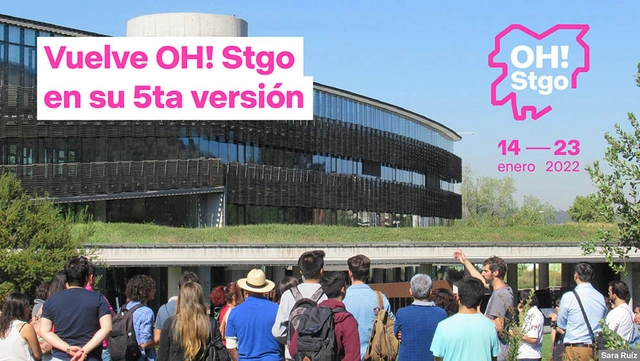
In the context of the current health crisis, the new edition of Open House Santiago (OH! Stgo) will be dedicated to “The City and Care” as a way to create inclusive opportunities that bring people together in buildings that are typically closed to the public. Scheduled from Friday, January 14 to Sunday, January 23, 2022, the event will focus this time on priority groups such as older adults, people with disabilities, and children. Organized by Fundación Aldea, the initiative has celebrated the contemporary city since 2017 through events aimed at providing citizens with practical knowledge about Santiago's architecture, urban design, and environment through its various urban landmarks.
Cortesía de Ministerio de las Culturas, las Artes y el Patrimonio
The project for the reconversion of the ruins of the former warehouses at the Chillán Railway Station, led by architects Cristóbal Tirado and Alberto Moletto, was selected by the jury as the winning proposal in the preliminary architectural design competition. Organized by the Directorate of Architecture of the Ministry of Public Works on behalf of the Ministry of Cultures, Arts, and Heritage, the competition aimed to rehabilitate this infrastructure and transform it into a cultural space, ultimately defining the program and general layout of the future Ñuble Regional Museum. In addition to strengthening regional heritage identity, the project aims to contribute to the urban regeneration of Chillán, specifically the surrounding area and the future Ultraestación Intercommunal Park, whose industrial structures are part of the city's modern architectural legacy. The Ministry highlighted the winning proposal's ability to "breathe life into this iconic city space and, in doing so, establish a new urban landmark for Chillán."
Propuesta Fundación Urbanismo Social, imagen. Image Cortesía de MINVU
The 2015 earthquake that struck the Coquimbo region in Chile resulted in the relocation of 88 households from the Baquedano sector to safe zones. Consequently, the Ministry of Housing and Urbanism (MINVU), through SERVIU, launched a call for proposals to design public rental housing complexes based on general design, energy efficiency, and social participation criteria.
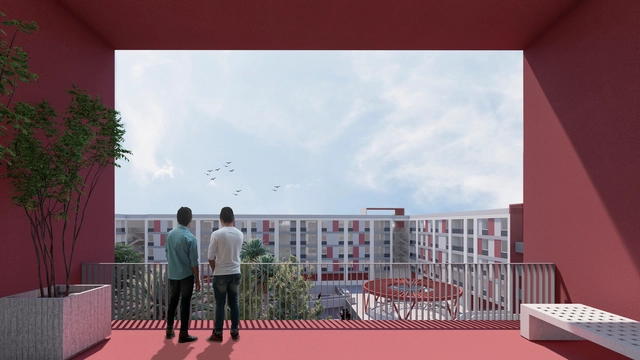
The team composed of Fundación Urbanismo Social and Cristián Fernández Arquitectos won first place in the competition, followed by the proposal submitted by TECHO + Sabbagh Arquitectos. The winning proposal includes a community-support plan that, alongside the construction of public spaces and social housing with mitigation measures, aims to provide displaced families with a safe space to settle and rebuild a sense of community.
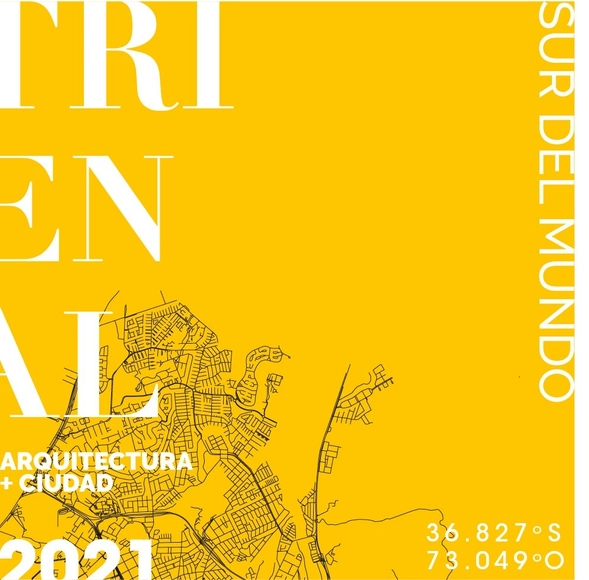
Creating a space for debate regarding the challenges of intermediate cities, their sustainable development, and the improvement of their inhabitants' living conditions is the primary goal of the Trienal Sur del Mundo, which will take place from November 26 to December 4 in the city of Concepción, Chile.
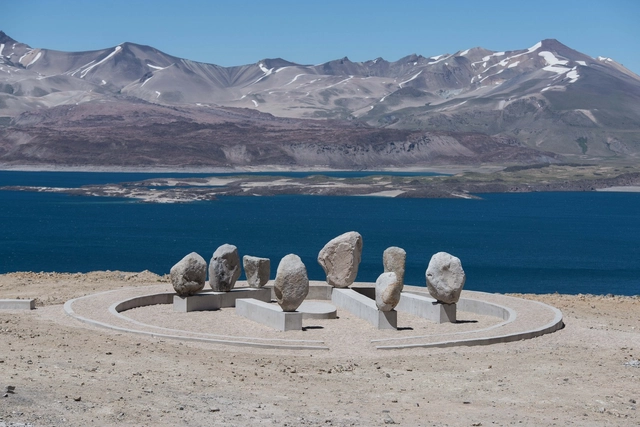
Within the Andes Mountains, the San Pedro Hot Springs is a place to press pause and contemplate, which interrupts a transnational highway between Chile and Argentina. Although these natural pools became a public landmark within the route, they eventually fell over time into a state of abandonment and deterioration as a result of the constant seismic movements in the region.
In response to this situation, Chilean architect Pia Montero sought to highlight the baths for her built-project thesis at the University of Talca in order to consolidate it as a landmark of tourist potential and symbol of the territorial identity of the Maule Region. Moreover, the project is a wake-up call to rediscover and rescue the value of the natural and cultural heritage of the area from the gradual abandonment into which it fell over the years.
Paradoxically, the confinement we have experienced during the current health crisis has also sparked a series of encounters that ignore border limitations. For Estudio Diagonal, an emerging practice that has achieved international recognition for projects like Refugio 3x3, remote work has allowed them to open up to the world and the multiple opportunities it offers without leaving their place of origin. Based in the city of Osorno in southern Chile, the interdisciplinary team led by architect Sebastián Armijo designs and builds a series of works that draw both from the local landscape and its resources and from the architectural influences shaping current global trends.
A critical perspective on the regionalism that dominates local academic discourse, the importance of physical materialization in conceptualizing their work, and the drive to achieve high design standards with minimal resources are some of the recurring themes in their thinking and practice. In the following interview, Sebastián Armijo elaborates on the interests and influences that drive him to develop a variety of projects rooted in the concept of "pragmatic irreducibility."
Delving into the foundations and methodologies through which emerging architecture practices approach the craft allows us not only to map the trends shaping today's landscape, but also to understand the new perspectives they offer to the development of the discipline. Over their four-year career, Chilean architects Matías Alarcón, Cristian Fuhrhop, and Cristóbal Montalbetti have developed a diverse body of work united by a shared focus on meticulous detailing, material exploration, and a sensitive dialogue with the landscape. In the following interview, the co-founders of this architecture and design studio discuss the importance of collective practice and material experimentation in the design and execution of their work.
Construcción de vivienda rural bioclimática . Image Cortesía de Centro Tierra, PUCP
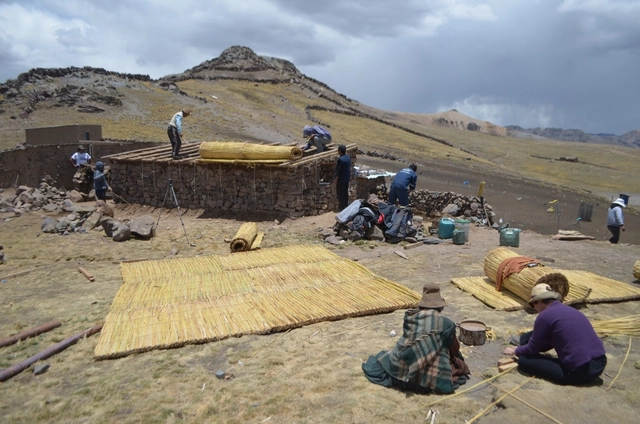
Centro Tierra is a multidisciplinary research group at the Pontificia Universidad Católica del Perú dedicated to the research, implementation, and dissemination of knowledge related to earth architecture and the use of local materials. Based on research centered on earth as the primary building material, the team engages with local cultures in Peru and the Altiplano through their distinct, diverse building techniques. Within this framework, they design sustainable construction proposals focused on rural habitats and built cultural heritage, emphasizing conservation, optimization, and revitalization. In turn, findings from research on bioclimatic and seismic-resistant design are put into practice through participatory processes. These initiatives foster knowledge exchange, weaving together local building heritage with academic technological innovation.
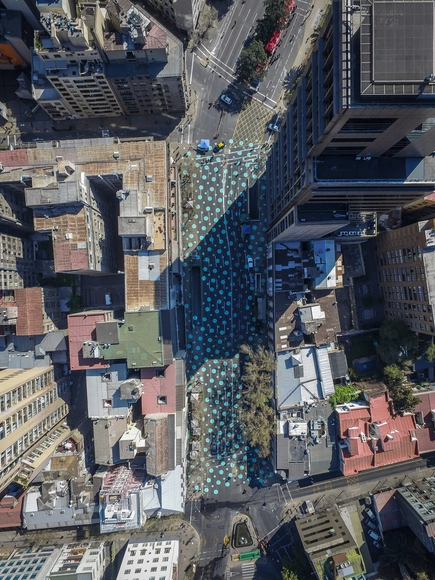
“Shared Streets” (Calles Compartidas), a project by the Chilean Urban Innovation Lab Ciudad Emergente, was recognized at the Scroll of Honour Awards for the urban impact of transforming certain streets in Santiago, Chile, into gathering spaces capable of significantly reducing the city’s carbon footprint. The UN-Habitat initiative seeks to encourage the work of those dedicated to innovation in sustainable urban development. In this edition, the 80 nominations were evaluated based on their response to the crisis caused by the pandemic and the theme of World Habitat Day 2021, “Accelerating urban action for a carbon-free world,” as well as their potential for replicability in different cities around the world. Below, discover the five winners that stood out for the resilience, sustainability, and inclusivity of their proposals.
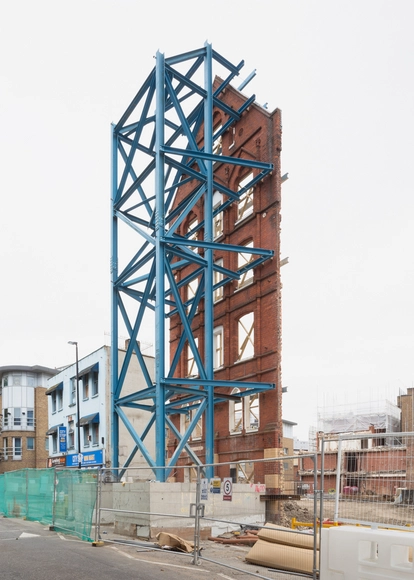
In honor of World Photography Day (August 19 ), Chilean architect Francisco Ibáñez Hantke offers a a perspective of urban transformation and the resulting instability caused by the regenerative processes and the constant real estate speculation that drive it. The photographs center on London, and reveal an exhausting array of construction and demolition and highlight the often blurry line between architecture and urban decay.





.jpg?1634086433&format=webp&width=640&height=580)
.jpg?1634086531 "© Edgard Torres")
.jpg?1634086419 "© Edgard Torres")
.jpg?1634086290 "© Gustavo Burgos")
.jpg?1634086433)