

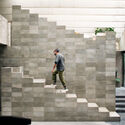
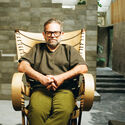
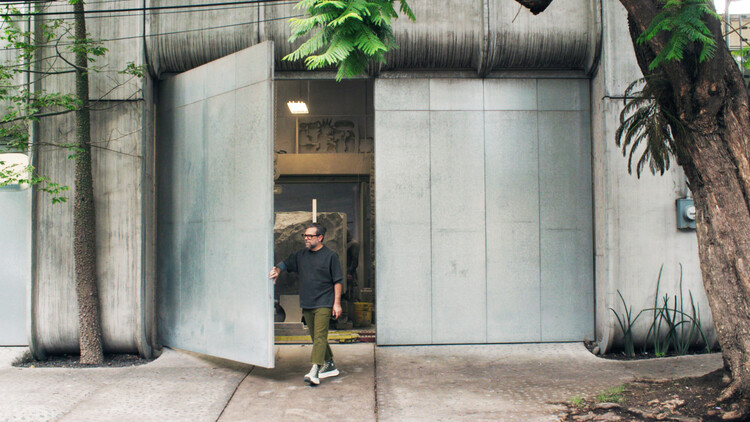
Mexican sculptor Pedro Reyes has developed a multidisciplinary practice that spans sculpture, architecture, social engagement, and activism. Trained as an architect, Reyes approaches sculpture as both a material and a collective process, combining traditional stone carving with participatory projects that address contemporary social issues. His work frequently explores transformation, whether through physical materials or community action, positioning sculpture as a tool for reimagining social realities. In a 2025 interview with Louisiana Channel, Reyes discusses the influence of architecture on his artistic practice, the concept of "social sculpture," and the importance of preserving craft traditions in an increasingly automated world.
Architecture News
“Art Is Not Fiction, but a Surplus Reality:” Pedro Reyes on Sculpture as Social Practice in Louisiana Channel Interview


https://www.archdaily.com/1042723/art-is-not-fiction-but-a-surplus-reality-pedro-reyes-on-sculpture-as-social-practice-in-louisiana-channel-interviewReyyan Dogan
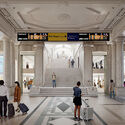
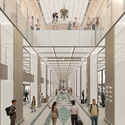
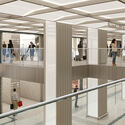
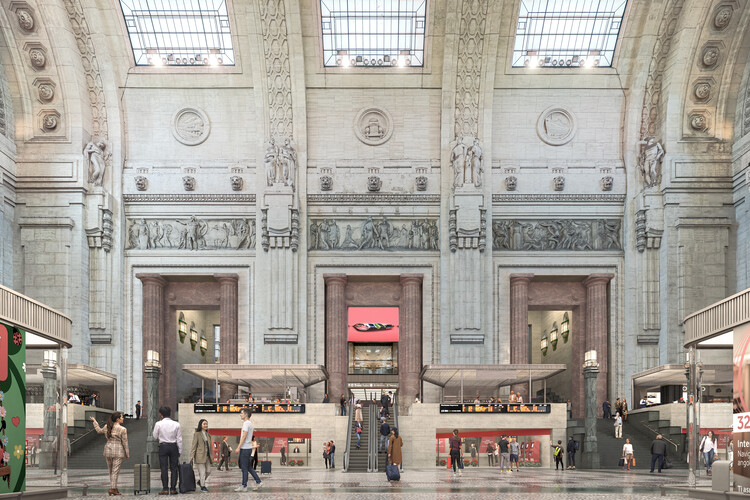
Park Reimagines the Interiors of Milano Centrale, Mussolini's Fascist-Era Rail Monument
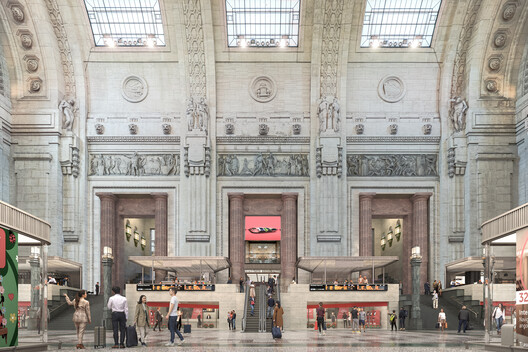
Milano Centrale is the main train station in northern Italy and the second-largest station in Italy behind Roma Termini. The building was officially opened on July 1, 1931, replacing the city's first central station, which opened in 1864. The construction was intended to showcase the power of then-Prime Minister Mussolini's fascist regime, with a notorious scale, massive arches, and an imposing facade. Following a private competition promoted by Grandi Stazioni Retail, Park, an Italian interdisciplinary collective, was selected to redesign the station's ground floor and mezzanine levels, transforming the historic city landmark into a contemporary urban platform.

https://www.archdaily.com/1042709/park-reimagines-the-interiors-of-milano-centrale-mussolinis-fascist-era-rail-monumentAntonia Piñeiro
Graham Foundation Announces 54 Grants for Individuals Exploring Architecture Through Research and Creative Practice
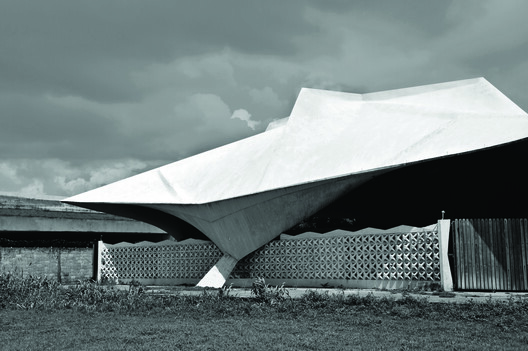
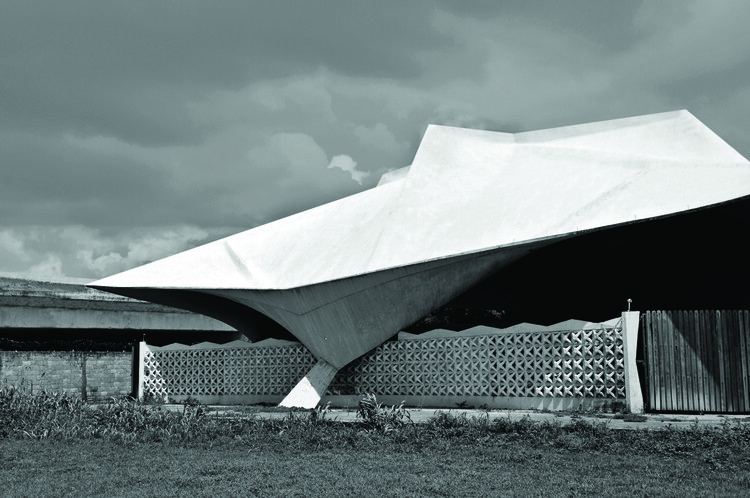
The Graham Foundation has announced the recipients of its 2026 Grants to Individuals program, awarding a total of $506,000 to 54 projects that investigate architecture through exhibitions, films, publications, and research initiatives. Selected from more than 600 submissions to the Foundation's September 2025 application cycle, the grants support work by 86 architects, artists, curators, designers, filmmakers, historians, scholars, and writers, reflecting a broad range of interdisciplinary approaches to the built environment and its cultural, social, and political dimensions.

https://www.archdaily.com/1042684/graham-foundation-announces-54-grants-for-individuals-exploring-architecture-through-research-and-creative-practiceReyyan Dogan
Building, Taxing, and Financing: New York City's Recent Measures to Tackle the Housing Crisis

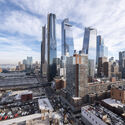
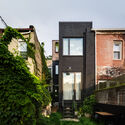
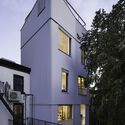
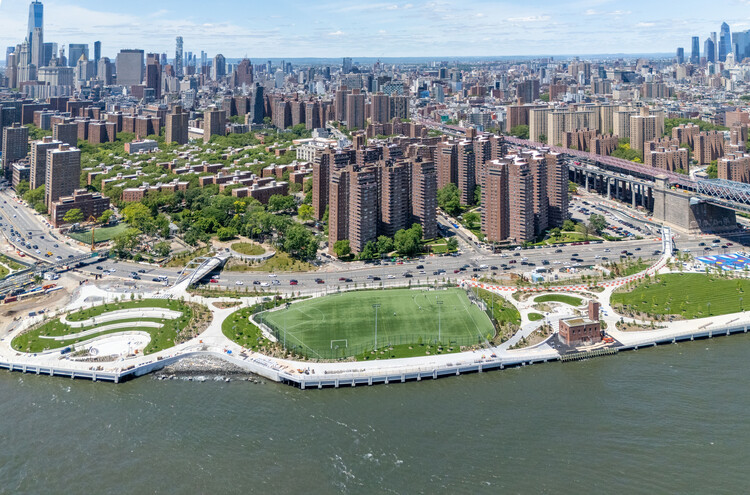
The New York City local government is one of the largest of its kind, with hundreds of city agencies and elected offices. The Mayor, city agencies, the city council, the comptroller, the public advocate, the borough presidents, and community boards organize to provide services and improve the quality of life in the biggest city in the United States and a primary tourist destination. Like other metropolises in the world, urban developers and authorities in New York are facing common challenges: the atmospheric effects and permanent consequences of the climate crisis, the saturation of transport systems, the lack of housing units, and barriers to accessing adequate housing. During June, the New York City mayor's office announcements addressed traffic and mobility, sports events, immigration, and extreme heat. In recent months, a series of policies have been announced to address a larger problem: ensuring access to housing for a greater number of people through government action.

https://www.archdaily.com/1042659/building-taxing-and-financing-new-york-citys-recent-measures-to-tackle-the-housing-crisisAntonia Piñeiro
Swiss Pavilion Examines Water as Resource, Subject, and Legal Entity at the 2027 Venice Architecture Biennale

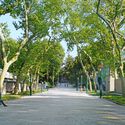
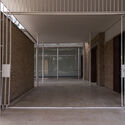
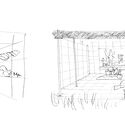
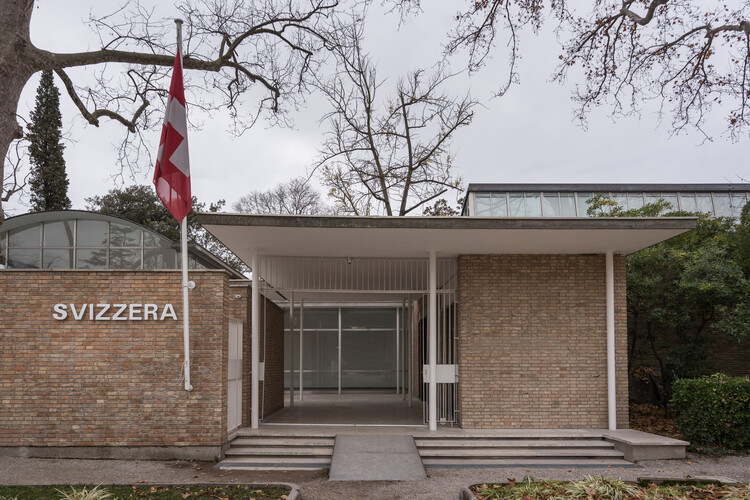
Architect and urbanist Paola Viganò has been selected by Pro Helvetia to curate the Swiss Pavilion at the 20th International Architecture Exhibition – La Biennale di Venezia. Chosen following a unanimous recommendation from the selection jury, Viganò's proposal explores water as a territorial, ecological, and political condition, taking Switzerland's role as "Europe's water tower" as its conceptual point of departure. Developed with StudioPaolaViganò and an interdisciplinary team, the project examines water not only as a resource but also as a subject, a legal entity, and a force that shapes landscapes, infrastructures, and the built environment.

https://www.archdaily.com/1042642/swiss-pavilion-examines-water-as-resource-subject-and-legal-entity-at-the-2027-venice-architecture-biennaleReyyan Dogan
The London Museum Moves to Smithfield's Restored General Market Ahead of Long-Awaited Opening

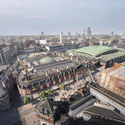
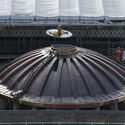
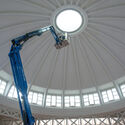
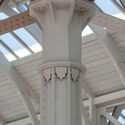
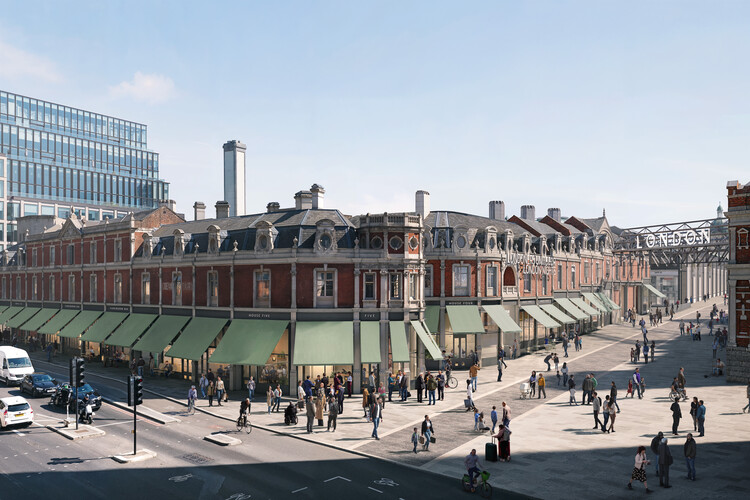
The original Museum of London building at London Wall permanently closed to the public in December 2022 to prepare for its relocation. Despite community claims to preserve the modernist building, demolition plans for the brutalist landmark were approved in 2024 to make way for the London Wall West redevelopment project. The Museum of London was then officially rebranded as the London Museum and relocated to the historic General Market in Smithfield. The decade-long restoration project of the new location was carried out by Stanton Williams and Asif Khan, alongside conservation architect Julian Harrap. The official opening of the Museum's new permanent galleries is scheduled for November 28, 2026.
https://www.archdaily.com/1042614/the-london-museum-moves-to-smithfields-restored-general-market-ahead-of-long-awaited-openingAntonia Piñeiro
Schmidt Hammer Lassen Completes ARoS Expansion with James Turrell's As Seen Below – The Dome

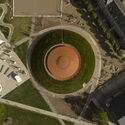
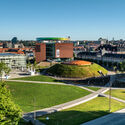
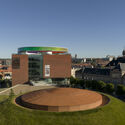
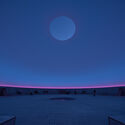
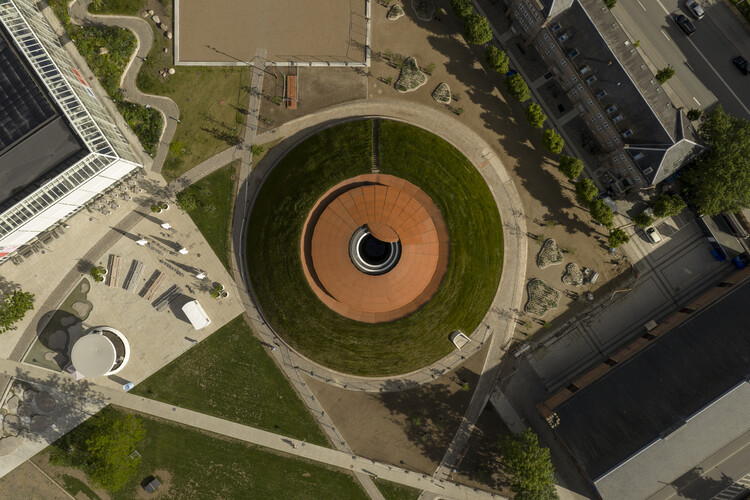
Denmark's ARoS Aarhus Art Museum has unveiled As Seen Below – The Dome, a new Skyspace by American artist James Turrell that completes The Next Level, the museum's approximately 4,000-square-metre underground expansion designed by Schmidt Hammer Lassen. Opened to the public on 19 June 2026, the project marks the culmination of more than two decades of collaboration between the City of Aarhus, ARoS, and the Danish architecture practice, following the completion of the museum building in 2004 and the addition of Olafur Eliasson's Your Rainbow Panorama in 2011. Located beneath the redesigned Musikhusparken in central Aarhus, the installation forms the centerpiece of the museum's latest expansion and adds a new large-scale work by Turrell to its collection.
https://www.archdaily.com/1042584/schmidt-hammer-lassen-completes-aros-expansion-with-james-turrells-as-seen-below-the-domeReyyan Dogan
The Tallinn Architecture Biennale 2026 Unveils Full Program, Venues, and Participants for 'How Much?'

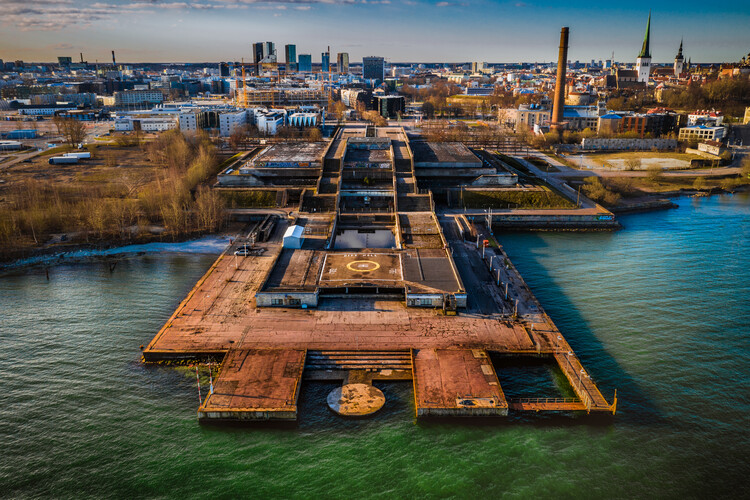
Following its 7th edition in 2024, an event centered around the theme "Resources For a Future," the Tallinn Architecture Biennale is coming back in 2026 with the question of "How Much?" Organised by the Estonian Centre for Architecture and curated by Stuudio TÄNA, Mark Aleksander Fischer, and Mira Samonig. From September 9 to November 30, 2026, the biennale will explore the relationship between constraint, cost, and architecture, often in the margins of the architectural discourse but inevitably shaping the built environment, to ultimately unlock new ways of understanding the meaning of value, affordability, and responsibility in architecture. The organization recently released the full program of exhibitions, workshops, concerts, family events, and films for TAB 2026, addressed to both architects and the general public.


https://www.archdaily.com/1042583/the-tallinn-architecture-biennale-2026-unveils-full-program-venues-and-participants-for-how-muchAntonia Piñeiro
Architectural Recognition and New Projects Around the World: This Week's Review

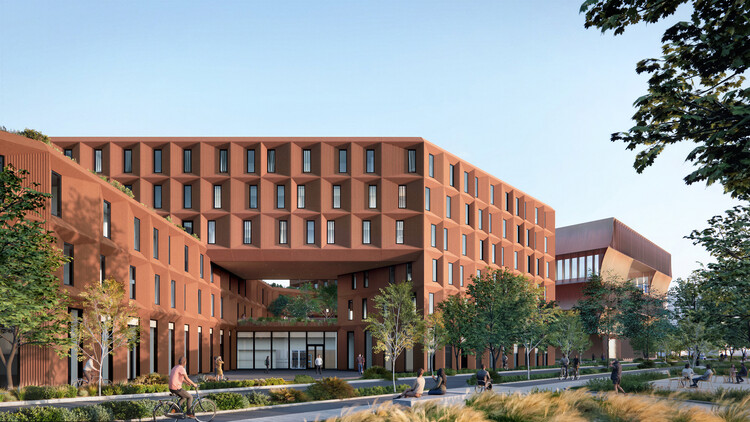
This week's coverage brought together a range of news, projects, and announcements from across the architectural world. Stories included conversations ahead of the UIA World Congress 2026, where architects, critics, and award organizers are set to discuss the evolving role of architectural recognition, alongside BIG's proposal for a new university campus in Bentonville, Arkansas. The week also featured updates on major public and cultural projects, from the redevelopment of New York's Penn Station to the ongoing transformation of London's Olympia and the completion of a new cultural center in Dongguan, China. It also marked the passing of Lorcan O'Herlihy, founder of LOHA, whose practice became known for its commitment to housing, urban density, and socially engaged design across Los Angeles and beyond.
https://www.archdaily.com/1042563/architectural-recognition-and-new-projects-around-the-world-this-weeks-reviewReyyan Dogan
Concéntrico 2026 Opens in Logroño with Six Days of Installations, Workshops, and Urban Experimentation

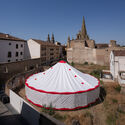
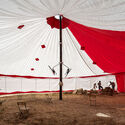
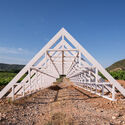
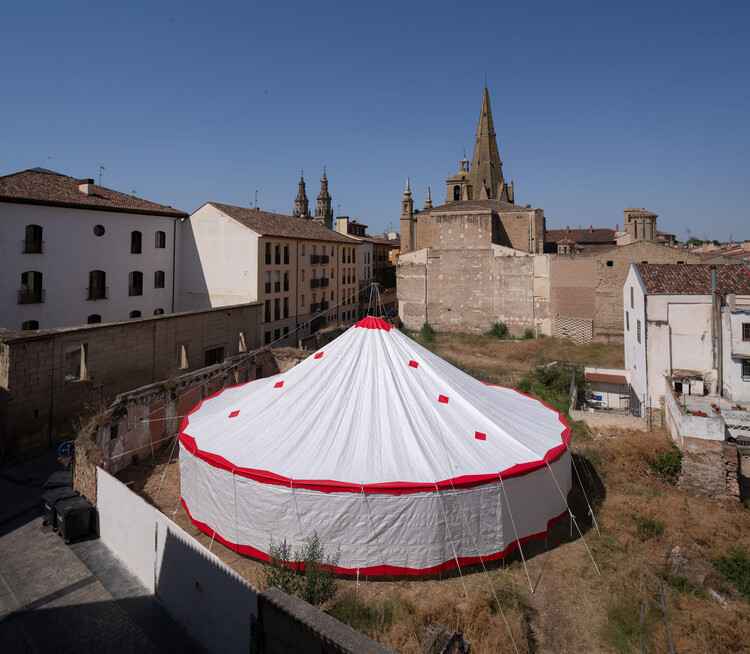
Concéntrico, the large-scale laboratory for architecture, design, and urban experimentation, has officially inaugurated its six-day calendar of activities. The festival is transforming the Spanish city of Logroño from June 18 to 23, 2026, with a series of collective, festive, and performative practices in public space. The program includes 24 installations by international practices and creators, distributed across squares, vacant plots, streets, bridges, and emblematic spaces throughout the city. The urban interventions range from a circus designed by Smiljan Radić to street sound recordings for a vinyl album of the festival by Sounds of Architecture Records, also featuring three winning proposals from its international call for entries.

https://www.archdaily.com/1042539/concentrico-2026-opens-in-logrono-with-six-days-of-installations-workshops-and-urban-experimentationAntonia Piñeiro
ZHA's Songshan Lake Exhibition and Performance Center Opens in Dongguanm, China

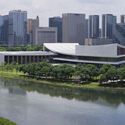
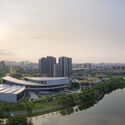
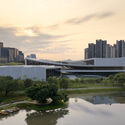
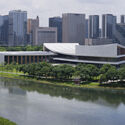
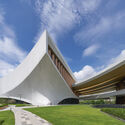
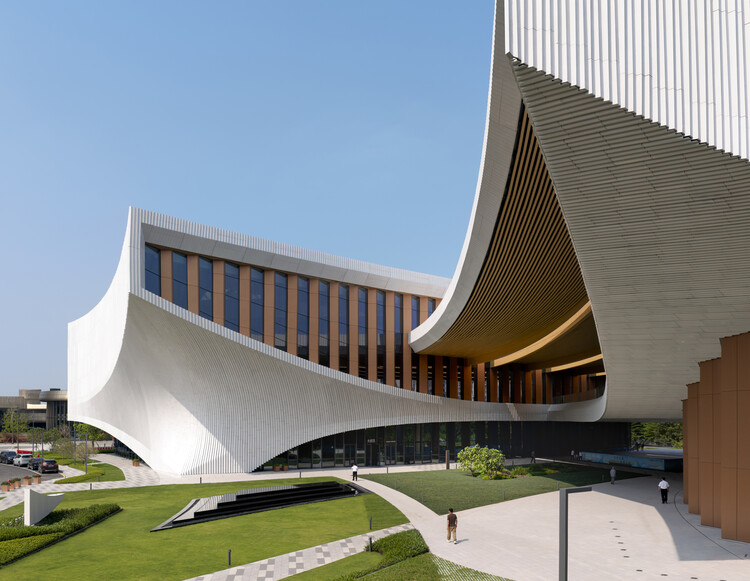
The Songshan Lake Exhibition and Performance Center, designed by ZHA in collaboration with the Beijing Institute of Architectural Design, is a new cultural and sports facility in Dongguan City, China. It's located in the city's High-Tech Industrial Development Zone, a technological innovation and science city established in 2001 as a hub for research, development, and high-tech manufacturing. Covering a total floor area of 45,000 square metres, the new cultural centre was designed to be a civic and cultural anchor for the Guangdong-Hong Kong-Macao Greater Bay Area (GBA). The construction of the riverside building started in 2021, and the complex was officially opened on March 30, 2026.
https://www.archdaily.com/1042491/zaha-hadid-architects-songshan-lake-exhibition-and-performance-center-opens-in-dongguanm-chinaAntonia Piñeiro
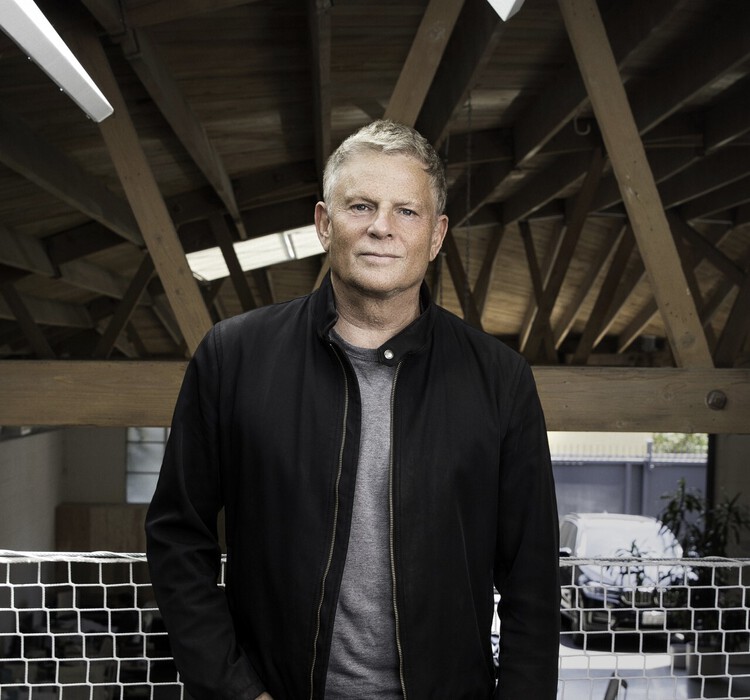
Lorcan O’Herlihy, Founding Principal of LOHA, Passes Away at 66

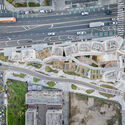
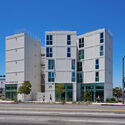
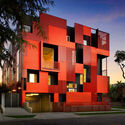
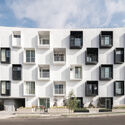
Lorcan O'Herlihy, the Irish-born architect, educator, and founder of Los Angeles-based Lorcan O'Herlihy Architects (LOHA), has died at the age of 66. His death was confirmed by the firm on June 14, 2026. Over a career spanning more than three decades, O'Herlihy became known for advancing an architectural practice centered on housing, urbanism, and social engagement, helping shape conversations around density, affordability, and the civic role of design in contemporary cities.
https://www.archdaily.com/1042483/lorcan-oherlihy-founding-principal-of-loha-passes-away-at-66Reyyan Dogan
Architecture Awards Must Evolve: A Debate on Their Role and Responsibility at the UIA World Congress 2026

A collective discussion titled "Beyond Recognition: Exploring the Role of Architectural Awards" is taking place on June 29 in Barcelona, on the occasion of the UIA World Congress of Architects 2026. The debate starts from the conviction that, in today's context of accelerating global challenges, the role of architectural awards must evolve. The event follows the conversation initiated during the 2025 Venice Architecture Biennale, where the relevance of awards was questioned, paving the way for a new conversation on how architectural awards can contribute to shaping practice, institutions, and public discourse. The discussion sessions are convened by representatives of major international awards: the Aga Khan Award for Architecture, Ammodo Architecture Award, EUmies Awards, Holcim Foundation Awards, Mies Crown Hall Americas Prize, and the OBEL Award, and are joined by prominent figures in the field of architecture and design.
https://www.archdaily.com/1042455/architecture-awards-must-evolve-a-debate-on-their-role-and-responsibility-at-the-uia-world-congress-2026Antonia Piñeiro
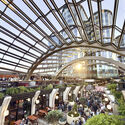
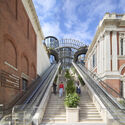
Heatherwick Studio and SPPARC Unveil First Phase of Olympia's Transformation in West London

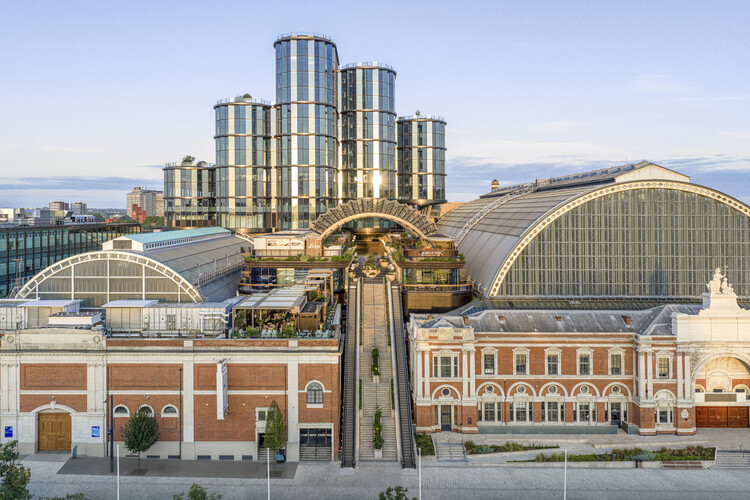
Heatherwick Studio and SPPARC have unveiled the first phase of the transformation of Olympia, a historic exhibition complex in West London, into a mixed-use cultural destination. Originally opened in 1886, the Victorian landmark is undergoing a large-scale redevelopment that aims to reconnect the 14-acre site with the surrounding city through new public spaces, cultural venues, hospitality programs, and commercial facilities. The opening is marked by the completion of a new public canopy, which introduces elevated pedestrian circulation and serves as a gateway into the broader master plan while framing new views across Olympia's historic roofscape. The intervention forms part of a broader master plan that will be implemented through 2026 and 2027.
https://www.archdaily.com/1042436/heatherwick-studio-and-spparc-unveil-first-phase-of-olympias-transformation-in-west-londonReyyan Dogan
Shamballa Opens in Italy as a 3D-Printed Research Site Exploring Self-Sufficient Sustainable Living

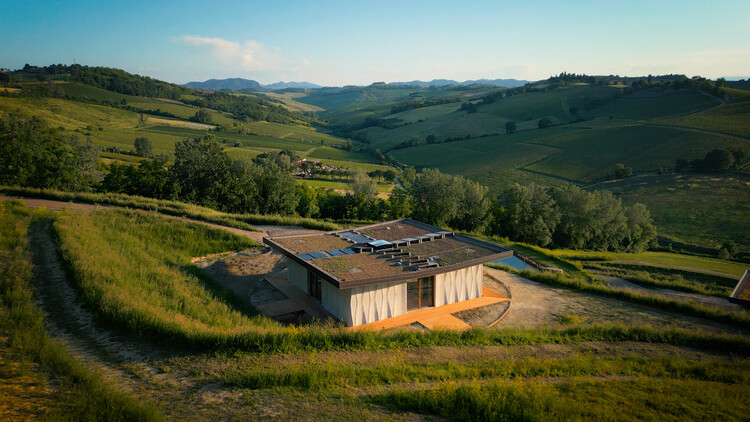
Shamballa, an 8-hectare open-air laboratory and research site dedicated to sustainable living and advanced architectural 3D printing, was inaugurated on June 8, 2026, in the hills of the Emilia-Romagna region in northern Italy. The project is a collaboration between WASP, a 3D printing technology company, and Olfattiva, an aromatherapy and botanical perfumery company, hosting a makers laboratory, a medicinal botanical garden, and "Itaca," a self-sufficient farm built using 3D printing. The building was designed as a model for 3D-printed construction, representing a certified and replicable structure. The outdoor areas host research and development centers, forming an experimental "ecosystem" to develop new ideas in bio-construction and sustainable living, along with automated gardens, rainwater harvesting systems, and initiatives focused on micro circular economies.

https://www.archdaily.com/1042422/shamballa-opens-in-italy-as-a-3d-printed-research-site-exploring-self-sufficient-sustainable-livingAntonia Piñeiro
Fondation Beyeler to Open Expanded Campus by Peter Zumthor in 2027

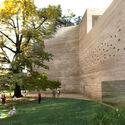
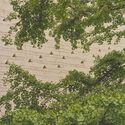
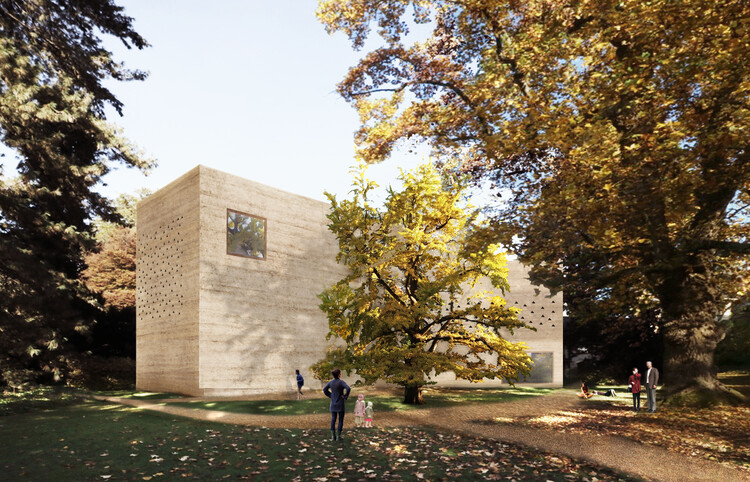
The Fondation Beyeler in Riehen, near Basel, will begin opening its expanded campus to the public this autumn, with the full ensemble set to be accessible in January 2027. The project brings together the museum building designed by Renzo Piano Building Workshop and opened in 1997 with a series of new additions by Peter Zumthor, as well as several repurposed historic structures. Through the expansion, the institution increases its exhibition capacity while extending its grounds to include a larger public landscape. The development represents a new phase for the Fondation Beyeler, building on its focus on the relationship between art, architecture, and nature.
https://www.archdaily.com/1042400/fondation-beyeler-to-open-expanded-campus-by-peter-zumthor-in-2027Reyyan Dogan
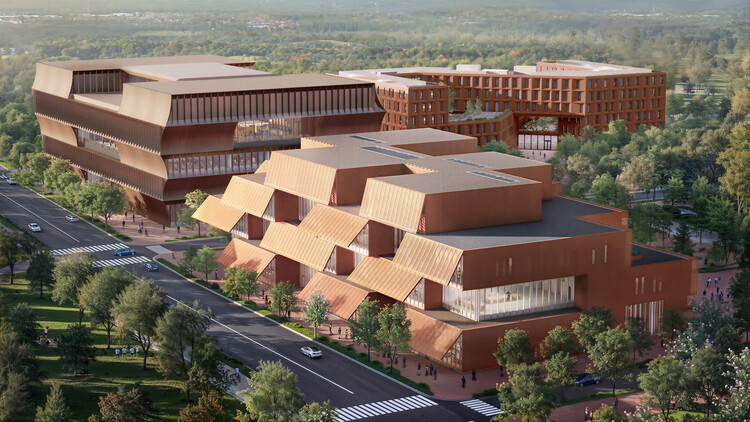
BIG to Design Three-Building STEM University Campus in Arkansas, United States
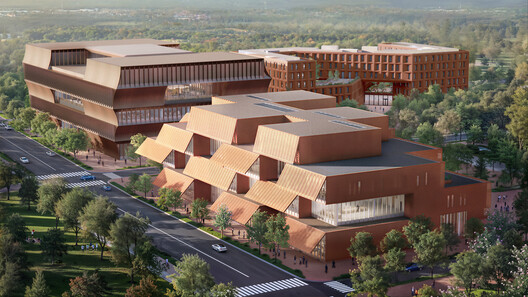
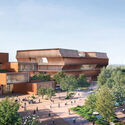
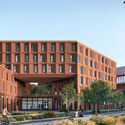
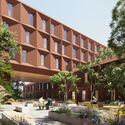
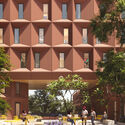
BIG–Bjarke Ingels Group was selected to design the campus of a new STEM university in Arkansas, United States, on a site located near Bentonville's downtown, formerly home to Walmart's headquarters. The project comprises three buildings occupying two city blocks and was designed in collaboration with Polk Stanley Wilcox Architects, who will serve as the Architect of Record. The campus comprises around 422,000 square feet (nearly 39,200 square meters), including green spaces, public squares, an academic building, a makerspace, and a student residence. While the project was recently unveiled, the university intends to welcome its first class of students in 2029.
https://www.archdaily.com/1042384/big-to-design-three-building-stem-university-campus-in-arkansas-united-statesAntonia Piñeiro
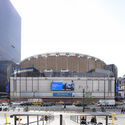
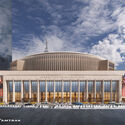
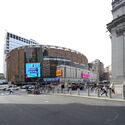
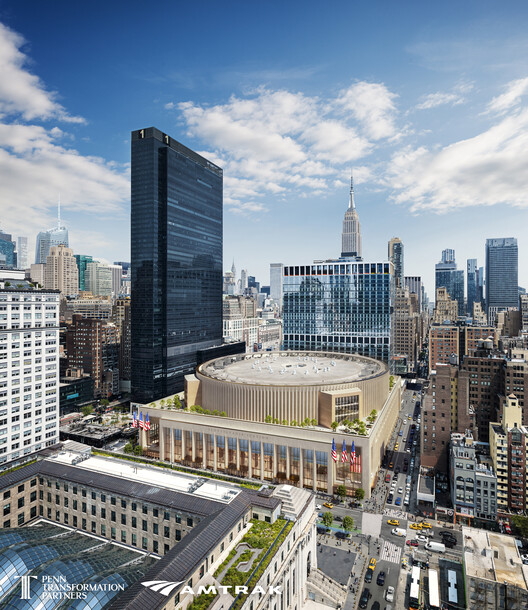
Designs Unveiled for New York City's Penn Station by PAU and HNTB-HOK

The Practice for Architecture and Urbanism (PAU), in collaboration with HNTB and HOK, has been selected as the design team for the redevelopment of New York City's Penn Station. The project is part of an ongoing effort to reorganize and expand one of the busiest rail transportation hubs in North America, aiming to improve passenger circulation, increase capacity, and upgrade the station's existing infrastructure. Design and development work is currently underway, with construction anticipated to begin in 2027. Located in Midtown Manhattan, Penn Station occupies the site of the original Pennsylvania Station, designed by McKim, Mead & White and completed in 1910.

https://www.archdaily.com/1042360/designs-unveiled-for-new-york-citys-penn-station-by-pau-and-hntb-hokReyyan Dogan
Record Heatwaves in Europe and a New Museum of Comics in Taiwan: This Week’s Review

Covering a broad array of subjects, this week's headline stories have reflected the wide scope of architecture's practice: its potential to respond to the climate crisis, the construction and renovation of cultural infrastructure around the world, and events that promote contemporary disciplinary reflection. This does not preclude questions about the contradiction between the technical and creative skills demanded by the discipline and the role it has come to occupy in today's market. Alongside these reflections, this week we feature projects that reinforce architecture's cultural significance in preserving knowledge, hosting collective entertainment, and supporting new forms of living: a comic book museum in Taiwan, a membership club for families in London, and the renovation of a landmark stadium in Riyadh.
https://www.archdaily.com/1042341/record-heatwaves-in-europe-and-a-new-museum-of-comics-in-taiwan-this-weeks-reviewAntonia Piñeiro
Icelandic Pavilion Explores Bathing Culture as Civic Infrastructure at the 2027 Venice Architecture Biennale

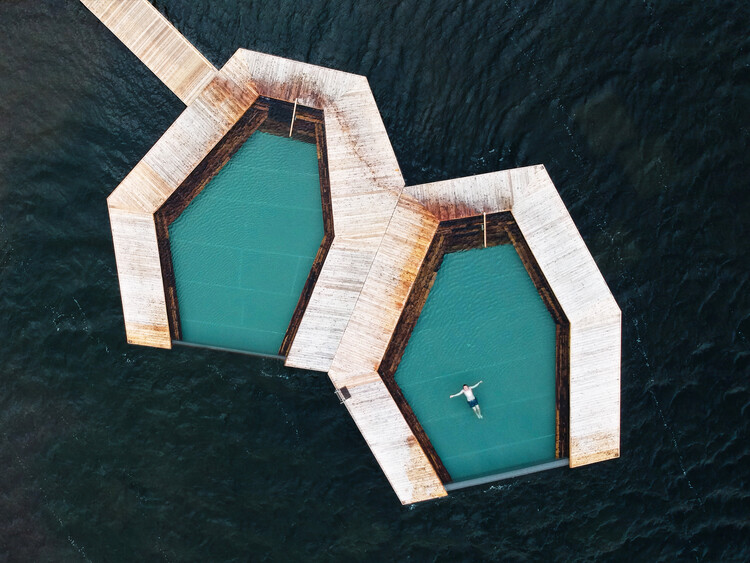
The Icelandic Pavilion at the 20th International Architecture Exhibition – La Biennale di Venezia will present SOAK: Rituals of Collective Belonging, an exhibition examining Iceland's bathing culture through the lens of architecture, public space, and social interaction. Commissioned by Halla Helgadóttir, Iceland Design and Architecture, the project is curated by Marcos Zotes, partner at Basalt Architects, and developed through a multidisciplinary collaboration between Basalt Architects, design studio Gagarin, and artist Rán Flygenring. SOAK marks the second Icelandic participation in the Architecture Biennale selected through an open call process, following Lavaforming by s.ap architects, which represented Iceland at the 2025 edition.




https://www.archdaily.com/1042324/icelandic-pavilion-explores-bathing-culture-as-civic-infrastructure-at-the-2027-venice-architecture-biennaleReyyan Dogan
Herzog & de Meuron to Redevelop Tirana's Communist-Era Palace of Congresses
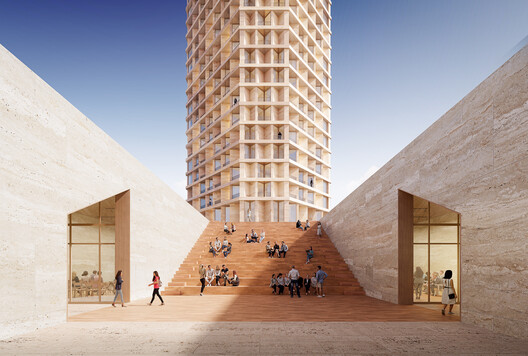
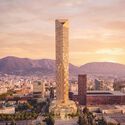
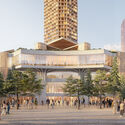
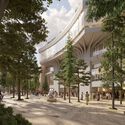
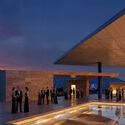
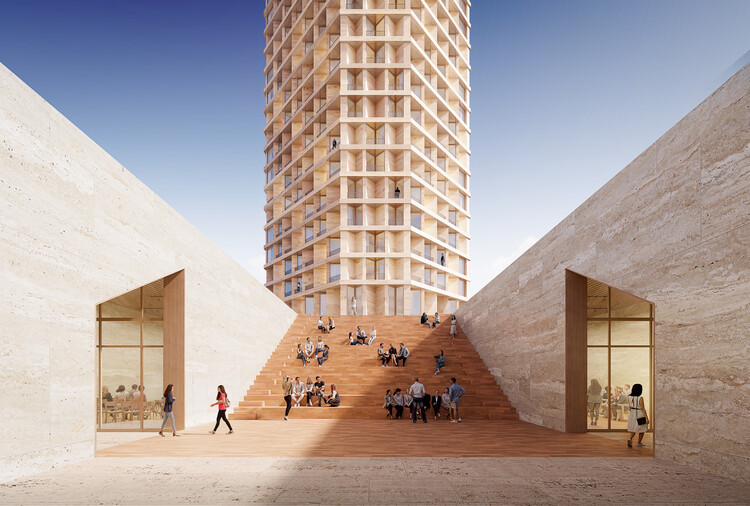
On June 3, 2026, Herzog & de Meuron was selected to revitalize the Palace of Congresses building in Tirana, Albania. The project was designed along with collaborators Julian Beqiri, Marsela Demaj, Michel Desvigne Paysagistes (MDP), ARUP, LDK, Gentian Shkurti, SUEB Industries sh.p.k., The Space Factory Ltd, MBBM, and KLAR sh.p.k. The Palace of Congresses (or Pallati i Kongreseve) was built during the People's Socialist Republic of Albania and opened in 1986 to host the Congresses of the Party of Labour of Albania and other official activities. The International Competition for the Redevelopment of the Palace of Congresses, carried out by the Albanian government, called for a comprehensive transformation of the building while preserving its historical identity. The project should address serious infrastructural issues and bring the Palace to contemporary standards in terms of technology, functionality, and quality of spaces.
https://www.archdaily.com/1042313/herzog-and-de-meuron-to-revitalize-tiranas-communist-era-palace-of-congressesAntonia Piñeiro
OMA Completes Hangzhou Prism Mixed-Use Development in China's Future Tech City

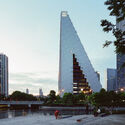
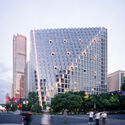
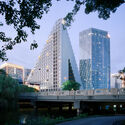
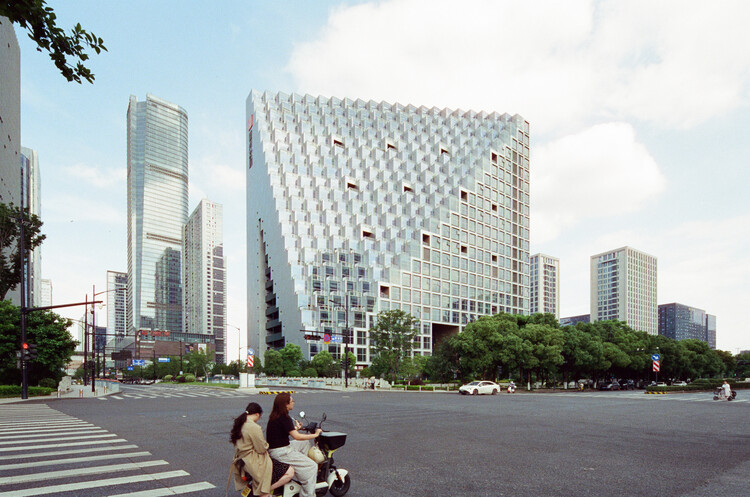
OMA has completed the Hangzhou Prism, a large-scale mixed-use development in Hangzhou's Future Tech City district, China, following a design and development process that began in 2016. Commissioned by Xinhu Real Estate Group and led by OMA Partner Chris van Duijn, with Michael Hadjistyllis serving as project architect, the project combines residential units, a hotel, offices, commercial spaces, and public amenities within a single building volume. Marking OMA's first completed project in Hangzhou, the development occupies a central site within one of the city's emerging innovation and business districts.
https://www.archdaily.com/1042293/oma-completes-hangzhou-prism-mixed-use-development-in-chinas-future-tech-cityReyyan Dogan
"The Century of Gehry": Frank Gehry Retrospective Opens at the Serralves Museum in Porto

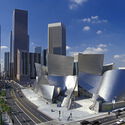
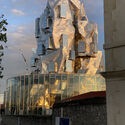
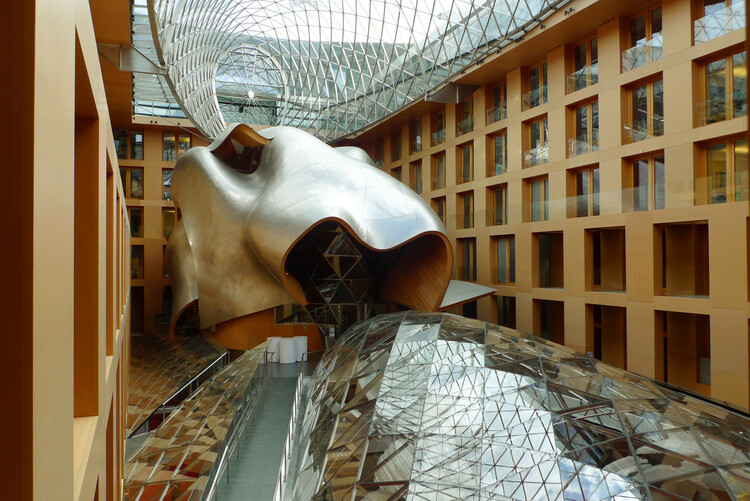
From June 12 to December 20, 2026, the Serralves Museum of Contemporary Art in Porto, Portugal, will be hosting a retrospective exhibition dedicated to the career of Frank Gehry (1929-2025). Titled The Century of Gehry, the exhibition presents to the public original large-scale models, sculptures, drawings, furniture, and other works documenting the architect's notable, and at times controversial, postmodern architecture. The exhibit covers from early experiments to iconic buildings such as the architect's house in Santa Mónica, the Guggenheim Museum in Bilbao, the Fondation Louis Vuitton in Paris, and the Walt Disney Concert Hall in Los Angeles. The Serralves Museum occupies a building designed by the Portuguese architect Álvaro Siza Vieira in 1991. The exhibition is housed in the new wing that bears his name.
https://www.archdaily.com/1042273/the-century-of-gehry-frank-gehry-retrospective-opens-at-the-serralves-museum-in-portoAntonia Piñeiro
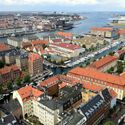
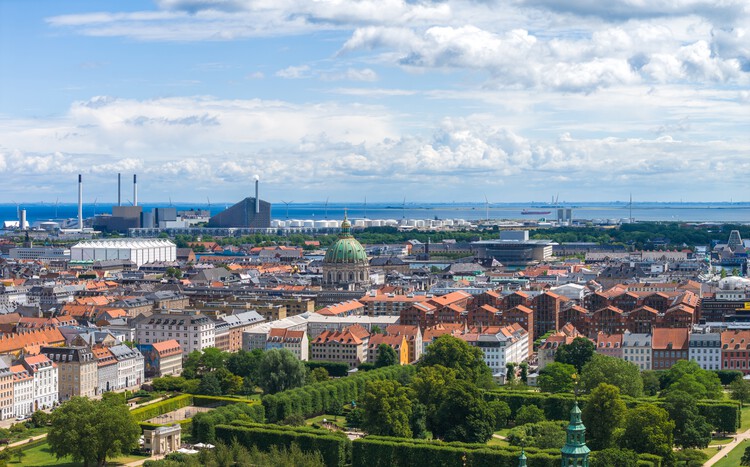
3daysofdesign 2026 Returns to Copenhagen With City-Wide Exhibitions and Events

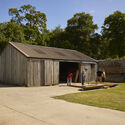
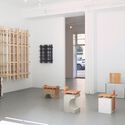
From June 10-12, 2026, 3daysofdesign returns to Copenhagen with a city-wide program of exhibitions, installations, talks, and showroom presentations organized around the theme "Make This Moment Matter." Taking place across eight Design Districts throughout the Danish capital, this year's festival brings together design brands, cultural institutions, studios, and practitioners to explore contemporary questions shaping design and the built environment. As part of the program, Cobe and ArchDaily will host the public launch of a guest-edited edition of Cobe Notes, under the theme Thresholds, at the Cobe Bookcafé, Nordhavn on June 10.
https://www.archdaily.com/1042245/3daysofdesign-2026-returns-to-copenhagen-with-city-wide-exhibitions-and-eventsReyyan Dogan