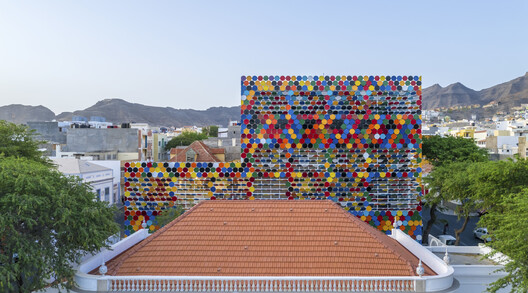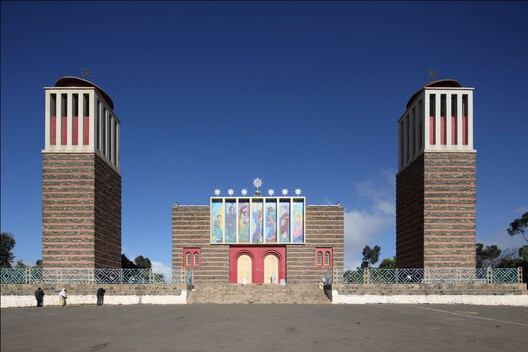
The Pan-African Biennale (PAB) is a platform for discussion and exchange on architecture, bringing together, for the first time, all countries in the African continent. To highlight African contributions to the field, it seeks to shift the narrative from one of fragility to one of resilience by raising awareness of the continent's traditions, design, culture, and collective memory. The inaugural one-week event is scheduled to take place in Nairobi, Kenya, launching on September 7, 2026. As the first architecture biennale of its kind on the continent and a highly anticipated event, the opening week will feature exhibitions, installations, keynote dialogues, and public events across the city and other satellite locations. Curated by Somali-Italian architect Omar Degan, the biennale aims to shift architectural discourse by expanding contributions from studios representing all 54 African nations, exhibiting work rooted in local contexts, materials, and cultural narratives.
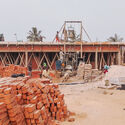
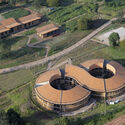
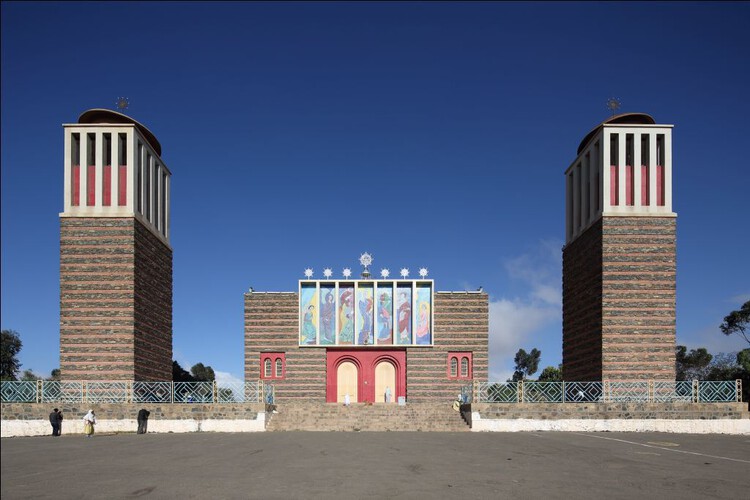
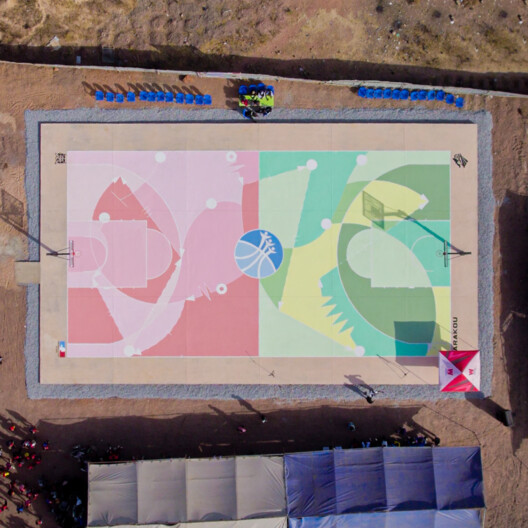
The 2026 inaugural edition is organized around the central theme "Shifting the Center: From Fragility to Resilience." The topic is not neutral but takes a stance on Africa's role in the shared culture of a globalized world: it reclaims African architecture's place not as a "peripheral reference or passive recipient of imported models," but as a "site of spatial intelligence, cultural memory, ecological knowledge, and future-making." By contrasting resilience with the expanded notion of fragility deep-seated in narratives about local cultures, the platform calls for sharing perspectives on colonization, dispossession, extraction, infrastructural inequality, and climate pressure. In this context, drawing on resilience means recognizing the continent's contemporary and historical strategies to repair, adapt, and sustain life, particularly relevant to buildings and cities as we face a future shaped by climate change.
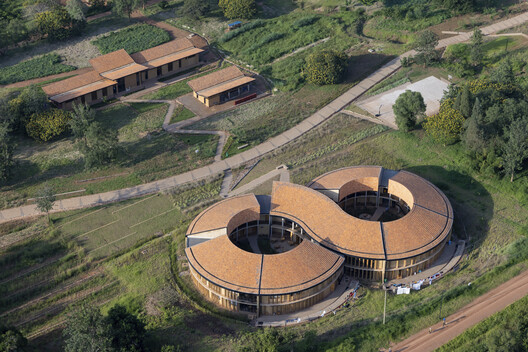
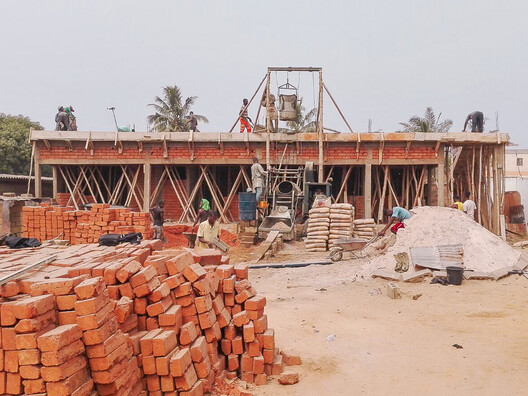
Within this general framework, the inaugural program will be articulated through three strands: climate change, vernacular intelligence, and African futures. Participants will explore climate change as a lived spatial condition, observing how heat, drought, flooding, erosion, and ecological instability are reshaping land, settlement, infrastructure, and everyday life across Africa, with a focus on adaptation and environmental justice strategies. Vernacular intelligence will be approached as an evolving field of spatial knowledge shaped through craft, maintenance, repair, oral transmission, ecological adaptation, and communal ways of building and inhabiting, emphasizing its present capacities to support more sustainable futures grounded in care. Finally, "African Futures" is presented as an opportunity for imagination, understanding the future as a civic, political, and spatial project shaped through urban transformation, governance, digital systems, cultural imagination, and collective agency.
Related Article
From Fragility to Resilience: Curating the Inaugural Pan-African Architecture Biennale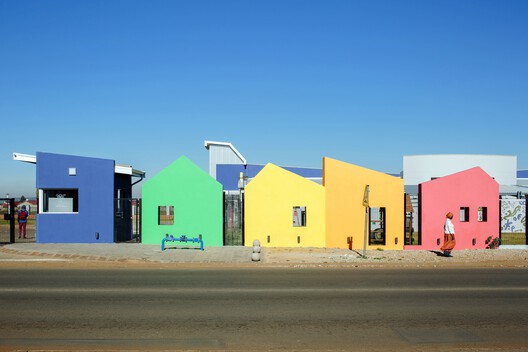
Among the exhibitors, the Biennale already includes Banga Coletivo from Angola; Larry Tchogninou Olufemi Hinson and Armel Sagbohan from Benin; RamosCastellano Arquitectos from Cabo Verde; Lauge from Equatorial Guinea; Medhanie Teklemariam with Asmara Heritage Project from Eritrea; Rahel Shawl with RAAS Architects PLC from Ethiopia; Joelle Eyeson with HIVE Earth from Ghana; Catherine Sani from Malawi; Jugaad from Mauritius; El Mehdi Belyasmine with Belyas & Co from Morocco; MASS Design from Rwanda; Nzinga Mboup with Worofila Collective from Senegal; Lemon Pebble from South Africa; Ola Hassanain from Sudan; Studio NEiDA from Togo; Bled el Abar Collective from Tunisia; Design without Borders Africa from Uganda; and Lucid Concept from Zambia.
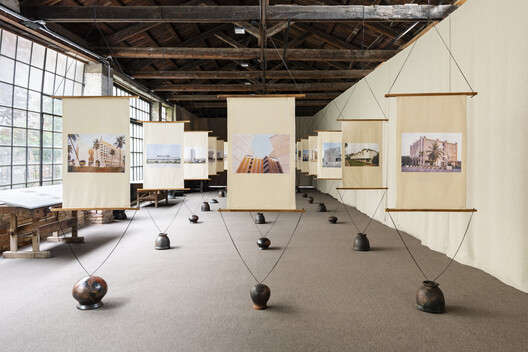
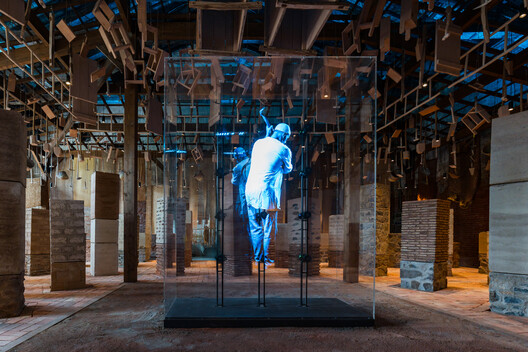
Through a program-led schedule and built through installations, assemblies, conversations, public encounters, and editorial and archival circulation, the biennial event seeks to explore architecture's role in discourses on justice, repair, continuity, and transformation. More specifically, it advances a decolonized perspective on Africa, expanding on the possibilities that emerge when African realities, histories, and methods are recognized. The Pan-African Biennale is intended not only as an event but also as a global movement. As an event, it is expected to take place every two years in a different country on the African continent. This rotation follows PAB's objective of representing diverse geographies, cultures, and voices, and of expanding the reach of African culture from the margins to the center. As a platform, it connects people and institutions worldwide to engage with African urban futures and is expected to continue in different formats through an expanded curatorial and public program.
An official schedule, including the full program of exhibitions, keynote talks, installations, public events, and collateral activities taking place across Nairobi in September, will be made available in advance through PAB's website. In other news from Africa, Lesley Lokko OBE was recently recognized with the African Cultural Icon Award, honoring "leaders in the creative arts who promote African culture and heritage on a global stage." The accolade follows the launch and realization of the first edition of the Nomadic African Studio, an annual month-long itinerant teaching program operating across the continent, with objectives aligned with those of the Pan-African Biennale. Recently announced projects in the continent include Kéré Architecture's new healthcare center in the Bubanza region of Burundi; Benoy's City Walk Masterplan in Abuja, Nigeria, introducing a mixed-use district and what is expected to be Africa's tallest tower; and a new two-part architectural installation by TAELON7 in the recently opened Limbo Museum in Accra, Ghana.