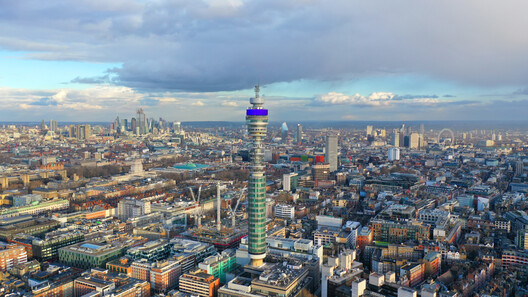
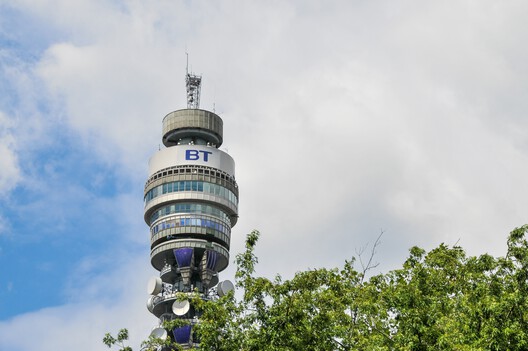
BT Tower, one of London's most recognizable postwar landmarks, is set to be converted into a hotel. London-based architecture practice Orms has been appointed to lead the redevelopment following the acquisition of the Grade II–listed tower by the American hospitality company MCR Hotels in early 2024. The project was initially expected to be led by Heatherwick Studio, though the practice is no longer involved; Orms will now advance the scheme and is expected to present its initial proposals during a first round of public consultations scheduled for May. Construction cannot begin until the decommissioning and removal of telecommunications equipment by BT Group, a process currently expected to conclude around 2030.
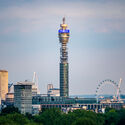
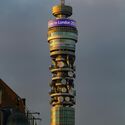
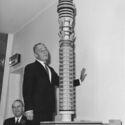
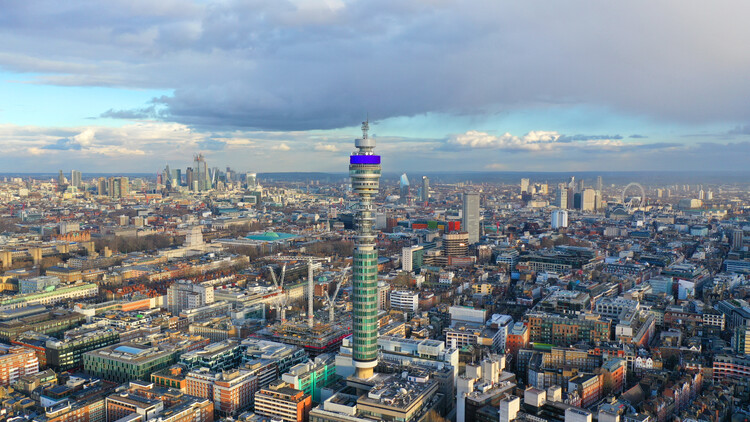
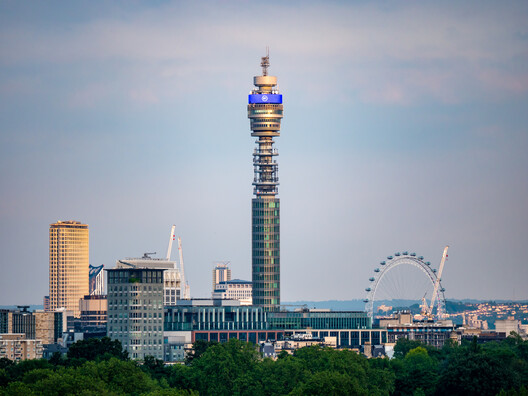
Located in Fitzrovia, the tower was completed in 1964 as the Post Office Tower and rises to a height of 177 meters. Designed by architects working for the Ministry of Public Building and Works, the structure was built to carry microwave aerials transmitting telecommunications traffic between London and the rest of the United Kingdom. Upon completion, it became the tallest structure in the city, a title it held until the completion of Tower 42, then known as the NatWest Tower, in 1980. Beyond its technical infrastructure, the tower originally included several public amenities, such as viewing galleries, a souvenir shop, and a rotating restaurant located near its upper levels. However, public access to the building was gradually restricted after a bombing in 1971. In the decades that followed, the tower functioned primarily as a telecommunications facility, with only limited access granted for special events.
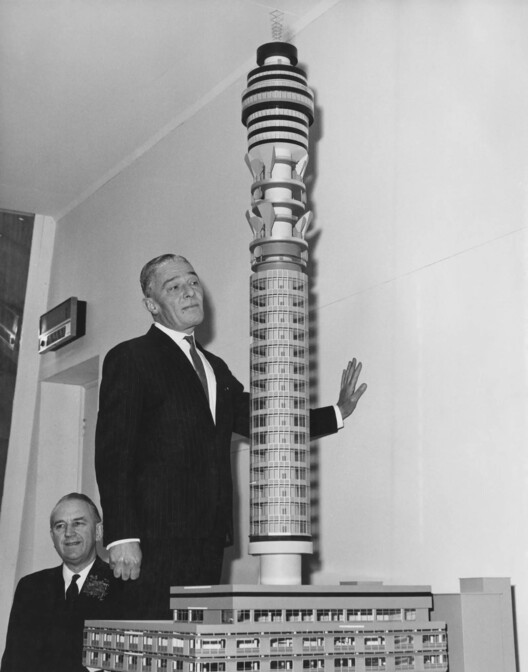
The redevelopment aims to adapt the tower for hospitality use while preserving its architectural and cultural significance. Early plans suggest that the project could restore the building's historic rotating restaurant, which last operated in 1980, alongside new hotel functions and public-facing spaces integrated into the tower and the podium buildings at its base. The initiative reflects a broader effort to reopen the landmark to the public after decades of restricted access.
Related Article
Reimagining London's Iconic BT Tower: Heatherwick Studios' Vision for a Hotel Transformation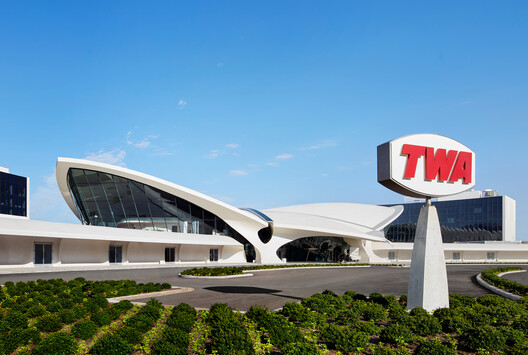
Orms has previously led several adaptive reuse and hospitality projects in London, including the transformation of Camden Council's former Brutalist headquarters into The Standard, London, near St Pancras Station, completed in 2019. The practice has also contributed to the development of Outernet London near Tottenham Court Road Station, a large-scale entertainment and digital media complex in central London. MCR has also previously undertaken several adaptive reuse hospitality projects. These include the TWA Hotel, located within the former terminal designed by Eero Saarinen, as well as The High Line Hotel in Manhattan. As the redevelopment process moves forward, planning submissions are expected after the consultation phase, with the long-term transformation of the BT Tower anticipated to unfold over the coming decade.
In other redevelopment news, RSHP has won the competition to transform the Rives-Défense site in La Défense, the major business district west of Paris. Meanwhile, the public observation tower Tour Montparnasse is scheduled to close on March 31, 2026, ahead of a large-scale redevelopment of the tower and its surrounding complex. In London, Studio Egret West has been appointed to evolve the original master plan for the remaining 16 acres of the 42-acre Battersea Power Station riverside neighborhood, continuing the long-term transformation of the former industrial site in southwest London.