
"Design a cultural center on a desert coastline, in the style of Alvar Aalto, wood structure, golden hour, aerial drone shot, photorealistic, 4K." Within seconds, a line like this returns a convincing image. What is less visible is the shift it demands. For centuries, architectural imagination relied on the body: the hand that sketches, the fingers that shape a model, or, more recently, the click of a mouse in computational tools. Words came afterward, to explain what had already taken form. Today, the order is increasingly reversed. Before an image can exist, it must first be described: its references named, its materials listed, its mood specified.
This translation is not trivial. Intuition rarely arrives as a written sentence, and much of what architects imagine resists description. Yet as words increasingly become the entry point to the image, they also shape what can be imagined. The vocabulary available to describe a space begins to define the space itself.
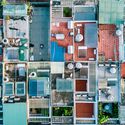
This shift is one expression of a wider question at the heart of ArchDaily's November Topic: Beyond Buildings: Architectural Imaginaries and the Evolving Language of Design. Architecture has always been a language: visual, sensory, cultural. Its grammar, however, keeps expanding. Psychology and neuroscience are reshaping how creativity is understood, while data, carbon metrics, and optimization increasingly frame what counts as good design. References multiply, images circulate faster than buildings are built, and aerial views and renderings reshape how cities are imagined.
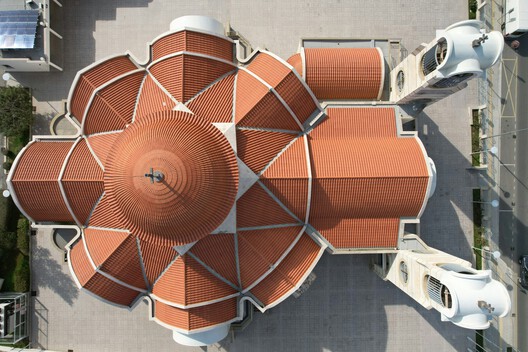
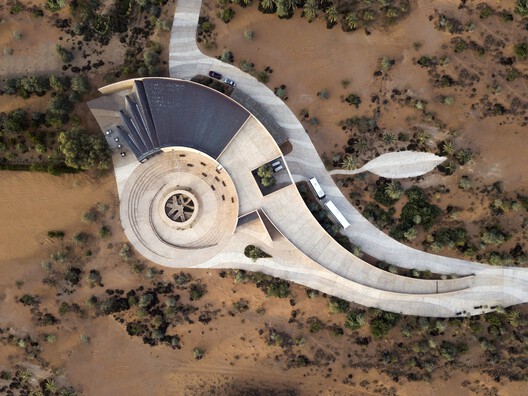
Throughout the month, the coverage follows this expanding grammar. One lens looks at the image itself and the gap between how cities are represented and how they are lived, particularly across the Middle East and North Africa, where skylines and renderings often travel further than the places they depict. Another turns to text, examining why architectural writing and description have become a form of literacy that machines, too, must learn to read.
Materials and ground offer further entry points. Plastic has entered architecture's vocabulary, raising questions about what it expresses and what it conceals. Beneath every project lies the question of land and ownership, which sets the conditions for what architecture can say at all. The coverage also challenges the logic of program itself, considering how ambiguity and open-endedness can offer optimistic perspectives in a field increasingly shaped by optimization. Along the way, it touches on the mind behind design and on the schools that teach architects how to see, draw, and describe.
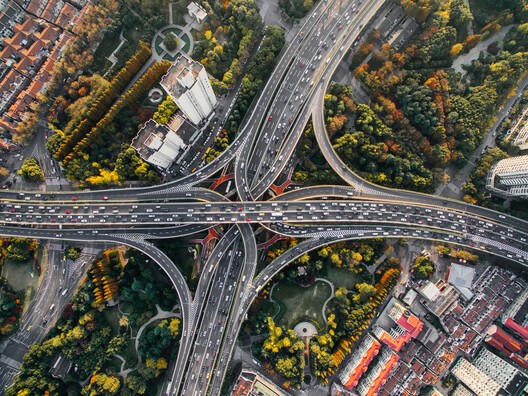
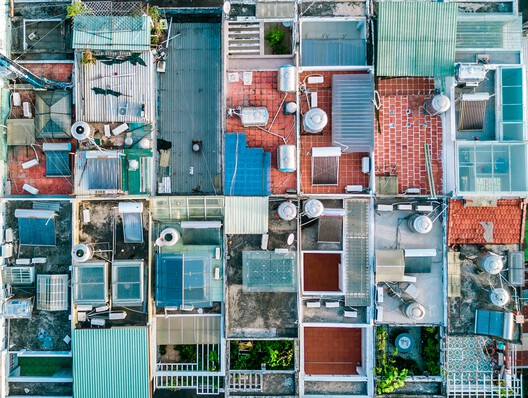
Taken together, these views suggest that architecture's language is being rewritten on several fronts at once, and that its grammar remains open. Rather than offering conclusions, the coverage invites readers to carry a few questions forward: Where does inspired design end and informed design begin? Can architecture still provoke aesthetically in a process dominated by data and optimization? How does context—cultural, political, emotional—transform architectural expression? And can architecture truly transcend building, becoming an expressive medium in its own right?
This article is part of the ArchDaily Topic: Beyond Buildings: Architectural Imaginaries and the Evolving Language of Design, proudly presented by Gendo.
Gendo is an AI design canvas built for architecture studios. Gendo supports this topic because the tools architects use to imagine have always shaped what they build. Understanding that shift matters more than any single render.
Every month we explore a topic in-depth through articles, interviews, news, and architecture projects. We invite you to learn more about our ArchDaily Topics. And, as always, at ArchDaily we welcome the contributions of our readers; if you want to submit an article or project, contact us.


