1. ArchDaily
  2. Neuroarchitecture

Neuroarchitecture: The Latest Architecture and News

The Soft Control of Space: Design for Decision-Making

Subscriber Access | 

"There is no space without event, no architecture without action." When Bernard Tschumi wrote these words, he was articulating a fundamental principle of the architect's practice. Architecture is about behavior. Every stroke of a pen on a floor plan is a proposition about how occupants will move or what actions become possible.

To draw is to architect a reality. Though with this power, architecture does not command. It does not issue instructions or enforce compliance, but it operates through a soft control — a mode of influence that shapes behavior by structuring perception and guiding attention.


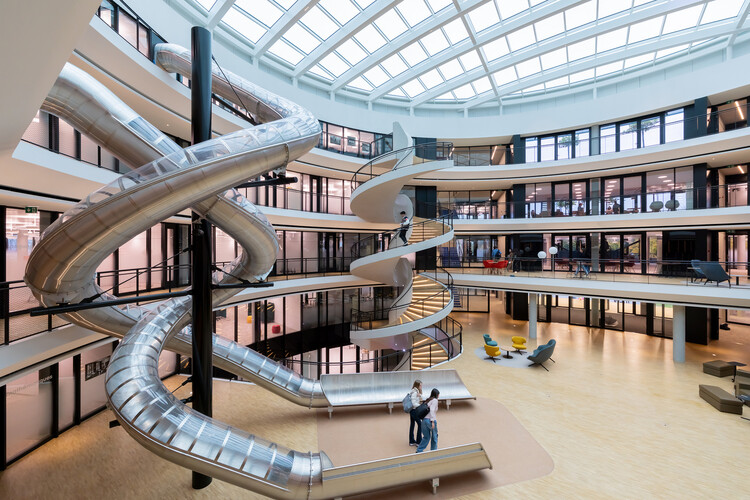
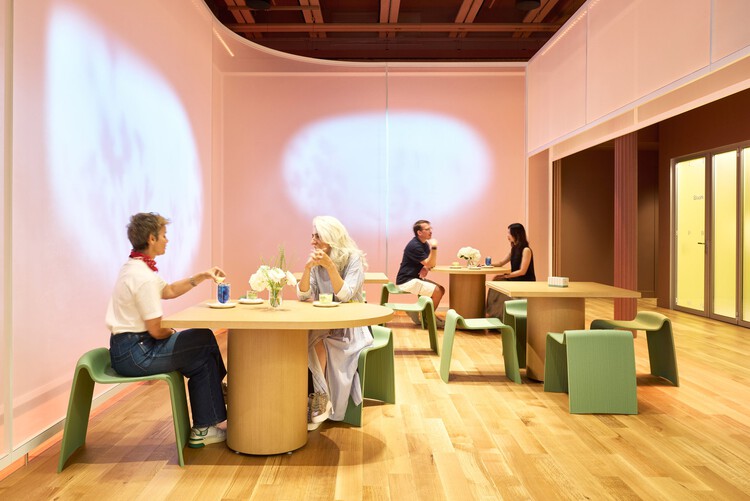
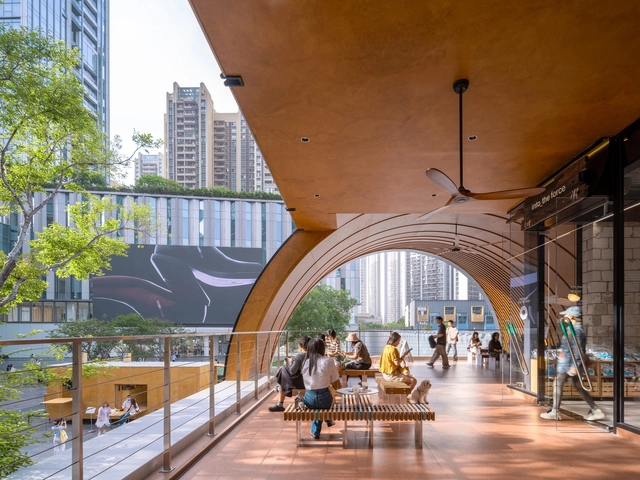
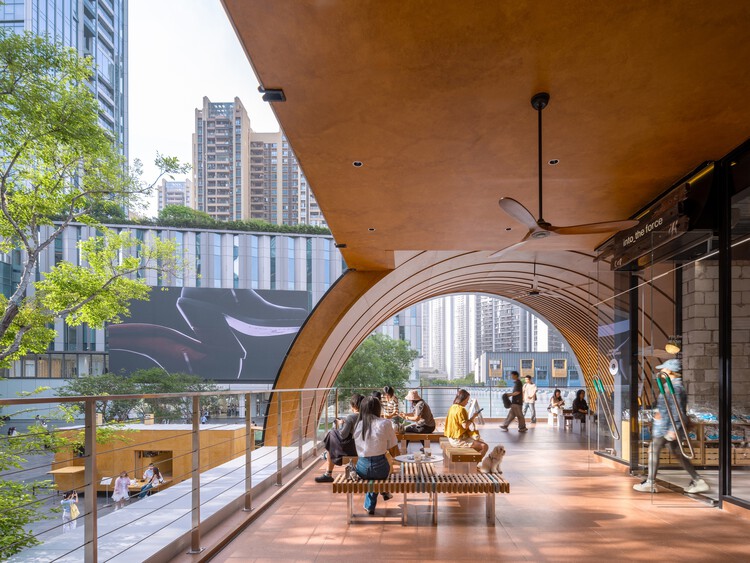
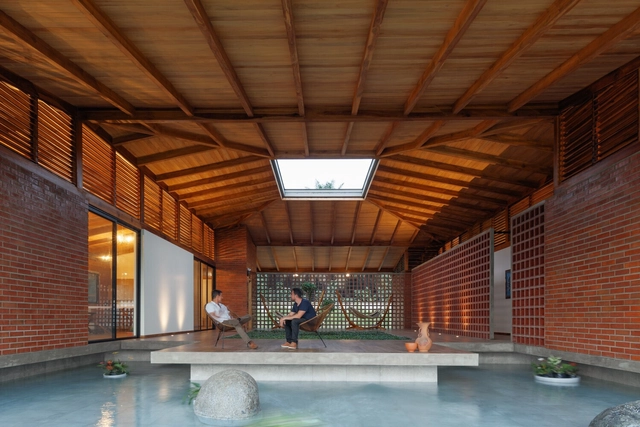
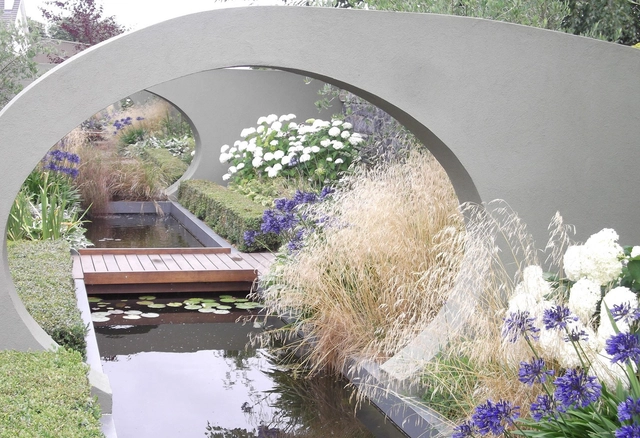
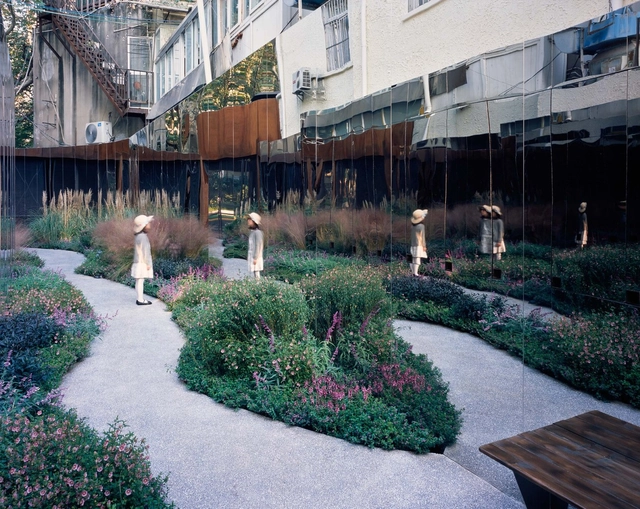
The Soft Control of Space: Design for Decision-Making - Image 1 of 4The Soft Control of Space: Design for Decision-Making - Image 2 of 4The Soft Control of Space: Design for Decision-Making - Image 3 of 4The Soft Control of Space: Design for Decision-Making - Image 4 of 4The Soft Control of Space: Design for Decision-Making - More Images+ 2

On World Health Day: How Architecture Shapes Well-Being in Everyday Spaces

Observed annually on April 7, World Health Organization's World Health Day draws attention to global health priorities while situating them within broader environmental and societal contexts. Established following the first World Health Assembly in 1948 and observed since 1950, the day has evolved into a platform for addressing the shifting conditions that shape health, from local systems of care to planetary-scale challenges. The 2026 edition, held under the theme "Together for health. Stand with science," calls for renewed engagement with scientific knowledge as a basis for collective action. The year-long campaign emphasizes collaboration in protecting the health of people, animals, plants, and the planet, foregrounding the One Health approach as a framework for understanding their interdependence.

On World Health Day: How Architecture Shapes Well-Being in Everyday Spaces - Image 1 of 4On World Health Day: How Architecture Shapes Well-Being in Everyday Spaces - Image 2 of 4On World Health Day: How Architecture Shapes Well-Being in Everyday Spaces - Image 3 of 4On World Health Day: How Architecture Shapes Well-Being in Everyday Spaces - Image 4 of 4On World Health Day: How Architecture Shapes Well-Being in Everyday Spaces - More Images+ 9

Spaces That Feel Back: How Buildings Respond to Human Behavior

Subscriber Access | 

Buildings were always intended to solve a straightforward problem: shelter. Through form and material, they protected occupants from the weather and organized human activity. Modern architecture, along with evolving lifestyles, added new priorities — efficiency, density, structural innovation, and aesthetics. People now demand more from buildings. Occupants increasingly want environments that actively support how they live, work, and feel.

Wellness has become a central concern in modern times. Decades of research in environmental psychology and building science reveal that indoor conditions can profoundly affect human health and behavior. Lighting influences circadian rhythms and sleep patterns. Air quality impacts cognitive performance and respiratory health. Temperature and acoustics shape comfort and concentration.

Spaces That Feel Back: How Buildings Respond to Human Behavior - Image 1 of 4Spaces That Feel Back: How Buildings Respond to Human Behavior - Image 2 of 4Spaces That Feel Back: How Buildings Respond to Human Behavior - Image 3 of 4Spaces That Feel Back: How Buildings Respond to Human Behavior - Image 4 of 4Spaces That Feel Back: How Buildings Respond to Human Behavior - More Images+ 1

“Users Are the Experts on Themselves”: How People Shape the Spaces They Use

 | In Collaboration

Does design guide usage, or does usage guide design? Students struggle to maintain focus, employees flinch under harsh lighting, and occupants withdraw from rigid spaces, often in response to environmental conditions that only become visible once a space is occupied. Light falling across a room, the resonance of sound, the texture of surfaces, or the rhythm of circulation can support focus, calm, or inspire creativity, but each can also inadvertently heighten stress and distraction. Architects and designers are exploring and questioning: how are design decisions informed, and whose knowledge is considered essential in shaping space?
How Can Public Space Be Designed for the Neurodiverse Community?

Subscriber Access | 

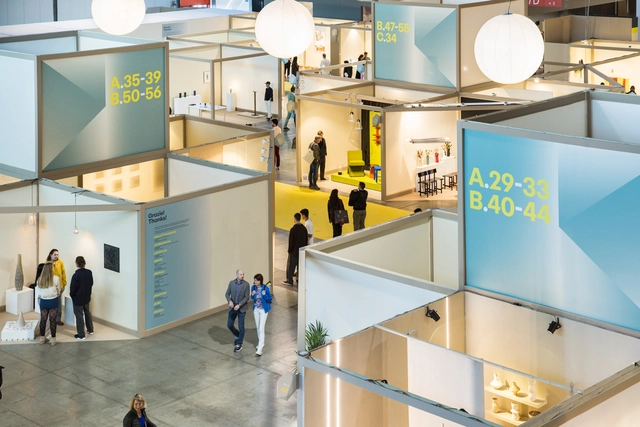
The noise of overlapping conversations, the flashing lights of a billboard, hurried footsteps on the sidewalk, and the constant hammering of a nearby construction site: public spaces are sometimes experienced as environments where stimuli accumulate and often overwhelm us. Each person perceives and responds to these sensory inputs differently, and recognizing neurodiversity means understanding that some individuals require more time to adapt, slower-paced journeys, or more gradual interactions with their surroundings. These encounters raise fundamental questions about contemporary public space: how can it accommodate the diversity of ways people perceive and inhabit it? How can we envision it as a space that embraces all ways of experiencing it?

How Can Public Space Be Designed for the Neurodiverse Community? - Image 1 of 4How Can Public Space Be Designed for the Neurodiverse Community? - Image 2 of 4How Can Public Space Be Designed for the Neurodiverse Community? - Image 3 of 4How Can Public Space Be Designed for the Neurodiverse Community? - Image 4 of 4How Can Public Space Be Designed for the Neurodiverse Community? - More Images+ 9

The Power of Scale: How Proportions Shape Human Experience

The way we perceive and experience spaces extends beyond aesthetics—they directly influence our emotions, thoughts, and even creativity. Spacious environments with high ceilings often evoke a sense of freedom and inspiration, while smaller, enclosed spaces encourage focus and introspection. This is not merely a subjective impression but a scientifically studied phenomenon. In the 1960s, anthropologist Edward T. Hall introduced the term "Cathedral Effect" to describe how ceiling height impacts cognition and behavior. More recent research has expanded on this idea, demonstrating how architecture shapes decision-making and emotional states in various contexts.

The Power of Scale: How Proportions Shape Human Experience - Image 1 of 4The Power of Scale: How Proportions Shape Human Experience - Image 2 of 4The Power of Scale: How Proportions Shape Human Experience - Image 3 of 4The Power of Scale: How Proportions Shape Human Experience - Image 4 of 4The Power of Scale: How Proportions Shape Human Experience - More Images+ 13

Architecture for Neurodiversity: Designing for Control, Choice, and the Senses

Publicly occupied spaces can be overwhelming. Airports, schools, stadiums, and workplaces all feature environments with visual chaos that can be disorienting and stressful for individuals, especially those who are neurodiverse. The bombardment of stimuli, unpredictable movements, and competing visual information can create barriers to occupant comfort. Architects are regularly encouraged to create spaces that recognize and honor individual differences. Designing for neurodiversity is one way of championing inclusivity and extending principles of universal design.

Architecture for Neurodiversity: Designing for Control, Choice, and the Senses - Image 1 of 4Architecture for Neurodiversity: Designing for Control, Choice, and the Senses - Image 2 of 4Architecture for Neurodiversity: Designing for Control, Choice, and the Senses - Image 3 of 4Architecture for Neurodiversity: Designing for Control, Choice, and the Senses - Image 4 of 4Architecture for Neurodiversity: Designing for Control, Choice, and the Senses - More Images+ 3

The Science of Design: How Neuroscience can Help Architects Shape the Built Environment

In recent years, the integration of neuroscience and architecture has revolutionized our understanding of how built environments influence human well-being, behavior, and cognition. This interdisciplinary field, known as neuroarchitecture, explores the connections between spatial design, brain function, and psychology, offering insights into creating environments that promote health, creativity, and emotional resilience.
The Science of Design: How Neuroscience can Help Architects Shape the Built Environment  - Image 1 of 4The Science of Design: How Neuroscience can Help Architects Shape the Built Environment  - Image 2 of 4The Science of Design: How Neuroscience can Help Architects Shape the Built Environment  - Image 3 of 4The Science of Design: How Neuroscience can Help Architects Shape the Built Environment  - Image 4 of 4The Science of Design: How Neuroscience can Help Architects Shape the Built Environment  - More Images+ 9

Neuroscience and Architecture: Designing for the Human Experience

Subscriber Access | 

Designing for the human experience has been at the forefront of architect's intentions and motivations behind their work. While traditional processes prove beneficial, the industry is peering over boundaries to find opportunities for collaboration with other design and non-design fields. New approaches have emerged with collaborations between architects and service designers, or even psychologists, to create more human-centric spaces. A new intersection captures the attention of practitioners, especially with a recent installation at Salone de Mobile neuroarchitecture. ArchDaily breaks down the scope and potential for this new field with Federica Sanchez, architect and neuroscience researcher at Italian firm Lombardini22, responsible for revamping the Salone.

Neuroscience and Architecture: Designing for the Human Experience - Image 1 of 4Neuroscience and Architecture: Designing for the Human Experience - Image 2 of 4Neuroscience and Architecture: Designing for the Human Experience - Image 3 of 4Neuroscience and Architecture: Designing for the Human Experience - Image 4 of 4Neuroscience and Architecture: Designing for the Human Experience - More Images+ 1

Lombardini22 and Salone del Mobile's People-Centric Approach to Fair Design

Subscriber Access | 

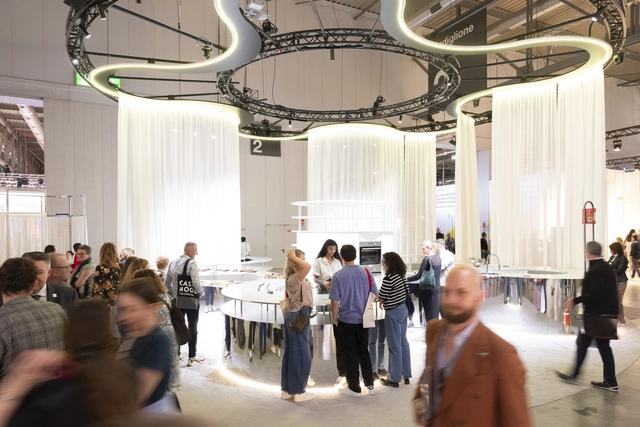
The 62nd edition of the Salone del Mobile at Rho Fiera brought together designers, architects, producers, and prominent figures from the design realm. With more than 1950 exhibitors, the six-day event, running from April 16 to 21, 2024, emphasized conviviality, well-being, and sustainability. Designed with a human-centric approach, incorporating neuroscience principles to enrich visitor interaction, Salone del Mobile is revolutionizing the future of fairs.

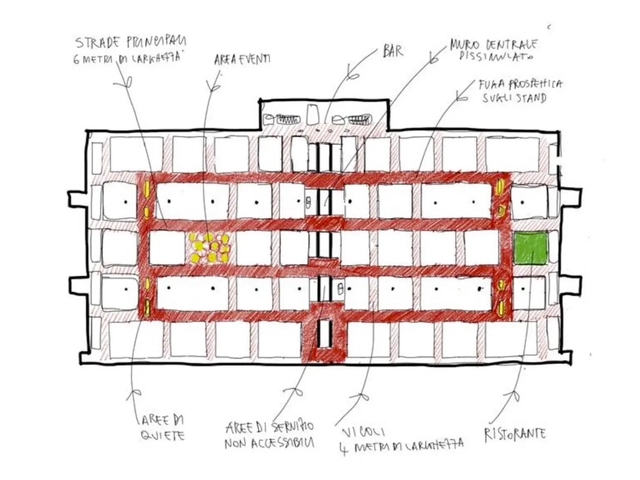
On-site during the event, ArchDaily had the opportunity to speak with Cristian Catania, Senior Architect and Project Director for Reinventing Fairs at Lombardini22, responsible for revamping Salone, about the primary changes in the fair’s layout and the implementation of neuroscience approaches in conceptualizing the exhibition spaces.

Lombardini22 and Salone del Mobile's People-Centric Approach to Fair Design - Image 1 of 4Lombardini22 and Salone del Mobile's People-Centric Approach to Fair Design - Image 2 of 4Lombardini22 and Salone del Mobile's People-Centric Approach to Fair Design - Image 3 of 4Lombardini22 and Salone del Mobile's People-Centric Approach to Fair Design - Image 4 of 4Lombardini22 and Salone del Mobile's People-Centric Approach to Fair Design - More Images+ 8

Designing Care: The Importance of Humanization in Healthcare Spaces

Subscriber Access | 

Silent and endless hallways, white and cold rooms, an impersonal and distant atmosphere: this is a deeply ingrained image in our cultural conception of hospital environments. The whiteness of these spaces, attempting to reinforce the necessary notions of sterility and cleanliness, may also evoke a sense of discomfort and anxiety for patients and their families.

The importance of humanizing hospital, clinic, and office projects is an increasingly discussed and relevant topic in healthcare, extending far beyond the aesthetics of these buildings. It is necessary to create welcoming environments that promote the well-being of patients, families, and professionals, recognizing that architecture can play a fundamental role in the recovery and comfort of these individuals during moments of vulnerability.

Designing Care: The Importance of Humanization in Healthcare Spaces - Image 1 of 4Designing Care: The Importance of Humanization in Healthcare Spaces - Image 2 of 4Designing Care: The Importance of Humanization in Healthcare Spaces - Image 3 of 4Designing Care: The Importance of Humanization in Healthcare Spaces - Image 4 of 4Designing Care: The Importance of Humanization in Healthcare Spaces - More Images+ 12

Neuroarchitecture and the Potential of the Built Environment for Brain Health and Creativity

Subscriber Access | 

Nowadays, we spend over 90% of our time indoors, and it is becoming increasingly evident that architecture has a profound influence on our brains and bodies. The interest in comprehending how the environment affects human well-being is on the rise, with a growing number of new studies on this subject emerging each year. Moreover, architecture firms are increasingly enlisting the expertise of researchers and human experience design consultants to explore and optimize these effects.

Neuroarchitecture and the Potential of the Built Environment for Brain Health and Creativity - Image 1 of 4Neuroarchitecture and the Potential of the Built Environment for Brain Health and Creativity - Image 2 of 4Neuroarchitecture and the Potential of the Built Environment for Brain Health and Creativity - Image 3 of 4Neuroarchitecture and the Potential of the Built Environment for Brain Health and Creativity - Image 4 of 4Neuroarchitecture and the Potential of the Built Environment for Brain Health and Creativity - More Images+ 1

Neuroarchitecture and Landscaping: Healing Spaces and the Potential of Sensory Gardens

Subscriber Access | 

The convergence of neuroscience, architecture, and landscaping has ignited a creative revolution in the design of our built environments. Neuroarchitecture, an emerging discipline that blends principles of neuroscience with architectural design, sheds light on the significant impact of physical spaces on our emotions, behaviors, and overall well-being. Amidst this, sensory gardens emerge as intriguing therapeutic spaces, investigating the distinct interplay between the human brain and nature.

Neuroarchitecture and Landscaping: Healing Spaces and the Potential of Sensory Gardens - Image 1 of 4Neuroarchitecture and Landscaping: Healing Spaces and the Potential of Sensory Gardens - Image 2 of 4Neuroarchitecture and Landscaping: Healing Spaces and the Potential of Sensory Gardens - Image 3 of 4Neuroarchitecture and Landscaping: Healing Spaces and the Potential of Sensory Gardens - Image 4 of 4Neuroarchitecture and Landscaping: Healing Spaces and the Potential of Sensory Gardens - More Images

How Environmental Neuroscience is Shaping Architecture and Urban Planning

Environmental neuroscience is an emerging field devoted to studying the impact of social and physical environments on brain processes and behaviour. From the various opportunities for social interaction to noise levels and access to green spaces, the characteristics of the urban environment have important implications for neural mechanisms and brain functioning, thus influencing our physical state. The field paints a different image of how cities impact our health and well-being, thus providing a new, scientific layer of understanding that could help architects, urban planners, and decision-makers create more equitable urban environments.

How Environmental Neuroscience is Shaping Architecture and Urban Planning - Image 1 of 4How Environmental Neuroscience is Shaping Architecture and Urban Planning - Image 2 of 4How Environmental Neuroscience is Shaping Architecture and Urban Planning - Featured ImageHow Environmental Neuroscience is Shaping Architecture and Urban Planning - Image 3 of 4How Environmental Neuroscience is Shaping Architecture and Urban Planning - More Images

Architecture for Preventing Cognitive Decline: Contributions from Neuroscience to Healthy Aging

Subscriber Access | 

Cognitive decline is a growing public health concern that affects millions of people around the world. Amid an aging population, strategies that help prevent or mitigate cognitive deterioration become increasingly relevant to support healthy aging and maintaining independence for longer. Studies in the field of neuroscience applied to architecture (neuroarchitecture) have shown that the physical environment, both internal and external, public and private, plays a fundamental role in this aspect [1]. In this sense, architects and urban planners can direct their projects to create solutions that significantly contribute to this objective.

Architecture for Preventing Cognitive Decline: Contributions from Neuroscience to Healthy Aging - Image 1 of 4Architecture for Preventing Cognitive Decline: Contributions from Neuroscience to Healthy Aging - Image 2 of 4Architecture for Preventing Cognitive Decline: Contributions from Neuroscience to Healthy Aging - Image 3 of 4Architecture for Preventing Cognitive Decline: Contributions from Neuroscience to Healthy Aging - Image 4 of 4Architecture for Preventing Cognitive Decline: Contributions from Neuroscience to Healthy Aging - More Images

Neuroarchitecture: How Your Brain Responds to Different Spaces

Subscriber Access | 
Neuroarchitecture: How Your Brain Responds to Different Spaces - Featured Image
Amazon Spheres in Seattle / NBBJ. Photo © Bruce Damonte Architectural Photographer

Have you ever heard of neuroarchitecture? What would spaces look like if architects designed buildings based on the emotions, healing and happiness of the user? Hospitals that help with patient recovery, schools that encourage creativity, work environments that make you more focused…

This is neuroarchitecture: designing efficient environments based not only on technical parameters of legislation, ergonomics and environmental comfort, but also on subjective indices such as emotion, happiness and well-being.

Neuroarchitecture: How Your Brain Responds to Different Spaces - Image 1 of 4Neuroarchitecture: How Your Brain Responds to Different Spaces - Image 2 of 4Neuroarchitecture: How Your Brain Responds to Different Spaces - Image 3 of 4Neuroarchitecture: How Your Brain Responds to Different Spaces - Image 4 of 4Neuroarchitecture: How Your Brain Responds to Different Spaces - More Images+ 2

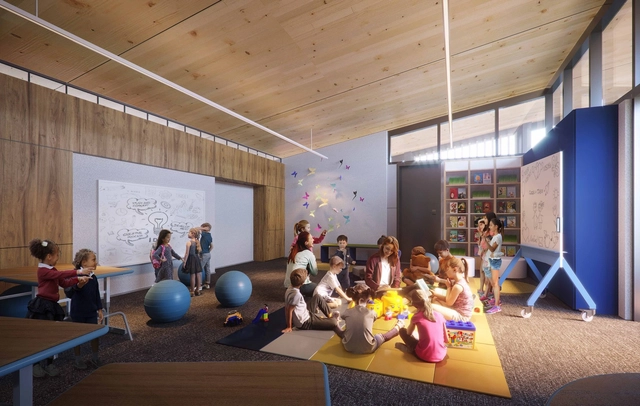
Neuroarchitecture Applied in Children's Design

Subscriber Access | 

Neuroarchitecture Applied in Children's Design - Image 1 of 4Neuroarchitecture Applied in Children's Design - Image 2 of 4Neuroarchitecture Applied in Children's Design - Image 3 of 4Neuroarchitecture Applied in Children's Design - Image 4 of 4Neuroarchitecture Applied in Children's Design - More Images+ 16

It is unquestionable that environments directly influence the behavior and emotions of their users. Human beings spend approximately 90% of their lives indoors, making it imperative that the spaces we inhabit stimulate positive behavior and emotions, or at least don't influence us negatively. There exists a specific term describing the stimuli that the brain receives from its environment: neuroarchitecture. Several studies have been published on this topic, most focusing on its impact on work environments. This article approaches this concept through a different, yet essential lens: emphasizing its importance in the design of spaces for children in early childhood.