The International Union of Architects designates the first Monday of October as World Architecture Day each year, aligning it with the United Nations' World Habitat Day. This year, both occasions are drawing attention to the global housing crisis as a fundamental element of human dignity, inclusion, and well-being. The UIA's motto reads: "Housing is a Human Right. Build It." The organization calls on architects to contribute to advancing equitable access to housing through design, research, and advocacy. From a holistic perspective, the crisis consists not only of a shortage of residential buildings, but of multiple, interconnected barriers to accessing an adequate place to live. The challenge calls on the dual nature of the architect's work: the capacity for abstract design thinking, and the practical knowledge to transform material reality. For architecture to make the right to housing a reality, both capacities must be put into practice: building new governance structures, different models of shared ownership, designs for alternative forms of cohabitation, and new, environmentally sustainable construction systems.

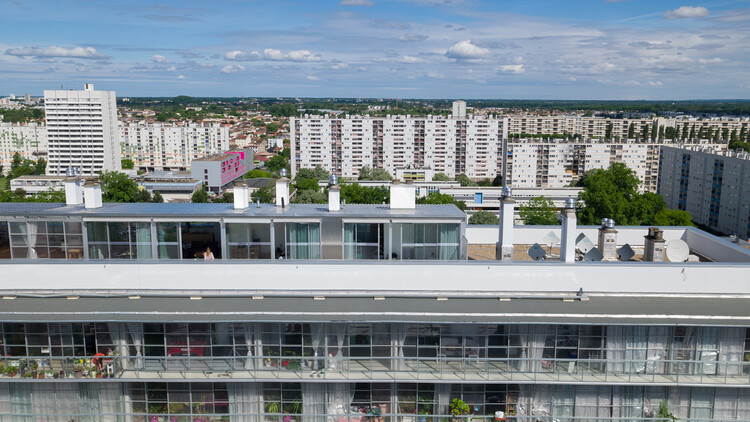
According to the United Nations, more than 3 billion people lack access to adequate housing, more than 1.1 billion people live in informal settlements, and hundreds of millions experience homelessness that goes unrecorded. Although the right to adequate housing is recognized in international human rights instruments, the most urgent responsibility lies with populations whose vulnerability is intensified by conflict, disaster, and climate change. Within this framework of habitat, the UN calls for approaches that respond to the needs of lower-income households, displaced populations, and people with no access to formal housing at all. This call to action begins with a basic premise: the housing crisis is a multidimensional problem that goes beyond the need to build more. It also demands building better, sharing more, and making full use of what already exists, so that housing becomes not only accessible, but a guaranteed right for a population that will keep changing over time.
The International Union of Architects (UIA) is a global non-governmental federation uniting professional organizations of architects from more than 120 countries and territories. From a disciplinary standpoint, it recognizes the severe shortage of housing as one of the most pressing challenges facing cities and communities worldwide. For housing access to be respected as a fundamental right, first it must never be treated as a luxury asset. For the UIA, engaging with this problem means going beyond design practice to contribute to housing policy, affordability, and equitable access, while implementing practical, sustainable, and context-responsive approaches to material solutions. This year, on World Architecture Day, the organization explicitly invites architects worldwide to promote creative strategies to meet the demand for housing through lectures, exhibitions, webinars, and other forms of public outreach. Sharing knowledge is also central to this goal, through architectural education that prepares future generations to address real-world challenges.
Build Systems to Distribute
A systemic problem calls for systematic solutions. In market societies, housing is predominantly understood as a private asset, increasingly scarce, and a guarantee of economic security. This view is not compatible with the notion of a right, a legal principle that guarantees access regardless of each citizen's purchasing power. In terms of land management policy, community organizations, local governments, and private practices have organized around the world to offer alternatives to the most common systems of provision within their own territories. The initiatives presented below include new legislation for the allocation and construction of housing units, models for the deconcentration of ownership and the liberation of housing from speculation, financial support structures, and measures to facilitate more and better housing.
Housing Affordability Crisis: Architectural and Policy Responses from Spain, France, Australia, and the United States
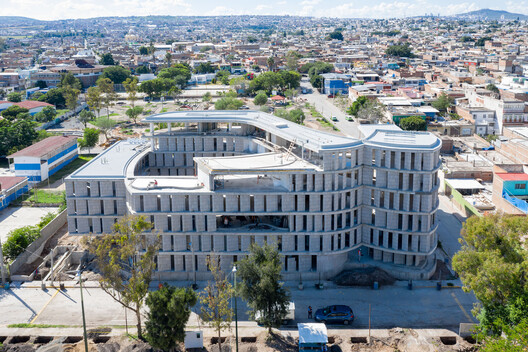
Housing Affordability Drives New Limits on Short-Term Rentals Across European Cities
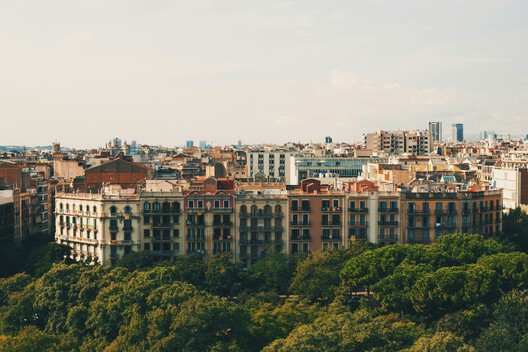
"If You Build Ugly Social Housing, You Will Create Social Problems": An Interview with the OBEL Award 2026 Recipients
Building, Taxing, and Financing: New York City's Recent Measures to Tackle the Housing Crisis
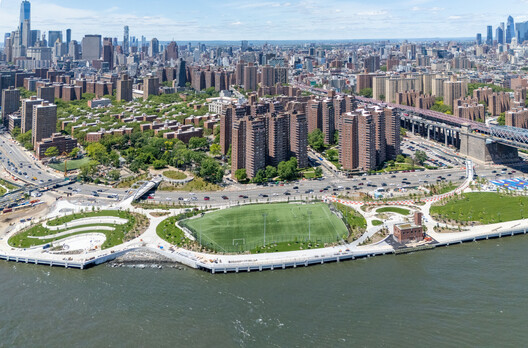
The United States Enacts Sweeping Housing Reform Legislation to Expand Affordable Housing
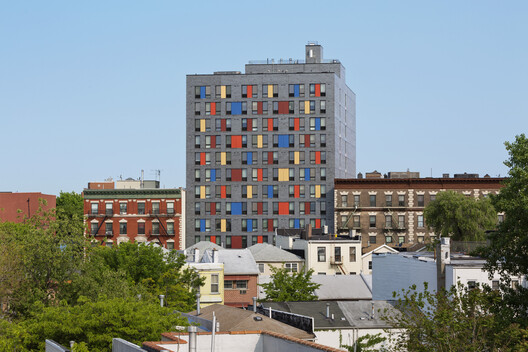
Build Structures to Enable New Ways of Living
A problem of volume calls for collective solutions. Disciplinary perspectives on contemporary habitation point to the difficulties arising from the ways we occupy and share spaces, which have become problematic from a social and environmental perspective. When discussing the need to build more, questions arise about whom to build for, for how long, and at what cost. The acceptance of differences in ways of life and family structures is an opportunity to renew the domestic environment. Observing life cycles and patterns of movement influences the details of design itself, as well as the spatial distribution of functions traditionally associated with housing. Climate pressure forces us to consider new ways of occupying territory, from the individual unit to the larger complex. The reflections and examples presented below call for observing contemporary habitation from a broader perspective to respond to variability through design.
Has Architecture Ever Been Entirely Human? Beatriz Colomina and Mark Wigley on the Microbial Nature of Architecture
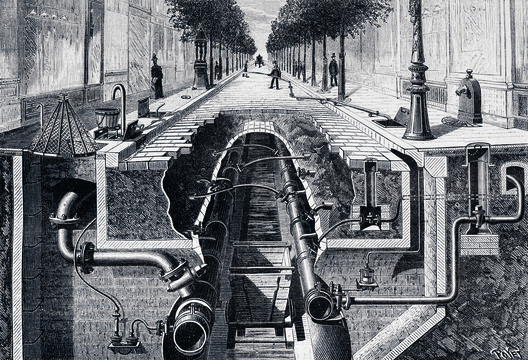
"Promoting Another Way of Living Together": In Conversation with Cristina Gamboa of Lacol
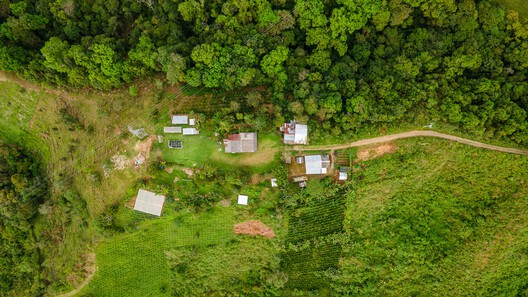
Building Autonomy: Latin American Communities Bringing Life's Systems Into Architecture
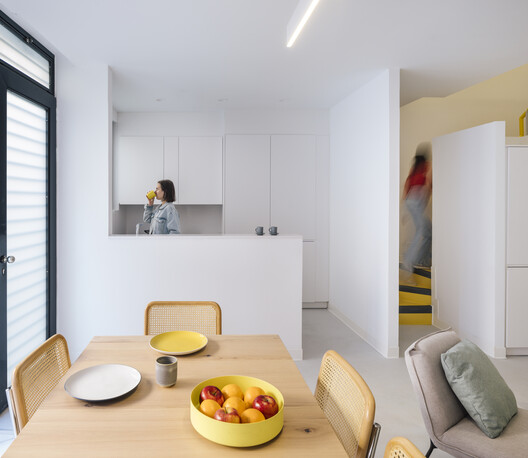
Co-Living: Rethinking Home for Temporary Belonging and Mobile Lifestyles
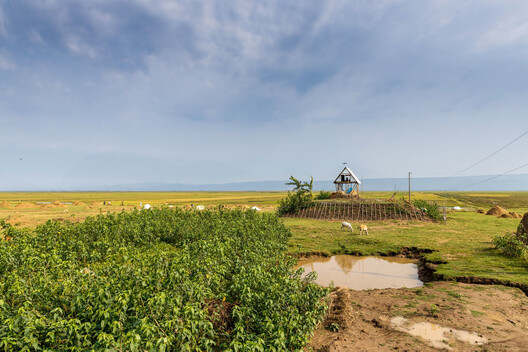
Khudi Bari: Architecture for Climate Displacement
Rebuild to Make Use of What Already Exists
This societal-scale shift in sources of employment, modes of transportation, perceptions of the environment, and life expectations contributes to the obsolescence of structures that were once necessary. On the other hand, conflict, in its social and environmental dimensions, brings new strategic imperatives for reconstruction and reinvention. Armed and discrimination-based conflict among human beings has resulted in waves of displacement, separating communities from their emotional attachments and places of belonging. The environmental pressure caused by human settlements in various territories lies at the origin of what we call natural disasters. The ideas below address renewal and inventiveness through two forms of rebuilding: transforming what we no longer use and restoring what has been destroyed.
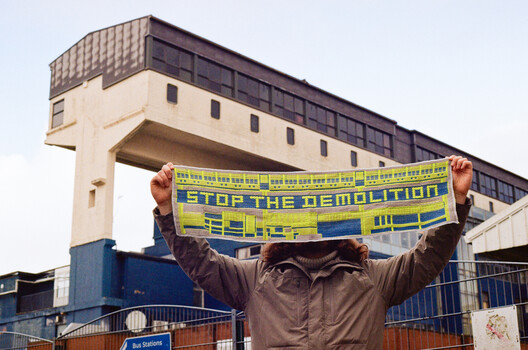
"For Decades We Have Valued the New More than the Old": In Dialogue with OBEL Award 2025 Winners HouseEurope!

Renovation and Everyday Life: How Latin American Architecture Reinvents Existing Spaces
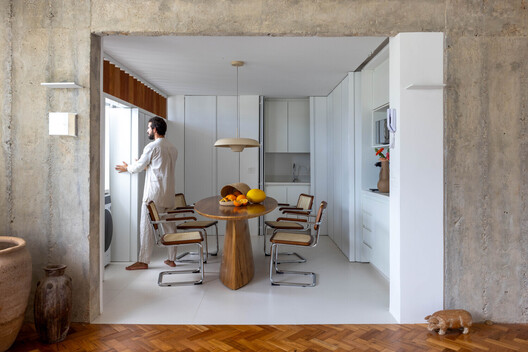
"The Homes of Tomorrow Are Already Built": European Citizens' Initiative for the Right to Housing Opens Signature Collection
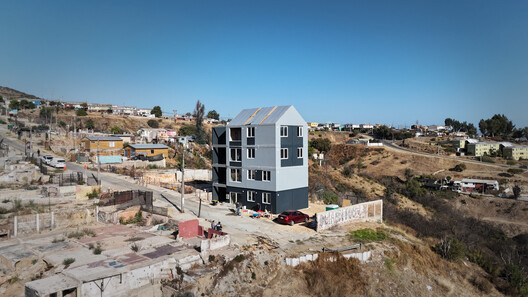
Responding to Displacement: Architectural Strategies Across Latin America
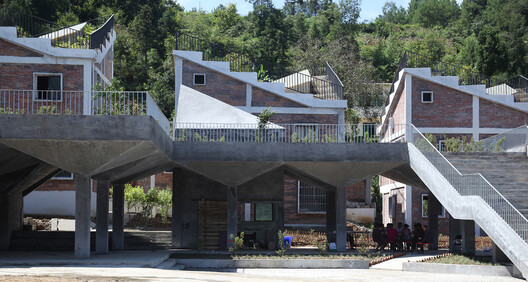
Beyond Emergency Shelters: Modular and Vernacular Architecture in Post-Earthquake Reconstruction
Build a More Sustainable Industry
Finally, in reflecting on the concepts and circumstances surrounding construction, it is worth acknowledging that architecture is also an industry. As such, it is historical, extensive, and, from a methodological standpoint, fairly static. It is not only a means of materializing housing, but also a means of employment and a significant source of consumption. In the midst of a crisis, new methods of execution come into play. The stories presented here highlight initiatives, both historical and ongoing, that offer alternatives to the conventional practices of the construction industry. Material and political dimensions intersect, prompting reflection on less hierarchical ways of organizing labor and more creative uses of building materials.
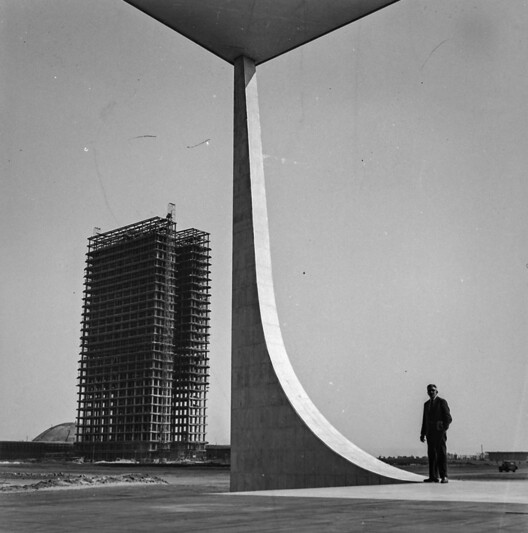
Building as Political Practice: USINA and the Legacy of Collective Construction in Brazil
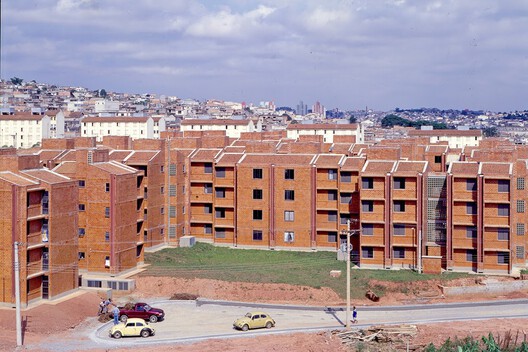
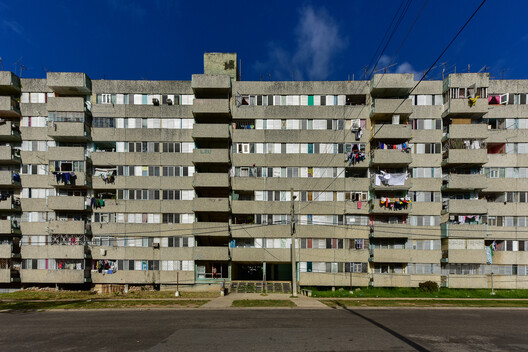
Radically Collective: The Legacy of Cuba's Microbrigadas Housing Program
How Labor Shortages Are Reshaping Architecture
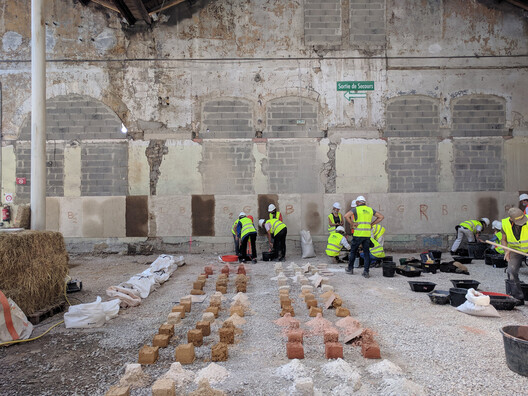
From Selecting to Making: When Architects Become Material Producers
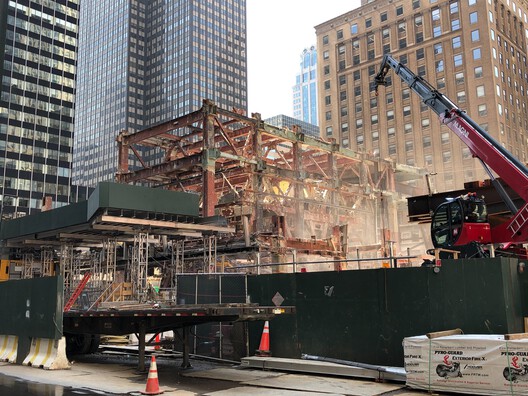
City Governments Transform Industrial Buildings into Circular Construction Hubs in New York, London, and Brussels
Explore ArchDaily's previous editions: World Architecture Day 2025, World Architecture Day 2024, World Architecture Day 2023, World Architecture Day 2022, World Architecture Day 2021, and ArchDaily's World Architecture Day 2020.


