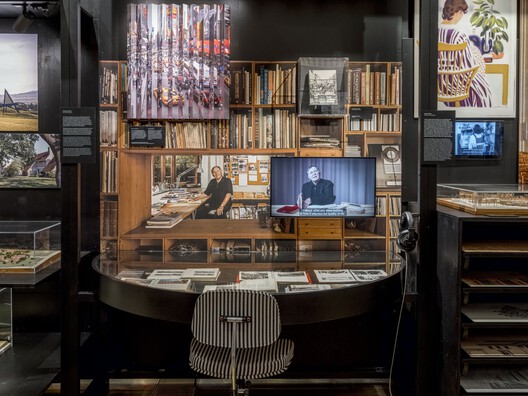
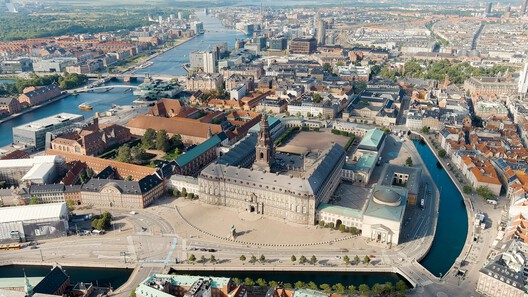
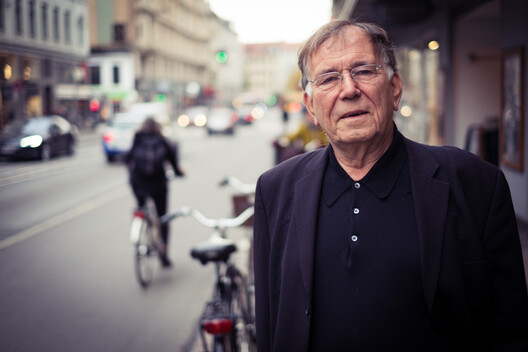
For the second year running, Copenhagen was named the world's most livable city in the 2026 Economist Intelligence Unit's Global Liveability Index. According to the Danish Architecture Center, part of this progress in urban quality of life is due to the work of Danish architect and urban planner Jan Gehl, who celebrates his 90th birthday this year. Jan Gehl has dedicated his professional career to the field of city life and people-centered urban development, founding Gehl Architects (now Gehl Studio) in 2000 and publishing extensively on urban design methodologies to create lively, healthy, and human-centric urban environments. In honor of his birthday, the Danish Architecture Center is presenting an exhibition and a series of activities centered on the role he has played in urban development worldwide.
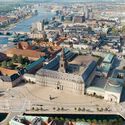
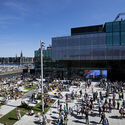
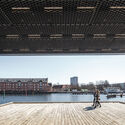
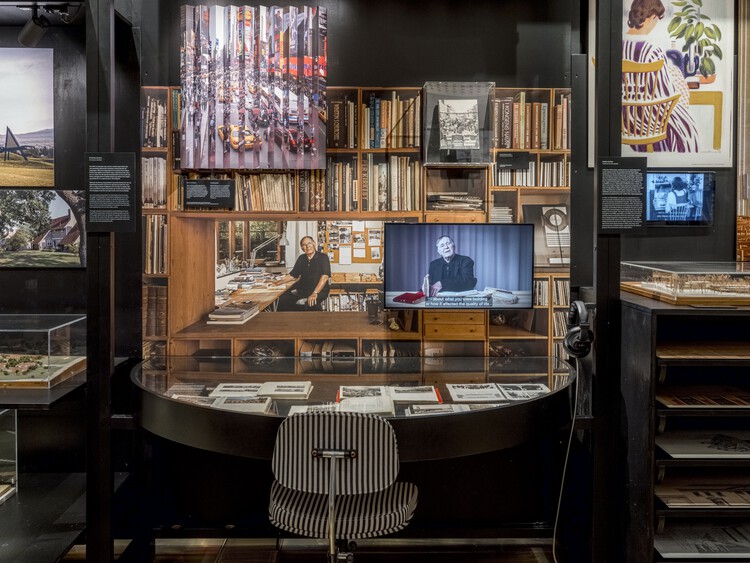
Jan Gehl is an architect, researcher, and urban planner who has devoted his life to understanding what makes cities good for people and how design can contribute to life, play, and community experiences in urban surroundings. He is recognized for his research on public-space development, published across numerous books on the subject, the most recent of which is "A Good City – The Short Story," written in collaboration with Copenhagen's former city architect, Camilla van Deurs. In DAC's profile of the urban planner, Life Between Buildings is described as his most defining work, first published in 1971 and since translated into 30 languages. The book was inspired by the work of urban theorist and author Jane Jacobs, joining her in questioning heavily trafficked boulevards, freestanding buildings, and the large, empty spaces characteristic of car-centric design.
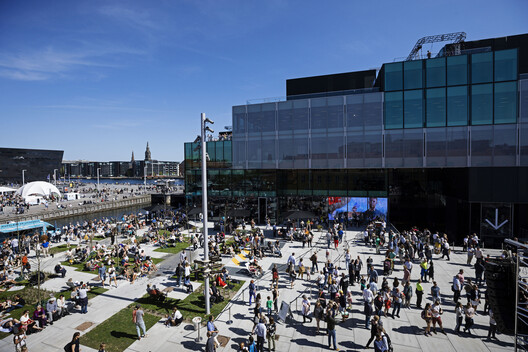
A good city is one that takes people as its starting point. We are walking, sensing and social beings who naturally seek out places with shelter and a sense of presence – where we're protected from traffic, wind and cold, and where we can meet others and find safety in a social setting. It's completely instinctive and rooted in the biological evolution of Homo sapiens. ― Jan Gehl
Related Article
The Metrics We Use Decide the Cities We Build: Urban Indicators and Lived ExperiencePart of DAC's tribute to Gehl is to show today's audience his role in establishing the idea that people should come first in the design of urban spaces. While "people-first cities" is a concept widely recognized today, in the 1960s urban planning was primarily concerned with buildings, cars, and traffic. According to the institution, this shift in perspective grew out of a challenge posed by his wife, psychologist Ingrid Gehl, who brought attention to the needs and behaviors of people moving, meeting, and living together daily in cities. As obvious as it may seem today, it was a new approach to urbanism grounded in experience and in "the life between buildings." Copenhagen's harbor baths, bike lanes, parks, squares, and public spaces weave people's lives around the built environment and bear witness to the practical application of these ideas.
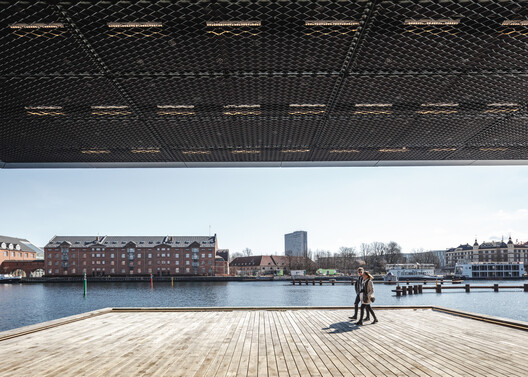
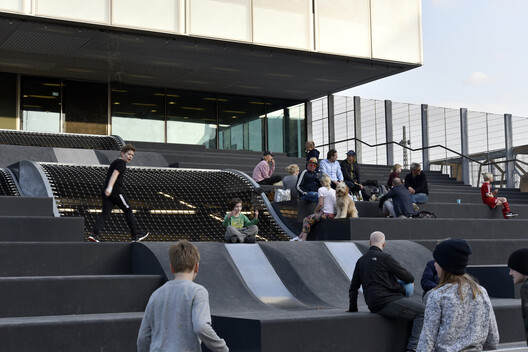
The new main exhibition at the Danish Architecture Center, titled Cities for People, was developed in collaboration with Gehl Studio and Jan Gehl, and opens on World Architecture Day, October 5. The exhibition draws on Gehl's life's work and his 12 quality criteria for public urban spaces, exploring how people-centered urban design can improve citizens' health, well-being, communities, and quality of life. DAC's exhibition expresses the conviction that public space and urban design can support communities when planning begins with people's everyday lives, before streets are drawn and buildings are built. The approach builds on the principles developed in the book Life Between Buildings and is expressed through an exhibition featuring immersive and participatory experiences.
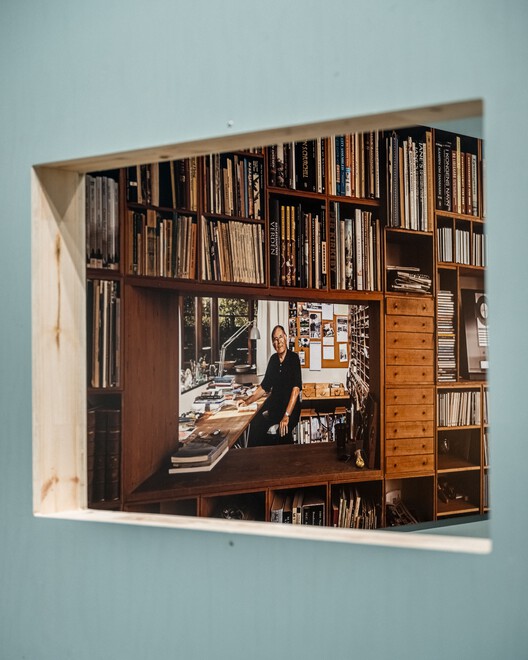
In the exhibition, visitors will have the opportunity to physically experience when a place feels safe or unsafe, and how the same public space can feel very different depending on age, gender, and life situation. They are invited to imagine cities with room for both community and freedom, energy and calm, and to share ideas about the kind of public space that brings joy. DAC is also developing a special AfterDAC program that explores the exhibition's themes through conversations and debates, including one between Jan Gehl and architect Ane Cortzen. With upwards of 70 percent of the world's population expected to live in cities, the institution brings to its main exhibition halls the question of how to create cities that allow people to thrive amid a complex, contemporary lifestyle. Jan Gehl's career helps shape the answer to this question, opening up reflections on concepts such as human scale, urban life, and life between buildings — now firmly established in the international urban planning lexicon.
Jan Gehl has shown the world that the perceived quality of a city is primarily achieved through understanding people's needs and through caring about how people live as individuals and in communities. This is a clear and compelling idea, but it requires complex knowledge and political support to implement for the benefit of all in the city. Jan Gehl's and Gehl Studio's consulting has proven effective, and their work has altered our fundamental understanding of what is considered a good city and how to design it. This is a huge achievement" ― Kent Martinussen from the Danish Architecture Center.
Other recent news about the future of contemporary cities includes the launch of the signature campaign for "Right to Housing! Now and Forever," an official European Citizens' Initiative (ECI) demanding affordable, sustainable, and fair housing across the European Union. In New York, London, and Brussels, city governments are looking for ways to contribute to circular construction by transforming former industrial buildings into centers for the recovery, storage, sorting, redistribution, and education around construction materials. Earlier this year, Beijing was named World Capital of Architecture 2029 by UNESCO-UIA, a title awarded every three years to a city that hosts a year of architecture-focused programming timed to coincide with the UIA World Congress of Architects. The title recognizes a city's commitment to using architecture, urban planning, and culture as tools for sustainable development.


