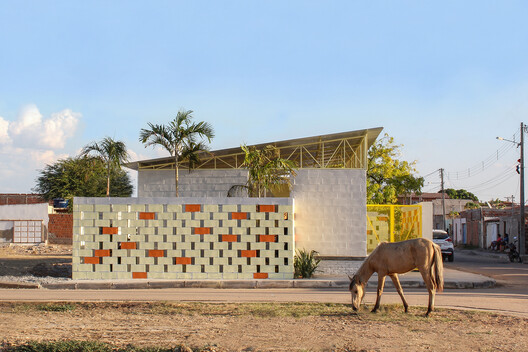
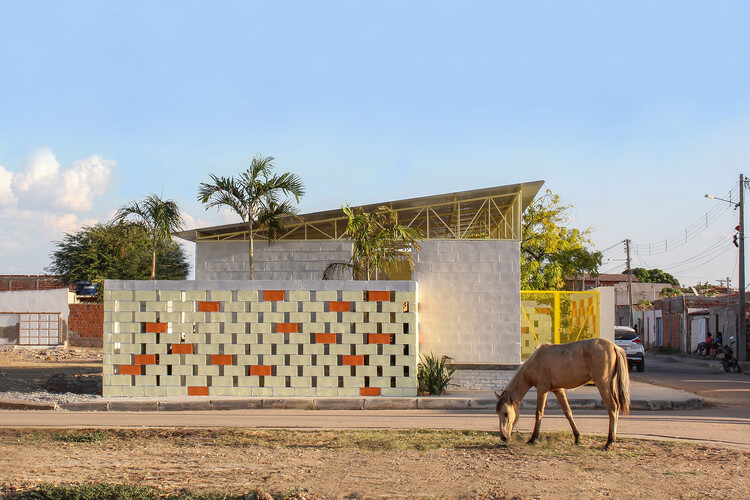
In 2021, the IBGE (Brazilian Institute of Geography and Statistics) released a survey regarding the number of cultural and social facilities in Brazil's cities. The findings were alarming: only 29.6% of Brazilian municipalities had cultural and social facilities such as museums, while theaters and concert halls were present in only 23.3% of cities. This overview speaks volumes about the scarcity of such spaces in Brazilian cities. In this context, when a women's cooperative in Maranhão or a volunteer group in Bahia decides to build their own cultural and community facility, the gesture not only fills a material gap but reclaims, on their own initiative, a right that should be guaranteed by public policy.

This scenario is not unique to Brazil; it reflects challenges shared by several Latin American countries shaped by territorial inequalities and limited access to cultural infrastructure. Nevertheless, some experiences in the region demonstrate that consistent public policies can change this reality. One of the most iconic cases is Medellín, Colombia. After decades marked by drug cartel violence, the city began investing deliberately in cultural infrastructure as an urban transformation strategy. Starting in 2005, the municipal budget allocated to culture jumped from 0.6% to 5%, enabling, for instance, the implementation of Library Parks in historically vulnerable neighborhoods.


