1. ArchDaily
  2. Centro Cultural

Centro Cultural: The Latest Architecture and News

Community Architecture in Brazil: 4 Projects for Social Transformation

Subscriber Access | 
Audio available

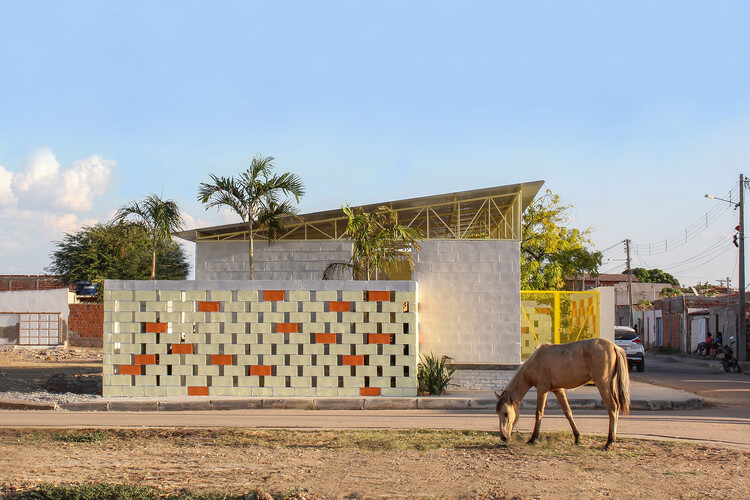
In 2021, the IBGE (Brazilian Institute of Geography and Statistics) released a survey regarding the number of cultural and social facilities in Brazil's cities. The findings were alarming: only 29.6% of Brazilian municipalities had cultural and social facilities such as museums, while theaters and concert halls were present in only 23.3% of cities. This overview speaks volumes about the scarcity of such spaces in Brazilian cities. In this context, when a women's cooperative in Maranhão or a volunteer group in Bahia decides to build their own cultural and community facility, the gesture not only fills a material gap but reclaims, on their own initiative, a right that should be guaranteed by public policy.

Community Architecture in Brazil: 4 Projects for Social Transformation - Imagem 1 de 4Community Architecture in Brazil: 4 Projects for Social Transformation - Imagem 2 de 4Community Architecture in Brazil: 4 Projects for Social Transformation - Imagem 3 de 4Community Architecture in Brazil: 4 Projects for Social Transformation - Imagem 4 de 4Community Architecture in Brazil: 4 Projects for Social Transformation - More Images+ 11

Democratizing Access to Culture: The Past, Present, and Future of Cultural Centers

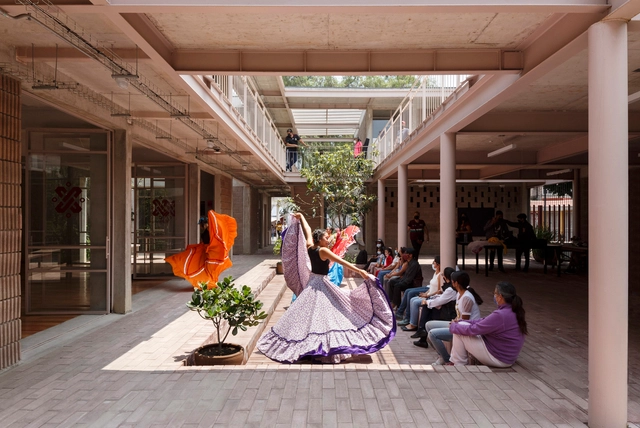
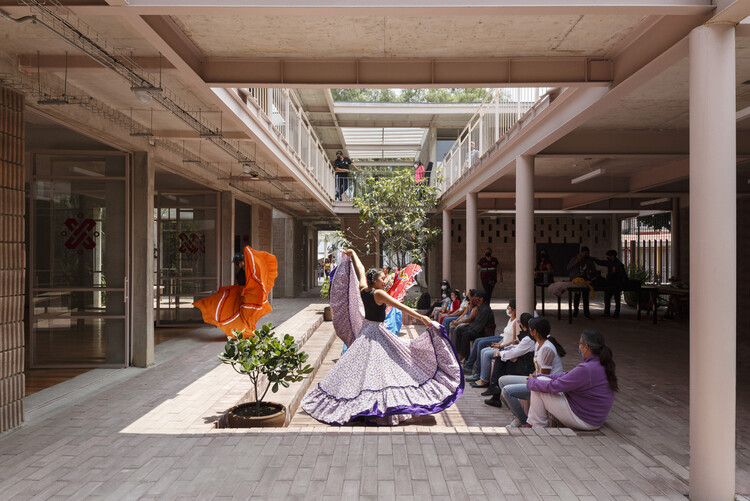
The cultural center is an architectural typology that has fascinated architects and urban planners for decades. Whether due to its multifaceted program, its often emblematic scale, or its potential to transform the urban context in which it is inserted, it is a building type that carries strong symbolic and conceptual value. The wide circulation of international references—many designed by renowned architects—reinforces the aura of prestige associated with this program, frequently seen as a privileged ground for formal and conceptual experimentation. Not by chance, cultural center designs are among the most recurring themes in competitions, exhibitions, and academic studios.

Yet behind this contemporary fascination lies a complex history in which the notion of space dedicated to culture has been redefined over time, gradually taking the form we recognize today. This ongoing evolution invites us to reflect not only on the historical path of these spaces but also on the possibilities that will shape their future.

Democratizing Access to Culture: The Past, Present, and Future of Cultural Centers - Image 1 of 4Democratizing Access to Culture: The Past, Present, and Future of Cultural Centers - Image 2 of 4Democratizing Access to Culture: The Past, Present, and Future of Cultural Centers - Image 3 of 4Democratizing Access to Culture: The Past, Present, and Future of Cultural Centers - Image 4 of 4Democratizing Access to Culture: The Past, Present, and Future of Cultural Centers - More Images+ 8