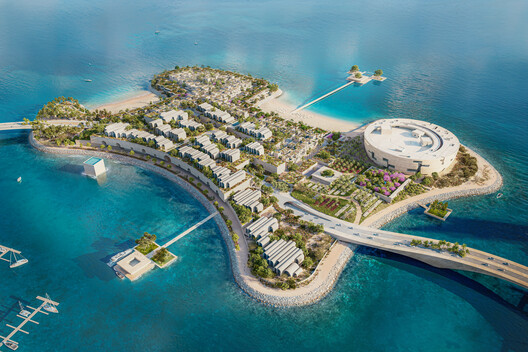
Al Maha Island is a 230,000 m² human-made island located off the coast of Lusail, Qatar. Built as an entertainment and leisure destination north of Doha, it opened in 2022, just ahead of the FIFA World Cup. In 2024, Qatar Museums released renderings of the future Lusail Museum, designed by Swiss architecture office Herzog & de Meuron and located on the southern tip of the island. Most recently, the firm revealed updated images of the island masterplan and the museum's exterior design. The new Lusail Museum will house a collection of Orientalist art, exploring the movement of people and ideas across the globe, past and present, and will offer opportunities for study and debate on contemporary global issues. It is expected to become the cultural anchor of Lusail City, in a building conceived by Jacques Herzog as "a vertically layered souk, or miniature city contained within a single building."
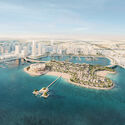
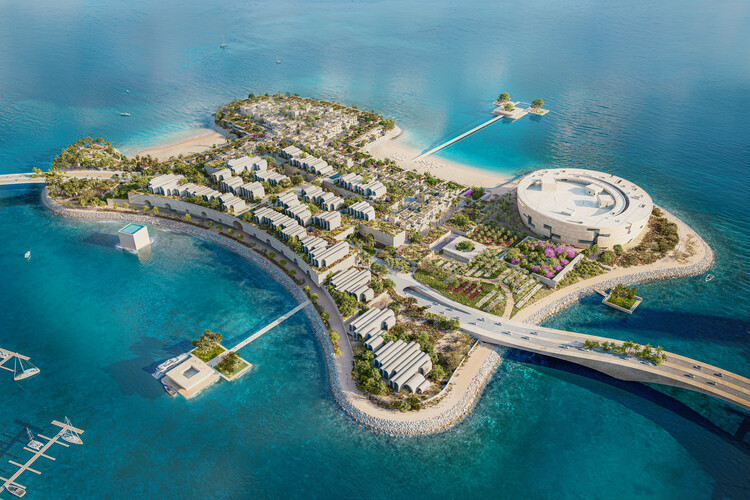
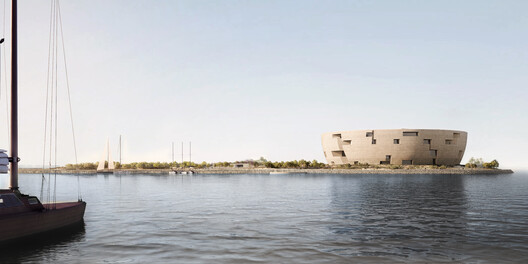
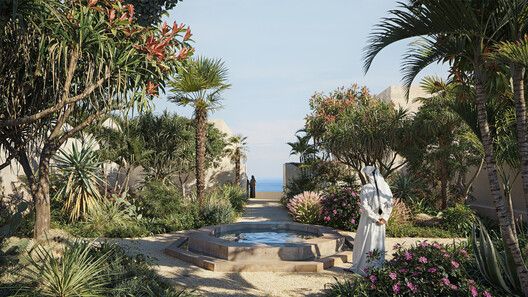
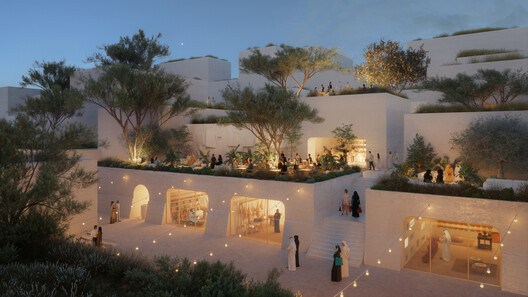
Al Maha Island is now part of Lusail City, a 38 km² development organised into 19 distinct districts. Following its role as the main venue for the FIFA World Cup Qatar in 2022, the island is now being master-planned as a "smart city," incorporating recreation, hospitality, entertainment, and retail infrastructure for an expected population of 450,000. The name Lusail is derived from Al Wasil, a native plant that grows abundantly in the vicinity, a reference incorporated into the landscape design, which integrates public areas with lush, native, drought-resistant plantings. Public spaces in the masterplan feature walkways and bicycle paths with waterside views, accompanied by public artworks by Qatari, regional, and international artists.
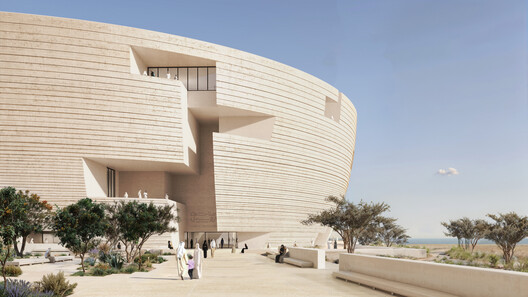
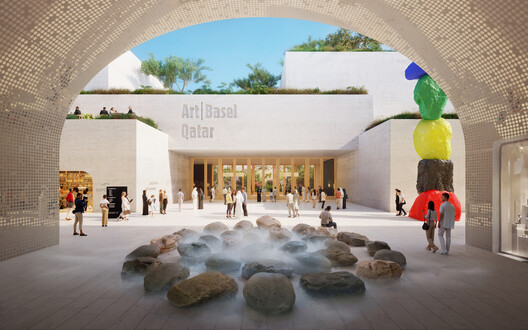
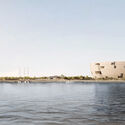
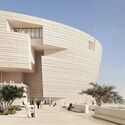
Herzog & de Meuron's Lusail Museum is expected to act as a physical landmark on the southern tip of the island. The building's volume is shaped and carved by three intersecting spheres arranged in a circle, creating two distinct parts: one in the shape of a full moon, and the other a crescent moon that wraps around it. The museum's entrances, central lobby, library, auditorium, shop, café, and prayer space will be connected by a crescent-shaped internal street with natural overhead lighting. In the images, the façade has an earthen texture resembling sand, with deeply recessed windows cut into the walls to protect the interiors from direct sunlight. A polished plaster staircase, a reflective metal prayer space, a wood-panelled library, and cushioned niches bring tactile materials into the interior design. The museum is also expected to be a place of collaboration with local and regional artisans, in an effort to preserve traditional crafts.
Related Article
Global Architects, Local Contexts: Navigating Identity in the Gulf’s Cultural LandmarksThe building will house Qatar Museums' collection of Orientalist paintings, featuring works by Titian, Eugène Delacroix, Gustav Bauernfeind, Jean-Léon Gérôme, Etienne Dinet, and Paul Klee. Orientalism will be the core of the display, covering European art from the 16th to the 19th century. The collection also includes photography from its technical beginnings, with early works by Joseph-Philibert Girault de Prangey and Félix Teynard, including images of what was understood at the time to be "the East." Works of Orientalist decorative arts and sculpture, modern and contemporary works from the fields of fashion, textiles, film, and popular culture, and historic objects from Asia, the Middle East, and Africa will also be displayed in the museum. It will also house the Lusail Institute, dedicated to advanced historical research, publications, multimedia productions, and public events.
Herzog & de Meuron is developing other cultural and mixed-use projects around the world. In the United States, construction advances on the new timber-structured Memphis Art Museum, set to open in December 2026. The firm was recently selected to renovate the Palace of Congresses building in Tirana, a mixed-use civic complex originally built during the People's Socialist Republic of Albania. In Switzerland, the firm recently completed the renewal of the Klein Titlis mountain station as part of a wider masterplan for the summit, which also transforms the antenna tower into part of the visitor experience. In Paris, the firm's controversial, triangular, all-glass tower, Tour Triangle, is finally reaching completion, after the construction was marked by opposition, financial roadblocks, and legal disputes.


