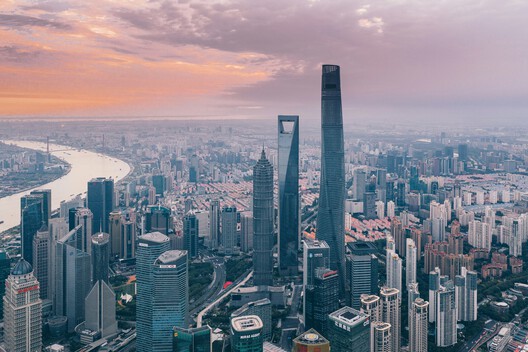
Every year on July 11, World Population Day draws attention to the demographic trends reshaping societies around the globe. In 2026, the United Nations marks the occasion under the theme, "Realizing the Hopes and Aspirations of Young People – Today and for the Future," highlighting how young people's decisions about education, employment, housing, relationships, and family life are increasingly influenced by the cities they inhabit. Drawing on Lives, Choices and Futures, a global survey of more than 108,000 young adults across 73 countries, this year's campaign underscores the close relationship between demographic change and the social, economic, and spatial conditions of cities.

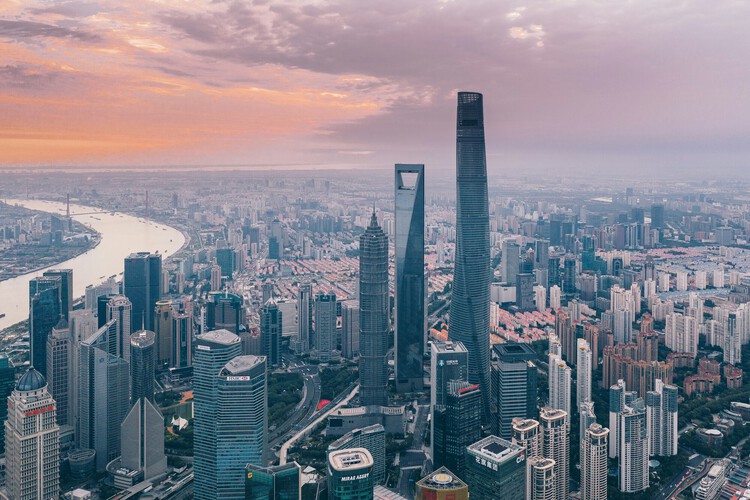
As more than half of the world's population now lives in urban areas, a proportion projected to approach 70 percent by 2050, cities remain at the forefront of demographic transformation. Continued urban growth places increasing pressure on housing, infrastructure, mobility networks, public space, and climate adaptation, while reinforcing the role of architecture, planning, and public policy in shaping more inclusive and resilient urban environments. Population trends also reveal where these pressures are most concentrated, providing insight into the metropolitan regions that continue to expand most rapidly.
Discover below the world's 20 most populated cities in 2026, measured according to the latest available estimates from WPR, together with each city's annual population growth compared to the previous year.
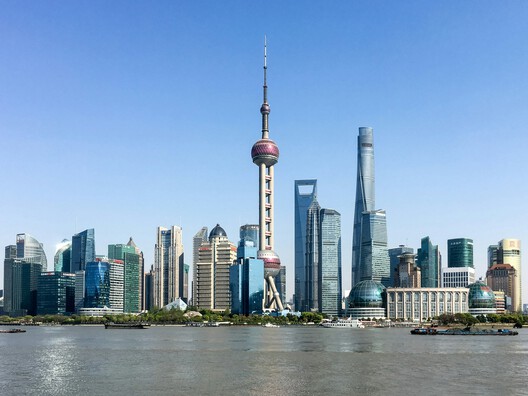
1. Shanghai, China
Population: 24,722,254 (1.93%)
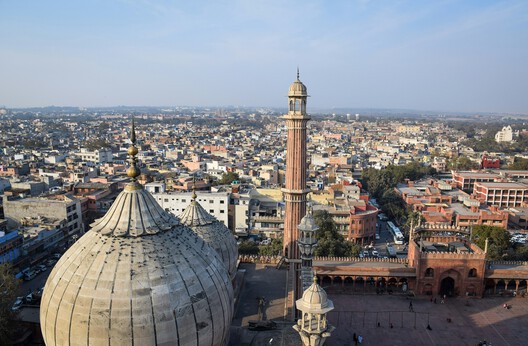
2. Delhi, India
Population: 23,390,383 (2.42%)
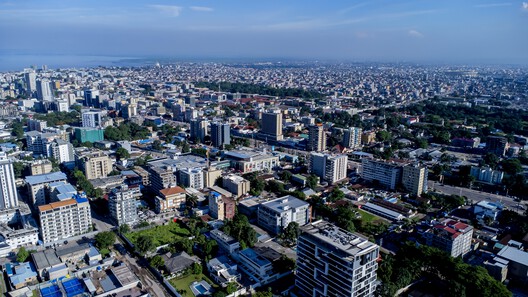
3. Kinshasa, DR Congo
Population: 21,852,144 (5.13%)
4. Mumbai, India
Population: 21,782,818 (1.13%)
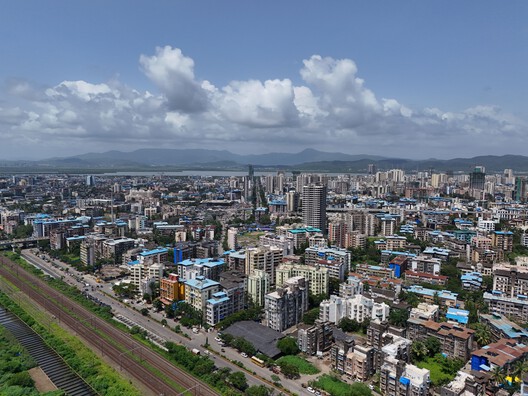
5. Beijing, China
Population: 21,571,693 (2.06%)
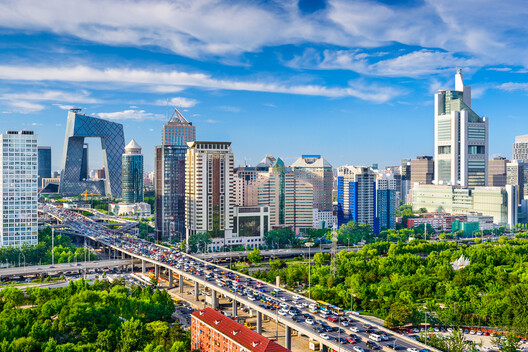
6. Karachi, Pakistan
Population: 21,243,390 (4.03%)
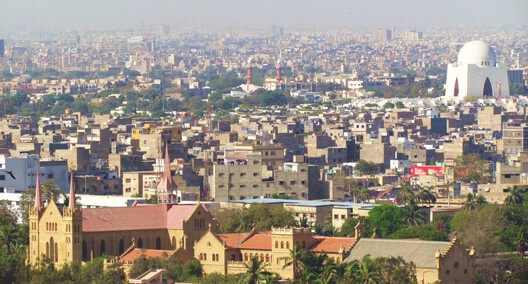
7. Shenzhen, China
Population: 20,622,629 (2.64%)
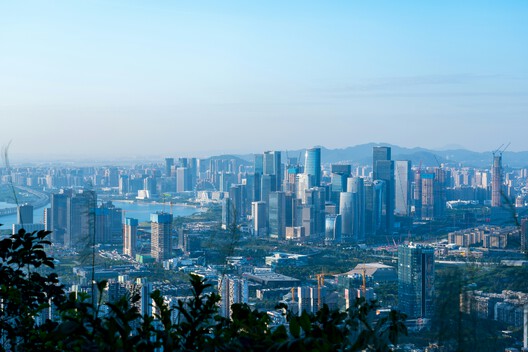
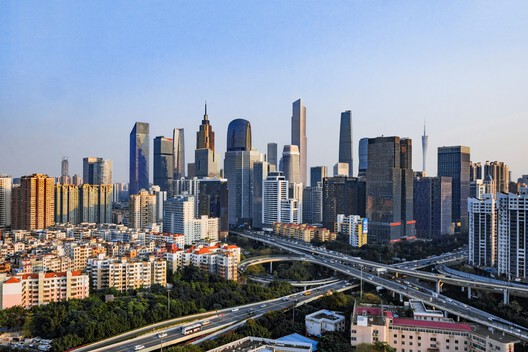
8. Guangzhou, China
Population: 18,515,410 (2.23%)
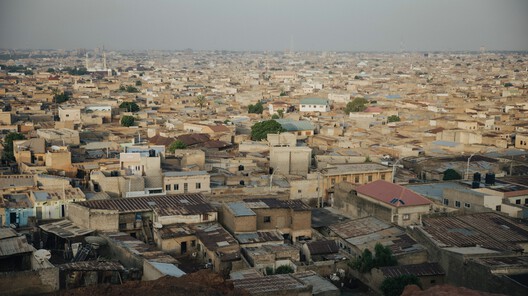
9. Kano, Nigeria
Population: 17,510,247 (3.16%)
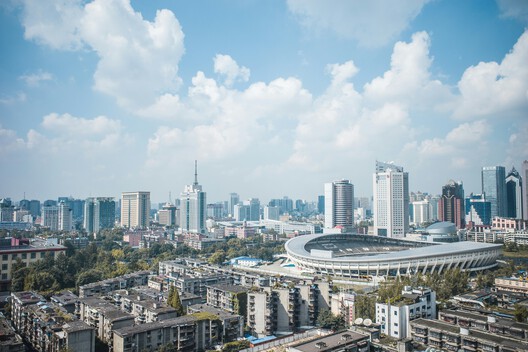
10. Chengdu, China
Population: 15,831,571 (2.44%)
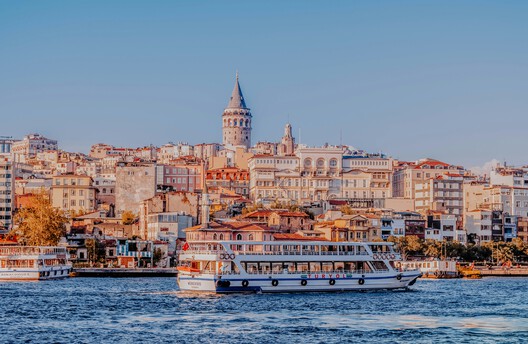
11. Istanbul, Turkiye
Population: 15,791,519 (0.29%)
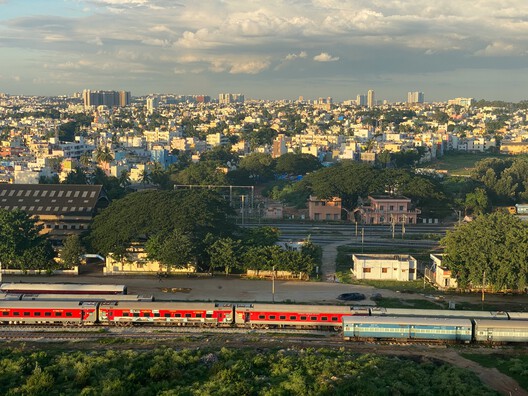
12. Bengaluru, India
Population: 15,565,994 (4.1%)
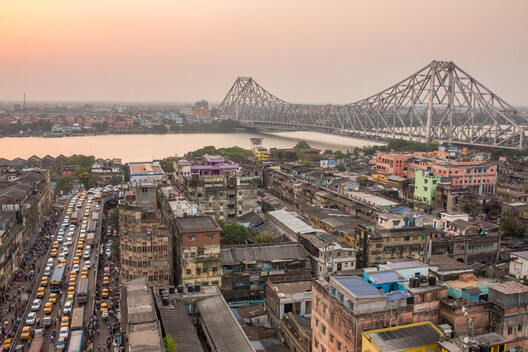
13. Kolkata, India
Population: 15,440,671 (0.63%)
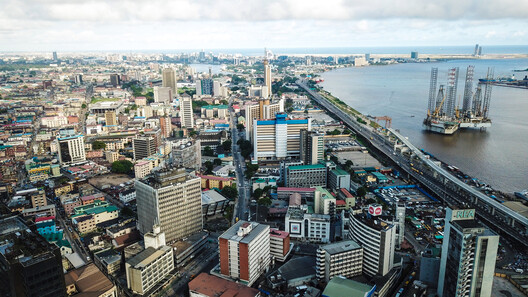
14. Lagos, Nigeria
Population: 14,881,845 (2.38%)
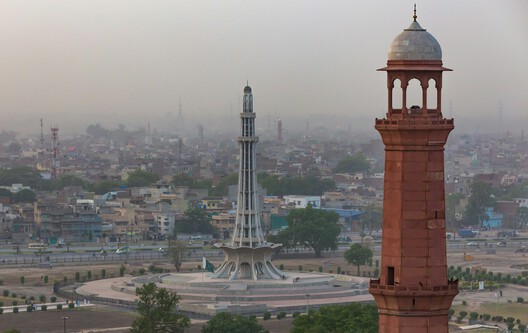
15. Lahore, Pakistan
Population: 14,062,745 (2.64%)
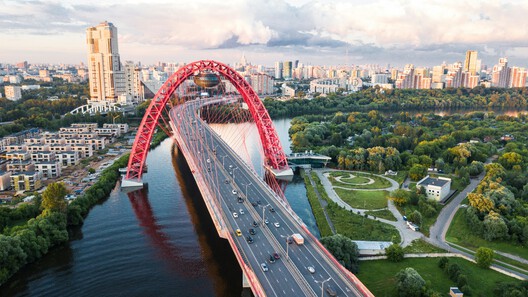
16. Moscow, Russia
Population: 13,399,945 (0.95%)
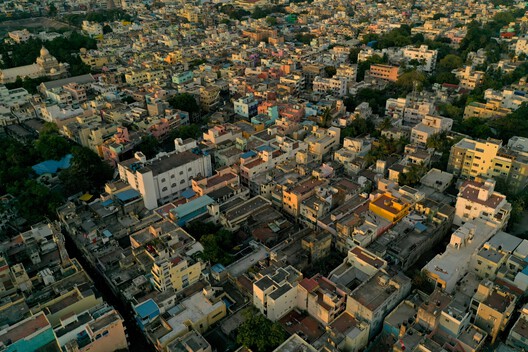
17. Chennai, India
Population: 13,109,989 (2.81%)
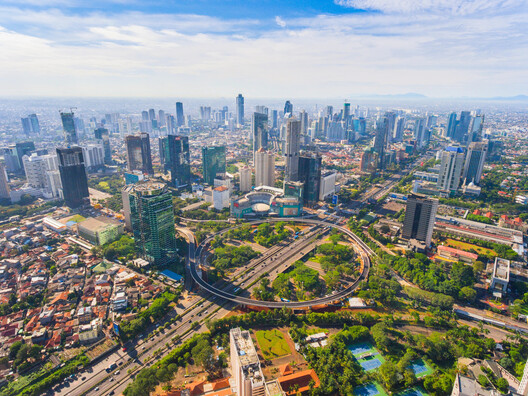
18. Jakarta, Indonesia
Population: 12,545,537 (1.68%)
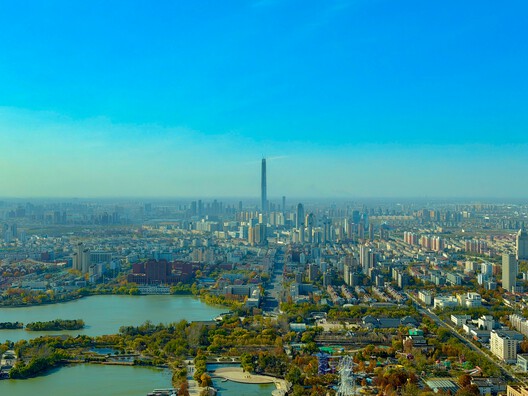
19. Tianjin, China
Population: 12,361,093 (1.8%)
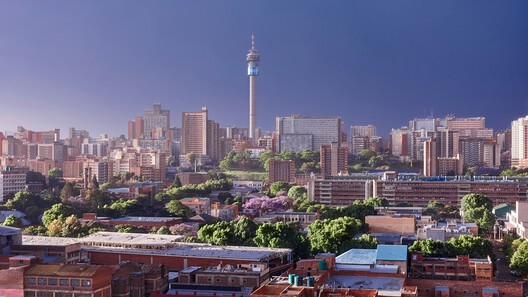
20. Johannesburg, South Africa
Population: 12,043,175 (2.88%)
Editor's Note: This ranking is based on the latest estimates published by World Population Review (WPR). Because definitions of city proper, metropolitan area, and urban agglomeration vary across countries, population figures are not directly comparable across all urban regions. Cities with extensive suburban populations, such as Tokyo or Jakarta, may therefore appear lower in the ranking than they do under broader metropolitan definitions.