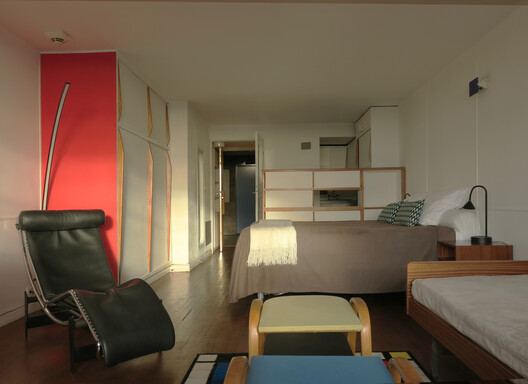
Modernism is often encountered through built form, photographed facades, canonical plans, concrete manifestos. For most people, its first encounter was far more immediate. It was a chair in an office, a shelf in a living room, a compact unit that reorganized how one sat, stored, or slept. Long before modern architecture could be widely commissioned, it was furniture that entered everyday space, carrying with it a new logic of living. Modernism's promise of transforming life was often delivered through these smaller, repeatable objects.
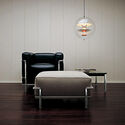
To understand this shift, furniture has to be read as a condensed form of architecture rather than decoration. Early twentieth-century designers treated it precisely this way. Le Corbusier described furniture as équipement de l'habitation (equipment of living), placing it within the operational system of the building rather than outside it. Similarly, the Bauhaus approached chairs and tables as industrial prototypes, embedding principles of standardization, efficiency, and mass production into their design. As architectural historian Beatriz Colomina has argued, modern architecture did not circulate only through buildings, but through media and objects that translated its ideas into everyday life. Furniture became architecture in miniature: portable, reproducible, and capable of reorganizing space without reconstructing it.

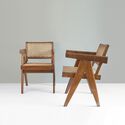
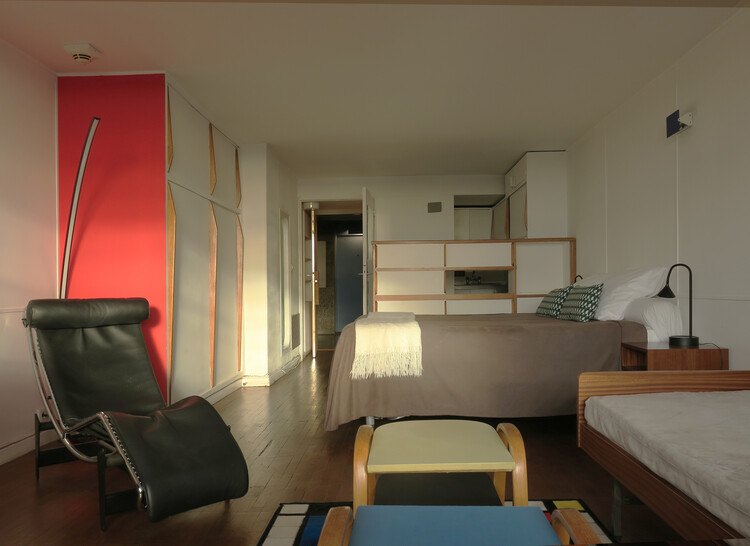
What allowed this miniature architecture to matter was distribution as much as design. Buildings are slow, capital-intensive, and tied to specific sites. Furniture, by contrast, can move through systems like state programs, retail markets, industrial production, reaching interiors that architecture itself cannot. In Chandigarh, this took the form of a coordinated, state-led effort. Working alongside Le Corbusier, Pierre Jeanneret developed a range of furniture for government offices, universities, and housing in the 1950s and 60s. These were not isolated design pieces but standardized elements, produced through local workshops and distributed across an entire administrative landscape.
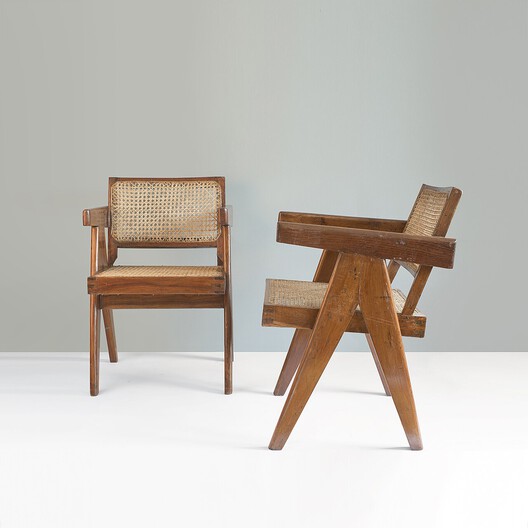
This operated at a systemic level. Teak frames and woven cane seats appeared in courtrooms, classrooms, and bureaucratic offices, establishing a consistent interior language across the city. Archival inventories from government departments show standardized furniture lists assigned to different building types, while the later dispersal of thousands of pieces through auctions confirms the scale of their original production. Here, modernism extended beyond the visibility of architecture. It was embedded through repetition and the quiet presence of objects used daily by clerks, students, and administrators.
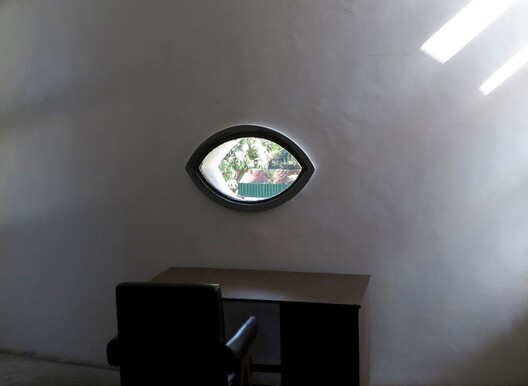
If Chandigarh demonstrates how modernism could be disseminated through policy, mid-century Brazil reveals how it could spread through the market. In Brazil, designers like Sergio Rodrigues translated modernist principles into furniture that could be bought, used, and lived with. Rodrigues' Oca store, founded in 1955, functioned as both a showroom and a distribution hub, bringing modern design directly into domestic interiors. His pieces, such as the low, expansive Mole chair, rejected the rigid posture associated with European modernism in favor of comfort, informality, and bodily ease.
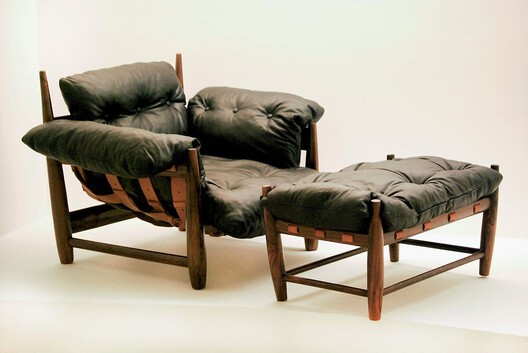
This shift was operational. By using locally available jacaranda wood and leather, and by embracing a more relaxed mode of sitting, Rodrigues' furniture aligned modernism with existing cultural practices. It allowed modern design to enter homes incrementally, one chair, one table at a time, without requiring a complete architectural overhaul. Museum collections and industrial records from the period confirm that these were not singular objects but widely produced models, circulating both domestically and internationally. In this context, modernism became something that could be purchased and assembled, rather than imposed through planning.
In postwar Japan, a different mechanism emerged. Faced with rapid urbanization and housing shortages, modernist principles were absorbed into industrial systems of interior production. Companies developed prefabricated kitchens, bathroom pods, and storage units that could be inserted into compact apartments, turning the interior into a modular assembly of components. The Metabolist movement pushed this logic further, imagining buildings as expandable systems composed of replaceable parts. Kisho Kurokawa's Nakagin Capsule Tower (1972) made this vision explicit, with fully furnished capsules containing beds, storage, and appliances within a single unit.
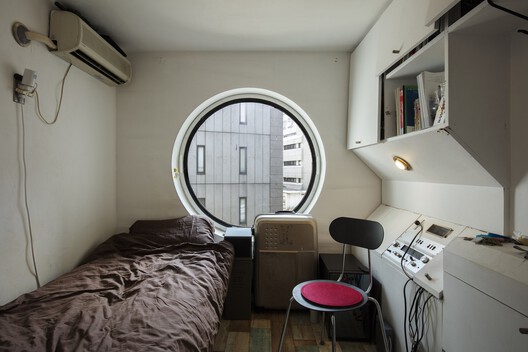
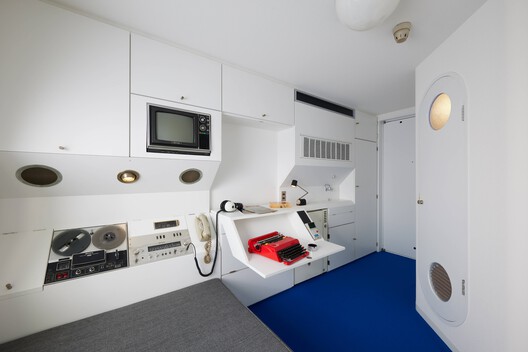
Such experimental buildings remained rare, yet the underlying logic of modular interiors became widespread. Government housing data from the postwar period shows a rapid expansion of standardized interior systems, suggesting that modernist ideas were entering homes not through iconic architecture, but through the infrastructure of everyday living. In Japan, modernism did not replace tradition outright. Instead, it aligned with existing spatial practices of flexibility, compactness, adaptability, making it easier to integrate into daily life.
Across these contexts, the success of modernism depended not on strict adherence to form, but on its capacity to adapt. Furniture proved to be an ideal medium for this translation. In Chandigarh, woven cane seats responded to climate and allowed for repair, extending the life of each piece. In Brazil, low seating accommodated informal social habits. In Japan, modular units echoed the flexibility of tatami-based interiors. Each case demonstrates that modernism did not travel as a fixed aesthetic, but as a set of principles that could be reshaped through material, labor, and use.
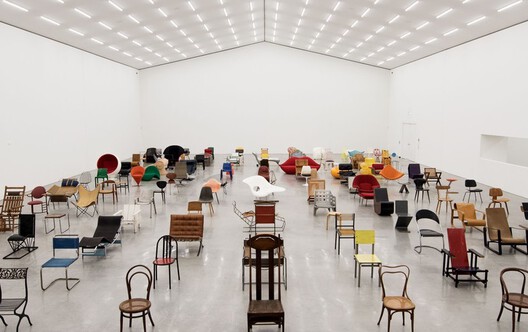
These transformations become fully legible through use. Furniture does not remain static; it wears, needs repairs and repositioning. Oral histories and photographic records from Chandigarh reveal chairs that have been repainted, re-caned, and continuously reused over decades. In Brazil, Rodrigues' designs became part of everyday domestic life, supporting lounging, gathering, and informal interaction. In Japan, compact interiors depend on the constant reconfiguration of modular elements. These are not abstract design intentions but lived practices. As design historian Penny Sparke has noted, modern domesticity often emerges through consumer objects that gradually reshape behavior. Through repeated use, modernism becomes less an ideology than a habit.
Across these examples, architecture operates through different channels. Buildings remain important; other systems increasingly carry architectural ideas further and faster. Furniture and interior systems move faster, reach further, and adapt more easily. They allow modernism to enter spaces architecture does not immediately transform, embedding new spatial logics within existing environments. As Charles and Ray Eames observed in their 1958 India Report, the development of everyday objects can be central to shaping how a society lives, often preceding large-scale architectural change.
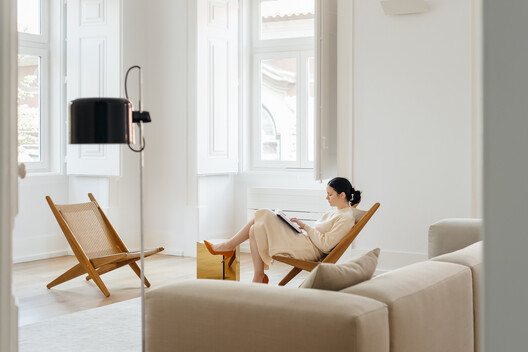
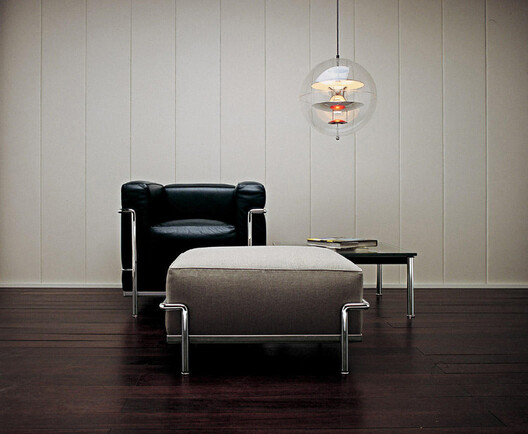
Modernism was built and distributed through overlapping systems of production, policy, and use. It arrived not just as a skyline, but as a set of objects placed within arm's reach. Chairs, shelves, and modular units quietly reorganized interiors, translating abstract principles into tangible experience. When architecture is understood as the shaping of space and behavior, these objects sit within its core project. They were its most effective agents.
This article is part of the ArchDaily Topic: 20th Century Design in Flux: A Global Reinterpretation of Architectural History. Every month we explore a topic in-depth through articles, interviews, news, and architecture projects. We invite you to learn more about our ArchDaily Topics. And, as always, at ArchDaily we welcome the contributions of our readers; if you want to submit an article or project,contact us.