1. ArchDaily
  2. Design Principles

Design Principles: The Latest Architecture and News

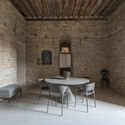
Furniture as Architecture: Micro-Modernisms Inside the Home

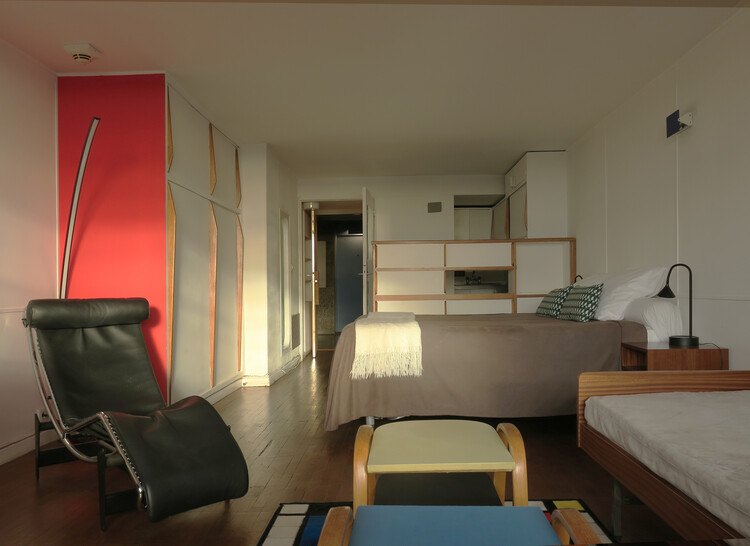
Modernism is often encountered through built form, photographed facades, canonical plans, concrete manifestos. For most people, its first encounter was far more immediate. It was a chair in an office, a shelf in a living room, a compact unit that reorganized how one sat, stored, or slept. Long before modern architecture could be widely commissioned, it was furniture that entered everyday space, carrying with it a new logic of living. Modernism's promise of transforming life was often delivered through these smaller, repeatable objects.

To understand this shift, furniture has to be read as a condensed form of architecture rather than decoration. Early twentieth-century designers treated it precisely this way. Le Corbusier described furniture as équipement de l'habitation (equipment of living), placing it within the operational system of the building rather than outside it. Similarly, the Bauhaus approached chairs and tables as industrial prototypes, embedding principles of standardization, efficiency, and mass production into their design. As architectural historian Beatriz Colomina has argued, modern architecture did not circulate only through buildings, but through media and objects that translated its ideas into everyday life. Furniture became architecture in miniature: portable, reproducible, and capable of reorganizing space without reconstructing it.


Furniture as Architecture: Micro-Modernisms Inside the Home - Image 1 of 4Furniture as Architecture: Micro-Modernisms Inside the Home - Image 2 of 4Furniture as Architecture: Micro-Modernisms Inside the Home - Image 3 of 4Furniture as Architecture: Micro-Modernisms Inside the Home - Image 4 of 4Furniture as Architecture: Micro-Modernisms Inside the Home - More Images+ 6

Ancient Wisdom Meets Urban Reality: Vastu’s Role in Contemporary Indian Cities

Subscriber Access | 

India carries an ancient lineage of tradition that has long shaped the very conception and crafting of its cities. Vastu Shastra is one such tradition, more a science than a belief, intimately woven into the principles of architectural design. The practice remains widespread and highly regarded, with 93% of homes designed to align with Vastu principles. As India urbanizes at an unprecedented pace, projected to add 416 million city dwellers by 2050, Vastu Shastra continues to influence billions of real estate decisions amid the trials of modern city living. How might an 8,000-year-old spatial science evolve to guide the design of cities housing millions?

Ancient Wisdom Meets Urban Reality: Vastu’s Role in Contemporary Indian Cities - Image 1 of 4Ancient Wisdom Meets Urban Reality: Vastu’s Role in Contemporary Indian Cities - Image 2 of 4Ancient Wisdom Meets Urban Reality: Vastu’s Role in Contemporary Indian Cities - Image 3 of 4Ancient Wisdom Meets Urban Reality: Vastu’s Role in Contemporary Indian Cities - Image 4 of 4Ancient Wisdom Meets Urban Reality: Vastu’s Role in Contemporary Indian Cities - More Images+ 2

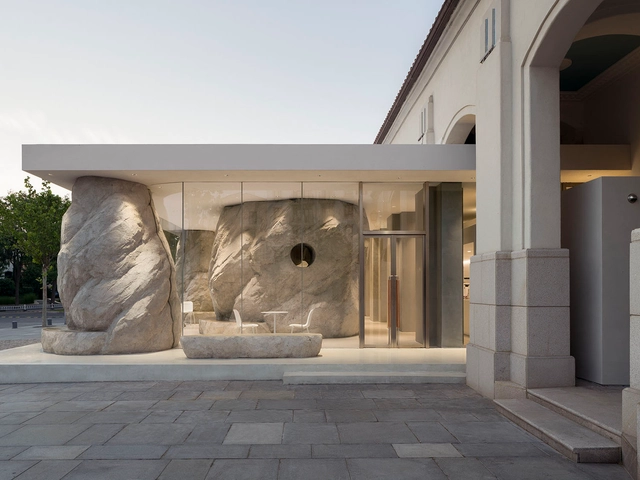
Unwrapped Interiors: A Case for Material Authenticity and Clarity

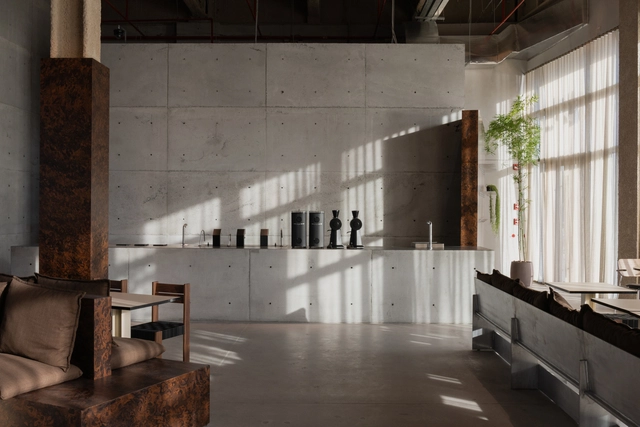
When designing a space—whether at the scale of interiors, architecture, or infrastructure—materiality is a central concern. Beyond aesthetics, materials determine how a project functions, ages, and endures. Some architects—such as Wang Shu and Kengo Kuma—have built their practices on a deep sensitivity to the potential and limits of materials. But even in the most pragmatic sense, the question arises: What lasts? What doesn't? And how do materials change over time? Naturally, materials shape atmosphere and appearance—qualities that often matter most to clients. Yet increasingly, the discourse around materiality has shifted from structural substance to surface treatment. When did we start focusing more on "decorating" our spaces by layering one material over another, rather than relying on the inherent beauty and performance of the building fabric itself?

Unwrapped Interiors: A Case for Material Authenticity and Clarity - Image 1 of 4Unwrapped Interiors: A Case for Material Authenticity and Clarity - Image 2 of 4Unwrapped Interiors: A Case for Material Authenticity and Clarity - Image 3 of 4Unwrapped Interiors: A Case for Material Authenticity and Clarity - Image 4 of 4Unwrapped Interiors: A Case for Material Authenticity and Clarity - More Images+ 10

Biophilic Architecture without Plants: Invisible Design for Wellbeing

The term "biophilia" understandably conjures images of buildings engulfed by vegetation and integrated into natural landscapes. In modern architectural discourse, the concept has come to be associated with the incorporation of greenery into built environments, yet such applications represent only a sliver of biophilic design's true scope. Inarguably, nature plays a central role in biophilic design. However, its influence stretches to often-overlooked strategies that involve spatial configuration and environmental patterning. "Invisible" biophilia frequently leads to positive health outcomes for occupants, working impactfully beneath the surface.

Biophilic Architecture without Plants: Invisible Design for Wellbeing - Image 1 of 4Biophilic Architecture without Plants: Invisible Design for Wellbeing - Image 2 of 4Biophilic Architecture without Plants: Invisible Design for Wellbeing - Image 3 of 4Biophilic Architecture without Plants: Invisible Design for Wellbeing - Image 4 of 4Biophilic Architecture without Plants: Invisible Design for Wellbeing - More Images+ 4