
Chandigarh: The Latest Architecture and News

Brasília and Chandigarh: Two Modernist Utopias Separated by an Ocean

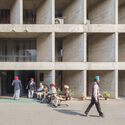
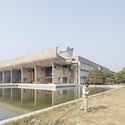
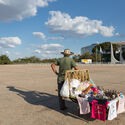
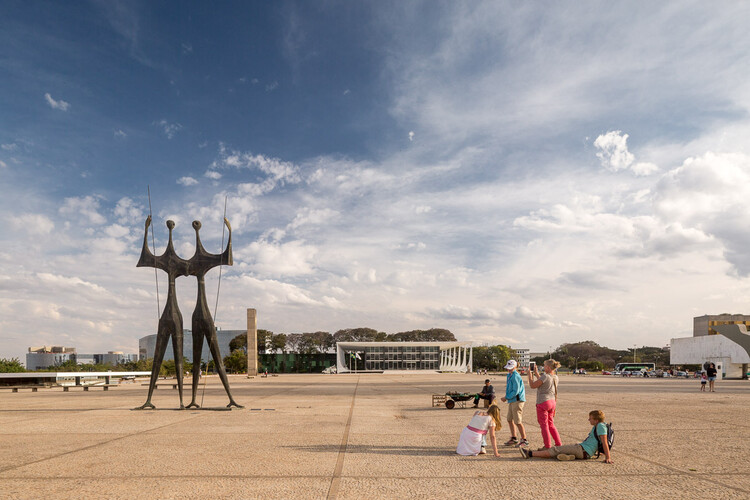
Between the 1950s and 1960s, two cities were built that would define the history of architecture and urbanism. Born of the same concept but separated by more than 14,000 kilometers, Brasília in Brazil and Chandigarh in India, steeped in modernist principles, were planned and built from scratch.
Emerging in a context of profound political and social transformations, where several countries sought to reshape their capitals as symbols of progress, both cities assumed a strategic role. Through their adopted architectural language, they reaffirmed ideological and identity narratives linked to state power.
These were cities created in the abstract, following a utopian vision. They were to be avant-garde cities, free from the deficiencies afflicting mid-20th-century urban centers, exemplifying aesthetic principles that would reflect progressive political ideologies and embrace new technologies—most notably the automobile.
However, this promise of the future ultimately generated significant challenges. These difficulties, of course, reflect the social and economic struggles of their respective countries, but they are also "seasoned" by a modernist vision that is highly contested today.

https://www.archdaily.com/1041821/brasilia-and-chandigarh-two-modernist-utopias-an-ocean-apartCamilla Ghisleni
Climate, Culture, and Modernism: The Postcolonial Campus as Architectural Laboratory

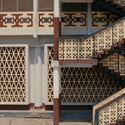
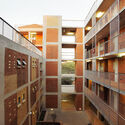
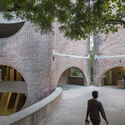
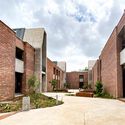
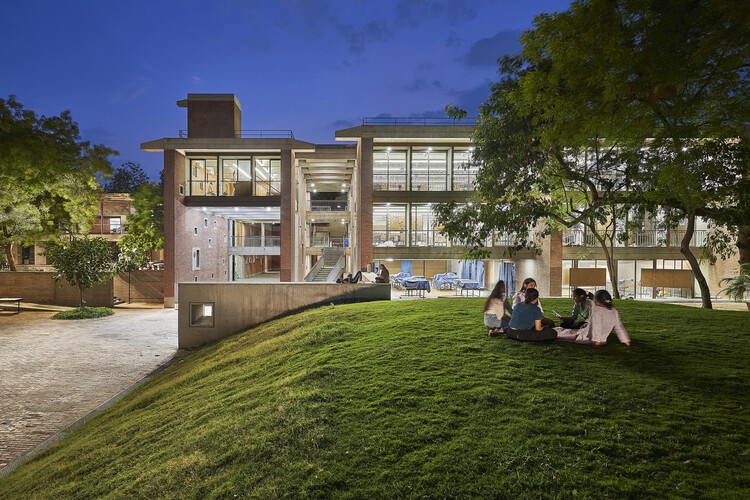
In the decades following independence, some of the most ambitious architectural experiments in the world did not emerge through museums, monuments, or government palaces. They emerged through universities. Across South Asia and Africa, newly formed nations turned campuses into testing grounds for entirely new ways of imagining collective life. These campuses functioned as more than educational institutions. They became territories where states tested how modernity might be organized, for citizens to gather, institutions to function, climate to shape architecture, and imported ideas to transform local realities.
https://www.archdaily.com/1041645/climate-culture-and-modernism-the-postcolonial-campus-as-architectural-laboratoryAnanya Nayak
Furniture as Architecture: Micro-Modernisms Inside the Home

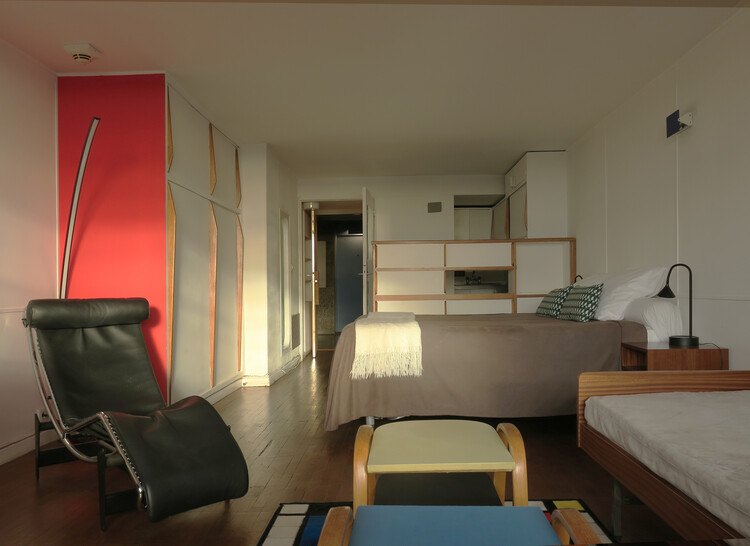
Modernism is often encountered through built form, photographed facades, canonical plans, concrete manifestos. For most people, its first encounter was far more immediate. It was a chair in an office, a shelf in a living room, a compact unit that reorganized how one sat, stored, or slept. Long before modern architecture could be widely commissioned, it was furniture that entered everyday space, carrying with it a new logic of living. Modernism's promise of transforming life was often delivered through these smaller, repeatable objects.
To understand this shift, furniture has to be read as a condensed form of architecture rather than decoration. Early twentieth-century designers treated it precisely this way. Le Corbusier described furniture as équipement de l'habitation (equipment of living), placing it within the operational system of the building rather than outside it. Similarly, the Bauhaus approached chairs and tables as industrial prototypes, embedding principles of standardization, efficiency, and mass production into their design. As architectural historian Beatriz Colomina has argued, modern architecture did not circulate only through buildings, but through media and objects that translated its ideas into everyday life. Furniture became architecture in miniature: portable, reproducible, and capable of reorganizing space without reconstructing it.



https://www.archdaily.com/1041170/furniture-as-architecture-micro-modernisms-inside-the-homeAnanya Nayak
Extending Roofs from Brazil to India: Parallel Residential Design Elements as Seen in 10 Projects
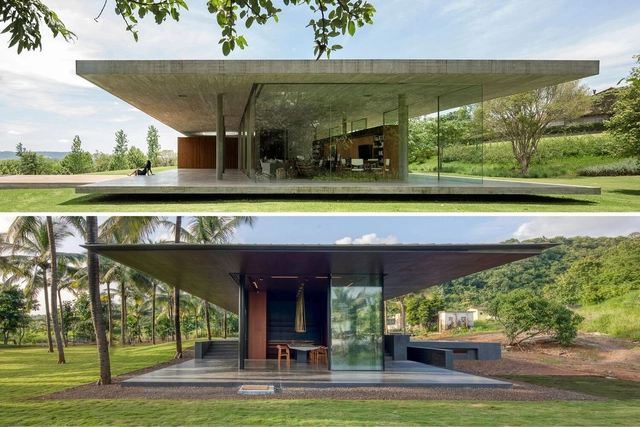
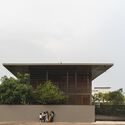
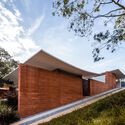
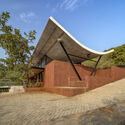
It shouldn't be too surprising that architectural concepts were traveling around the globe long before the online spread of information. While many regions share certain historical events and hence references (such as colonization and the mid-20th-century independence movement/ turn of political systems), others might have simply developed parallel solutions to similar climates and material availability. Additionally, it was only natural that with the dissemination of a more uniform architectural pedagogy acquired while studying abroad, followed by the internet boom, we would find almost twin projects from every corner of the world. While these might look nearly identical from some angles, they might bear different layers and stories. Then again, they might also display the same reasoning and prompts shared by counterparts from across the seas.


https://www.archdaily.com/1026829/extending-roofs-from-brazil-to-india-parallel-residential-design-elements-as-seen-in-10-projectsSusanna Moreira
La Grande Motte: A City of Modern Pyramids in the South of France
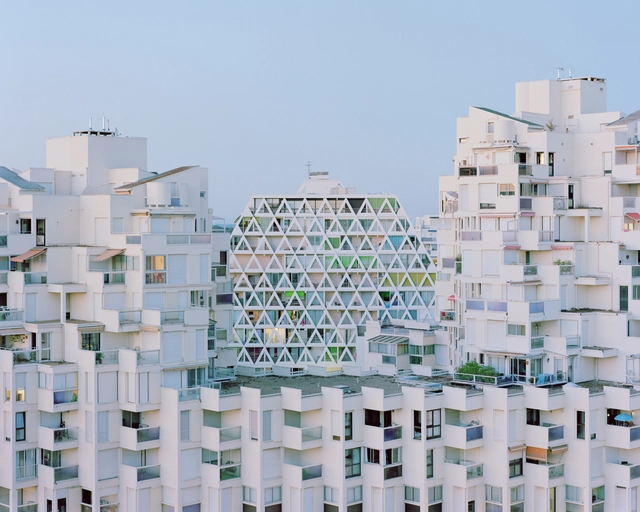
In the south of France, a 40-minute drive east of Montpellier, lies the otherworldly resort town of La Grande Motte. Named after a nearby sand dune, the city is characterized by futuristic, pyramid-shaped apartment blocks in various relief forms, adorned with diverse vegetation including pines, planes, olives, poplars, and cypresses. Artists Charly Broyez and Laurent Kronental describe this unique character as "a fairy-tale vision of a land emerging from the uncharted territories of our psyche, loaded with memories, images, sounds, colors, history." Through their meticulous images, they reveal the city's distinctive architecture.

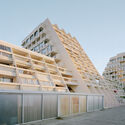
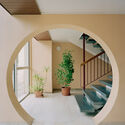
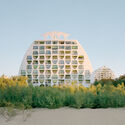

https://www.archdaily.com/1022888/la-grande-motte-a-city-of-modern-pyramids-in-the-south-of-francePaul Yakubu
House of Mango Shadows / Design i.O
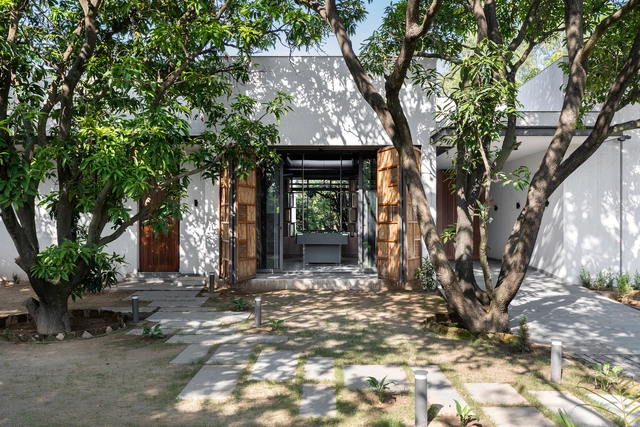


-
Architects: Design i.O
- Area: 3800 ft²
- Year: 2023
-
Manufacturers: ALCOI, Asian Paints, Jaguar, Kriglow, Legrand, +1
-
Professionals: Rakhra Associates
https://www.archdaily.com/1016083/house-of-mango-shadows-design-ioPilar Caballero
Victoria and Albert Museum Investigates Tropical Modernism Movements in West Africa, Modern India, and Ghana
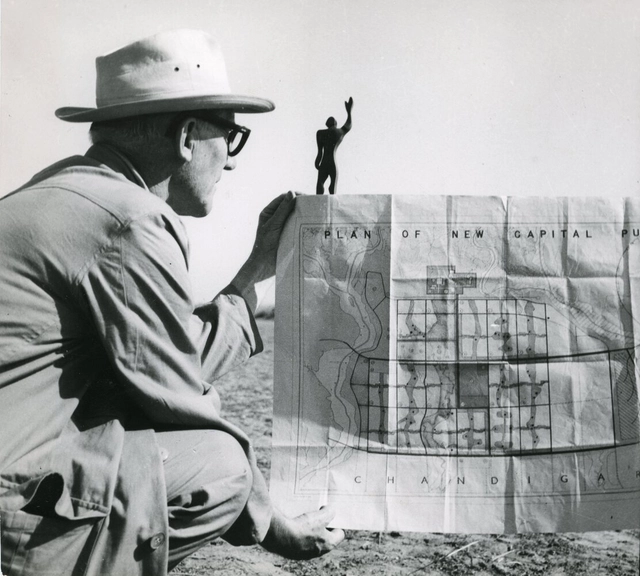
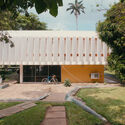
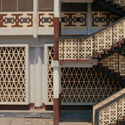
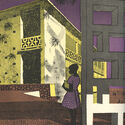
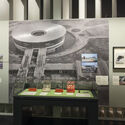
The Victoria & Albert Museum is set to present an expansive exhibition focused on Tropical Modernism, an architectural movement that emerged in the late 1940s. British architects Jane Drew and Maxwell Fry were instrumental in developing this approach, combining modernism’s functional goals with local climate adaptations in warm and humid weather. This movement, which embodies Britain's unique contribution to international modernism, evolved against a backdrop of anti-colonial resistance, blending colonial architectural principles with local needs.

https://www.archdaily.com/1015194/victoria-and-albert-exhibition-explores-tropical-modernism-movement-in-west-africa-modern-india-and-ghanaNour Fakharany
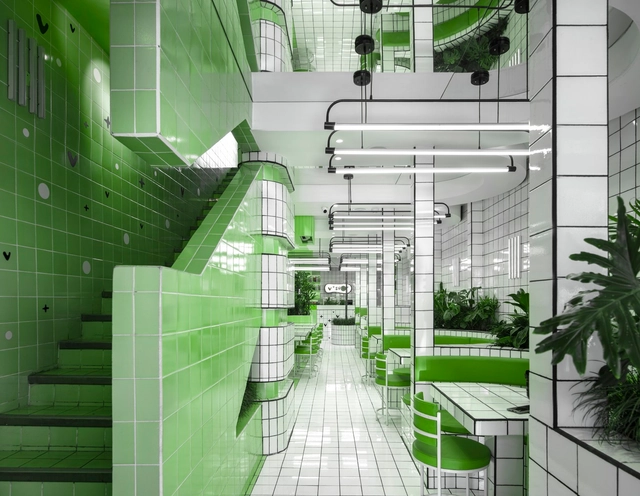
Vegan Metrix Restaurant / RENESA Architecture Design Interiors Studio


-
Architects: RENESA Architecture Design Interiors Studio
- Area: 1200 ft²
- Year: 2023
-
Professionals: White Lighting Solutions
https://www.archdaily.com/1012679/vegan-metrix-restaurant-renesa-architecture-design-interiors-studioHana Abdel
The Modernist Laboratory of the Future: Exploring Le Corbusier and Louis Kahn’s Architecture in India
At the beginning of 2022, curator Lesley Lokko announced the title of the 18th International Architecture Exhibition – La Biennale di Venezia: “The Laboratory of the Future.” The theme’s intention is to highlight the African continent as the protagonist of the future, a place “where all these questions of equity, race, hope, and fear converge and coalesce,” in the words of the curator. As the fastest urbanizing continent, Africa is viewed as a land of potential, but also of challenges, where matters of racial equity and climate justice are played out with a significant impact on the world at large.
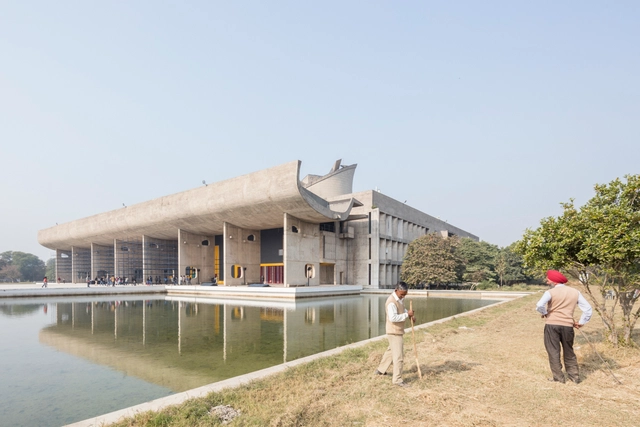
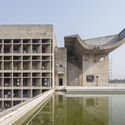
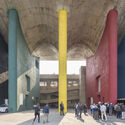
Yet in the late 1950s, another laboratory of the future was taking shape, one where the novel ideas of Modernism produced grand monumental designs and complete urban structures at an unprecedented scale: India. In the search for a modern and democratic image, the newly independent country welcomed Western architectural masters such as Le Corbusier and Louis I. Kahn and entrusted them with a wide range of commissions, from the urban layout of Chandigarh and its major governmental buildings to universities, museums, and smaller scale domestic projects. The result is a mixture of cultures, influencing one another to unexpected results.



https://www.archdaily.com/1001873/the-modernist-laboratory-of-the-future-exploring-le-corbusier-and-louis-kahns-architecture-in-indiaMaria-Cristina Florian
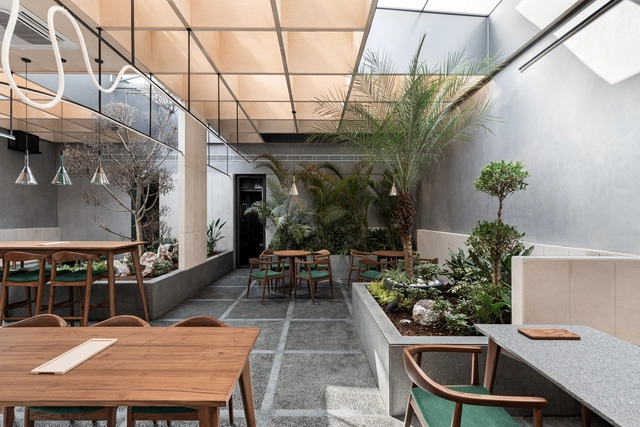
BEIGE Café & Bakery / Arch.Lab


-
Architects: Arch.Lab
- Area: 3800 ft²
- Year: 2023
-
Manufacturers: Gem Furnishings, Kriglow, Raybright Technologies, Viero
-
Professionals: Alpine Interiors
https://www.archdaily.com/999687/beige-cafe-and-bakery-arcabPilar Caballero
The Legacy of Jane Drew: A Trailblazer for Women in Architecture
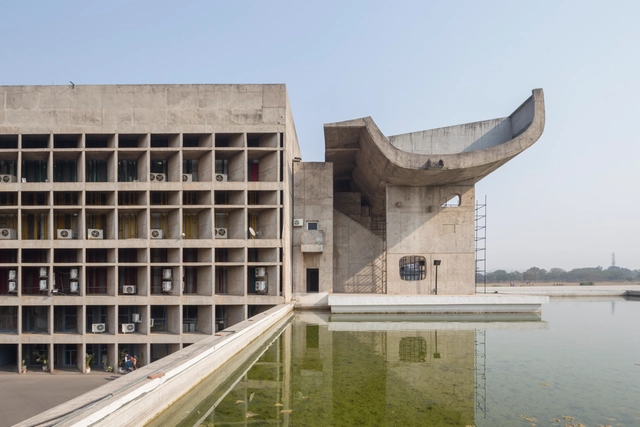
In 1950, the famous Le Corbusier was asked to design the new state capital of Chandigarh for Punjab following its separation and recent independence. The opportunity to create a new utopia was unparalleled- and is now seen as one of the greatest urban experiments in the history of planning and architecture. The city employed grid street patterns, European-style thoroughfares, and raw concrete buildings- the zenith of Corbusier’s ideals throughout his career. But what is lesser known about the ideation and realization of Chandigarh, was the woman who brought her experience of designing social housing across Africa to the project. For three years, working alongside Corbusier, and helping him design some of the best-known buildings in Chandigarh, was Jane Drew.
https://www.archdaily.com/997916/the-legacy-of-jane-drew-a-trailblazer-for-women-in-architectureKaley Overstreet
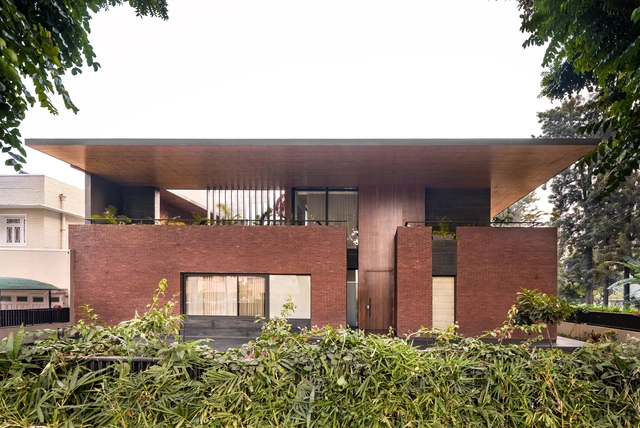
Prairie House / Arch.Lab


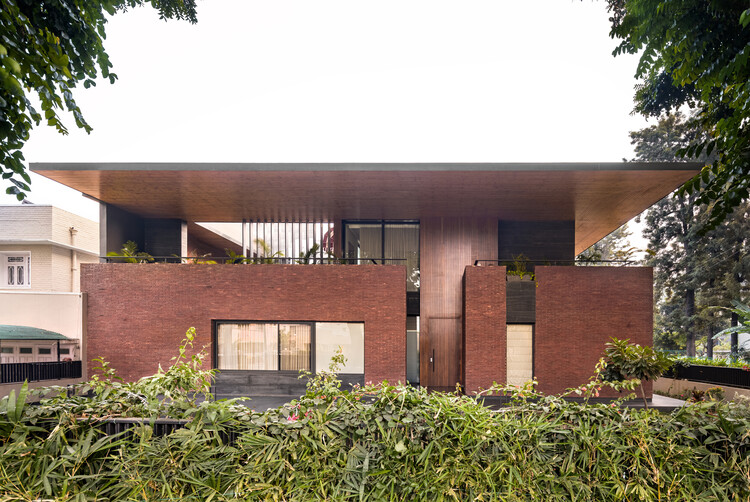
https://www.archdaily.com/980085/prairie-house-arcabBianca Valentina Roșescu
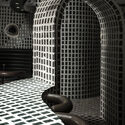
Tin Tin Restaurant / RENESA Architecture Design Interiors Studio
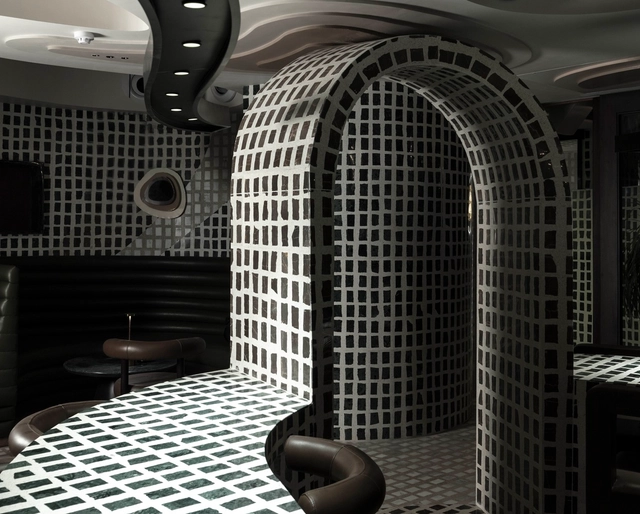


-
Architects: RENESA Architecture Design Interiors Studio
- Area: 1500 ft²
- Year: 2022
-
Professionals: RENESA Architecture Design Interiors Studio, White Lighting Solutions
https://www.archdaily.com/976889/tin-tin-restaurant-renesa-architecture-design-interiors-studioHana Abdel
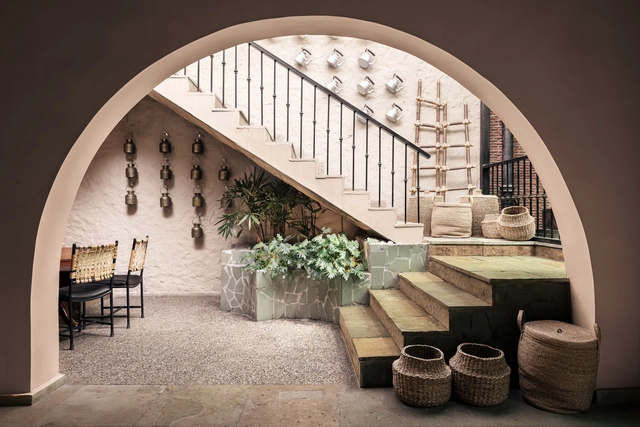
Baba’s Restaurant / Loop Design Studio


-
Architects: Loop Design Studio
- Area: 3700 m²
- Year: 2018
-
Professionals: Karve Infra Pvt. Ltd.
https://www.archdaily.com/974153/babas-restaurant-loop-design-studioValeria Silva
Urban Visions: How India is Shaping the Future of Housing
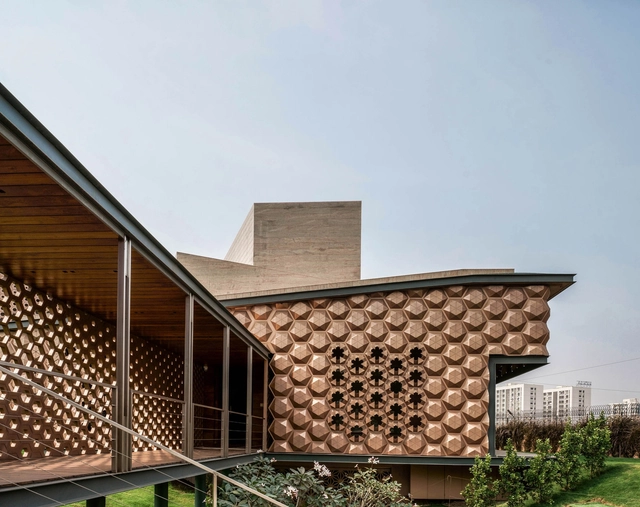
India is rethinking the future of housing through new typologies. Defined by historical and cultural influences, the country's contemporary architecture centers on discussions of how best to modernize. Built over millennia, India's housing projects are made to address diverse scales, programs and functions. Exploring a revitalized urban landscape, these modern housing projects have begun to set a new tone for the future.
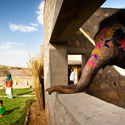
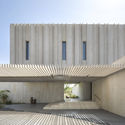
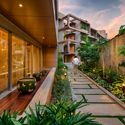

https://www.archdaily.com/942212/urban-visions-how-india-is-shaping-the-future-of-housingEric Baldwin
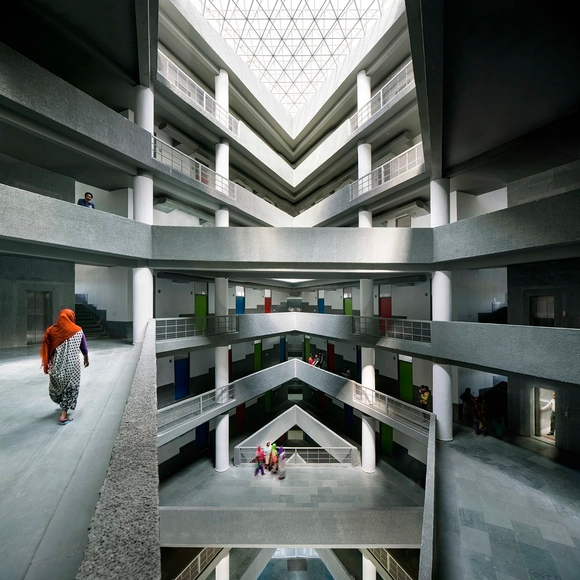
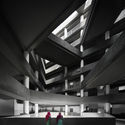
CGC Student Hostel Landran / Charged Voids
.jpg?1618238885 "© Javier Callejas")

.jpg?1618238951 "© Javier Callejas")

-
Architects: Charged Voids
- Area: 135000 ft²
- Year: 2019
https://www.archdaily.com/959977/cgc-student-hostel-landran-charged-voidsHana Abdel
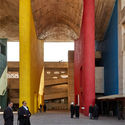
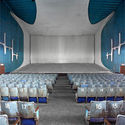
Architectural Photographer Edmund Sumner Takes Part in the Artist Support Pledge Initiative with Chandigarh Images
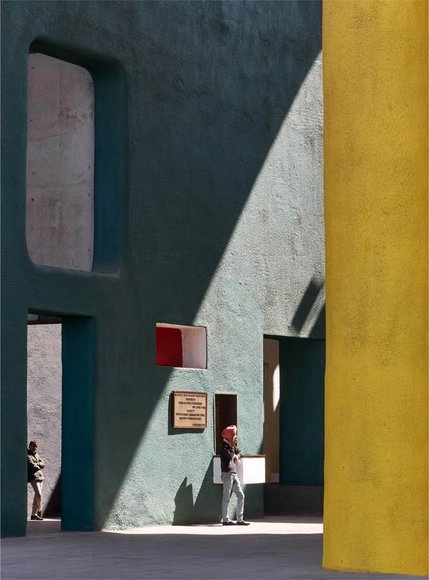
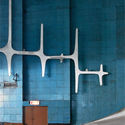
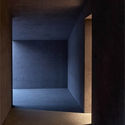
During the COVID-19 pandemic, due to the lack of exhibitions and commissions, artists around the world started to struggle. The Artist Support Pledge, an initiative born in March of 2020 in response to this global crisis, seeks to support creative individuals, including architectural photographers. Founded by artist Matthew Burrows, the global movement connects communities in order to ensure “an equitable and sustainable economy for artists and makers of all countries, media, and ethnicities”.

https://www.archdaily.com/943622/architecture-photographer-edmund-sumner-takes-part-in-the-artist-support-pledge-initiative-with-chandigarh-imagesChristele Harrouk