1. ArchDaily
  2. Vitruvius

Vitruvius: The Latest Architecture and News

Why Do We Want to Float? The Psychology of Lightness in Architecture

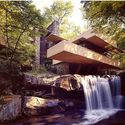
In 1962, the architect Buckminster Fuller envisioned a floating city that would free humanity from its dependence on the Earth. The speculative project consisted of enormous geodesic spheres that would naturally levitate in air warmed by the sun and be anchored to mountaintops. Designed to house thousands of people, Fuller’s Cloud Nine aimed to ease land ownership pressures, address housing shortages, and contribute to environmental preservation.

More than half a century later, we remain far from realizing Fuller’s vision. Creating a truly floating structure on the Earth’s surface is still, for now, an unattainable ideal. While supports continue to be necessary, we manipulate their position, intensity, and number, developing structural “acrobatics” to at least approach the idea of overcoming gravity — a desire that has long fascinated humanity.

Why Do We Want to Float? The Psychology of Lightness in Architecture - Image 1 of 4Why Do We Want to Float? The Psychology of Lightness in Architecture - Image 2 of 4Why Do We Want to Float? The Psychology of Lightness in Architecture - Image 3 of 4Why Do We Want to Float? The Psychology of Lightness in Architecture - Image 4 of 4Why Do We Want to Float? The Psychology of Lightness in Architecture - More Images+ 17

Archaeological Excavations in Fano, Italy, Reveal Basilica Described by Vitruvius

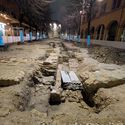
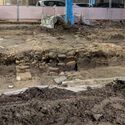
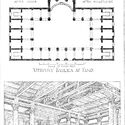
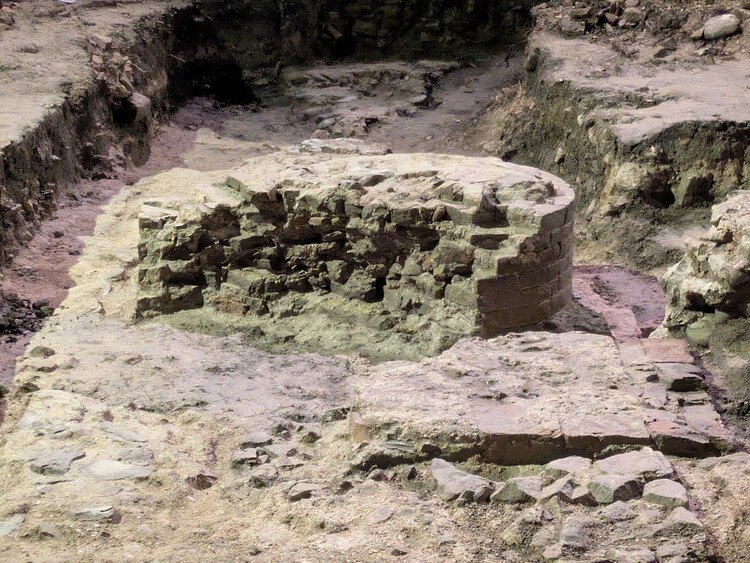
Archaeological excavations in Fano, Italy, have revealed the basilica described by Vitruvius in De Architectura, a finding of major architectural significance, as it represents the only structure that can be attributed with certainty to the Roman architect. Identified during redevelopment works in Piazza Andrea Costa, the discovery provides rare physical evidence of Vitruvian theory translated into built form and offers new insights into Roman architectural design, proportions, and construction practices. The announcement was made during a press conference at the Montanari Media Library, attended by representatives of local, regional, and national institutions, including Italy's Minister of Culture Alessandro Giuli.

Archaeological Excavations in Fano, Italy, Reveal Basilica Described by Vitruvius - Image 1 of 4Archaeological Excavations in Fano, Italy, Reveal Basilica Described by Vitruvius - Image 2 of 4Archaeological Excavations in Fano, Italy, Reveal Basilica Described by Vitruvius - Image 3 of 4Archaeological Excavations in Fano, Italy, Reveal Basilica Described by Vitruvius - Image 4 of 4Archaeological Excavations in Fano, Italy, Reveal Basilica Described by Vitruvius - More Images+ 1

How Can Hidden Niches Transform Walls into Functional Architecture?

 | Sponsored Content

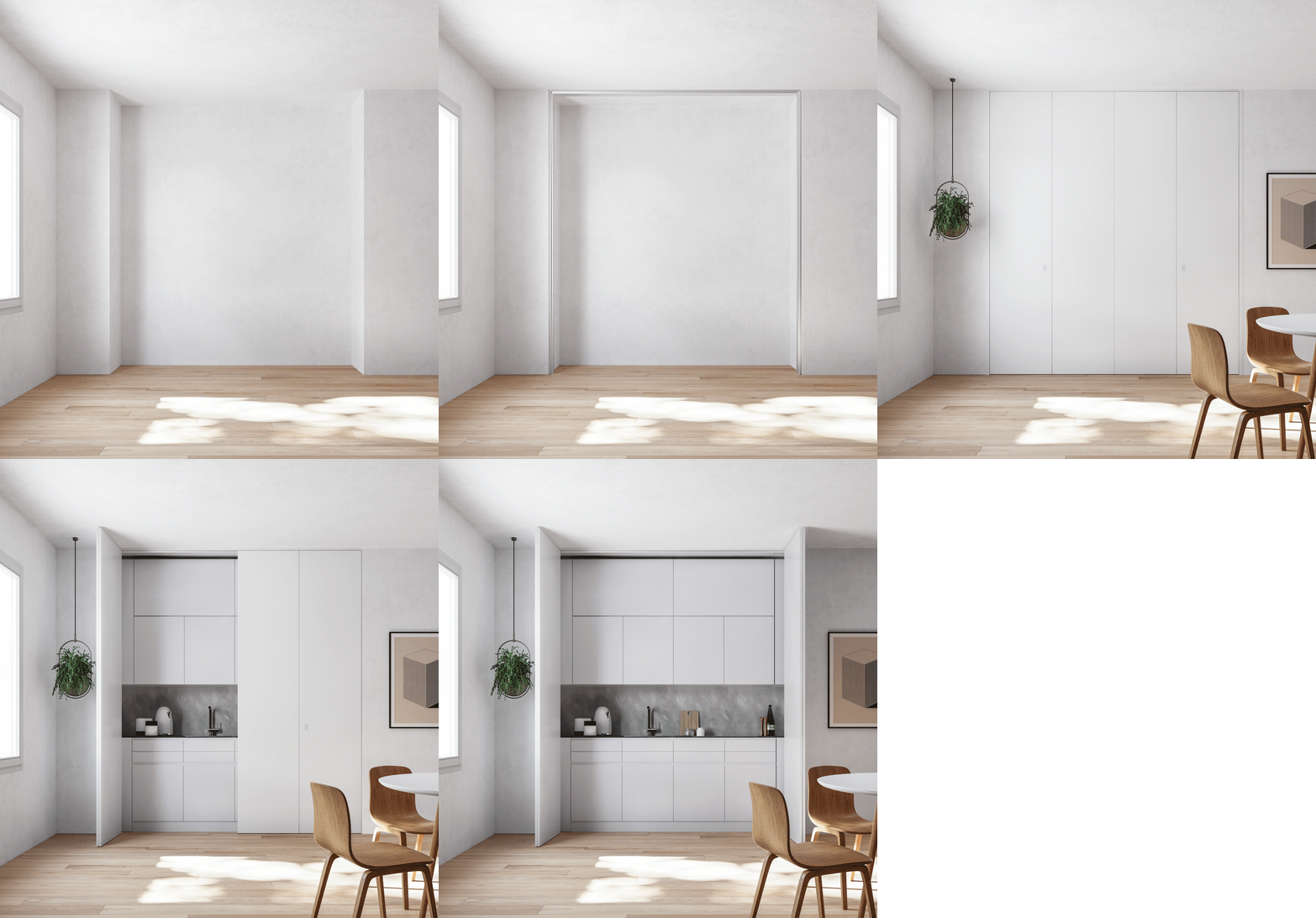
The niche has been a space of visible intention throughout the history of architecture. In ancient Roman architecture, it served as a formal device carved into masonry to display statues, vases, or other objects. These recesses animated the walls of temples, bath complexes, and civic buildings, adding rhythm, depth, and focal points to otherwise massive structures. The interior spaces of the Pantheon framed statues of gods, and the Baths of Caracalla used similar voids to structure expansive halls. By the Renaissance, the niche evolved into a refined architectural frame. In Florence, the external cavities of Orsanmichele held guild-commissioned statues, while the Uffizi Palace's recesses displayed sculptural works. Whether filled or intentionally left empty, these openings articulated internal and external walls and facades, introduced hierarchy, and provided visual interest, serving as deliberate gestures meant to be seen.

The Architect as Writer: Expanding the Discipline Beyond Buildings

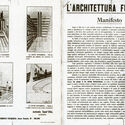
Architecture has always been more than bricks and mortar. It is equally constructed through words, ideas, and narratives. From ancient treatises to radical manifestos, from technical manuals to poetic essays, the written word has served as a spatial, pedagogical, and political tool within the field. Writing shapes how architecture is conceptualized, communicated, and critiqued — often long before, or even in the absence of, physical construction.

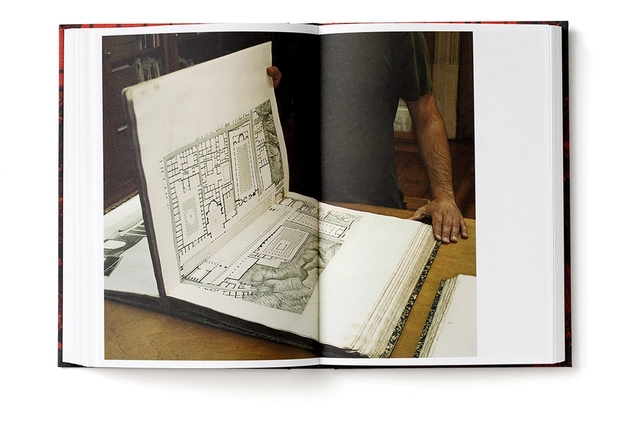
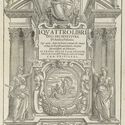
Historically, figures such as Vitruvius, Alberti, and Palladio employed writing to codify principles, project ideals, and legitimize architecture as a discipline. In the modern era, Le Corbusier, Adolf Loos, and Lina Bo Bardi wrote prolifically to expand the scope of architecture beyond form and function, often using publications as tools for persuasion and experimentation. The postwar period gave rise to new editorial strategies, as evident in the manifestos of Archizoom and Superstudio, and the polemical publications of Delirious New York and Oppositions, where writing served as both critique and project.

The Architect as Writer: Expanding the Discipline Beyond Buildings - Image 1 of 4The Architect as Writer: Expanding the Discipline Beyond Buildings - Image 2 of 4The Architect as Writer: Expanding the Discipline Beyond Buildings - Image 3 of 4The Architect as Writer: Expanding the Discipline Beyond Buildings - Image 4 of 4The Architect as Writer: Expanding the Discipline Beyond Buildings - More Images+ 31

Shaping Spaces: The History and Impact of Fireplaces in Architecture

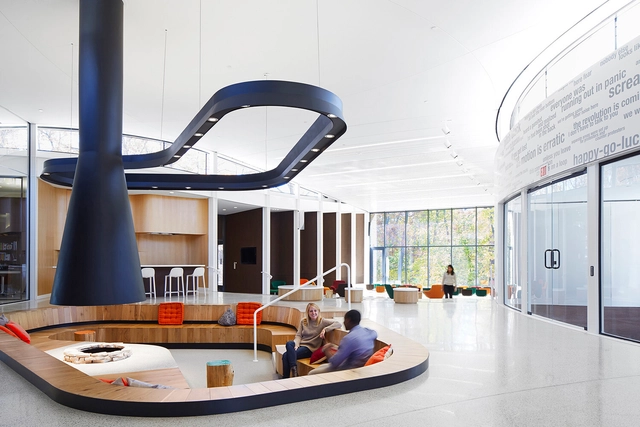
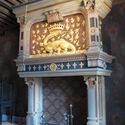
Fireplaces have profoundly shaped architectural design, influencing how spaces are organized, experienced, and perceived. More than merely functional elements, they represent symbols of power, community, comfort, and culture, tracing humanity's evolving relationship with the built environment. From the primitive hearths that characterized early human settlements to the sophisticated ecological designs of contemporary architecture, fireplaces have reflected broader cultural, social, and technological changes, serving as enduring focal points in the spatial narrative of architecture. Scholars have frequently explored the intimate relationship between architecture and fire. Luis Fernández-Galiano, in his seminal work "Fire and Memory: On Architecture and Energy" argues that architecture fundamentally mediates the relationship between humanity and energy. By understanding how these structures have shaped spaces, symbolized cultural values, and driven technological innovation, we gain deeper insight into architecture's complex interplay between form, function, and meaning.

Shaping Spaces: The History and Impact of Fireplaces in Architecture - Image 1 of 4Shaping Spaces: The History and Impact of Fireplaces in Architecture - Image 2 of 4Shaping Spaces: The History and Impact of Fireplaces in Architecture - Image 3 of 4Shaping Spaces: The History and Impact of Fireplaces in Architecture - Image 4 of 4Shaping Spaces: The History and Impact of Fireplaces in Architecture - More Images+ 21

How to Frame a View Worth Framing? Vitruvian Principles and the Ideal Window

 | Sponsored Content

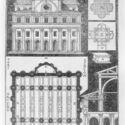
Windows are an essential architectural element whose basic function, though simple, remains vital. Primarily designed to let in natural light and facilitate air circulation, they play a constant role in everyday life, presenting an interesting duality. From an artistic perspective, painters such as Johannes Vermeer and Henri Matisse have used them as expressive tools, exploring their ability to frame views and tell stories. In contrast, windows have transcended traditional scales and designs within their contemporary and minimalist architectural dimension, creating fluid spatial connections between inside and outside. Beyond formal and stylistic innovation, this evolution finds resonance in the foundational concepts and treatises that have guided architecture since the past.

Is Good Architecture Synonymous with Beauty?

Architecture is not simply building. Over 2,000 years ago, Roman architect Marcus Vitruvius Pollio defined two base realities in building: “Firmness” (Safety) and “Commodity” (Use) and then offered what turns building into architecture: “Delight” (Beauty).

“Firmness” has been recoined in this century as “Resilience”. After being unscathed in five hurricanes over thirty years, does this building have “Delight” beyond its “Firmness”? The property of “Commodity” is found in any design’s usefulness and fit: is this archive, in constant use, have “Delight” beyond its “Commodity”?

Is Good Architecture Synonymous with Beauty? - Image 1 of 4Is Good Architecture Synonymous with Beauty? - Image 2 of 4Is Good Architecture Synonymous with Beauty? - Image 3 of 4Is Good Architecture Synonymous with Beauty? - Image 4 of 4Is Good Architecture Synonymous with Beauty? - More Images+ 3

Niche Tactics in Contextual Design: The Difference Between Being "In" and "On" the Surroundings

Subscriber Access | 

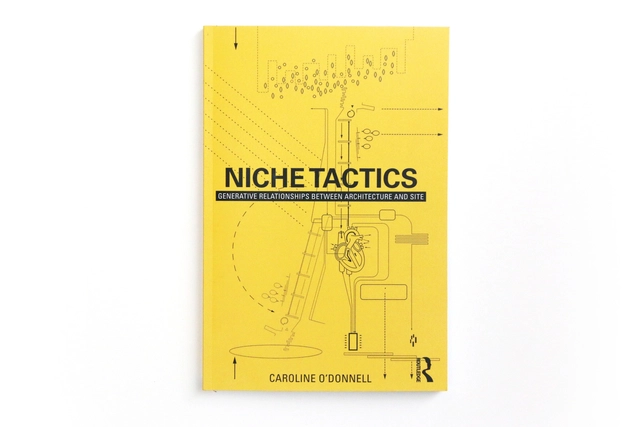
The question of context is among the most discussed issues in architecture theory, and has only become more complex and controversial as globalization has added yet another layer to the debate. In her new book "Niche Tactics: Generative Relationships Between Architecture and Site," Caroline O'Donnell takes a long look at the idea of context as it relates to a project's surroundings. In this excerpt from the book's introduction, O'Donnell looks at the history of theories related to context, from Vitruvius to Koolhaas, elaborating on the difference between working "in" the site, as opposed to merely "on" it.

The Architectural Soap-Bubble

Architecture’s unlikely yet persistent reluctance to engage fundamentally with issues of context can most notably be traced to Le Corbusier’s renowned comparison of architecture and the soap-bubble. “This bubble,” he famously postulated, “is perfect and harmonious if the breath has been evenly distributed and regulated from the inside.”[1] This primacy of the interior was, despite their many differences, shared by modern architects, amongst whom, as contextualist Thomas Schumacher has noted, “few... would have allowed that the outside surface ought to determine the interior distribution.”[2]

25 Free Architecture Books You Can Read Online

Subscriber Access | 

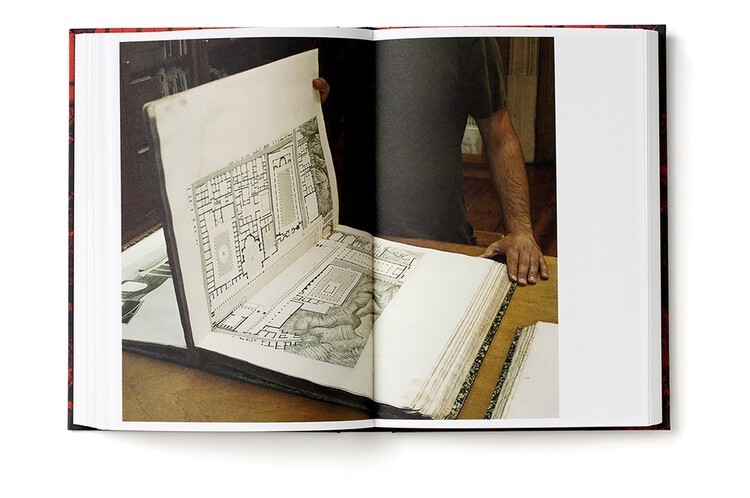
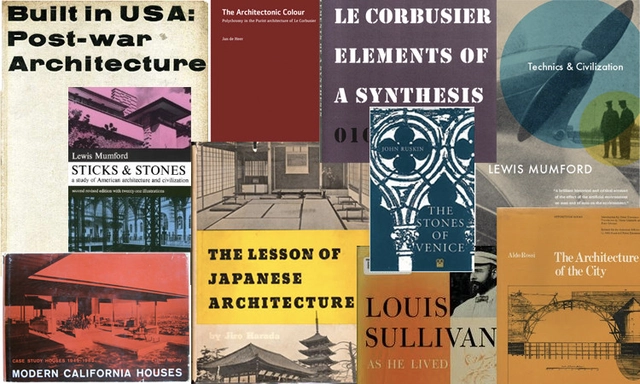
If you don't have access to an architecture library (and even if you do), sifting through shelves can take hours. Buying books can be even more painful — for your wallet, at least. Instead, why not browse this list of 25 books that are all free and easily accessible online? Some are well-known classics of architecture literature, but we hope you find a few surprises as well.