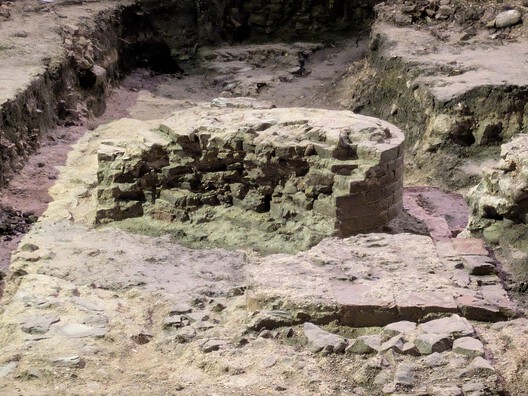
Archaeological excavations in Fano, Italy, have revealed the basilica described by Vitruvius in De Architectura, a finding of major architectural significance, as it represents the only structure that can be attributed with certainty to the Roman architect. Identified during redevelopment works in Piazza Andrea Costa, the discovery provides rare physical evidence of Vitruvian theory translated into built form and offers new insights into Roman architectural design, proportions, and construction practices. The announcement was made during a press conference at the Montanari Media Library, attended by representatives of local, regional, and national institutions, including Italy's Minister of Culture Alessandro Giuli.
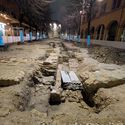
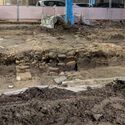
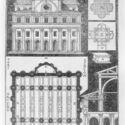
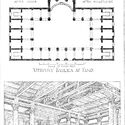
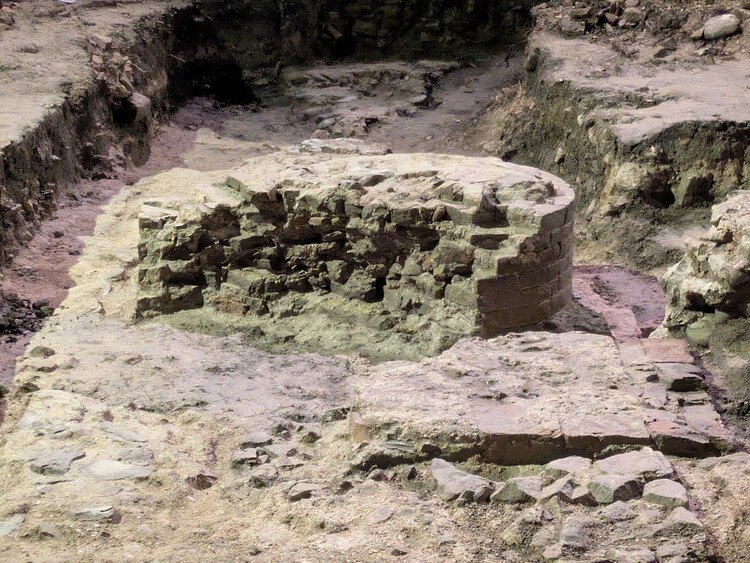
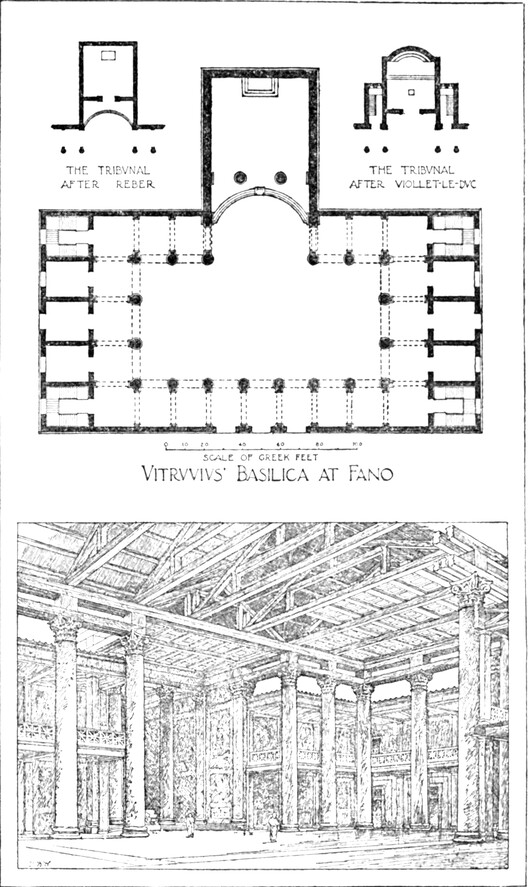
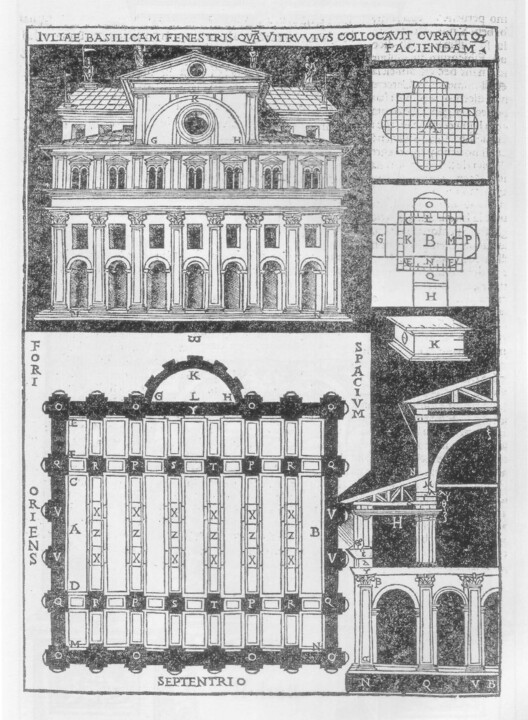
The basilica offers an opportunity to directly compare Vitruvius' textual descriptions with archaeological reality. The building is defined by a rectangular plan articulated by a perimeter colonnade, with eight columns along the long sides and four along the short sides. The final identification was confirmed through the discovery of a corner column, which established the structure's exact orientation and position within the urban fabric between two adjacent public squares. The columns measure approximately five Roman feet in diameter (147–150 centimeters) and are estimated to have reached a height of around 15 meters, supported by a system of pillars and pilasters designed to carry an upper level.
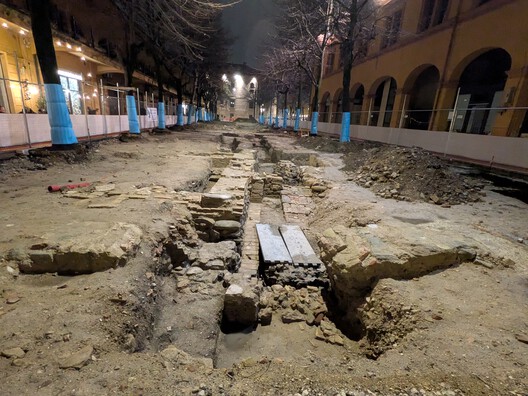
A detailed planimetric reconstruction based on De Architectura corresponds with the excavated remains to the centimeter, reinforcing the accuracy of Vitruvius' account and offering a rare case in which theory and construction can be read together. The findings contribute to a deeper understanding of Roman basilicas as civic and architectural types, shedding light on spatial hierarchy, structural systems, and the role of monumental public architecture within the city.
Related Article
David Chipperfield Architects Presents Plan to Restore and Enhance a Roman Theater in Brescia, ItalyThe discovery builds on a longer research process initiated years earlier. Excavations conducted in 2022 along Via Vitruvio revealed substantial wall structures and refined marble flooring, indicating the presence of high-status public buildings and anticipating the significance of the area. The confirmed location of the basilica also provides a new interpretative framework for previously known archaeological evidence in Fano, including structures beneath the Church of Saint Augustine, allowing for a more coherent reading of the city's Roman layers.
Regional and local authorities have emphasized the cultural and urban implications of the discovery, noting its potential to reposition Fano within broader discussions on classical architecture and heritage. Ongoing investigations are being carried out as part of the redevelopment of Piazza Andrea Costa, a project financed through Italy's National Recovery and Resilience Plan (PNRR), and are expected to further clarify the architectural, historical, and urban context of the Vitruvian Basilica.
In related news on Roman architecture, David Chipperfield Architects has unveiled a proposal to restore and enhance a Roman theater in Brescia, Italy. In the field of heritage conservation, the United Nations' Africa Hall restoration project in Ethiopia has received the 2026 World Monuments Fund/Knoll Modernism Prize, while Ubani — Tbilisi Cityscape Research Center has released Kala, the first publication in its new Guide to Tbilisi Districts series, offering an in-depth architectural and urban analysis of one of the Georgian capital's oldest neighborhoods.