1. ArchDaily
  2. Visual Arts

Visual Arts: The Latest Architecture and News

Recasting Cultural Infrastructure: On AAU Anastas’s Aga Khan Award–Winning Wonder Cabinet

Subscriber Access | 

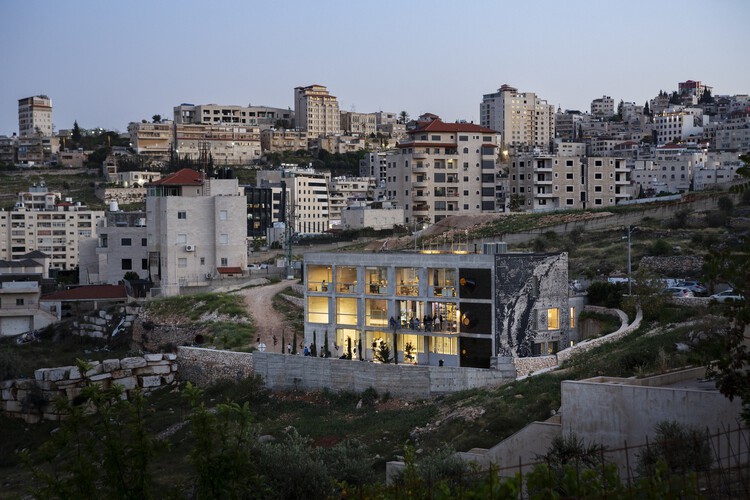
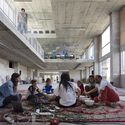
Among the 2025 Aga Khan Award winners is AAU Anastas and their project, Wonder Cabinet in Palestine, whose central aim is to serve as a haven for culture and creativity and a bridge between design and production. Beyond this meaningful project, AAU Anastas—working from offices in Bethlehem, Palestine, and Paris, France—has built a broad portfolio since 2015. Notable works include Dar Al Majous, a restoration in Bethlehem that challenges the boundary between domestic and public realms; the Tulkarm Courthouse (2015), one of their first projects that redefined civicness and social gathering on a prominent corner site in Tulkarm; and The Flat Vault, a commercial intervention that adds a juxtaposed stone vault to an existing monastery shop associated with a church built in the 12th century by the Crusaders.

Among these compelling works, Wonder Cabinet likely drew the jury's attention not only for its refined execution and layered spatial complexity, but also for how it operates as a socially generative platform—dissolving the boundary between social infrastructure and architecture. Conceived to support culture, creativity, design, and production, the building aspires to host architects, designers, chefs, artisans, and sound and visual artists, among others. In no small way, it advances the spirit articulated by the 2025 judges, who characterized this cycle as a year of fostering resilience and optimism through design, by demonstrating how architecture can catalyze community and enterprise simultaneously.
Recasting Cultural Infrastructure: On AAU Anastas’s Aga Khan Award–Winning Wonder Cabinet - Image 5 of 4Recasting Cultural Infrastructure: On AAU Anastas’s Aga Khan Award–Winning Wonder Cabinet - Image 2 of 4Recasting Cultural Infrastructure: On AAU Anastas’s Aga Khan Award–Winning Wonder Cabinet - Image 21 of 4Recasting Cultural Infrastructure: On AAU Anastas’s Aga Khan Award–Winning Wonder Cabinet - Image 3 of 4Recasting Cultural Infrastructure: On AAU Anastas’s Aga Khan Award–Winning Wonder Cabinet - More Images+ 17

Qatar Foundation Launches New Museum Dedicated to M. F. Husain in Doha’s Education City

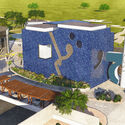
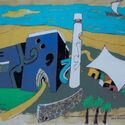
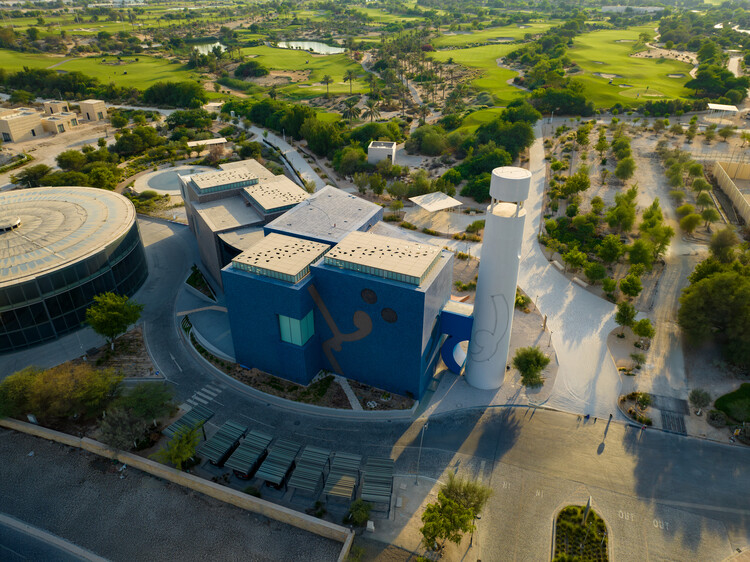
On November 28, 2025, Qatar Foundation will launch Lawh Wa Qalam: M. F. Husain Museum, a new addition to Qatar's cultural landscape dedicated to the life and work of artist Maqbool Fida Husain. The museum will be the world's first institution to trace Husain's artistic journey from the 1950s to his death in 2011, offering an immersive experience in a building drafted by the artist himself. The permanent exhibition will include paintings, films, tapestry, photography, poetry, and installations, presented through multimedia storytelling. Covering more than 3,000 square meters, the museum aims to foster creativity and dialogue, serving as a new space for learning and exploration within Qatar Foundation's Education City in Doha. The initiative adds to a campus that houses educational and research institutions designed by architects such as Arata Isozaki, Rem Koolhaas, and Antoine Predock, as well as firms like Legorreta + Legorreta and Mangera Yvars Architects.

Qatar Foundation Launches New Museum Dedicated to M. F. Husain in Doha’s Education City - Image 1 of 4Qatar Foundation Launches New Museum Dedicated to M. F. Husain in Doha’s Education City - Image 2 of 4Qatar Foundation Launches New Museum Dedicated to M. F. Husain in Doha’s Education City - Image 3 of 4Qatar Foundation Launches New Museum Dedicated to M. F. Husain in Doha’s Education City - Image 4 of 4Qatar Foundation Launches New Museum Dedicated to M. F. Husain in Doha’s Education City - More Images+ 1

From Favela to the World: The Story Behind the Lá da Favelinha Cultural Center

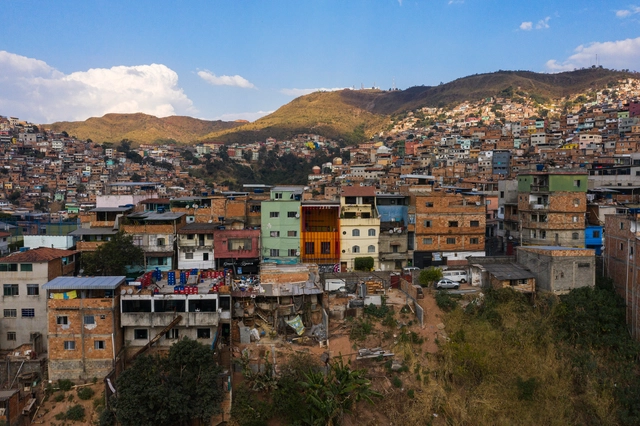
In Belo Horizonte’s Aglomerado da Serra, Brazil’s third-largest favela complex with 50,000 residents, the Lá da Favelinha Cultural Center stands out as a vibrant hub of art and education. Founded in 2015 by the multifaceted artist Kdu do Anjos, the striking red building that stands out in the outskirts has gained recognition in both national and international architectural circles, earning several prestigious awards Yet, the recent renovation by Coletivo LEVANTE—honored as one of the Best New Architectural Practices of 2024—represents far more than vivid colors and bold design. It symbolizes the creativity and potential of the community itself. As a space for support and inspiration, Lá da Favelinha reflects a collective, democratic vision that merges the community’s dreams with the dedication of its founders.

From Favela to the World: The Story Behind the Lá da Favelinha Cultural Center - Image 4 of 4From Favela to the World: The Story Behind the Lá da Favelinha Cultural Center - Image 1 of 4From Favela to the World: The Story Behind the Lá da Favelinha Cultural Center - Image 5 of 4From Favela to the World: The Story Behind the Lá da Favelinha Cultural Center - Image 2 of 4From Favela to the World: The Story Behind the Lá da Favelinha Cultural Center - More Images+ 15

Narratives on the Precariousness of the Built Environment: Architectural Themes at the 2024 Whitney Biennial

Subscriber Access | 

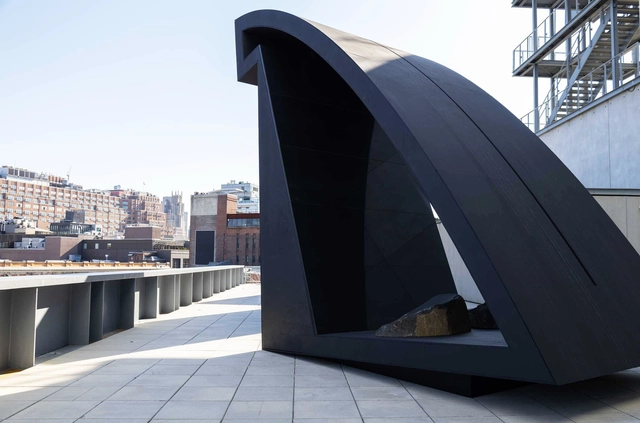
Art can be a catalyst for architects to see the built environment through a different lens. It provides a unique opportunity to delve into the viewpoints of trained architects who have transitioned into the visual arts and artists who explore cities and their inner workings through their personal stories.

Located in New York City, the Whitney Biennial is considered the most important and longest-running survey of contemporary art in the United States. Along with the Venice Biennale, it is considered one of the world's most important recurring art exhibitions. This year's theme, "Even Better Than the Real Thing," delves into concepts of identity and bodily autonomy, amplifying the voices of those historically marginalized. This includes looking at stories that study the connection between personal narratives and growing feelings of precariousness surrounding the constructed world. These are artists from this year's Whitney Biennial touching on topics related to architecture and cities.

Narratives on the Precariousness of the Built Environment: Architectural Themes at the 2024 Whitney Biennial - Image 1 of 4Narratives on the Precariousness of the Built Environment: Architectural Themes at the 2024 Whitney Biennial - Image 2 of 4Narratives on the Precariousness of the Built Environment: Architectural Themes at the 2024 Whitney Biennial - Image 3 of 4Narratives on the Precariousness of the Built Environment: Architectural Themes at the 2024 Whitney Biennial - Image 4 of 4Narratives on the Precariousness of the Built Environment: Architectural Themes at the 2024 Whitney Biennial - More Images

BIG Designs Immersive Set Design for the World Tour of WhoMadeWho

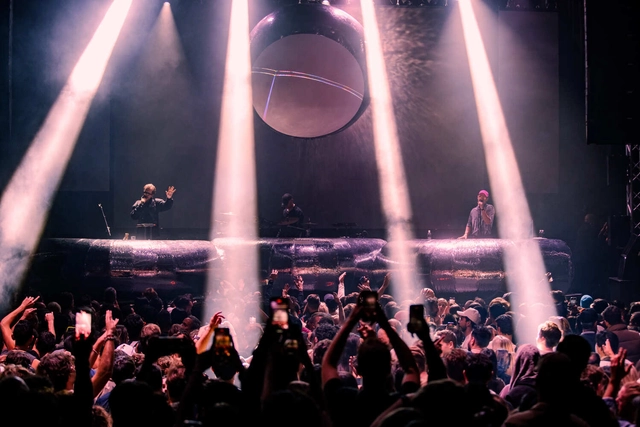
Architecture group BIG has unveiled the new stage design for the world tour of the Danish band WhoMadeWho. With visuals developed in collaboration with flora&faunavisions, EyeMix Studio, and Christopher Mulligan, the design features an inflatable sphere created to become a canvas for the three-dimensional video projections that contribute to the concert experience. The tour kicked off on November 2023 and will reach several cities around the world, including Paris, Madrid, Berlin, Istanbul, New York City, Los Angeles, Santiago de Chile, London as well as the band’s hometown, Copenhagen.

BIG Designs Immersive Set Design for the World Tour of WhoMadeWho - Image 1 of 4BIG Designs Immersive Set Design for the World Tour of WhoMadeWho - Image 2 of 4BIG Designs Immersive Set Design for the World Tour of WhoMadeWho - Image 5 of 4BIG Designs Immersive Set Design for the World Tour of WhoMadeWho - Image 3 of 4BIG Designs Immersive Set Design for the World Tour of WhoMadeWho - More Images+ 10

"Visualizations Always Start with the Story": An Interview with Visual Artist Ceren Arslan

Beyond hyper-realistic renders and accurate depictions of what projects look like once completed, visualizations have become tools to communicate atmospheres and emotions portrayed by architects. The use of mixed media, combined with architectural compositions, art, lighting, and oftentimes music, have generated a new genre of architectural storytelling, one that combines reality with imagination. And as the world immerses in NFT's and experimenting with cutting-edge technologies to create digital environments, visualizations might soon become "the new reality". 

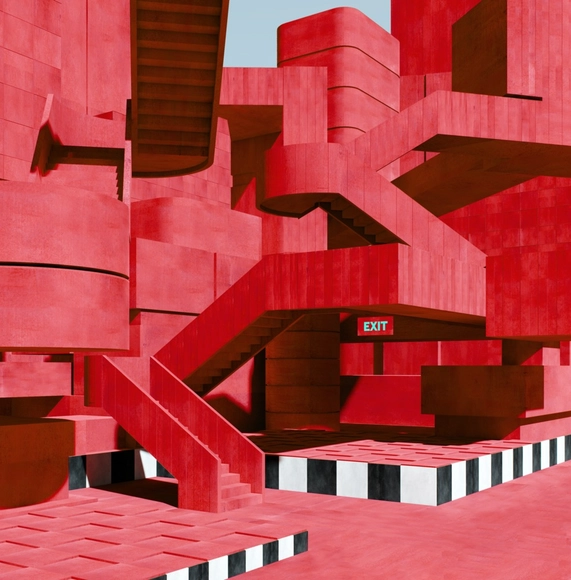
ArchDaily had the opportunity to talk to Visual Artist Ceren Arslan about branching out from the architecture practice, how she describes her creative process, her latest project EXIT, and what the future holds for architectural visualizations.

"Visualizations Always Start with the Story": An Interview with Visual Artist Ceren Arslan - Image 1 of 4"Visualizations Always Start with the Story": An Interview with Visual Artist Ceren Arslan - Image 2 of 4"Visualizations Always Start with the Story": An Interview with Visual Artist Ceren Arslan - Image 3 of 4"Visualizations Always Start with the Story": An Interview with Visual Artist Ceren Arslan - Image 4 of 4Visualizations Always Start with the Story: An Interview with Visual Artist Ceren Arslan - More Images+ 10

The Art of Visual Communication: 12 Tips for Creating Powerful Mood Boards

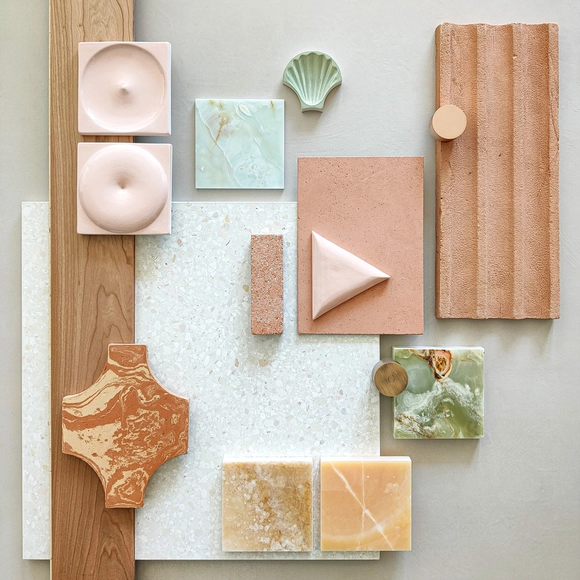
Design projects rely heavily on visual tools that illustrate the project's features and overall atmosphere, and whether you are an architect, interior designer, furniture designer, or engineer, the term 'mood board' has definitely come up at some point during the early stages of the design process. Generally speaking, images have immense powers of influencing and inspiring their viewers, so putting together a powerful mood board can be a game changer for the architect, the visual artist, and the clients, and can amplify the project's story telling process. So what is a mood board and how can you create one?

The Art of Visual Communication: 12 Tips for Creating Powerful Mood Boards - Image 1 of 4The Art of Visual Communication: 12 Tips for Creating Powerful Mood Boards - Image 2 of 4The Art of Visual Communication: 12 Tips for Creating Powerful Mood Boards - Image 3 of 4The Art of Visual Communication: 12 Tips for Creating Powerful Mood Boards - Image 4 of 4The Art of Visual Communication: 12 Tips for Creating Powerful Mood Boards - More Images+ 5

Snøhetta Selected to Design the New Visual Identity for the Open-Source Platform Wikipedia

The Wikimedia Foundation selected multidisciplinary firm Snøhetta to develop the new brand identity for Wikipedia, its free open platform. Aiming to create visuals that push forward Wikimedia’s international commitment to “setting knowledge free”, the process will be entirely documented.

Persian Palaces Meet Contemporary Landmarks in Forouzanfar's Retrofuturism Series

Subscriber Access | 

There is often a debate on whether architects and engineers should restore old buildings and preserve what is still standing as a token of the past, or completely demolish them and introduce contemporary designs and features. In Iran, the remains of historic monuments, some of which are World Heritage Sites, have yet to know their fate, as restoration strategies remain uncertain.

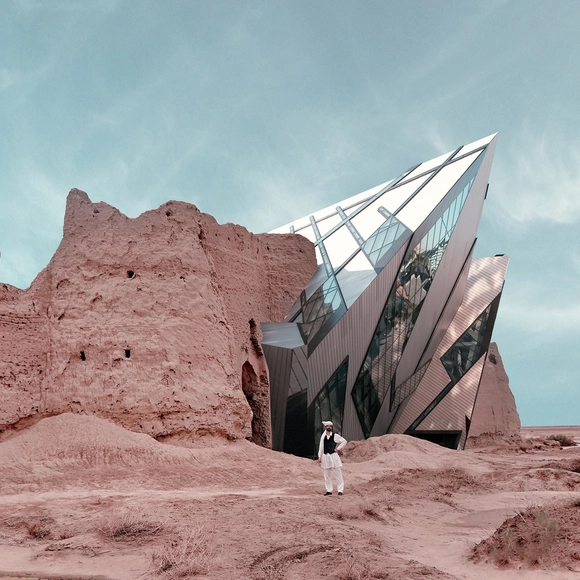
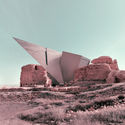
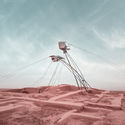
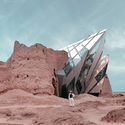
As part of his Retrofuturism series, Iranian architect Mohammad Hassan Forouzanfar selected a few pre-Islamic castles across Persian towns, and merged them with contemporary landmarks, bringing about a new definition of architectural restoration.

Persian Palaces Meet Contemporary Landmarks in Forouzanfar's Retrofuturism Series  - Image 2 of 4Persian Palaces Meet Contemporary Landmarks in Forouzanfar's Retrofuturism Series  - Image 3 of 4Persian Palaces Meet Contemporary Landmarks in Forouzanfar's Retrofuturism Series  - Featured ImagePersian Palaces Meet Contemporary Landmarks in Forouzanfar's Retrofuturism Series  - Image 4 of 4Persian Palaces Meet Contemporary Landmarks in Forouzanfar's Retrofuturism Series  - More Images+ 5

SO-IL and BCJ’s Davis Museum of Art through the Animated Lens of Another :

Subscriber Access | 

The Jan Shrem and Maria Manetti Shrem Museum of Art by SO-IL and Bohlin Cywinski Jackson is the first contemporary arts museum for the University of California and the city of Davis. The museum’s signature element is the grand canopy that stretches over the surrounding site and building.

Creative duo another : have collaborated with music composer Yu Miyashita and released a short film that explores the geometric composition of the museum's structure in an exceptional way.