1. ArchDaily
  2. multidisciplinary

multidisciplinary: The Latest Architecture and News

Louisiana Museum of Modern Art Opens Memoryscapes Exhibition Exploring the Design Methodologies of ATTA and DnA

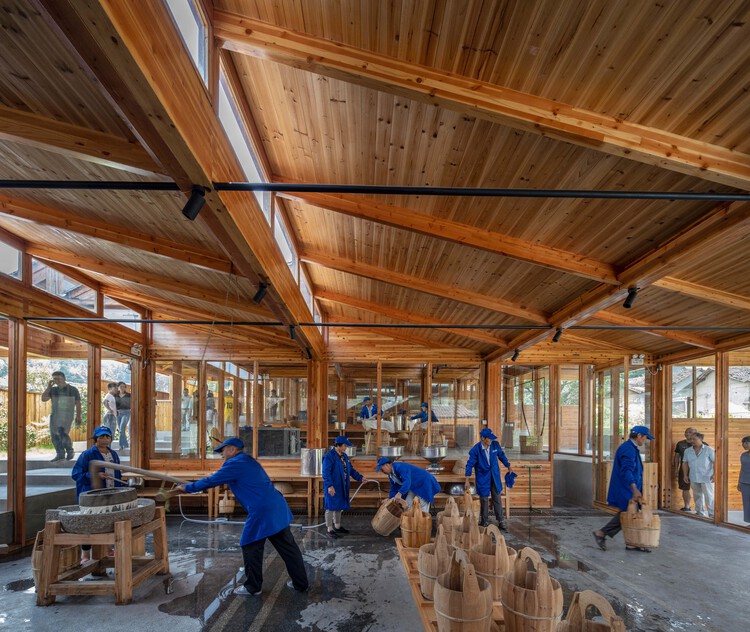
The Louisiana Museum of Modern Art will inaugurate, on January 22, 2026, the second exhibition in its Architecture Connecting series, focusing on the discipline's relationship with science and research across a wide range of fields, including biology, neuroscience, and anthropology. The first exhibition in the series, Living Structures (2024–2025), featured ecoLogicStudio, Atelier LUMA, and Jenny Sabin Studio, highlighting their work at the intersection of algorithms and nature and their development of methods that re-evaluate sustainable architecture and climate considerations. This second exhibition, titled Memoryscapes, explores the memories, stories, and traditions informing the working methodologies of Xu Tiantian's DnA_Design and Architecture (Beijing) and ATTA – Atelier Tsuyoshi Tane Architects (Paris).

Louisiana Museum of Modern Art Opens Memoryscapes Exhibition Exploring the Design Methodologies of ATTA and DnA - Image 1 of 4Louisiana Museum of Modern Art Opens Memoryscapes Exhibition Exploring the Design Methodologies of ATTA and DnA - Image 2 of 4Louisiana Museum of Modern Art Opens Memoryscapes Exhibition Exploring the Design Methodologies of ATTA and DnA - Image 3 of 4Louisiana Museum of Modern Art Opens Memoryscapes Exhibition Exploring the Design Methodologies of ATTA and DnA - Image 4 of 4Louisiana Museum of Modern Art Opens Memoryscapes Exhibition Exploring the Design Methodologies of ATTA and DnA - More Images

Slow Pavilions, Chapel Retold, and More: 6 Key Highlights From the First Copenhagen Architecture Biennial

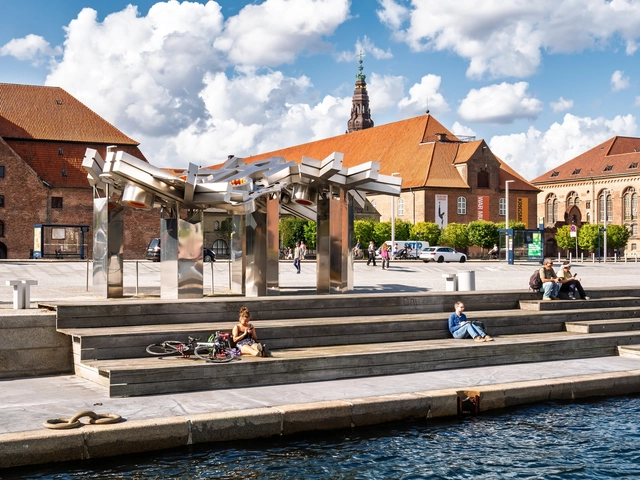
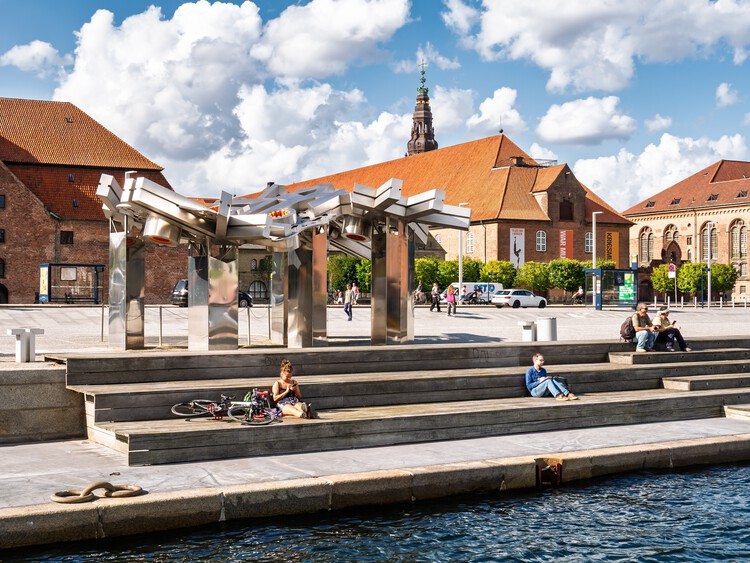
The first edition of the Copenhagen Architecture Biennial opened on September 18 and will run until October 19, under the theme "Slow Down." Organized by CAFx (Copenhagen Architecture Forum), the new platform evolves from the city's previous annual festival into a broader international biennial for architectural dialogue and exchange. Led by Josephine Michau, the event seeks to create space for reflection on architecture's role in shaping societies and the environment. The chosen theme, Slow Down, invites participants to reconsider the pace of transformation in the built environment in response to global pressures such as rapid urbanization, resource consumption, and climate change.
During the opening days, ArchDaily announced the 2025 Next Practices Awards, and throughout the month, the Biennial presents more than 250 events, ranging from exhibitions and talks to performances and guided tours. Highlights include contributions from Danish practices such as Adept with Fast City/Slow Architecture and Lendager with Living Lab, alongside international participants like Atelier Bow-Wow and Rem Koolhaas.

Slow Pavilions, Chapel Retold, and More: 6 Key Highlights From the First Copenhagen Architecture Biennial - Image 1 of 4Slow Pavilions, Chapel Retold, and More: 6 Key Highlights From the First Copenhagen Architecture Biennial - Image 2 of 4Slow Pavilions, Chapel Retold, and More: 6 Key Highlights From the First Copenhagen Architecture Biennial - Image 3 of 4Slow Pavilions, Chapel Retold, and More: 6 Key Highlights From the First Copenhagen Architecture Biennial - Image 4 of 4Slow Pavilions, Chapel Retold, and More: 6 Key Highlights From the First Copenhagen Architecture Biennial - More Images+ 55

Choreographing Space: Architecture and Dance as Interdisciplinary Practices

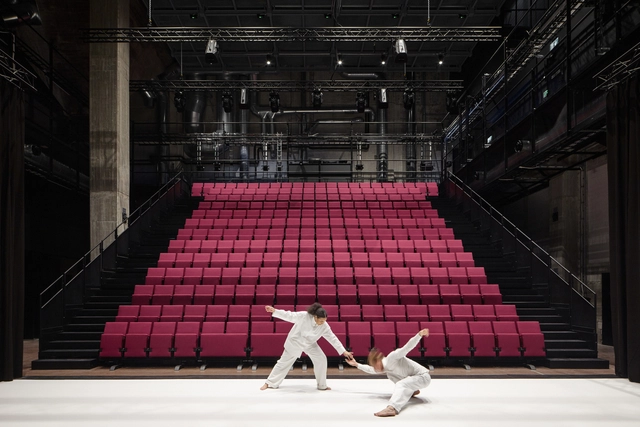
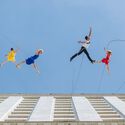
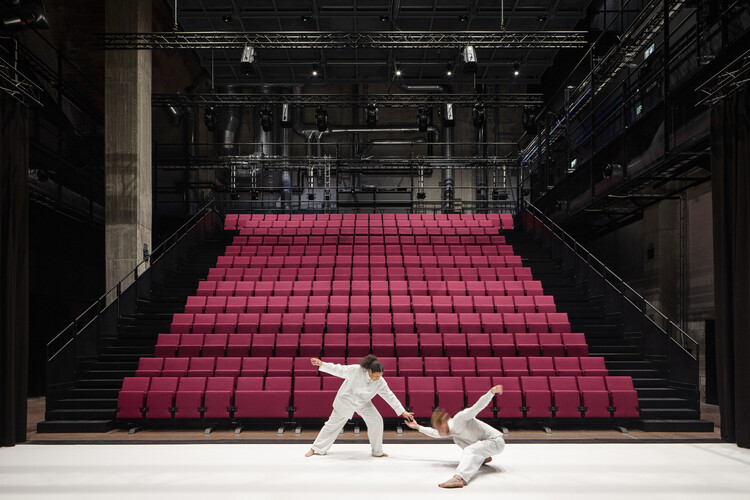
"Dance, dance… otherwise we are lost." This oft-cited phrase by Pina Bausch encapsulates not only the urgency of movement, but its capacity to reveal space itself. In her choreographies, space is never a neutral backdrop, it becomes a partner, an obstacle, a memory. Floors tilt, chairs accumulate, walls oppress or liberate. These are architectural conditions, staged and contested through the body. What Bausch exposes — and what architecture often forgets — is that space is not simply built, it is performed. Her work invites architects to think not only in terms of materials and forms, but of gestures, relations, and rhythms. It suggests that architecture, like dance, is ultimately about how we inhabit, structure, and emotionally charge the spaces we move through.

Historically, architecture and dance have operated in parallel, shaping human experience through the body's orientation in space and time. From the choreographed rituals of classical temples to the axial logics of Baroque palaces, built space has always implied movement. The Bauhaus took this further, as Oskar Schlemmer's Triadic Ballet visualized space as a geometric extension of the body. This was not scenery, but spatial thinking made kinetic. In the 20th century, choreographers like William Forsythe and Anne Teresa De Keersmaeker integrated architectural constraints into their scores, while architects such as Steven Holl, Diller Scofidio + Renfro, and Toyo Ito designed buildings that unfold as spatial sequences, inviting movement, drift, and delay.

Choreographing Space: Architecture and Dance as Interdisciplinary Practices - Image 1 of 4Choreographing Space: Architecture and Dance as Interdisciplinary Practices - Image 2 of 4Choreographing Space: Architecture and Dance as Interdisciplinary Practices - Image 3 of 4Choreographing Space: Architecture and Dance as Interdisciplinary Practices - Image 4 of 4Choreographing Space: Architecture and Dance as Interdisciplinary Practices - More Images+ 35

First Copenhagen Architecture Biennial Opens With the Theme “Slow Down”

The first edition of the Copenhagen Architecture Biennial opens today and runs until October 19, transforming the city into a platform for architectural dialogue and exchange. Organised by CAFx (Copenhagen Architecture Forum), the new biennial expands on the former Copenhagen Architecture Festival, shifting from an annual format to a broader, more ambitious platform for architectural exploration. Led by Josephine Michau, CEO and Founder of CAFx and curator of the Danish Pavilion at the Venice Architecture Biennale 2023, the Biennial launches under the theme "Slow Down," reflecting on how societies can respond to the pressures of rapid population growth, resource consumption, and environmental challenges by rethinking the pace of change in the built environment. The theme builds on the concept of a "Great Deceleration," inviting participants to envision spaces that promote sustainability, longevity, and mindful engagement with the built environment.

First Copenhagen Architecture Biennial Opens With the Theme “Slow Down” - Image 1 of 4First Copenhagen Architecture Biennial Opens With the Theme “Slow Down” - Image 2 of 4First Copenhagen Architecture Biennial Opens With the Theme “Slow Down” - Image 3 of 4First Copenhagen Architecture Biennial Opens With the Theme “Slow Down” - Image 4 of 4First Copenhagen Architecture Biennial Opens With the Theme “Slow Down” - More Images+ 16

The (ab)Normal Vision: Bridging Disciplines to Redefine Contemporary Design

Named one of ArchDaily’s Best New Practices of 2024, (ab)Normal is redefining the boundaries of contemporary inspiration, architecture, and design. This Milan-based interdisciplinary studio, led by architects Mattia Inselvini, Davide Masserini, and Luigi Savio, aims to seamlessly merge architecture, product design, and creative direction into a cohesive practice. Founded in 2017 alongside Marcello Carpino, (ab)Normal's work spans various domains, including art, culture, design, interiors, and fashion. Their projects traverse multiple scales and formats, moving between the virtual and tangible, ephemeral and permanent, speculative and commercial, while integrating iconic elements with nods to popular culture and focusing on the implications of technological progress. Acting as Creative Director for the built environment, (ab)Normal operates across scales and formats, moving between the virtual and tangible, ephemeral and permanent, performative and static.

The (ab)Normal  Vision: Bridging Disciplines to Redefine Contemporary Design - Image 1 of 4The (ab)Normal  Vision: Bridging Disciplines to Redefine Contemporary Design - Image 2 of 4The (ab)Normal  Vision: Bridging Disciplines to Redefine Contemporary Design - Image 3 of 4The (ab)Normal  Vision: Bridging Disciplines to Redefine Contemporary Design - Image 4 of 4The (ab)Normal  Vision: Bridging Disciplines to Redefine Contemporary Design - More Images

Neuroscience and Architecture: Designing for the Human Experience

Subscriber Access | 

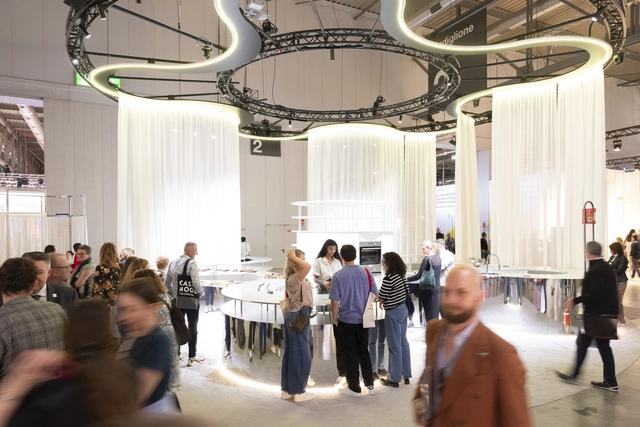
Designing for the human experience has been at the forefront of architect's intentions and motivations behind their work. While traditional processes prove beneficial, the industry is peering over boundaries to find opportunities for collaboration with other design and non-design fields. New approaches have emerged with collaborations between architects and service designers, or even psychologists, to create more human-centric spaces. A new intersection captures the attention of practitioners, especially with a recent installation at Salone de Mobile neuroarchitecture. ArchDaily breaks down the scope and potential for this new field with Federica Sanchez, architect and neuroscience researcher at Italian firm Lombardini22, responsible for revamping the Salone.

Neuroscience and Architecture: Designing for the Human Experience - Image 1 of 4Neuroscience and Architecture: Designing for the Human Experience - Image 2 of 4Neuroscience and Architecture: Designing for the Human Experience - Image 3 of 4Neuroscience and Architecture: Designing for the Human Experience - Image 4 of 4Neuroscience and Architecture: Designing for the Human Experience - More Images+ 1

Celebrating Creativity: We Design Beirut Announces Program Featuring Activations and Exhibitions Across the City

We Design Beirut, Lebanon’s four-day design experience will take place from May 23-26, 2024. This multidisciplinary event aims to showcase and celebrate design and creativity through a varied program, including showcases, installations, talks, and workshops. Founded by Mariana Wehbe in collaboration with industrial designer Samer Alameen, the event seeks to foster a global conversation on design and sustainability through programs in the fields of interior design, architecture, furniture, product design, functional art, ceramics, and home accessories.

Celebrating Creativity: We Design Beirut Announces Program Featuring Activations and Exhibitions Across the City - Image 1 of 4Celebrating Creativity: We Design Beirut Announces Program Featuring Activations and Exhibitions Across the City - Image 2 of 4Celebrating Creativity: We Design Beirut Announces Program Featuring Activations and Exhibitions Across the City - Image 3 of 4Celebrating Creativity: We Design Beirut Announces Program Featuring Activations and Exhibitions Across the City - Image 4 of 4Celebrating Creativity: We Design Beirut Announces Program Featuring Activations and Exhibitions Across the City - More Images+ 9

"The New World Exhibition": Zaha Hadid Architects Celebrates 15 Years Working in China

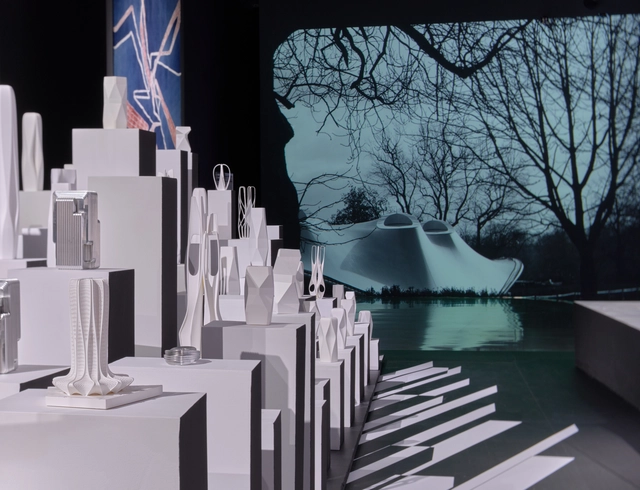
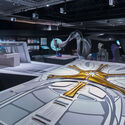
Zaha Hadid Architects (ZHA) celebrates their 15-year journey in China with an exhibition at the Guardian Art Center in Beijing. “The New World” highlights their work and research in the fields of architecture and urbanism. Moreover, it details the evolution of ZHA’s work since opening its first office in China. The exhibition showcases the studio’s approach to projects, with a heavy focus on their new digital design tools and technology.

"The New World Exhibition": Zaha Hadid Architects Celebrates 15 Years Working in China - Image 1 of 4"The New World Exhibition": Zaha Hadid Architects Celebrates 15 Years Working in China - Image 2 of 4"The New World Exhibition": Zaha Hadid Architects Celebrates 15 Years Working in China - Image 3 of 4"The New World Exhibition": Zaha Hadid Architects Celebrates 15 Years Working in China - Image 4 of 4The New World Exhibition: Zaha Hadid Architects Celebrates 15 Years Working in China - More Images+ 16

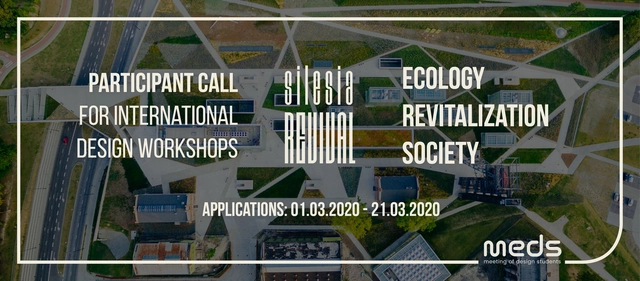
Participants Call for MEDS Silesia 2020

The 11th edition of MEDS workshop, held in the industrial region of Poland - Silesia, is now open for entries! Apply as a participant up to the 21st of March.

MEDS Workshop
“Meetings of Design Students” is an international workshop organized each summer in a different country. Every year it gathers around 200 participants associated with various fields of art, design, and architecture. In a span of two weeks, guided by experienced tutors, the participants create and construct group projects, getting in touch with different approaches to design and mastering their skills in a wide range of building techniques. Each project combines practical, educational and cultural aspects, creating a meaningful impact on the space and tackling both current issues, and long-standing local traditions.
Previous workshops have taken place in Turkey, Slovenia, Portugal, Ireland, Serbia, Romania, Belgium, Lebanon and Greece.

Snøhetta Selected to Design the New Visual Identity for the Open-Source Platform Wikipedia

The Wikimedia Foundation selected multidisciplinary firm Snøhetta to develop the new brand identity for Wikipedia, its free open platform. Aiming to create visuals that push forward Wikimedia’s international commitment to “setting knowledge free”, the process will be entirely documented.