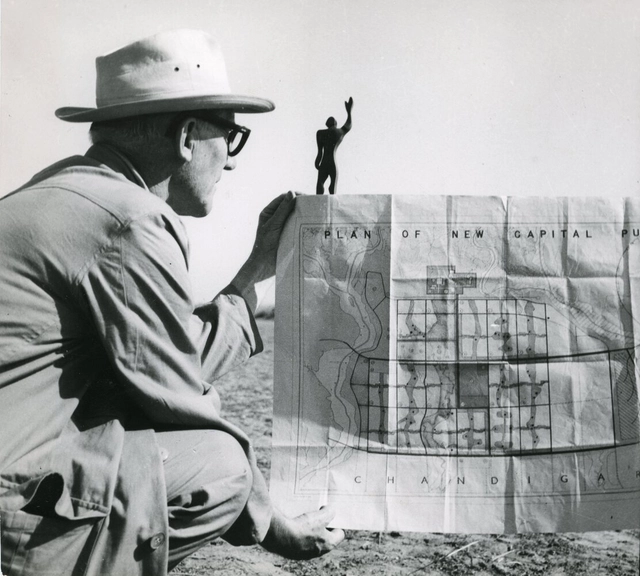
Courtesy of FDL, ADAGP 2014 | Le Corbusier in Chandigarh with the plan of the city and a model of the Modular Man, his universal system of proportion, 1951
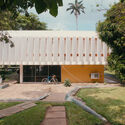
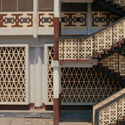
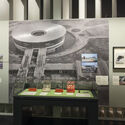
The Victoria & Albert Museum is set to present an expansive exhibition focused on Tropical Modernism, an architectural movement that emerged in the late 1940s. British architects Jane Drew and Maxwell Fry were instrumental in developing this approach, combining modernism’s functional goals with local climate adaptations in warm and humid weather. This movement, which embodies Britain's unique contribution to international modernism, evolved against a backdrop of anti-colonial resistance, blending colonial architectural principles with local needs.
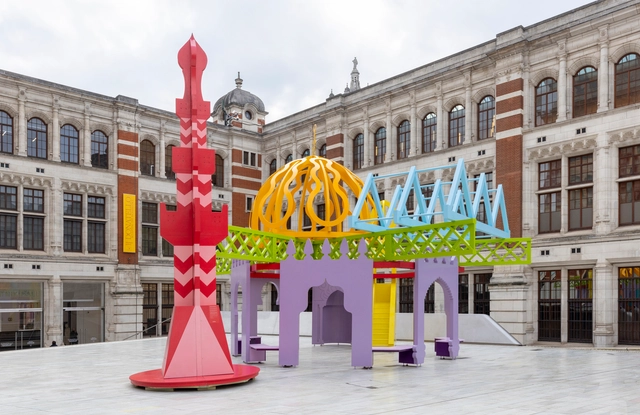
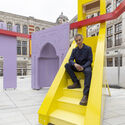
Ramadan Pavilion. Image Courtesy of Victoria & Albert Museum
Ramadan Tent Project and V&A present the Ramadan Pavilion 2023, an architectural installation inspired by the holy month of Ramadan, which starts today. The Ramadan Pavilion 2023 is designed by architect Shahed Saleem and will be open to the public at the Exhibition Road Courtyard of the V&A South Kensington until May 1, 2023. As part of the annual festival, the pavilion is accompanied by a series of events, performances, and workshops curated by the Ramadan Tent Project.
The first full-size London Design Festival (LDF) for three years, and the event’s 20th anniversary year, this was meant to be a celebration. But life, as the saying goes, had other plans. Rocked by the news of HRH Queen Elizabeth II’s passing, the country, and indeed the world started the London Design Festival in a period of mourning. Having reigned over the densest period of design innovation in human history, however, her majesty was no stranger to change.
With long-running themes like sustainability, materials, economic crises, and digital futures never higher in the public’s consciousness, LDF ’22 wasn’t just a professional meet and greet, but a chance to share some much-needed positivity with design enthusiasts, as well as locals, just passing by. Here are the most interesting and talked-about installations and talks from nine days of reflection on the past and hope for the future.
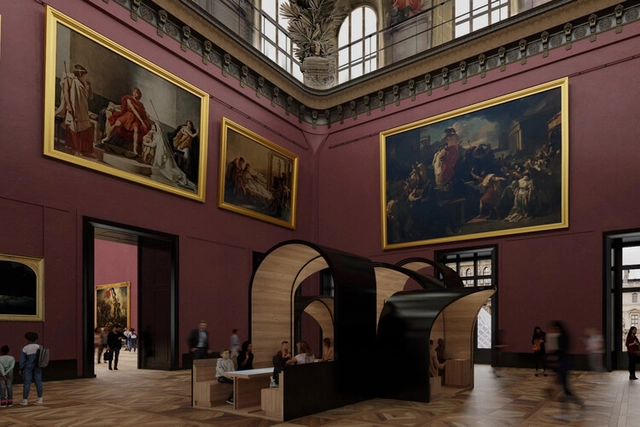
Louvre Museum Pavilions / France . Image Courtesy of Studio Malka Architecture
Housing objects of artistic, cultural, historical and scientific importance, the term ‘museum’ is derived from the Latin language. In regards to classical antiquity, in Ancient Greek ‘mouseion’, meaning ‘set of muses’ was a philosophical institution, a place for contemplation and thought. These muses refer to the 9 muses in Greek mythology, the goddesses of the arts and sciences, and patrons of knowledge. Early museums’ origins stem from private collections of wealthy families, individuals or institutions, displayed in ‘cabinets of curiosities’ and often temples and places of worship. Yet these ‘collections’ are predecessors of the modern museum, they did not seek to rationally categorize and exhibit their collections like the exhibitions we see today.
In definition, the modern museum is either a building or institution that cares for or displays a collection of numerous artifacts of cultural, historical, scientific or artistic importance. Through both permanent and temporary exhibits, most public museums make these artifacts available for viewing and often seek to conserve and document their collection, to serve both research and the general public. In essence, museums house collections of significance, whether these be on a small or large scale.
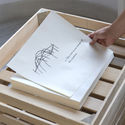
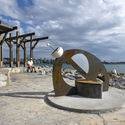
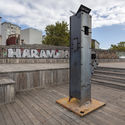
With an on-going digital and physical evolution, the 5th Istanbul Design Biennialtook a new approach. “Rather than focusing on the presentation of final results in a compressed period of time and space”, the global circumstances created the opportunity to present new projects on a longer period of time and in expanded spaces, offering not an exhibition but “a digital and research program with a series of permanent interventions in the city.”
Launched on October 15, 2020, the event brought together, with its new structure, different formats under the theme of Empathy Revisited. As the first part of the physical display has ended, ArchDaily had the chance to discuss with Mariana Pestana, architect and curator of the 5th Istanbul Design Biennial, the event and choice behind this year’s theme, the programs and the participants as well as the evolution of her approach due to the global circumstances.
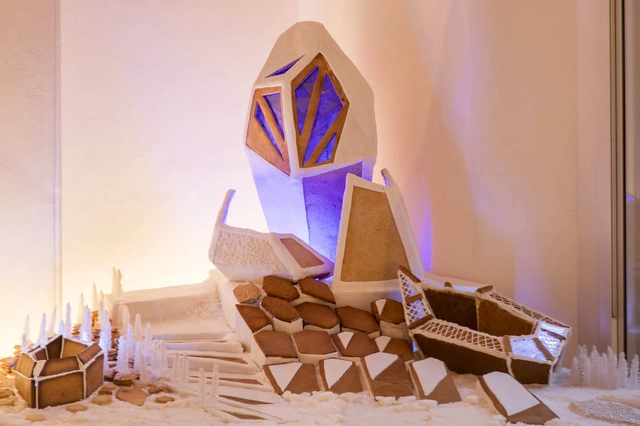
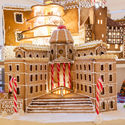
Leading London firms including Foster + Partners and Zaha Hadid Architects have joined together in festive spirit to create over 60 miniature gingerbread structures, forming a miniature edible city. The Gingerbread City baking initiative, curated by the London Museum of Architecture, will be on display in the Victoria & Albert Museum until January 6th, assuming it hasn’t been devoured.
As reported by The Daily Mail, the sugar-fueled city includes futuristic tower blocks, sports facilities, and a modern homeless shelter by Holland Harvey Architects. The architectural delights have been created using a mix of sweet ingredients including liquorice, Jelly Babies, and icing.
Diller Scofidio + Renfro has won an international competition for the design of a new V&A collection and research center to be located in the Queen Elizabeth Olympic Park in East London.
Mercer released their annual list of the Most Livable Cities in the World last month. The list ranks 231 cities based on factors such as crime rates, sanitation, education and health standards, with Vienna at #1 and Baghdad at #231. There’s always some furor over the results, as there ought to be when a city we love does not make the top 20, or when we see a city rank highly but remember that one time we visited and couldn’t wait to leave.
To be clear, Mercer is a global HR consultancy, and their rankings are meant to serve the multinational corporations that are their clients. The list helps with relocation packages and remuneration for their employees. But a company’s first choice on where to send their workers is not always the same place you’d choose to send yourself to.
And these rankings, calculated as they are, also vary depending on who’s calculating. Monocle publishes their own list, as does The Economist, so the editors at ArchDaily decided to throw our hat in as well. Here we discuss what we think makes cities livable, and what we’d hope to see more of in the future.
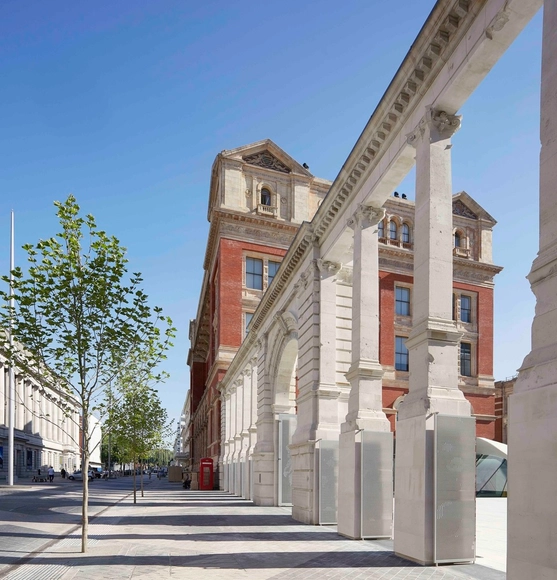
Tristram Hunt—director of London's Victoria and Albert Museum (V&A)—has expressed concern about one of the city's most successful semi-pedestrianized zones: Exhibition Road in the Royal Borough of Kensington and Chelsea. As reported by The Art Newspaper, Hunt has argued that the traffic arrangements are “confusing, dangerous and unsatisfactory”. His answer, following a traffic collision on October 7, 2017, which injured 11 people, is to fully pedestrianize the area.
https://www.archdaily.com/881299/are-part-pedestrianized-zones-in-dense-urban-environments-dangerousAD Editorial Team
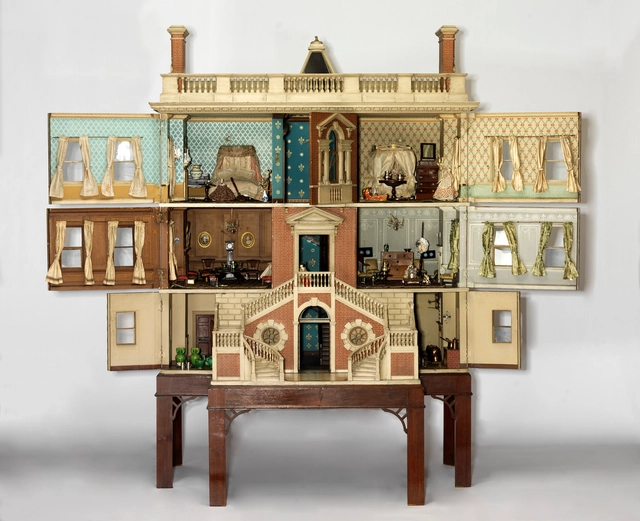
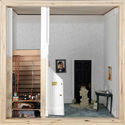
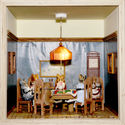
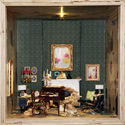
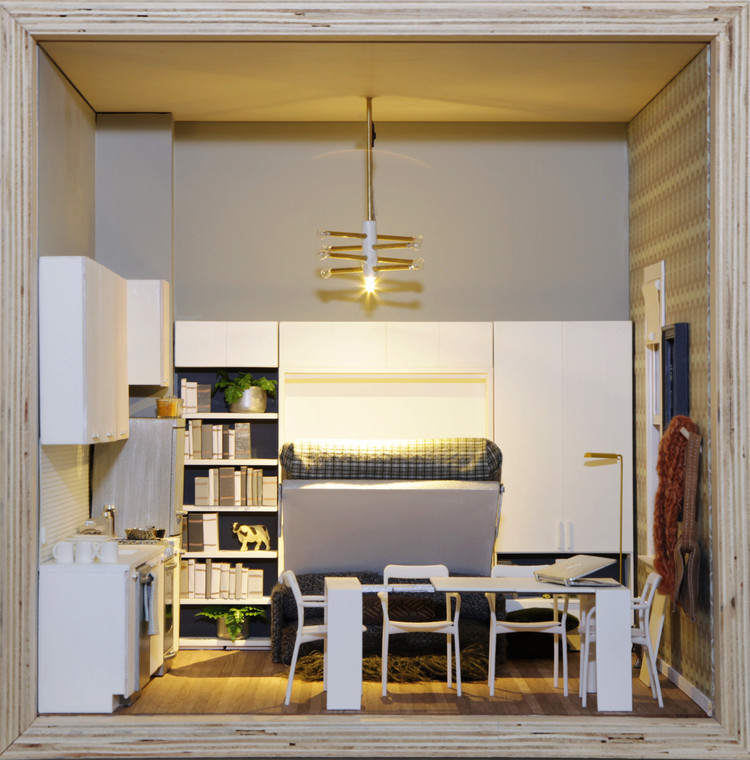
As part of a new exhibition at the National Building Museum in Washington D.C., twelve dollhouses tracing the history of British domesticity have been lent by London's Victoria & Albert Museum of Childhood. The show—Small Stories: At Home in a Dollhouse—spans 300 years and presents a miniature-sized, up-close-and-personal view of developments in architecture and design – from lavish country mansions, to an urban high-rise.
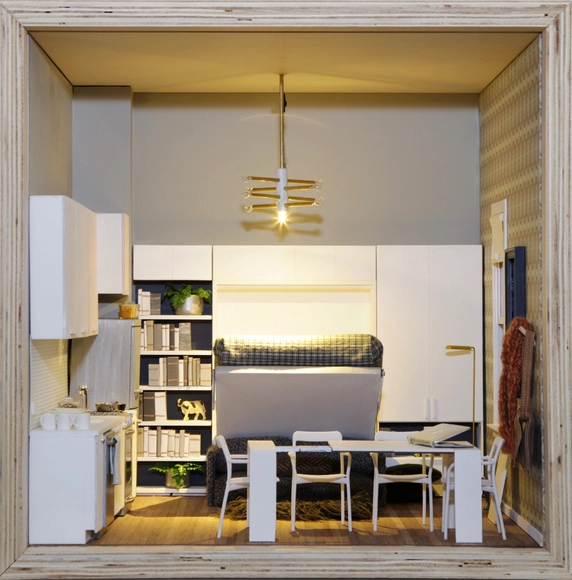
As part of a new exhibition at the National Building Museum in Washington D.C., a group of 24 American architects, designers and architects have been commissioned to create "dream homes" in the format of the contemporary dollhouse. Part of Small Stories: At Home in a Dollhouse, in which twelve historical dollhouses spanning the past 300 years from London's Victoria & Albert Museum of Childhood are being presented in the United States for the first time, these 21st Century interpretations intend to showcase a "diverse array of perspectives, demonstrating the limitless creativity of building in miniature."
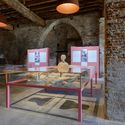
The Victoria & Albert Museum (V&A) has collaborated with La Biennale di Venezia on the Special Project Applied Arts Pavilion with an exhibition called A World of Fragile Parts. The project will examine threats faced by global heritage sites and how copies can act as an aid in the preservation of cultural artifacts.
“Climate change, natural disasters, urbanisation, mass tourism and neglect, as well as recent violent attacks have brought the risks faced by many heritage sites and cultural artefacts into public conversation," states the A World of Fragile Parts press release, outlining the concerns of the project. "Artists, activists and educational institutions are beginning to respond to the urgent need to preserve by exploring opportunities provided by digital scanning and new fabrication technologies. Several key questions emerge: What do we copy and how? What is the relationship between the copy and the original in a society that values authenticity? And how can such an effort be properly coordinated at a truly global and inclusive scale?”
The 2016 Venice Biennale will see the inaugural collaboration between La Biennale and London's Victoria & Albert Museum (V&A) with an exhibition located in the Sale d’Armi (Arsenale) entitled A World of Fragile Parts. The show aims to explore the threats facing the preservation of global heritage sites and how the production of copies can aid in the preservation of cultural artefacts.
https://www.archdaily.com/787177/londons-victoria-and-albert-museum-to-present-a-world-of-fragile-parts-in-2016-venice-biennaleAD Editorial Team
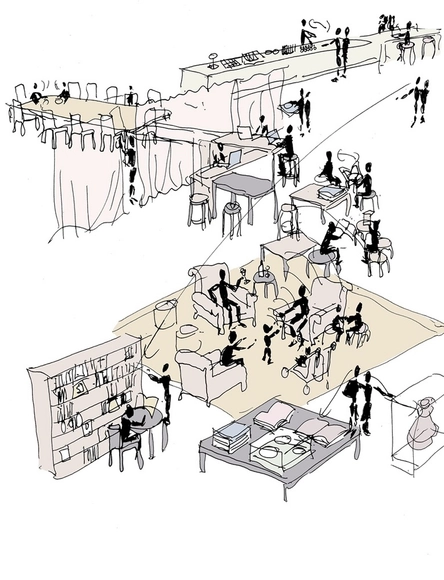
“We are delighted with the quality of the architects’ submissions," said V&A senior staff member David Bickle. "Carmody Groarke’s proposal created a stage not the performance, responding to our brief and the heritage of the Museum in a loose, relaxed, conversational way, creating a comfortable room for the Museum’s broad member constituencies and a framework for creative programming."
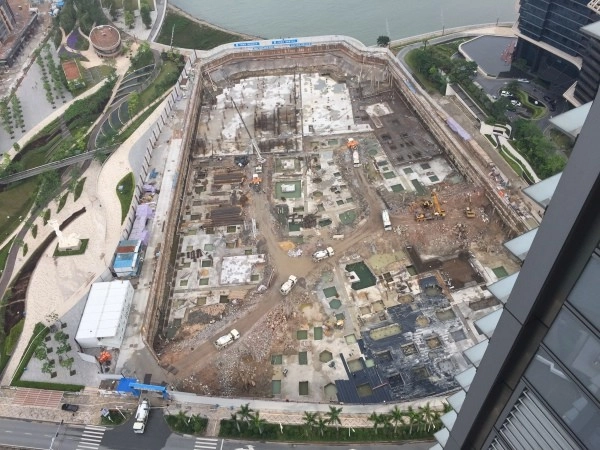
With the new Shekou Design Museum in Shenzhen edging ever nearer to its opening in 2017, the China Merchants Group and the Victoria and Albert Museum have begun the search for a Senior Curator, a Communication Specialist, and a Project Manager proficient in both Mandarin and English. The museum, which has been designed by Fumihiko Maki and is being directed by Ole Bouman, is slated to become "a place of wonders as well as an engine of new ideas." Located in Shekou, described as the cradle of China’s pioneering spirit, this new institution "has potential to become the platform for international design to enter China and the window for Chinese design to go global."
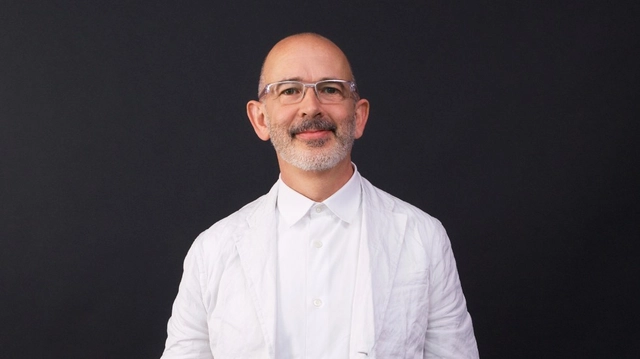
London's Victoria & Albert Museum have announced that David Bickle, formerly a partner at Hawkins\Brown, has been appointed as the new Director of Design, Exhibitions and FuturePlan. In this role Bickle will be responsible for the care and future development of the V&A’s buildings, as well as the presentation of all of the museum’s permanent collections and exhibitions. With the construction of Amanda Levete Architects' new addition on Exhibition Road underway - coupled with the V&A's plans for new exhibition spaces in Dundee, Scotland, and in East Stratford on the former site of the 2012 London Olympic Games - the museum is also in the process of helping to establishing a collection in Shenzhen.
The Victoria and Albert Museum (V&A), named after the Queen and Her Consort, has its foundations in the Great Exhibition of 1851 amidst the wealth, innovation and squalor of the Industrial Revolution. Britain was flooded by prosperity which allowed for the development of major new institutions to collect and exhibit objects of cultural significance or artistic value. The institute’s first director, Henry Cole, declared that it should be “a schoolroom for everyone,” and a democratic approach to its relationship with public life has remained the cornerstone of the V&A. Not only has it always been free of charge but it was also the first to open late hours (made possible by gas lighting), allowing a more comprehensive demographic of visitor.
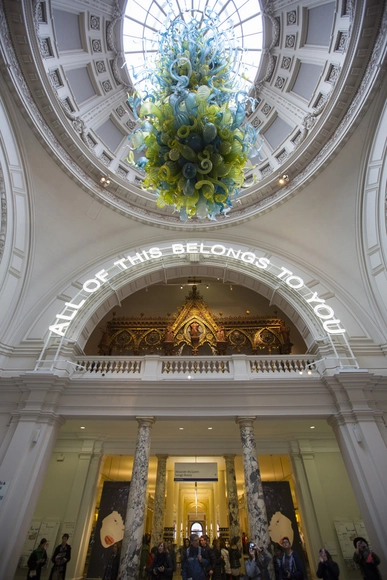
Their latest exhibition, which opens today, seeks to realign the museum’s vast collection and palatial exhibition spaces in South Kensington with these founding concepts. The interventions of All of This Belongs to You attempt to push the V&A’s position as an extension of London’s civic and cultural built environment to the fore, testing the museum’s ability to act as a 21st century public institution. To do this in London, a city where the notion of public and private is increasingly blurred, has resulted in a sequence of compelling installations which are tied together through their relevance either in subject matter, technique, or topicality.










.jpg?1652479150 "The Solomon R. Guggenheim Museum / New York . Image © Laurian Ghinitoiu")


.jpg?1609931383&format=webp&width=640&height=580)
.jpg?1609924103 "theOtherForest. Image © Kayhan Kaygusuz")
.jpg?1609931383)

.jpg?1526657351&format=webp&width=640&height=580)







Victoria_and_Albert_Museum__London.jpg?1462899945&format=webp&width=640&height=580)