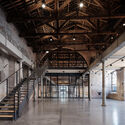
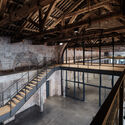
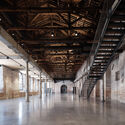
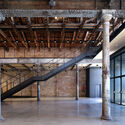
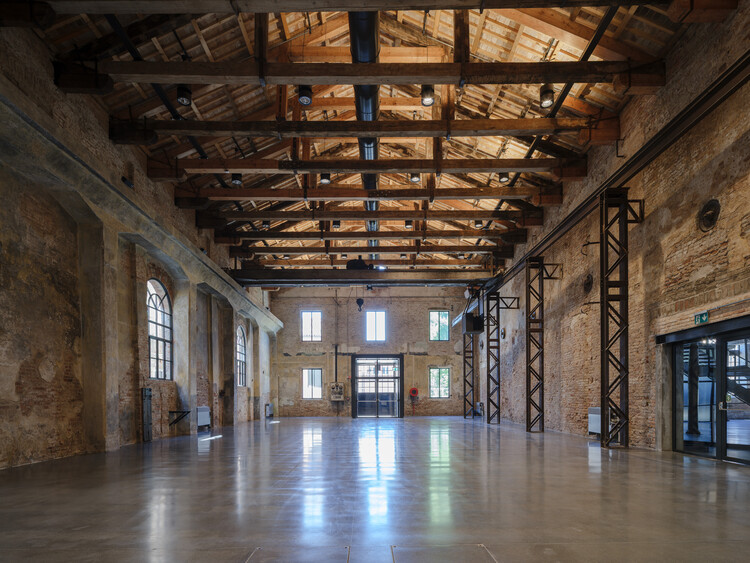
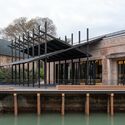
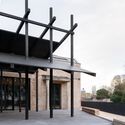
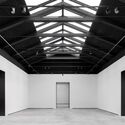
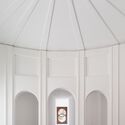
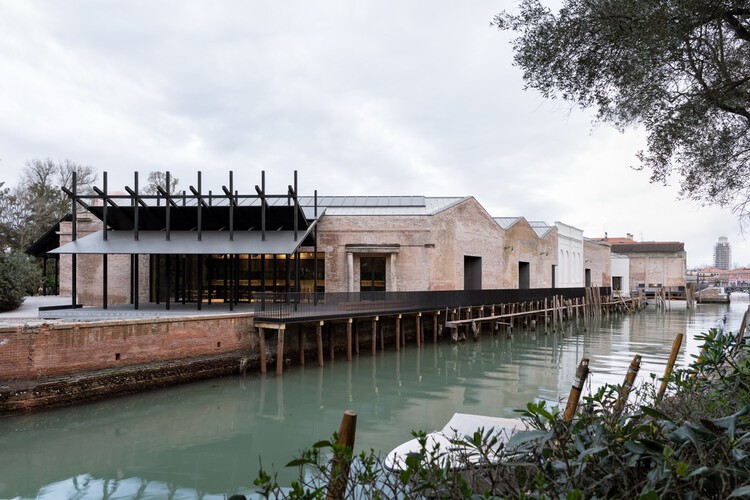
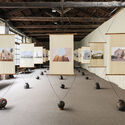
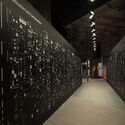
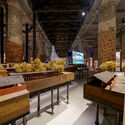
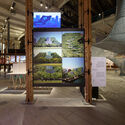
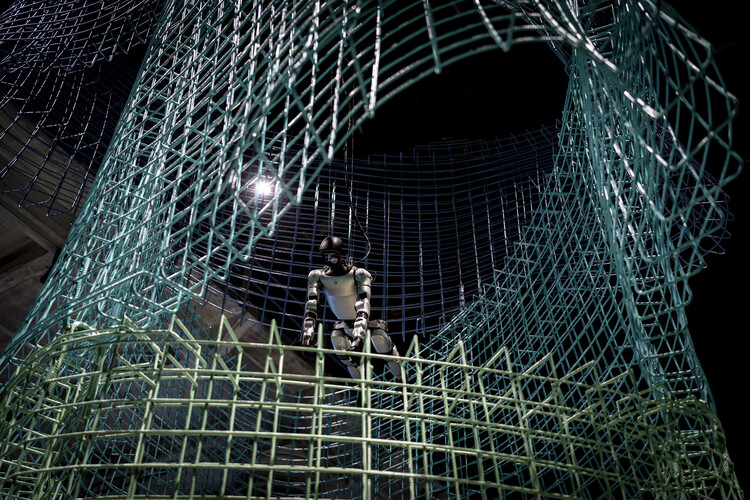
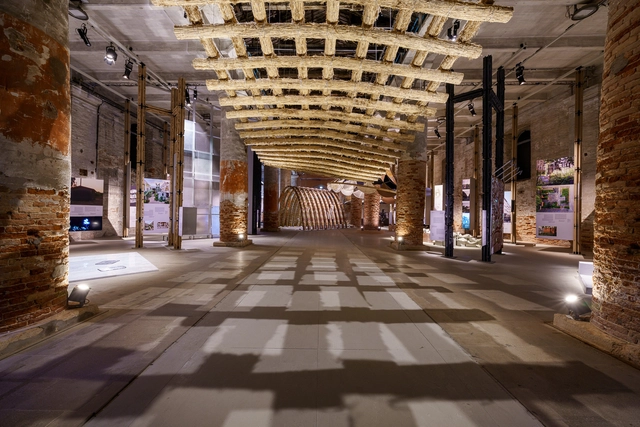
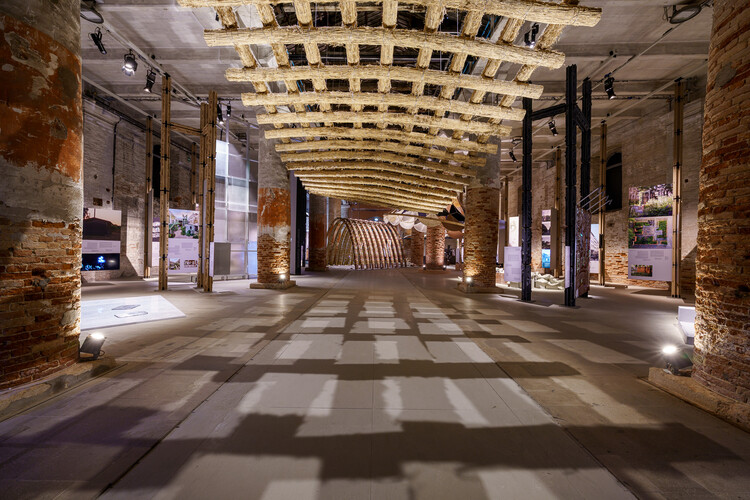
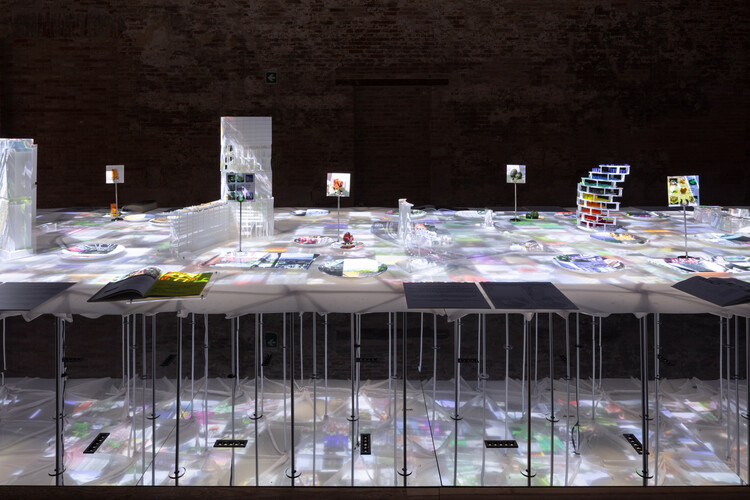
La Biennale di Veneziahas inaugurated the new home of its Historical Archive – International Centre for Research on Contemporary Arts at the Arsenale, relocating the institution's archival collections and research activities to a restored complex within one of its principal exhibition sites. The opening introduces a new permanent headquarters for the archive, bringing together facilities for conservation, research, public consultation, and cultural programming within the historic Arsenale. To mark the occasion, La Biennale organized a three-day program of performances, lectures, conversations, and public visits, highlighting the archive's role within the institution's broader ecosystem of exhibitions, festivals, and educational initiatives.
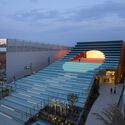
La Biennale di Venezia has unveiled the renovated Central Pavilion at the Giardini, completing a comprehensive intervention delivered between December 2024 and March 2026 as part of a broader national program to enhance cultural infrastructure. Funded by the Italian Ministry of Culture under the National Recovery and Resilience Plan (PNRR) and its complementary investment program (PNC), the project contributes to the development of a permanent hub for cultural production and exchange in Venice. The works form part of a wider initiative involving multiple sites associated with the Biennale, including the Giardini, the Arsenale, and other locations across the city, developed in coordination with local authorities and heritage institutions.
Each year, International Women's Day brings renewed attention to questions of gender within many professional fields, architecture among them. Public conversations often center on celebrating prominent figures or highlighting notable projects, moments that briefly illuminate the contributions of women within the discipline. Yet the visibility produced by these occasions sits within a longer and more complex trajectory. Over the past several decades, the architectural profession has undergone gradual shifts that have expanded opportunities and broadened participation, even as longstanding structures continue to shape how careers develop and how architectural work becomes visible.
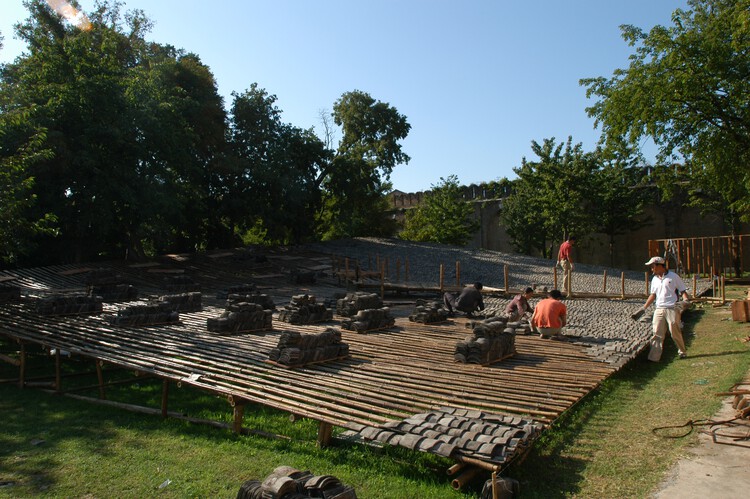
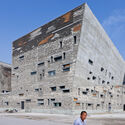
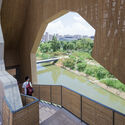
Lu Wenyu—co-founder of Amateur Architecture Studio with Pritzker laureate Wang Shu—has shaped many of the practice's most emblematic works across China, including the Ningbo History Museum and the Xiangshan Campus of the China Academy of Art in Hangzhou. Often working outside the spotlight, her leadership is unmistakable in the discipline of execution and the roles she has assumed: in 2003, together with Wang Shu, she established the Architecture Department at the China Academy of Art, where she also serves as Director of the Sustainable Construction Center. Her practice and teaching form a reciprocal loop: research conducted in studios at the China Academy of Art continually folds back into construction strategies on site, while lessons learned in the field return to the classroom as material intelligence rather than abstract theory.
Every architectural project is the result of deliberate choices. Beyond form and function, buildings embody technical, political, and cultural decisions that shape their relationship with both their surroundings and the people who inhabit them. ArchDaily’s AD Narratives series explores these processes by bringing together accounts that trace projects from initial conception to built realization. In parallel, the AD Classics series turns to works of historical significance, presenting not only the stories behind these buildings but also technical drawings that allow for a deeper, more informed reading of their architecture.
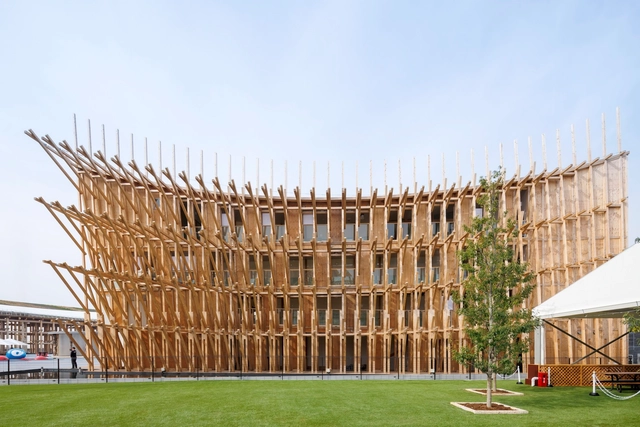
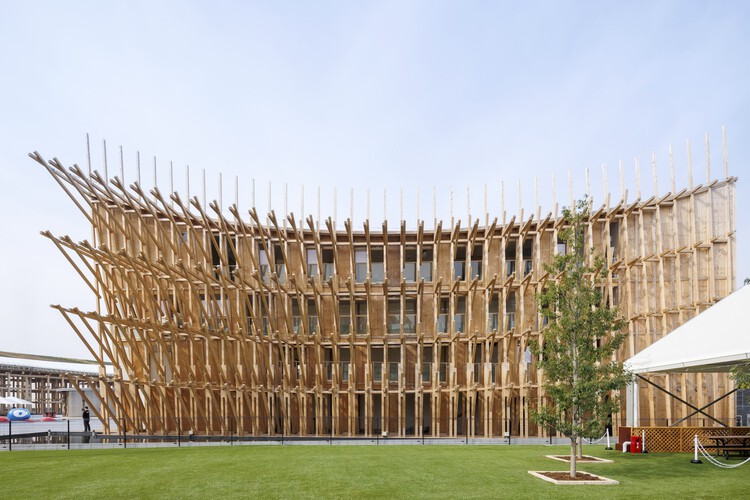
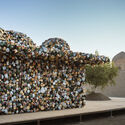
In a global landscape marked by accelerated change, 2025 emerged as a decisive year for architecture—not only because of the major events that animated the international circuit, but above all because of the voices that stood out within them. From the Venice Architecture Biennale to Expo Osaka, pavilions and installations from the Global South ceased to function as mere exhibition gestures and instead asserted themselves as territories of memory, resistance, and imagination, articulating narratives that expand the horizons of contemporary architectural debate.
Across these works, tradition and future move side by side: ancestral materials reappear in reimagined forms, historical wounds are given sensitive expression, and social urgency is translated into proposals that challenge established ways of building and inhabiting the world.
This past year marked a period of introspection for architecture. As 2025 unfolded, the discipline, confronted with evolving environmental and social realities, entered a broader turning point in how it understands its role and how users engage with it. Throughout the year, exhibitions shifted focus away from buildings as isolated objects toward a broader understanding of relationships between ecology, equity, everyday life, and collective imaginaries. Across institutions and cities, they operated less as showcases and more as discursive platforms: places where architecture was not only presented, but also imagined, questioned, and collectively redefined.
While exhibitions have long functioned as sites of discourse, politics, and community, this role became more explicit in 2025. As Carlo Ratti noted in an ArchDaily interview during the pre-opening of the Venice Architecture Biennale 2025, exhibitions today can "hybridize the way that people come together," an ambition that echoed across cities and institutions as exhibitions evolved into spaces for debate, experimentation, and collective reflection. Exhibitions are places where architects and designers meet, where conversations unfold openly with the public, and where ideas emerge through spontaneous exchanges among passersby. Exhibitions became spaces where architectural discourse extended beyond professional circles, opening conversations to broader publics through everyday encounters, shared experiences, and informal exchanges.
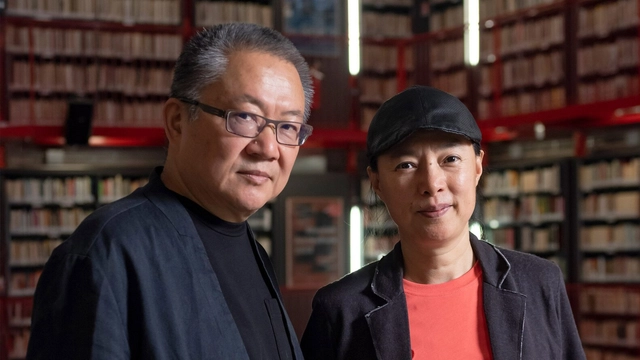
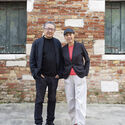
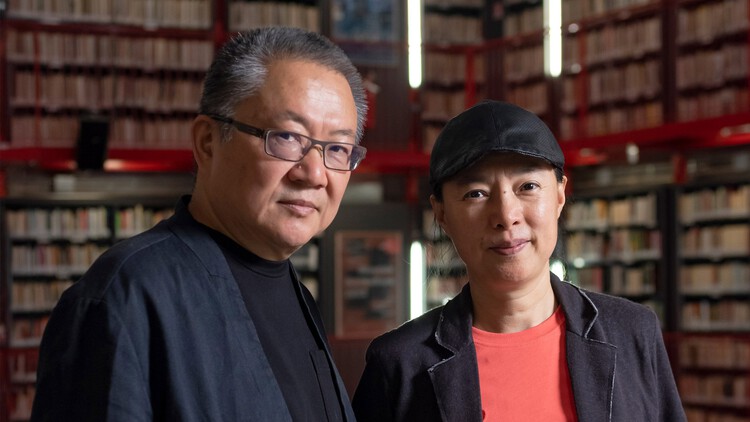
Wang Shu and Lu Wenyu. Image Courtesy of Venice Architecture Biennale
La Biennale di Venezia has announced that architects Wang Shu and Lu Wenyu will curate the 20th International Architecture Exhibition, opening in May 2027. Founders of Amateur Architecture Studio and leading voices in contemporary practice, the duo is known for an approach rooted in craftsmanship, material reuse, and deep engagement with place. Their appointment brings renewed attention to vernacular knowledge, construction cultures, and the social realities shaping architecture today.
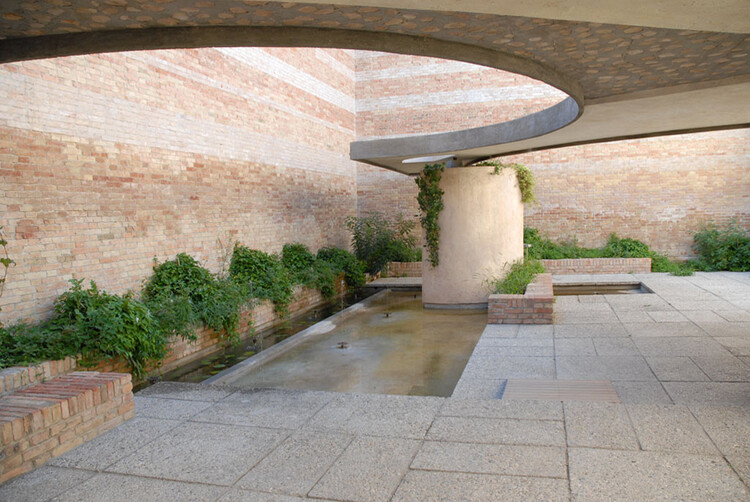
Giardino delle Sculture / Carlo Scarpa. Image by Jean-Pierre Dalbéra [Flickr under license CC BY-NC 2.0]
When we think of Venice, familiar images come to mind: Piazza San Marco, winding canals, and the reflection of Byzantine domes on still waters. Few, however, imagine that among those reflections lies a discreet chapter of Italian modernity — the architecture of Carlo Scarpa.
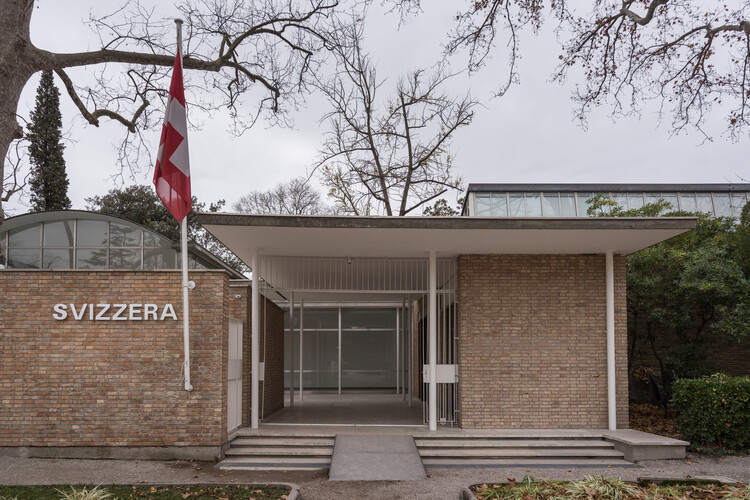
Amid the orderly grid of the Giardini della Biennale, the Swiss Pavilion appears almost reticent. Its low white volumes, completed in 1952 by Bruno Giacometti, seem to withdraw from the surrounding display of national pride. The building embodies a form of modernism that resists monumentality, where precision and restraint replace spectacle, and architecture becomes less an object than a framework for encounter.
Emerging from a Europe rebuilding itself, the pavilion reflects a time when nations were reimagining how to appear in the world. For Switzerland, neutrality had long been both a political stance and a cultural condition, and Giacometti translated this identity into a sequence of measured rooms arranged around an open courtyard, defined not by what they contain but by how they hold light, movement, and pause. The result is an architecture that does not speak loudly of belonging but invites attention through balance and care.
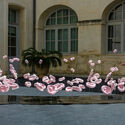
Coding Plants: An Artificial Reef and Living Kelp Archive. Courtesy of Terreform ONE
This curated selection of projects from the 2025 Venice Architecture Biennale explores how architects and designers are rethinking the relationship between the built environment and water in response to the global climate crisis. As sea levels rise and extreme weather events increase, water is no longer a distant threat but an immediate design condition. Rather than resisting it, these projects look at how architecture can coexist with, adapt to, and even regenerate through natural forces. Together, they suggest a shift toward working with the elements, acknowledging water not as a limit to construction but as an active participant in shaping future environments.
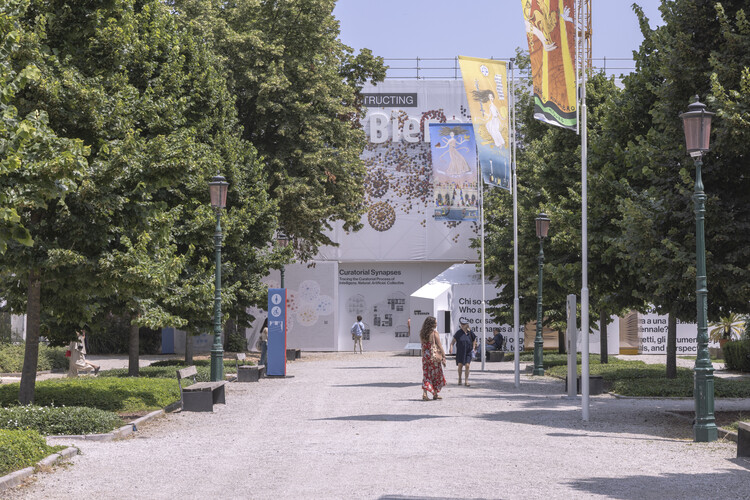
With just a few days left before the six-and-a-half-month 19th Venice Architecture Biennale comes to an end, it is possible to look back on some of the most notable contributions within its thematic framework. Marked by the largest call for participants to date, the Biennale's diversity of topics and the range of installations on display go beyond easy recapitulation. As part of that reflection, several initiatives can be highlighted as illustrative of the principles reflected in the curatorial theme, "Intelligens. Natural. Artificial. Collective." The concepts interwoven in Carlo Ratti's title form a call to address the urgent need for substantial solutions amid the accelerating climate crisis, positioning the Biennale as a platform for diverse design proposals and experiments organized around three forms of intelligence: natural, artificial, and collective. Beyond the national pavilions and numerous collateral events held throughout Venice over the past six months, among the more than 700 participants are projects that, through practice, embody four shared intentions: opening conversations about the future, proposing systemic responses to local realities, placing technology at the center of design innovation, and pursuing material research rooted in local sensitivity.
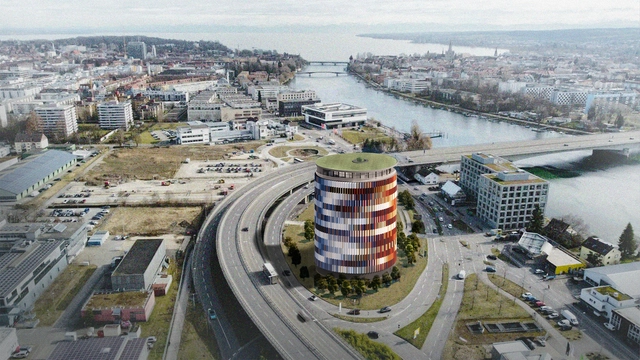
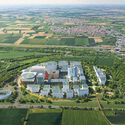
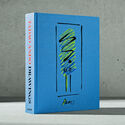
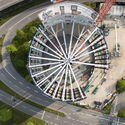
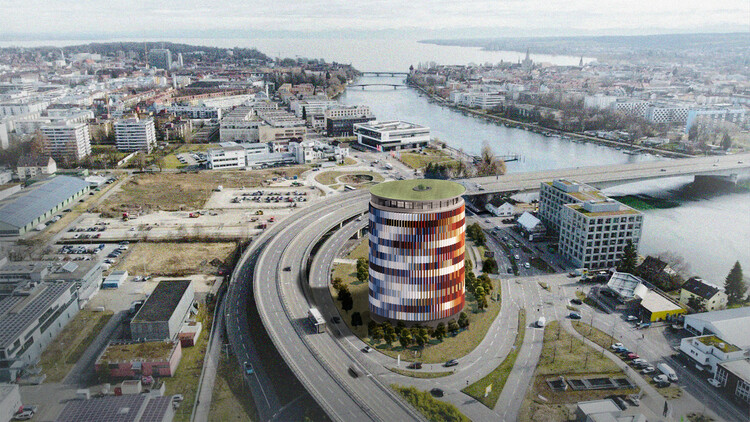
As the 19th Venice Architecture Biennale enters its concluding weeks, the global architecture scene continues to unveil significant projects and recognitions. This week's highlights include Studio Libeskind's residential complex in Prague; sauerbruch hutton's Panorama Constance exhibition building in Germany, and CRA–Carlo Ratti Associati's digitally fabricated bivouac for the upcoming Milano Cortina 2026 Winter Olympics. In New York, Venezuelan artist Miguel Braceli designed a major public artwork for the city's waterfront, addressing themes of migration, diversity, and the complexities of geopolitical identity. The week also brought recognition to sustainable and creative achievements, from the Holcim Foundation's regional awards for sustainable construction to the publication of Tadao Ando. Sketches, Drawings, and Architecture by Taschen, celebrating nearly five decades of the architect's design process.
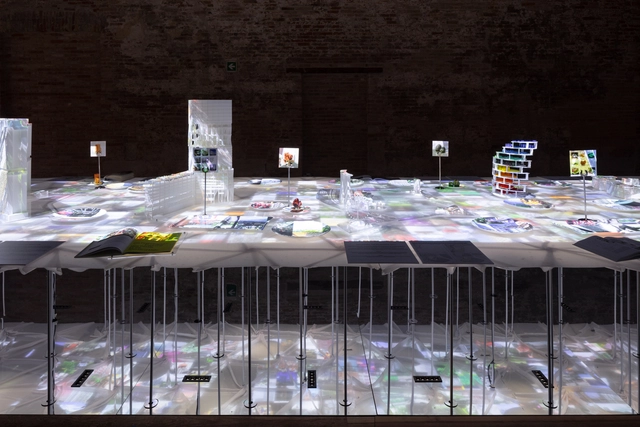
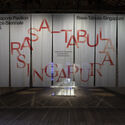
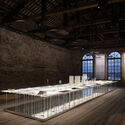
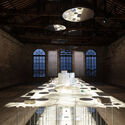
2025 marks the 60th anniversary of Singapore's independence, commemorating its separation from Malaysia on August 9, 1965. The occasion is celebrated in the country's national pavilion at the 19th Venice Architecture Biennale with a multisensory installation that honors Singapore's diversity and reimagines city-making through food, culture, and collective design. Titled RASA–TABULA–SINGAPURA, the installation invites visitors to take a seat at the Table of Superdiversity: an enticing reimagining of city-making and nation-building through the universal act of dining. According to the curatorial team from the Singapore University of Technology and Design (SUTD), the purpose of the installation is to showcase how the convergence of multicultural differences, collective histories, design, and new technology creates opportunities for more inclusive and adaptive urban futures.
Architecture has never been confined to the act of building. It constantly negotiates between material practice and intellectual reflection, yet throughout the twentieth and twenty-first centuries, many architects felt that the built project alone was insufficient to address the full range of questions facing the discipline. Economic pressures, political contexts, and programmatic demands often narrowed the scope of practice.
Exhibitions and curatorial platforms, by contrast, created spaces of experimentation and critique, opening arenas where architecture could interrogate itself, where its past could be reinterpreted, its present challenged, and its future projected. In this tension, the figure of the architect-curator emerged, treating curating itself as a form of design — not of walls or facades, but of discourse, narratives, and frameworks of meaning.