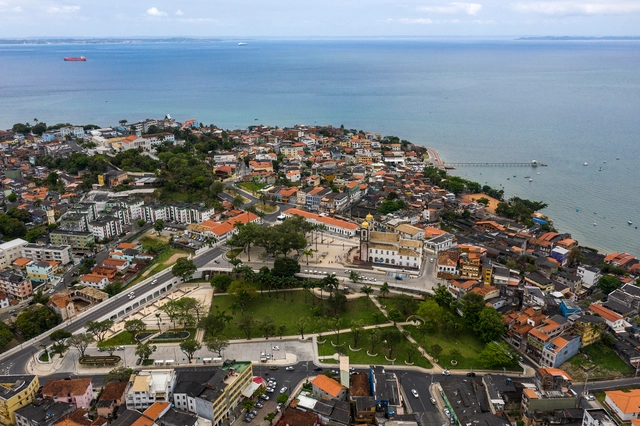


-
Architects: Sotero Arquitetos
- Area: 36050 m²
- Year: 2019



'Future Cites' exhibition was recently inaugurated at the Future Design Arts Centre in Chengdu, examining how the work of Zaha Hadid Architects has redefined urban landscapes around the world. The monographic show highlights the trends and innovations shaping contemporary urbanism and traces the ideas and concepts that defined ZHA's body of work. The exhibition displays the office's ongoing research and various urban design approaches, presented through visualizations, architectural models and video projections.
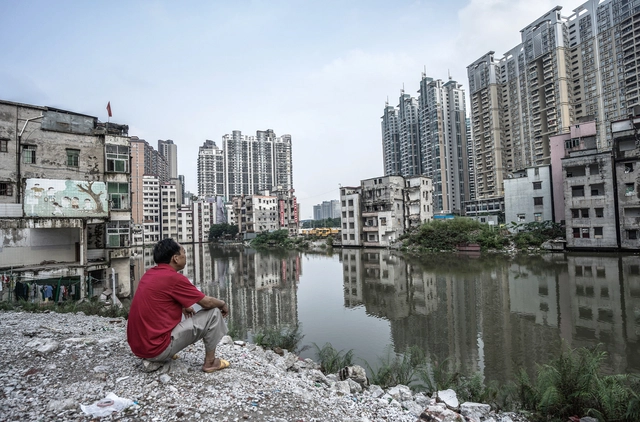
As is obvious to anyone with even a passing interest in demographics, cities are becoming denser—much denser. Rural life continues its steady emptying-out as urban life accelerates its explosive filling-in. The tilt has been apparent at least since the middle of the last century when the French geographer Jean Gottmann invented the word “megalopolis” to describe the continuous urbanization from Boston to Washington, D.C., then containing one-fifth of the United States’ population. But nowhere has the shift from countryside to city been more dramatic than in present-day Asia.

.jpg?1644868215&format=webp&width=640&height=580)
Interior Urbanism describes interior spaces so large that they behave like cities. These kinds of constructions can develop either as an adoc growth over time, or as a planned and cohesively designed set of volumes. Each approach has its own opportunities and problems when it comes to efficiency and architectural integrity. This video explores both and uses Chicago’s Pedway and John Portman’s Hyatt Regency near O’Hare airport as examples. Stewart Hicks visits these examples, discusses the implications of bringing our urbanism indoors, and compares and contrasts the spatial qualities of each — the contingent and gritty urbanism of the Pedway, with the pristine perfection of the hotel lobby and conference center.
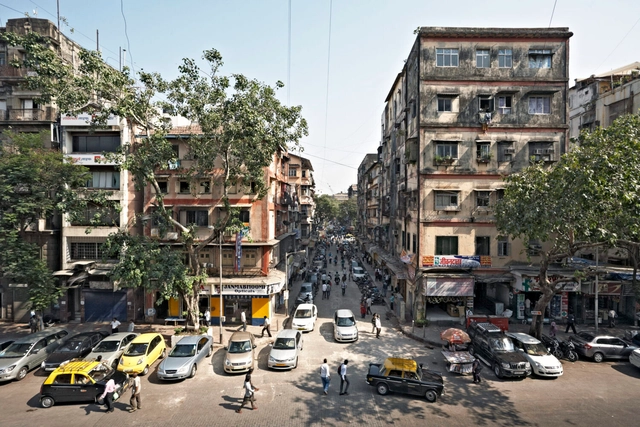
Rahul Mehrotra is an urbanist, educator, and founding principal of Mumbai- and Boston-based Rahul Mehrotra Architects (RMA Architects). Across India, Mehrotra has designed projects that range from master plans to weekend houses, factories, social institutes, and office buildings. Over decades, his endeavors in urban activism have culminated in the founding of the firm’s Architecture Foundation, which focuses on creating “awareness of architecture in India” through research, publication, exhibitions, and inclusive public dialogue surrounding architectural ethics and values.


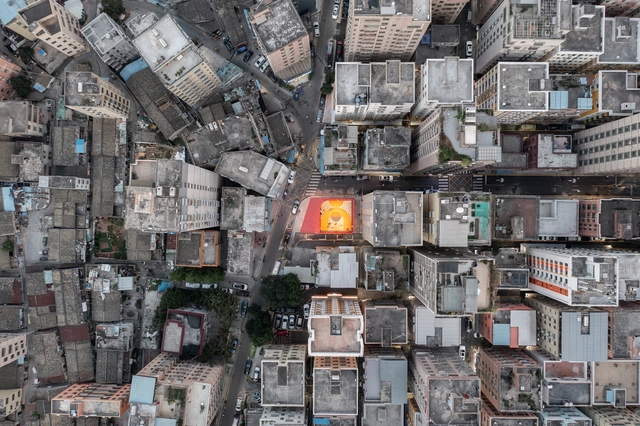
After a year delay due to the Covid-19 pandemic, Tokyo Olympics started at the end of July. In this edition, three new modalities debuted in the biggest competition in the world: 3x3 basketball, surfing and skateboarding. Bringing medals to countries such as Japan, United States, Brazil, Australia, Russia, Serbia, China and Latvia, and involving a large number of athletes and nations, these sports carry urban culture in their movements and histories and are an important part of relationships in the city.

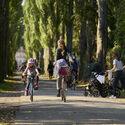
Over the last century, cars have been the dominant element when designing cities and towns. Driving lanes, lane expansions, parking garages, and surface lots have been utilized as we continue our heavy reliance on cars, leaving urban planners to devise creative ways to make city streets safe for pedestrians and cyclists alike. But many cities, especially a handful in Europe, have become blueprints for forward-thinking ideologies on how to design new spaces to become car-free and rethink streets to make them pedestrian-friendly. Are we experiencing the slow death of cars in urban cores around the world in favor of those who prefer to walk or ride bikes? And if so, how can it be done on a larger scale?
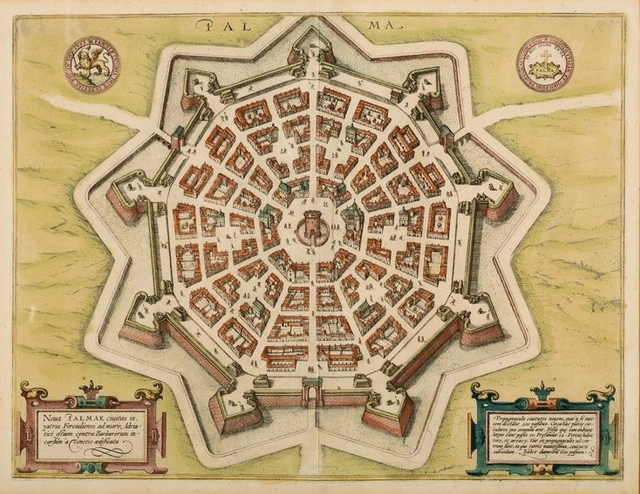
The concept of an “ideal city” is something that is often talked about today, as we look towards the future and think about what aspects of urban life we feel are most important for residents to thrive in a healthy community. However, ideal cities were conceived during the Italian Renaissance, as planners and architects prioritized rationale in their designs focusing on human values, urban capacities, and the recursive waves of cultural and artistic revolutions that influenced large-scale planning schemes.

Outside of China, media facades usually appear as proud individualists vying for attention at night. In China, however, you can find large groups of media facades with a common message in numerous metropolitan areas. These media facades visually merge multiple skyscrapers into a panoramic entity. But what are the reasons that this phenomenon is unique to China? And how did it start? The Media Architecture Biennale linked culture and politics to provide an answer to the emergence of media scapes in China.


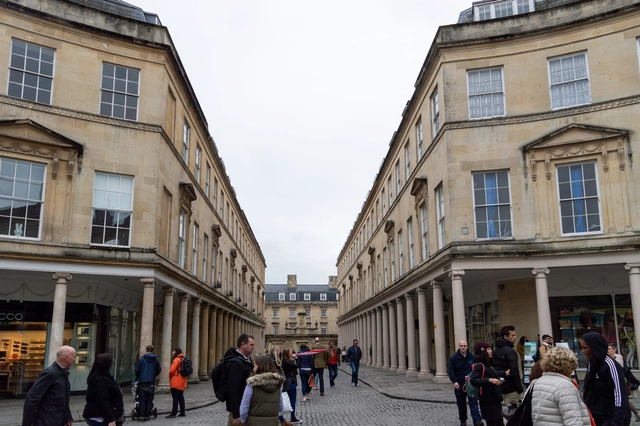
Buildings around the world are getting taller. Since the year 2000, global skyscraper construction has increased by 402%. Cities like Dubai are home to nearly 1000 high-rise buildings, and New York’s vibrant luxury real estate market has shown no signs of slowing down, with more high-rise additions slated to be added to its already towering skyline. There’s good in this – high-rises create much-needed space in already dense cities and can reduce urban sprawl in city centres, allowing for better preservation of natural areas.
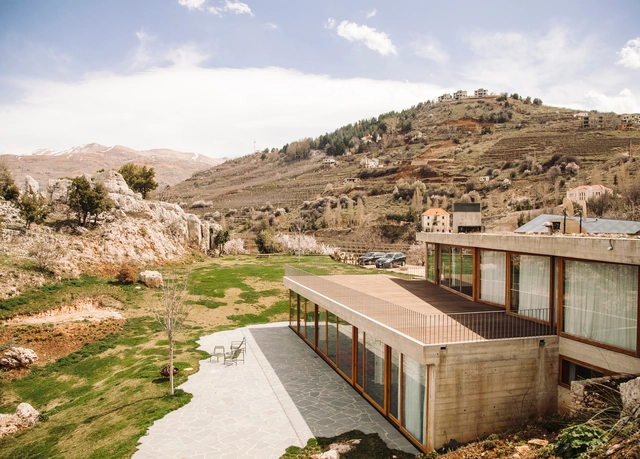
Lebanon is known for its millenary culture, and Lebanese architects are a part of it, using their projects to communicate with the environment and with the current challenges in architecture. To celebrate Lebanon’s Independence Day on 22 November, we have selected seven offices to learn more about contemporary Lebanese architecture.

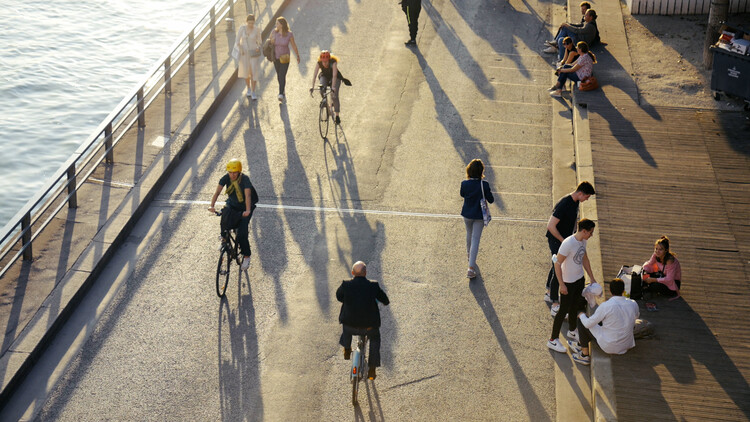
Designing a public space means contemplating the aspects of everyday life in the city. Creating places for gatherings, conflicts, demonstrations, relaxation, and enjoyment. These spaces can be used in many different ways, depending on who interacts with them, and one of the main roles of those who design them is to expand these possibilities and sensations. Including plants, benches, sports facilities, spaces for culture, arts, and performances, conservation areas, or any other element that stands out, is essential to improve the quality of life of the citizens who enjoy these squares and parks.
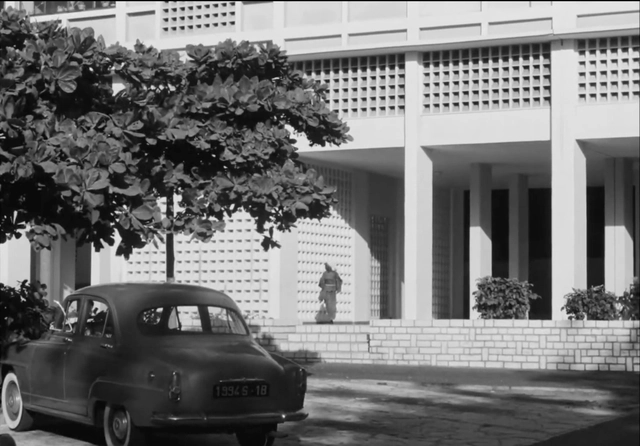
When examining the world of African cinema, there are few names more prominent than that of Senegalese director Ousmane Sembène. His films ‘La Noire de…’ and ‘Mandabi’, released in 1966 and 1968 respectively, are films that tell evocative stories on the legacies of colonialism, identity, and immigration. And whilst these two films are relatively slow-spaced, ‘slice-of-life stories, they also offer a valuable spatial critique of the setting where the films are based, providing a helpful framework to understand the intricacies of the post-colonial African city, and the contrast between the African and European metropolises.
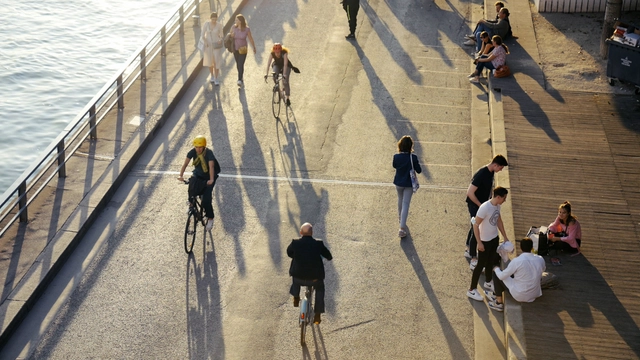
The 15-minute city urban theory receives the 2021 Obel Prize in recognition of the concept's value for creating sustainable and people-centric urban environments. First coined in 2016 by Sorbonne professor Carlos Moreno, the term defines a highly flexible urban model that ensures all citizens can access daily needs within a 15-minute distance, thus breaking the hegemony of the car and reintroducing the qualities of historic cities within contemporary urban planning.
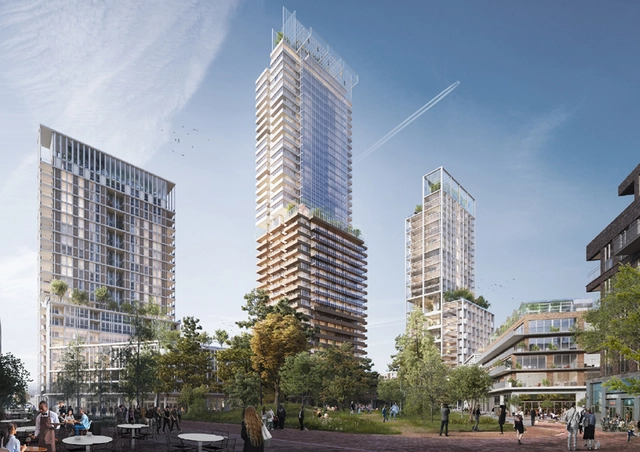
It is projected that by 2025, the world’s population will reach over 8.1 billion people- and a large majority of those people will be heavily concentrated in cities. While much of the focus has been on preparing and reconfiguring our already hyper-dense urban to absorb even more people, in the peripheral, smaller cities and towns around the globe have experienced significant expansion, and have defined themselves as “up-and-coming”. Places that were perhaps once overlooked are putting themselves on the map for their rapid growth, economic vitality, and affordability, among other characteristics.
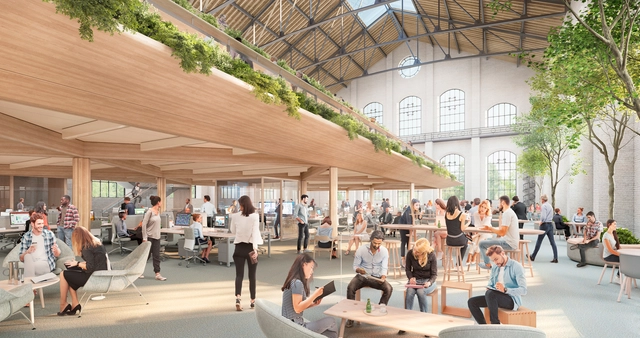
Cities around the globe have widely adopted the concept of adaptive reuse and the importance of investing in historic sites and bringing them into the present day. Instead of focusing on brand new, ground-up construction, many are seeing the value in repurposing structure for new programs. Old churches are becoming restaurants, factories are transformed into museums and apartments, and warehouses are designed to become iconic office spaces. But beyond individual buildings, some planners and preservationists are reimagining what it means to revitalize in a similar way, but at a city scale, and how we can determine the buildings that would benefit our neighborhoods if they are repurposed.
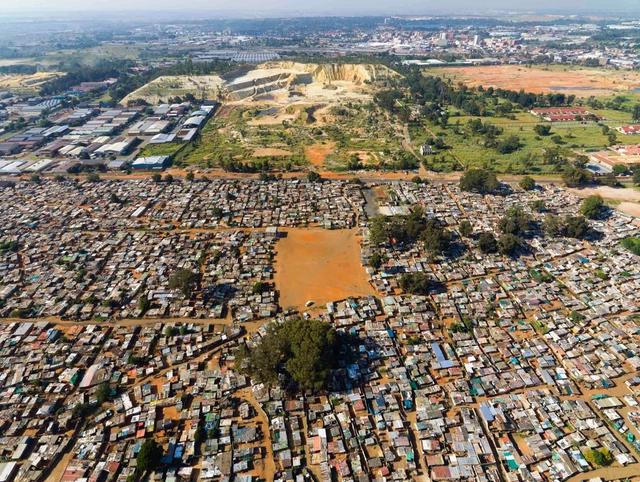
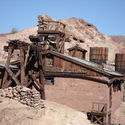
The urban settlements we inhabit today exist in their present form due to a host of reasons. There are cities that have grown due to their proximity to water – such as the growth of Dar es Salaam to the major port city it is today. There are the planned capital cities scattered around the world, governments of countries such as Brazil and Nigeria building cities from scratch from the input of acclaimed architects. There are also the settlements that exist and grow because of certain industries, such as Silicon Valley in the American state of California being home to giants of the technology industry. There’s an industry, however, that has spawned both pulsating cities and abandoned towns – the mining industry.
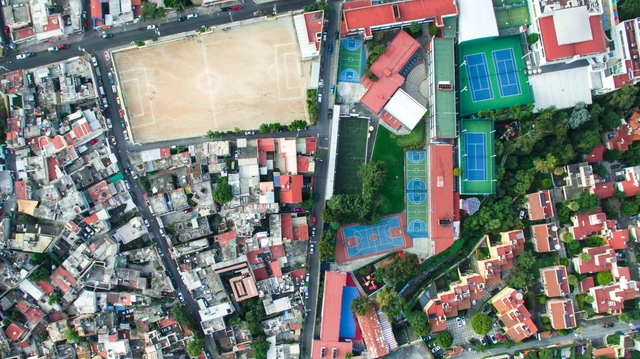
The concept of equity is different from equality; equity means everyone needs support, but not necessarily in the same way. Therefore, the concept of urban equity allows us to preserve the uniqueness of each region of a municipality, protecting diversity and richness without overlooking infrastructure needs, which directly affect the quality of public space and the basic services required for a private residence - it allows us to design and invest in the city fairly, regardless of the region.