


-
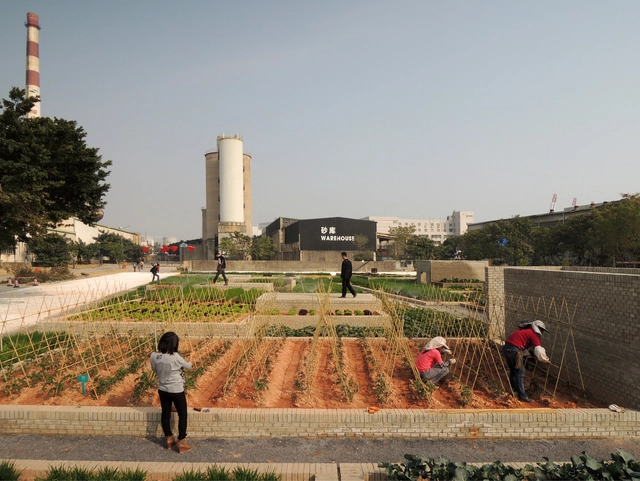
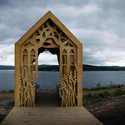
Architects: Rintala Eggertsson Architects, TYIN Tegnestue
- Area: 20 m²
- Year: 2013


.jpg?1398657346&format=webp&width=640&height=580)
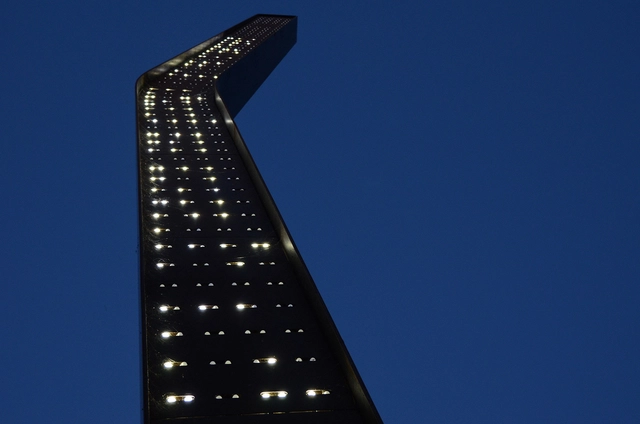
The winners of the 2014 Canadian Urban Design Awards, a biennial competition recognizing projects that contribute to the vitality and sustainability of Canadian cities, were recently announced by the Royal Institute of Canada (RAIC), Canadian Institute of Planners, and Canadian Society of Landscape Architects. Eight individuals, organizations, and firms - including Perkins + Will for a masterplan in Edmonton - were recognized for their urban design efforts in categories such as Community Initiatives and Civic Design. For information and images on the winning entries, read on after the break.
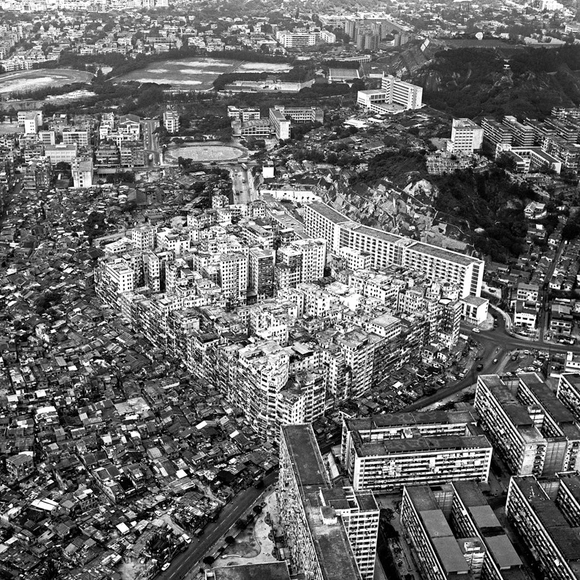
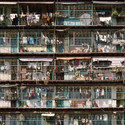
In light of the release of a second, revised edition of City of Darkness -- the authoritative text on Kowloon Walled City, which you can help Kickstart here -- authors Greg Girard and Ian Lambot have shared an excerpt from City of Darkness Revisited.
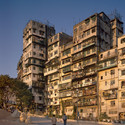
The early phases of the Walled City were characterised by predictable building typologies and the buildings were constructed on the principle of squatters’ rights, with random construction on spots of available land by whoever got there first. Alleyways and passages evolved – unplanned – into the established ‘map’ of the City, which would remain until it came down. A basic electric supply existed, increasingly burdened by illegal connections that frequently overloaded the system, and the few standpipes supplied the only water. As the need to accommodate the ever growing residential and commercial populations forced it to in the 1960s, the building typology of the Walled City made the leap from two- to three-storey residential structures to taller, six- to seven-storey ones. This represented an important threshold, because at these greater heights the buildings unavoidably became more complex and required greater labour to realise, reinforced concrete, more investment, and so on. They also required a different way of living. Water had to be transported up to the higher floors by hand. Likewise the propane gas canisters that furnished fuel to cook or heat water.

Brooks + Scarpa has won a competition to design a new park-and-ride plaza for the future Angle Lake light rail station in Seattle. As part of the 1.6-mile South 200th Link Extension, which will connect Angle Lake to the airport and downtown area by 2016, the $30 million complex will provide the station’s anticipated 5,400 passengers with a pedestrianized plaza, drop-off and retail area, as well as a 1,050-stall parking garage and 35,000 square feet of reserved space for future transit-oriented development.
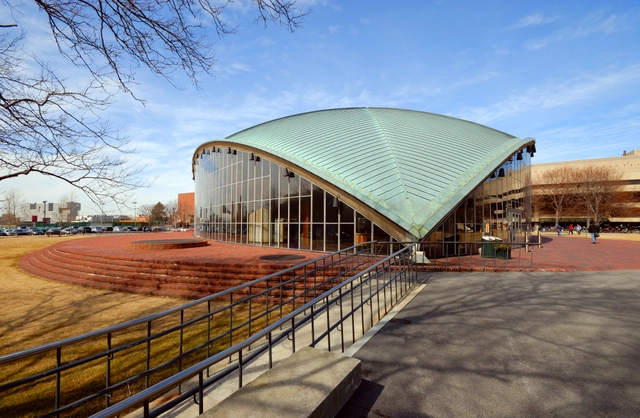
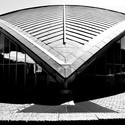
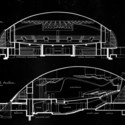
Kresge Auditorium, designed by Finnish American architect Eero Saarinen, was an experiment in architectural form and construction befitting the Massachusetts Institute of Technology’s focus on technology and innovation. This feat of sculptural engineering serves as a meeting house and is part of the cultural, social, and spiritual core of MIT’s campus. Kresge Auditorium is one of Saarinen’s numerous daring, egalitarian designs that captured the optimistic zeitgeist of Post-war America.
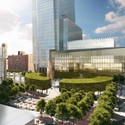
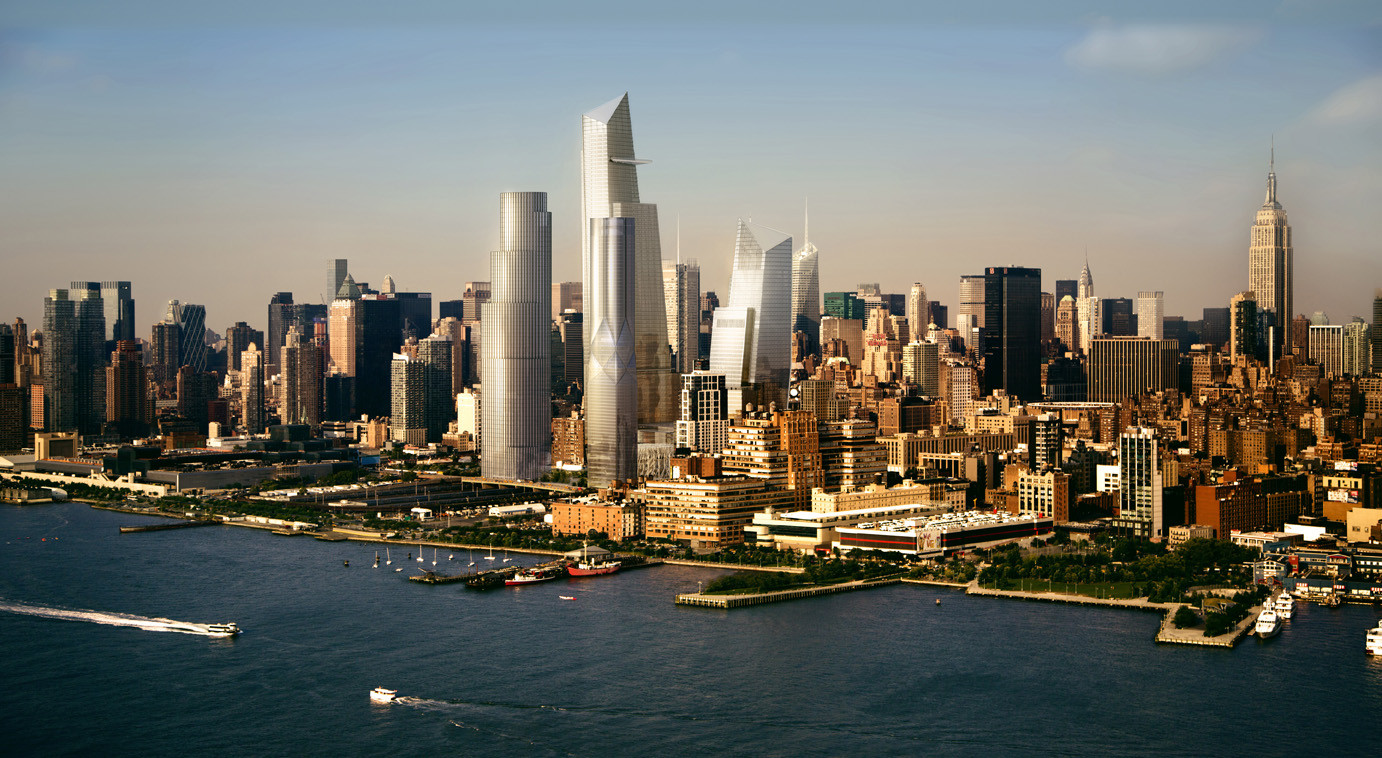
The construction of Hudson Yards, the biggest private real estate development in the history of the United States and currently the largest development in New York City since the Rockefeller Center, is gaining momentum. The vast infrastructural project in the heart of the city is set to enclose an active rail yard with an expansive platform, paving the way for 28 acres (and 17 million square feet) of commercial and residential space. Housing over 100 commercial units, 5000 residences, 14 acres of open public space, an enormous school and luxury hotel all on top of a working train depot, the project will directly connect to a new subway station and meet with the High Line.

How often are spontaneous, primitive, radical actions implemented in large urban centres? Siempre Fiesta (or Always Party) by Andrés Carretero and Carolina Klocker was recently voted by the We-Traders community as their favourite in the recent Open Call Madrid competition. Viewing the city through children's eyes, where the order of the day is primarily playing or making, and using the concept of "free movement of our body in space" as a key driver, Carretero and Klocker developed a playful scheme that proposed filling a niche in Madrid's urban grid with sand as a way of managing the environment to create "comfortable space."


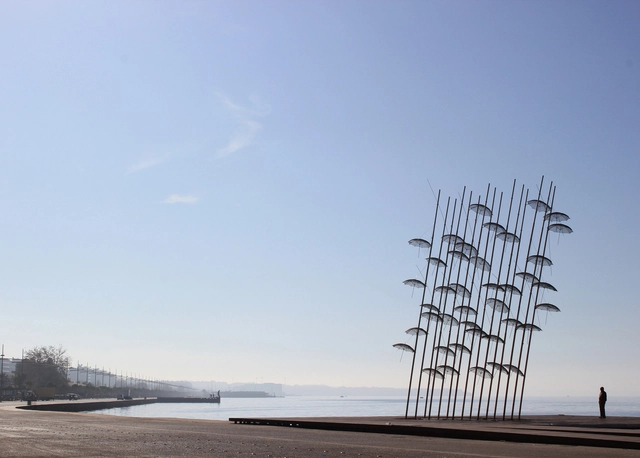


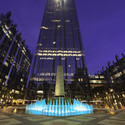
The design of PPG Place, by Philip Johnson and John Burgee, melds the notion of the modern corporate tower with a neo-gothic monument. Clad in almost a million square feet of glass manufactured by the anchor tenant PPG industries, the architects ingeniously rethought accepted practices in curtain wall design to create "the crown jewel in Pittsburgh's skyline." (1) The 1.57 million square foot complex was one in a series of high profile corporate projects completed during Johnson's controversial foray into postmodernism.
.jpg?1393213214&format=webp&width=640&height=580)
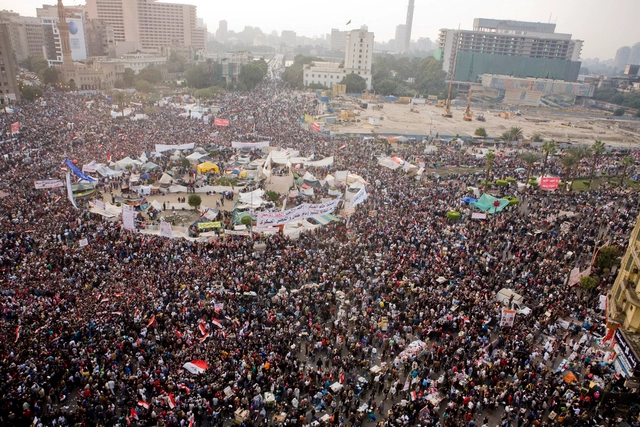
In this tongue-in-cheek "Dictator's Guide to Urban Planning", the Atlantic explores the various ways that public spaces, and cities as a whole, have been used to suppress uprisings and bolster the control of authoritarian governments. Covering everything from Baron Haussmann's 19th Century Paris to the recent revolution in the Ukraine, the article reveals the fundamental relationship between public space and democracy. You can read the full article here.
.jpg?1398657317 "© Pedro Kok")
.jpg?1398657135 "© Pedro Kok")
.jpg?1398657236 "© Pedro Kok")
.jpg?1398657209 "© Pedro Kok")
.jpg?1398657346)





















.jpg?1393212853 "© Filip Dujardin")
.jpg?1393212968 "© Filip Dujardin")
.jpg?1393212863 "© Filip Dujardin")
.jpg?1393213129 "© Filip Dujardin")
.jpg?1393213214)