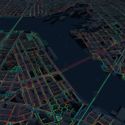
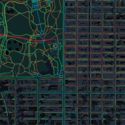
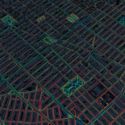
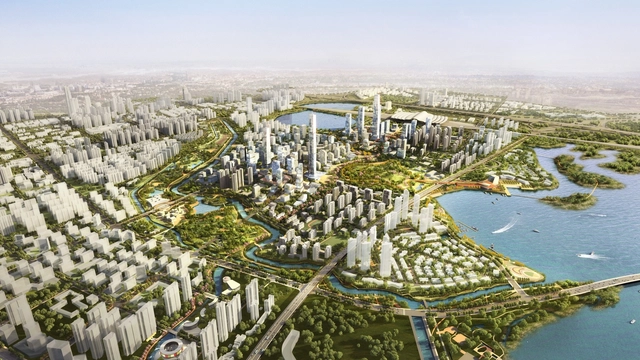
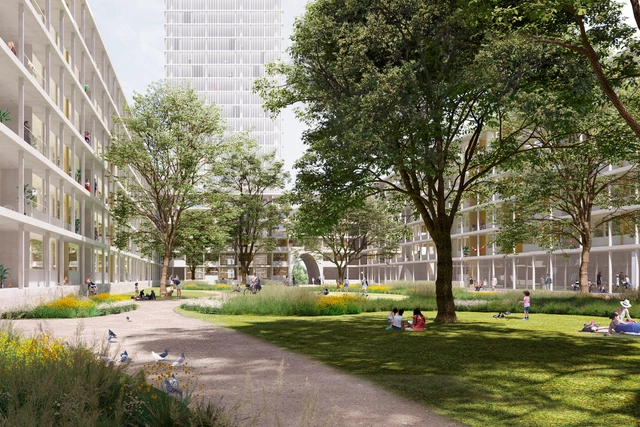
Stefano Boeri Architetti has unveiled its recent scheme for Tirana Riverside, in the Albanian capital. Tackling post-COVID 19 needs, the imagined neighbourhood, a first of its kind in Europe, is a technologically-advanced, green and sustainable novelty, designed in agreement with the Government and the City Authorities.
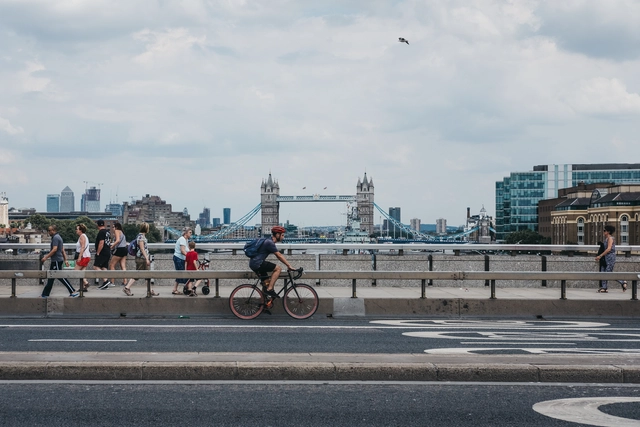
Cyclist and pedestrians on London Bridge, London, UK, River Thames and Tower Bridge on the background. Image via Shutterstock/ By Alena Veasey
After Milan and Paris, London has announced its plans to transform large areas in the city, converting streets to car-free zones, as the coronavirus lockdown loosens up. Repurposing the city for people, London aims to emerge differently from the pandemic, supporting a low-carbon and sustainable recovery. Works have already started and are expected to be completed within six weeks.
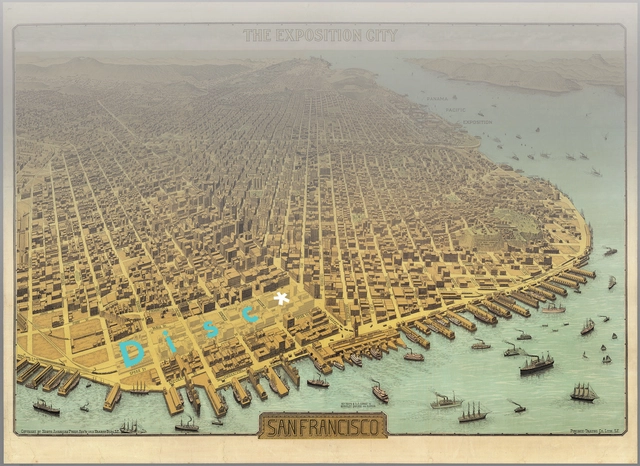
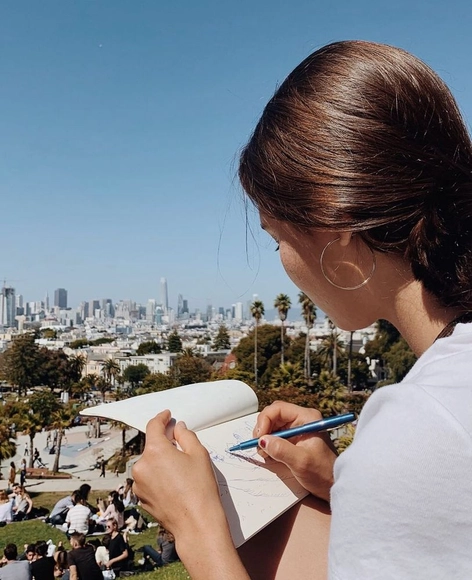
Disc*2020 (Design & Innovation for Sustainable Cities) is a five week summer program for currently enrolled college students that explores an interdisciplinary and multi-scalar approach to design and analysis in the urban environment.
The Intimate City hosts Dining in the Urban, a design competition that offers the opportunity to explore domestic rituals in Skopje's public realm. The brief uses the knowledge gained from domestic rituals to expose the current social and physical forms, unveiling the boundaries between the public, communal, and private within the city. Aiming to reveal social and physical latency the brief is an experiment that acknowledges form as a social commitment in order to mediate the tension in the city.
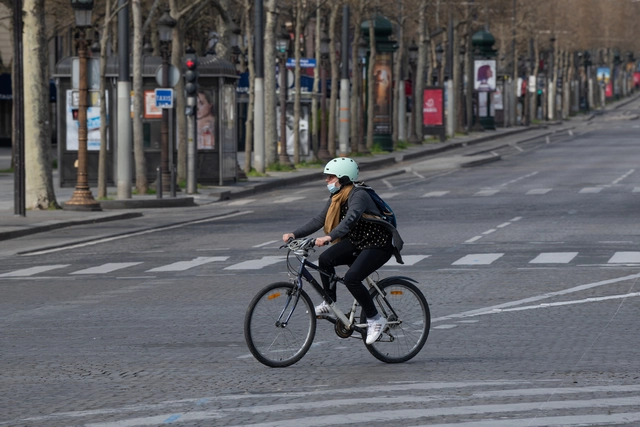
PARIS, FRANCE March 22th 2020 : The Cyclist with medical mask on Champs Elysées empty during the period of containment measures due to the Covid-19 Coronavirus. Image via Shutterstock/ By Frederic Legrand - COMEO
Paris, just like Milan, is planning on keeping its streets car-free after the coronavirus lockdown. Mayor Anne Hidalgo announced plans to maintain the anti-pollution and anti-congestion measures introduced during the confinement period, as the city reopens.
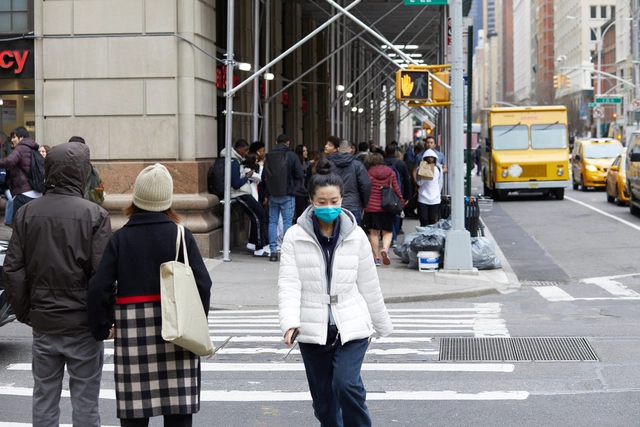
New York, NY / USA - March 12, 2020. Image via Shutterstock/ By hector de jesus
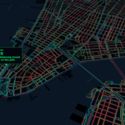
As social distancing becomes the new norm in the fight against COVID-19, people are finding it harder to keep up with the six-foot rule in dense cities. Urban Planner Meli Harvey developed a map of New York that shows the width of sidewalks in the city, aiming to highlight public areas where social distancing can be maintained.
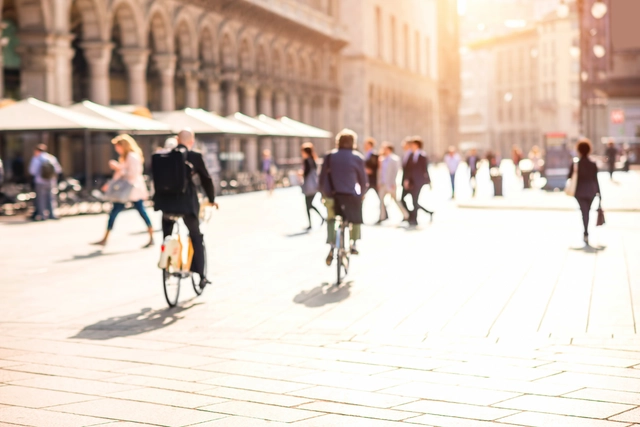
The city of Milan has announced its Strade Aperte plan or “Open streets” plan that favors pedestrians and cyclists over cars. In order to reduce car usage, the Lombardy area will repurpose 35km of roads, over the summer, after the coronavirus lockdown, transforming them into people-friendly streets.
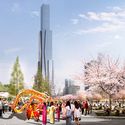
Designed by Sasaki in collaboration with an interdisciplinary team including Arup, JLL, and the Wuhan Planning Institute, the Wuhan Yangchun Lake Business District master plan was approved by the city. Imagining “a progressive yet realistic vision for the district”, the project, a landscape-forward urban blueprint, will define Wuhan’s next generation of growth.
In this difficult time, Penta Real Estate is inviting local and foreign architects and architectural studios to participate in an open, international architectural and urban design competition. The aim of the competition is to find the best solution to complet the residential block in the western part of Prague's Vysočany. The scope of the project should be at least 280 residential units together with the amenities of commercial or non-commercial purpose (respectively 24,200 square meters of gross floor area). It is two round competition. The first round is open, it is qualifying. In order to participate in it, please first register and then hand over the portfolio - max. 9 pages. Applicants will indicate their previous experience, references and the overall concept of the proposal.
Floating hotels? Houses under bridges? Plug and play retail? Detachable aircraft pods?!
Do you think of crazy (read: ridiculous) ideas but brush them off? DON'T! If you love radical disruptions in the built environment, this project is for you. The Radical Design Project (RDP) is intended to be a collection of innovative ideas that trigger design thinking and, hopefully, generate fresh perspectives for the built environment.
It is not your responsibility to finish the work [of perfecting the world], but you are not free to desist from it either.” —Rabbi Tarfon
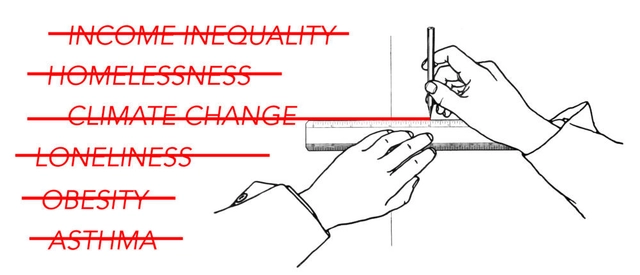
On a recent flight, a gentleman sitting next to me noticed, aloud, that I was reading a book about architecture. Daring to engage in a conversation with more than two hours of flight time left, I confessed that I not only read about, but also practice architecture. His next question, with the earnest tone of a newly minted grandfather, was whether architects were “solving the housing crisis.”
David Chipperfield Architects with Wirtz International Landscape Architects have won an urban competition in Berlin to convert the abandoned industrial and production site Georg-Knorr-Park into a lively residential and commercial neighborhood.
Today's designers have inherited unprecedented global challenges, a legacy which will require radically new ways of fashioning the buildings, places, and landscapes that harbor our diverse ways of life. The College of Environmental Design offers several introductory and advanced programs for those interested in confronting these challenges in the fields of architecture, landscape architecture and environmental planning, urban design, and sustainable city planning. Please visit UC Berkeley's Summer Programs website to view images of student work and learn more about the CED Summer experience.
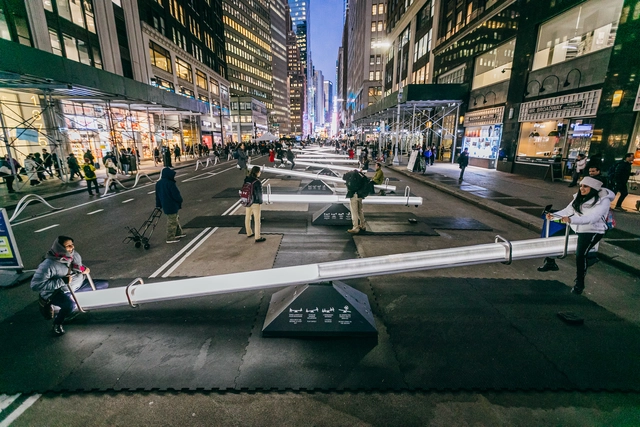
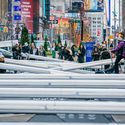
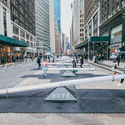
Lateral Office, the Canadian experimental design practice that operates at the intersection of architecture, landscape, and urbanism, in partnership with CS Design, installed 12 seesaws in New York City's Garment District. The urban intervention will stay on display until the 31st of January 2020.
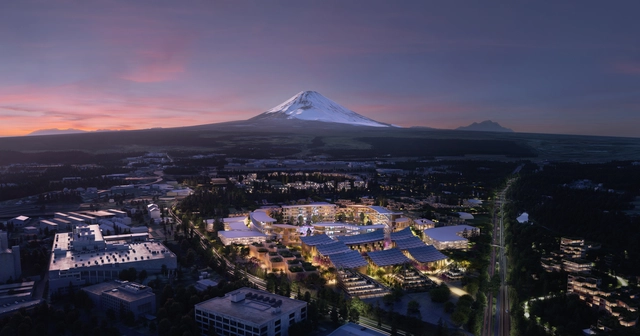
BIG unveiled its latest intervention, the Toyota Woven City, the company's first venture in Japan. Nestled at the foothills of Mt. Fuji, the project, in collaboration with Toyota Motor Corporation, is the world’s first urban incubator pushing forward the development and progress of mobility.
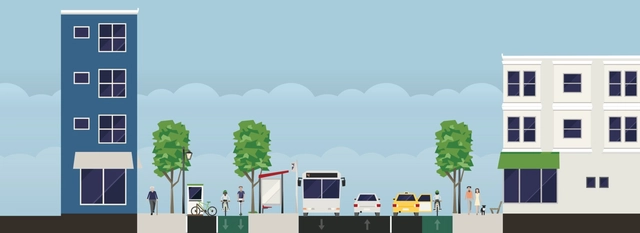
Used in Mexico City and in Reno, Nevada, Streetmix allows users to experiment and participate in the design of their streets. This bottom-up approach is a participatory tool that can include everyone in the decision making, without particular technical knowledge.
The Un-habitat or the United Nations agency for human settlements and sustainable urban development, whose primary focus is to deal with the challenges of rapid urbanization, has been developing innovative approaches in the urban design field, in order to encourage the active participation especially of children, women and underprivileged individuals.


.jpg?1591114518&format=webp&width=640&height=580)